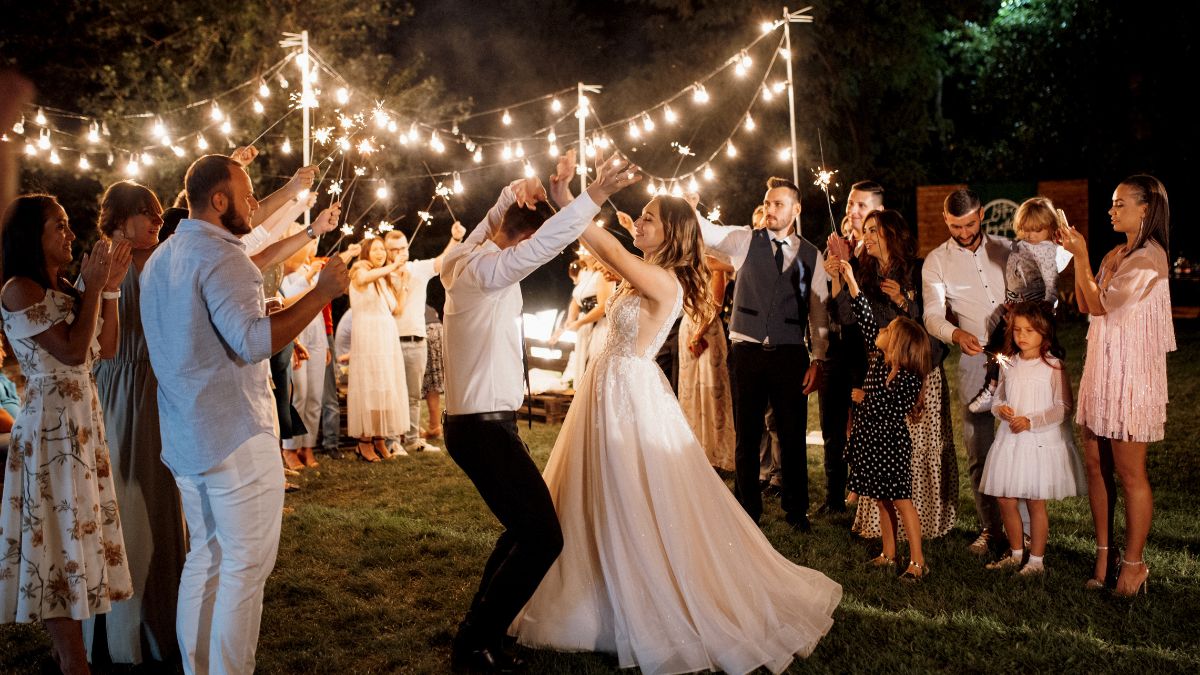
Wedding photography represents one of the largest single line items in a modern wedding budget, with professional photographers commanding thousands of dollars to document a day that cannot be repeated or recreated. The images produced during those hours become the permanent visual record of one of the most significant events in a couple’s life, carried forward through decades of anniversaries, family albums, and eventual heirlooms. What most guests do not fully appreciate is how easily a single thoughtless action can permanently compromise a photograph that cost hundreds of dollars to stage and capture. The following behaviors are documented repeatedly by professional wedding photographers as the most damaging and frustrating guest habits they encounter at every level of wedding production.
Phone Screens
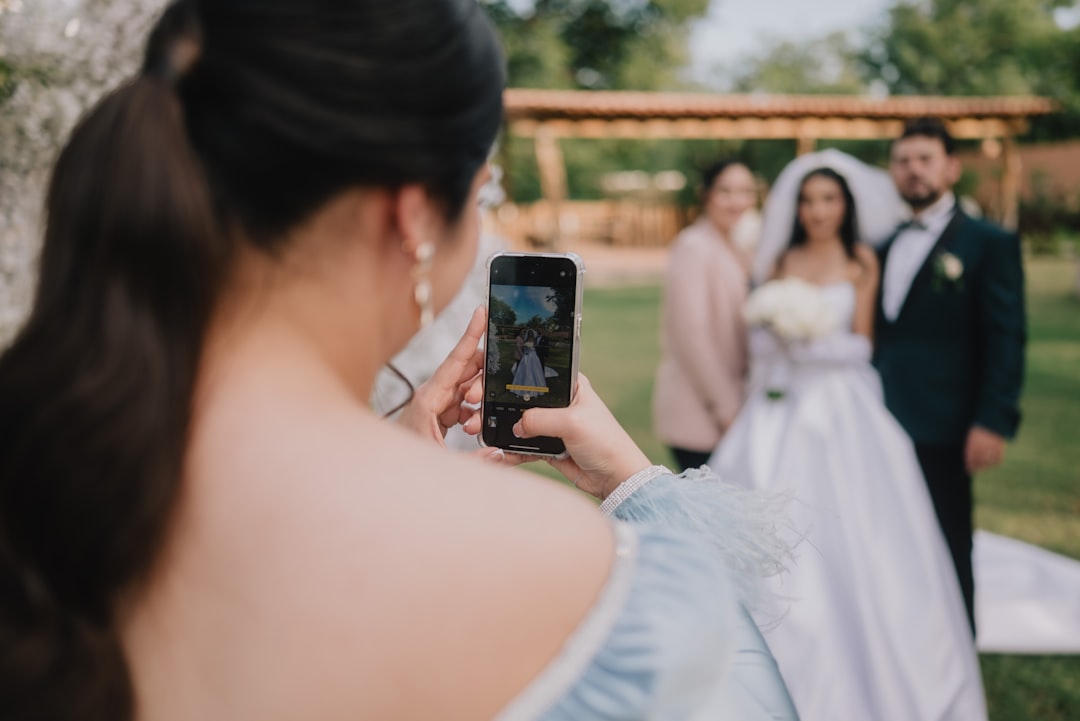
Guests who hold smartphones and tablets aloft during ceremony proceedings create a wall of glowing rectangles that appears in virtually every wide shot the photographer attempts from the aisle or altar. The illuminated screens compete directly with the carefully balanced ambient and artificial lighting the photographer has spent considerable time evaluating before the ceremony began. A phone held at the wrong angle casts a visible glow across the faces of the couple at the exact moment of the vow exchange or first kiss. Images that should anchor the entire wedding album are instead cluttered with the edges and backs of consumer electronics held by guests who are experiencing the moment through a four-inch screen. Professional photographers cite phone interference during ceremony proceedings as the single most consistent source of irreparably compromised images across all wedding budgets.
Aisle Stepping
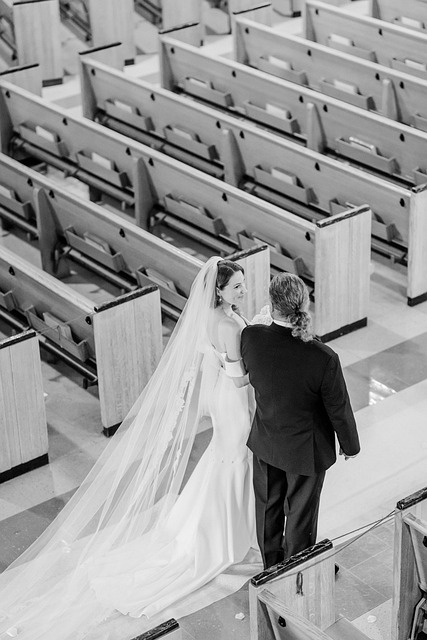
Guests who step partially or fully into the aisle to capture their own photographs during the processional create a physical obstruction that forces the professional photographer to reframe or abandon planned shots entirely. The processional walk is one of the most choreographed sequences in wedding photography, with the photographer positioned to capture a specific angle as the bride moves toward the altar. A guest leaning into the frame with a camera or phone introduces a body part, a device, or a shadow that cannot be edited out without destroying the compositional integrity of the image. Photographers who have communicated their positioning to venue coordinators and officiants find their carefully established sight lines collapsed in seconds by a single well-meaning guest. The processional images are among the most requested and emotionally significant in the entire wedding gallery, making aisle intrusions disproportionately damaging to the final deliverable.
Flash Interference
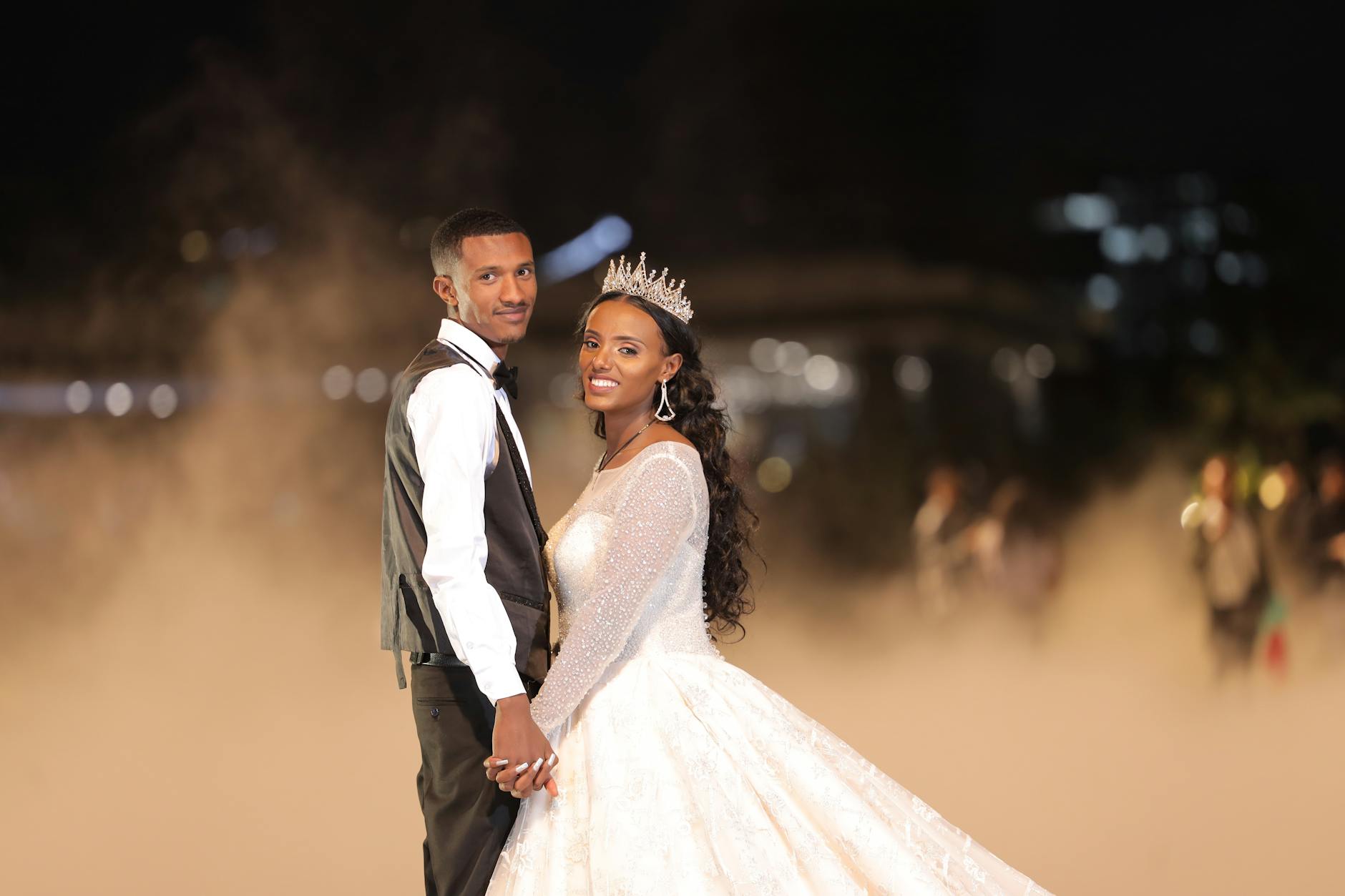
Guests who use flash photography during ceremony and portrait sessions create competing light sources that overpower or distort the carefully controlled lighting environment the professional photographer has constructed. A guest flash firing at the moment of shutter release can wash out the couple’s faces, destroy shadow detail, and introduce color temperature inconsistencies that survive into the final edited image. Flash interference is particularly destructive during indoor ceremonies where the photographer has balanced ambient window light with artificial sources at precise exposure settings. The problem compounds when multiple guests fire flashes at irregular intervals, forcing the photographer to reshoot moments that occurred only once and cannot be restaged. Many professional photographers request that guest flash photography be prohibited during the ceremony, a request that is routinely ignored by guests who do not understand its technical consequences.
Outfit Clashing
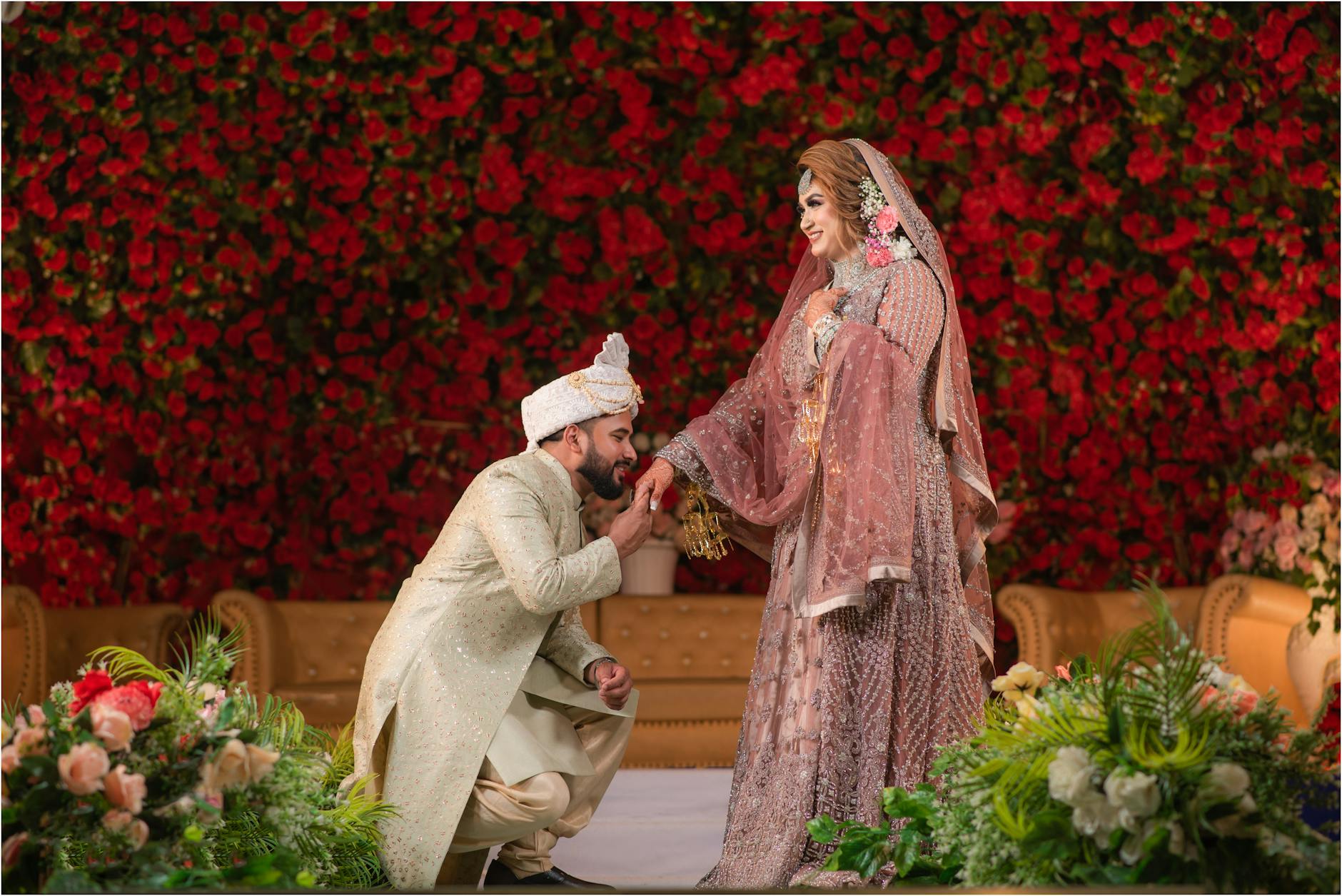
Guests who wear white, ivory, or near-white clothing to a wedding create color interference that draws the eye away from the bride in group photographs and formal portraits. The visual hierarchy of wedding photography depends on the bride’s dress functioning as the dominant white element in any frame, a compositional assumption that is disrupted by guests dressed in competing tones. Editors who work on wedding galleries report spending significant additional time attempting to distinguish the bride from white-clad guests in group shots where the two appear in proximity. The problem is amplified in outdoor ceremonies where bright natural light intensifies light-colored fabrics and creates additional visual noise around the subject the photographer is trying to isolate. Wearing white to another person’s wedding is widely understood as a social transgression, yet photographers encounter it at a significant proportion of the events they document.
Background Wandering
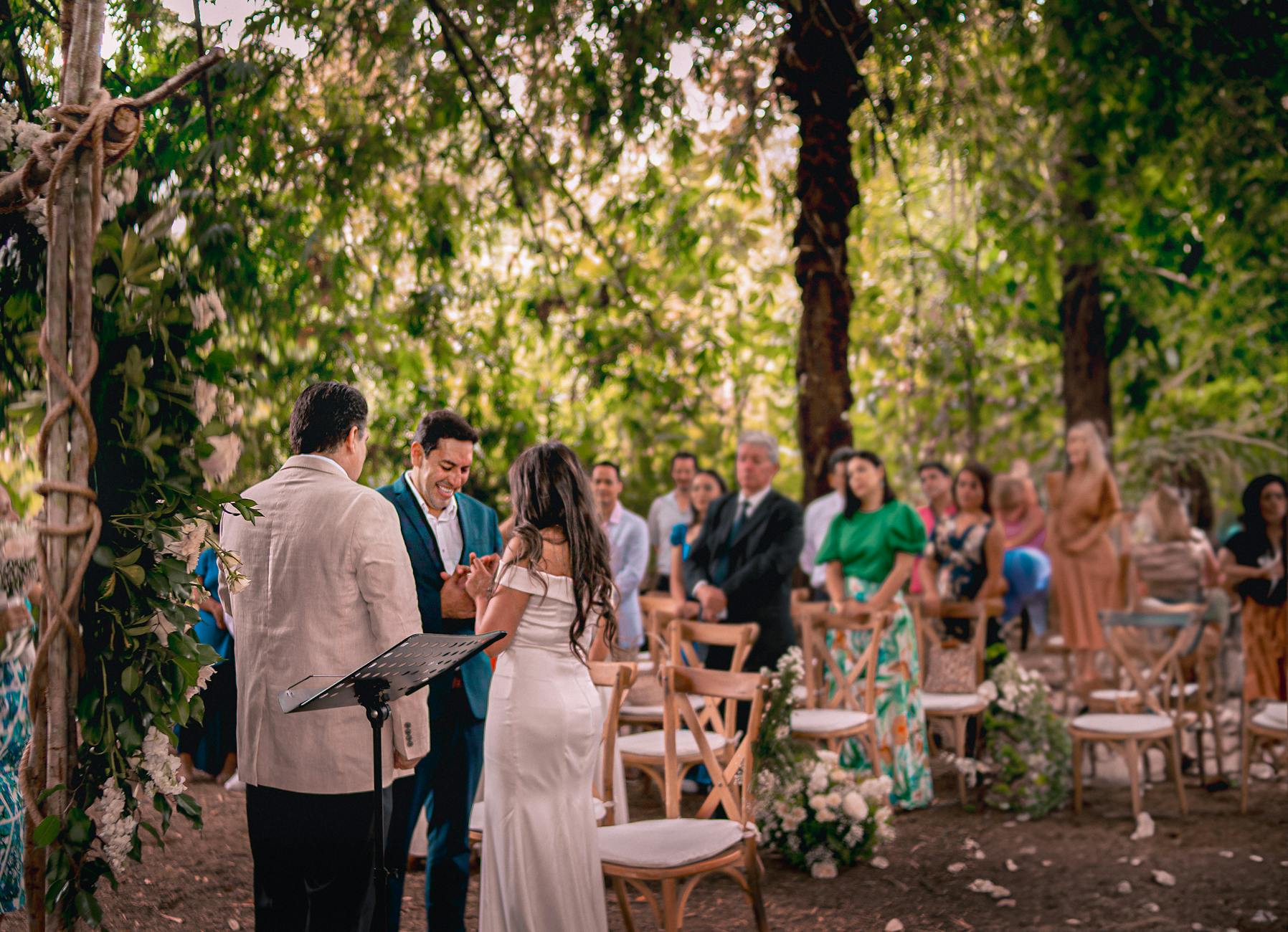
Guests who wander through the background of portrait sessions that are clearly in progress introduce movement, distraction, and compositional chaos into images the photographer and couple are actively working to create. Portrait sessions conducted in garden areas, lobbies, or outdoor spaces are visually open enough that background activity cannot be fully controlled through framing alone. A guest walking through the background of a long-exposure golden hour portrait carrying a drink and a phone creates an element that no amount of post-processing can cleanly remove. Photographers who attempt to communicate with wandering background guests while simultaneously directing the couple lose control of both the lighting window and the subjects’ natural expressions. The golden hour portrait session is time-limited by the movement of the sun and background intrusions that consume minutes of that window have a direct and irreversible impact on the gallery.
Seat Saving
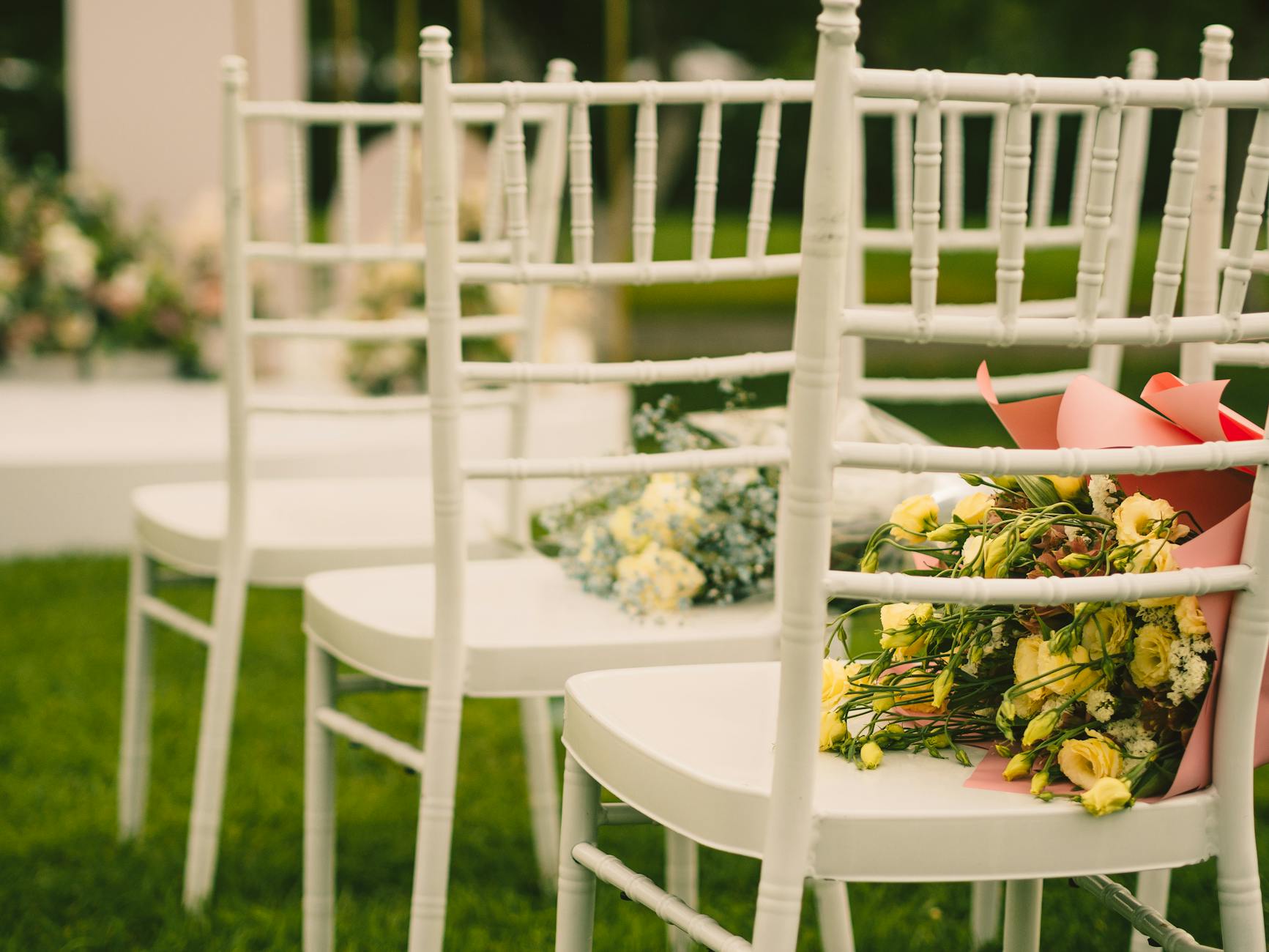
Guests who save multiple seats in the front rows of ceremony seating by spreading personal items across them force photographers to work around awkward gaps in the audience composition visible in wide ceremony shots. Ceremony seating photography depends on full and evenly distributed audience presence to create the sense of warmth and witness that defines the visual record of the event. Empty seats surrounded by bags and programs in the front rows create dead zones in wide compositions that communicate poor attendance or disorganization regardless of how full the room actually is. Photographers who rely on the filled front rows to frame the couple against a backdrop of engaged witnesses find their compositional options limited by seats that are technically occupied by nobody. The ceremony crowd is not incidental to wedding photography but is a deliberate compositional element that seat-saving behavior directly degrades.
Reception Crowding
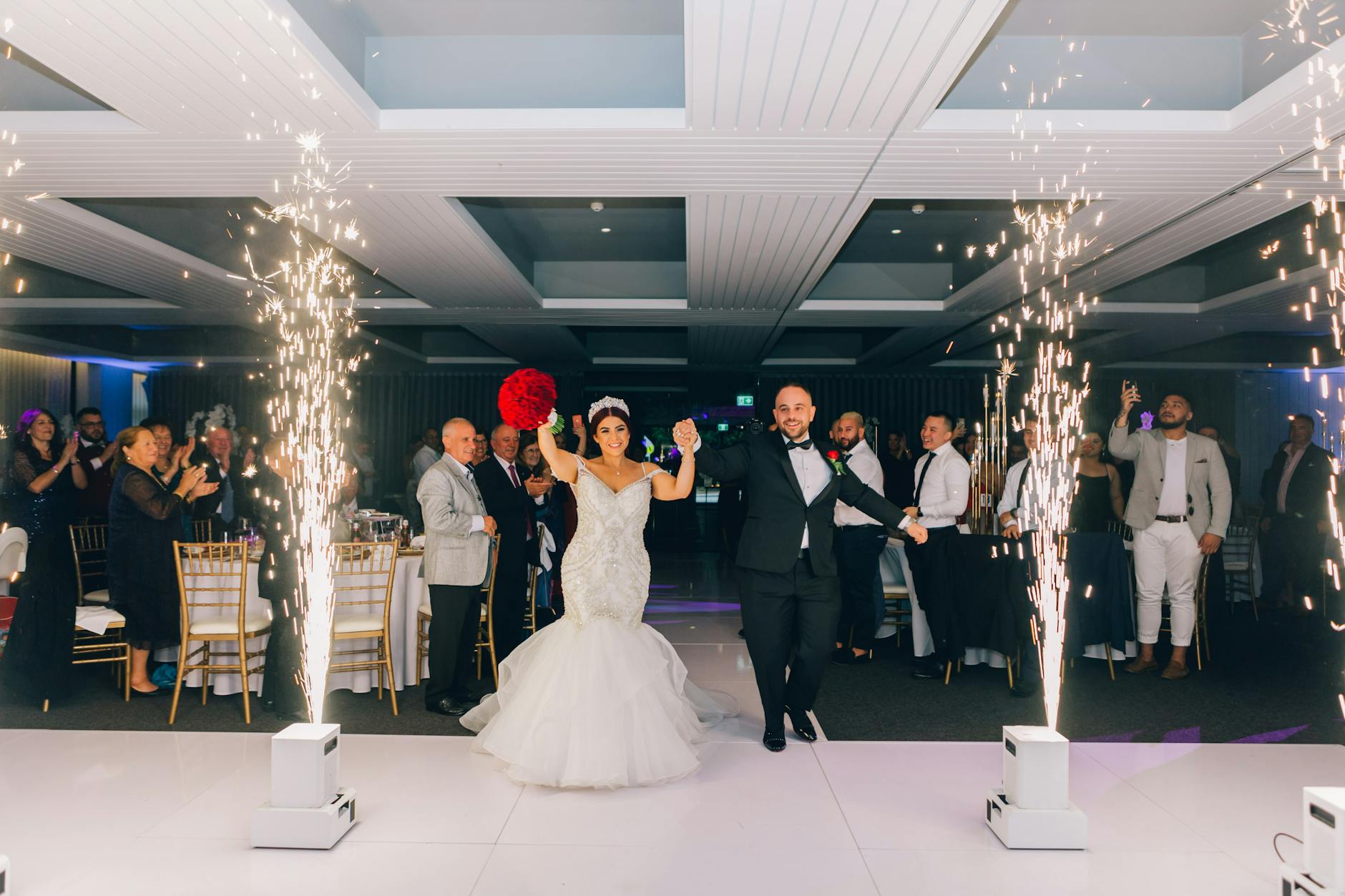
Guests who crowd around the couple during first dance, cake cutting, and other reception milestone moments create a physical barrier that prevents the photographer from accessing the angles planned for those sequences. Reception milestone photography depends on the photographer being able to move freely around the couple to capture multiple perspectives within a very short window of activity. A group of enthusiastic guests pressing close with their own devices eliminates the sight lines and physical access points the photographer needs to document the moment professionally. The cake cutting and first dance images are typically among the most requested in the final gallery, meaning access failures during these sequences produce gaps in the wedding story that cannot be filled after the fact. Coordinators who attempt to manage guest positioning during reception milestones are frequently overridden by the momentum of a crowd that does not understand the operational requirements of professional event photography.
Sunglasses Indoors
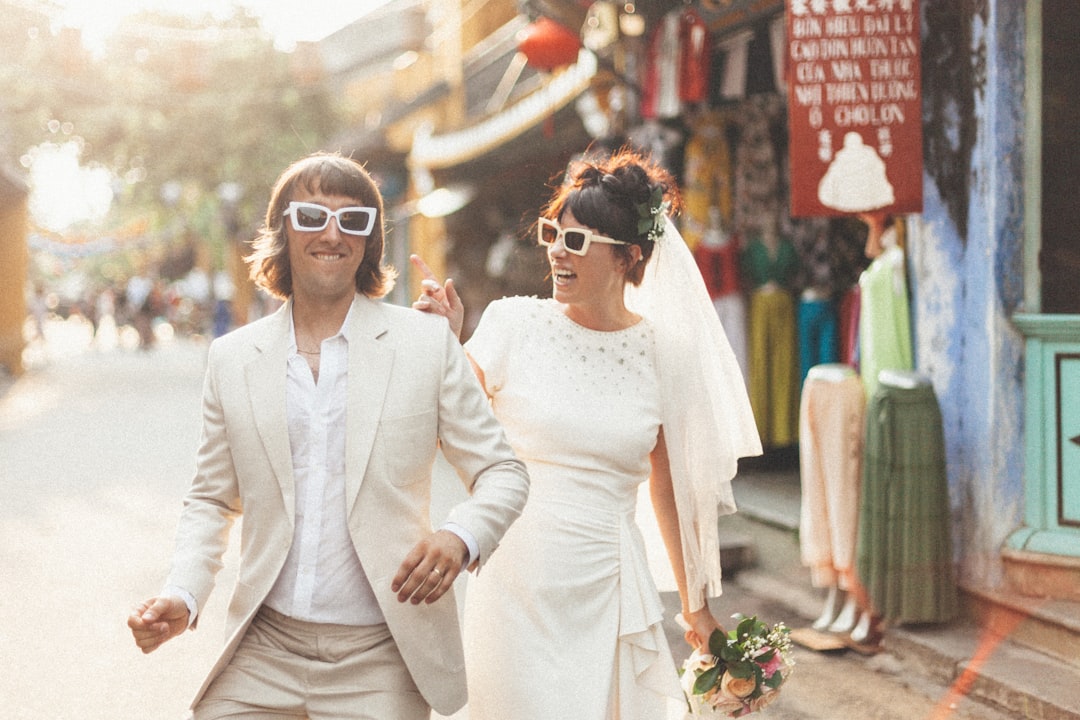
Guests who wear sunglasses during indoor ceremonies or formal portrait groupings create a visual inconsistency that disrupts the tonal and emotional coherence of group photographs. The reflective lenses introduce competing light sources, obscure facial expressions, and create a visual barrier between the subject and the viewer that undermines the emotional register of the image. Group portraits in which one or several guests are wearing sunglasses require additional retouching time and frequently cannot be corrected to a satisfactory standard because the eye contact that anchors portraiture is entirely absent. Photographers who request that guests remove sunglasses for formal portrait groupings sometimes encounter resistance from guests who are managing light sensitivity or simply forgot they were wearing them. The cumulative effect of sunglasses in multiple group portraits is a gallery section that feels tonally disconnected from the rest of the wedding documentation.
Drunk Posing
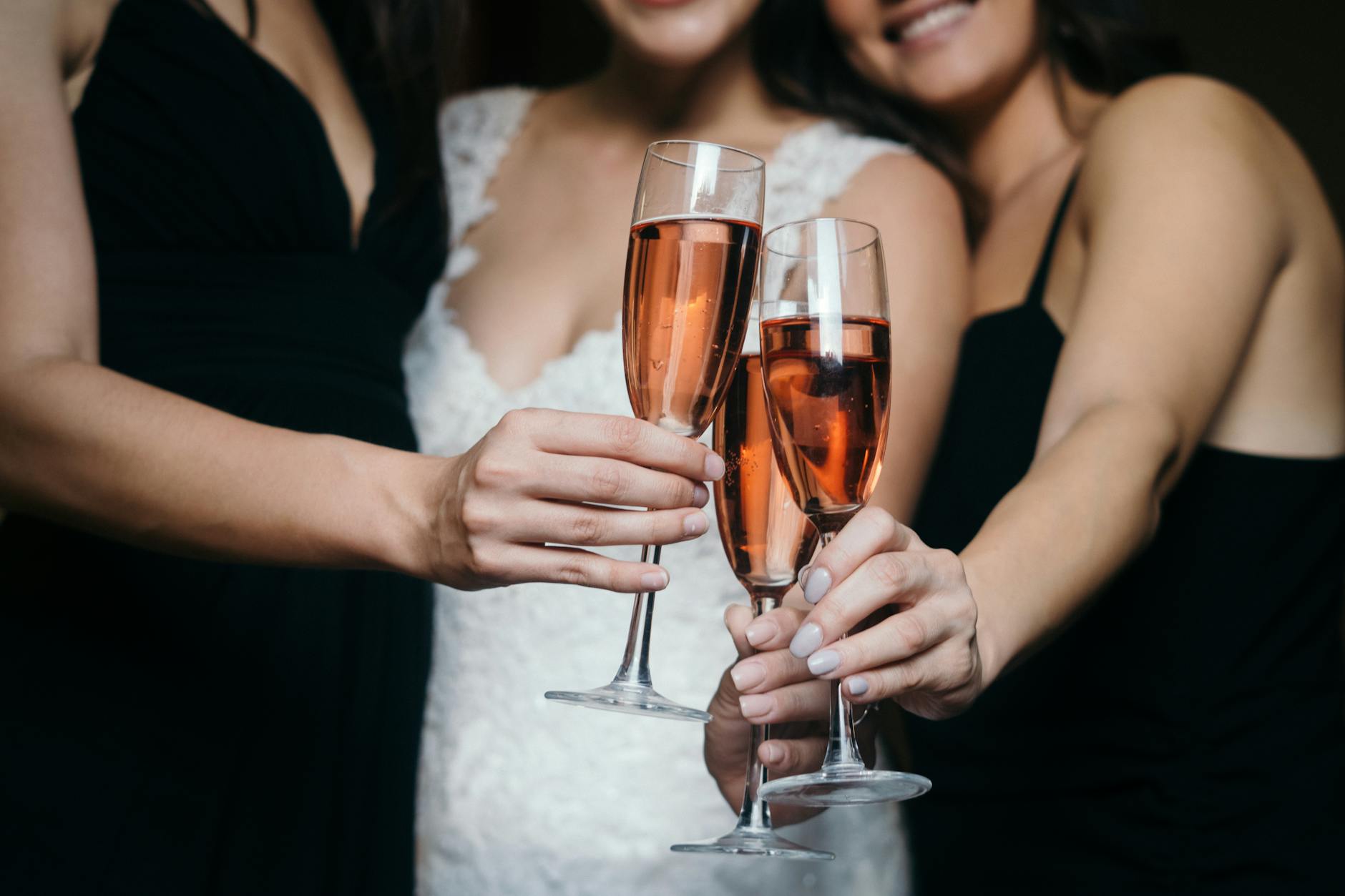
Guests who are visibly intoxicated during formal portrait groupings or who insert themselves into couple portraits uninvited create images that the couple must decide whether to include or exclude from their permanent wedding gallery. The physical instability associated with intoxication introduces blurred movement, unflattering posture, and expressions that conflict with the emotional tone the couple intended for their formal documentation. Photographers who are managing a tight portrait timeline cannot afford the additional takes required to capture a clean image of a group that includes an unsteady participant. Uninvited guests who approach the couple during couple portrait sessions disrupt the emotional momentum the photographer has spent considerable time building between the subjects. Images that include visibly intoxicated guests in formal portrait contexts are almost never included in the curated gallery the couple shares publicly.
Blocking Aisles
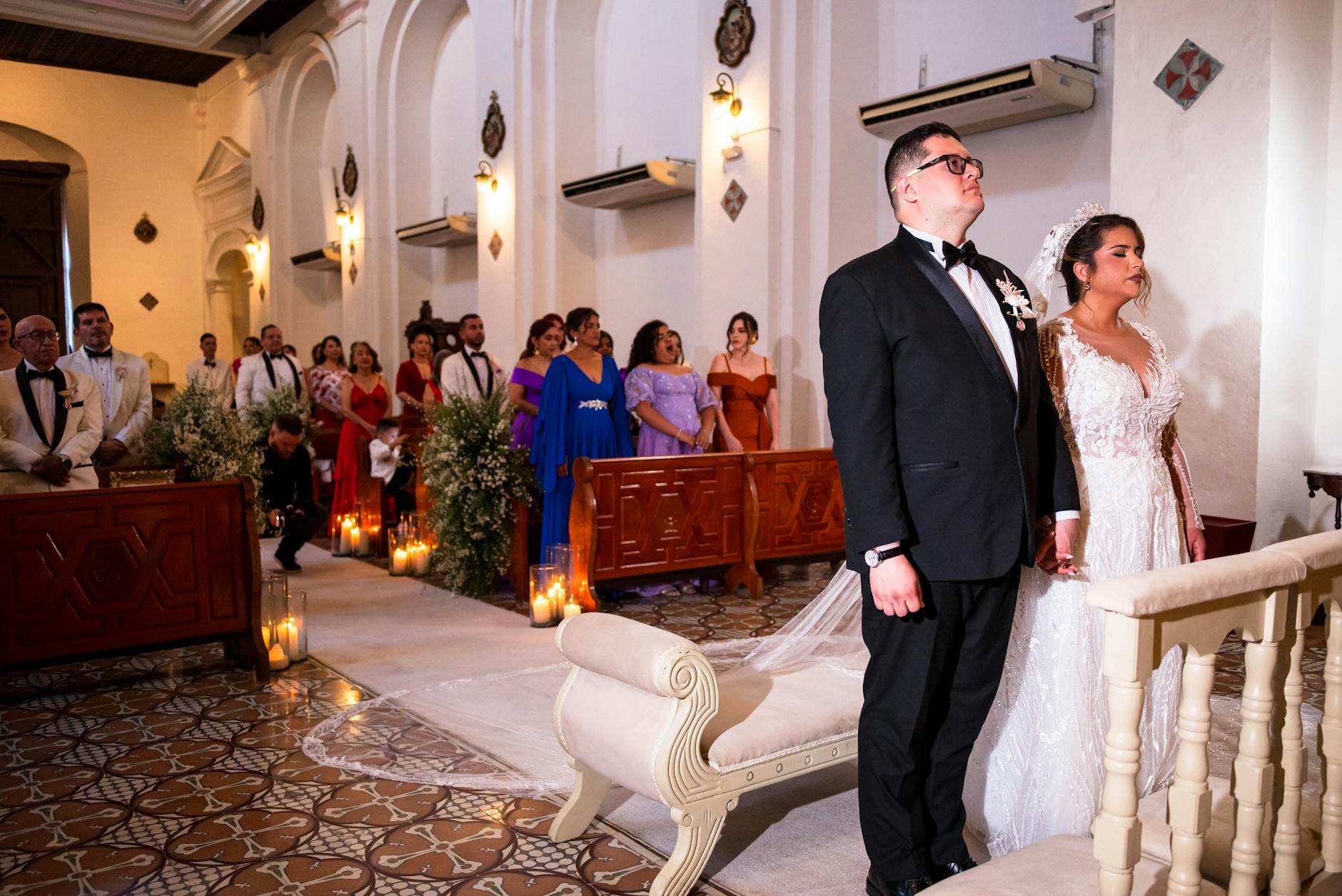
Guests who stand in venue corridors, doorways, and transition spaces during cocktail hour and reception create obstructions that interfere with the documentary photography capturing the natural flow of the event. Candid documentary coverage between formal portrait sessions depends on the photographer being able to move quickly through the venue to capture unscripted moments as they occur. A cluster of guests blocking a doorway forces the photographer to wait, redirect, or miss the moment developing on the other side of the obstruction. Transition spaces are where some of the most emotionally authentic wedding moments occur as guests reconnect, families mix, and the couple moves between event segments. The documentary layer of a wedding gallery is as important as the formal portrait layer and its quality depends entirely on the photographer’s freedom of movement throughout the venue.
Hat Wearing
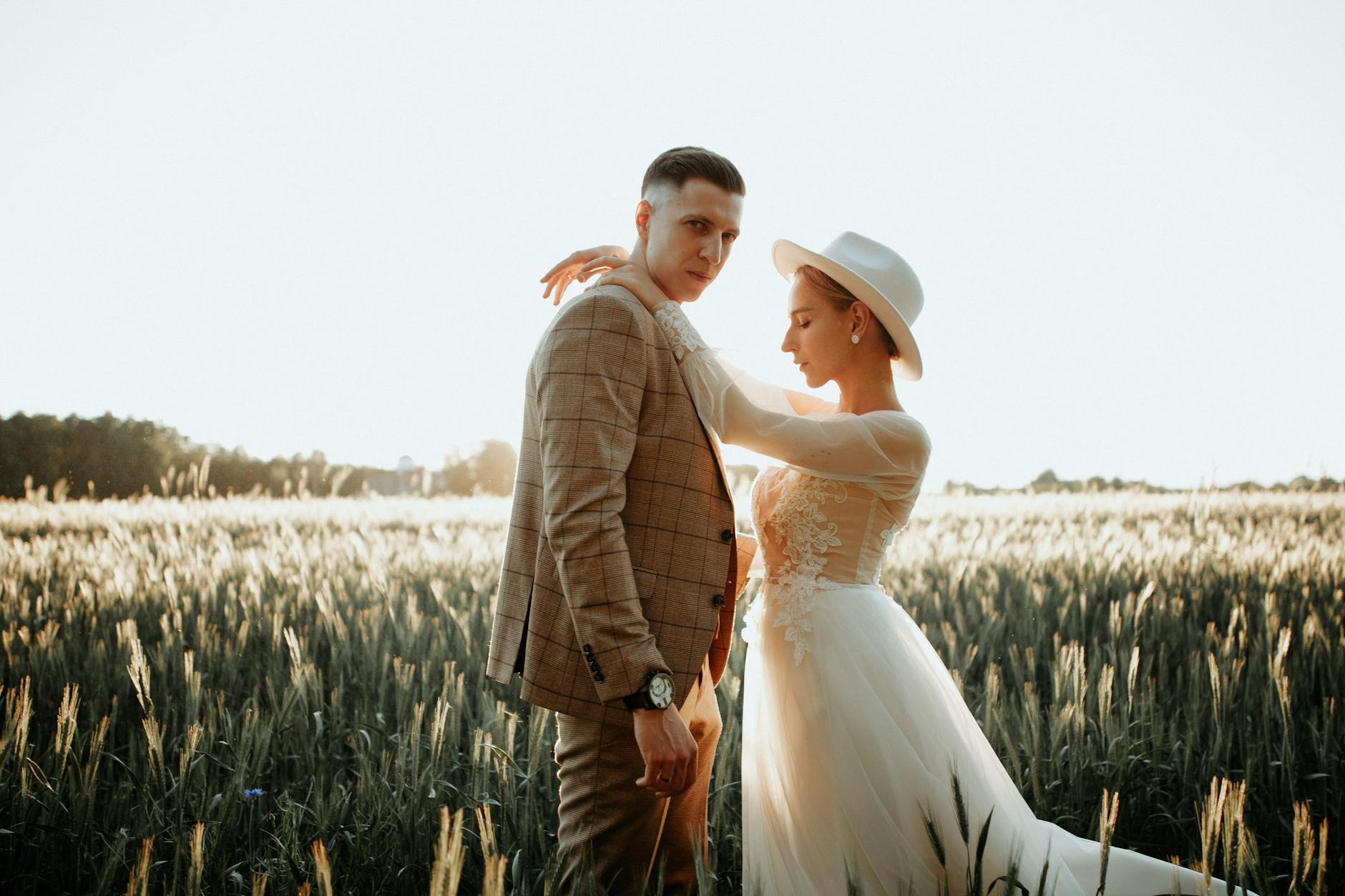
Guests who wear large decorative hats or fascinators during outdoor ceremonies create shadow patterns across their own faces and those of nearby guests that are impossible to correct through exposure adjustment alone. The shadow cast by a wide-brimmed hat changes with the movement of the sun throughout the ceremony, meaning that its interference on the faces of surrounding guests is dynamic and unpredictable. In formal portrait groupings hats that extend beyond the physical space a guest occupies in the composition create awkward cropping challenges that compromise the geometric integrity of the image. Photographers managing outdoor ceremony lighting already face significant challenges from changing cloud cover and sun angle without the additional variable of decorative headwear introducing moving shadows. Hat-related shadow interference in ceremony photography is most pronounced during outdoor midday ceremonies when the sun angle is most severe.
Late Arrivals
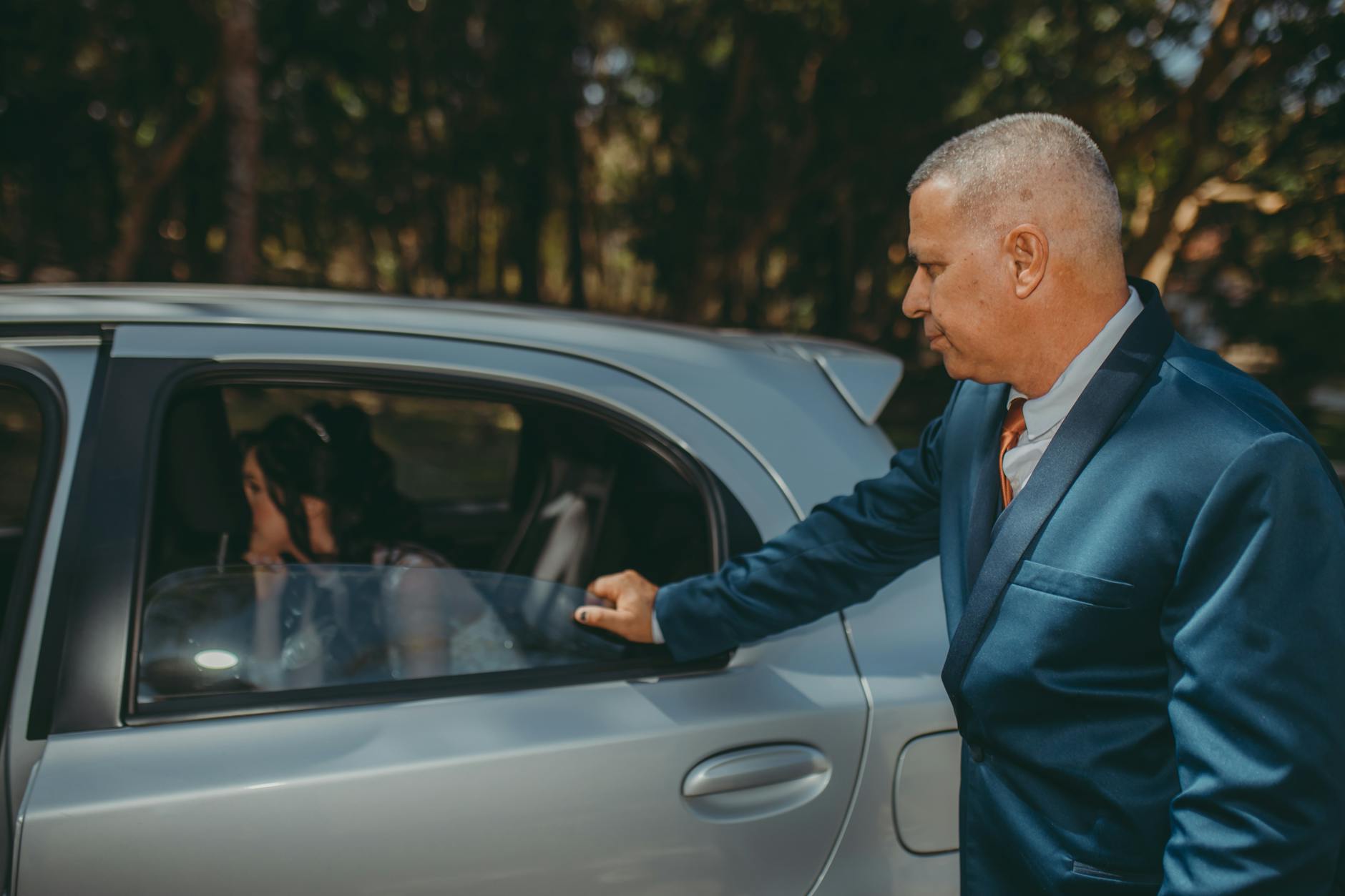
Guests who arrive after the ceremony has begun disrupt the seating arrangement, the silence of the proceeding, and the documentary continuity the photographer is building through the early minutes of the ceremony. A late arrival navigating to a seat during the processional or early vow sequence appears in wide documentary shots as a moving figure disconnecting from the emotional gravity of the moment. The door opening and closing required for a late entrance can introduce a flash of exterior light into carefully balanced interior ceremony exposures at the exact moment the photographer fires the shutter. Photographers who are positioned to capture the couple’s expressions during the early ceremony moments must redirect attention to manage the compositional disruption of a late arrival moving through the frame. The processional and early ceremony sequences set the visual and emotional tone for the entire ceremony gallery section and late arrivals contaminate that tone in ways that persist through the final edit.
Décor Touching
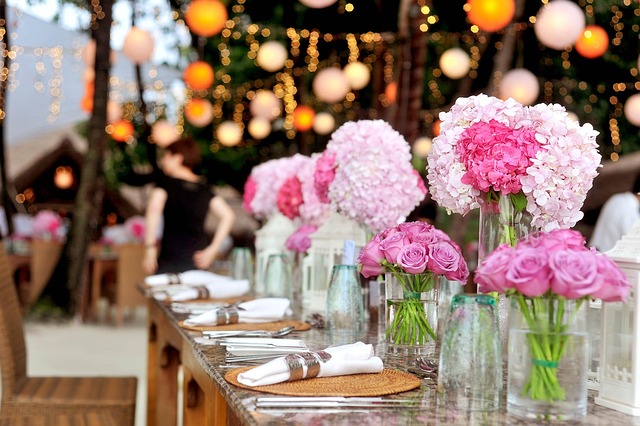
Guests who rearrange, remove, or interact with ceremony and reception décor elements between the venue styling session and the photographer’s detail documentation period create discrepancies in the visual record of the couple’s design investment. Florists, stylists, and venue coordinators spend considerable time arranging centerpieces, place settings, and ceremony installations to precise specifications that are intended to be photographed before guests interact with them. A centerpiece moved several inches off its mark, a place card displaced from its position, or a ceremony arch flower adjusted by a curious guest changes the composition the photographer planned to document. Detail photography captures the couple’s aesthetic vision in its intended state and guest interference with that vision produces a permanent record of the disrupted rather than intended arrangement. The cost of floral and décor installations is frequently comparable to or greater than the cost of photography itself, making documentation of the intended design a significant professional responsibility.
Crying Loudly
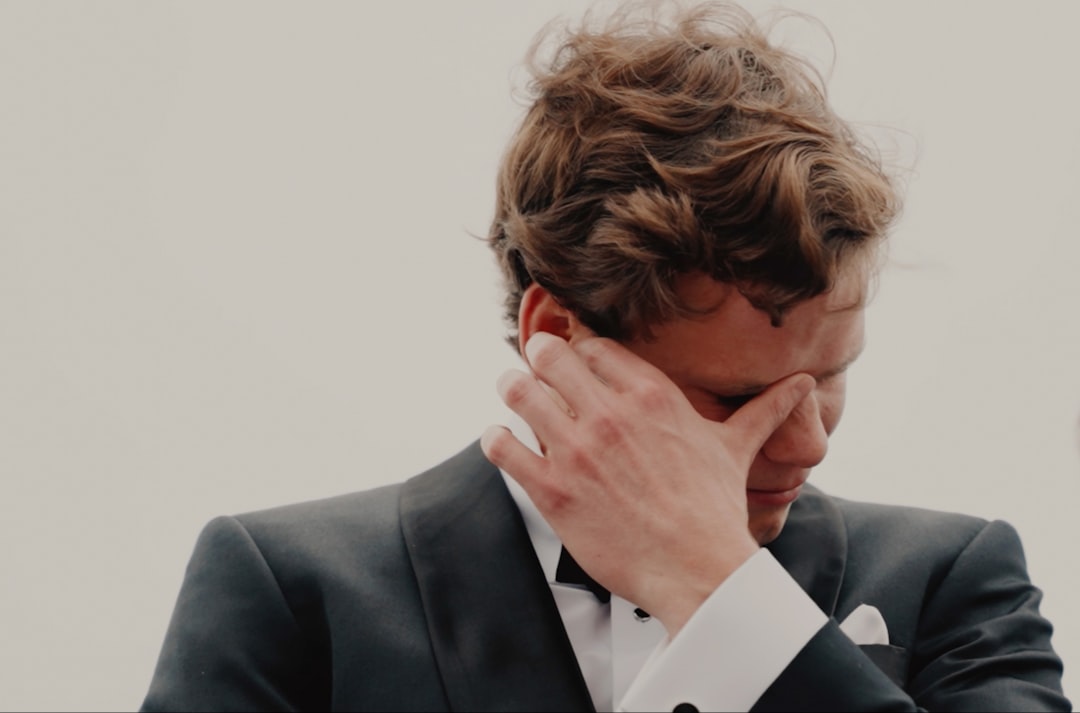
Guests who express emotion at high volume during the vow exchange and ring ceremony create audio interference that affects videography synchronized with the still photography session, and physical disruption that causes other guests to turn away from the couple toward the source of the sound. When surrounding guests turn their heads toward a loudly emotional guest during a key ceremony moment the photographer loses the audience framing that makes wide ceremony shots work compositionally. The couple’s expressions during the vow exchange are the single most sought-after images in the entire wedding gallery, and any disruption that redirects the emotional attention of the room during those seconds has direct photographic consequences. Photographers who are capturing the couple’s face-to-face expressions during vows rely on the stillness and focused attention of the surrounding guests to maintain a clean environmental frame. Emotional responses to wedding ceremonies are entirely natural and expected but their expression at high volume during the most photographically critical moments of the day creates unavoidable documentary consequences.
Selfie Taking
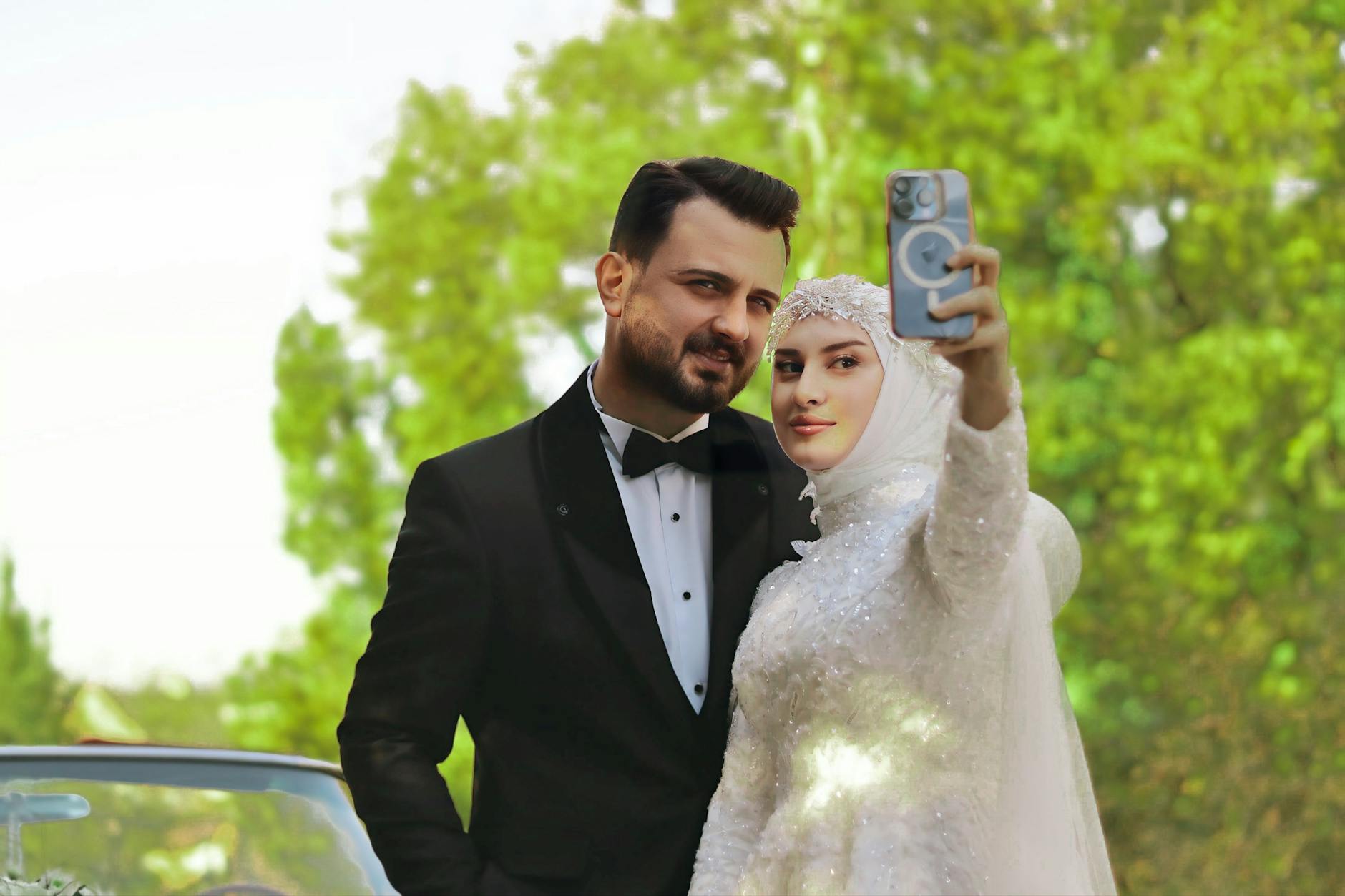
Guests who take selfies during formal portrait groupings by turning their backs to the professional photographer to photograph themselves with the couple in the background create images of the back of their own heads in the official gallery. The selfie-taking posture requires the guest to physically orient away from the camera, which introduces turned backs, raised elbows, and device screens into the frame the professional photographer is attempting to compose and capture simultaneously. Portrait groupings require every subject to be oriented toward the camera at the same moment for the image to succeed, a coordination that selfie behavior systematically prevents. Photographers who request that guests lower their devices during formal groupings while attempting to direct the positioning of six or more people simultaneously lose the window for natural expression during the coordination effort. The formal group portrait section of a wedding gallery is frequently the most logistically challenging sequence of the day and selfie interference compounds that challenge measurably.
Children Disrupting
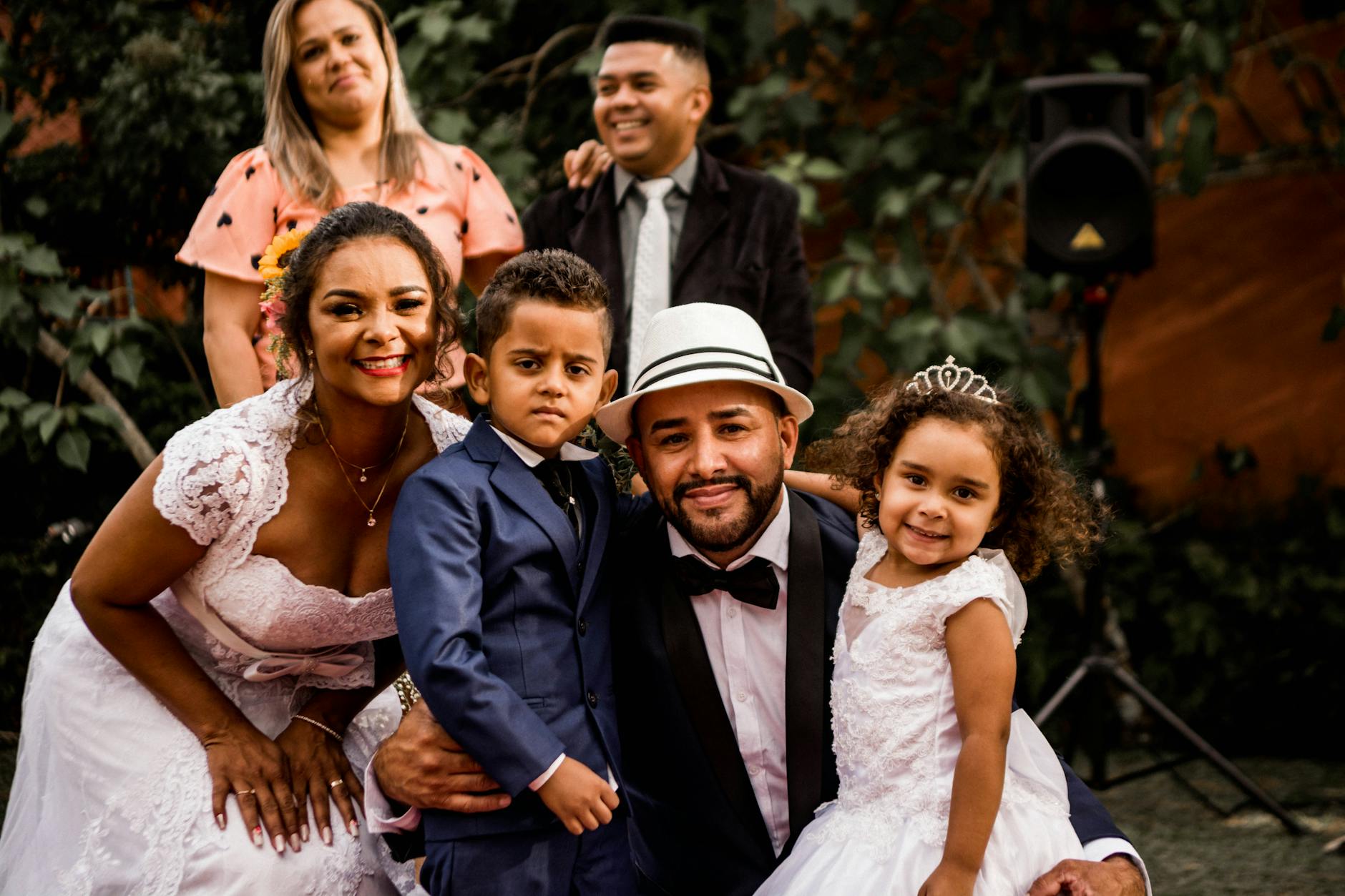
Unsupervised young children who run through ceremony spaces, climb on furniture, or interact with the couple during portrait sessions create unpredictable movement and noise that disrupts the controlled environment professional photography requires. While candid child behavior produces some of the most charming incidental images in a wedding gallery, unsupervised disruption during formally staged portrait sequences creates coordination failures that cost the photographer time and the couple usable images. A child who runs between the photographer and the couple at the moment of a key portrait exposure introduces motion blur and compositional chaos into what was intended to be a clean and composed image. Parents who are distracted by managing unsupervised children during ceremony proceedings are also unavailable to the photographer as portrait subjects during group sequences, creating gaps in the formal family documentation. The responsibility for managing child behavior at a wedding rests with the accompanying adult and its impact on professional photography is significant when that responsibility is not exercised.
Ignoring Timelines
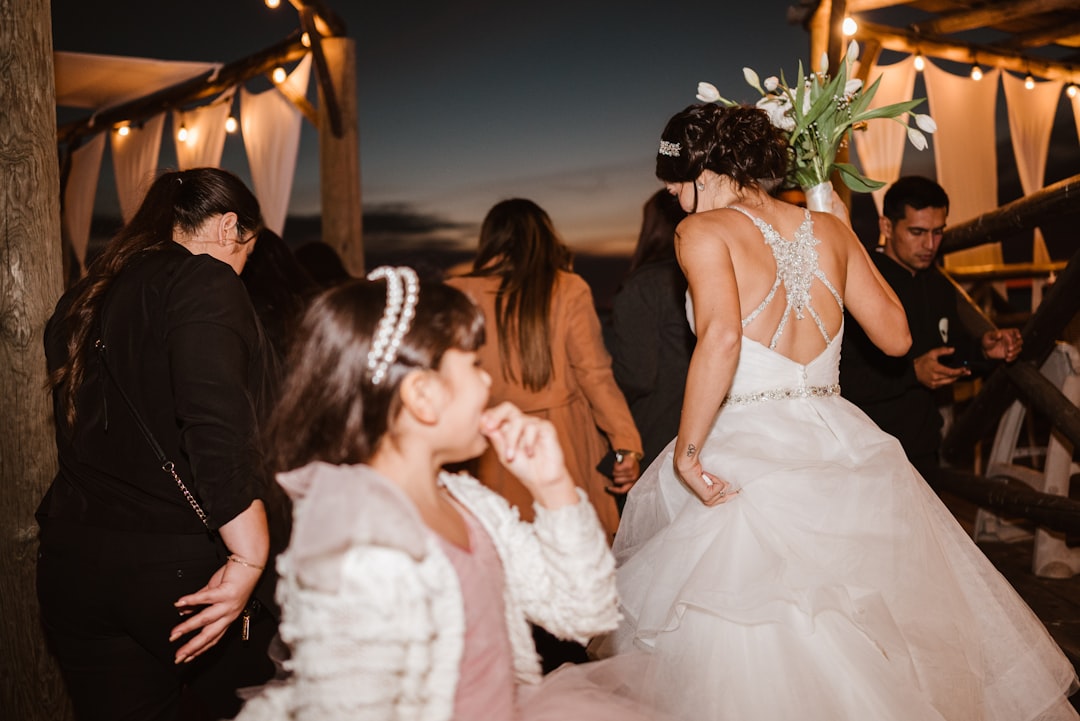
Guests who do not return from cocktail hour, the bar, or exterior spaces when the reception program resumes create incomplete audience compositions during first dance, speeches, and other milestone events that are captured as part of the reception documentary record. A first dance photographed against a partially empty dance floor and scattered tables communicates a thinly attended or poorly organized reception regardless of how beautiful the surrounding venue is. Speeches delivered to a room in which a quarter of the guests are still outside or at the bar produce documentary images that the couple will notice and be disappointed by when reviewing the gallery. Photographers who are responsible for capturing the full scope of reception programming cannot pause the timeline to wait for absent guests to return from wherever they have wandered. The reception documentary sequence tells the story of how guests experienced and celebrated the couple and absent guests cannot be written into a story they chose not to participate in.
Copying Poses
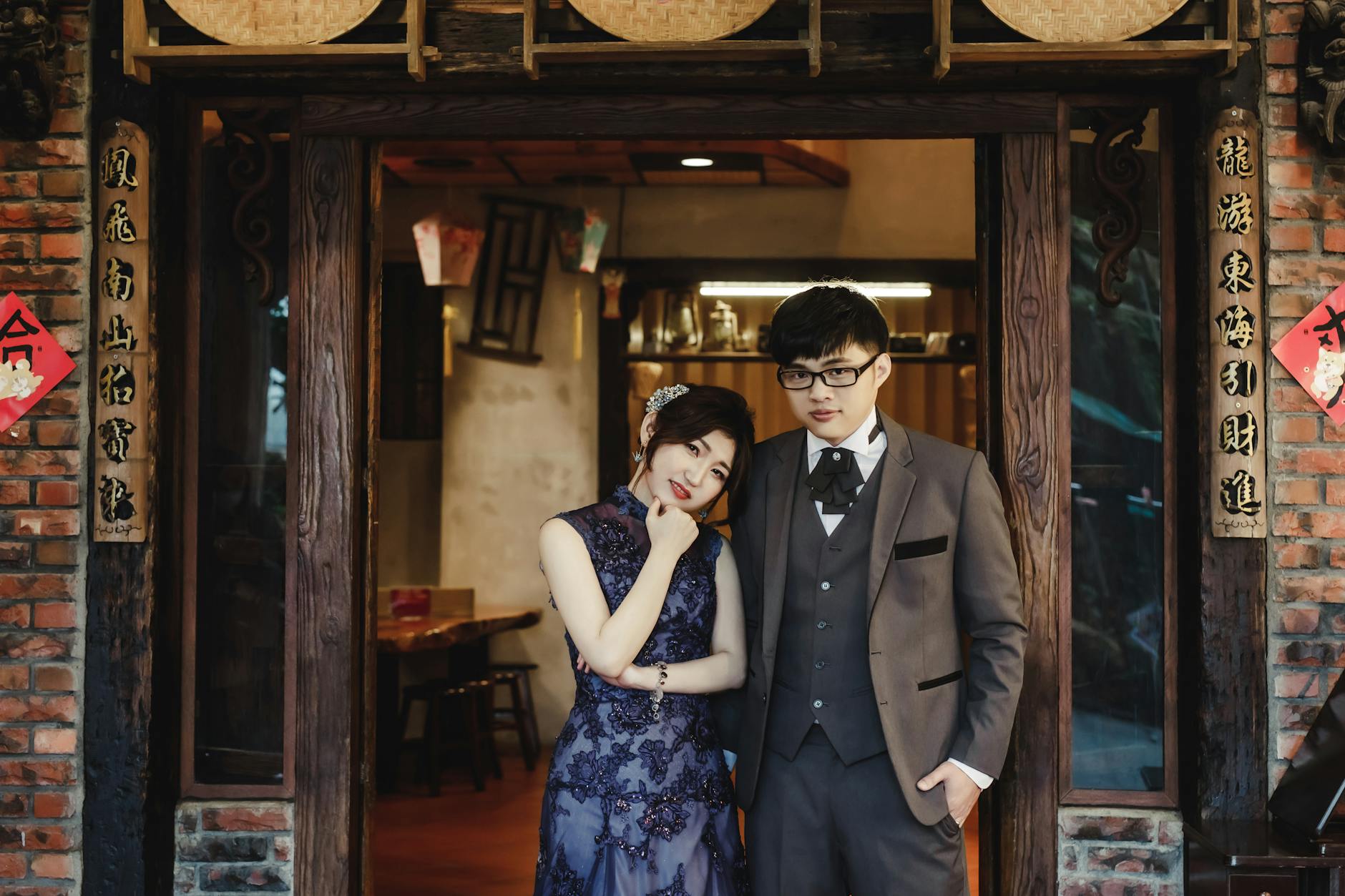
Guests who mimic or parody the couple’s portrait poses while standing nearby during the portrait session introduce visual distraction into the peripheral frame that the photographer must work around or wait out before proceeding. Portrait sessions are already time-limited by lighting conditions, the couple’s emotional stamina, and the overall wedding day schedule. Time spent waiting for nearby guests to finish their own performance before the photographer can achieve the stillness and focus required for a technically clean portrait is time permanently lost from the session. The couple who is trying to access genuine emotional connection during a portrait sequence is additionally distracted by nearby laughter and movement generated by the parody behavior. Photographers report that pose mimicry by guests is most common during outdoor portrait sessions where the physical separation between the couple and the broader guest group is harder to establish and maintain.
Program Waving
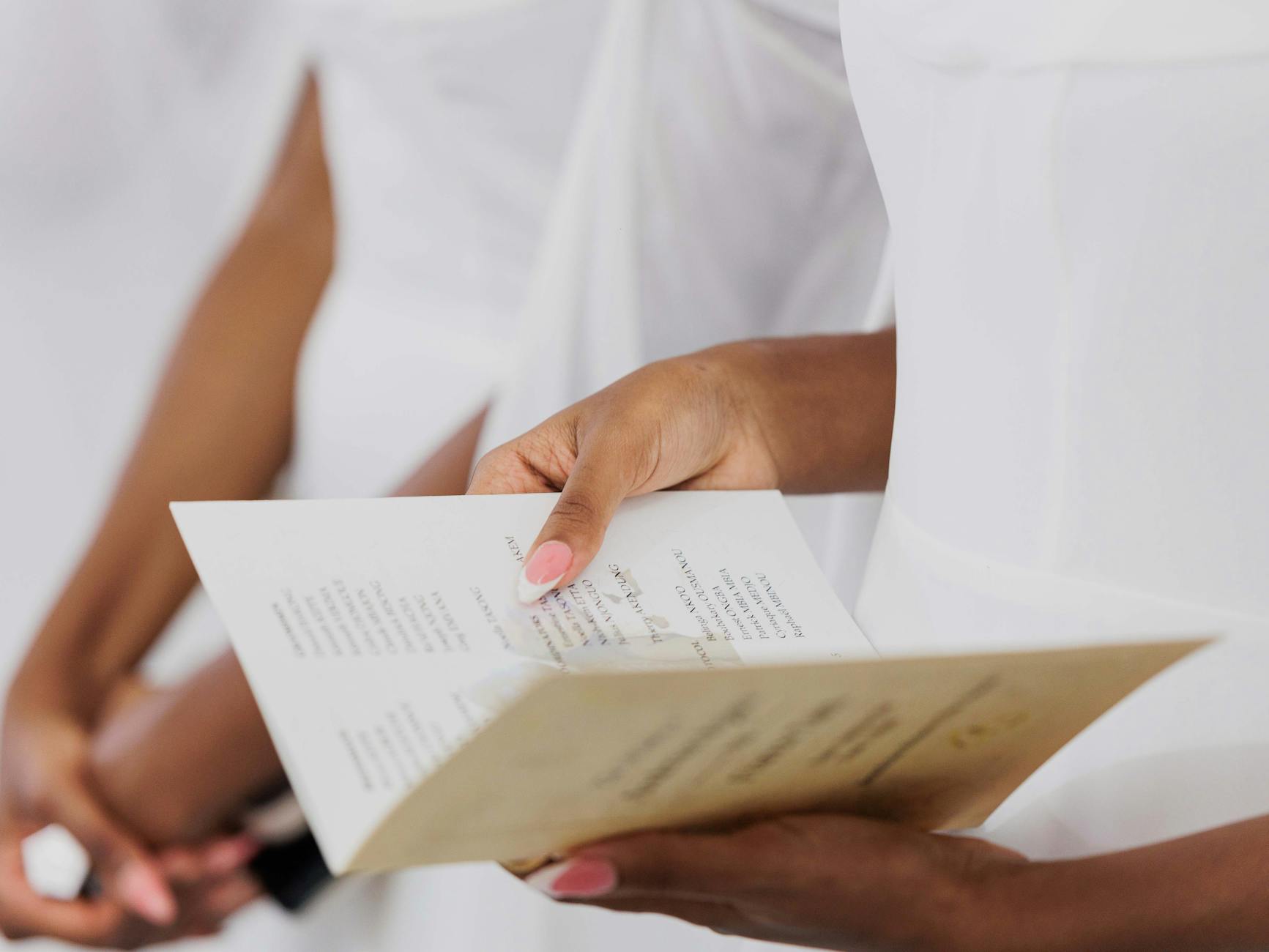
Guests who use ceremony programs as fans during warm-weather outdoor ceremonies create constant movement in the peripheral and background areas of ceremony photographs that introduces visual noise across the entire frame. The repetitive motion of paper fanning is captured in longer exposures as blur trails that compromise the visual cleanliness of wide ceremony shots. When a significant portion of the audience is fanning simultaneously the background of every ceremony image contains a field of moving white rectangles that draws attention away from the couple at the altar. Photographers managing outdoor summer ceremonies cite program fanning as a consistent and underappreciated source of background contamination in ceremony photography. Venue coordinators who are aware of the issue sometimes pre-position handheld fans in colors that recede visually, but most ceremonies do not account for the photographic impact of warm-weather guest comfort behavior.
Blocking Entrances
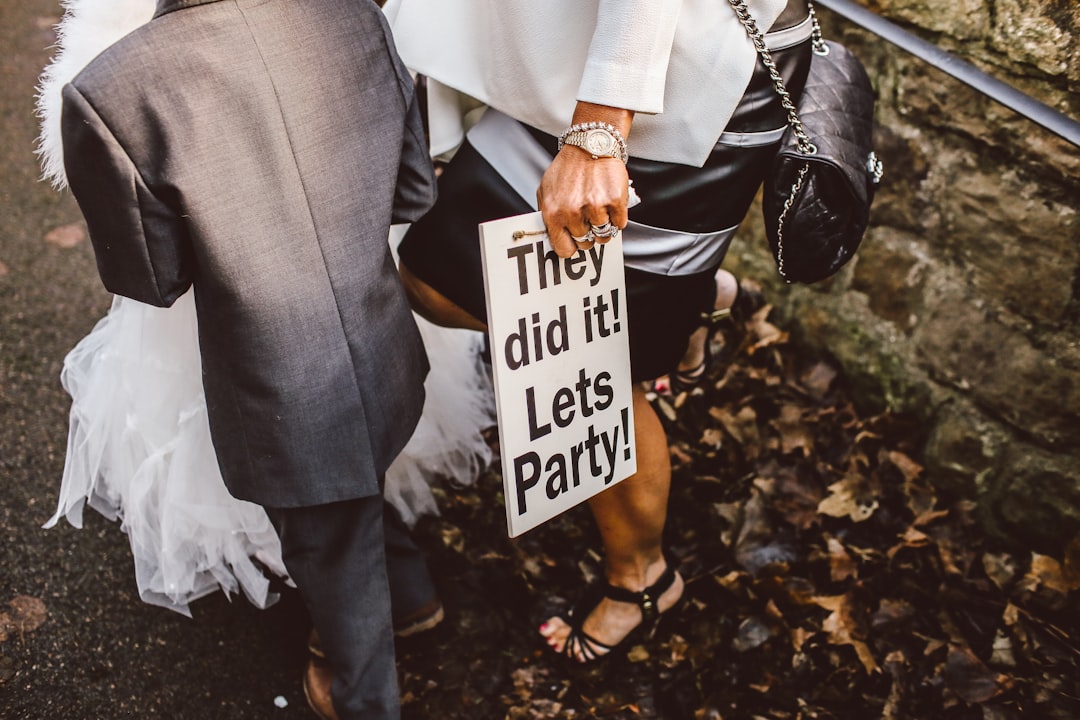
Guests who congregate directly in front of venue entrance doors during the bride’s arrival sequence physically obstruct the photographer’s access to the most dramatically significant outdoor approach shots of the entire wedding day. The bride’s arrival at the venue is a transitional moment that professional photographers treat as a key narrative sequence in the visual story of the day. Guests who are smoking, taking phone calls, or simply gathered near the entrance without awareness of the approaching bridal party collapse the physical and visual space the photographer needs to document the arrival with adequate distance and framing. Arrival shots captured at close range due to crowd obstruction lack the spatial context that makes them emotionally and compositionally effective. The bride’s approach to her own wedding venue is a moment that occurs exactly once and its photographic documentation cannot be restaged if guest obstruction prevents a clean capture.
Unauthorized Toasts
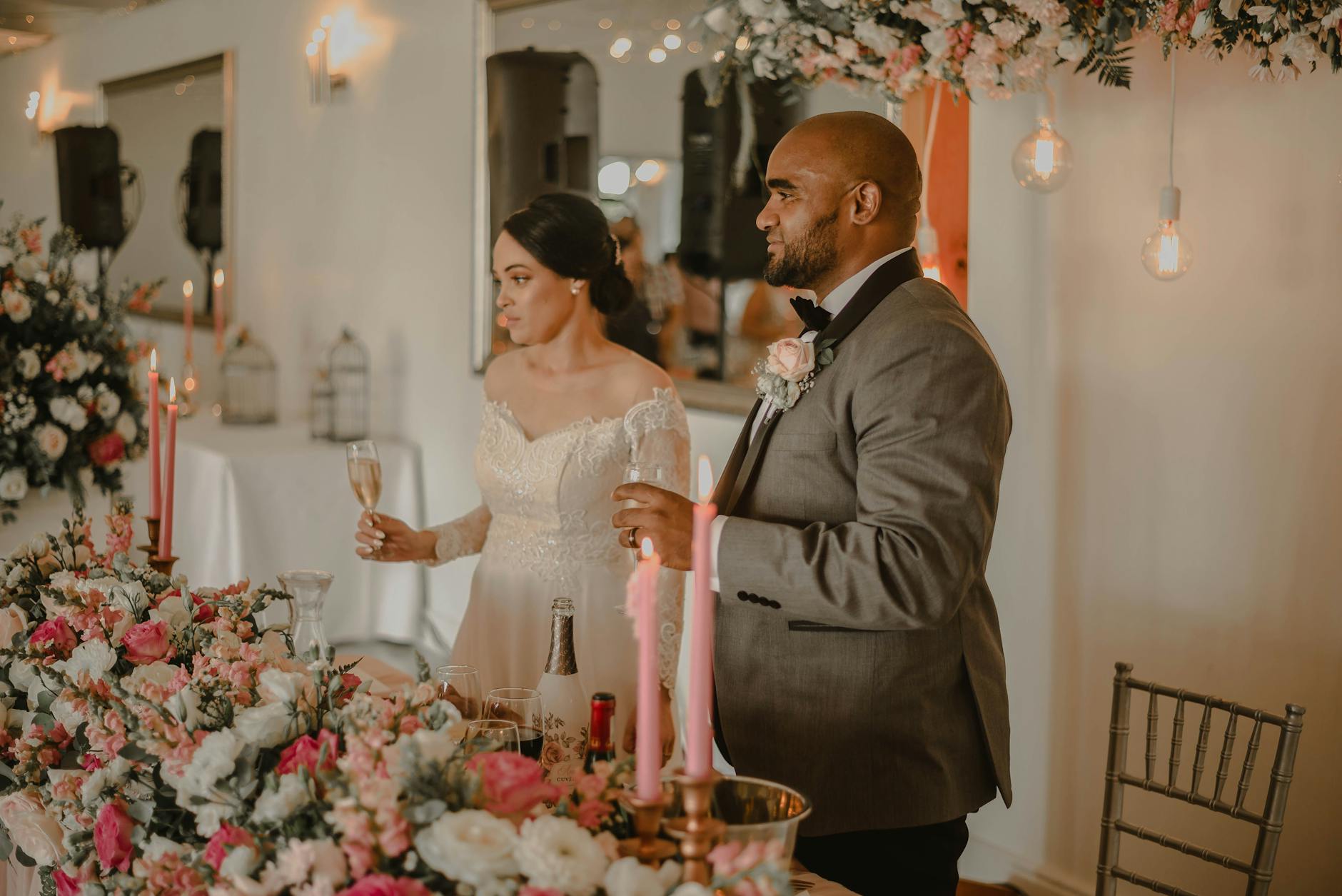
Guests who deliver impromptu toasts that were not scheduled in the reception program extend the speech sequence beyond the time the photographer has allocated for that segment of documentary coverage. Extended speech sequences consume time from the photography schedule that was reserved for other reception milestones including golden hour couple portraits, first dance detail coverage, and candid guest documentation. A photographer whose timeline has been disrupted by multiple unplanned speeches must make editorial decisions about which planned sequences to abbreviate or abandon entirely to keep pace with a reception that is now running late. The couple who approved a specific photography timeline based on a planned program structure receives a gallery that reflects the unplanned version of their reception rather than the version they designed. Unauthorized toasts are among the most common and least anticipated sources of wedding photography timeline disruption reported by professional event photographers.
Outfit Changes
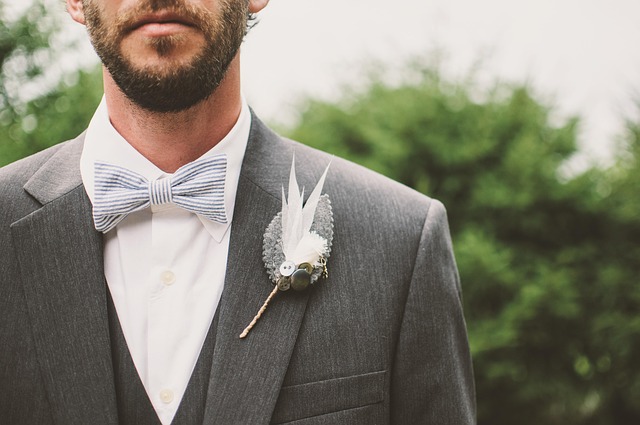
Guests who change outfits during the reception introduce a visual inconsistency into the documentary photography record that is jarring when encountered during gallery review. A guest documented in formal attire during the ceremony who reappears in casual clothing during reception dancing creates a continuity break in the visual story of the day. When multiple guests change outfits the reception documentary sequence begins to look like a different event from the ceremony documentation, undermining the visual coherence of the complete gallery. Photographers who do not notice an outfit change mid-reception may group images of the changed guest with formal portrait sequences during editing, creating additional inconsistency in the final organized gallery. The wedding gallery is a sequential narrative document and outfit changes that were not part of the planned day introduce editorial discontinuities that persist permanently in the record.
Blocking Light Sources
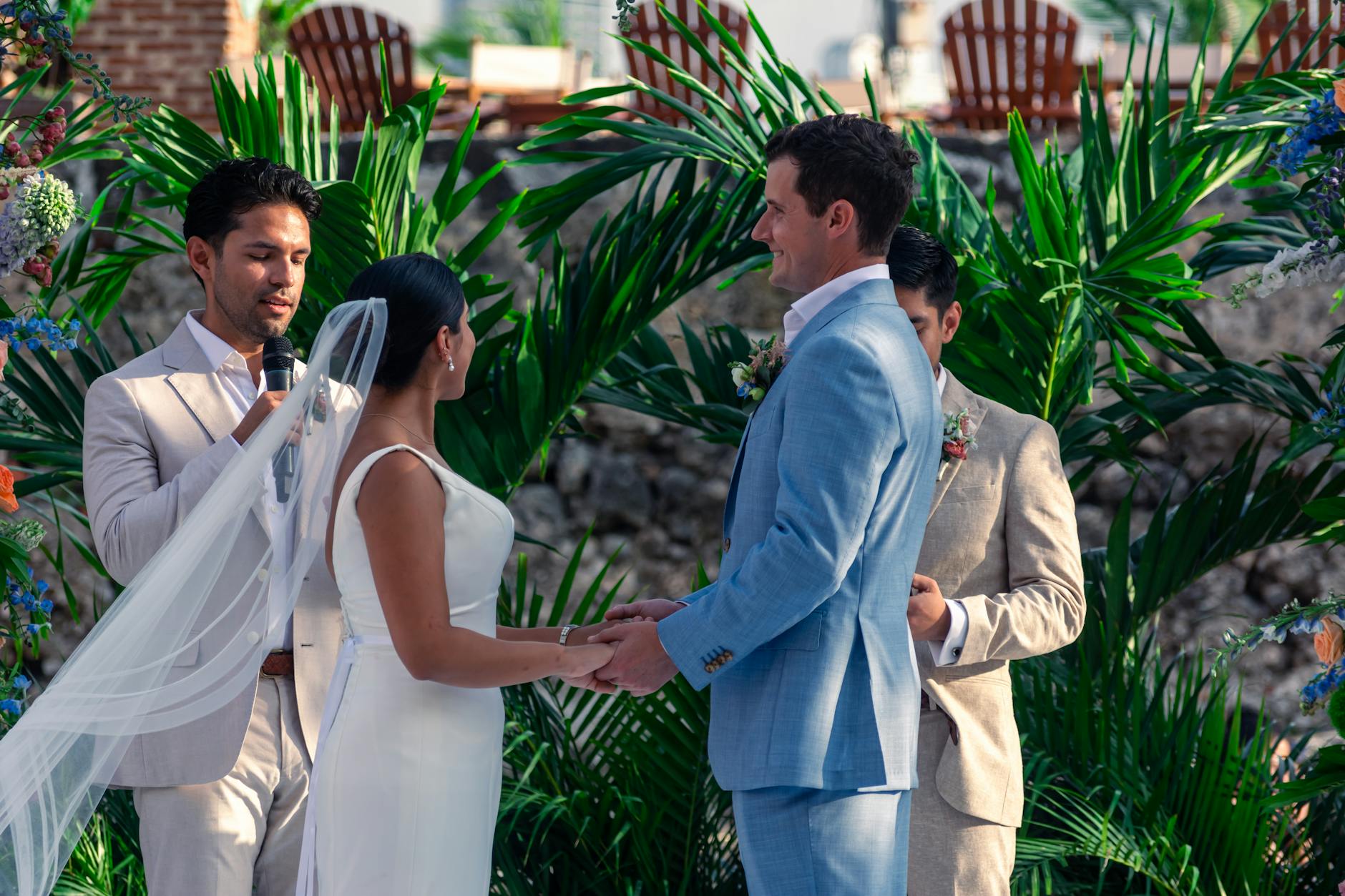
Guests who stand in front of windows, doorways, or open-air spaces that the photographer is using as natural light sources during portrait sessions eliminate the key light that makes those images technically achievable. Natural light from a large window or open venue door is one of the most valuable lighting resources available to a wedding photographer working in a venue where flash photography is restricted or undesirable. A guest standing in the light source casts a shadow across the couple that cannot be corrected through camera settings alone and requires either repositioning the subjects or waiting for the guest to move. Photographers who have selected a portrait location specifically for its light quality find that location compromised within minutes if the surrounding guest traffic is not managed. The connection between guest positioning and photographic light quality is entirely invisible to guests who have no awareness of how the photographer is using the environmental conditions of the space.
Share your own experiences or observations from weddings you have attended in the comments.




