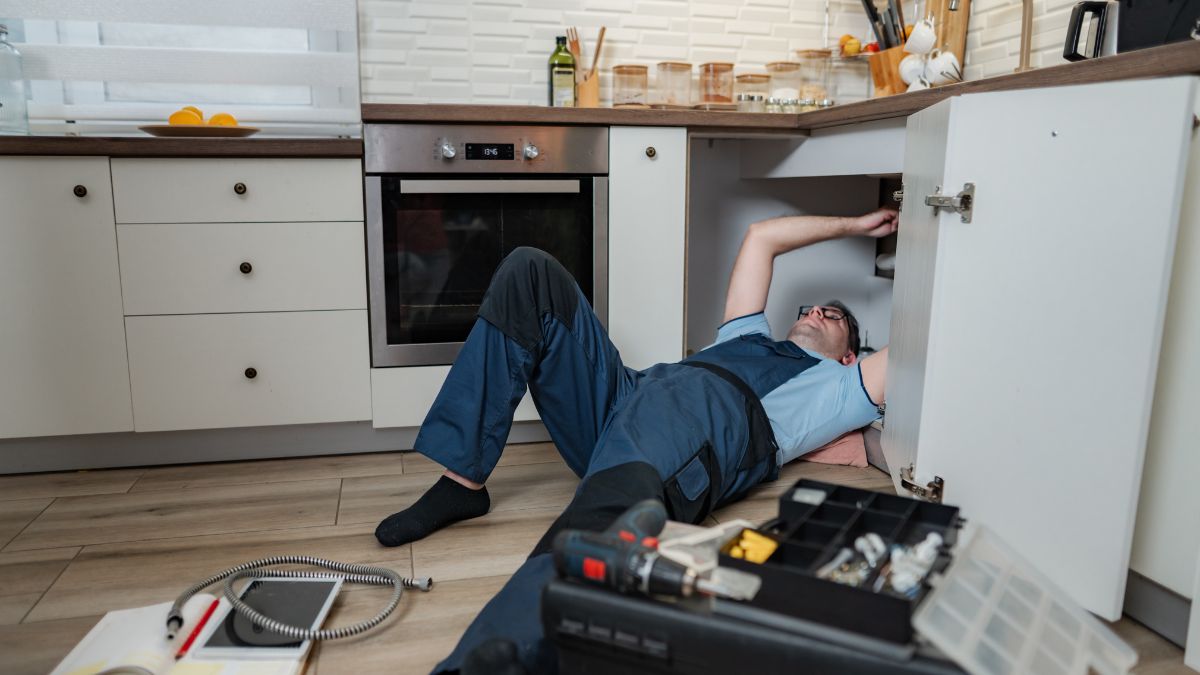
The plumbing industry operates largely behind walls, under floors, and beneath ground level where the average homeowner has no ability to independently verify what a tradesperson claims to have found. This structural invisibility is the foundation upon which a significant minority of dishonest operators have built highly profitable scam practices that extract thousands of dollars from homeowners who have no technical basis for questioning the diagnosis they receive. A service call that begins with a minor drip or slow drain can escalate within minutes into a quoted repair costing several thousand dollars for damage the homeowner never witnessed and cannot locate independently. Understanding the specific mechanics of how these fabrications are constructed and delivered gives homeowners the critical awareness needed to slow down, ask harder questions, and protect themselves before signing any authorization.
Dye Tablet Fraud
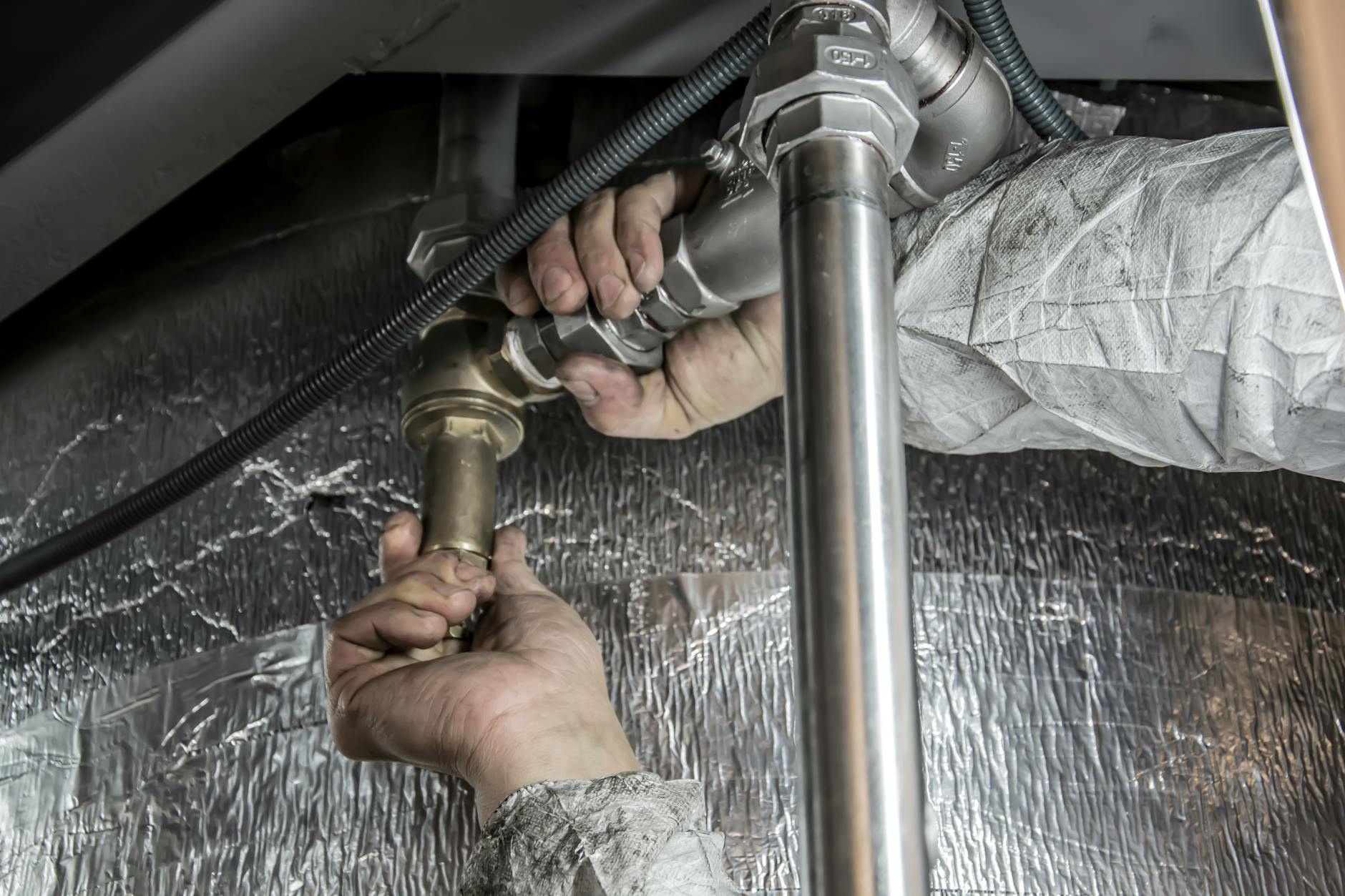
Dishonest plumbers carry colored dye tablets that can be dissolved in toilet tank water or introduced into pipe joints to simulate the appearance of an active leak during an inspection. The colored water that appears at a joint or connection point looks identical to a genuine leak seeping from a compromised seal and requires laboratory analysis to distinguish from actual water intrusion. A plumber who introduces dye before inviting the homeowner to witness the evidence creates a visually convincing demonstration of damage that does not exist in the pipe infrastructure itself. The dye dissipates naturally within hours leaving no trace of the fabrication after the repair authorization has been signed and the work has been invoiced. Homeowners who are shown colored water appearing at a joint during a plumbing inspection should request an independent second opinion before authorizing any repair work based on that evidence.
Moisture Meter Manipulation
Handheld moisture meters are legitimate diagnostic tools that measure water content in walls, floors, and ceilings, but a dishonest operator can produce elevated readings by pressing the probes against a pre-moistened surface or by manipulating the calibration settings before the demonstration. The meter produces a numerical reading and an audible alarm that communicates urgency to a homeowner who has no baseline for interpreting what the numbers mean in the context of their specific materials. A plumber who creates a false moisture reading in a wall cavity can justify opening the wall for an inspection that generates significant labor charges regardless of what is found inside. The tool itself is entirely credible to a homeowner with no technical background and its misuse leaves no physical evidence that distinguishes it from legitimate diagnostic practice. Requesting that a moisture reading be confirmed by a second independent technician with their own calibrated equipment is the most reliable protection against this form of fabrication.
Pre-Loosened Fittings
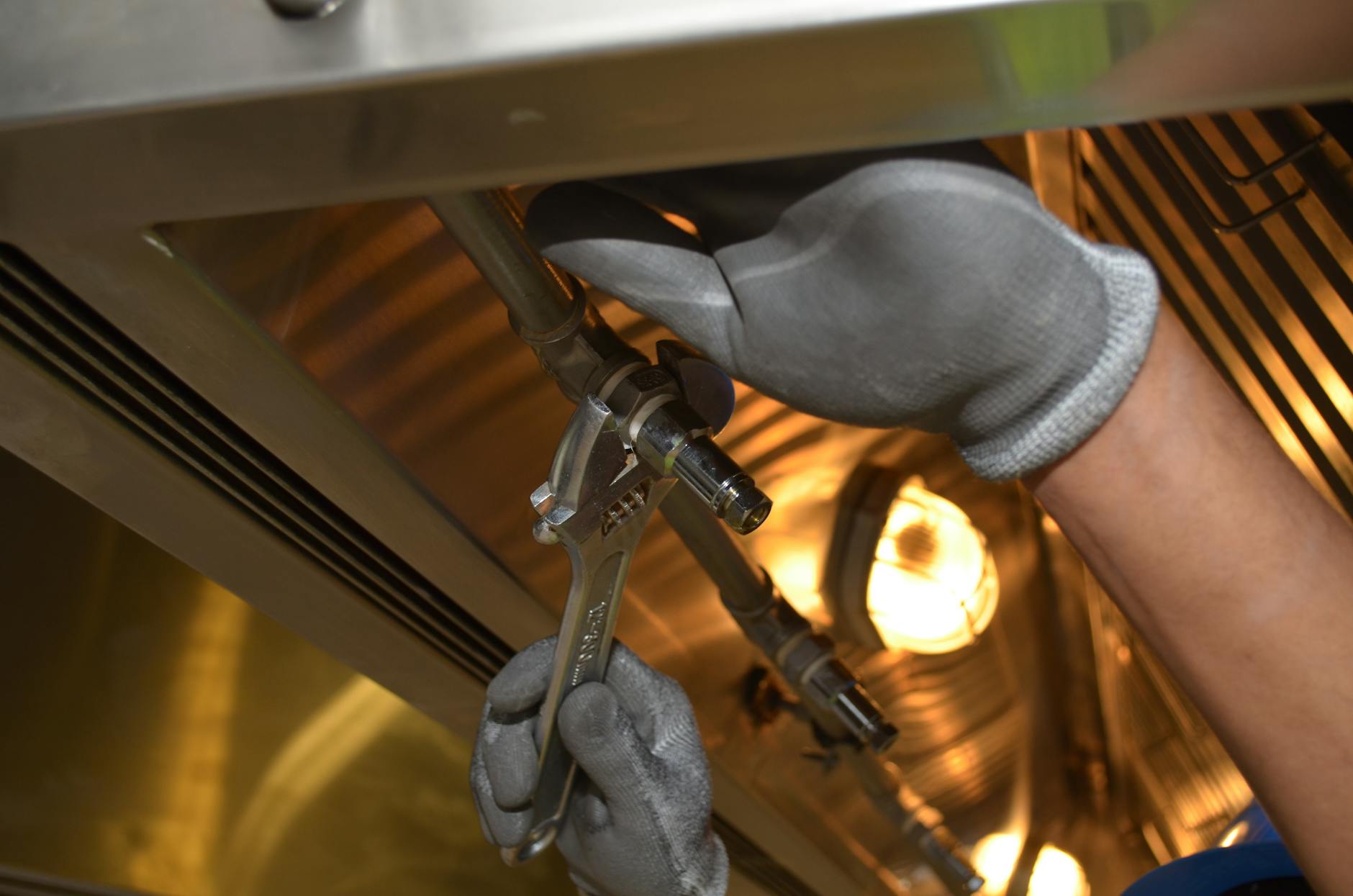
A dishonest plumber who has accessed a home’s plumbing system during an initial service call can deliberately loosen pipe fittings or connection joints in areas that are not immediately visible to create a slow drip that will develop into an apparent leak within days or weeks of the visit. The homeowner who calls back to report the new leak is told that it represents a separate and more serious problem than the original issue and is presented with a new and larger repair quote. The connection between the original service visit and the subsequent leak is not apparent to a homeowner who has no reason to suspect that the first plumber created the condition they are now being asked to pay to fix. Pre-loosened fittings are particularly effective in under-sink cabinets, crawl spaces, and basement utility areas where the homeowner has infrequent visual access to the pipe connections. Photographing all accessible pipe connections and fittings before any plumber begins work creates a baseline record that can be compared to conditions discovered during subsequent visits.
Scare Camera Footage
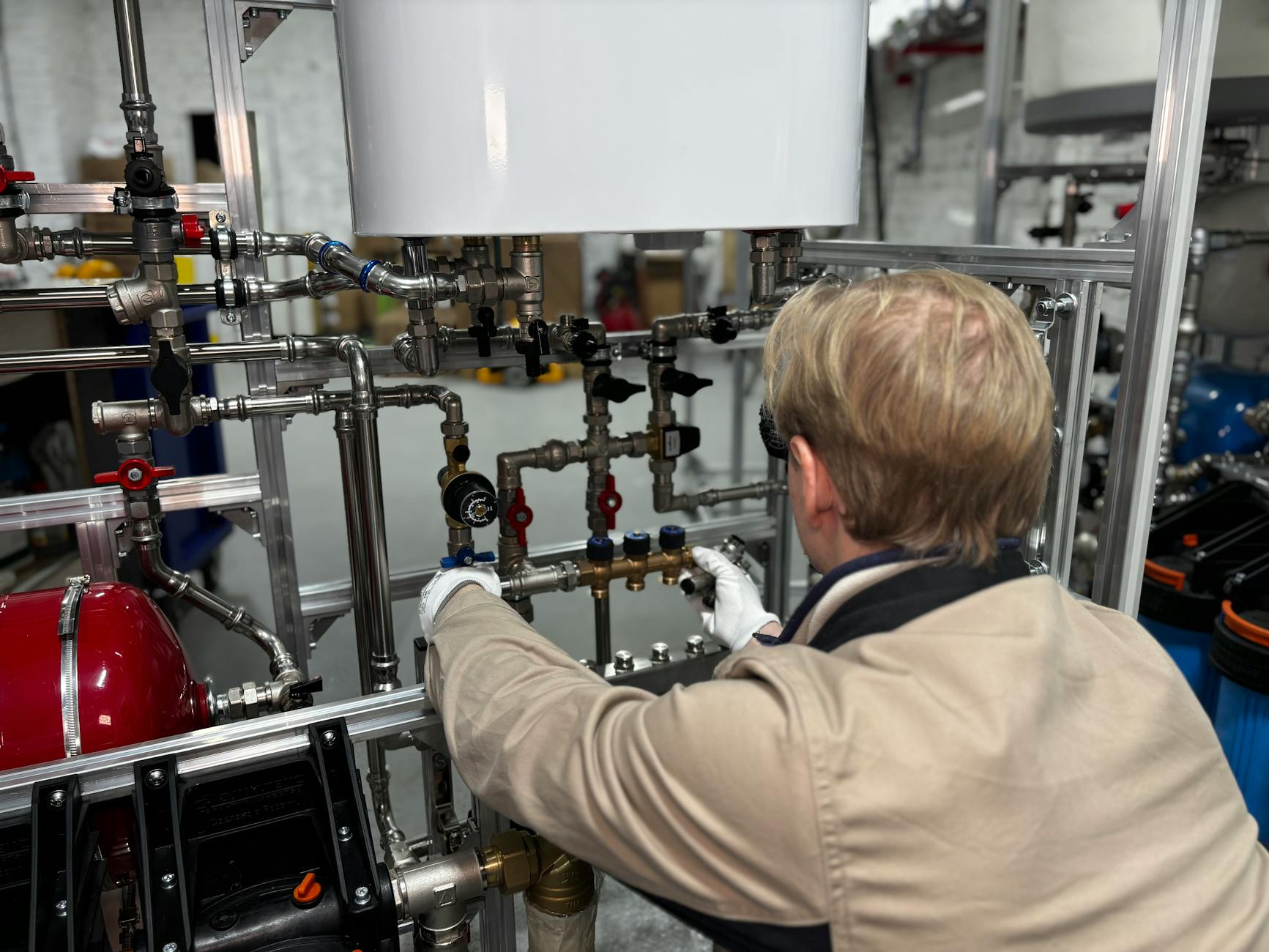
Drain inspection cameras are a standard and legitimate diagnostic tool, but dishonest operators use pre-recorded footage of damaged pipes from other locations and present it to homeowners as live footage of their own plumbing system. The footage typically shows severe corrosion, root intrusion, or pipe collapse in conditions that justify extensive excavation or pipe lining work costing thousands of dollars. A homeowner watching what they believe is a live feed of their own pipes has no technical basis for questioning whether the footage corresponds to their property. The camera equipment creates an air of professional thoroughness that makes the subsequent diagnosis appear well-supported by objective evidence. Homeowners presented with camera footage of alleged pipe damage should request that the footage be time-stamped, that the plumber identify specific location markers during the live feed, and that a second company conduct its own independent camera inspection before any excavation is authorized.
Chemical Damage Staging
Some dishonest plumbers carry small quantities of acidic or caustic substances that can be applied to pipe exteriors during an inspection to simulate the appearance of corrosion or chemical degradation that justifies immediate replacement. The visual appearance of chemically staged corrosion is indistinguishable from naturally occurring pipe deterioration to a homeowner with no metallurgical background. A plumber who applies a corrosive agent to a copper or galvanized pipe during an under-sink inspection and then invites the homeowner to view the damage has created physical evidence that supports a complete pipe replacement quote. The chemical application takes seconds and leaves no evidence of external introduction once the natural oxidation process begins to spread from the initial staging point. Homeowners who are shown corroded pipe sections during a plumbing inspection should ask when the system was last inspected and request documentation of any previous inspection reports that would establish a timeline for the deterioration.
Pressure Test Fraud
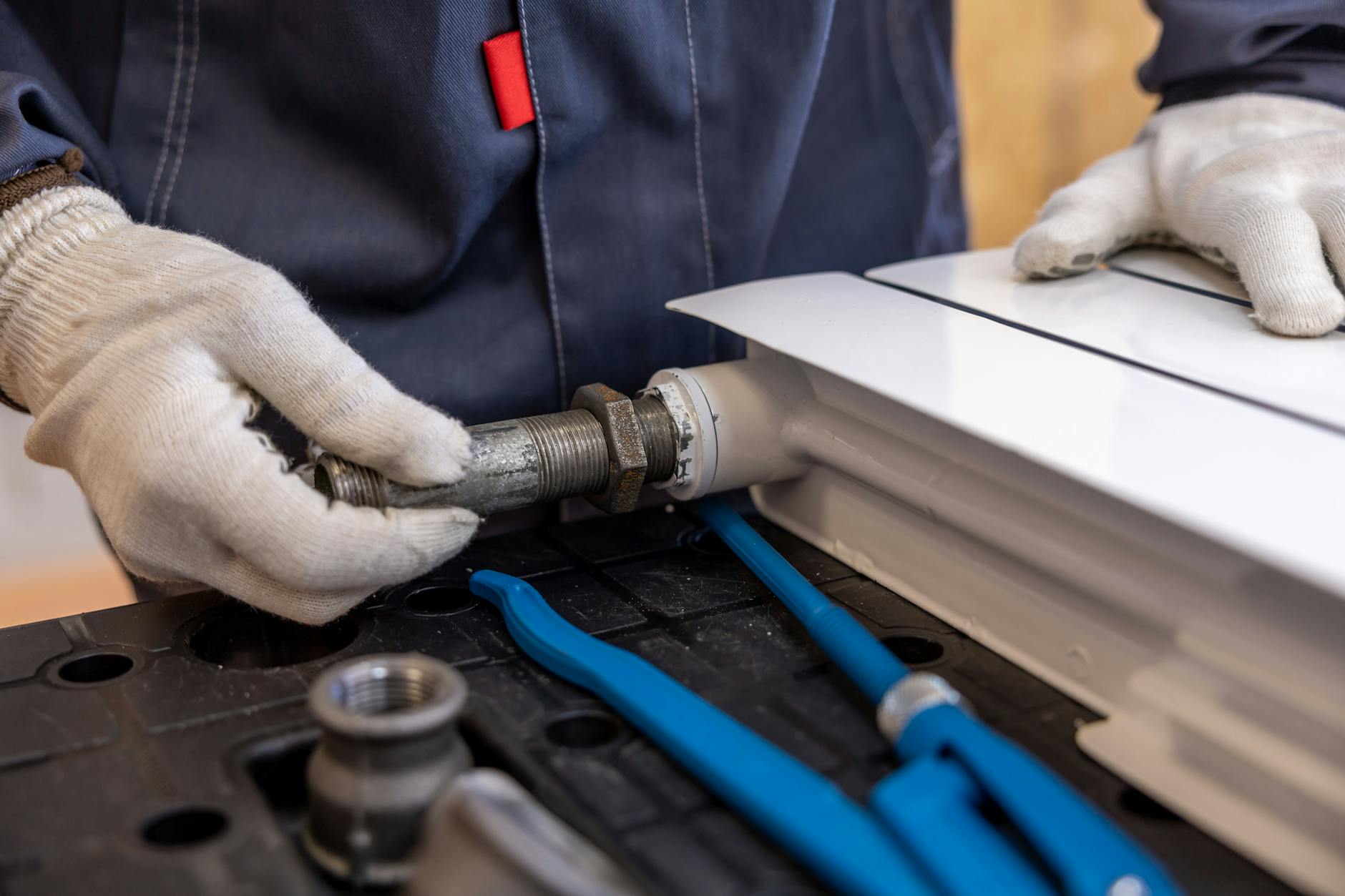
Water pressure testing is a legitimate diagnostic procedure, but a dishonest plumber can manipulate the test equipment or the testing procedure to produce false readings that indicate pressure problems requiring expensive regulator replacement or pipe reinforcement. A gauge that has been pre-calibrated to read high or a test conducted with artificially introduced pressure produces alarming numbers that the homeowner has no ability to question without independent equipment. The pressure test is presented as objective scientific measurement when the measurement has been deliberately distorted to support a predetermined diagnosis and repair recommendation. Pressure regulators and associated repair work represent a moderately priced but frequently unnecessary repair category that dishonest operators use to generate revenue from homeowners who have no baseline pressure reading to compare against. Having an independent plumber conduct a pressure test with their own equipment on the same day is the most direct way to verify or refute a pressure-based diagnosis.
Thermal Imaging Misrepresentation
Thermal imaging cameras detect temperature differences in walls and floors that can indicate moisture presence, but a dishonest operator can misrepresent normal temperature variation caused by insulation gaps, HVAC vents, or exterior wall conditions as evidence of active water intrusion. The colorful thermal images produced by these cameras are visually dramatic and communicate urgency to homeowners who have no training in interpreting what the color gradients actually represent. A skilled manipulator presenting a thermal image can identify any temperature anomaly in a wall cavity as a leak signature and justify opening the wall for an inspection that generates substantial labor revenue regardless of findings. The technology is sophisticated enough that most homeowners feel they cannot question a diagnosis supported by thermal imagery and professional interpretation. Requesting that any thermal imaging diagnosis be supported by physical moisture confirmation through probe testing or wall opening verification before repair authorization is a reasonable and protective response.
Exaggerated Root Intrusion
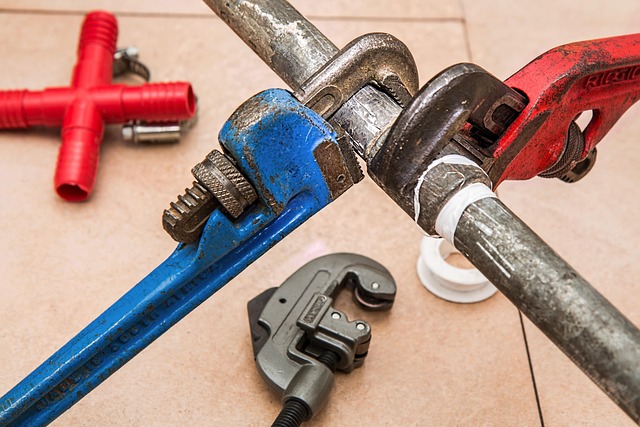
Tree root intrusion into sewer lines is a genuine and common problem, but dishonest plumbers exaggerate minor surface root presence inside pipes into a diagnosis of complete line failure requiring full excavation and replacement. A small number of feeder roots visible at a joint connection during a camera inspection can be presented as evidence of catastrophic structural compromise that does not actually exist in the pipe. Root cutting is a relatively inexpensive maintenance procedure, but the same visual evidence used to justify cutting can also be used by a dishonest operator to justify a full sewer line replacement costing ten times as much. The homeowner who views camera footage showing roots inside their pipe has no technical basis for evaluating whether the level of intrusion shown represents a maintenance situation or a replacement emergency. Getting a second camera inspection from an independent company with no financial interest in the repair recommendation is essential before authorizing any sewer line excavation based on root evidence alone.
Access Panel Fabrication
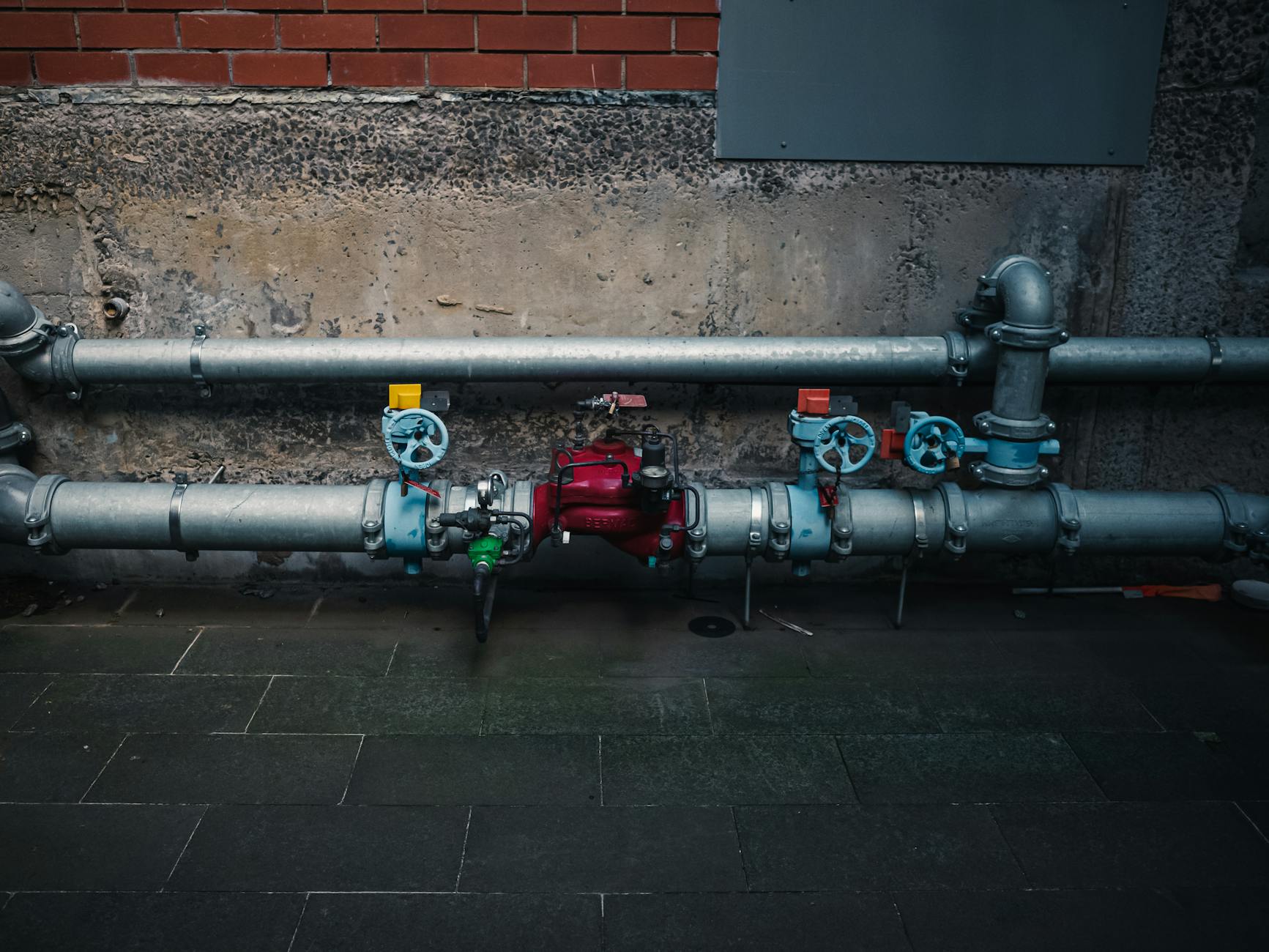
Dishonest plumbers sometimes recommend the creation of access panels in walls or floors to reach pipe sections that allegedly require monitoring or repair, generating demolition and restoration charges for work that creates no diagnostic or repair value. The access panel recommendation is presented as a necessary step toward resolving the alleged problem but the panel location may bear no meaningful relationship to any actual pipe infrastructure issue. Once a wall or floor section has been opened the homeowner is presented with the additional costs of restoration in addition to whatever repair charges were already quoted. The physical opening of a wall creates a state of disrepair that psychologically pressures homeowners to authorize the associated repair rather than seek a second opinion from a property that is now partially demolished. Requesting a specific and detailed technical justification for any recommended wall or floor opening before authorizing the work is a critical protective step that most homeowners skip during the stress of a plumbing emergency.
Leak Amplification
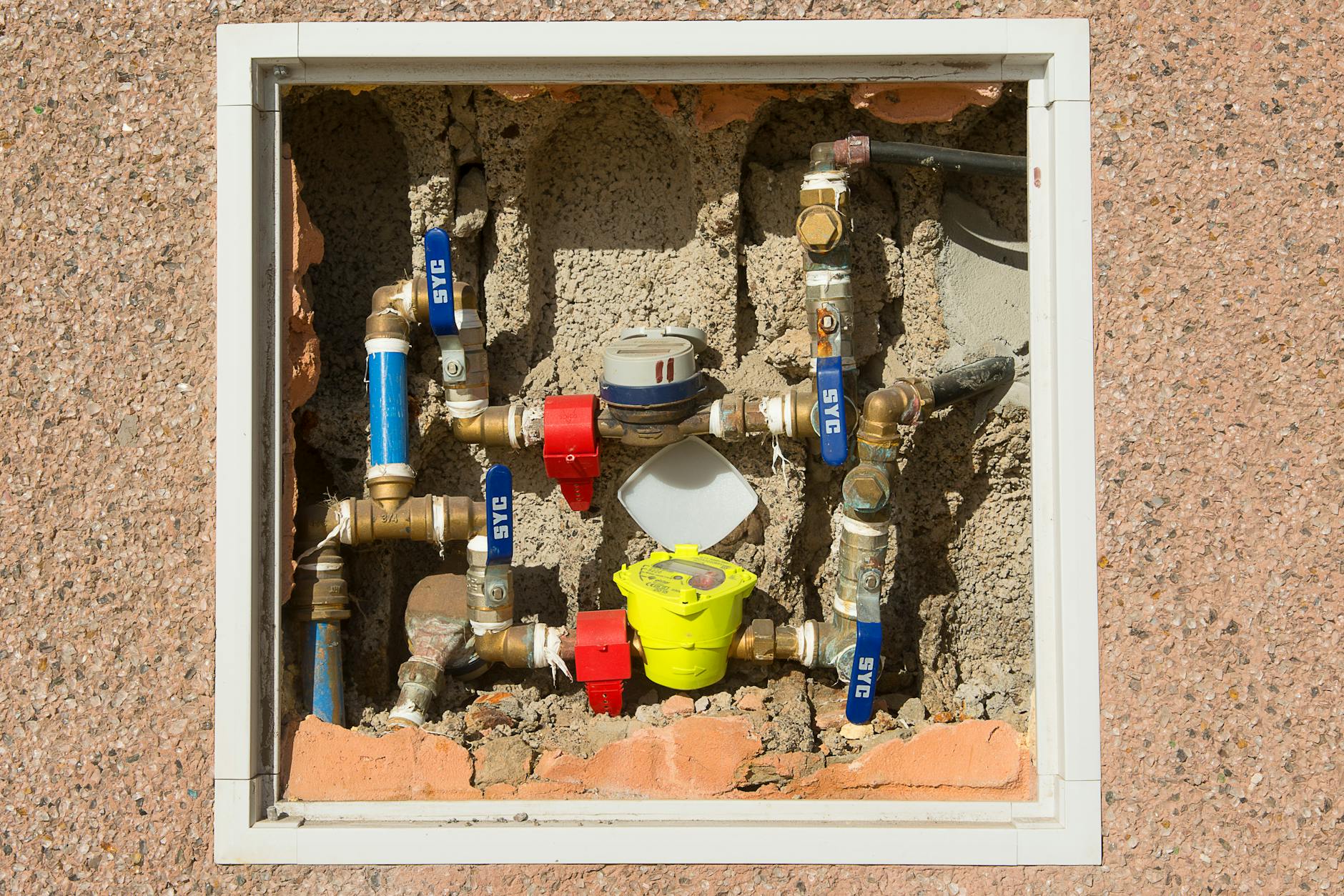
A plumber who identifies a minor and manageable drip at a pipe joint can physically manipulate the connection during the inspection to worsen the leak before presenting the homeowner with their diagnosis and repair estimate. A drip that was losing a small amount of water per hour can be converted into a visible flow by partially backing off a compression fitting or disturbing a deteriorating washer during the inspection process. The homeowner who was present during the initial call and noticed a minor issue is now being shown a more serious condition and told that the deterioration happened during the diagnostic process because the underlying problem was more advanced than initially apparent. The plumber who caused the worsening presents themselves as the person who discovered the true severity of the problem rather than its creator. Insisting on being present and actively observing every action a plumber takes during a diagnostic inspection reduces but does not eliminate the risk of this manipulation.
Unnecessary Repiping Recommendations
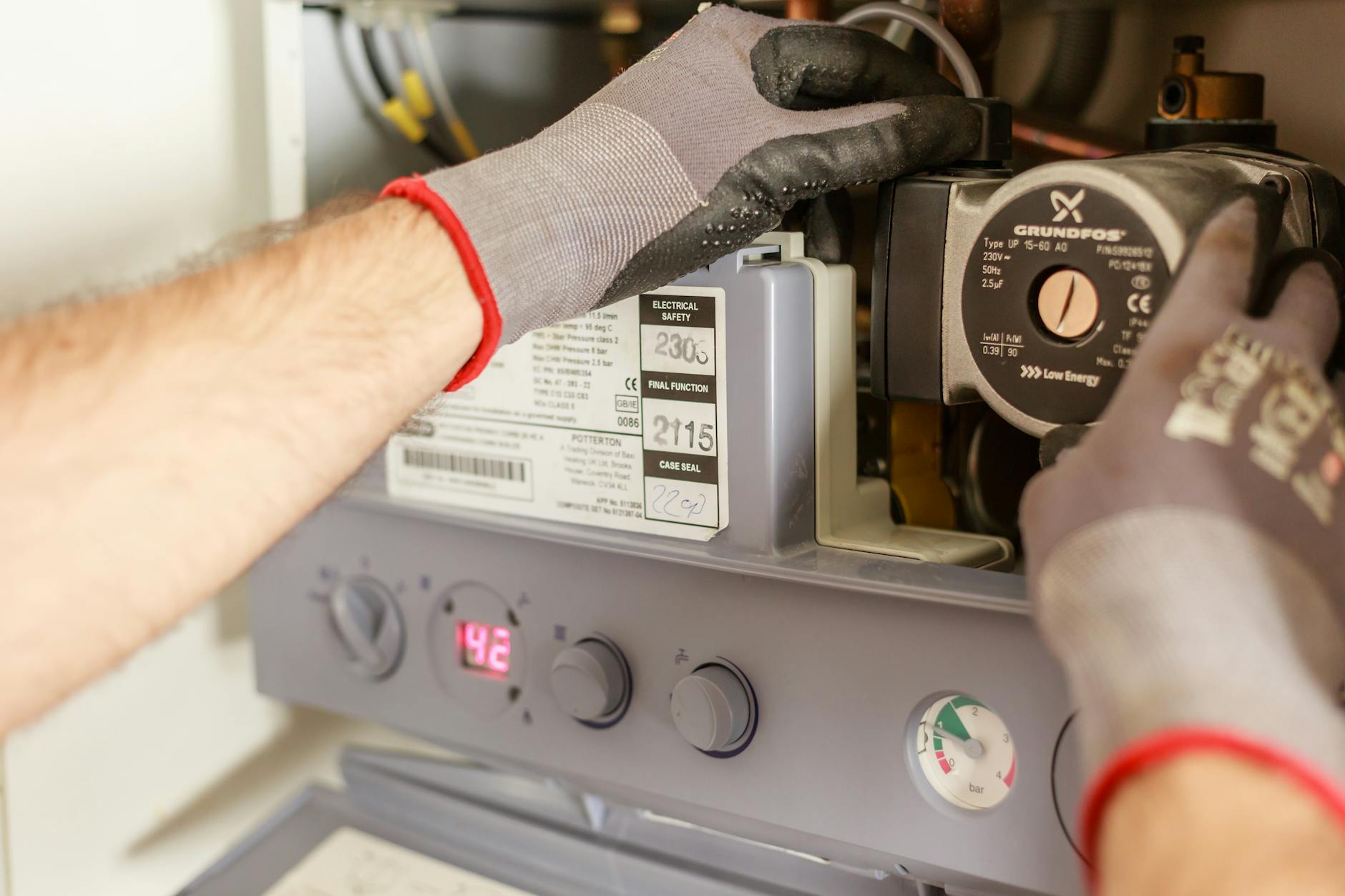
Complete repiping of a home’s supply system is one of the most expensive plumbing services available, and dishonest operators use selective evidence of localized corrosion or age-related wear to justify a whole-house recommendation when targeted spot repairs would fully resolve the actual issue. A single section of corroded pipe in one area of the home is presented as evidence of systemic deterioration throughout the entire supply system despite no evidence of problems in other areas. The homeowner who is told that visible corrosion in one location means invisible corrosion everywhere else has no technical foundation for evaluating whether that generalization is accurate or fabricated. Whole-house repiping quotes generate invoices in the range of several thousand to tens of thousands of dollars depending on property size, representing one of the highest-value unnecessary repair scams in the residential plumbing industry. Requesting a room-by-room pipe inspection with documented findings before accepting a whole-house repiping recommendation is the minimum due diligence required before authorizing work of that scale.
Slab Leak Fabrication
Slab leaks occurring in pipes embedded in a home’s concrete foundation are among the most anxiety-inducing plumbing diagnoses because they suggest structural involvement and are expensive and disruptive to repair. Dishonest operators use the difficulty of independent verification and the emotional weight of the diagnosis to generate large repair authorizations for leaks that either do not exist or that have been staged using external moisture introduction below the slab perimeter. The homeowner who is told that water is moving beneath their foundation has no practical ability to independently confirm or refute the claim without specialized equipment. Legitimate slab leak detection uses acoustic listening equipment and pressure testing in combination, and a diagnosis based on only one method or on visual evidence alone should be treated with significant skepticism. Engaging a leak detection specialist who operates independently of any repair contractor and who uses multiple confirmation methods is essential before authorizing any slab excavation or pipe rerouting work.
Permit Avoidance Pressure
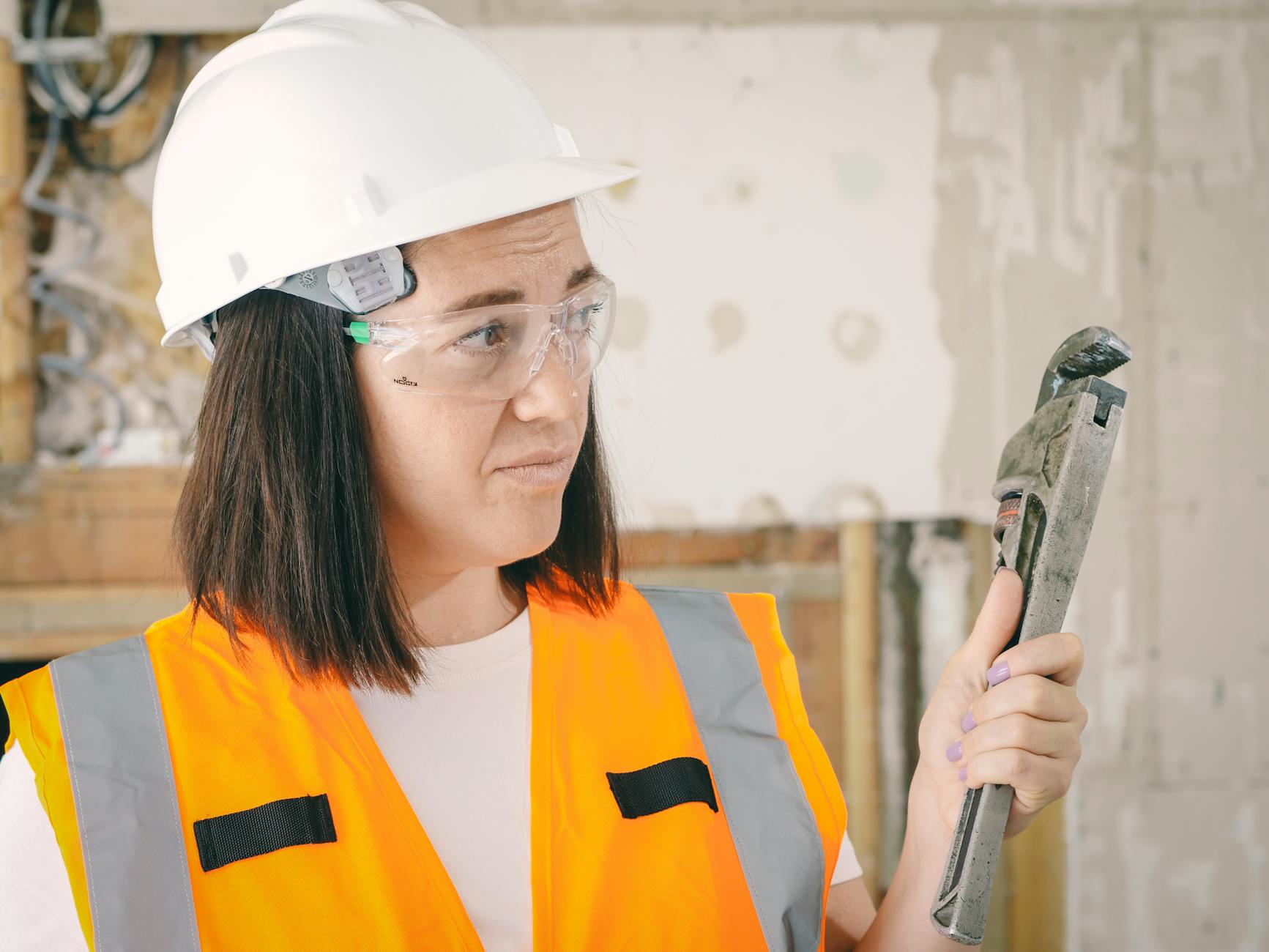
Dishonest plumbers who pressure homeowners to authorize work immediately and without permits are frequently motivated by the desire to avoid the independent inspection that permitted work requires at completion. A plumber who knows that the work they are planning to perform would not pass a municipal inspection has a direct financial incentive to convince the homeowner that permits are unnecessary, overly expensive, or simply not required for the type of work being proposed. The permit avoidance pitch is typically wrapped in language about saving money and avoiding bureaucratic delays that appeals to homeowners who are already stressed about repair costs. Work performed without permits cannot be inspected and certified by a municipal building official, removing the only independent technical review that would identify whether the repair was performed correctly or whether it addressed the actual condition that was cited. Insisting on pulled permits for any significant plumbing repair is one of the most effective structural protections a homeowner has against work performed for problems that do not exist.
Water Heater Condemnation
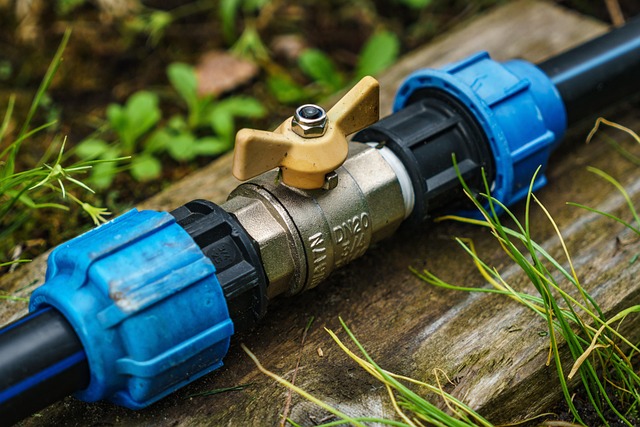
Water heaters that are functioning adequately are sometimes condemned by dishonest plumbers based on exaggerated assessments of sediment accumulation, pressure relief valve condition, or tank corrosion that could be addressed through maintenance rather than full unit replacement. A plumber who introduces the possibility of a tank rupture or carbon monoxide risk creates the kind of safety anxiety that causes homeowners to authorize immediate replacement without seeking a second opinion. The water heater replacement is presented as an emergency safety measure rather than a discretionary upgrade, eliminating the homeowner’s psychological space to pause and evaluate the recommendation independently. New water heater installation including unit cost and labor represents a multi-thousand dollar transaction that generates substantial revenue for the installing contractor. Having any water heater condemnation diagnosis reviewed by a second independent plumber before authorizing replacement is a straightforward protective measure that can save thousands of dollars when the original assessment was exaggerated or fabricated.
Drain Camera Bait

Offering a free or low-cost drain camera inspection is a common lead generation tactic used by dishonest operators to gain physical access to a home’s plumbing system and create the opportunity for a fabricated diagnosis. The free inspection is presented as a consumer benefit but functions as an entry point for the scam sequence that follows once the camera has been inserted into the drain system. A homeowner who accepted a free inspection has already established a commercial relationship with the operator and is psychologically positioned to feel obligated to the company that has already invested time and equipment in their property. The camera inspection footage can be manipulated, misrepresented, or supplemented with pre-recorded footage of damage from other properties as described in earlier diagnostic fraud methods. Treating any unsolicited offer of a free or heavily discounted drain inspection as a commercial prospecting tool rather than a consumer service reframes the transaction in a more protective way.
Emergency Markup Exploitation

Dishonest plumbers manufacture or exaggerate the urgency of a plumbing situation to justify emergency service rates that are two to three times higher than standard business-hours pricing while simultaneously pressuring the homeowner to authorize work immediately before the emergency window closes. A slow drip that represents no immediate structural risk is presented as an impending flood that will destroy flooring, cabinetry, and structural elements within hours if not addressed immediately. The manufactured urgency eliminates the homeowner’s ability to seek competitive quotes, consult with a second plumber, or research the reasonableness of the proposed repair costs before signing an authorization. Emergency pricing applied to non-emergency work represents both a pricing fraud and a diagnostic fabrication because the emergency classification itself is the misrepresentation. Any plumber who insists that a non-flooding plumbing situation requires immediate same-day authorization without time for a second opinion should be viewed with significant skepticism regardless of the urgency language used.
Pipe Material Misidentification
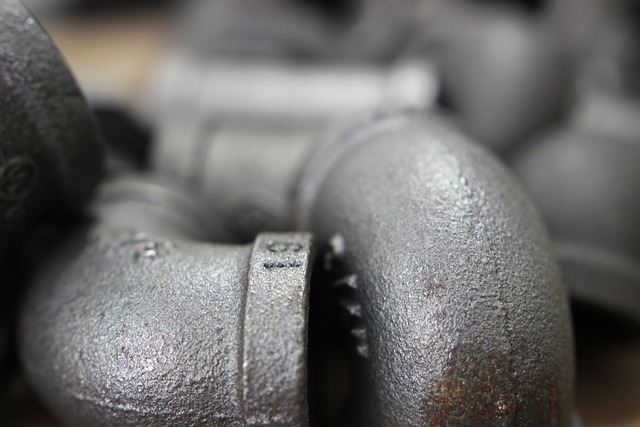
Deliberately misidentifying the material composition of a home’s existing pipe infrastructure allows dishonest plumbers to recommend replacement products and methods that are incompatible with the actual system and priced at a significant premium over what the genuine material would require. A plumber who misidentifies functional copper pipe as failed galvanized steel or describes PVC pipe as an inferior material requiring upgrading is creating a false technical justification for unnecessary replacement work. Material misidentification is particularly effective because most homeowners cannot independently distinguish between pipe types and have no basis for questioning a tradesperson’s material assessment during an inspection. The replacement material and associated labor costs are priced to the misidentified specification rather than to the actual system, generating charges that significantly exceed what the genuine condition would warrant. Requesting that a plumber identify pipe materials in writing and explain the specific basis for their material assessment before authorizing any replacement work creates an accountability record that discourages fabrication.
Hidden Camera Blind Spots
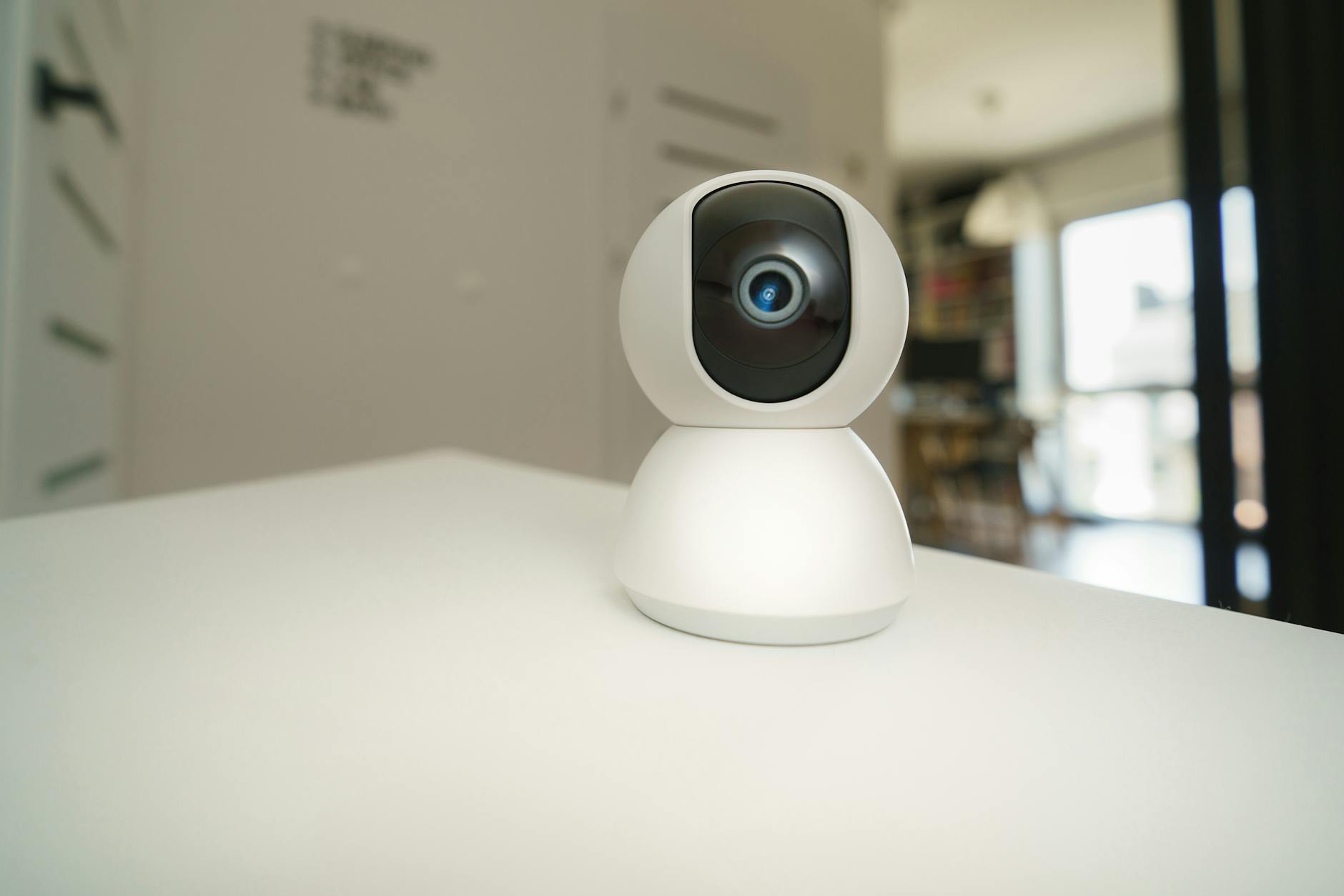
Dishonest plumbers learn the locations within a home where security cameras are absent and conduct their diagnostic manipulation specifically in those areas, knowing that the homeowner has no recorded evidence of what occurred during the inspection. Under-sink cabinets, crawl spaces, basement utility rooms, and outdoor meter boxes are typical camera blind spots where fitting manipulation, dye introduction, and moisture staging are most easily accomplished without recording. A homeowner who reviews security footage after a suspicious service call finds that all recorded interactions show entirely professional behavior while the fabrication occurred in the specific areas not covered by the camera system. This awareness of residential camera coverage patterns is not accidental among experienced fraudulent operators but is a developed professional skill that maximizes their operational security. Installing cameras that cover all plumbing access points including under-sink areas and utility spaces before any service visit significantly reduces the blind spots available to a dishonest operator.
Referral Ring Collusion
Some dishonest plumbing operators work in coordination with other tradespeople including real estate agents, home inspectors, and general contractors who refer clients in exchange for a kickback from the inflated repair invoices generated by the scam. A home inspector who identifies a plumbing concern and refers a specific plumber may be financially connected to the outcome of that referral in ways that are never disclosed to the homeowner. The referral ring creates the appearance of an independent confirmation of the plumbing problem because the homeowner believes they are receiving a recommendation from an unconnected professional. The plumber who receives the referral is motivated to generate the largest possible invoice because the kickback to the referring party is calculated as a percentage of the total charged. Homeowners who receive plumbing referrals from other tradespeople or service providers should independently source at least one additional quote from a company with no connection to the original referral network.
Invoice Complexity Fraud

Dishonest plumbers generate invoices with large numbers of individually small line items that collectively produce a substantial total while individually appearing reasonable to a homeowner who does not understand the technical relationship between the items listed. A fraudulent invoice might include separate charges for diagnostic time, equipment rental, material procurement, access preparation, repair execution, system testing, and cleanup that together total several thousand dollars for work that required an hour and minimal materials. The complexity of the invoice is designed to exhaust the homeowner’s ability to question individual items and to create the impression of thorough and multifaceted professional service. Each line item in isolation appears defensible even though the aggregate total is dramatically disproportionate to the actual work performed. Requesting an itemized explanation of every line item on a plumbing invoice before payment and comparing the total against independent cost databases for the specific repair type is a basic financial protection that many homeowners skip under post-repair fatigue.
Seasonal Scare Tactics
Dishonest plumbers time their most aggressive scam pitches to coincide with seasonal events including pre-winter freeze warnings and post-storm periods when homeowners are already anxious about infrastructure vulnerability and less likely to question an alarming diagnosis. A service call conducted in the days before a forecast freeze is an ideal environment for a fabricated diagnosis because the homeowner’s anxiety about pipe damage is already elevated and the urgency of the seasonal window limits their perceived time for due diligence. Post-storm service calls exploit the same emotional environment, with visible exterior damage and neighborhood disruption creating a state of heightened concern that reduces critical evaluation of plumbing diagnoses. Dishonest operators who track seasonal weather patterns and increase their service call marketing during high-anxiety weather periods are deliberately timing their outreach to the moments when homeowners are most vulnerable to pressure-based authorization. Maintaining the same standards of verification and second-opinion seeking during seasonal high-anxiety periods as during routine service calls is the most important protective habit a homeowner can develop.
Warranty Void Threats
Threatening that a homeowner’s property insurance coverage or manufacturer warranty will be voided unless immediate repairs are performed by the diagnosing plumber is a pressure tactic used to eliminate the homeowner’s ability to seek competitive quotes or independent verification before authorizing work. The claim that insurance coverage requires specific repair actions within a specific timeframe is almost never accurate and is designed to create legal anxiety that overrides the homeowner’s natural instinct to slow down and evaluate the recommendation. A plumber who insists that they must be the one to perform the repair or that the repair must happen today to preserve coverage is using a fabricated legal threat to capture a captive customer. Homeowners who receive warranty or insurance void threats during a plumbing service call should contact their insurance provider directly before authorizing any work to verify whether the claimed coverage requirement is genuine. No legitimate plumber needs to invoke insurance threats to justify a genuine repair recommendation that stands on its own technical merits.
If you have encountered suspicious plumbing diagnoses or unexpected repair bills that did not add up, share your experience in the comments.




