
The fifteen minutes before an important meeting represent one of the most consequential and consistently mismanaged windows in professional life, a period that most people spend staring at a screen in ways that actively undermine their performance before they have spoken a single word. The phone that lives in a pocket or handbag during a meeting begins its damage well before anyone sits down at the table, shaping mental state, emotional availability, and cognitive readiness through a series of habitual behaviors that feel productive or neutral but are neither. Research into cognitive performance and professional communication consistently identifies pre-meeting phone behavior as one of the most underappreciated variables in meeting outcomes. The following behaviors are the ones that professionals and performance researchers most consistently identify as damaging to the mental and interpersonal readiness required for high-stakes professional encounters.
Social Media Scrolling
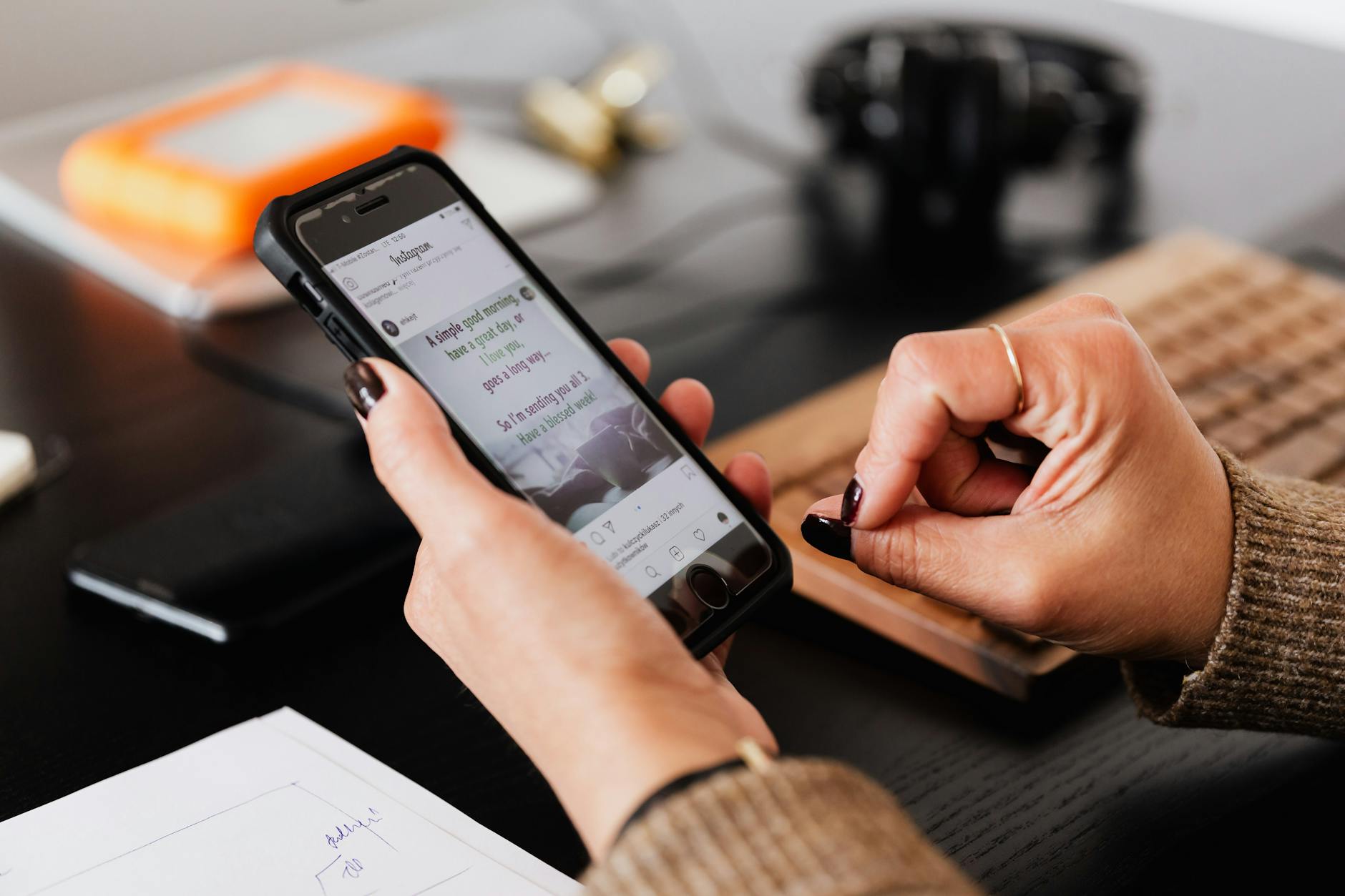
Opening any social media platform in the minutes before an important meeting introduces a stream of emotionally varied and cognitively demanding content that the brain begins processing and has not finished processing when the meeting begins. The algorithmic design of every major social platform is optimized to produce engagement responses including outrage, amusement, envy, and curiosity that activate emotional systems incompatible with the focused and regulated state professional meetings require. A post that produces a strong emotional reaction thirty seconds before walking into a negotiation or performance review carries that emotional residue into the room regardless of the effort made to suppress it. The scrolling behavior also consumes the mental rehearsal time that performance research consistently identifies as one of the most valuable uses of the pre-meeting window. Professionals who open social media before important meetings are essentially outsourcing their mental preparation to an algorithm that has no interest in their professional performance.
Email Avalanche Opening
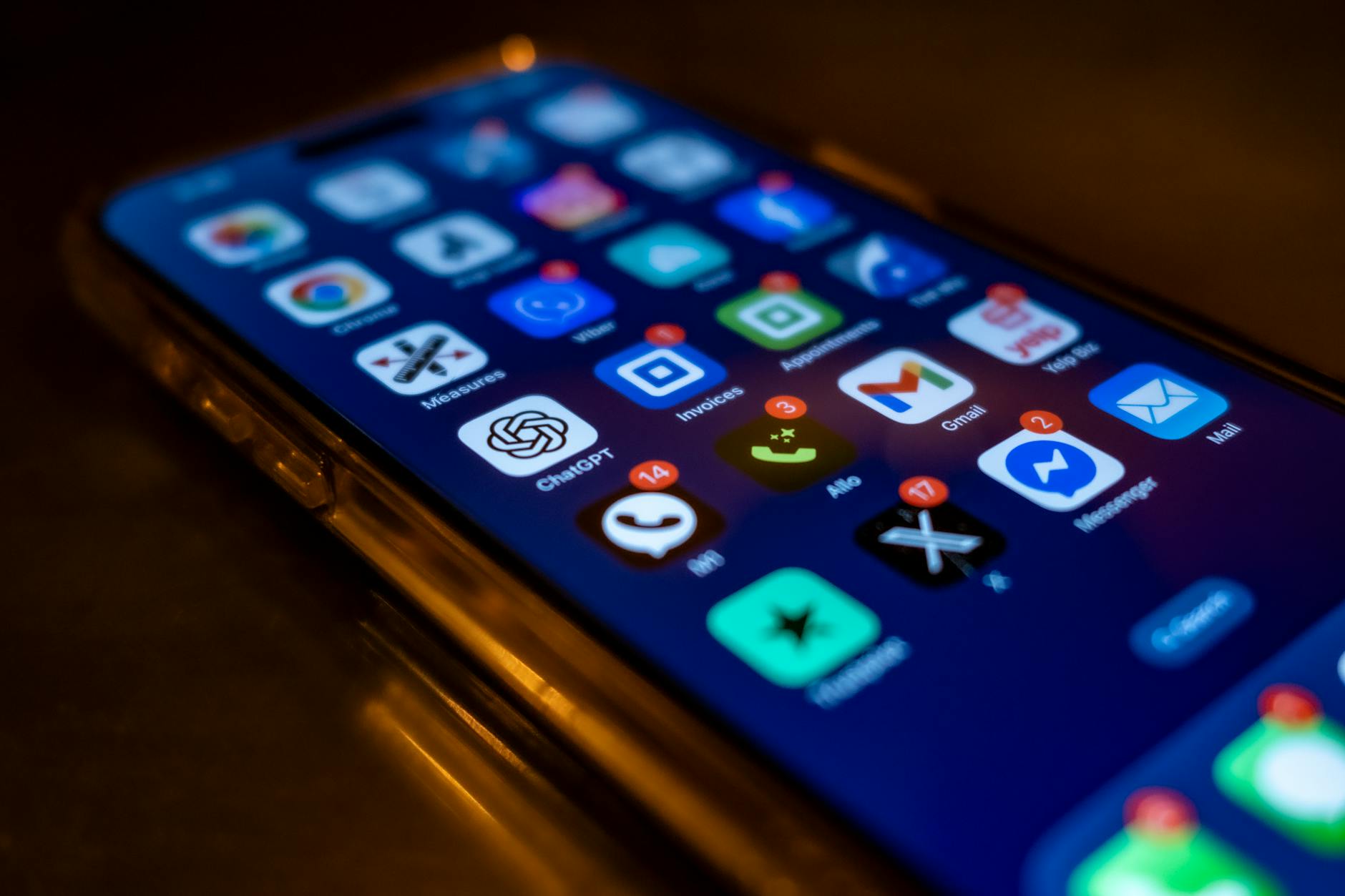
Opening a full email inbox in the minutes before a meeting exposes the mind to unresolved obligations, unexpected problems, and competing priorities that create cognitive interference during the meeting itself. Each unread email represents an open loop that the brain registers and attempts to hold in working memory even when the conscious attention has moved on to the meeting agenda. An email containing bad news, a difficult request, or an unresolved conflict discovered two minutes before a meeting begins creates an emotional and cognitive burden that cannot be set aside cleanly enough to allow full presence during the subsequent interaction. The email inbox is designed to surface other people’s priorities and urgencies on their timeline rather than the reader’s, making it a particularly poor cognitive environment to enter immediately before a high-focus professional event. Experienced executives and performance coaches consistently recommend a hard inbox cutoff at least thirty minutes before any meeting classified as important.
Argument Texting
Engaging in a text-based argument or emotionally charged exchange with any person immediately before an important meeting introduces a physiological stress response that persists well beyond the end of the exchange itself. The cortisol and adrenaline released during an interpersonal conflict do not clear the system within minutes and their presence during a professional meeting degrades the calm, measured communication that effective professional interactions require. A text argument that ends inconclusively is particularly damaging because the unresolved emotional state it produces competes for cognitive resources throughout the entire subsequent meeting. The compressed and often ambiguous nature of text communication makes pre-meeting exchanges especially prone to misreading and escalation that would not occur in a face-to-face or voice conversation. Professionals who find themselves drawn into a text conflict in the pre-meeting window are better served by disengaging and scheduling the continuation of that conversation for after the meeting has concluded.
News Consumption
Reading current news content in the minutes before an important meeting introduces a categorically unpredictable range of emotional and cognitive stimuli that cannot be managed or prepared for in advance. A news cycle that happens to surface a story about financial instability, organizational scandal, or social crisis in the specific industry relevant to an upcoming meeting creates contextual anxiety that the reader must then actively manage rather than simply bringing their prepared and composed professional self to the table. Even neutral or positive news stories activate information processing that consumes cognitive bandwidth needed for meeting-specific focus and preparation. The news reading habit is among the most widely reported pre-meeting behaviors in workplace research precisely because it feels productive and informed while actually functioning as a cognitive and emotional wildcard. Professionals who need to be current on news relevant to an important meeting are better served by completing that reading an hour before rather than in the immediate pre-meeting window.
Battery Panic Charging
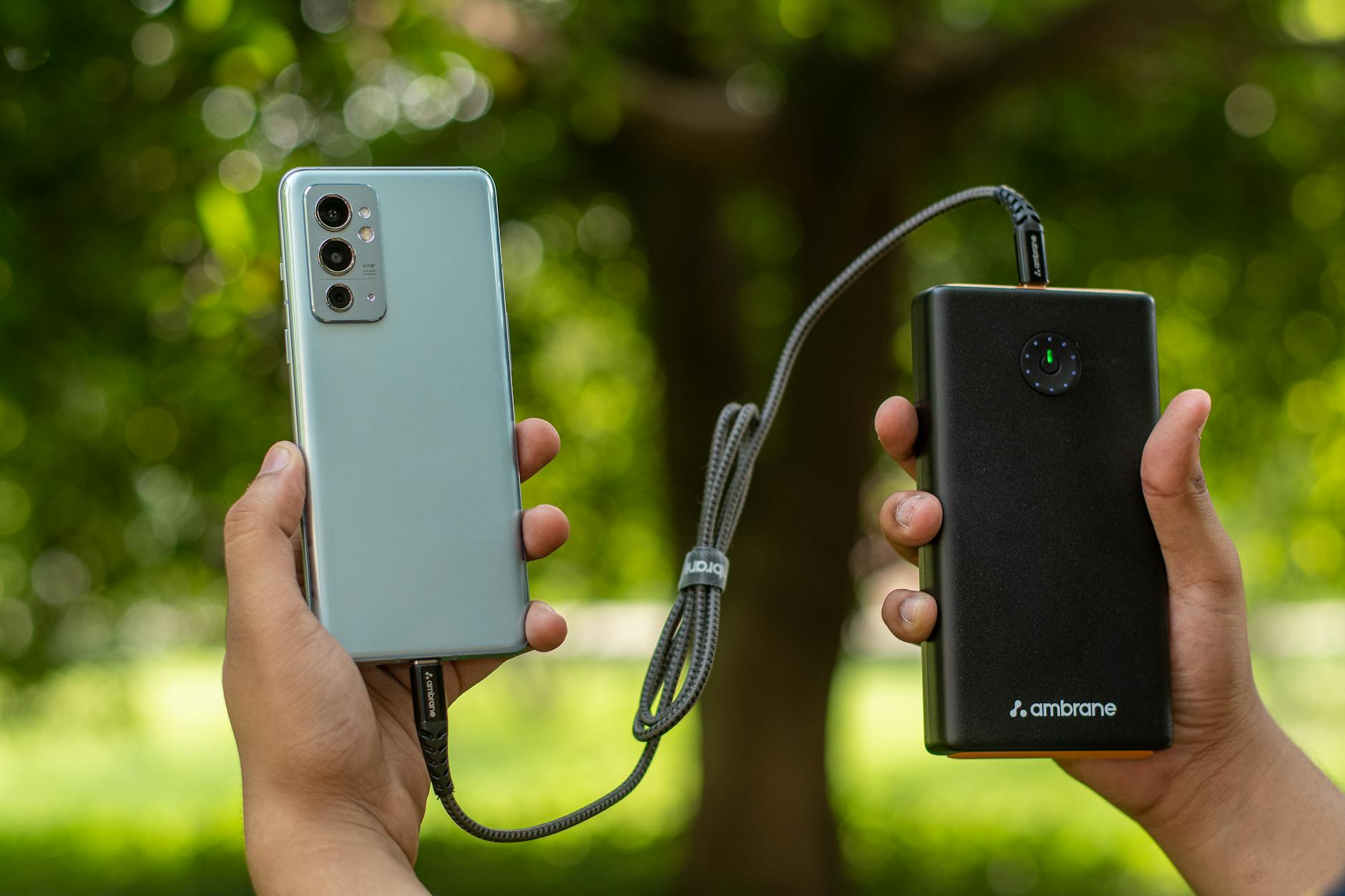
Discovering that a phone is critically low on battery in the minutes before an important meeting and scrambling to find a charger or portable power source introduces a logistical anxiety that occupies mental bandwidth needed for final preparation and composure. The low battery situation creates a parallel problem-solving thread that runs alongside meeting preparation and degrades the quality of both activities simultaneously. Arriving at a meeting already managing a minor crisis, even a trivial technical one, establishes an internal stress baseline that influences communication tone, patience, and cognitive availability from the first moment of the interaction. The phone charging scramble is also visually communicative in shared pre-meeting spaces, signaling to other attendees and the meeting organizer that the person is not fully prepared for the encounter they are about to enter. Maintaining a consistent charging routine that prevents the low battery situation entirely is a small logistical habit with a disproportionate impact on pre-meeting composure.
Notification Ignoring
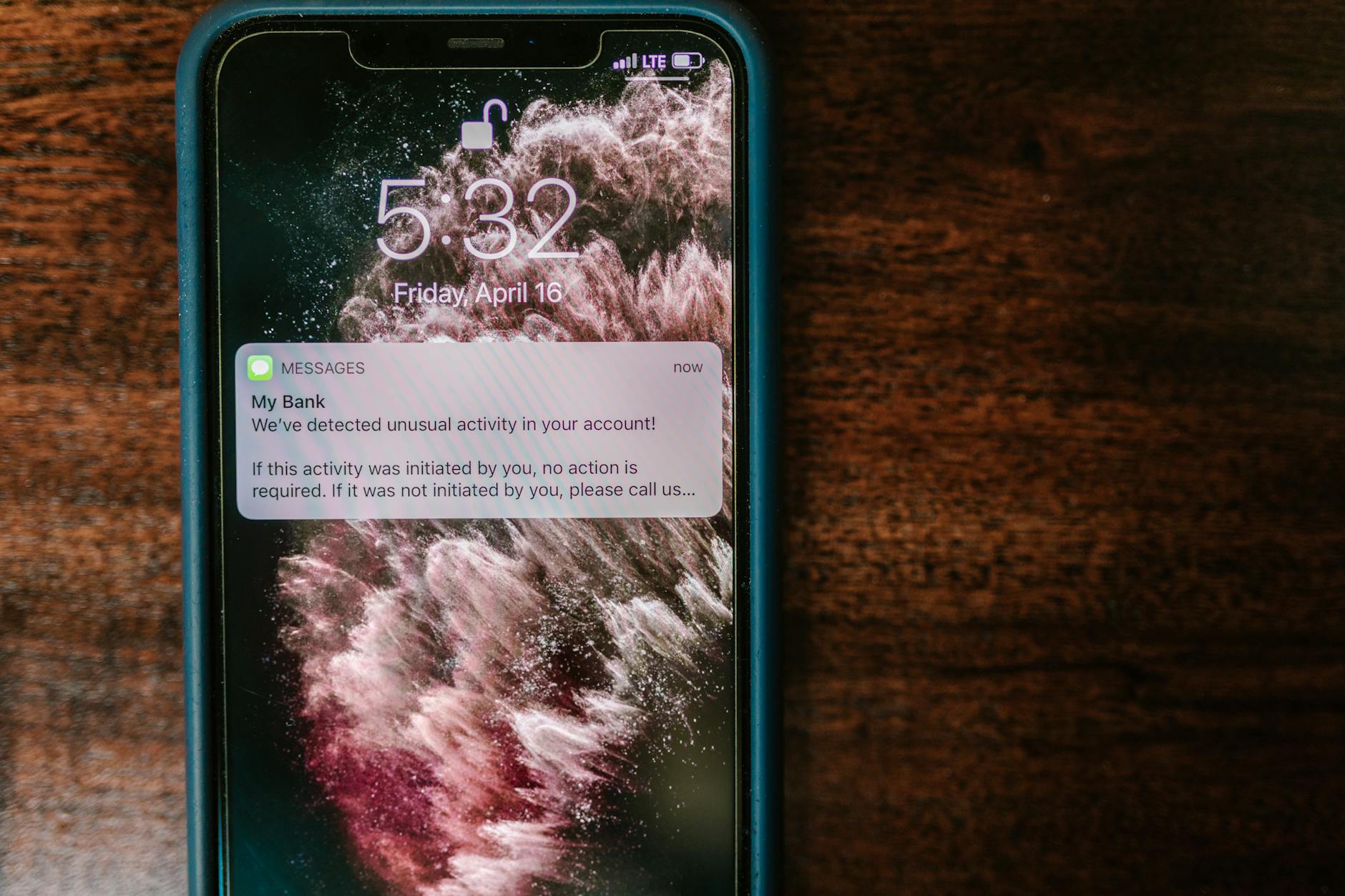
Leaving notification settings unchanged before an important meeting creates the conditions for audible or vibration-based interruptions that break the concentration of everyone present and communicate a lack of preparation and professional respect to meeting organizers and participants. The vibration of a phone on a conference table during a moment of significant presentation or sensitive discussion is a social and professional disruption whose impact on the meeting dynamic is immediate and difficult to recover from. Professionals who are interrupted by their own phone notifications during an important meeting spend the subsequent minutes managing the social repair of that disruption rather than contributing fully to the agenda at hand. The thirty seconds required to silence a phone completely before entering a meeting is one of the smallest possible time investments available for professional relationship management. Consistently failing to manage notifications before meetings is one of the professional behaviors most reliably noticed and remembered by senior colleagues and organizational decision-makers.
Last-Minute Research
Conducting hurried research into meeting topics, attendee backgrounds, or industry data in the final minutes before a meeting begins introduces partially processed information that the brain cannot integrate properly into existing knowledge structures under time pressure. Information consumed in a rushed pre-meeting state is retained less reliably, understood less completely, and more likely to be misapplied during the conversation it was intended to support than information reviewed with adequate time for processing. The anxiety produced by realizing that preparation is incomplete in the minutes before a meeting is itself cognitively damaging regardless of whether the last-minute research actually covers the gap. Meeting participants who arrive visibly consulting their phones for basic information about the agenda or attendees signal to the room that their preparation was inadequate, undermining their credibility before they have made a substantive contribution. Research and preparation belong to the hours before a meeting rather than to the minutes immediately preceding it.
Photo Filter Obsessing

Spending pre-meeting time adjusting, filtering, or posting photographs on any platform activates the social performance and self-monitoring systems of the brain that are directly counterproductive to the confident and other-focused mental state that important meetings require. The self-presentation anxiety that accompanies social media photo management is a specific form of self-consciousness that primes the brain to prioritize how it is being perceived rather than what it is contributing, a mental orientation that undermines effective meeting participation from the outset. The engagement monitoring that inevitably follows a posted photograph creates an ongoing cognitive distraction thread that persists through the meeting as the brain continues tracking the social response to the published content. Professionals who spend the pre-meeting window managing their social media presentation are dividing their attention between two performance contexts simultaneously and excelling at neither. The mental energy invested in photo management immediately before a meeting is energy directly subtracted from the quality of presence available in the room.
Game Playing

Playing any mobile game in the minutes before an important meeting activates fast-twitch cognitive patterns oriented toward rapid response, point accumulation, and short-cycle reward that are entirely misaligned with the slower, more deliberate cognitive mode required for effective professional discussion. The transition from a game state to a meeting state requires a cognitive gear shift that takes longer than the gap between putting the phone away and beginning the meeting allows for. Games that involve social competition or real-time opponents create an additional layer of incomplete engagement that persists as the brain continues to process the game state even after the screen has gone dark. The visible act of playing a game in a shared waiting space immediately before a meeting communicates a specific message about professional engagement and meeting prioritization to anyone present who will be participating in the same meeting. The pre-meeting minutes are among the most cognitively valuable available in a professional day and their investment in game mechanics produces no return relevant to the encounter about to begin.
Voicemail Spiral
Listening to a backlog of voicemails in the minutes before an important meeting introduces a sequential series of other people’s problems, requests, and emotional tones that the listener absorbs without the time or cognitive space to process and respond to any of them adequately. Each voicemail creates a new open loop that the brain adds to its working memory stack at precisely the moment when that stack should be clearing rather than filling. A voicemail from a difficult client, a concerned family member, or an upset colleague listened to two minutes before a meeting begins deposits its emotional content into the listener’s mental state without providing any mechanism for processing or resolution before the meeting begins. The voicemail listening habit in the pre-meeting window is a specific version of the broader problem of consuming unresolved obligations immediately before a high-focus professional event. Professional coaches who work with executives on meeting performance consistently identify voicemail consumption as one of the most reliably damaging pre-meeting phone behaviors in terms of its impact on composure and cognitive availability.
Software Update Initiating
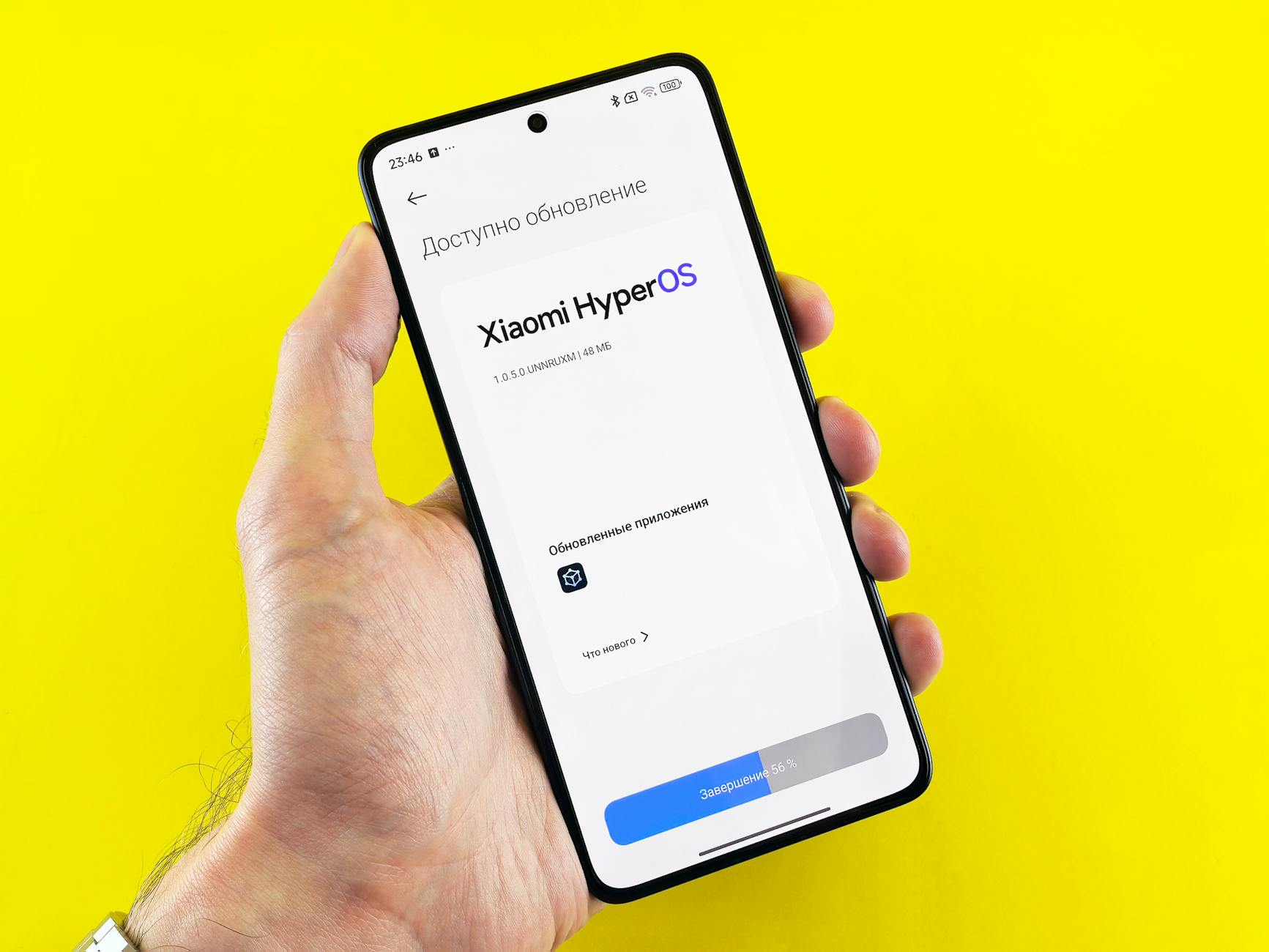
Initiating a software update on a phone in the minutes before an important meeting risks rendering the device temporarily unusable or significantly slower during a period when it may be needed for reference, communication, or navigation. An update that takes longer than anticipated or that requires a restart can eliminate access to meeting materials stored on the device, contact information for late-arriving participants, or navigation to an unfamiliar meeting location at precisely the moment when that access is most needed. The update notification that has been dismissed repeatedly throughout the day feels manageable to address in the pre-meeting window but represents a logistical risk whose potential downside is significantly greater than its benefit in that specific moment. Professionals who find themselves managing a mid-update phone in the minutes before a meeting begins are dealing with a self-created technical problem that adds to their cognitive and logistical load at the worst possible time. Software updates belong to overnight or post-meeting scheduling rather than to the pre-meeting preparation window.
Embarrassing Photo Reviewing
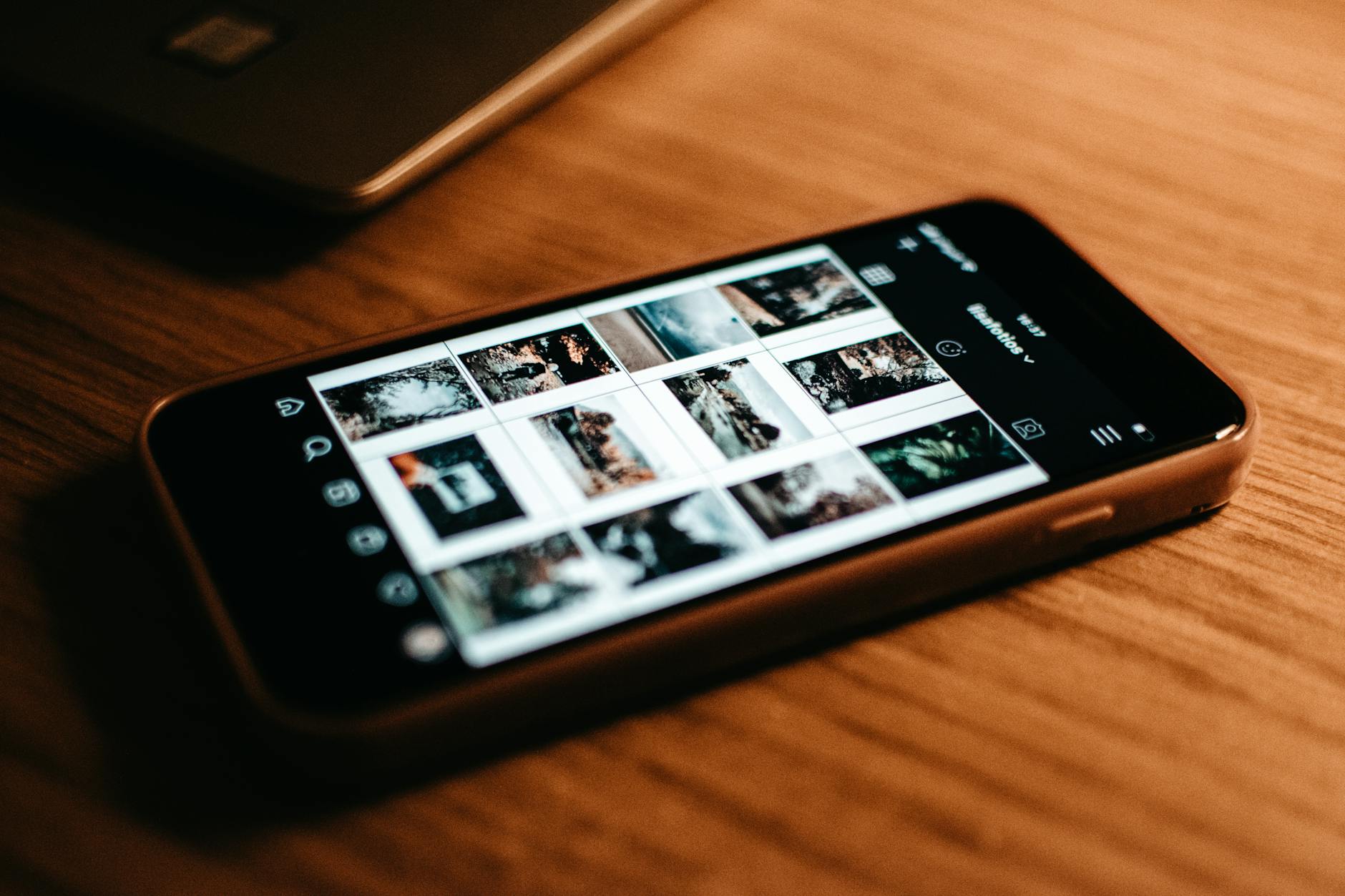
Reviewing personal photographs or camera roll content in shared pre-meeting spaces or directly before a professional encounter creates accidental disclosure risks and mental context shifts that are both professionally and cognitively counterproductive. A personal photograph that appears unexpectedly in a swipe sequence while a colleague is nearby creates a social situation that requires management and explanation at a moment when cognitive resources should be reserved entirely for meeting preparation. The review of personal content also activates the personal rather than professional identity systems of the brain, shifting internal orientation away from the professional self-presentation mode that important meetings require. Content that produces strong personal emotion whether positive or negative creates an emotional state that carries into the meeting regardless of the effort made to compartmentalize it. The pre-meeting window is one of the clearest examples of a professional context in which personal phone content and professional performance requirements are directly incompatible.
Excessive Preening

Using a phone camera as a mirror for extended grooming and appearance checking in shared pre-meeting spaces communicates self-consciousness and social anxiety to anyone present who will be participating in the same meeting. While a brief appearance check is entirely reasonable before any professional encounter, extended phone mirror use signals to observers that the person is not mentally prepared for the substance of the meeting they are about to enter and is instead managing presentation anxiety in a visible and protracted way. The self-monitoring loop activated by extended appearance checking also primes the brain for self-focused rather than other-focused attention during the meeting, which undermines the listening and responsiveness that effective professional communication requires. The phone camera used as a grooming mirror in a professional waiting space also creates specific accidental disclosure risks when the camera accidentally activates video or photograph functions in a shared environment. Appearance preparation belongs to a private space completed well before arrival at the meeting location rather than in the shared pre-meeting environment.
Panic Rescheduling

Attempting to reschedule, cancel, or significantly modify other calendar commitments in the minutes before an important meeting splits cognitive attention between the current meeting and the logistics of the subsequent schedule in ways that prevent full preparation for either. The calendar management activity produces an anxious multi-tasking state that is cognitively incompatible with the composed and focused pre-meeting preparation that performance research recommends. Rescheduling communications initiated in the pre-meeting window are also more likely to contain errors, unclear language, or unintended tone because they are produced under time pressure and without adequate attention. The recipients of hurried pre-meeting rescheduling messages receive a communication that reflects the sender’s distracted and pressured state, which has professional relationship implications beyond the scheduling change itself. Calendar management belongs to the period between meetings rather than to the minutes allocated for preparation immediately preceding them.
Complaint Broadcasting
Sending text messages or posting content that complains about an upcoming meeting, its participants, or its subject matter immediately before the meeting begins creates a documentary record of negative sentiment that exists permanently and may reach unintended recipients through forwarding, screenshot sharing, or notification visibility. A complaint about a difficult colleague sent to one person can reach that colleague through any number of forwarding pathways, with timing that places the receipt of the message in close proximity to the meeting itself. The act of articulating a negative framing of an upcoming meeting also reinforces that framing in the sender’s own mind, establishing a negative emotional baseline that influences tone, receptiveness, and collaborative orientation from the first moments of the interaction. Professionals who broadcast pre-meeting complaints are also communicating a specific attitude toward professional discretion that reflects on their judgment in ways that extend beyond the immediate social exchange. The pre-meeting minutes are among the highest-risk windows for impulsive communication whose consequences outlast the momentary relief the sending provided.
Podcast Continuing
Continuing to listen to a podcast through earbuds until the last possible moment before a meeting begins prevents the mental transition from passive reception mode to active participation mode that effective meeting engagement requires. The podcast listener who removes earbuds and immediately enters a meeting room is cognitively still processing the content and narrative of the audio they were just consuming, a processing thread that competes with the new information and social dynamics of the meeting environment. Long-form podcast content that raises interesting questions or unresolved arguments is particularly disruptive to the transition because it creates intellectual open loops that the mind continues working on during the early minutes of the meeting. The social signal communicated by a person visibly listening to personal audio content until the moment they enter a meeting room also suggests to waiting attendees and organizers that the meeting was not a sufficient priority to warrant advance mental preparation. The transition from passive media consumption to active professional participation requires a buffer period that most pre-meeting schedules underestimate.
Sensitive Document Photographing
Photographing documents, whiteboards, screens, or physical materials in shared pre-meeting spaces as a preparation strategy creates legal, ethical, and professional risks whose consequences can significantly outweigh any informational benefit the photographs provide. Documents visible in a shared professional space may contain confidential information belonging to other organizations or individuals whose photographing without consent violates legal or contractual obligations that the photographer may not be aware of. The act of photographing materials in a shared pre-meeting environment is visible to other people in that space and communicates a judgment about information ownership that other attendees and security-conscious organizations will note and remember. A photograph taken carelessly in a pre-meeting environment that includes inadvertently captured confidential content creates a liability that exists independently of any intent on the photographer’s part. Pre-meeting information gathering belongs to officially shared and appropriately sanctioned materials rather than to opportunistic photography of the surrounding environment.
Dating App Browsing

Opening a dating application in the minutes before an important professional meeting activates a social evaluation and personal presentation mindset that is cognitively and emotionally misaligned with the professional engagement required in the subsequent interaction. The self-presentation anxiety and interpersonal evaluation patterns activated by dating app use prime the brain for a very different kind of social performance than professional meetings require, creating a mental context that takes time to clear after the app is closed. The accidental visibility of dating app content in a shared pre-meeting space creates a specific professional disclosure situation that most professionals would prefer to avoid entirely in a workplace context. Pre-meeting dating app use also communicates a specific message about meeting prioritization to anyone who happens to observe the phone screen in a shared waiting area or at a conference table. The mental and emotional state activated by dating applications is one of the furthest available from the focused, composed, and professionally oriented state that important meetings reward.
Autocorrect Disasters

Sending any communication that relies heavily on voice-to-text or rapid autocorrect input in the minutes before an important meeting dramatically increases the risk of a significant autocorrect error reaching a professional contact at a moment when there is no time to identify and correct the mistake before the meeting begins. An autocorrect-generated message that changes the meaning of a communication in a confusing, embarrassing, or offensive way requires repair communication that cannot be sent until after the meeting concludes, leaving the error in the recipient’s inbox for the entire duration of the meeting. The professional who discovers an autocorrect error in a sent message after entering a meeting must manage their awareness of the unaddressed mistake throughout the meeting, creating a cognitive distraction thread that persists until they can exit and respond. Rapid pre-meeting messaging environments combine time pressure, reduced proofreading attention, and significant professional stakes in a combination that produces autocorrect errors at a higher rate than any other communication context in a professional day. Important communications belong to moments when adequate time exists for review and correction before sending.
Full Volume Media
Playing any audio or video content at audible volume in shared pre-meeting spaces communicates a disregard for the professional environment and the other people present that creates a negative first impression before the meeting has technically begun. The professional who is heard playing social media videos, music, or entertainment content in a conference room lobby or shared waiting area has already established a specific social and professional identity in the minds of meeting attendees who were present to witness the behavior. Audible phone media in a professional pre-meeting space also prevents the quiet mental preparation and interpersonal observation that the pre-meeting environment provides to socially intelligent professionals. The person who has been listening to their surroundings in the minutes before a meeting begins arrives at the table with more information about the room’s mood, the attendees’ current state, and the social dynamics already in play than the person who was acoustically isolated by their own device. The pre-meeting acoustic environment is a professional resource that audible phone media consumption eliminates entirely.
Stress Texting

Sending a series of rapid anxious text messages to friends or family members about nervousness, unpreparedness, or dread about an upcoming meeting amplifies the negative emotional state those messages describe rather than providing the relief the sender is seeking. The articulation of anxiety in written form activates the same neural systems as the experience of the anxiety itself, reinforcing rather than releasing the emotional state through the act of expression. Responses received from supportive contacts rarely arrive before the meeting begins, leaving the sender with both the original anxiety and the added anticipation of awaiting comfort that has not yet arrived. The stress texting habit also consumes the pre-meeting minutes that performance research identifies as the highest-value window for the kind of quiet mental preparation that genuinely reduces meeting anxiety through competence activation rather than social reassurance seeking. Professionals who manage pre-meeting anxiety through quiet breathing, mental rehearsal, and focused review consistently report better meeting performance outcomes than those who seek external reassurance through device-based social contact in the same window.
Meeting Notes Deleting

Accidentally deleting or failing to locate meeting preparation notes stored on a phone in the minutes before a meeting begins creates a last-minute crisis that is entirely self-generated and that consumes the pre-meeting window with frantic recovery attempts rather than composure-building preparation. Notes stored without clear organizational logic, in multiple applications, or in locations that require significant search time to locate become inaccessible in the time-pressured pre-meeting environment even when they technically exist on the device. The professional who arrives at a meeting without the preparation materials they intended to reference is in a worse position than one who prepared without digital notes, because the former knows that their preparation existed and has been lost while the latter has built their mental preparation directly into memory. Pre-meeting note management failures also create a visible scrambling behavior in shared spaces that communicates disorganization to meeting participants before the formal interaction has begun. Preparation materials intended for meeting reference should be located, opened, and confirmed accessible well in advance of the pre-meeting window rather than retrieved under time pressure immediately before entry.
Accidental Calling

Pocket-dialing or accidentally calling a meeting participant, the meeting organizer, or an unrelated contact in the minutes before an important meeting creates a social and professional situation that requires immediate management at the worst possible time. An accidental call to the person who will be conducting a performance review or leading a negotiation in the next few minutes creates an awkward preceding interaction that neither party can fully set aside when the formal meeting begins. The accidental call that goes to voicemail deposits an ambient sound recording of the caller’s pre-meeting environment, conversation, or personal commentary into the recipient’s message inbox with no ability for the caller to preview or retract the content before it is heard. Phone lock settings that prevent accidental calls require seconds to activate and represent one of the smallest possible investments available for pre-meeting professional risk management. The accidental call is among the most entirely preventable pre-meeting phone mishaps and among the most reliably disruptive to the professional relationship dynamics that the subsequent meeting depends upon.
If any of these pre-meeting phone habits have affected your own professional performance, share your thoughts in the comments.




