
The period of a relationship that precedes a shared mortgage is one of the most carefully curated performances in human social behavior, a sustained presentation of the most acceptable version of a person maintained across months or years of dating, cohabitation trials, and weekend stays that never quite replicate the full unfiltered reality of permanent domestic life together. Buying a house together removes the last available exit from the performance because the financial and legal permanence of joint homeownership eliminates the psychological escape hatch that kept certain behaviors suppressed during every preceding stage of the relationship. What emerges in the weeks and months after the keys are handed over is the complete and unedited human being that the mortgage application process briefly disguised as a reasonable and hygienic adult. The following habits are the ones that new co-owners most consistently report discovering about their partners only after the ink on the contract has fully dried.
Dish Abandonment

The full scope of a partner’s relationship with dirty dishes does not reveal itself during the dating period because the stakes of each individual visit are high enough to motivate cleanup behavior that does not reflect the person’s actual domestic standards. Once the house is purchased and every day is a home day rather than a visit day, the dish abandonment pattern emerges in its true form, which typically involves a specific and non-negotiable tolerance for accumulation that the other partner finds genuinely difficult to comprehend. The abandoned dish is rarely just a dish but is accompanied by a philosophy about when dishes need to be addressed that turns out to be entirely incompatible with the other person’s philosophy on the same subject. The location of the abandoned dishes is its own revelation, with surfaces that were never part of the dish management conversation during the dating period suddenly entering the rotation as acceptable temporary storage. Couples therapists who work with newly cohabiting homeowners report that dish management incompatibility is among the most reliably recurring presenting issues in the first year of shared homeownership.
Toilet Behavior

The range of toilet-related habits that partners successfully conceal through every stage of pre-ownership cohabitation and then reveal immediately upon permanent domestic settlement is broad enough to constitute its own behavioral category in relationship research. The toilet seat position debate is the most publicly acknowledged version of this incompatibility but represents only the surface layer of a much deeper collection of divergent bathroom philosophies that include flushing frequency, paper orientation, cleaning responsibility thresholds, and the acceptable duration and acoustic profile of bathroom occupancy. Partners who spent years visiting each other’s homes and sharing bathrooms on weekends managed those environments with a social awareness that disappears entirely when the bathroom becomes a jointly owned permanent fixture. The discovery that a partner’s private toilet behavior differs dramatically from their public bathroom behavior is one of the most universally reported post-purchase revelations in new homeowner accounts. What was managed and moderated during every preceding stage of the relationship reverts to its factory settings within weeks of the first mortgage payment.
Food Expiry Blindness

The complete inability to perceive, register, or act upon expiration dates on food products is a domestic habit that partners hide with remarkable effectiveness throughout the dating period and then abandon entirely once a shared refrigerator becomes a permanent joint facility. The food expiry blind partner operates according to an internal freshness assessment system that uses visual inspection, smell, and personal conviction rather than printed dates, a methodology that produces outcomes the other partner finds both alarming and incomprehensible. Leftovers that exceed any reasonable consumption timeline remain in labeled or unlabeled containers at the back of the shared refrigerator for periods that the keeping partner considers normal and the discovering partner considers a biological event. The pantry reveals its own version of the same habit, with products whose best-before dates predate the relationship itself appearing on shelves that were presented as organized and current during every prior domestic visit. The negotiation of a shared food management philosophy that accounts for both partners’ genuine and incompatible relationships with food expiry is one of the more technically challenging adjustments of the first year of joint homeownership.
Hair Drain Deposits

The volume of hair that one partner deposits in shower and bath drains over the course of a normal week is information that is actively managed during the dating period through post-shower cleanup behavior that is abandoned with remarkable speed after the house purchase is finalized. The hair drain revelation typically arrives within the first two weeks of permanent cohabitation when the discovering partner encounters a drain situation that suggests the hair-producing partner has not performed any post-shower drain maintenance since the closing date. The quantity and distribution of the deposit communicates that the cleanup behavior maintained during every prior shared bathroom experience was a deliberate performance rather than a natural habit, a revelation that reframes the entire preceding domestic history. Partners who maintained spotless shower drains throughout years of dating and weekend stays turn out to have been exercising a social courtesy whose maintenance schedule terminated precisely at the moment the house became jointly and permanently theirs. The hair drain negotiation that follows is complicated by the fact that one partner genuinely does not perceive the accumulation as a problem requiring action until it reaches a threshold that the other partner passed three weeks earlier.
Snoring Revelation

The full acoustic profile of a partner’s sleeping behavior is one of the most effectively concealed pre-purchase habits because the social dynamics of early relationship sleeping arrangements create consistent motivation for both parties to sleep lightly, briefly, or with sufficient proximity that auditory monitoring is possible. The transition to a permanent shared bedroom in a jointly owned home removes the remaining social pressure that kept the snoring partner’s sleep behavior partially moderated and introduces the full unfiltered nighttime acoustic reality to the other partner for the first extended period of their relationship. The discovering partner who spent years occasionally noticing mild snoring during hotel stays and weekend visits finds that those observations were a curated sample rather than a representative one. The permanent bedroom snoring revelation produces sleep deprivation in the non-snoring partner that begins affecting their professional performance, emotional regulation, and relationship satisfaction within weeks of the purchase. Sleep incompatibility identified after a house purchase rather than before it is one of the few relationship discoveries whose resolution requires either significant medical intervention or architectural solutions involving a second bedroom.
Cleaning Standard Gaps
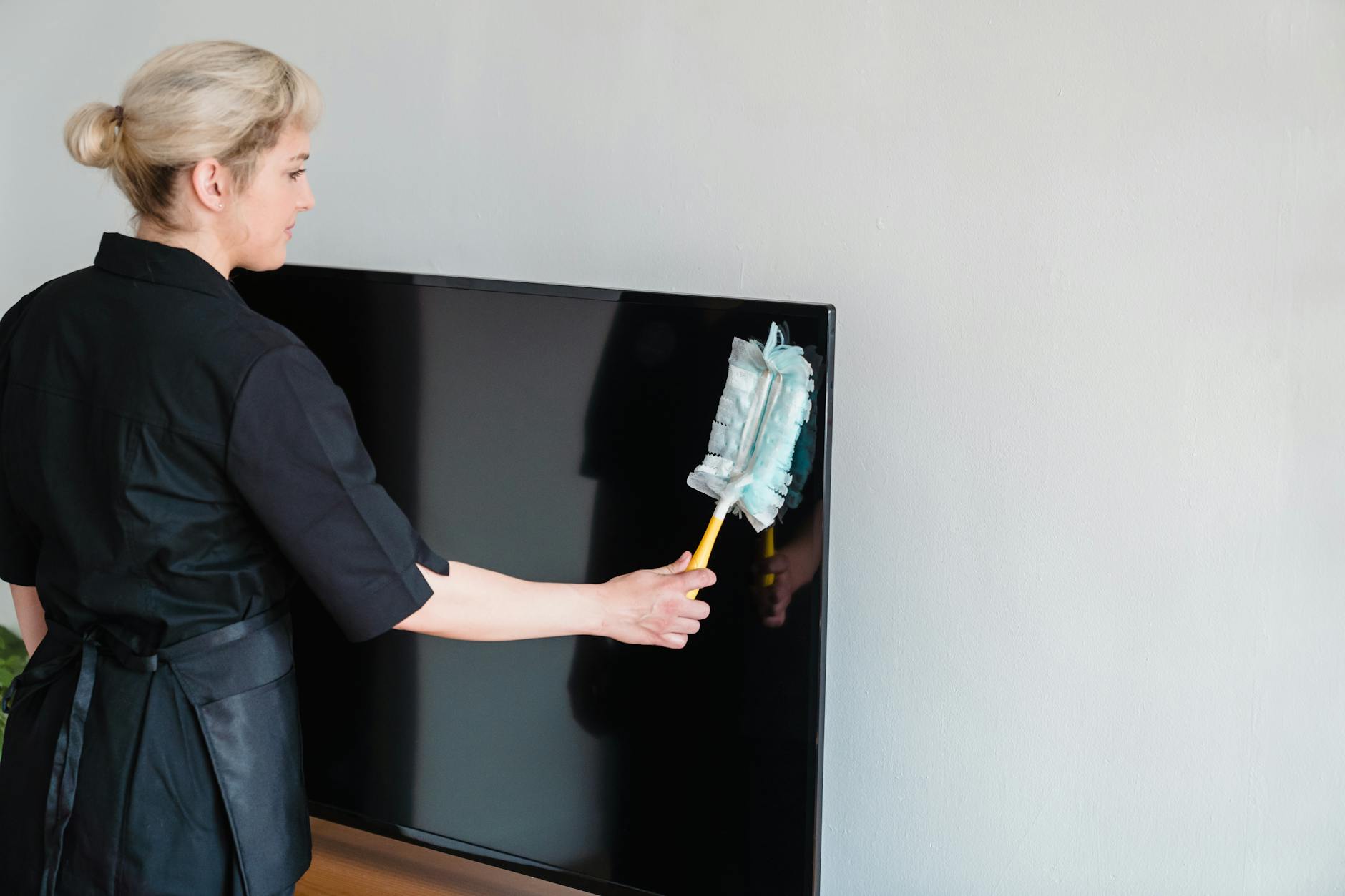
The cleaning standards that partners maintain during the dating period represent a sustained performance whose relationship to their actual domestic standards becomes apparent only when the house purchase eliminates the social motivation for maintaining the performance indefinitely. A partner who cleaned thoroughly before every visit and occasionally during shared stays turns out to operate according to a cleaning threshold that defines acceptable as a condition the other partner would classify as requiring immediate attention. The gap between the two partners’ cleaning thresholds is not a matter of laziness in the conventional sense but reflects genuinely different perceptual systems that register dirt, disorder, and cleaning need at different sensitivity levels. The lower-threshold partner is not pretending not to see what the higher-threshold partner sees but is genuinely operating according to a different internal standard whose existence was not apparent during any preceding stage of the relationship. Cleaning standard incompatibility is the domestic habit gap most consistently cited by relationship researchers as the primary driver of first-year homeowner conflict because it affects every room of the shared property simultaneously and continuously.
Sock Geography

The specific domestic territory that a partner considers an acceptable final resting place for used socks is a habit so deeply embedded in personal routine that it survives every social context that requires its suppression during the dating period and emerges in full force within days of the house purchase. The sock geography revelation is distinguished from general tidiness incompatibility by its specificity, with the sock-leaving partner demonstrating a consistent and location-specific pattern that suggests the behavior is driven by genuine comfort habit rather than general disregard for shared spaces. The discovering partner who encounters socks in locations that were never discussed as potential sock territories during any preceding cohabitation conversation finds the geographic specificity of the habit more perplexing than simple messiness would be. The sock behavior also serves as an early indicator of a broader domestic philosophy about the boundary between personal and shared space that will continue to generate discoveries throughout the first year of joint ownership. Relationship researchers who study domestic incompatibility note that the sock geography conversation is frequently the first explicit negotiation about domestic standards that newly cohabiting homeowners have, despite being technically about something other than what it is actually about.
Condiment Hoarding

The full extent of a partner’s condiment collection and their relationship with the products in it does not become apparent until a shared refrigerator door is jointly managed on a permanent basis and the discovering partner encounters a condiment situation that defies both spatial and temporal logic. The condiment hoarder maintains a collection whose size, variety, and age distribution reflect a purchasing philosophy that the other partner has never been exposed to because the condiment door was never a socially meaningful part of any prior domestic visit. Products that have been open long enough to develop secondary fermentation processes share shelf space with duplicates of the same item purchased because the original was buried too deeply to be located during the last shopping trip. The organizational system governing the condiment collection turns out to be internal to the hoarder and not communicable in terms that produce shared management of the space. The condiment negotiation that follows the discovery is complicated by the hoarder’s genuine emotional relationship with the collection and their inability to identify specific items within it as objectively disposable.
Thermostat Wars
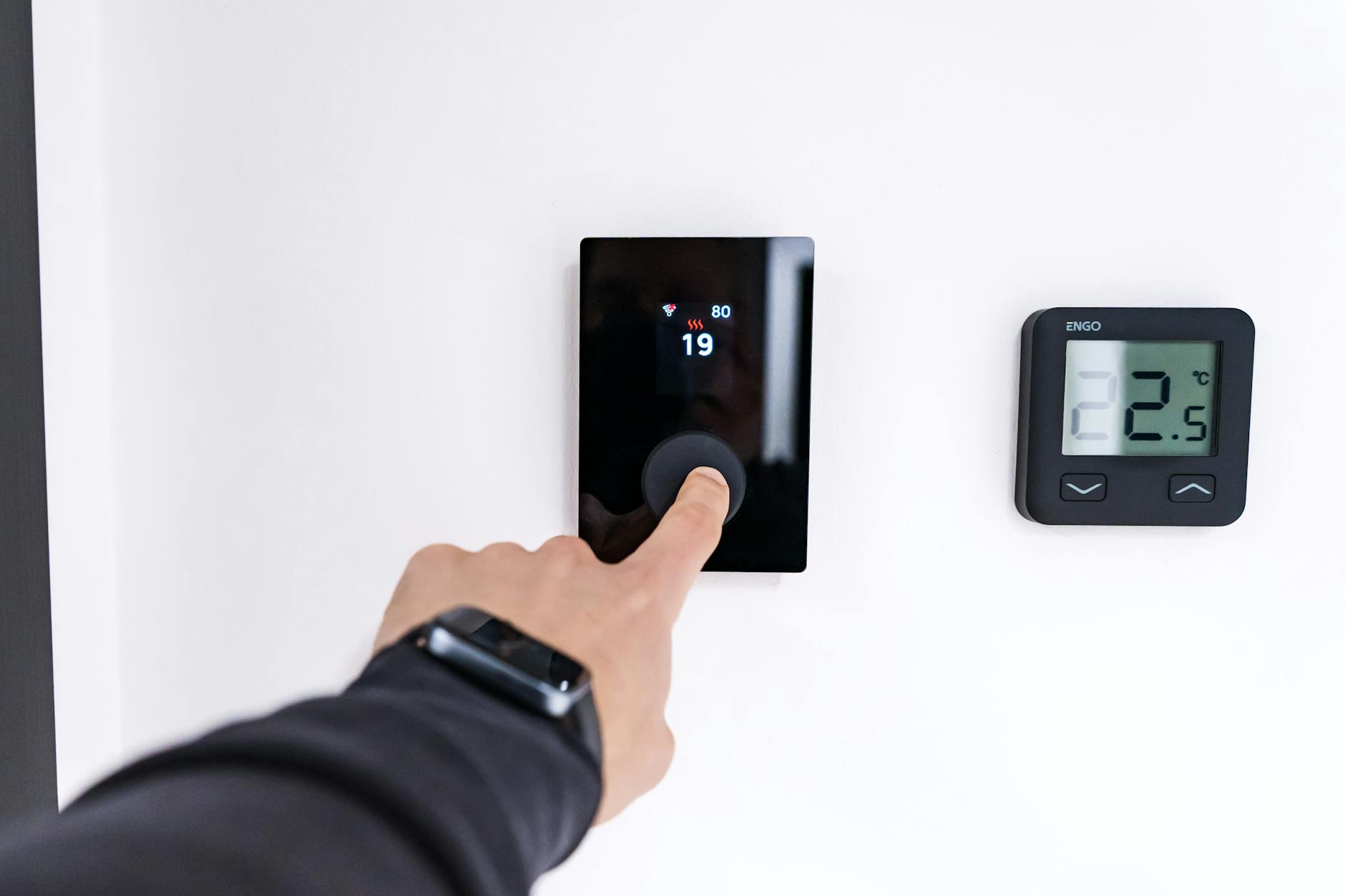
The precise temperature at which a partner’s body is comfortable during sleep, work, and leisure is information that casual cohabitation never fully reveals because hotel stays, weekend visits, and short-term shared living involve enough external variables that individual temperature preferences remain masked behind situational explanations. The permanent shared home removes all situational variables and reveals each partner’s genuine thermal comfort range, which turns out in a significant proportion of co-purchasing couples to be sufficiently incompatible that no single thermostat setting satisfies both parties simultaneously. The thermostat incompatibility is typically accompanied by a mutual incomprehension that the other person’s experience of the same ambient temperature is genuinely different rather than performed or exaggerated. The partner who is always cold and the partner who is always warm discover in the weeks after the house purchase that every preceding temperature negotiation was conducted with enough goodwill and social motivation to produce compromise that will not be sustainable on a permanent daily basis. Thermostat conflict researchers have identified the shared home as the environment in which temperature preference incompatibility produces the most sustained and recurring relationship friction of any domestic disagreement category.
Garbage Timing Philosophy

The precise moment at which a garbage bin requires emptying is a question whose answer turns out to be profoundly different between partners in a proportion of co-purchasing relationships significant enough to warrant its own category in domestic incompatibility research. One partner operates according to a capacity-based system in which the bin is emptied when it reaches physical fullness while the other operates according to a time or odor-based system whose trigger points differ dramatically from the capacity system in the outcomes they produce. The garbage timing revelation is accompanied by a secondary discovery about what constitutes acceptable overflow management, with one partner developing engineering solutions for adding volume to a full bin that the other partner views as a categorical refusal to perform a household task. The bin liner replacement step that follows the emptying of the garbage turns out to have its own incompatibility layer, with one partner considering the liner replacement an essential component of the garbage task and the other considering it a separate and discretionary activity. New homeowners who report garbage timing as a primary conflict source frequently note that the disagreement revealed a broader philosophical incompatibility about shared domestic responsibility that the garbage bin was simply the first object to make visible.
Laundry Archaeology

The complete timeline of a partner’s relationship with their laundry, from washing machine to dried and folded and returned to storage, does not become apparent until the shared home provides continuous visibility into every stage of the process on a permanent basis. The laundry archaeologist partner allows washed items to remain in the machine long enough to require rewashing, transfers them to the dryer for a cycle that may or may not be completed on the same day it begins, and then moves the dried items to a surface where they remain in an unfolded state for a period that the other partner finds both remarkable and structurally inconvenient. The basket of clean unfolded laundry that occupies a chair, a bed corner, or a floor area of the shared bedroom turns out to be a permanent installation rather than a temporary situation, a discovery that recontextualizes every prior laundry interaction the partners have had in each other’s spaces. The discovering partner who assumed that the occasional laundry pile observed during dating represented a temporary departure from normal standards finds that it represented the normal standard all along. Laundry process incompatibility affects the shared bedroom, bathroom, and utility room simultaneously, giving it a spatial reach in the home that few other domestic habit gaps can match.
Midnight Eating

The full extent of a partner’s relationship with food during the hours between midnight and five in the morning is a domestic behavior category that pre-purchase cohabitation almost never reveals because the social dynamics of sleeping together during the dating period create enough monitoring awareness to suppress the behavior below its natural expression level. The permanent shared home removes this suppression and introduces the discovering partner to a nocturnal food culture that includes specific products, specific preparation sounds, and a specific relationship with cleanup standards that applies different rules to overnight kitchen activity than to daytime use. The discovering partner who is awakened by refrigerator light, microwave operation, or the specific acoustic signature of a particular snack food being consumed in the kitchen at two in the morning is encountering a lifestyle that existed throughout the entire preceding relationship without ever being disclosed or observed. The midnight eating habit is accompanied in many cases by a specific cleanup philosophy for overnight kitchen activity that differs from the daytime philosophy and that produces a morning kitchen condition the discovering partner had not anticipated encountering as a permanent feature of shared homeownership. The negotiation that follows involves not just food but sleep, privacy, and the definition of shared versus personal domestic space during the hours when one partner is present and the other is theoretically absent.
Mold Tolerance

The threshold at which a partner perceives bathroom grout, window seals, and tile surfaces as requiring mold remediation action turns out in many co-purchasing relationships to be located at a point on the visible mold spectrum that the other partner passed several weeks or months earlier. The mold tolerance revelation is particularly significant because it is one of the few domestic habit incompatibilities with direct health implications that provide an objective rather than purely preference-based framework for the subsequent conversation. A partner who views visible mold as a cosmetic rather than a health issue operates according to a domestic maintenance philosophy whose consequences extend beyond aesthetic preference into the shared physical environment of the home. The mold tolerance discovery is frequently accompanied by a secondary revelation about the partner’s relationship with cleaning product procurement, which turns out to involve a reorder threshold significantly higher than the one that would prevent the mold situation from developing in the first place. New homeowners who encounter mold tolerance incompatibility in the first months of shared ownership report that the discovery is among the more difficult domestic habit revelations to address constructively because it involves one partner telling the other that their tolerance for a specific condition is objectively rather than subjectively wrong.
Decoration Chaos

The specific aesthetic philosophy that a partner intends to apply to jointly owned wall space, surface arrangements, and room organization becomes fully apparent only when the house purchase creates a blank canvas that both partners approach with genuine ownership conviction for the first time. Pre-purchase visits to each other’s homes provided some aesthetic information but were interpreted charitably as the product of rental limitations, budget constraints, or transitional living situations that would be corrected given the opportunity of permanent ownership. The permanent ownership opportunity reveals that what was attributed to circumstance was actually preference, and that the decorating vision one partner has been carrying for the house they would one day own is genuinely incompatible with the vision the other partner has been carrying for the same future home. The decoration incompatibility is compounded by the fact that both partners feel ownership conviction about aesthetic decisions in a way that neither felt during any prior living situation that was understood as temporary. Interior design researchers who study couple conflict note that the first six months of joint homeownership produce more decoration-related relationship friction than any subsequent period because the home’s blank canvas state makes every aesthetic decision feel simultaneously urgent and permanent.
Pet Hair Philosophy

The acceptable level of pet hair on shared furniture, bedding, and clothing surfaces is a domestic standard whose negotiation is typically deferred throughout the entire pre-purchase relationship period because neither partner wants to introduce a conflict that implicates the other person’s animal in a negative light. The house purchase forces the pet hair philosophy conversation because the shared ownership of every surface in the home gives both partners equal standing to establish expectations that were previously managed through diplomatic avoidance. The pet owner partner operates according to a pet hair tolerance level that has been calibrated over years of solo pet ownership and that defines the hair-covered sofa as a normal and acceptable shared living condition. The discovering partner who spent every prior visit managing their personal relationship with the pet hair situation without complaint finds that the complaint avoidance was interpreted as acceptance rather than social courtesy. The pet hair negotiation after a house purchase is one of the few domestic incompatibility conversations that involves a third party whose preferences and habits cannot be negotiated with directly.
Alarm Multiplication

The number of alarms a partner sets to achieve a single morning wake event, and their philosophical relationship with the snooze function, does not become a relationship issue until the permanent shared bedroom makes the full alarm sequence a joint rather than individual experience every morning. The alarm multiplier who sets between four and nine alarms at intervals ranging from four to twelve minutes across a forty-five minute window before their required rising time considers this system a personal time management strategy whose impact on the other partner they have genuinely not considered. The discovering partner who experiences their first full week of the alarm multiplication system in the permanent shared bedroom finds that the sleep disruption begins not at the time the alarm multiplier intends to wake but at the time the first alarm in the sequence fires, which is substantially earlier. The snooze philosophy that governs the space between each alarm in the sequence turns out to involve a specific semi-conscious decision-making process that the alarm multiplier cannot reliably perform more quietly than they performed it during the dating period’s shared sleeping occasions. Sleep researchers who study couples consistently identify alarm incompatibility as one of the most immediately impactful post-purchase domestic discoveries because its effects on the non-multiplying partner’s sleep quality begin on the first morning in the shared home and compound daily.
Bathroom Counter Claims
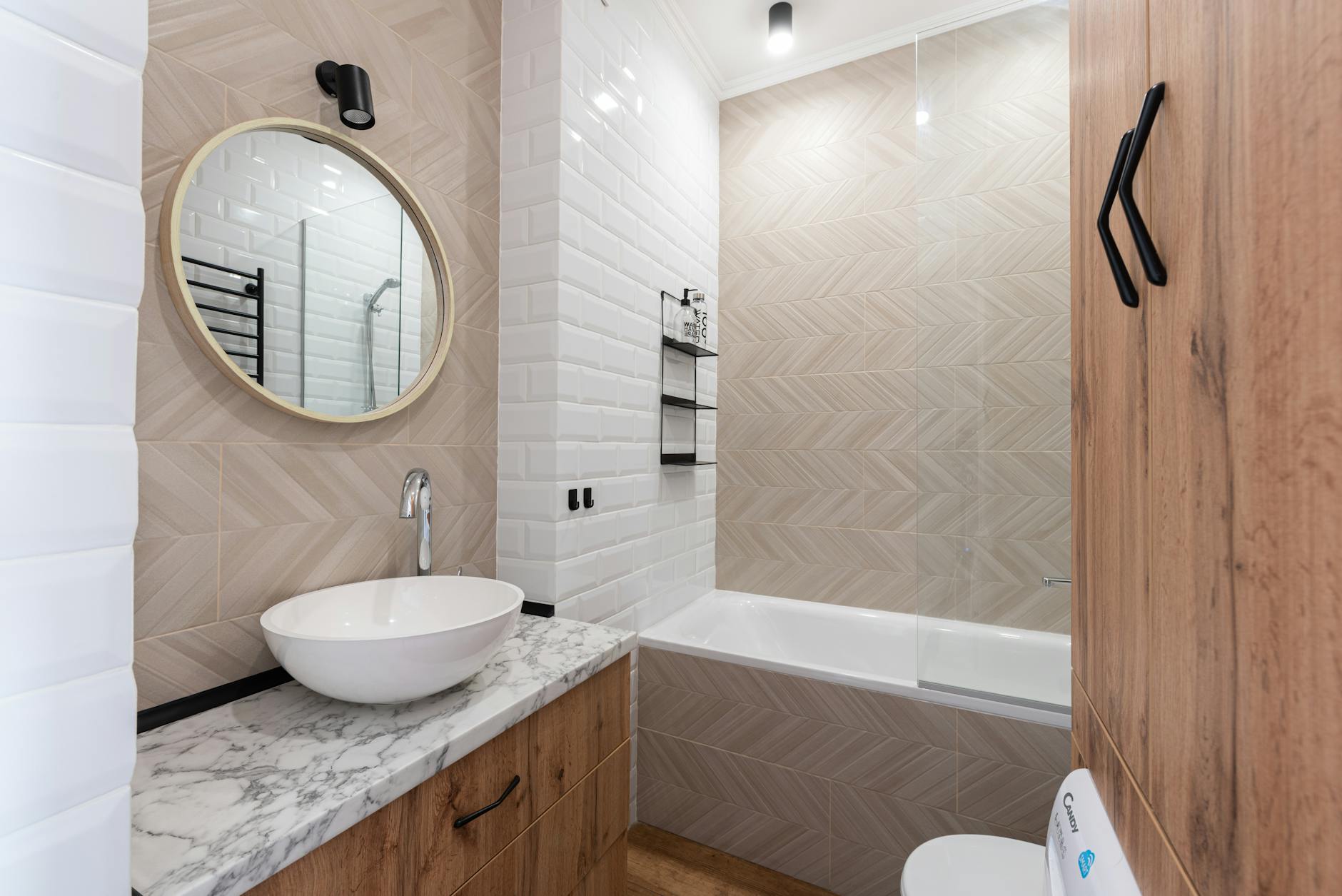
The specific square footage of bathroom counter space that a partner considers a reasonable personal allocation becomes apparent only when a jointly owned bathroom counter must be permanently divided between two adults who have never before negotiated this particular territory with each other. The counter claiming partner arrives at their new bathroom with a product collection whose footprint was never visible during any prior shared bathroom experience because it was always managed in a guest bathroom context or in a space the claiming partner occupied alone. The discovery that one partner’s daily product routine requires a counter allocation that leaves the other partner with a margin insufficient for their own requirements reframes every prior bathroom interaction as an artificially managed situation rather than a representative one. The counter negotiation is complicated by the discovering partner’s realization that the product collection they are being asked to accommodate is not a temporary situation pending organization but is the permanent and fully expressed version of their partner’s daily routine. Bathroom counter allocation conflict is among the most physically constrained domestic disputes available to new homeowners because the counter cannot be expanded through goodwill alone.
Subscription Revelation

The complete inventory of streaming services, digital subscriptions, recurring deliveries, and automatic renewals that a partner carries into a jointly owned home becomes fully visible only when shared financial management begins and the combined subscription footprint is assembled for the first time into a single monthly figure. The subscription revelator partner does not experience their individual subscriptions as excessive because each one was acquired for a specific and at the time justifiable reason and each individual charge is small enough to have never produced a financial conversation during the dating period. The aggregate of the individual subscriptions seen together for the first time in a joint budget context produces a number that the discovering partner finds difficult to reconcile with the financial conservatism their partner presented throughout the mortgage application process. Several of the subscriptions in the inventory turn out to be for services the subscription partner cannot specifically name when asked, a discovery within the discovery that adds a qualitative dimension to what was initially a quantitative concern. The subscription negotiation that follows involves not just money but identity, habit, and the definition of individual financial autonomy within a joint ownership context.
Plant Neglect

The specific level of horticultural attention that a partner is willing to provide to living plants in a shared home becomes apparent when the house purchase introduces a permanent indoor plant collection to a shared environment for the first time. One partner’s vision of the new home includes thriving plants as a design and wellness element, a vision the other partner supported enthusiastically throughout the house hunting process without disclosing that their personal relationship with plant care involves a watering frequency that most species cannot sustain. The plant neglect partner does not dislike plants but operates according to an internal care schedule whose intervals are determined by noticing rather than planning, a system that produces inconsistent results across species with different moisture requirements. The discovering partner who invested meaningfully in plants for the new home finds themselves becoming the plants’ sole carer within the first month while simultaneously managing the awareness that the plant care agreement that preceded the purchase was not made in bad faith. The plant negotiation involves not just watering schedules but the definition of shared versus individual domestic responsibility for living things that both partners agreed to introduce into their home.
Towel Rotation
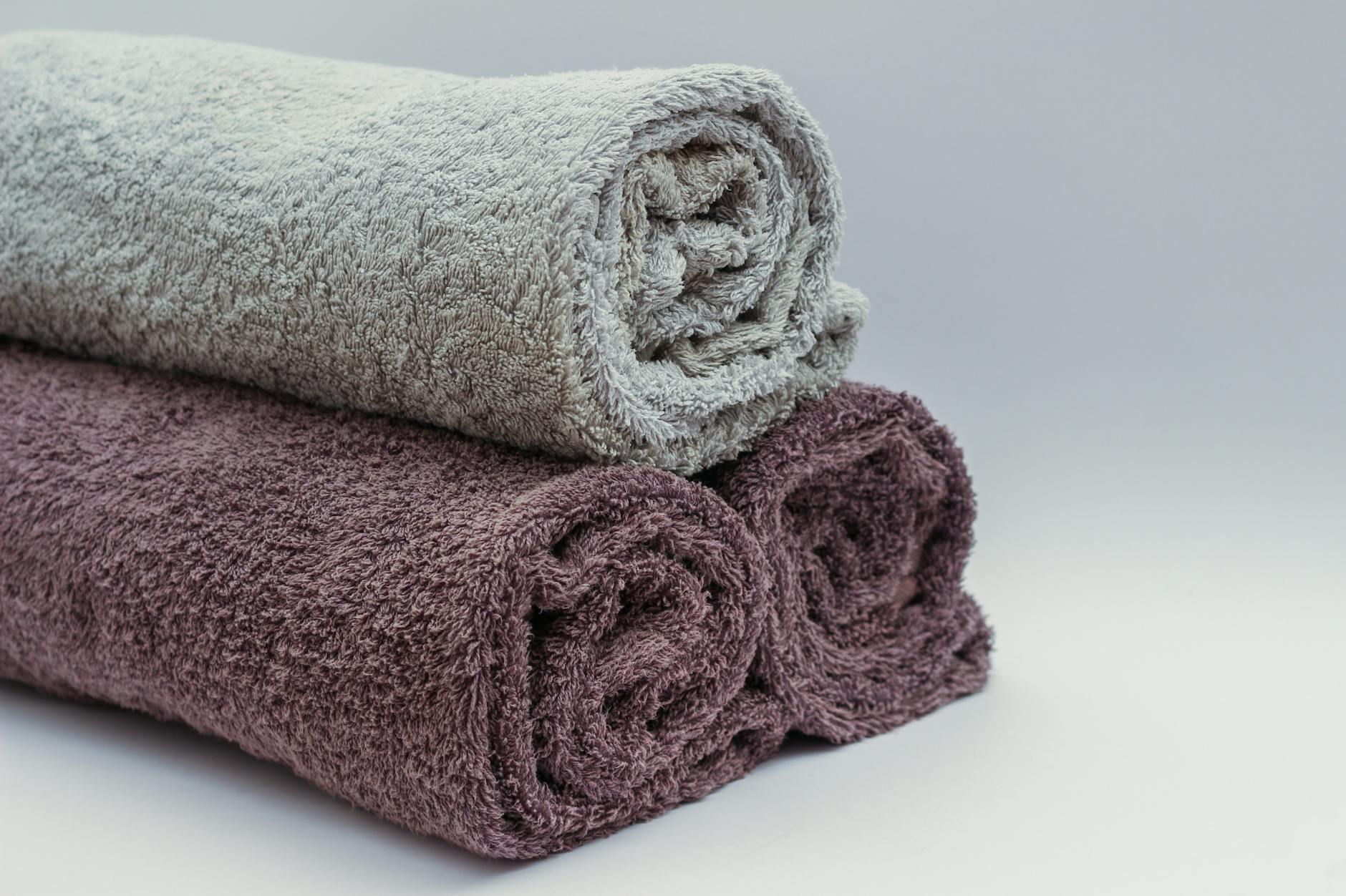
The number of uses a partner considers appropriate before a towel requires laundering is domestic information whose revelation is typically deferred until permanent cohabitation makes the shared linen cupboard and bathroom rail a jointly managed system for the first time. One partner operates according to a towel rotation philosophy whose cycle length is based on the logic that a towel contacts a clean body and therefore remains clean indefinitely while the other partner operates according to a microbiological awareness that produces a significantly shorter rotation cycle. The towel revelation is accompanied by a secondary discovery about how the towel is managed between uses, including whether it is hung to dry in a configuration that allows full drying, partially folded on a rail, or deposited on a floor surface for reasons the depositing partner cannot fully articulate when asked. The linen cupboard reveals its own version of the towel philosophy through the ratio of clean to used towels stored together in a way that was never visible during any prior visit to the partner’s home. New homeowners who report towel incompatibility as an early domestic conflict note that the conversation required to resolve it involves a level of specificity about bodily cleanliness that the relationship had not previously required either partner to achieve.
Junk Drawer Philosophy

The specific domestic function that a partner assigns to a junk drawer, and their vision of its appropriate scope and contents, becomes a shared home negotiation only when joint ownership creates a single junk drawer that must reflect a mutually acceptable organizational philosophy for the first time. One partner’s junk drawer is a curated collection of genuinely miscellaneous items that do not have a better home while the other partner’s junk drawer is an organizational system in itself, a primary storage location for a category range that the first partner would distribute across purpose-specific locations throughout the house. The scope disagreement is accompanied by a capacity disagreement about when the junk drawer has reached a state requiring organization, a threshold the two partners locate at entirely different points on the disorder spectrum. The junk drawer negotiation also involves a secondary conversation about what category of item qualifies for junk drawer placement, a question whose answer turns out to differ enough between partners to constitute a genuine philosophical incompatibility rather than a simple tidiness disagreement. Organizational researchers who study domestic spaces identify the junk drawer as a microcosm of the broader domestic philosophy incompatibility that the shared home makes visible across every room simultaneously.
Pest Threshold

The number of insects, rodents, or other uninvited fauna that must be observed in a shared home before a partner considers professional extermination intervention to be warranted is a domestic standard whose negotiation most co-purchasing couples have never had because prior living situations never required them to establish a joint threshold. One partner operates according to a zero-tolerance policy that classifies a single observed pest as evidence of an infestation requiring immediate professional response while the other operates according to a threshold system that considers occasional pest presence a normal feature of residential living that does not warrant the expense or chemical intervention of professional treatment. The threshold disagreement is accompanied by a secondary incompatibility about which pest categories require which response levels, with the two partners’ category hierarchies turning out to be organized according to different criteria that produce different urgency assignments for the same observed pest. The pest threshold conversation is one of the few domestic incompatibility discussions that involves a shared risk assessment in addition to a preference disagreement, giving it a practical urgency that purely aesthetic incompatibilities do not carry. New homeowners who discover pest threshold incompatibility in the first year of joint ownership report that it is one of the more emotionally charged domestic negotiations because one partner’s threshold position is interpreted by the other as evidence of a broader attitude toward the shared home’s habitability standards.
Garage Accumulation

The vision a partner has for the shared garage as a functional vehicle storage and workshop space versus a secondary storage solution for every category of item that has not found a permanent location inside the house becomes apparent only when joint ownership creates a shared garage for the first time. The garage accumulator partner has been managing a collection of objects across their prior living situations that has never previously had the square footage to express itself fully and discovers in the jointly owned garage an opportunity whose scale they embrace with an enthusiasm the other partner had not anticipated. The garage accumulation begins within weeks of the purchase and accelerates as the partner identifies the garage as a low-conflict storage solution for items that would not survive a decluttering conversation if introduced to the interior of the home. The discovering partner who had specific functional intentions for the garage space finds their vision displaced incrementally by a collection whose individual items are each defensible but whose aggregate effect is the elimination of the functional space they intended to use. The garage negotiation involves not just organization but the definition of shared versus individual territorial claims within a jointly owned structure whose informal management has historically defaulted to the more committed accumulator.
Share your own post-purchase domestic discoveries or recognizable habits in the comments.




