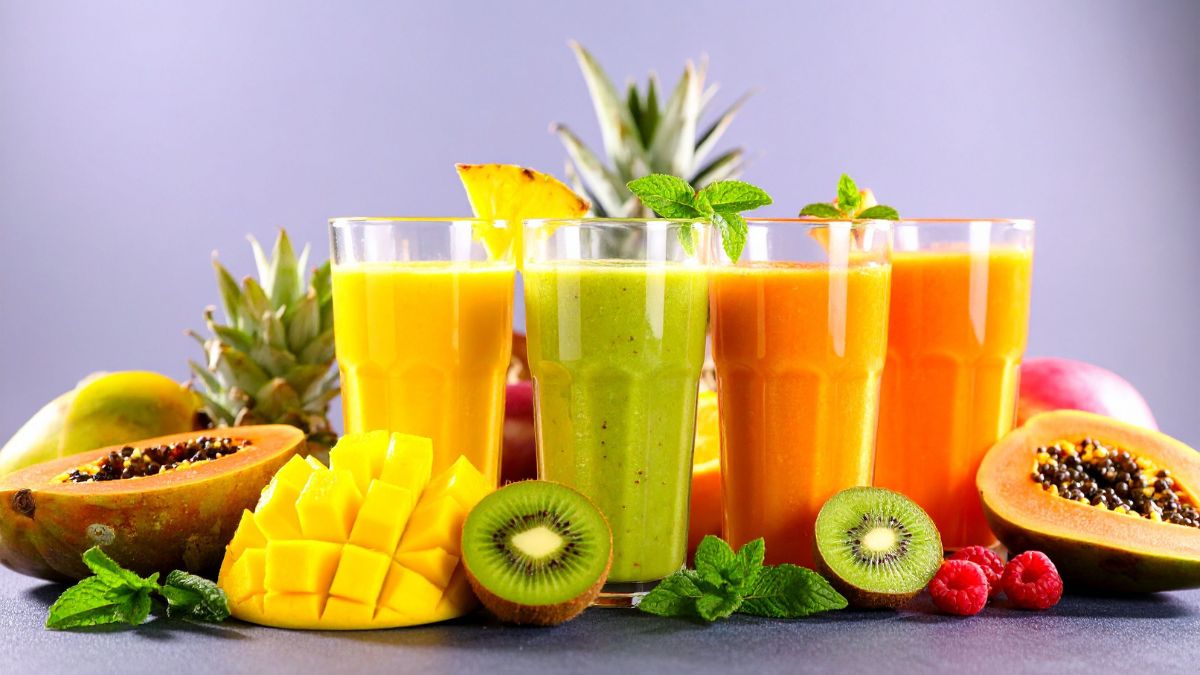
Smoothies have become a staple of modern wellness culture, and their popularity tends to surge at the start of the year and as warmer months roll around, when people begin paying closer attention to what they eat and drink. They are widely considered a convenient and healthy way to pack nutrients into a single glass. However, health experts are quick to point out that not every ingredient earns its place in the blender just because it carries a healthy reputation. According to endocrinologist Dr. Disha Narang, what you pour into your smoothie matters a great deal more than most people realize.
Speaking to Parade, Dr. Narang stressed that awareness is key when it comes to building a truly nourishing drink. “It’s important to understand what exactly goes into a certain smoothie and how it affects your body,” she explained. While some smoothie ingredients do a solid job of stabilizing blood sugar levels, others can send those levels soaring in a matter of minutes. The specific culprit Dr. Narang calls out is one that many people would never think twice about reaching for: fruit juice used as a smoothie base.
The problem with fruit juice runs deeper than most people expect. When fruit is juiced, all of the fiber naturally found in the whole fruit gets stripped away, leaving behind nothing but the concentrated sugars. As Dr. Narang put it, “Juice removes the fiber from whole fruit, leaving only the sweeter part that will be quickly absorbed and cause a blood sugar spike.” The result is a liquid that hits the bloodstream fast and hard, in a way that whole fruit simply would not. “If fruit juice is the base, then that represents a large amount of sugar,” she added.
Once blood sugar climbs rapidly, the body kicks into gear to manage it. “When blood glucose increases, the pancreas releases insulin to try to correct the elevated glucose level,” Dr. Narang explained. That response, while necessary, can sometimes overshoot the mark entirely. “This can result in an overcorrection, meaning someone’s blood sugar then drops sharply,” she noted, which is why people often feel wiped out, ravenous, or struck by intense sugar cravings shortly after drinking a juice-based smoothie. It becomes a cycle that leaves the body working harder than it should.
Despite this, Dr. Narang is clear that fruit juice does not need to be treated as entirely off-limits for most people. Her perspective centers on balance rather than restriction. “Blood sugar control isn’t about completely eliminating food, but about frequency, amount, and combining different foods,” she said, adding that moderation simply means not consuming something in excess. For those managing prediabetes or diabetes, though, she does recommend limiting juice intake as much as possible and choosing whole fruit instead, since the fiber content makes a significant difference in how sugar is absorbed. She also suggests adding plant-based milk, protein, or fiber to a smoothie to help slow that absorption down.
It is worth understanding a bit of the science behind why blood sugar management matters for everyone, not just those with a formal diagnosis. Blood sugar, or blood glucose, refers to the amount of sugar circulating in the bloodstream at any given time, and it serves as the body’s primary energy source. Insulin, the hormone the pancreas produces in response to rising glucose, acts like a key that allows cells to absorb and use that sugar for fuel. When the system is pushed repeatedly by rapidly digested sugars, the body can gradually become less efficient at managing the process, which over time may contribute to insulin resistance. Whole fruits, by contrast, contain dietary fiber that slows digestion and leads to a far more gradual rise in blood glucose, which is exactly why endocrinologists tend to prefer them over juiced versions. Smoothies made with whole fruit, vegetables, a quality protein source, and a healthy fat like nut butter or avocado are generally considered a much more balanced option for keeping energy levels stable throughout the day.
If you have ever noticed an energy crash after drinking what you thought was a perfectly healthy smoothie, share your experience and thoughts in the comments.




