Every time you push through a tough workout, your muscles pay a microscopic price. The strain of exercise creates tiny tears in muscle fibers, and it is that repair process that ultimately makes you stronger. But what you eat in the hours that follow can either speed up that recovery dramatically or leave you limping through the next day, and according to Health.com, a handful of specific foods stand out for their ability to get your body back on track faster.
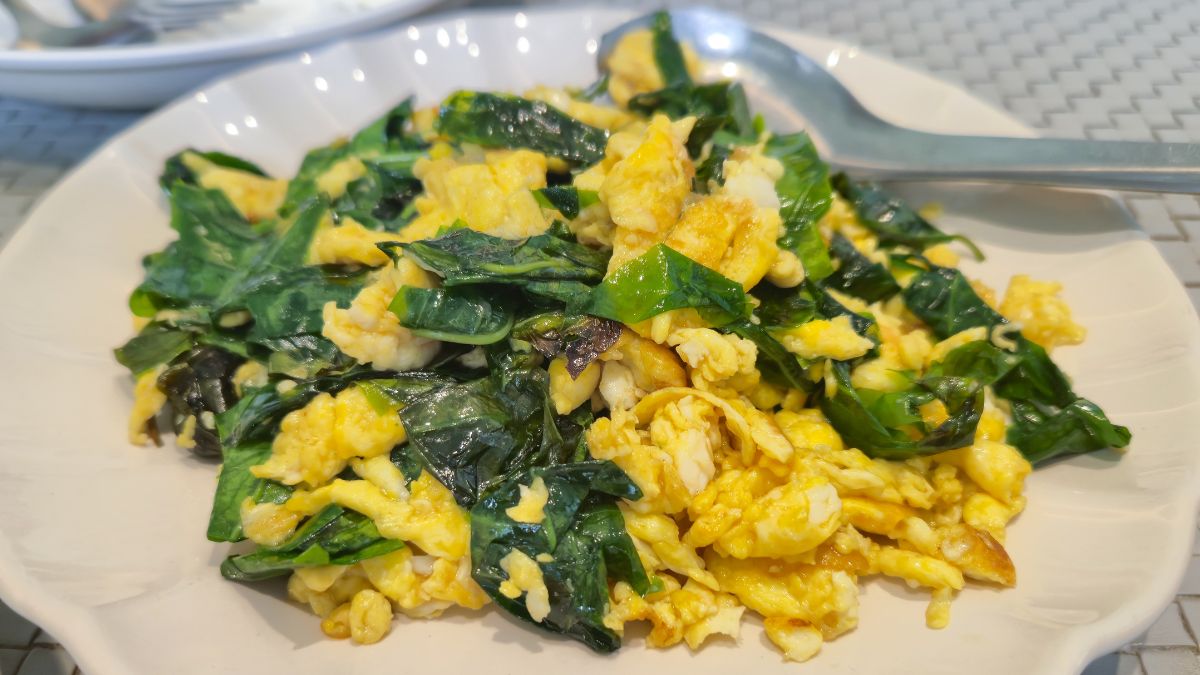
Taro root might not be the first thing that comes to mind after a gym session, but this starchy root vegetable, similar in texture to potatoes and carrots, is a surprisingly powerful recovery food. It is loaded with fiber, calcium, potassium, and vitamin C, but what makes it particularly useful for athletes is its solid combination of carbohydrates and protein, both of which are essential for rebuilding tired muscles. Spinach and other leafy greens are equally impressive, delivering calcium, phosphorus, potassium, magnesium, iron, zinc, copper, and manganese alongside vitamins A and C and folate. The green also contains protein and antioxidant compounds called flavonoids, which help combat the inflammation that follows intense physical activity. Tossing a handful into a post-workout smoothie or folding it into scrambled eggs is one of the easiest ways to get these benefits quickly.
When it comes to fruit, virtually all varieties contain antioxidants that support muscle repair, but berries like blueberries and raspberries are in a category of their own. Blueberries in particular rank among the highest of all fruits in antioxidant capacity, making them an especially smart choice for anyone looking to reduce next-day soreness. Bananas round out the fruit options with a more practical appeal: portable, easy to eat on the go, and packed with both carbohydrates and potassium, two nutrients that muscles rely on heavily during and after exertion.
Chia seeds may be small, but they bring a lot to the recovery table. They are a solid source of plant-based protein and contain B vitamins, calcium, magnesium, phosphorus, and potassium. Perhaps most notably, they are one of the richest plant sources of omega-3 fatty acids, which are well known for their anti-inflammatory properties and benefits to cardiovascular health. Eggs offer a similar anti-inflammatory advantage, and many varieties on the market are additionally enriched with omega-3s, making them a convenient and versatile post-workout staple. Oatmeal is another easy choice, providing a balanced mix of carbohydrates and protein that works well both before and after training, with the added bonus that whole grains have been linked to greater longevity.
Two beverages also deserve a spot in the post-workout conversation. Chocolate milk, as unlikely as it sounds, has been shown in multiple studies to be as effective as, or even better than, many commercial recovery drinks, delivering water, electrolytes, and all three macronutrients in one glass, though researchers note that further study is still needed to confirm these findings definitively. Watermelon juice is another option worth considering, particularly before a session. Research has shown that drinking it about an hour before exercise can help reduce muscle soreness, thanks to an amino acid called L-citrulline, which plays a role in fighting muscle fatigue.
On the flip side, some foods actively work against recovery and are best avoided after a workout. High-fat foods slow digestion and interfere with the body’s ability to convert carbohydrates into usable energy. Foods heavy in simple sugars cause blood sugar to spike and crash, which disrupts the recovery process. And while vegetables are obviously healthy, eating them alone is not enough after intense exercise because they lack sufficient macronutrients. Large, high-calorie meals are also counterproductive, since they can undo much of the benefit gained from training in the first place.
Recovery is not just about nutrition, of course. Incorporating active cool-downs and light stretching after workouts, prioritizing deep and consistent sleep, and exploring options like massage, cold water therapy, or compression gear can all contribute meaningfully to how quickly the body bounces back.
Blueberries have been studied extensively enough that some researchers have called them a “superfood” for athletes, with one study finding that regular consumption helped women recover faster from intense leg exercises. Chia seeds were a dietary staple of the Tarahumara people of northwestern Mexico, long celebrated for their ability to run extraordinary distances with minimal fatigue, which adds a certain romance to sprinkling them on your oatmeal. Taro root is one of the oldest cultivated plants on earth, with evidence of its use dating back at least ten thousand years, making it arguably the most ancient item on this recovery food list.
What foods do you reach for after a tough workout? Share your go-to recovery meals in the comments.




