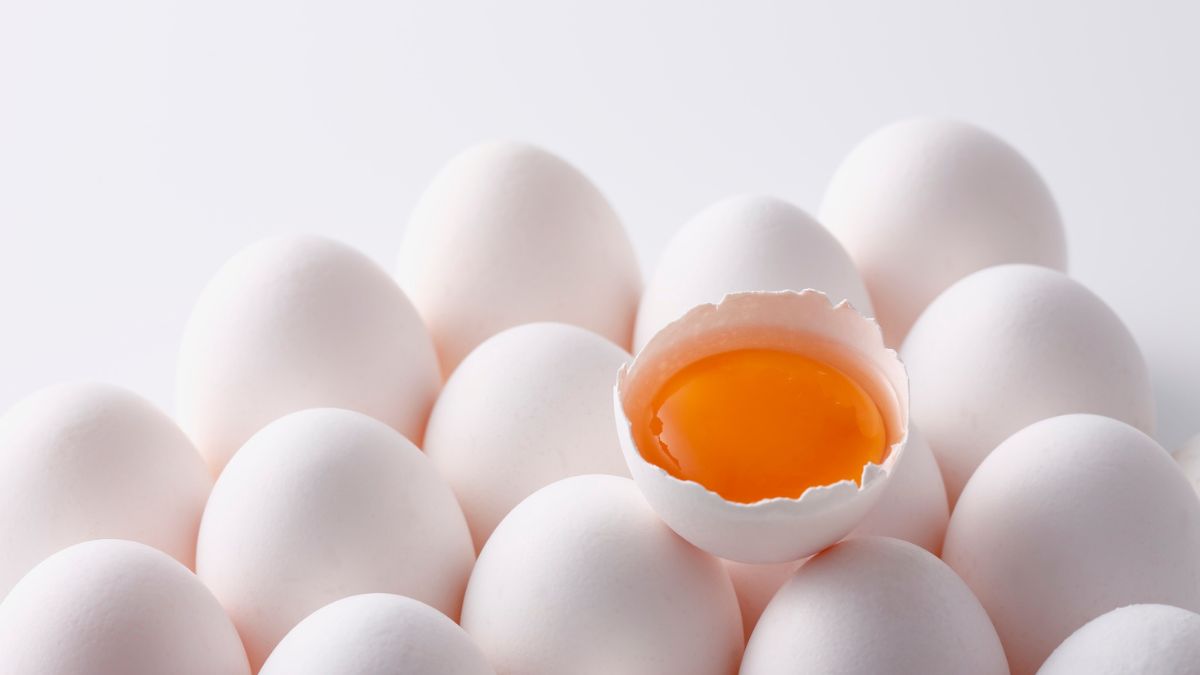
If you have ever cracked open an egg and found a yolk so deeply orange it almost looked like a tiny sunset, you have probably wondered what makes it so different from the pale, butter-yellow yolks you see in other cartons. The color of an egg yolk can range anywhere from a light straw yellow to a rich, almost amber orange, and that variation tends to spark strong opinions about which egg is the better one. Many people automatically assume that a darker yolk signals a healthier, more nutritious egg, but the full picture is a good deal more nuanced than that. Understanding what actually drives yolk color can help you make smarter choices the next time you are standing in the egg aisle.
The single biggest factor behind yolk color is what the hen ate before that egg was laid. Yolk pigmentation comes almost entirely from compounds in the hen’s diet called carotenoids, which are natural plant-based pigments responsible for the yellow, orange, and red hues found in a wide range of foods. When a hen consumes feed that is rich in carotenoids, those pigments are absorbed into her bloodstream and eventually deposited directly into the yolk, deepening its color. Ingredients like corn, alfalfa, leafy greens, marigold petals, and various seeds are all high in carotenoids and can push a yolk toward a more intense, almost terracotta shade.
On the flip side, hens that are fed a diet lower in these pigments will produce yolks that are noticeably lighter, sometimes even a very pale lemon yellow. This is why eggs from backyard or free-range hens, which often forage for grass, insects, and a wide variety of plants throughout the day, tend to have the kind of deep, golden yolks that many home cooks associate with quality and freshness. Their diet is simply more varied and carotenoid-dense than the standardized feed given to most commercial laying hens. The connection between foraging and yolk color is one of the more reliable visual clues you can observe without sending an egg to a laboratory.
What gets more complicated is the assumption that a darker yolk automatically means a more nutritious egg. While it is true that a richer diet for the hen can sometimes translate to slightly elevated levels of certain nutrients in the yolk, the actual nutritional differences between a light yolk and a dark one are generally modest. Yolk color and nutritional density do not move in perfect lockstep. A commercially produced egg with a pale yolk can still be an excellent source of high-quality protein, vitamin B12, vitamin D, choline, and a range of essential minerals that the body depends on for everyday functioning.
What matters far more than the color of the yolk is how fresh the egg is, what conditions the hen was raised in, and whether she had access to a balanced and diverse diet over time. These factors have a more meaningful impact on overall egg quality than the shade of yellow you see when you crack it open. A very dark yolk produced under poor husbandry conditions is not automatically superior to a lighter yolk from a well-managed flock. Color is a starting point for curiosity, not a definitive verdict on what you are eating.
Eggs are among the most nutrient-dense foods available regardless of how dramatic or understated the yolk looks. They deliver a complete amino acid profile, making them one of the most bioavailable protein sources a person can consume, and they pack a remarkable amount of micronutrients into a small and affordable package. Whether you prefer the visual drama of a deep orange yolk or you have only ever bought standard supermarket eggs without giving the color a second thought, the egg itself remains one of the simplest and most practical staples in any kitchen.
The next time a vibrant yolk catches your eye, you can appreciate it as a window into what that hen was eating, even if it does not guarantee a dramatically different nutritional outcome. Paying attention to sourcing, freshness, and how the hens were raised will serve you better than chasing the darkest yolk in the display case.
Carotenoids are so stable that producers in some countries are legally permitted to add synthetic versions to commercial hen feed specifically to deepen yolk color, meaning a strikingly orange yolk is not always the result of a hen roaming freely through a field. The color of a yolk can also shift noticeably depending on the season, since hens with outdoor access consume more fresh vegetation in spring and summer, which is why your farmers market eggs might look different in January than they do in June. And if you have ever noticed a greenish ring around a hard-boiled yolk, that is not a sign of a poor-quality egg but rather a harmless chemical reaction between sulfur in the egg white and iron in the yolk that occurs when the egg is cooked at too high a temperature for too long.
What do you look for when choosing eggs, and does yolk color influence your decision? Share your thoughts in the comments.




