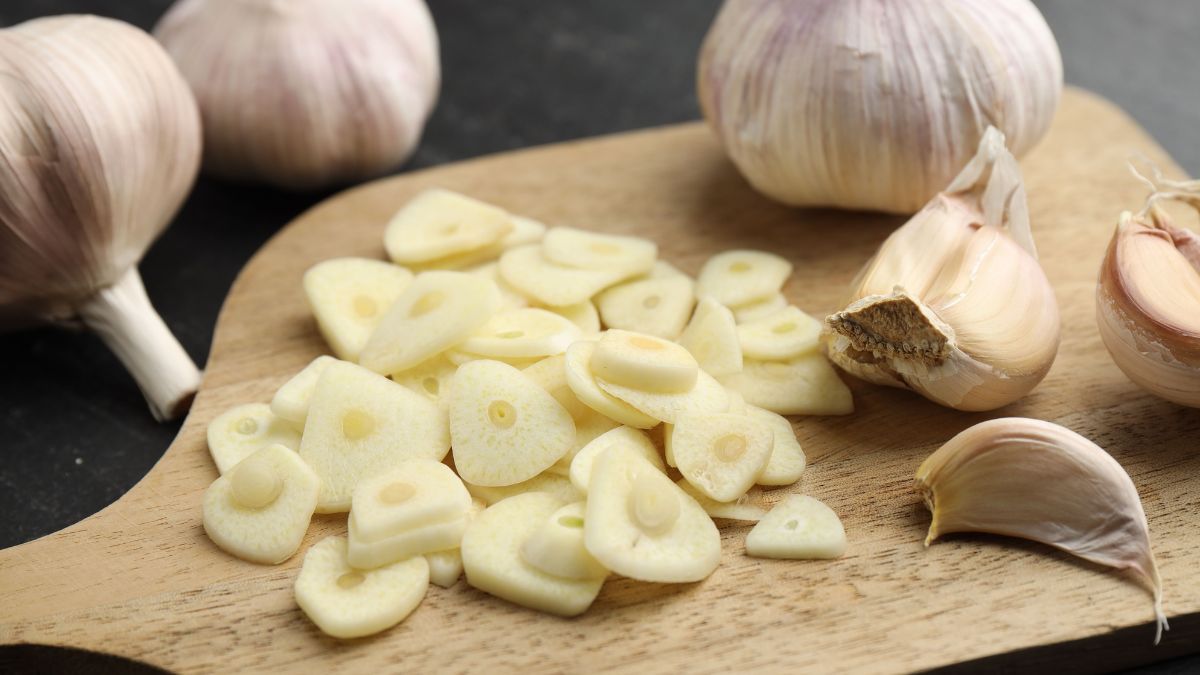
Garlic is a cornerstone of countless beloved dishes, but anyone who has ever spent time mincing or crushing it knows the aftermath all too well. That sharp, lingering odor can cling to your skin for hours, no matter how many times you rinse your hands at the sink. Fortunately, the solution is probably already sitting in your kitchen cabinet, and it costs almost nothing. According to Simply Recipes, baking soda is the surprisingly effective answer home cooks have been overlooking.
To understand why baking soda works so well, it helps to know what you are actually up against. Eric Hammond, executive chef at Coco Pazzo restaurant in Chicago, explains the chemistry behind the problem. “Garlic releases sulfur compounds called allicin when cut or crushed, which are responsible for its pungent smell and health benefits,” Hammond says. Baking soda tackles this directly because of its alkaline nature, which helps break down those odor-causing sulfur molecules and leaves your hands smelling neutral again.
The challenge is compounded by the way garlic behaves the moment it makes contact with skin. The oils that garlic releases bind almost immediately to the proteins in your skin rather than simply sitting on the surface, which is why the smell is so stubbornly persistent. A quick rinse with water alone does virtually nothing because it cannot penetrate deeply enough to reach those bound compounds. That is also why simply rubbing baking soda onto your hands requires real effort to be effective.
Hammond recommends two practical methods depending on the severity of the situation. The gentler option is to combine baking soda with liquid hand soap and lather up thoroughly. He advises to “wash your hands thoroughly, paying special attention to areas like fingertips and under the nails, then rinse.” This approach is kinder to the skin and works well for everyday garlic odors that are not too intense.
For particularly stubborn smells, Hammond suggests skipping the soap entirely and making a paste from baking soda and water instead. This thicker paste should be worked firmly into the skin and under the nails, giving the alkaline properties time to fully neutralize the sulfur compounds. The paste method delivers a more concentrated treatment and tends to produce faster, more complete results. Either way, the key is committing to a thorough scrub rather than a halfhearted rinse.
Of course, the best solution is to limit how much garlic comes into contact with your skin in the first place. Hammond recommends using a food processor to chop garlic whenever possible, which significantly reduces direct hand contact. For recipes that require thin slices, such as pasta aglio e olio, he suggests wearing disposable food-handling gloves to make cleanup much simpler. “If you need thin slices of garlic, like for aglio e olio pasta, wearing disposable food gloves can make cleanup easier,” he adds. That said, when the smell does end up on your hands despite your best efforts, baking soda remains a reliable and proven fix.
Garlic has been used as a natural remedy for thousands of years, with ancient Egyptians reportedly feeding it to laborers building the pyramids to boost their strength and stamina. The allicin compounds responsible for that notorious smell are actually produced as a defense mechanism, only forming when the garlic clove is damaged or cut, meaning whole unpeeled cloves are essentially odorless. Stainless steel is another old trick for neutralizing garlic odor on hands because the metal is thought to attract and bind sulfur molecules, which is why some kitchen stores sell stainless steel “soap” bars specifically for this purpose.
Have you ever tried baking soda or another trick to get rid of garlic smell? Share what works for you in the comments.




