Many consumers assume that beauty products lining pharmacy shelves and department store counters have been rigorously vetted for safety. The reality is far more complicated, as regulatory gaps in major markets allow certain ingredients to remain in widespread use despite being restricted or outright banned in other countries. Some of these substances have been linked to hormonal disruption, skin sensitization, and even long-term health concerns. Understanding what goes into everyday formulations is the first step toward making more informed purchasing decisions. These are twenty ingredients that have been flagged, restricted, or banned in various regions yet continue to appear in products from well-known global brands.
Formaldehyde
Formaldehyde is a preservative and antibacterial agent used in a range of hair-straightening treatments and nail hardeners. It is classified as a known human carcinogen by major health authorities and has been banned or tightly restricted in the European Union and several other markets. Despite this, it continues to appear in products sold in the United States, where regulations are considerably more lenient. Prolonged exposure through inhalation or skin contact has been associated with respiratory issues and allergic reactions. Many brands have reformulated under pressure, but the ingredient has not disappeared from the market entirely.
Parabens
Parabens are a family of synthetic preservatives used to extend the shelf life of moisturizers, shampoos, and cosmetics. They are known endocrine disruptors, meaning they can mimic estrogen in the body and interfere with hormonal function. The EU has banned several paraben variants, including isopropylparaben and isobutylparaben, while others remain under review. In the United States and many Asian markets, the broader paraben family remains largely permitted in cosmetic formulations. Despite growing consumer awareness, many mainstream brands continue to use permitted variants in their core product lines.
Phthalates
Phthalates are plasticizing chemicals commonly used to help fragrances last longer and to improve the texture of nail polishes and hair sprays. They have been associated with reproductive toxicity, developmental harm in children, and endocrine disruption. The EU restricts the use of several phthalates in cosmetics, and Denmark has taken some of the strictest national positions on their use. In the United States, they remain largely unregulated in personal care products, though some brands have voluntarily removed them. Diethyl phthalate in particular continues to appear in fragrance formulations under the catch-all label of parfum.
Triclosan
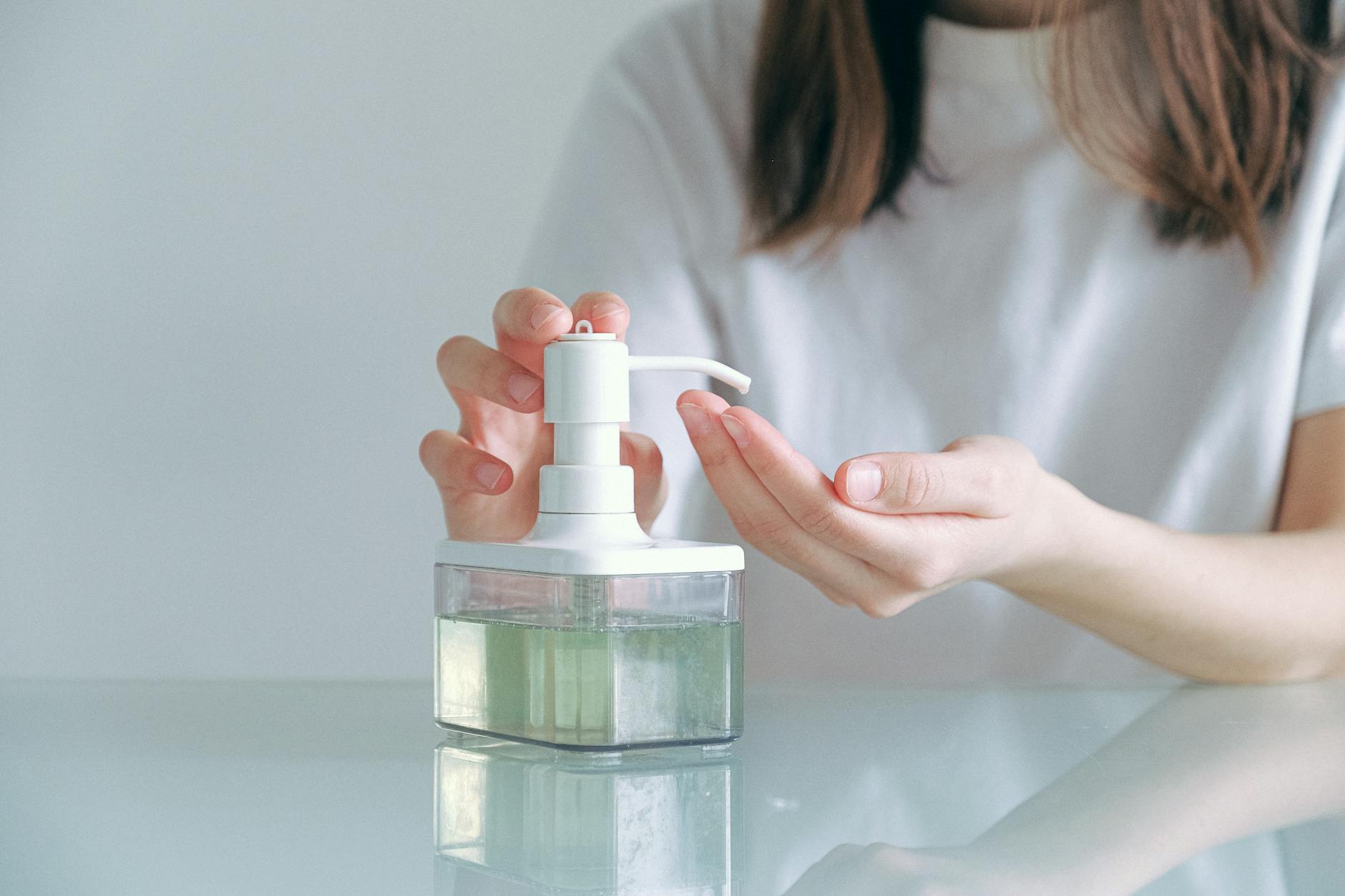
Triclosan is an antimicrobial agent that was once ubiquitous in soaps, toothpastes, and deodorants. The US Food and Drug Administration banned its use in over-the-counter hand soaps in 2016 due to insufficient evidence of safety and concerns about antibiotic resistance. However, it remains permitted in certain product categories, including some toothpastes and medical-grade products. The EU has also moved to restrict its use significantly across cosmetic applications. Despite regulatory action, triclosan continues to appear in some personal care products manufactured and sold in less-regulated markets globally.
Hydroquinone
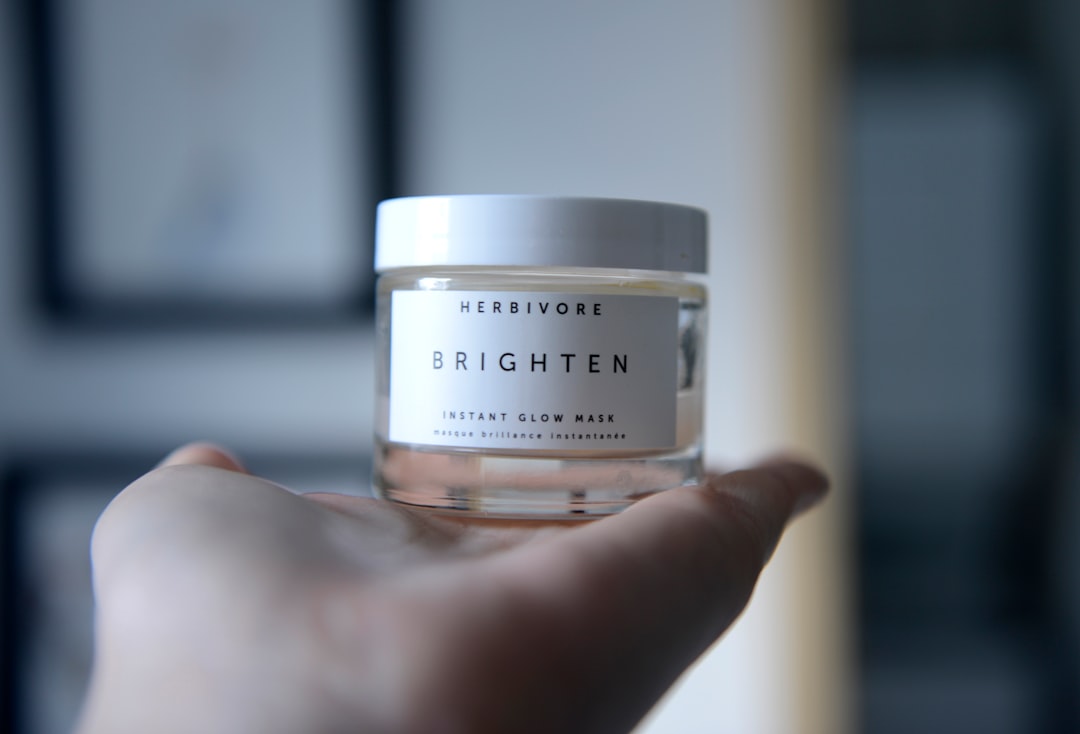
Hydroquinone is a skin-lightening agent used to treat hyperpigmentation, dark spots, and uneven skin tone. It works by inhibiting melanin production but has been flagged for its potential to cause ochronosis, a condition that results in blue-black skin discoloration with prolonged use. The EU banned hydroquinone from cosmetic products in 2001, and several African and Asian countries have also introduced restrictions due to misuse in high concentrations. In the United States, it remains available over the counter in concentrations up to two percent. Major brands in markets with looser oversight continue to incorporate it into brightening and anti-aging serums.
Butylated Hydroxyanisole
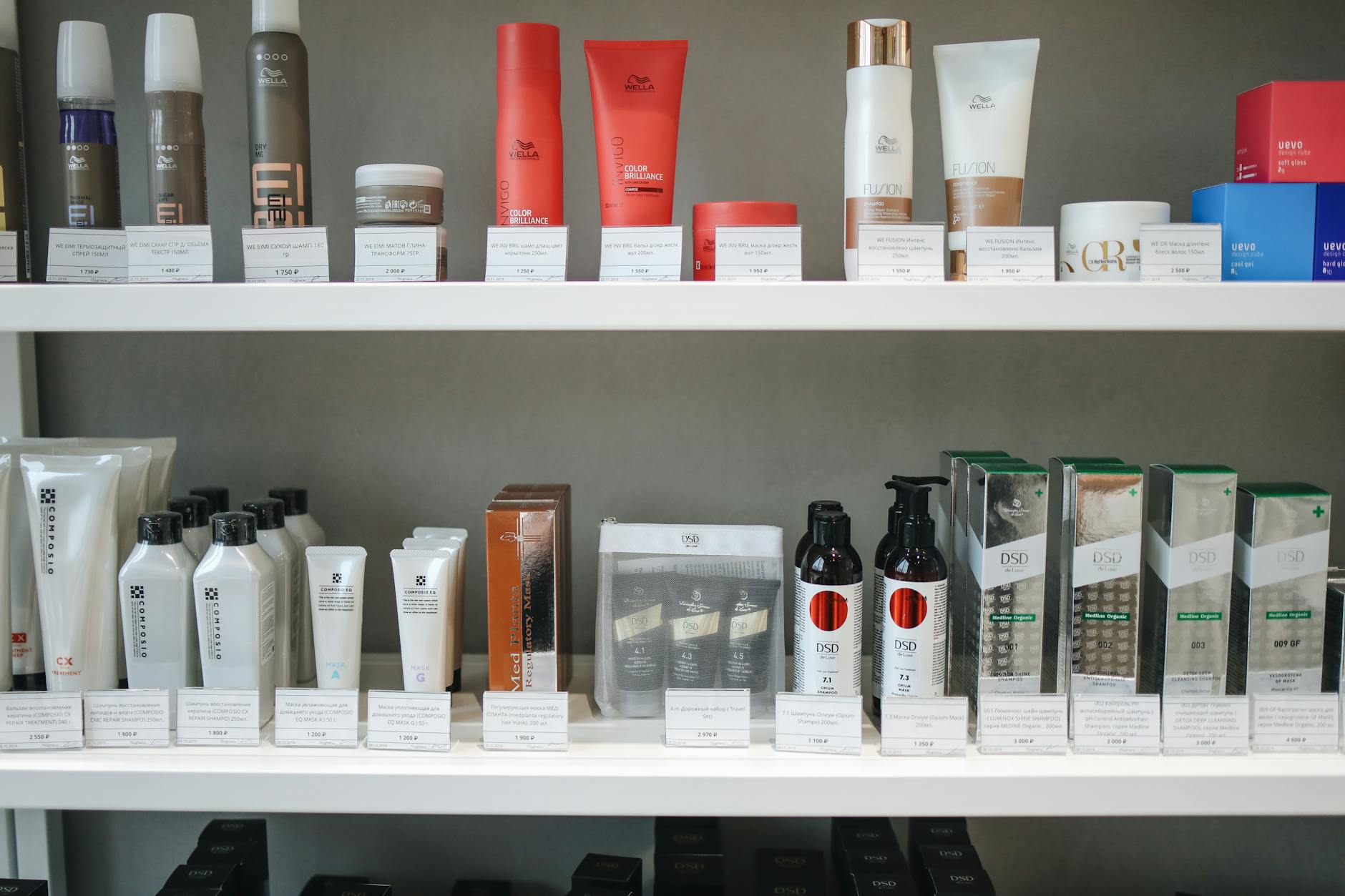
Butylated hydroxyanisole, commonly known as BHA, is an antioxidant preservative used in lipsticks, moisturizers, and diaper creams. It is listed as a possible human carcinogen by the International Agency for Research on Cancer and has demonstrated endocrine-disrupting properties in animal studies. The EU restricts its use in cosmetic products to specific applications and concentration limits. Regulatory bodies in other regions have been slower to act, allowing the ingredient to persist in mainstream formulations. It frequently appears on labels of widely sold drugstore and luxury products in North American and Asian markets.
Lead Acetate
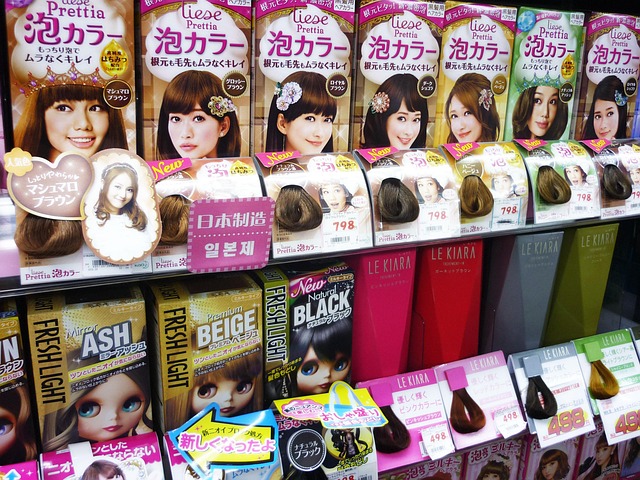
Lead acetate was historically used as a color additive in hair dyes, particularly in products marketed for gradually darkening gray hair. Lead is a neurotoxin with no safe level of exposure, and its use in cosmetics has been restricted in the EU and Canada for decades. The US FDA banned lead acetate in hair dyes in 2018, closing a longstanding regulatory loophole. However, products containing it may still circulate in markets with older stock or weaker enforcement mechanisms. Its legacy in the cosmetics industry serves as a reminder of how slowly regulatory frameworks can respond to established scientific consensus.
Oxybenzone
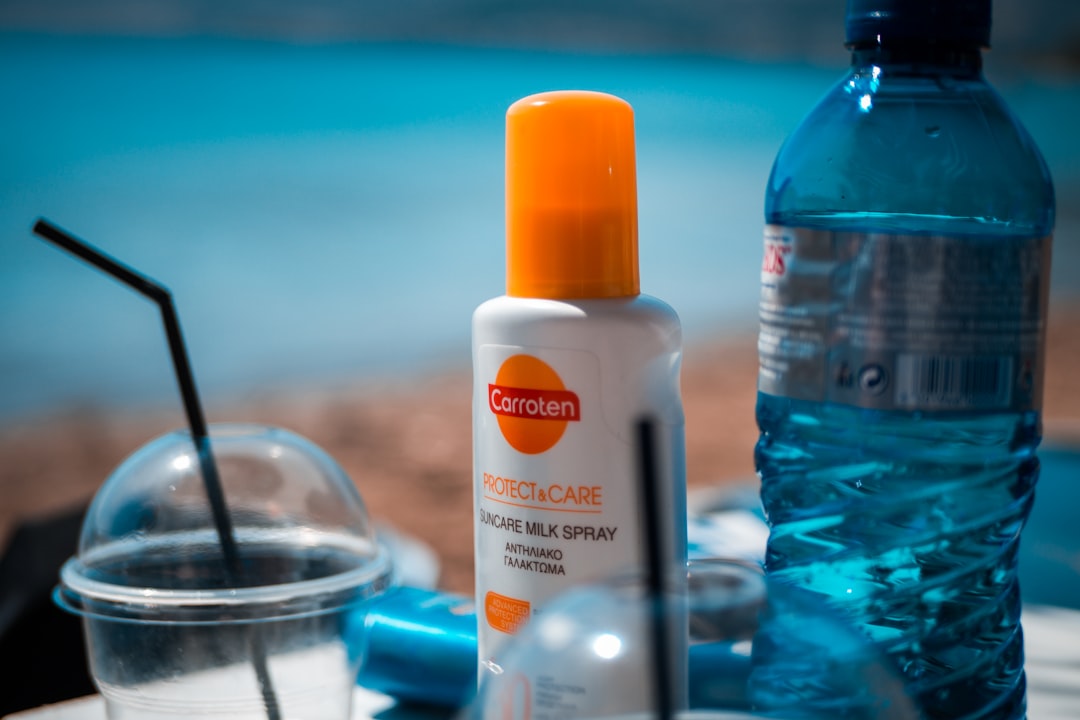
Oxybenzone is a chemical UV filter widely used in sunscreens to absorb and dissipate ultraviolet radiation. It has been identified as an endocrine disruptor and has raised concerns due to its ability to penetrate the skin and enter the bloodstream. Hawaii and several other jurisdictions have banned oxybenzone-containing sunscreens due to documented harm to coral reef ecosystems. The EU allows it at lower concentrations than the United States and requires specific safety warnings on product packaging. Despite mounting environmental and health concerns, it remains one of the most common active ingredients in American sunscreen formulations.
Coal Tar
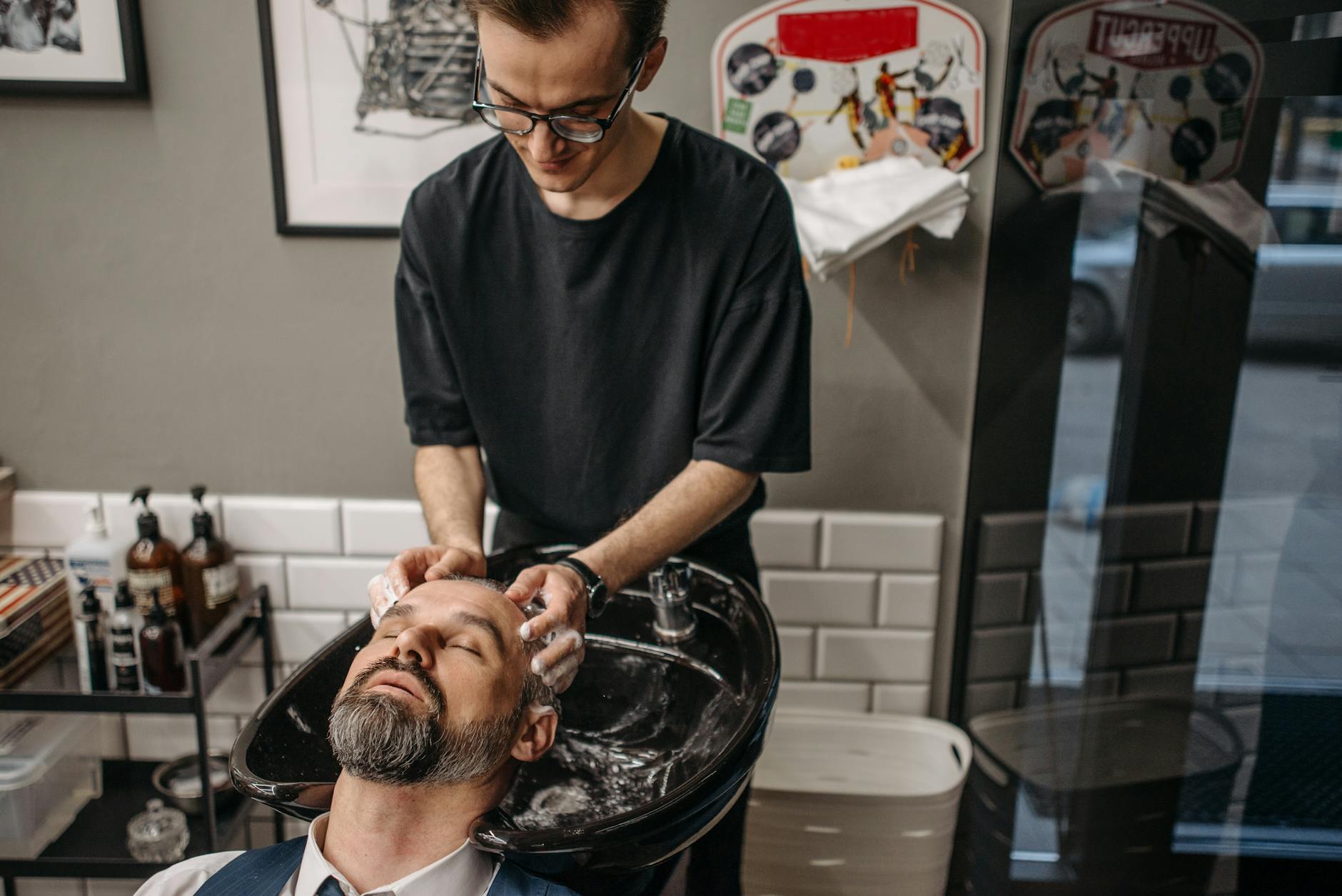
Coal tar is a byproduct of coal processing used in dandruff shampoos and psoriasis treatments for its antifungal and anti-inflammatory properties. It contains a complex mixture of polycyclic aromatic hydrocarbons, some of which are recognized carcinogens. The EU has restricted coal tar in cosmetics, prohibiting its use outside of certain medically supervised contexts. In the United States and Canada, it remains permitted in over-the-counter dandruff and scalp treatment products. Several major haircare brands continue to include it in their therapeutic shampoo lines sold in markets where it is still legally permitted.
Talc

Talc is a naturally occurring mineral used extensively in baby powders, blushes, eyeshadows, and setting powders for its oil-absorbing and skin-smoothing properties. When mined, talc deposits can be contaminated with asbestos, a known carcinogen, and the cosmetics industry has faced significant litigation over this issue. Several countries have introduced stricter purity testing requirements for cosmetic-grade talc, and major brands have voluntarily reformulated certain products following public pressure. The EU has tightened its standards for talc in products intended for children and inhalation-risk applications. Concerns persist globally because there is currently no universally mandated testing protocol that all manufacturers are required to follow.
Benzophenone
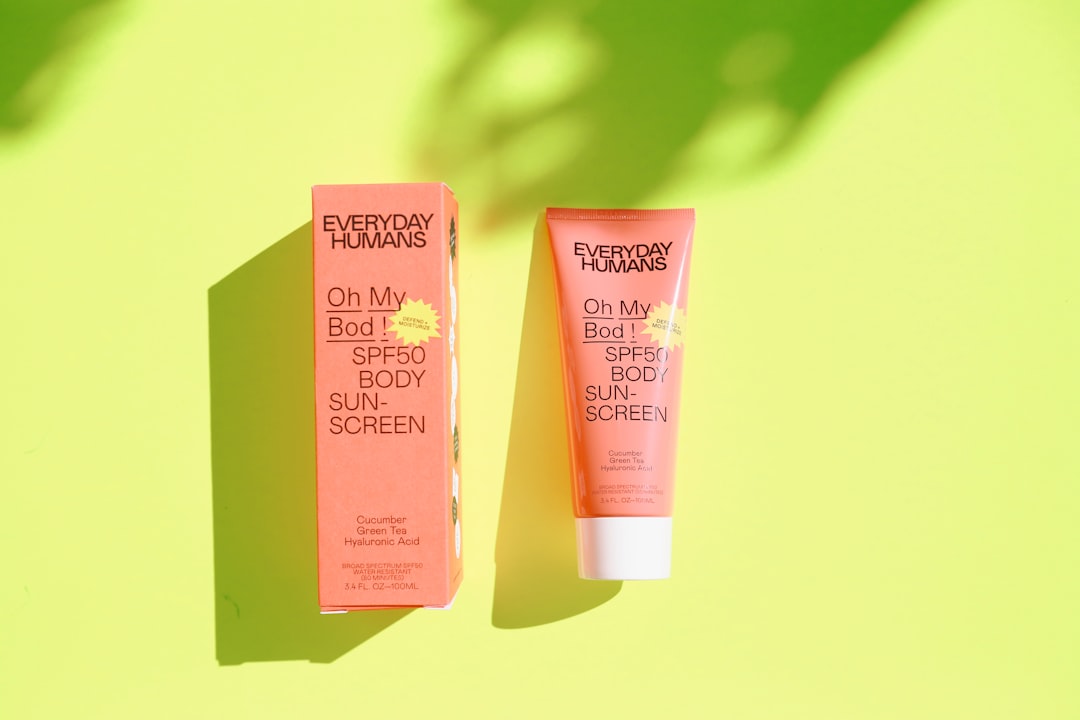
Benzophenone and its derivatives are UV-absorbing chemicals used in nail polishes, hair sprays, and lip balms to prevent product degradation from sun exposure. They have been flagged as potential endocrine disruptors and have been found to accumulate in human tissue and breast milk in some studies. The EU has imposed restrictions on several benzophenone compounds in cosmetic formulations. In the United States, they remain broadly permitted and are used by a wide range of brands across product categories. The ingredient often appears under technical names on labels, making it difficult for consumers to identify without prior knowledge.
Resorcinol
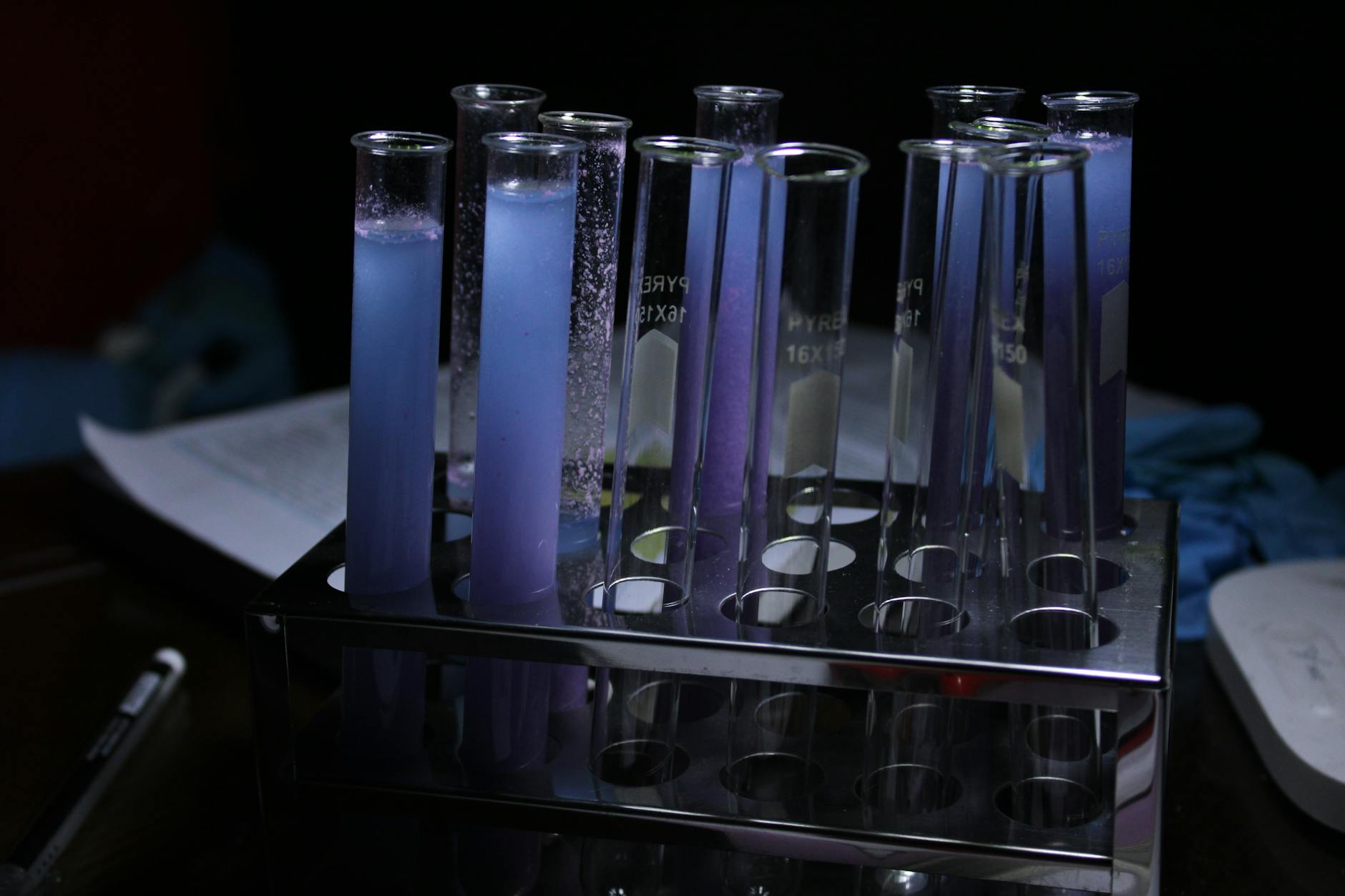
Resorcinol is a chemical compound used in hair dyes and acne treatments that functions as a color coupler and skin exfoliant. It has been shown to disrupt thyroid function and act as an endocrine disruptor in repeated exposure studies. The EU restricts resorcinol in hair colorants and requires warning labels on products containing it. It remains widely used in hair dye formulations sold in North American and Southeast Asian markets without equivalent labeling requirements. Several major salon-grade brands continue to incorporate resorcinol as a standard component in their permanent color product lines.
Styrene

Styrene is a synthetic chemical that can appear in cosmetic formulations as a film-forming agent or through contamination from packaging materials. It is classified as a possible human carcinogen and has been linked to central nervous system effects with repeated exposure. The EU has taken steps to limit migration of styrene from food and cosmetic packaging, though direct use in formulations is less commonly regulated. Concerns about styrene are compounded by its volatility, as it can off-gas from products and packaging at room temperature. Its presence in beauty products is often difficult to detect because it is not always listed as a direct ingredient.
Ethanolamines

Ethanolamines, including triethanolamine and diethanolamine, are widely used in cosmetics as pH adjusters and emulsifiers in products ranging from lotions to mascaras. Diethanolamine has raised particular concern due to its potential to form nitrosamines, compounds with known carcinogenic properties, when combined with other ingredients. The EU restricts diethanolamine in cosmetics due to this risk, while other regulatory bodies have been slower to follow. In the United States, these compounds remain broadly permitted across product categories and concentrations. Many budget and mid-range brands continue to use them in high-volume everyday products.
Petroleum Distillates

Petroleum distillates are derived from crude oil processing and appear in mascaras, lip balms, and hair serums as moisturizing agents and texture enhancers. They can be contaminated with polycyclic aromatic hydrocarbons, which are classified as carcinogenic. The EU prohibits the use of petroleum distillates in cosmetics unless full refining history can be established and the substance is proven non-carcinogenic. In the United States, no equivalent requirement exists, and these ingredients appear in products from both drugstore and luxury brand lines. They are often listed under names such as mineral oil, petrolatum, or paraffinum liquidum, which are familiar to most consumers but rarely scrutinized.
Butylparaben
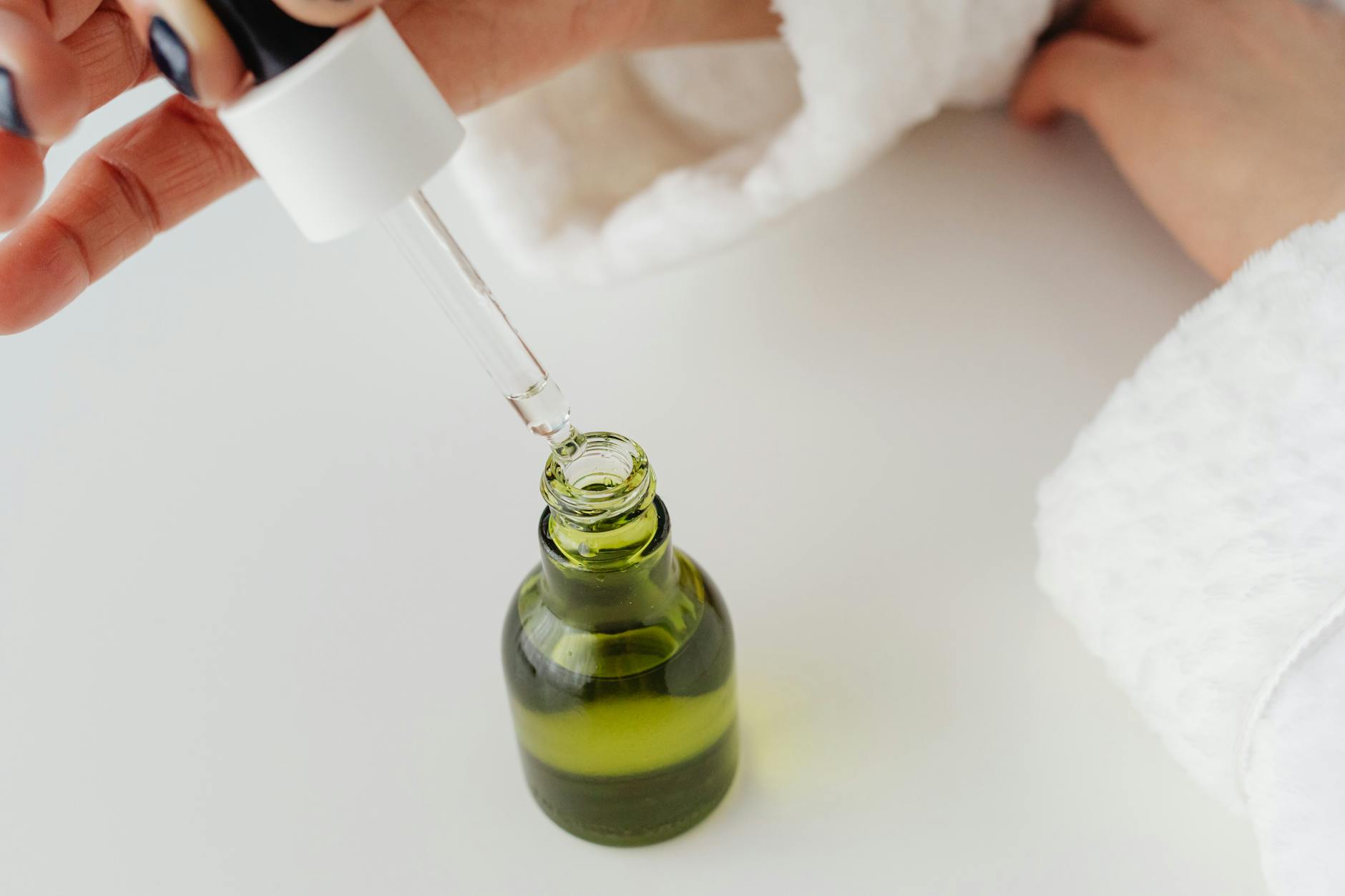
Butylparaben is one of the more potent members of the paraben family and functions as a preservative in creams, serums, and color cosmetics. It has demonstrated stronger estrogenic activity than shorter-chain parabens and has been associated with reproductive toxicity in some animal studies. The EU specifically restricts butylparaben in products intended for use on the diaper area of children under three years of age. In other markets it remains broadly permitted, and it continues to appear in everyday moisturizers, body washes, and foundations marketed to adult consumers globally. Its presence is easily overlooked because it is frequently one of several listed preservatives near the end of an ingredient deck.
Polyacrylamide
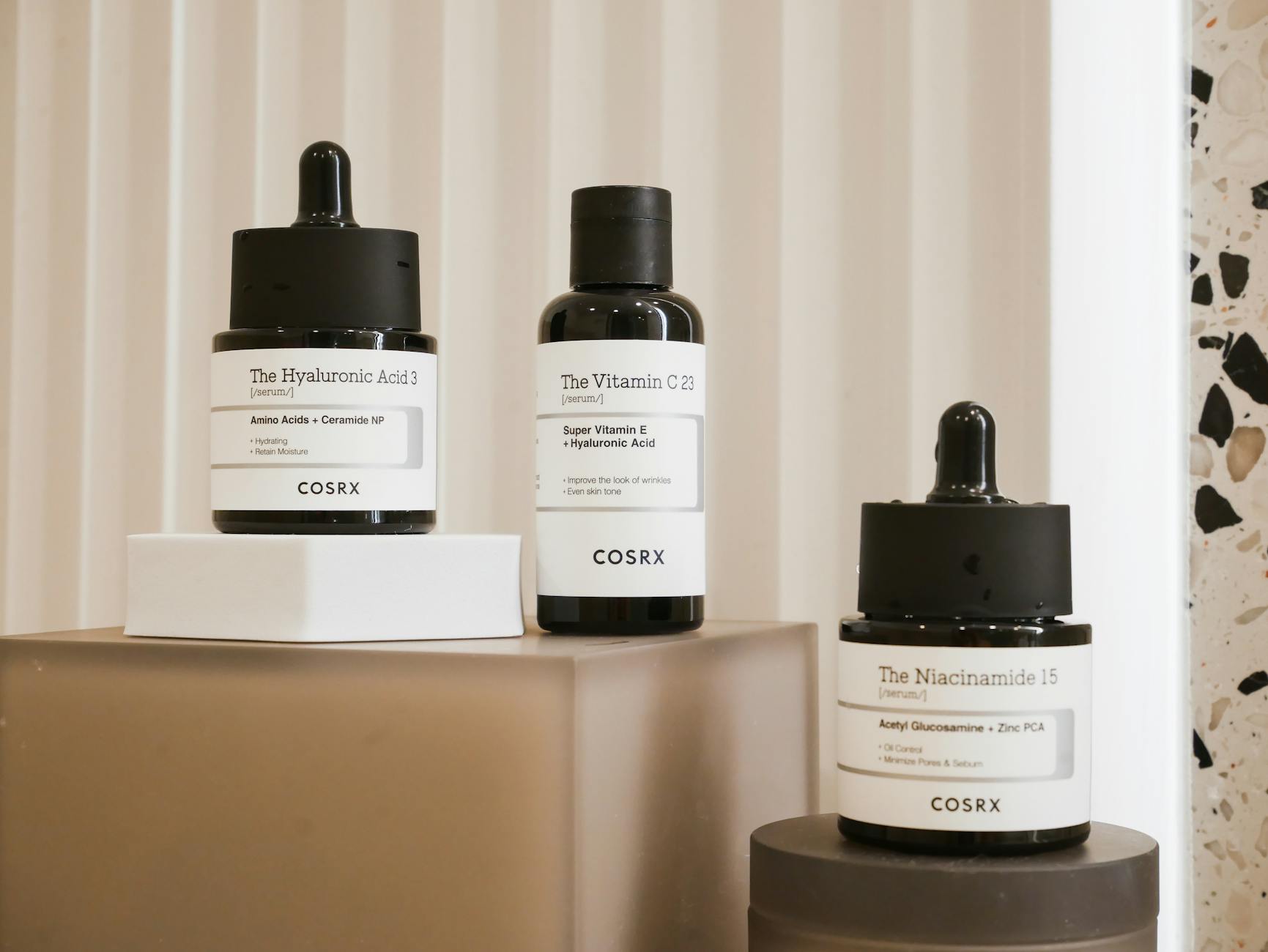
Polyacrylamide is a polymer used in cosmetics as a film former, binder, and stabilizer in products such as moisturizers, hair gels, and anti-aging creams. The concern surrounding polyacrylamide centers on its potential to contain residual acrylamide monomer, a substance classified as a probable human carcinogen. The EU restricts the allowable level of acrylamide monomer in cosmetic products containing polyacrylamide. In many other markets there is no equivalent limit, meaning contamination levels can vary significantly between manufacturers and batches. Major anti-aging and skincare brands continue to use polyacrylamide as a key texture-modifying ingredient in premium product lines.
Cyclomethicone
Cyclomethicone refers to a group of cyclic silicones, including D4 and D5, used extensively in hair products, primers, and antiperspirants to create a smooth, silky feel on skin and hair. D4 and D5 have been identified as persistent environmental pollutants and potential endocrine disruptors, prompting the EU to ban their use in wash-off cosmetics above a certain concentration threshold. Canada has also assessed these compounds as toxic to the environment and human health. In other markets, including the United States, they remain broadly unregulated in cosmetic applications. Cyclomethicone continues to appear prominently in the ingredient lists of popular dry shampoos, heat protectants, and smoothing serums.
Synthetic Musks
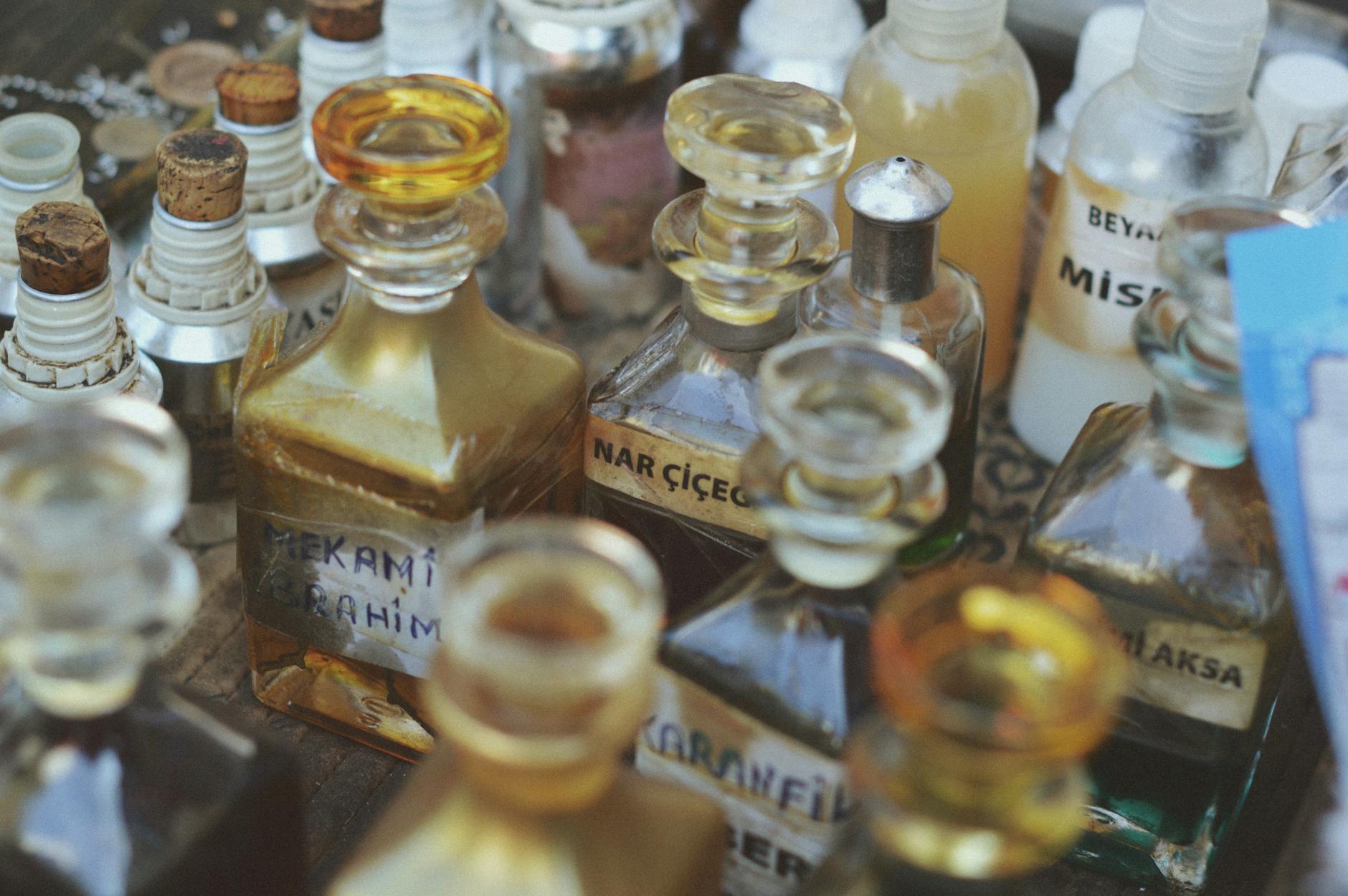
Synthetic musks are fragrance compounds used in perfumes, lotions, and hair products to create long-lasting scent profiles. Nitro musks, an older class of synthetic musk, have been largely phased out following evidence of carcinogenicity and environmental persistence. Polycyclic musks such as galaxolide and tonalide have raised similar concerns and are now under increasing regulatory scrutiny in the EU. Despite this, they remain permitted in cosmetic formulations in most markets around the world. They appear in the ingredient lists of countless mainstream fragrances and scented personal care products from globally recognized brands.
Siloxane D6
Siloxane D6, also known as dodecamethylcyclohexasiloxane, is a cyclic silicone used in personal care products to improve spreadability and create a lightweight, non-greasy skin feel. Like its relatives D4 and D5, D6 has been identified as a persistent organic pollutant with the potential to bioaccumulate in aquatic organisms. The EU has extended its restrictions on cyclic silicones to include D6 in rinse-off cosmetics, reflecting growing concern about environmental contamination through wastewater systems. North American and Asian regulatory frameworks have not implemented equivalent restrictions, allowing continued widespread use. It remains a common ingredient in premium foundations, leave-in hair treatments, and body lotions sold by global beauty conglomerates.
Share which of these ingredients surprised you most in the comments.




