The wireless network broadcasting from your home router represents far more than a personal convenience infrastructure and carries legal exposure that most residential internet subscribers have never seriously considered. Law enforcement investigations into serious criminal activity conducted over residential internet connections routinely begin with the IP address assigned to the account holder, meaning the first door knocked belongs to whoever pays the bill regardless of who actually performed the activity. Cybersecurity researchers and legal professionals consistently identify unauthorized network use as one of the most underreported and least understood privacy threats facing ordinary households. The following signs represent the most significant behavioral and technical indicators that someone may be exploiting your internet connection for purposes that carry serious legal and financial consequences for your household.
Unexplained Speed Drops

A consistent and unexplained reduction in internet speeds during periods when household usage patterns have not changed represents one of the earliest detectable indicators of unauthorized network activity consuming available bandwidth. Illegal file sharing operations, large-scale data exfiltration, and cryptocurrency mining conducted through compromised residential connections generate sustained bandwidth consumption that manifests as degraded performance for legitimate users on the same network. The pattern differs from ordinary congestion in that speed reductions occur at unexpected times including overnight hours and early morning periods when household members are asleep and personal device usage is minimal or nonexistent. Internet service provider diagnostic tools and third-party speed testing platforms can document speed anomalies across multiple time points, creating a data record that distinguishes systematic unauthorized consumption from ordinary network variability. Persistent speed degradation that cannot be explained by known household usage changes warrants immediate router log examination and connected device auditing.
Unknown Devices
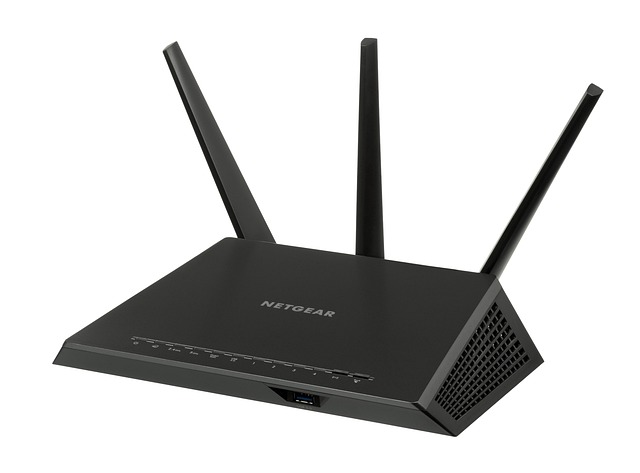
The appearance of unrecognized device identifiers in the connected devices list accessible through a router’s administrative interface represents a direct and concrete indicator that hardware outside the household’s known inventory is accessing the network. Router administration panels display the media access control address and assigned network name of every device maintaining an active or recently active connection, and any entry that cannot be matched to a known household device requires immediate investigation. Sophisticated unauthorized users frequently configure their devices to randomize or spoof media access control addresses to avoid detection through this method, meaning the absence of obviously unfamiliar identifiers does not guarantee that unauthorized access is not occurring. The device list should be audited against every smartphone, computer, tablet, smart home device, gaming console, and streaming device known to be associated with the household, as the total number of legitimate connected devices in a modern home frequently surprises owners during this exercise. Regular scheduled audits of the connected device list rather than reactive checks following observed problems represent the most reliable detection methodology for unauthorized device identification.
Router Light Activity
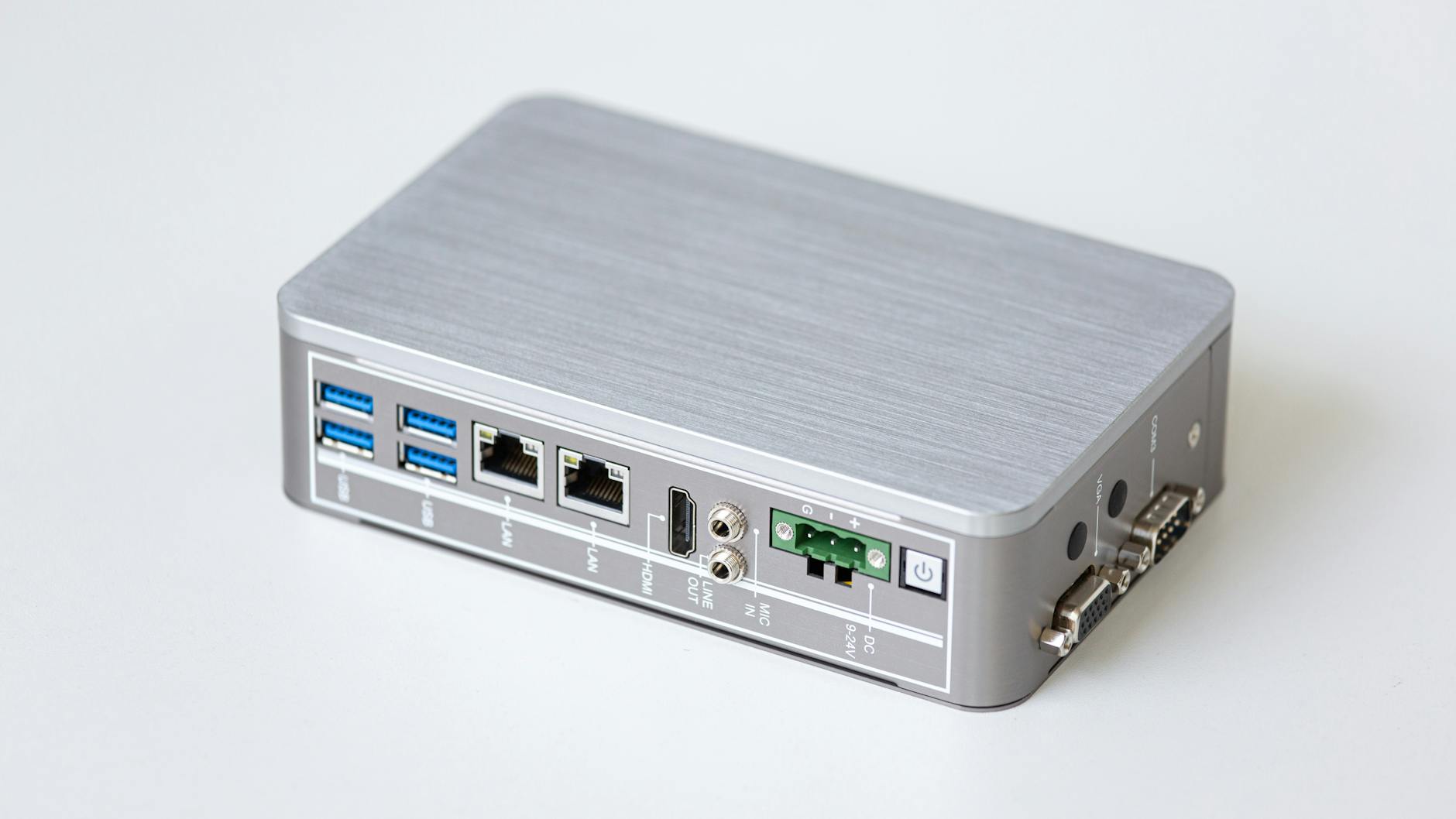
The physical activity indicator lights on residential routers display transmission activity patterns that can reveal network usage occurring outside of known household activity periods when interpreted with basic familiarity with normal baseline behavior. Sustained rhythmic transmission light activity during hours when all household members are confirmed to be asleep and no scheduled automated processes are expected represents an anomalous pattern warranting further investigation. The distinction between the normal background communication of smart home devices, streaming devices in standby mode, and other always-connected hardware and the sustained high-activity pattern associated with large data transfers requires some familiarity with the household’s normal overnight baseline. Security cameras, automatic backup processes, and software update downloads can produce legitimate overnight activity that mimics unauthorized use patterns, requiring elimination of known sources before attributing anomalous light behavior to external actors. Documenting activity light behavior across multiple nights through time-lapse photography or simple written observation creates a baseline record that makes genuine anomalies statistically distinguishable from normal variation.
ISP Warning Letters

Formal notification from an internet service provider referencing copyright infringement activity, terms of service violations, or law enforcement inquiries associated with the account holder’s IP address represents one of the most serious and unambiguous indicators that illegal activity has been conducted through a residential connection. Internet service providers in most jurisdictions are legally obligated to forward Digital Millennium Copyright Act infringement notices from content rights holders to the account associated with the identified IP address, and receipt of such a notice creates a documented legal record regardless of who actually performed the activity. Multiple notices received within a short period indicate systematic rather than incidental unauthorized use and suggest an ongoing operational presence rather than a brief opportunistic access event. The legal exposure created by accumulated infringement notices escalates with each additional notification and in some jurisdictions creates a graduated response framework that can result in connection termination or civil litigation initiated against the account holder. Responding to ISP warning notices without first conducting a thorough network security audit is a legally inadvisable approach that fails to address the underlying access vulnerability generating the notifications.
Overheating Router

A residential router operating at consistently elevated temperatures beyond its normal thermal baseline may indicate processing loads associated with sustained high-volume data transmission that exceeds typical household usage patterns. Routers performing cryptographic processing associated with large encrypted file transfers, managing multiple simultaneous high-bandwidth connections, or operating as relay nodes in anonymizing network traffic generate substantially more heat than devices handling ordinary web browsing and streaming traffic. Physical warmth alone is insufficient as a diagnostic indicator given that ambient temperature, ventilation conditions, and device age all affect normal operating temperature, but heat combined with other behavioral anomalies creates a more meaningful pattern. Network traffic relay operations associated with certain categories of illegal activity use residential routers as intermediate nodes in ways that impose processing demands on the device hardware beyond what the manufacturer designed for typical residential use cases. Comparing router surface temperature at known low-usage periods against temperature during suspicious activity periods provides a simple physical correlate for the network monitoring data that software-based detection methods generate.
VPN Interference
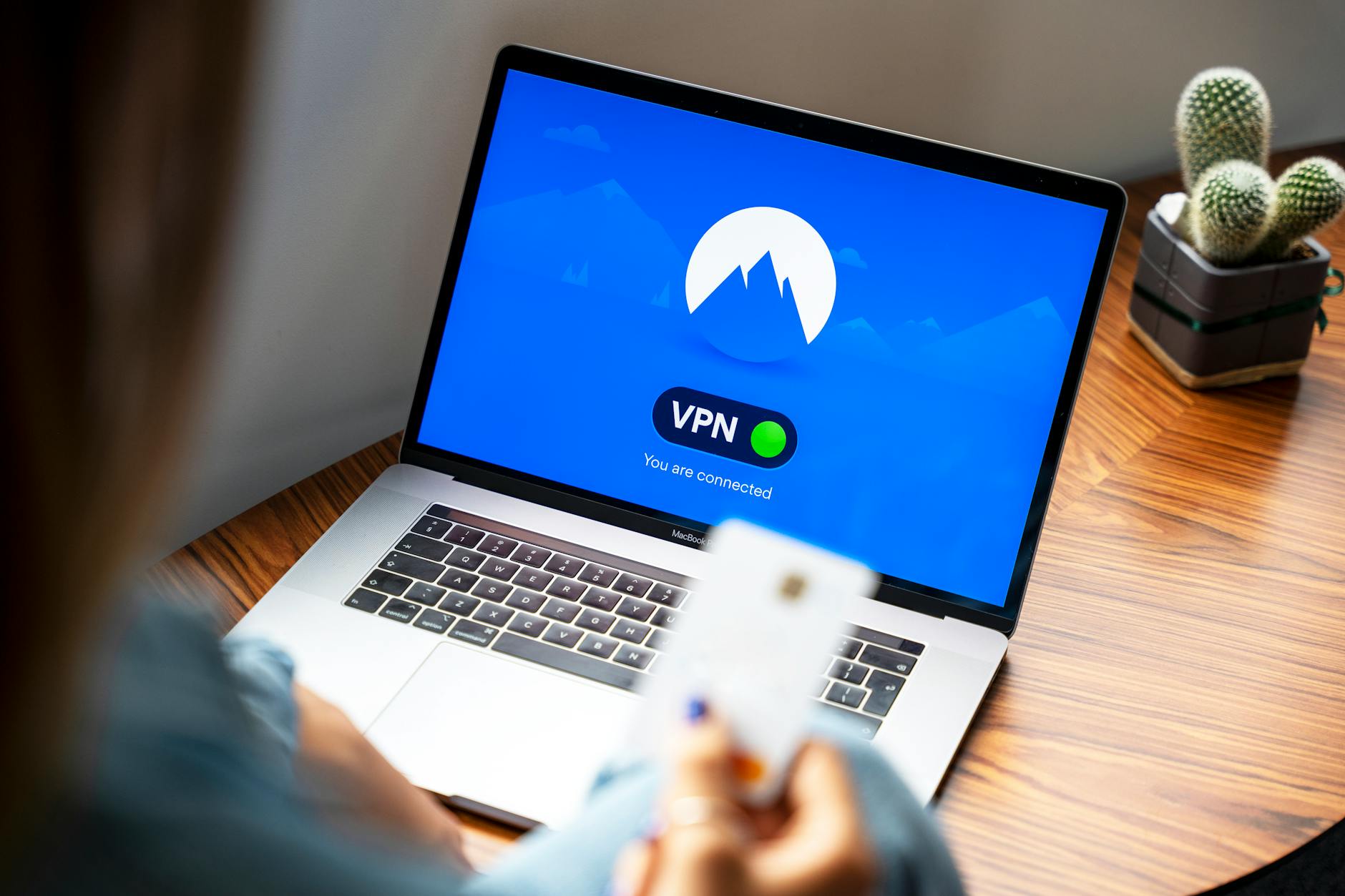
Unexplained disruptions to a household’s own virtual private network connections or the appearance of unfamiliar encrypted traffic tunnels in router logs can indicate that another party is operating VPN or anonymization software through the same network connection. Individuals using a residential connection for illegal activity almost universally employ anonymization layers including virtual private networks, Tor routing, or proxy chains specifically to prevent their activity from being directly attributed to their own identity while still exposing the host network’s IP address to scrutiny. The presence of Tor network traffic patterns in router logs is particularly significant as this anonymization network has specific technical signatures that distinguish it from commercial VPN traffic and is disproportionately associated with activity categories that require strong anonymization. Network monitoring tools that log traffic by destination type rather than destination address can identify anonymization network usage without requiring decryption of the traffic content itself. The irony of anonymization tool use through unauthorized residential access is that it protects the unauthorized user while concentrating legal exposure on the account holder whose IP address remains the publicly visible source.
Data Cap Anomalies
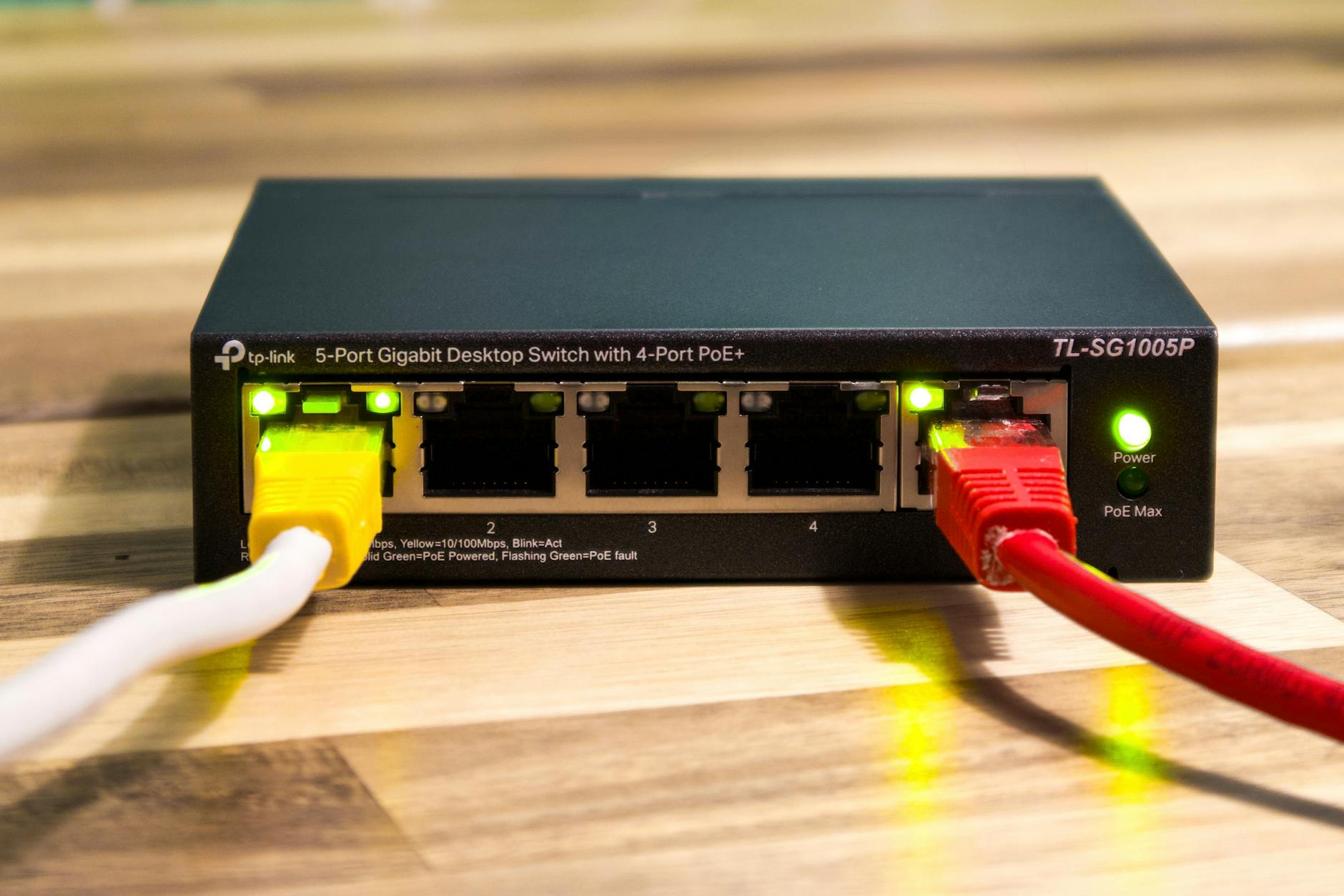
Residential internet accounts subject to monthly data transfer limits that experience unexplained consumption spikes inconsistent with known household usage patterns provide a metered record of unauthorized network activity that is both automatically documented and legally significant. Internet service provider usage dashboards that display daily or hourly consumption data allow account holders to correlate usage peaks with specific time periods and cross-reference those periods against household activity records. Large file sharing operations, video streaming for commercial redistribution, and certain categories of illegal content distribution generate data consumption profiles that are quantitatively distinguishable from household streaming and browsing behavior in their scale and temporal distribution. A single overnight data consumption event consuming several hundred gigabytes in a household whose normal overnight consumption is near zero represents a data point sufficiently anomalous to warrant immediate security response regardless of the explanation ultimately determined. Documenting data consumption anomalies through service provider records creates a timestamped evidence trail that is relevant both to identifying unauthorized access and to establishing a defensive record in any subsequent legal proceedings.
Unusual DNS Queries
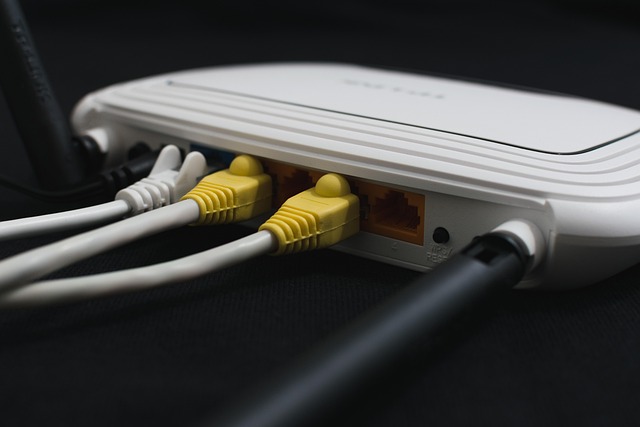
The domain name system request logs accessible through router administrative interfaces or network monitoring software can reveal connection attempts to destinations associated with illegal marketplaces, anonymization infrastructure, or command and control servers that no legitimate household application would contact. Domain name system queries represent the first step in any network connection and are logged at the router level before any content is transmitted, making them a highly informative and legally low-complexity record of connection intent. Security researchers maintaining continuously updated lists of domains associated with illegal activity categories have documented specific naming patterns and top-level domain preferences that allow statistical identification of suspicious query patterns without requiring examination of traffic content. The presence of queries to onion routing infrastructure, domains associated with known illegal marketplaces, or repetitive automated queries to unfamiliar destinations during overnight periods constitutes meaningful evidence of unauthorized use activity. Router firmware from major manufacturers varies significantly in the granularity and accessibility of domain name system logging, with third-party firmware alternatives offering substantially more detailed records that better support unauthorized access investigation.
Login Location Alerts

Security notification systems associated with online accounts accessed through a residential network that generate alerts for logins from unusual locations or devices can indicate that unauthorized network users are accessing services that employ location-aware security monitoring. Account security systems that flag access from IP addresses inconsistent with the account’s established geographic pattern will generate alerts when an unauthorized user accessing a compromised residential network logs into services from that unfamiliar IP address. The geographic inconsistency alert is triggered by the mismatch between the account holder’s known location history and the residential connection’s registered address, a pattern that emerges when the unauthorized user is accessing services from a physical location different from the router’s installation address while routing through it remotely. Email account security notifications, banking platform login alerts, and social media security warnings that arrive unexpectedly during periods when the account holder has not personally accessed the relevant service warrant immediate correlation with network access logs. Multiple simultaneous login alerts across different service categories received during the same time window suggest coordinated unauthorized access activity rather than coincidental separate events.
Port Scanning Activity
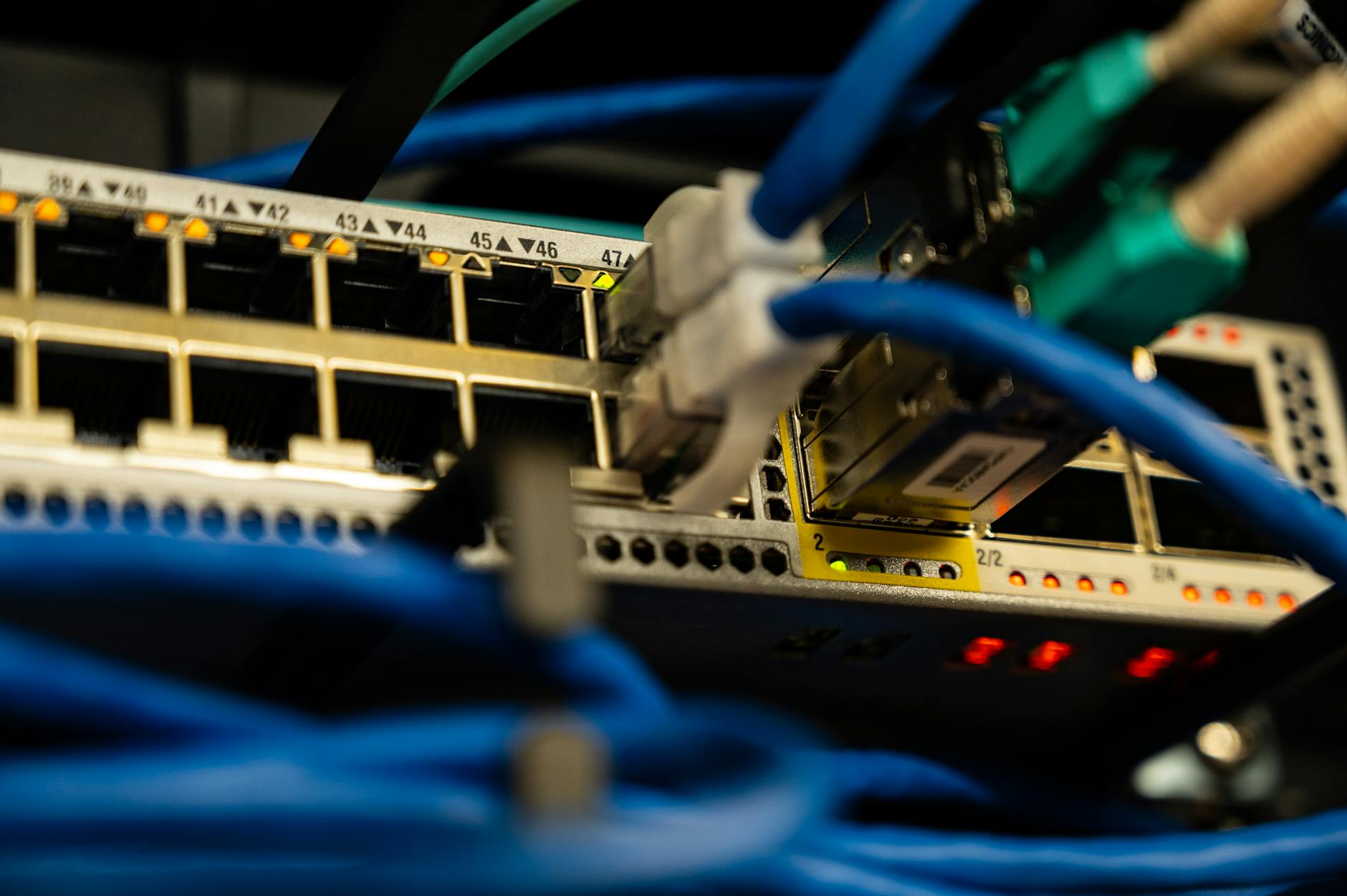
Inbound port scanning traffic directed at a residential IP address that appears in router firewall logs indicates that external parties have identified the connection as potentially exploitable and are actively probing it for vulnerabilities that would support unauthorized access or use as an attack relay. Port scanning is typically the precursor activity to attempted network penetration and its presence in firewall logs suggests that the household’s IP address has been included in a targeting list maintained by actors conducting systematic vulnerability surveys across residential address ranges. Outbound port scanning originating from within the network and directed at external addresses is a significantly more alarming indicator, as it suggests that a device already on the network is performing reconnaissance activity associated with network intrusion operations. Security researchers have documented residential networks compromised into botnet membership where the affected router performs outbound port scanning on behalf of remote operators as part of coordinated attack campaigns against third-party targets. The presence of systematic outbound port scanning in router logs creates serious legal exposure for the account holder because the external targets of that activity experience it as an attack originating from the residential IP address regardless of the underlying compromise situation.
Neighbor Confrontations

Direct approaches from neighbors, building residents, or local community members referencing specific illegal content or activity that they associate with a household’s network represent a social indicator that unauthorized network use may have become observable beyond the immediate household environment. Open or weakly secured wireless networks in densely populated residential environments including apartment buildings, townhouse complexes, and closely spaced suburban properties are accessible from adjacent units without requiring physical proximity to the router location. Neighbors who have observed unusual activity patterns, received secondary legal notifications, or been approached by law enforcement in connection with activity traced to a shared building’s network infrastructure may approach other residents as part of their own investigative process. The social discomfort associated with these conversations frequently causes recipients to dismiss or minimize them without conducting the network security investigation the information warrants. Any third-party reference to specific illegal content categories or activity types associated with a household’s network address should be treated as legally significant information requiring immediate network security action and potentially professional legal consultation.
Crypto Mining Symptoms

The specific hardware performance symptoms associated with cryptocurrency mining conducted through compromised residential network connections and attached devices provide a distinctive physical and digital signature that differs from other categories of unauthorized use. Graphics processing unit and central processing unit utilization rates sustained at maximum capacity for extended periods combined with corresponding elevated electricity consumption and hardware thermal output indicate mining operations that generate revenue for the operator while imposing costs and hardware degradation on the device owner. Cryptocurrency mining malware deployed through compromised network access represents one of the most commercially motivated categories of residential network exploitation given the direct financial return it provides to operators relative to the minimal technical investment required to maintain the compromise. Device performance monitoring applications that log processor utilization over time can document the sustained maximum-utilization signature of mining operations in a format that distinguishes it from the intermittent peaks associated with legitimate computational tasks. The electricity cost implications of sustained mining operations conducted through multiple compromised household devices are measurable on monthly utility bills, providing an economic indicator of unauthorized use that complements technical network monitoring data.
Firewall Log Anomalies

Systematic examination of the outbound connection logs maintained by residential router firewall systems can reveal communication patterns inconsistent with any application or device legitimately installed in the household, indicating that traffic is being generated by an unauthorized presence on the network. Firewall logs record the source device, destination address, destination port, and timestamp of every outbound connection attempt, creating a granular behavioral record that sophisticated analysis can distinguish from normal household traffic patterns. Connections to known command and control server address ranges, repetitive communication with the same external destinations at fixed intervals suggesting automated rather than human-initiated behavior, and large outbound data transfers to unfamiliar destinations during overnight hours all represent anomalous firewall log patterns warranting investigation. The technical complexity of firewall log interpretation places this detection method beyond the practical reach of most residential network users without specialized knowledge, but consumer-oriented network monitoring applications translate raw log data into accessible behavioral summaries. Regular firewall log review is practiced by a small fraction of residential network users despite the substantial security and legal value of the information it contains.
Shared IP Blacklisting

The appearance of a residential IP address on internet reputation blacklists maintained by spam filtering services, cybersecurity organizations, and content delivery networks indicates that traffic originating from the address has previously been associated with abusive or illegal activity that triggered automated or manual reporting by affected third parties. IP reputation blacklisting causes practical consequences including email delivery failures, blocked access to certain websites and services, and degraded treatment by security systems that use blacklist membership as a risk signal when evaluating incoming connections. Free online tools allow residential users to check whether their current IP address appears on major blacklists, with positive results indicating either direct compromise of the household’s network or upstream abuse by an authorized provider assigning a previously abused address. Persistent blacklisting that returns following removal requests suggests ongoing activity that is continuously regenerating the abusive traffic pattern rather than a historical legacy issue from a previous address holder. The blacklisting of a residential IP address for spam distribution, malware command and control communication, or denial of service attack participation creates a documented public record of activity originating from that address that is accessible to law enforcement and legal adversaries.
Sudden Bill Increases

Unexplained increases in monthly internet service costs resulting from overage charges, additional data tier fees, or service plan upgrades initiated without account holder authorization can indicate that unauthorized network users have generated consumption volumes triggering automatic billing responses from the service provider. Internet service provider billing systems in markets with consumption-based pricing automatically apply overage charges when monthly data allowances are exceeded regardless of whether the consuming traffic was authorized by the account holder, creating a financial consequence that precedes any legal notification. Billing anomalies that appear simultaneously with other network performance or security indicators create a corroborating financial record that supports the technical evidence of unauthorized access. Account holders who contact their service provider regarding unexplained billing changes create a customer service interaction record that documents their awareness of and response to anomalous account activity, which carries evidentiary value in subsequent legal contexts. Automated billing alerts configured to notify account holders when consumption approaches monthly limits provide an early warning mechanism that reduces the window between unauthorized activity onset and account holder detection.
Slow Device Performance
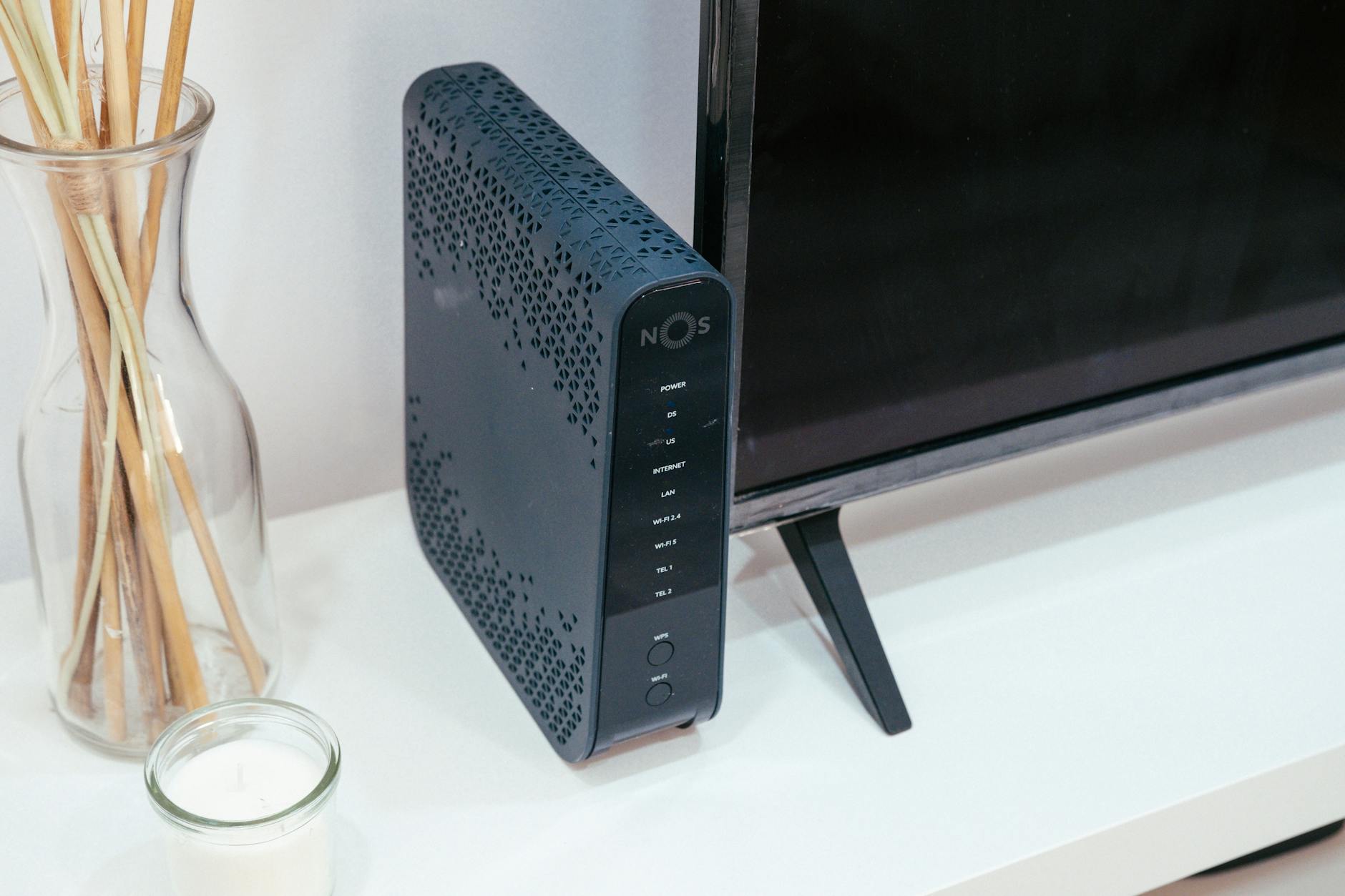
A general and unexplained degradation in the performance of devices connected to a household network that cannot be attributed to software updates, hardware aging, or increased application complexity may indicate that network resources are being consumed by unauthorized activity competing with legitimate household device operations. Devices operating on networks experiencing high unauthorized traffic loads exhibit symptoms including extended page load times, buffering during streaming content consumption, delayed application response to user inputs, and communication failures that resolve temporarily but recur without apparent cause. The performance degradation pattern associated with network resource competition differs from local device performance issues in that it affects multiple devices simultaneously and improves when connection to the network is suspended, a diagnostic distinction that most users do not systematically test. Peer-to-peer file sharing operations and distributed computing tasks conducted through unauthorized residential network access generate particularly severe performance impacts because they simultaneously consume both upload and download bandwidth while also imposing processing demands on routing hardware. Correlating device performance degradation episodes with router activity logs provides a temporal linkage between user-perceptible symptoms and the underlying network events generating them.
Strange Processes

The appearance of unfamiliar background processes in device task managers, unusual scheduled tasks in system administration tools, or unexpected software installations on household devices connected to a compromised network indicate that unauthorized network access has progressed to device compromise enabling local code execution. Remote access tools, keyloggers, network traffic relay software, and cryptocurrency mining applications installed through network-based exploitation of connected devices generate process activity that appears in system monitoring tools despite having no visible application interface or installation record in standard program management interfaces. Operating system security event logs record process creation, network connection establishment, and file system modifications that can document unauthorized software activity even when that activity is designed to minimize its visible footprint in normal user-facing interfaces. Scheduled task entries created by unauthorized software to ensure persistence across device restarts frequently use naming conventions designed to mimic legitimate system processes, requiring cross-reference against known legitimate process lists to identify anomalous entries. Security software with behavioral rather than purely signature-based detection capabilities is substantially more effective at identifying unauthorized process activity than traditional antivirus tools operating from known malware databases.
Neighborhood Legal Activity

The visible presence of law enforcement vehicles, plainclothes investigative personnel, or the execution of legal process instruments in the immediate neighborhood surrounding a residential location can represent an external indicator that network-based illegal activity in the area has progressed to an active investigative phase. Law enforcement agencies investigating serious cybercrime, child exploitation material distribution, or terrorism-related network activity typically conduct extended surveillance of target locations before executing physical search operations, meaning visible law enforcement presence near a property may represent the culmination of an investigation rather than its beginning. Neighbors who receive direct contact from law enforcement investigators asking questions about nearby residents’ network activity, vehicles present at specific times, or visitor patterns are being interviewed as part of an investigation that has already developed substantial evidentiary foundation. The legal principle that connects investigation activity to IP address holders means that a household whose network has been used for serious illegal activity may become the target of investigative attention regardless of the account holder’s personal involvement. Legal counsel consultation is the appropriate immediate response to any direct law enforcement contact or credible information about investigative activity referencing a household’s network address.
Unexpected Open Ports
The discovery of network ports in an open and listening state on a residential router or connected device that were not deliberately configured by the account holder indicates that software installed without authorization has modified network security settings to enable external access or communication. Open ports represent deliberate gaps in network security architecture that allow specific types of inbound network traffic to reach devices inside the residential network, and their unauthorized creation indicates that an external party has established a persistent access mechanism designed to survive router restarts and basic security interventions. Port scanning tools freely available to residential users can document the current open port state of a household network and compare it against expected legitimate configurations, with any unexpected open port representing a finding warranting immediate investigation. Remote access trojans, botnet client software, and peer-to-peer application components associated with illegal file sharing platforms all require specific open port configurations to operate effectively and create these configurations through automated processes following initial device compromise. Closing unauthorized open ports through router firewall configuration provides a partial remediation but does not address the underlying device compromise that created them, requiring comprehensive device security scanning as a follow-on response.
Router Configuration Changes
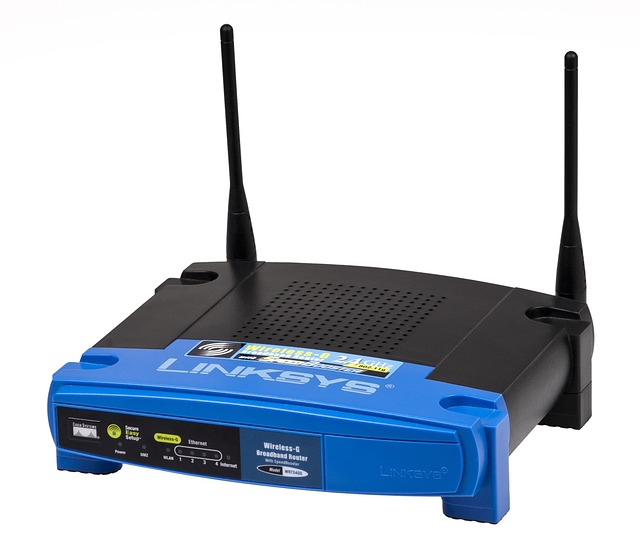
The discovery of modifications to residential router configuration settings including altered administrative passwords, changed wireless network credentials, modified DNS server assignments, or enabled remote management features that were not made by the account holder indicates that an unauthorized party has achieved administrative access to the network’s core control infrastructure. Administrative access to a residential router provides an unauthorized user with the ability to intercept, redirect, and log all network traffic passing through the device, monitor all connected devices, maintain persistent network access regardless of changes to wireless credentials made at the device level, and configure the router to participate in external attack operations. Router administrative interface access logs, where available, document login timestamps and source addresses that can identify unauthorized administrative access events with specific temporal precision. The modification of DNS server assignments is a particularly significant configuration change because it allows an unauthorized administrator to redirect all domain name resolution through servers under their control, enabling traffic interception and manipulation affecting every device on the network. Periodic verification of router configuration settings against a documented baseline of known legitimate settings is a detection methodology that identifies unauthorized administrative access through its inevitable configuration footprint.
Social Engineering Attempts

Targeted attempts by unknown individuals to extract information about a household’s network configuration, internet service provider identity, router model, or security practices through seemingly casual conversation, online inquiries, or telephone contact may indicate preparatory reconnaissance activity preceding unauthorized network access attempts. Social engineering approaches designed to extract residential network access information are documented in cybersecurity literature as a primary attack vector against residential targets precisely because the technical barriers to network exploitation are often lower than the social barriers to obtaining the credentials or configuration information that enable it. Unsolicited technical assistance offers, survey requests referencing internet service quality, and customer service impersonation contacts requesting account verification information all represent established social engineering methodologies targeting residential network access credentials. The contextual legitimacy that neighborhood familiarity or shared residential community membership provides creates additional social engineering opportunities that are specific to residential network exploitation contexts and less relevant to commercial network security. Heightened skepticism toward any unsolicited contact requesting network-related information or offering to assist with connectivity issues should be treated as a standard security posture rather than an exceptional response to specific threat indicators.
What steps have you taken to secure your home network? Share your thoughts in the comments.




