Fine dining establishments operate according to a sophisticated set of unwritten protocols that experienced restaurant professionals read with immediate precision, identifying within minutes of a table being seated the behavioral patterns that predict how the meal will unfold financially and socially. Restaurant industry veterans consistently describe the ability to read a table as one of the most economically significant skills in the profession, because the behavioral signals that guests broadcast unconsciously determine the quality of service investment a section waiter makes across a potentially three-hour dining experience. The etiquette of upscale dining has been refined across centuries of European court culture, professional hospitality tradition, and the accumulated behavioral intelligence of thousands of service professionals who have observed every possible permutation of guest behavior. The following represent the most reliably read signals in fine dining environments and the specific professional impressions each creates in the minds of the staff whose livelihoods depend on accurately interpreting them.
Menu Price Scanning
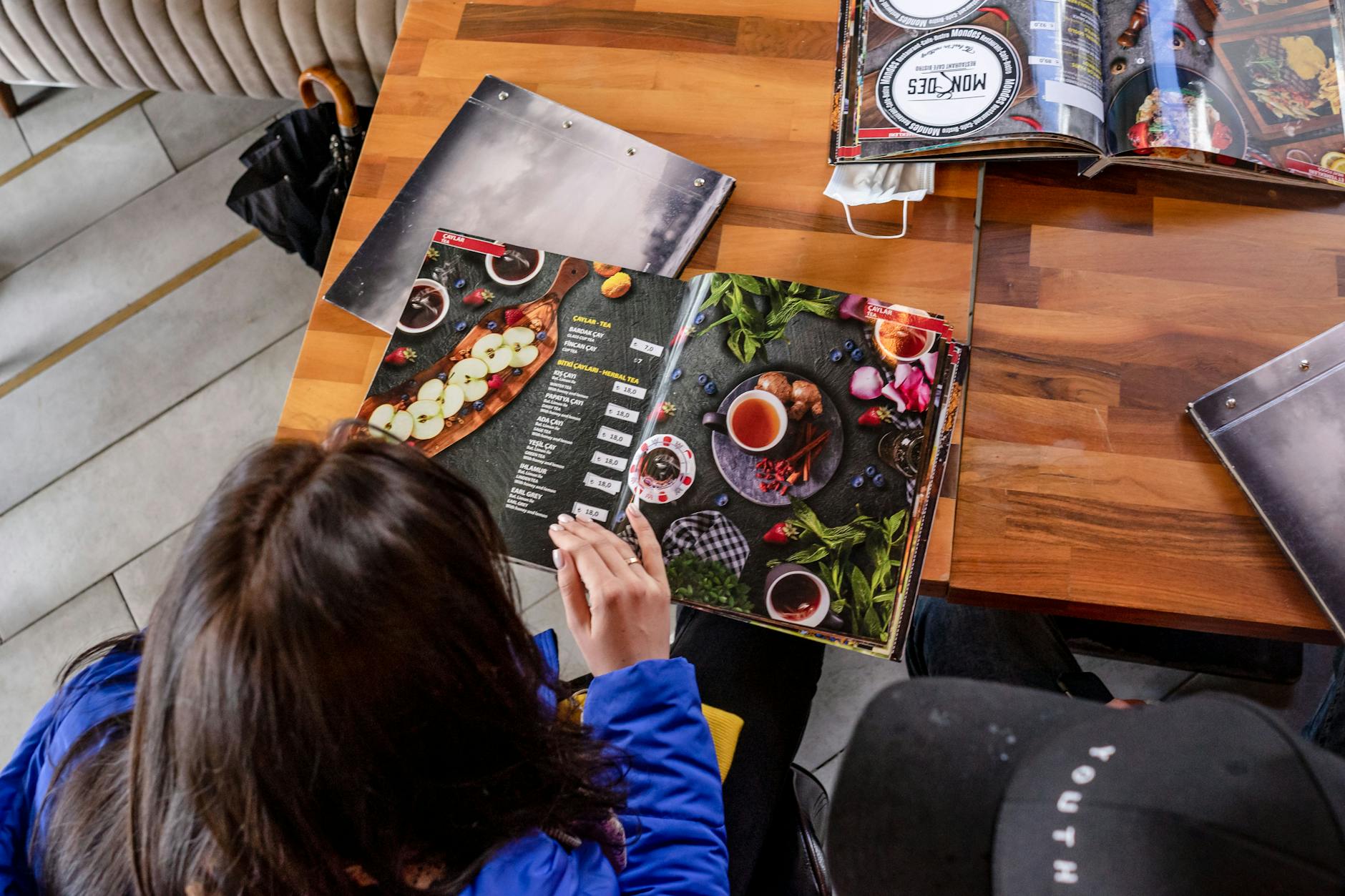
The immediate visual scanning of menu prices before reading dish descriptions is one of the most universally recognized signals in fine dining service, identified by restaurant professionals across every market segment as the single most reliable early indicator of a price-anxious guest. Experienced waitstaff describe the eye movement pattern of price-first menu reading as distinctly different from the engaged description-first reading of a guest who is genuinely selecting based on preference, with the price scanner’s gaze moving systematically down the right column before returning to descriptions only for items within a predetermined budget range. Fine dining menus in serious establishments are deliberately designed to subordinate pricing to description in a layout philosophy that assumes guests of appropriate means will encounter the price as confirmation rather than as the primary selection criterion. The behavioral message communicated by price-first scanning is read not only by the waiter but frequently by neighboring tables whose own dining experience includes peripheral awareness of the social dynamics at surrounding settings. Guests who read descriptions first and encounter prices incidentally communicate a relationship with the menu that fine dining professionals associate with genuine engagement rather than financial anxiety.
Tap Water Requests

Requesting tap water as the exclusive beverage at a fine dining establishment communicates a specific economic calculation to restaurant professionals that is read with particular precision given that beverage sales represent a disproportionate share of the revenue margin that makes fine dining establishments financially viable. Still and sparkling water programs at upscale restaurants represent both a genuine hospitality offering and a significant revenue category, and the request for tap water as a substitute is understood by service staff as a deliberate opt-out from the beverage economics that underpin the restaurant’s business model. The tap water request is most legible as a financial signal when it occurs at the beginning of the meal before any other beverage decision has been made, establishing an economy orientation that colors the waiter’s revenue expectations for the entire service interaction. Fine dining professionals distinguish between guests who request tap water alongside other beverage selections and those for whom tap water is the entirety of the beverage program, reading the latter as a comprehensive cost-minimization strategy rather than a simple personal preference. The financial significance of water program opt-out is amplified in establishments where sommelier service represents a meaningful component of the service team’s compensation structure.
Splitting Dishes
Requesting that two guests share a single main course in a fine dining context where the menu and service architecture is designed around individual portion service communicates a cost-minimization orientation that restaurant professionals read as inconsistent with the economic premise of the establishment being visited. Kitchen operations in serious restaurants calibrate portion sizing, plate composition, and presentation specifically for individual service, and the request to split a main course introduces operational complexity while halving the revenue generated by a table position for the duration of the main course period. Service professionals describe the split dish request as creating a visible awkwardness in the service sequence that draws attention to the table’s economic calculation in ways that affect the dining atmosphere for neighboring guests as well as the requesting party. Fine dining establishments that accommodate split dish requests typically apply a plate-sharing supplement that partially addresses the revenue reduction while communicating through a financial mechanism what service professionals would not verbalize directly. The split dish request is most acutely read as a financial signal when it occurs at the main course rather than as an appetizer sharing arrangement, which carries less revenue significance and more social normalcy in contemporary fine dining culture.
Coupon Presentation

The presentation of promotional vouchers, discount codes, restaurant week certificates, and deal platform redemptions at fine dining establishments communicates a relationship with the dining experience that service professionals read as fundamentally incompatible with the spontaneous generosity that characterizes guests whose behavior generates the highest service investment and gratuity outcomes. Restaurant week programs and promotional offers exist for specific business development purposes including attracting new guests and filling low-demand service periods, and their use is entirely legitimate within those contexts, but their presentation is read by experienced service staff as establishing an economy orientation at the outset of the interaction. The mechanics of coupon presentation create a service interaction dynamic where the financial terms of the meal are established through a negotiation-adjacent exchange rather than through the organic service progression that fine dining protocol assumes. Service professionals describe the coupon presentation moment as generating a recalibration of service investment expectation that affects not only the presenting waiter but the entire service team once the table’s orientation has been communicated through the section. Guests who use promotional offers without extensive commentary or negotiation create a substantially different professional impression than those who introduce the coupon through extended explanation of how they obtained it.
Bottle Return Attempts
Attempting to return a wine bottle after a substantial portion has been consumed on the basis of a quality complaint that service professionals assess as implausible given the consumption level represents one of the most specifically recognized fine dining faux pas in the sommelier and beverage service community. The protocol governing wine returns in fine dining establishments provides clear and legitimate grounds for returning a wine that is demonstrably flawed through cork taint, oxidation, or other objective defects, and professional sommeliers universally honor genuine quality complaints without reservation. The return attempt that communicates financial motivation rather than genuine quality concern is identified through the combination of significant prior consumption, vague quality complaint language that does not reference specific detectable faults, and timing that coincides with the arrival of the bill or the completion of the food courses. Sommeliers describe the illegitimate return attempt as one of the clearest behavioral signals they encounter because their technical expertise allows them to assess the validity of quality complaints with a precision that makes implausible complaints immediately identifiable. The professional reputation damage within a restaurant’s staff community from an unsuccessful illegitimate return attempt is disproportionate to whatever financial recovery the attempt intended to produce.
Excessive Bread Consumption
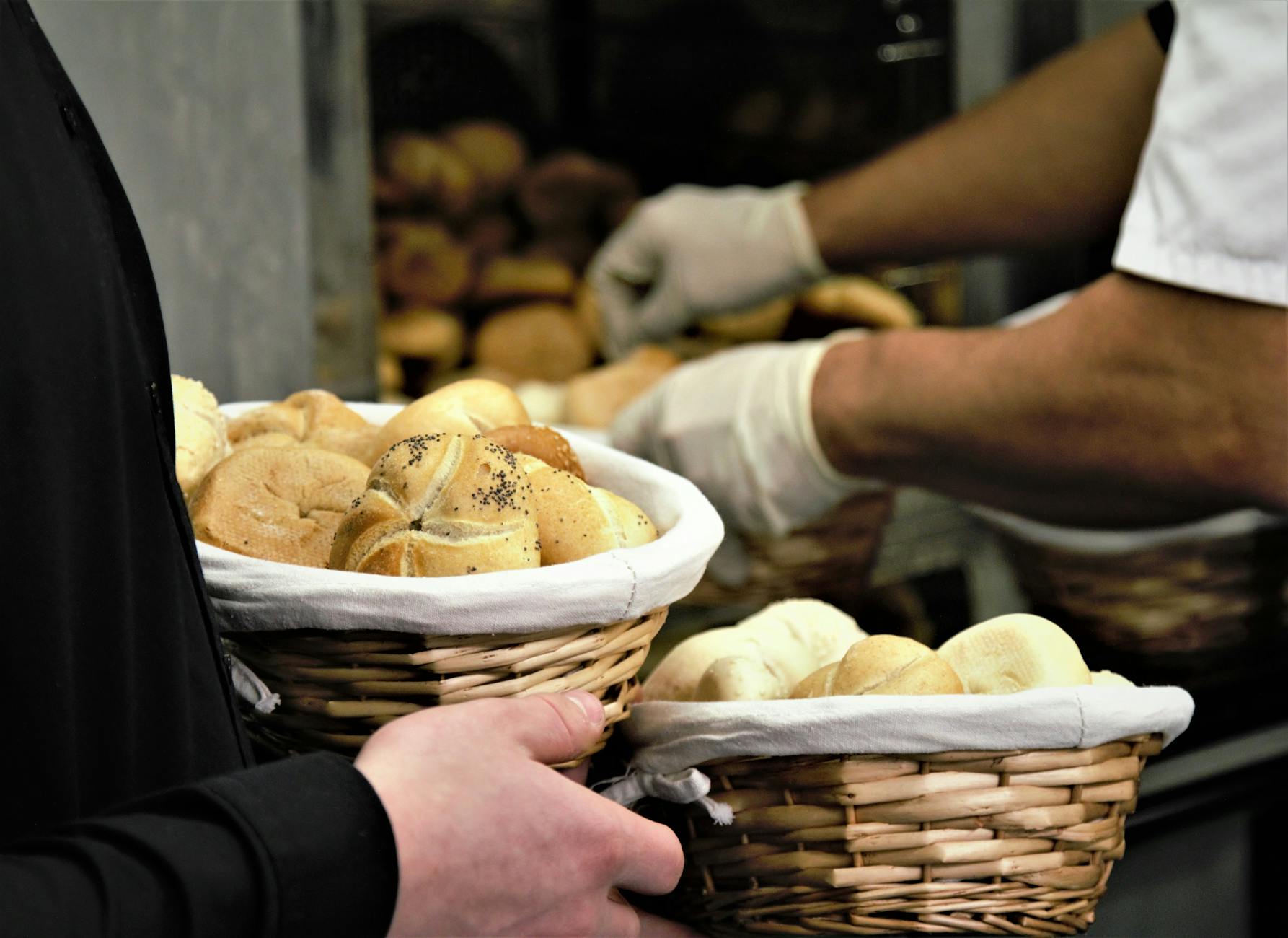
The consumption of bread service in volumes that function as a meal supplement rather than as a palate preparation between courses communicates to service professionals a relationship with the dining experience that is oriented toward maximizing caloric value relative to expenditure rather than toward the culinary experience the establishment is designed to provide. Fine dining bread service is offered as a hospitality gesture and palate preparation that experienced guests consume in modest quantities before their appetite is required for the succession of courses that the kitchen has designed as a complete culinary narrative. Service staff who observe a guest consuming multiple bread baskets across the early portion of the meal develop an accurate predictive model of how the rest of the ordering sequence will proceed in terms of course selection, add-on decisions, and final expenditure. The bread consumption signal is compounded when it is accompanied by requests for additional bread with sufficient frequency to require multiple kitchen trips, creating a visibility within the service environment that extends the communication of the financial signal beyond the assigned waiter to the broader floor team. Bread service etiquette in serious fine dining environments assumes a level of appetite management that treats the bread as a minor prelude rather than as a significant component of the meal’s caloric contribution.
Corkage Fee Negotiation
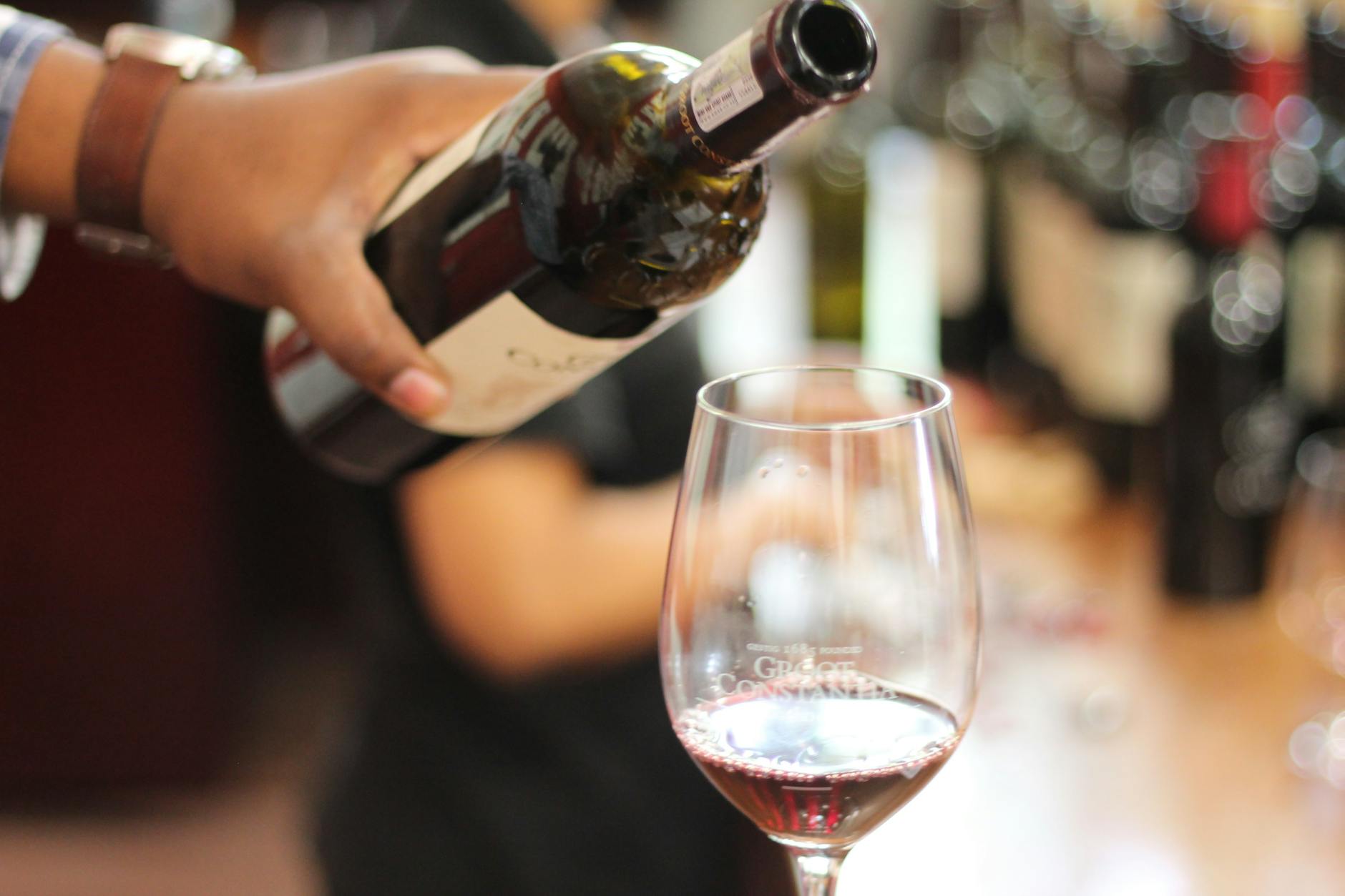
Attempting to negotiate the corkage fee associated with bringing a personal wine bottle to a fine dining establishment communicates a financial orientation that is read by restaurant professionals as fundamentally misaligned with the economic relationship that corkage protocols are designed to manage. Corkage fees exist to partially compensate the establishment for the beverage revenue foregone when a guest brings external wine rather than purchasing from the wine program, and their negotiation is understood by service staff as an attempt to further reduce an already discounted alternative to standard wine service economics. The decision to bring a personal bottle to a fine dining restaurant is itself a financially legible choice that experienced sommeliers and service directors read with equanimity when the bottle is of genuine quality and the corkage fee is accepted without discussion. Negotiation of the corkage fee transforms what might be an acceptable alternative beverage arrangement into a protracted financial discussion that establishes the guest’s economic orientation unambiguously and affects the service team’s investment calculation for the remainder of the meal. Fine dining establishments that publish their corkage fee in advance have established a clear and non-negotiable financial term that its acceptance or rejection communicates precisely.
Doggy Bag Requests
Requesting a take-away container for unfinished food in a fine dining context where the kitchen’s portion philosophy and presentation architecture assumes complete tableside consumption communicates a practical orientation toward food value extraction that is incongruent with the culinary experience the establishment has been designed to provide. Fine dining kitchens calibrate portion size, sauce application, and garnish placement specifically for immediate tableside consumption, and the take-away container request acknowledges this calibration while seeking to extend it beyond the context it was designed for in a way that service professionals read as prioritizing economic value over culinary experience. The cultural legitimacy of doggy bag requests varies significantly across national and regional dining cultures, with American dining culture treating the practice as entirely acceptable across all restaurant categories while European fine dining tradition views it as a significant breach of dining protocol. Service professionals describe the fine dining take-away request as creating a visible awkwardness in the service environment because the logistics of packaging fine dining presentations for transport are incompatible with the kitchen’s operational design in ways that generate behind-the-scenes discussion. The doggy bag request is most acutely legible as a financial signal when it involves sauce components, bread service remnants, and garnish elements that contribute minimally to genuine culinary enjoyment but maximally to the perception of complete value extraction.
Bill Scrutiny Theater

The extended and visibly intense examination of an itemized bill in a fine dining context, conducted with the apparent objective of identifying errors or disputable charges rather than simply reviewing the total, creates a service interaction dynamic that experienced restaurant professionals read as a precursor to financial dispute rather than a standard verification behavior. Fine dining service professionals distinguish between the brief professional review of a bill that confirms totals and the protracted line-by-line examination conducted with visible tension and mathematical verification that signals an intention to identify disputable items. The bill scrutiny theater is compounded when it involves the guest consulting their own written or mental record of individual item prices and comparing them against the presented total in ways that suggest advance preparation for a billing dispute. Service professionals describe the intense bill examination experience as one of the most reliable predictors of a difficult conversation about specific charges, and it affects the emotional and practical orientation of the service staff before the financial discussion has begun. The professional impression created by extended bill scrutiny is most durable when it results in a dispute about a charge that the service team considers standard and clearly disclosed rather than genuinely erroneous.
Happy Hour Timing

Structuring a fine dining visit to arrive immediately when a bar program happy hour begins and departing before transitioning to dinner service communicates an explicit strategy of accessing the establishment’s premium environment at a discounted price point that service professionals read as a deliberate economic calculation rather than a coincidental timing choice. Fine dining establishments that offer early evening bar programs do so as a hospitality gesture and traffic development tool rather than as an invitation to substitute the bar program for the dining experience the establishment exists to provide. Service staff who observe guests occupying premium bar seating through multiple happy hour rounds without transitioning to dinner service develop an accurate assessment of the guest’s financial intention that shapes their service investment and interaction approach throughout the visit. The happy hour timing strategy is most legible as a financial signal when it is accompanied by menu behaviors that further minimize expenditure including multiple rounds of the lowest-priced happy hour items and the absence of any indication of dining intention despite prompts from service staff. The distinction between guests who genuinely prefer a bar-focused visit and those who are structuring their visit around price minimization is read by experienced service staff through a combination of ordering pattern, duration behavior, and responsiveness to dining transition suggestions.
Modification Overload
The extensive modification of menu dishes through the removal, substitution, and addition of individual components to a degree that functionally redesigns the kitchen’s intended preparation communicates a relationship with the culinary offering that fine dining professionals read as disrespectful of the kitchen’s creative intention and operationally burdensome relative to the revenue the modified dish generates. Fine dining menus represent the considered creative output of professional kitchen teams whose dish compositions reflect deliberate flavor architecture, and the systematic deconstruction of those compositions through modification requests communicates a priority on personal preference management over culinary engagement that is incongruent with the fine dining premise. Service professionals distinguish between the legitimate communication of genuine dietary requirements and the habitual modification behavior that applies personal preference editing to dishes regardless of whether any dietary necessity is involved. Kitchen staff who receive heavily modified orders for fine dining preparations describe the experience as professionally frustrating in proportion to the creative investment the original dish represents, and this frustration communicates through the service chain in ways that affect the guest experience. The modification overload signal is most acutely read when it extends across multiple courses rather than being limited to a specific dietary accommodation on a single dish.
Wine by the Glass Maximizing
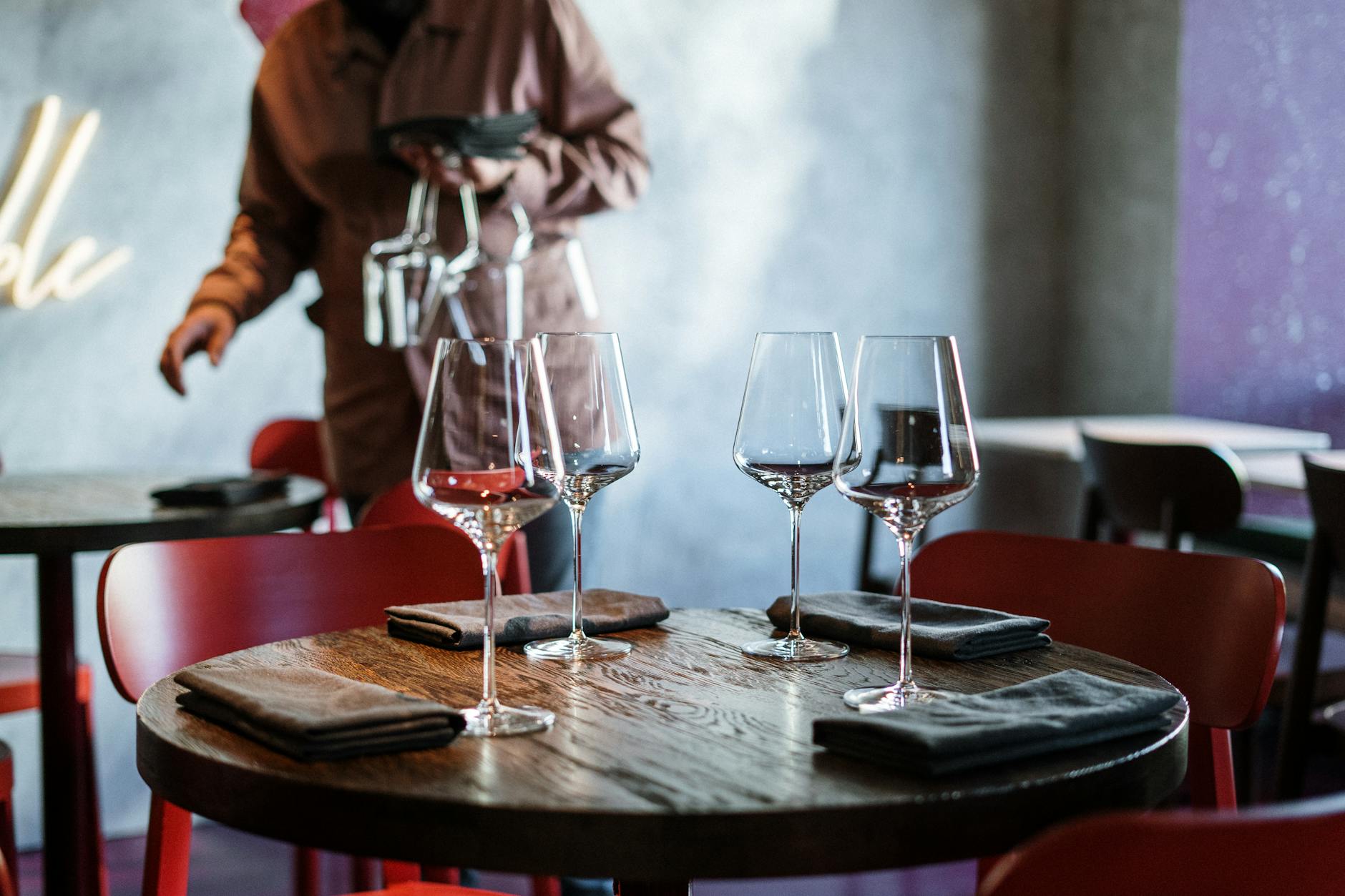
Ordering wine exclusively by the glass while consuming volumes that would generate substantially higher per-unit costs than a bottle purchase communicates a financial calculation that experienced sommeliers identify immediately and read as an attempt to consume premium wine at a managed cost that the bottle pricing structure does not accommodate. Fine dining wine economics are structured around the assumption that guests engaging with the wine program at a meaningful level will transition to bottle service, with by-the-glass options serving specific legitimate purposes including individual preference variation across courses and modest consumption requirements. Sommeliers who observe guests ordering successive glasses of the same wine or high-value wines exclusively by the glass develop an accurate assessment of the economic calculation being applied that affects their service investment and recommendation approach for the remainder of the meal. The by-the-glass maximization strategy is most legible as a financial signal when the combined cost of the glasses consumed exceeds the bottle price of the same wine, a calculation that experienced service professionals make automatically and with visible professional awareness. Guests who engage genuinely with sommelier guidance and allow the wine service to develop according to professional recommendation communicate an orientation toward the culinary experience that by-the-glass maximization as a cost management strategy does not.
Table Duration Overstay
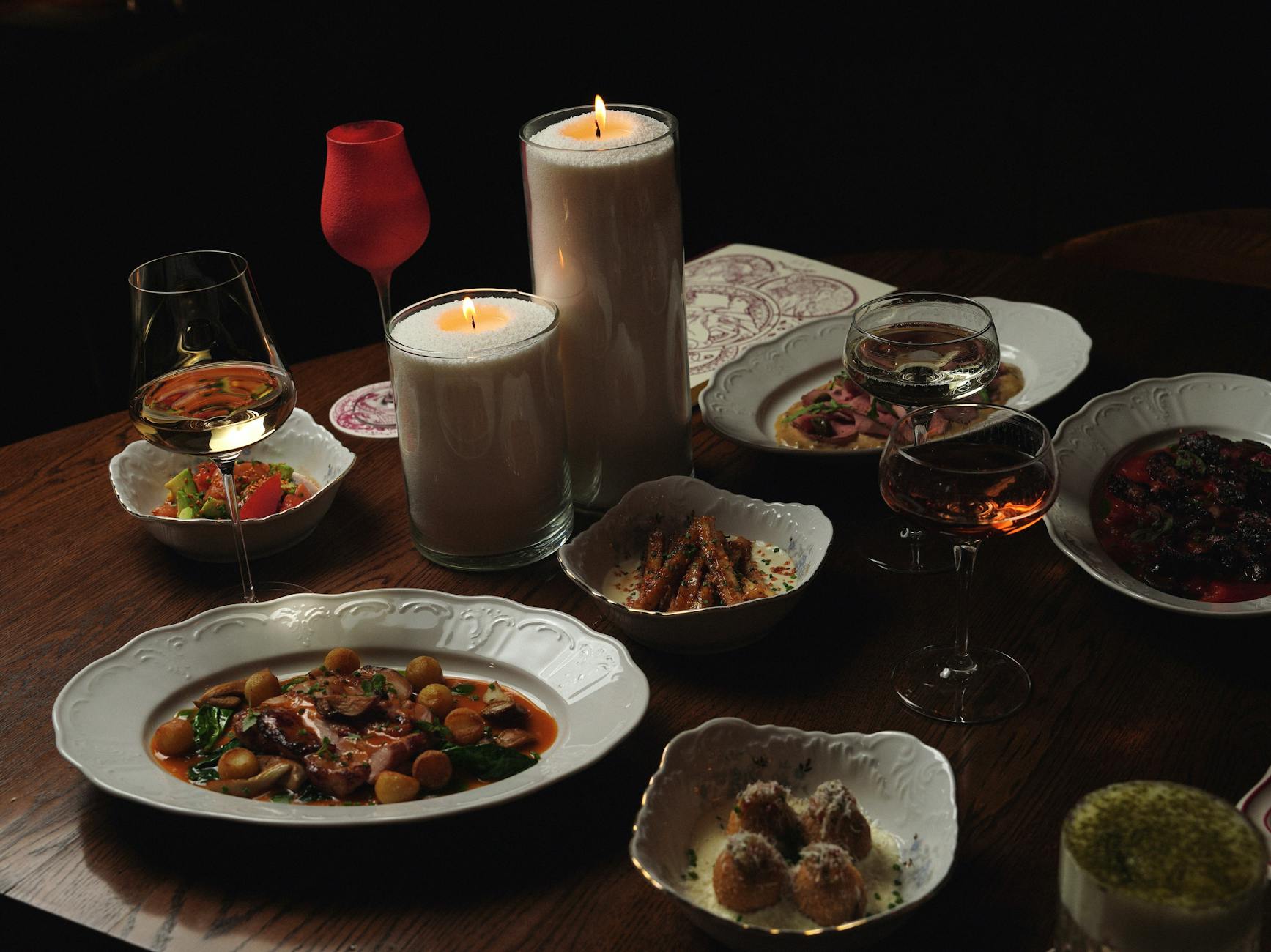
Occupying a fine dining table for a duration substantially beyond the natural conclusion of the meal service without ordering additional courses, beverages, or dessert service communicates a value extraction orientation that service professionals read as directly competing with the table’s revenue potential during the extended occupation period. Fine dining table management operates on the economic assumption that table duration and revenue generation are positively correlated, and the extended occupation of a table after all ordering activity has concluded inverts this relationship in ways that create genuine business harm during high-demand service periods. Service staff approaching tables to inquire about dessert and digestif interest are performing a revenue development function that the extended low-spend table occupation makes increasingly awkward as the duration extends beyond what the culinary consumption would normally require. The table overstay signal is most acutely read in establishments with reservation queues where the occupied table represents a specific known revenue opportunity being foregone in deference to guests who have completed their financial participation in the evening’s service. Fine dining table etiquette assumes a natural correspondence between the depth of the culinary experience and the duration of the table occupation that the extended post-meal lingering of guests who have not extended their dining activity visibly disrupts.
Sommelier Avoidance
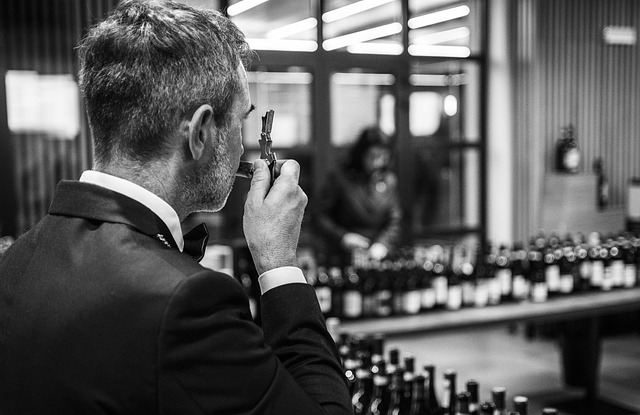
Systematically avoiding engagement with a sommelier’s approach, deflecting wine service consultations, and communicating through body language and verbal signals that wine program participation is not desired communicates a comprehensive beverage revenue opt-out that fine dining service teams read as one of the clearest financial signals available in the early stages of service. Sommelier service in fine dining establishments represents both a genuine hospitality resource and a significant revenue development function, and the consistent deflection of sommelier approach signals an awareness of this dual function combined with a deliberate strategy to avoid the revenue participation it typically produces. Service professionals describe the body language of sommelier avoidance including the physical repositioning away from the approaching sommelier, the preemptive verbal deflection before the consultation has begun, and the studied examination of the menu or table setting that signals unavailability for wine service engagement. The financial significance of sommelier avoidance is amplified in establishments where the wine program represents a substantial portion of the average cover expenditure and where the sommelier’s service investment is calibrated to the revenue development opportunities the table presents. Guests who engage with sommelier consultations even when ultimately selecting modestly priced options communicate a fundamentally different orientation toward the dining experience than those whose avoidance strategy establishes a comprehensive beverage revenue opt-out from the first moments of service.
Dessert Menu Declining
The immediate and preemptive declining of the dessert menu before it has been presented, conducted in a manner that closes the service conversation rather than acknowledging the offer and reviewing the options, communicates a financial calculation to service professionals that the meal has reached its intended expenditure limit and no further course participation is desired. Fine dining dessert service represents a complete creative department in serious establishments whose pastry programs reflect the same investment and professional pride as the savory kitchen, and the preemptive declination before review communicates a lack of engagement with that offering that service professionals read simultaneously as a culinary and financial signal. The manner of dessert declination communicates more precisely than the declination itself, with the guest who reviews the dessert menu thoughtfully before declining creating a fundamentally different impression than the guest whose preemptive refusal communicates advance calculation rather than genuine consideration. Service professionals describe the dessert menu declination sequence as one of the most reliable predictors of the gratuity calculation that follows, given that guests who participate in the full course progression demonstrate an engagement orientation that typically extends to the final financial transaction. The dessert course also provides the service team with a final opportunity to create a memorable impression that influences the overall experience assessment, making its preemptive elimination a service interaction loss as well as a revenue signal.
Complaints for Discounts

The strategic deployment of food quality complaints, service criticism, and environmental grievances specifically timed to coincide with bill presentation rather than occurring at the moment the issue was experienced communicates a financial motivation to service professionals that is read with particular precision given the timing correlation between the complaint and the economic transaction it precedes. Fine dining service professionals distinguish between genuine concerns communicated contemporaneously during service, which they are professionally trained and personally motivated to address immediately, and complaints introduced at the bill stage that have no prior service record and whose timing suggests their primary function is financial negotiation rather than quality feedback. The discount-motivated complaint is most legible when it references issues that would have been immediately apparent during service and whose delayed reporting cannot be explained by social hesitation given the non-confrontational communication opportunities that fine dining service interactions naturally provide. Service directors and managers who are summoned to address bill-stage complaints with no prior service record develop an accurate assessment of the complaint’s motivation within moments of the conversation beginning, and this assessment shapes both their response and their professional record of the interaction. The reputational consequence within a restaurant’s service community of a recognized discount-motivated complaint strategy is disproportionate to whatever financial recovery the approach produces.
BYOB Policy Probing
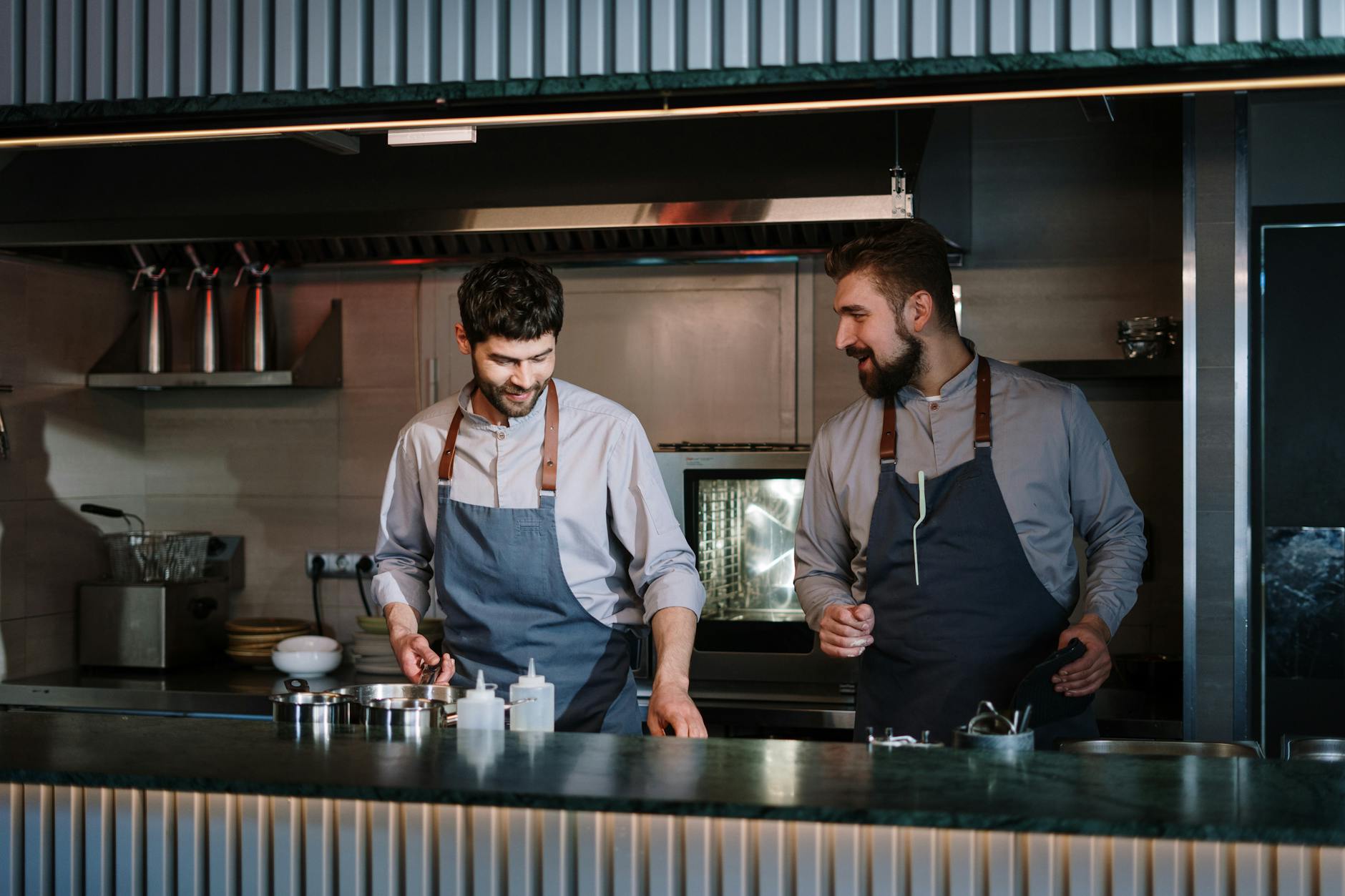
Probing restaurant staff about unofficial bring-your-own-bottle policies, asking whether management might accommodate a personal wine for a special occasion, and inquiring about corkage arrangements in establishments that do not publish a corkage policy communicates a financial orientation toward the beverage program that service professionals read as an attempt to circumvent the wine revenue structure through social leverage. Fine dining establishments with serious wine programs have invested substantially in cellar development, sommelier staffing, and program curation, and informal BYOB inquiries are read by service staff as seeking to access the dining environment without participating in the beverage economics that help make that environment financially sustainable. The BYOB probe is most legible as a financial signal when it is conducted with the framing of a special occasion or personal significance that implies the social request places the restaurant in an awkward position if declined, creating a social leverage dynamic that experienced service directors recognize as a negotiation tactic. Service professionals who field BYOB inquiries in unlicensed or unusual contexts describe the experience as professionally uncomfortable precisely because the social framing of the request creates pressure to accommodate an arrangement that the establishment’s business model does not support. The impression created by a BYOB policy probe is most durable when it precedes a meal where the beverage program participation remains minimal despite the establishment’s standard wine service being available.
Gratuity Calculation Visibility

Conducting a visibly laborious gratuity calculation on a personal device, on paper, or through audible mathematical deliberation in a fine dining context communicates a financial scrutiny of the service transaction that experienced restaurant professionals read as indicative of a below-standard gratuity outcome before the calculation has been completed. Fine dining service professionals develop calibrated expectations for gratuity outcomes based on the accumulated behavioral signals of a table’s service interaction, and the visible gratuity calculation represents the final confirmation of the financial orientation that preceding behaviors have established. The social visibility of the gratuity calculation process affects not only the assigned waiter but the broader service team who contributed to the meal experience and whose compensation participation depends on the generosity of the primary gratuity. Service professionals distinguish between the brief and confident gratuity entry of guests whose financial orientation has been generous throughout the meal and the extended deliberation of guests whose calculation process suggests a mathematical optimization rather than a generous acknowledgment of service quality. The gratuity calculation visibility signal is most acutely read when it follows a service interaction where the service team’s investment has been demonstrably high, creating a professional dissonance between the quality of service provided and the apparent laboriousness of the financial acknowledgment being calculated.
Table Photograph Excess
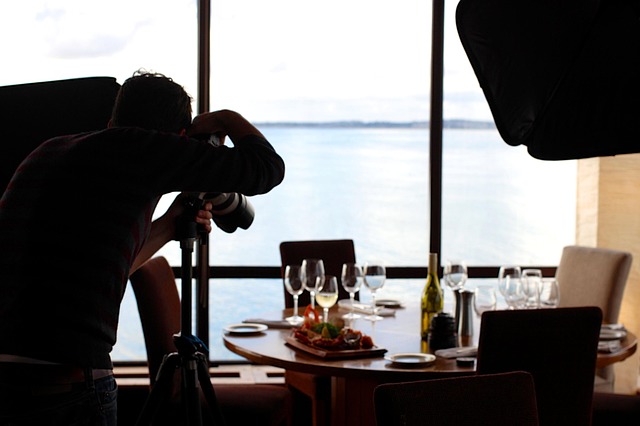
The extended occupation of the dining experience with food photography conducted with the intensity and duration of a professional editorial shoot communicates a relationship with the dining occasion that service professionals read as prioritizing social media content production over the culinary experience the establishment exists to provide, with financial implications for table management and service sequencing. Fine dining kitchens time course delivery to specific temperature and presentation windows that extended photography delays compromise, and the service staff who observe photographic sessions extending beyond the reasonable documentation of a meal develop an accurate assessment of the guest’s primary relationship with the dining occasion. Service professionals describe the management of photography-delayed course timing as one of the more operationally challenging service adaptations required by contemporary dining culture, given that hot preparations cooled during photography sessions generate the quality complaints that the kitchen’s timing was specifically designed to prevent. The photography excess signal is compounded when it involves directorial requests to service staff including repositioning of table elements, requests for additional lighting, and instructions to delay course delivery for photographic convenience that impose service team labor costs beyond those generated by the meal itself. Fine dining establishments that maintain no-photography policies do so in recognition of the operational and atmospheric disruption that intensive table photography creates, communicating through the policy a prioritization of the culinary experience over its social media representation.
Early Check Request
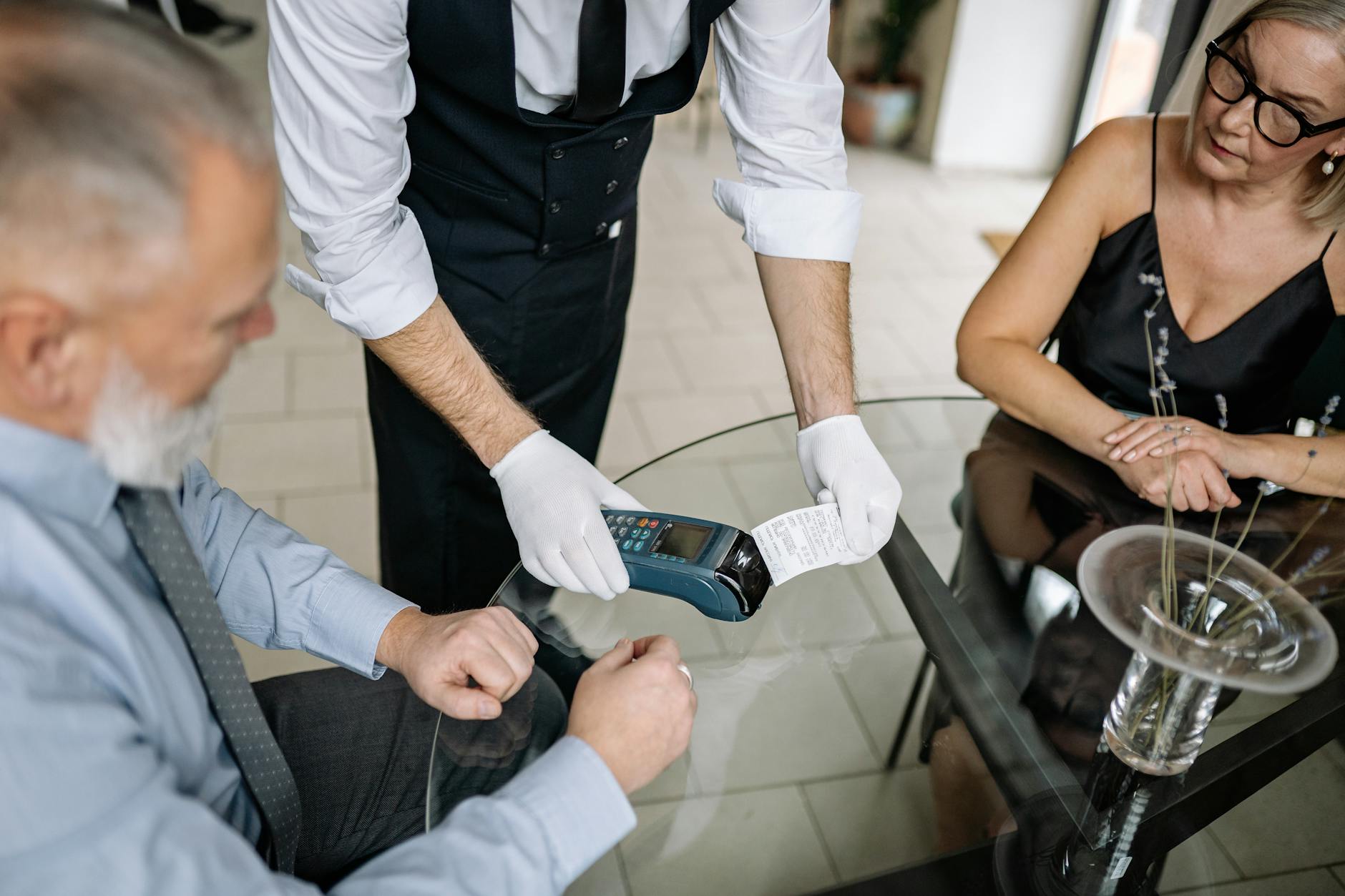
Requesting the bill before the natural conclusion of the service interaction, specifically before dessert and digestif service has been offered, communicates a financial and temporal orientation to service professionals that is read as a deliberate truncation of the revenue progression that fine dining service architecture assumes. The early check request is most legible as a financial signal when it occurs at the completion of the main course before the service team has had an opportunity to present the dessert and after-dinner program that represents the final revenue category of the standard fine dining sequence. Service professionals describe the early check request as creating a service interaction dynamic where the financial conclusion of the meal is introduced before the culinary conclusion has been reached, inverting the natural sequence in a way that reflects a priority on limiting expenditure over fully experiencing the establishment’s complete offering. The early check request is distinguished from the entirely legitimate communication of time constraints by experienced service professionals through the absence of time-related explanation and the behavioral signals accompanying the request that indicate economic rather than scheduling motivation. Fine dining protocol assumes a natural conclusion to the service progression that the early check request interrupts in ways that are read as financially motivated when unaccompanied by the social context that would justify departing before the complete service offering has been extended.
Asking for Free Items

Requesting complimentary items including additional bread service, extra sauce portions, supplementary garnishes, and kitchen additions not listed on the menu communicates a value maximization orientation to service professionals that is read as financially motivated in proportion to the frequency and specificity of the requests. Fine dining kitchens operate with calibrated portion philosophies that treat the presented dish as a complete composition rather than a starting point for supplementary addition, and requests for additional components communicate a relationship with the kitchen’s creative output that service professionals read as prioritizing quantity over composition. The free item request is most legible as a financial signal when it extends across multiple categories during a single service interaction, establishing a pattern of supplementary acquisition that service professionals recognize as a comprehensive value extraction strategy rather than a specific genuine need. Service staff distinguish between the request for additional bread that reflects genuine enjoyment of the bread program and the systematic request for every available complimentary item that reflects a cost-per-calorie optimization calculation. The impression created by extensive free item requests in fine dining contexts is compounded by the operational labor they generate for kitchen and service staff relative to the revenue contribution of the table making the requests.
Wine Dilution
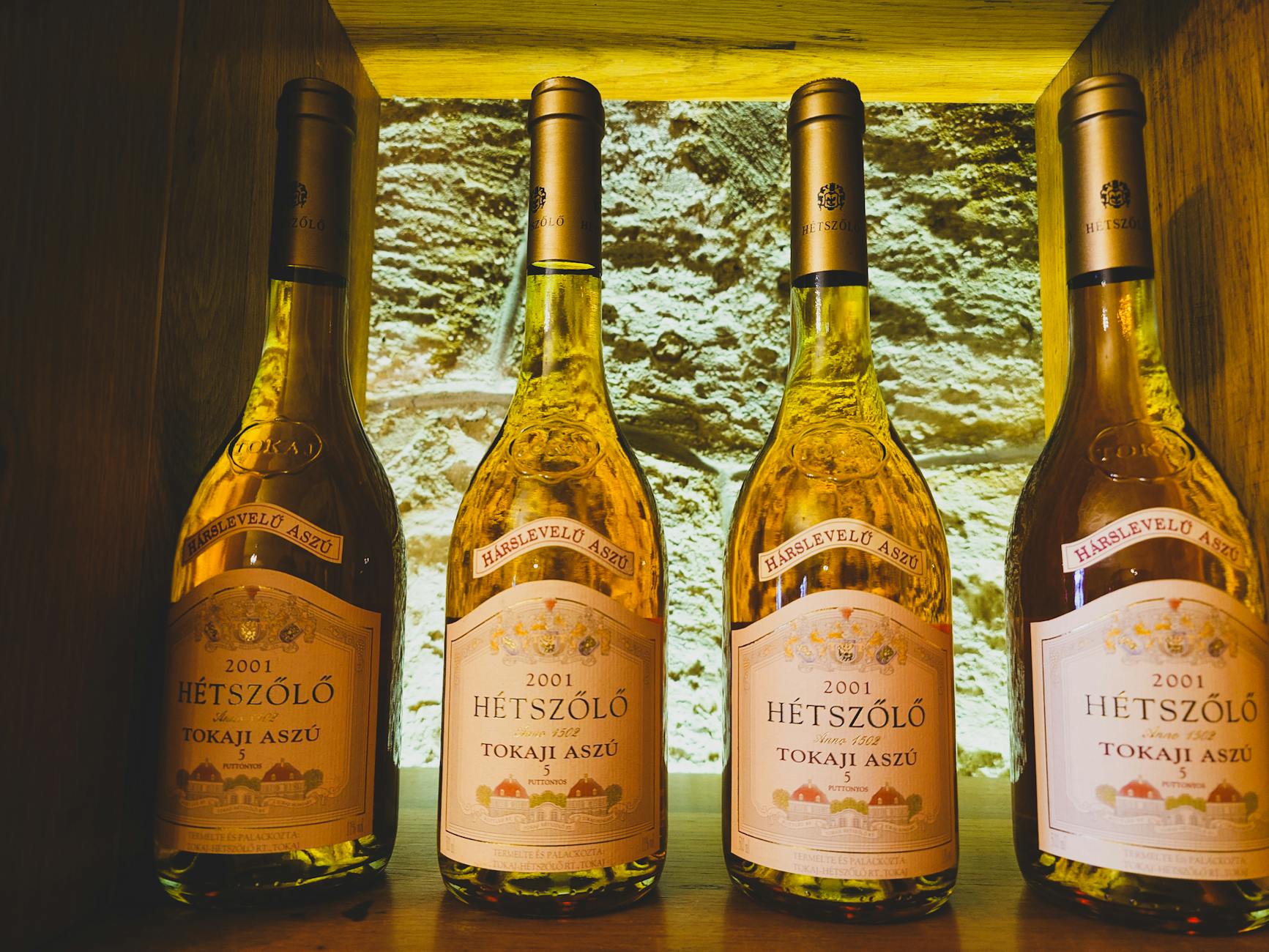
The addition of water, ice, or mixer to a glass of wine in a fine dining context communicates a relationship with the wine program that sommeliers and service professionals read as fundamentally incompatible with genuine wine engagement while simultaneously signaling a financial motivation to extend the volume of the purchased pour. Fine dining wine service assumes a guest relationship with wine that treats the presented pour as a calibrated beverage experience rather than as a starting material to be modified according to personal taste, and the addition of adulterants to a fine dining wine pour is read as one of the most acute signals of wine program misalignment available to service professionals. Sommeliers who observe wine dilution develop an immediate and accurate assessment of the guest’s relationship with the wine program that affects their subsequent service investment and recommendation approach for the remainder of the meal. The wine dilution behavior is most acutely read when it involves wines of genuine quality and price significance rather than modest table wine, as the disconnect between the expenditure on a quality wine and its subsequent dilution communicates a financial motivation to justify the purchase through volume extension rather than quality appreciation. Fine dining establishments whose service teams observe wine dilution behavior universally describe the experience as one of the more professionally disorienting service interactions they encounter given the incongruence between the premium beverage context and the dilution practice.
Negotiating Service Charges

Attempting to negotiate, contest, or remove mandatory service charges and suggested gratuities from a fine dining bill communicates a financial orientation toward the service transaction that restaurant professionals read as the culmination of the behavioral signals that preceded it across the service interaction. Service charges in fine dining establishments are typically structured as partial compensation for the extensive labor investment of the service team whose contribution to the dining experience extends well beyond the visible tableside interactions to include pre-service preparation, wine program management, kitchen communication, and post-service duties. The negotiation of service charges creates a service interaction dynamic where the financial acknowledgment of the service team’s contribution is contested rather than accepted, which service professionals describe as one of the more professionally deflating experiences in the fine dining service context. Fine dining establishments that apply automatic service charges do so in recognition of the inadequacy of discretionary gratuity as a compensation mechanism for service teams whose labor investment per cover is substantial regardless of individual table generosity. The guest who contests a mandatory service charge while citing the quality of service as justification creates a particularly acute professional impression because the subjective service quality assessment is introduced in the context of a financial negotiation whose outcome primarily affects the income of the service staff being assessed.
Have you ever unknowingly committed one of these fine dining faux pas? Share your thoughts in the comments.




