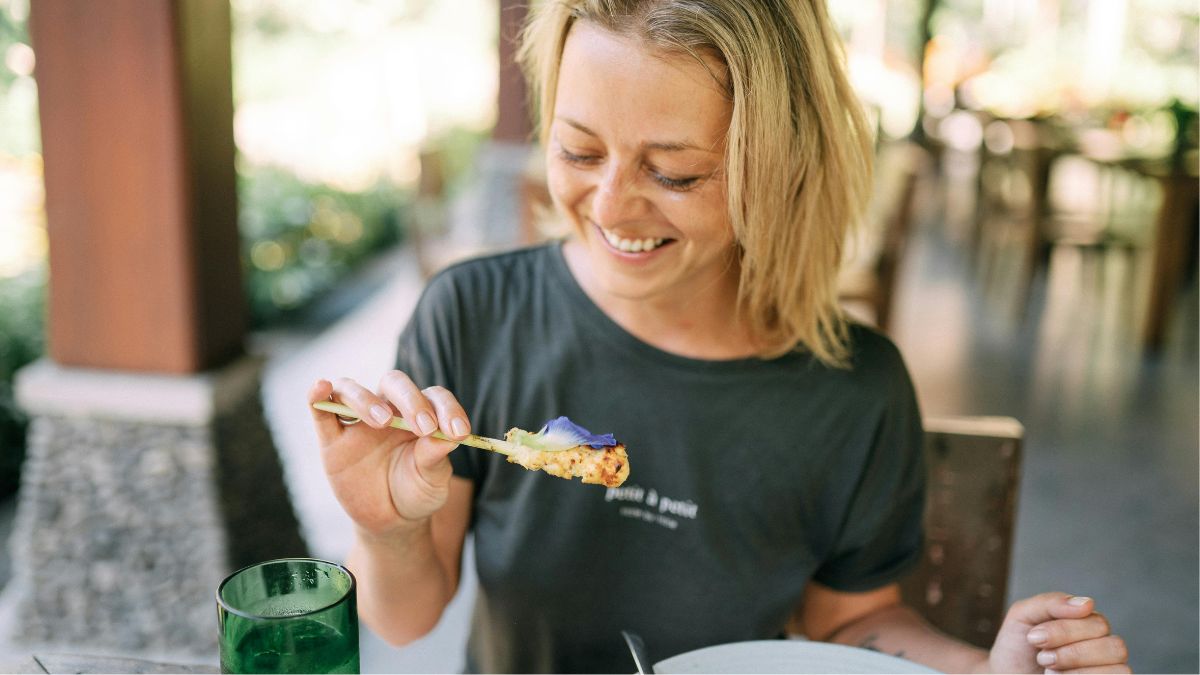
Dining out is one of life’s great pleasures, but the experience is far more engineered than most people realize. Restaurants are sophisticated businesses that use a range of psychological, culinary, and design tactics to serve lower-cost ingredients while maintaining the illusion of quality and value. From the language on the menu to the lighting in the room, every detail has been carefully considered to shape perception and protect profit margins. Understanding these strategies does not ruin the experience but it does empower diners to make more informed choices. Here is a closer look at the ways your favorite restaurants may be quietly cutting corners without you ever noticing.
Menu Engineering
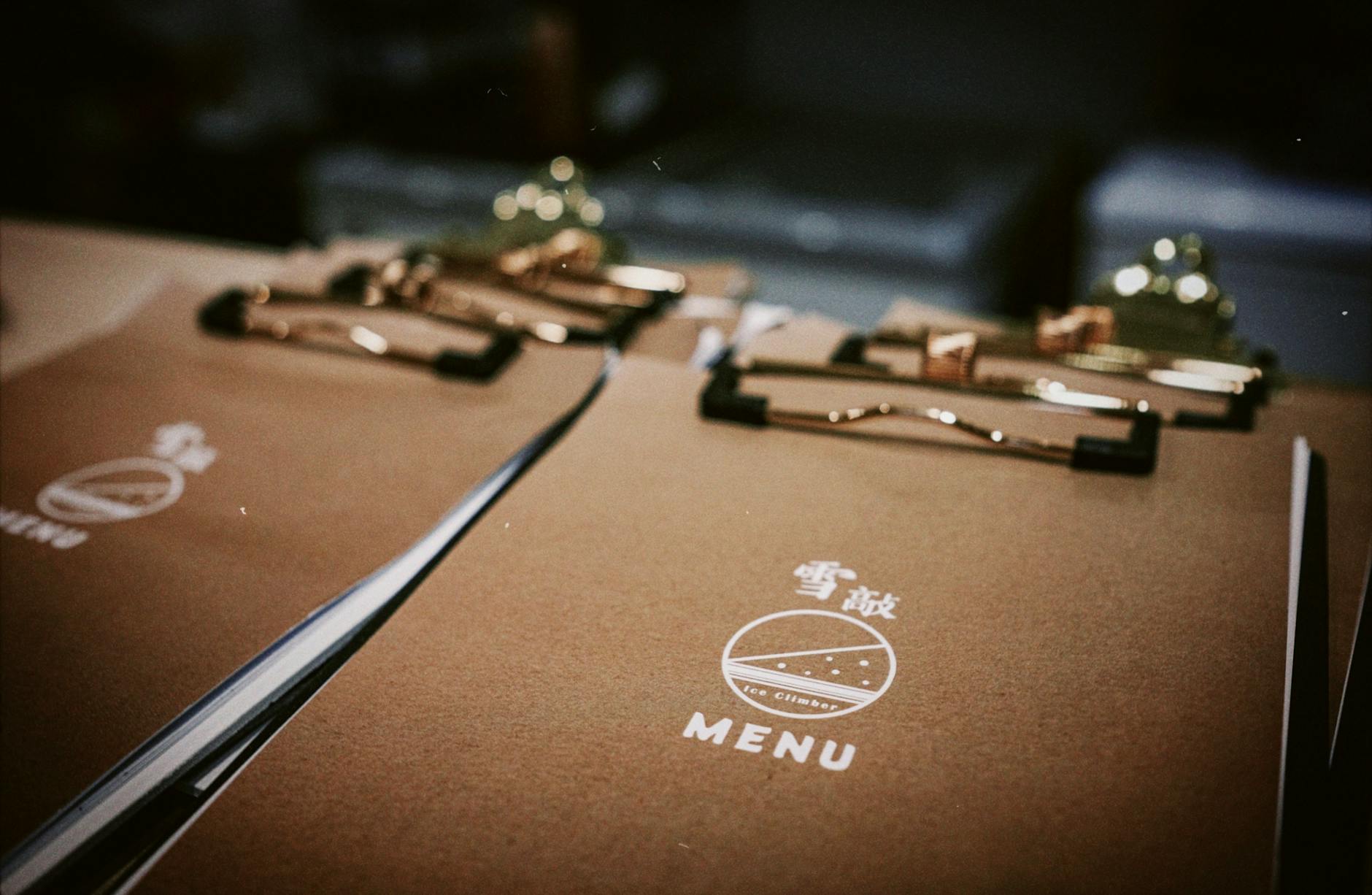
Restaurant menus are carefully designed documents built to steer diners toward high-margin items rather than the best-value choices. Expensive dishes are often placed at the top right corner of the page where the eye naturally lands first, making them feel like the obvious choice. Decoy pricing plants one or two extremely high-priced items so that mid-range dishes suddenly appear reasonable by comparison. Descriptive language like “house-crafted” or “artisan-style” adds perceived value to dishes built from ordinary ingredients. The absence of currency symbols is also deliberate, as research shows diners spend more when prices appear without dollar signs.
Bread Baskets
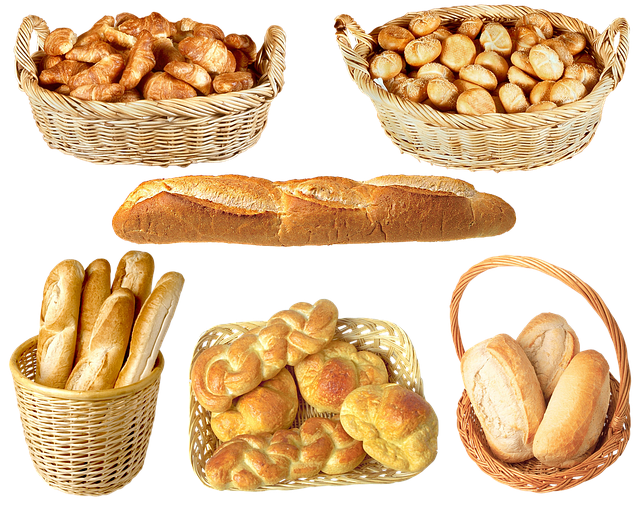
Complimentary bread is one of the oldest cost-control tools in the restaurant playbook. Filling diners up on inexpensive carbohydrates before the meal arrives reduces the likelihood that they will order additional sides or appetizers. The bread itself typically costs the restaurant very little, especially when sourced in bulk or partially baked in-house from frozen dough. Salt content in pre-meal bread is often elevated, which stimulates thirst and increases beverage sales. What feels like generosity is actually a calculated move to manage food costs throughout the rest of the meal.
Lighting and Ambience
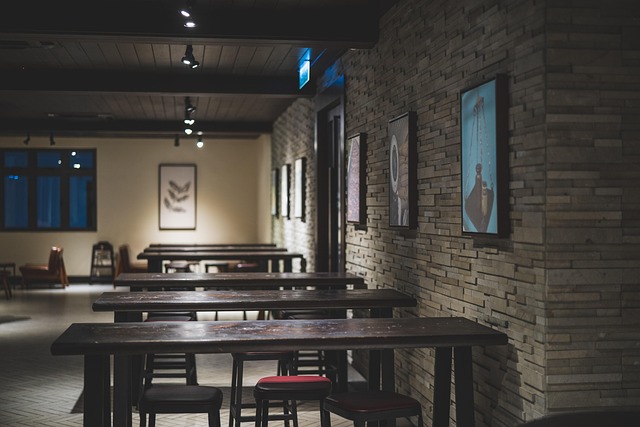
Dim lighting does far more than create atmosphere in a restaurant setting. It subtly obscures the true appearance of food, making portions look larger and ingredients appear fresher than they might be in full light. Studies have shown that people eat faster and consume more calories in brightly lit spaces, while soft lighting encourages slower dining and higher beverage consumption. The music tempo is also calibrated, with faster beats encouraging quicker table turnover during busy periods. These environmental cues work together to shape the entire dining experience in ways that benefit the restaurant’s bottom line.
Sauce and Seasoning
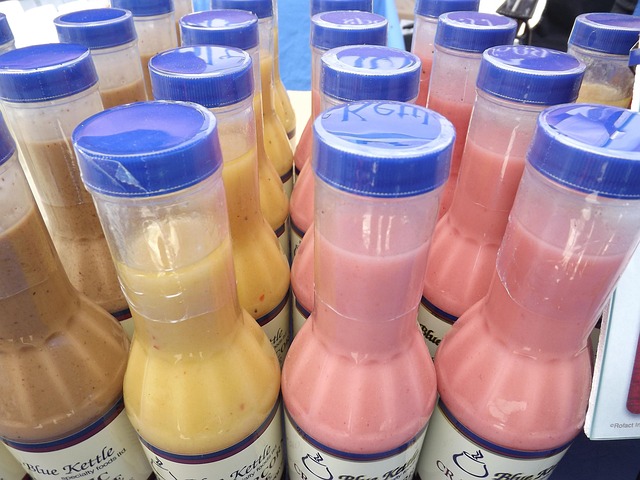
Heavy sauces, glazes, and seasoning blends are among the most effective tools for masking the quality of underlying ingredients. A rich béarnaise or a deeply spiced jus can transform a lower-grade cut of meat into something that tastes premium and complex. Sodium is used liberally not just for flavor but because it triggers the brain’s reward pathways, making dishes feel more satisfying and craveable. Umami-boosting additives such as yeast extracts and flavor enhancers are common in restaurant kitchens and rarely disclosed on menus. Diners often associate bold flavor with quality, even when the two are entirely unrelated.
Portion Illusion
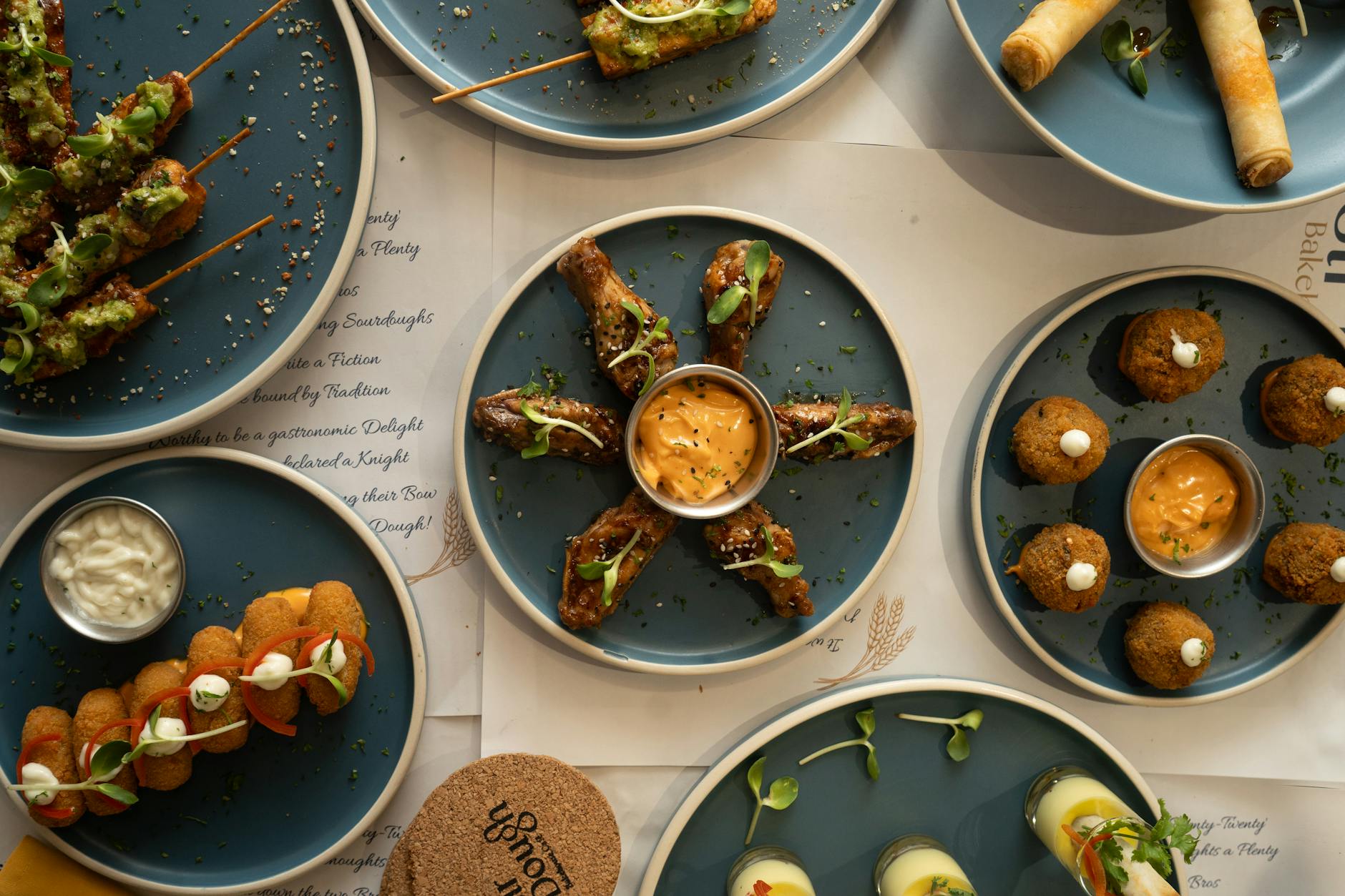
Plate size and presentation style are chosen specifically to manipulate perceptions of portion size and value. Smaller portions served on large plates with elaborate garnishes can make a modest amount of food appear generous and thoughtfully prepared. Tall stacks, dramatic drizzles, and carefully placed microgreens shift attention to presentation rather than quantity. Many restaurants also use oval or unusually shaped plates that make the food difficult to measure visually. By the time the meal is finished, diners often feel satisfied with far less food than they would have noticed on a standard plate.
Seasonal Menus
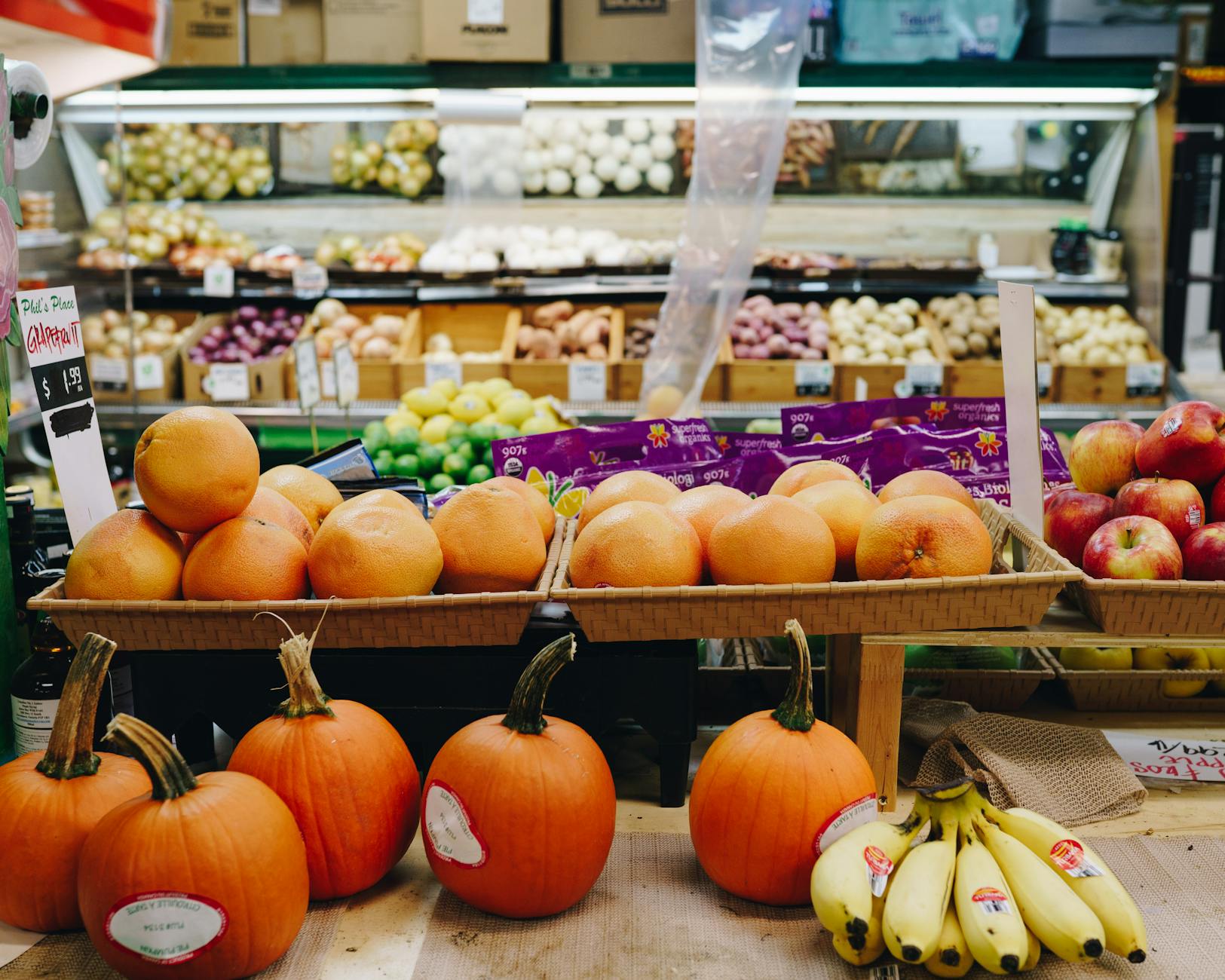
Rotating seasonal menus are marketed as a commitment to freshness and local sourcing, but they serve an equally important financial function. Featuring whatever produce or protein is currently cheapest on the market allows kitchens to protect margins without diners ever knowing the motivation. A dish described as “spring harvest” or “market fresh” sounds premium but may simply reflect what was most affordable at wholesale that week. Frequent menu changes also prevent customers from building strong price comparisons over time. The narrative of seasonality adds perceived value while the kitchen quietly maximizes efficiency.
Upselling Scripts
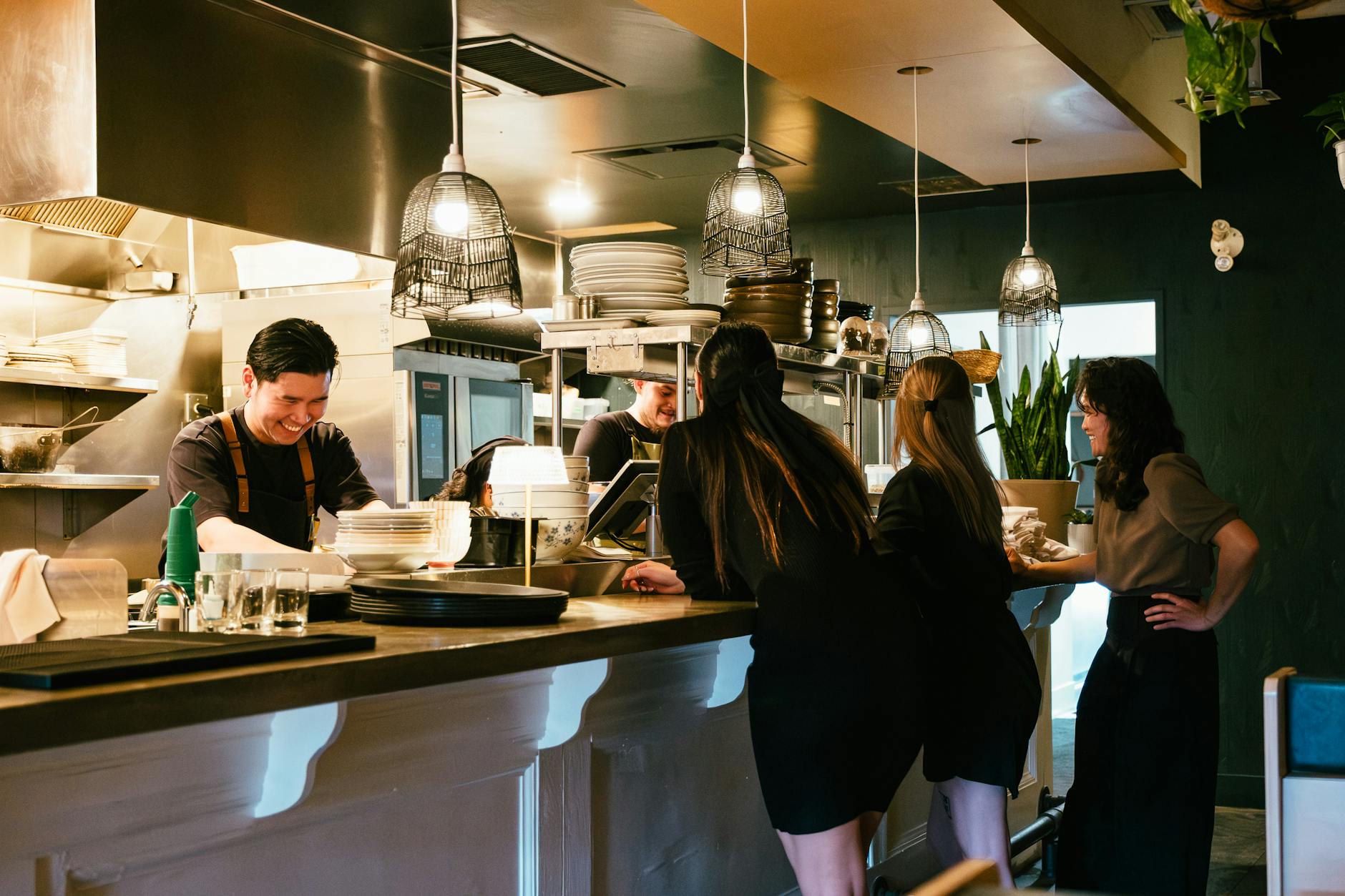
Restaurant staff are typically trained with specific scripts designed to increase the average spend per table through strategic upselling. Suggestions like “would you like to add a side?” or “our chef recommends starting with…” are not spontaneous but rehearsed conversational nudges. Premium bottled water is offered before tap water is mentioned, and wine pairings are proposed for dishes that pair just as well with something affordable. Servers are often incentivized with bonuses or recognition for hitting upselling targets each shift. These interactions feel personal and helpful, but they follow a deliberate structure designed to lift the final bill.
Frozen Ingredients
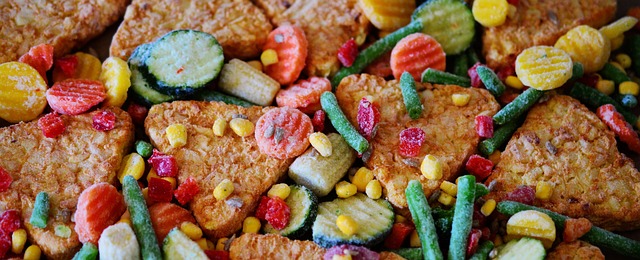
A significant portion of restaurant kitchens rely heavily on frozen or pre-prepared ingredients that arrive ready to finish rather than cook from scratch. Soups, sauces, desserts, and even proteins are frequently sourced from commercial suppliers and finished with minor additions in-house. The use of terms like “house-made” can be technically accurate even when the base ingredient arrived frozen and required minimal preparation. Because freezing and proper handling preserve flavor effectively, the difference is often undetectable to the average diner. Restaurant margins depend heavily on the efficiency and consistency that pre-prepared ingredients provide.
Cheap Protein Swaps
Many popular dishes are quietly built around less expensive protein cuts or species that are presented under more appealing names. Scallops made from compressed fish or cheap shellfish are sometimes used in place of the genuine article in lower-end establishments. “Steak tips” and “chef’s cuts” are often off-cuts and trimmings that would otherwise go to waste, rebranded as rustic or hearty options. Chicken thigh is frequently substituted for breast in dishes where the difference is difficult to detect beneath sauce or breading. These swaps are rarely dishonest in a legal sense but they do rely on the diner’s limited familiarity with sourcing and preparation.
Vegetable Fillers
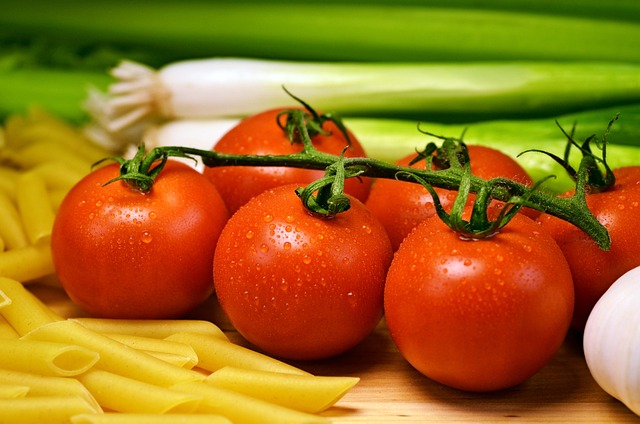
Bulk and volume in restaurant dishes are often achieved through the generous use of inexpensive vegetables and starches that pad out smaller amounts of premium ingredients. A seafood pasta may contain far more pasta than seafood, with the expensive element present mainly for flavor and marketing. Rice, lentils, beans, and root vegetables are rotated into dishes as affordable carriers for sauces and seasonings that do the real flavor work. In many cuisines, this approach is culturally authentic and nutritionally sound, but it is also financially motivated. Diners rarely object because the dishes feel generous and satisfying even when the headline ingredient is used sparingly.
Fancy Descriptions
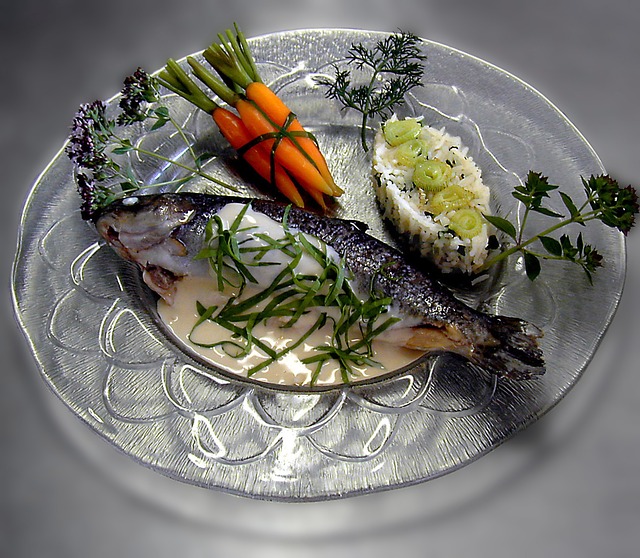
Menu language is a form of persuasion that has a measurable effect on how much diners are willing to pay for a dish. Research has consistently shown that descriptive menu copy increases both perceived quality and actual spending compared to plain ingredient lists. “Slow-braised heritage pork belly with roasted root vegetables” commands a higher price and higher expectations than “pork and potatoes” regardless of what appears on the plate. Words like “hand-crafted,” “small-batch,” and “heritage” carry strong connotations of care and quality that are rarely verified. Kitchens understand that the story surrounding a dish is as important as the dish itself.
Signature Cocktails
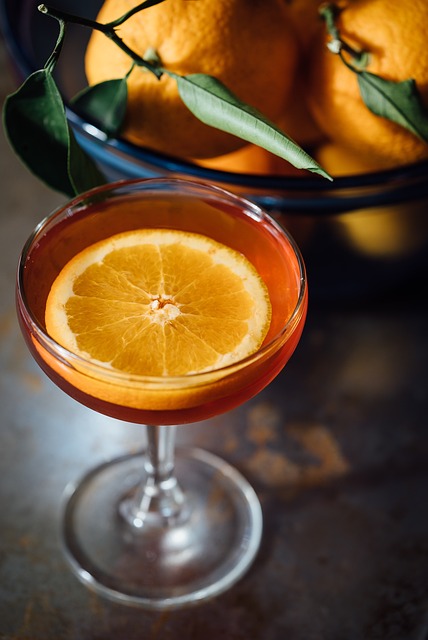
Proprietary cocktail menus are a high-margin element of the dining experience that restaurants invest in heavily for financial rather than purely creative reasons. House spirits purchased at bulk wholesale rates are mixed with inexpensive juices, syrups, and garnishes to create drinks that can be sold at three to five times their production cost. Giving a cocktail an exclusive name tied to the restaurant reinforces the idea that it cannot be replicated or compared with drinks elsewhere. Elaborate presentation with custom ice, edible flowers, and branded glassware inflates perceived value without significantly increasing cost. Diners are far less price-sensitive about cocktails than food, making them an efficient vehicle for margin.
Kids’ Menus

Children’s menus are among the lowest-cost offerings in any restaurant while also being some of the most reliably ordered. Chicken nuggets, pasta with butter, and grilled cheese sandwiches use minimal and inexpensive ingredients that require little preparation time or skill. Because children are unlikely to notice or care about ingredient quality, restaurants face no pressure to use anything above the most economical option available. Parents focused on keeping children happy rarely scrutinize what goes into a children’s dish the way they might their own. The simplicity of these menus maximizes kitchen efficiency and keeps food costs extremely low relative to price.
Dessert Psychology
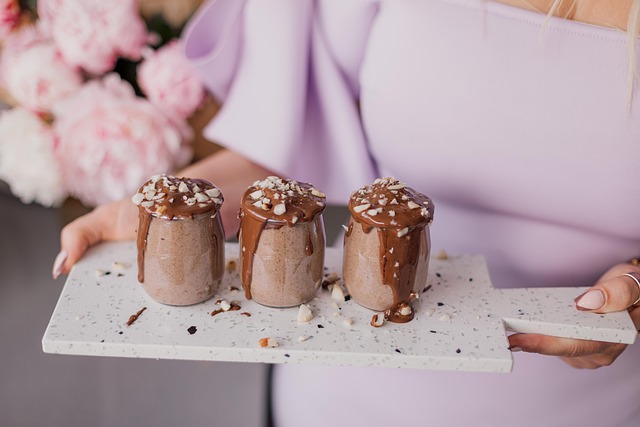
Desserts are presented at the end of a meal specifically because research shows that diners are more susceptible to impulse purchases when they are relaxed and socially engaged. Many dessert components such as chocolate sauce, pastry shells, and fruit compotes are produced in large batches from inexpensive base ingredients and portioned out across dozens of orders. Plating drama through towers, flames, and theatrical pours creates a sense of spectacle that justifies a high price point regardless of ingredient cost. Sharing desserts are marketed as a lighter choice but often carry the same margin as individual portions. The emotional satisfaction of ending a meal on something sweet makes diners less critical of what they are actually spending.
Tableside Theater
Tableside preparation rituals such as Caesar salad tossing, cheese grating, or sauce finishing exist primarily to create perceived value rather than improve the dish itself. The ingredients involved in these performances are almost always the most economical components of the meal, transformed into a premium experience through showmanship. Diners who witness preparation feel more invested in and impressed by the dish, which increases satisfaction scores and reduces complaints regardless of actual ingredient quality. This theater also distracts from portion size and shifts focus toward the experience of dining rather than the food itself. Restaurants that invest in tableside service benefit from higher tips, stronger reviews, and greater willingness to return.
Happy Hour Traps
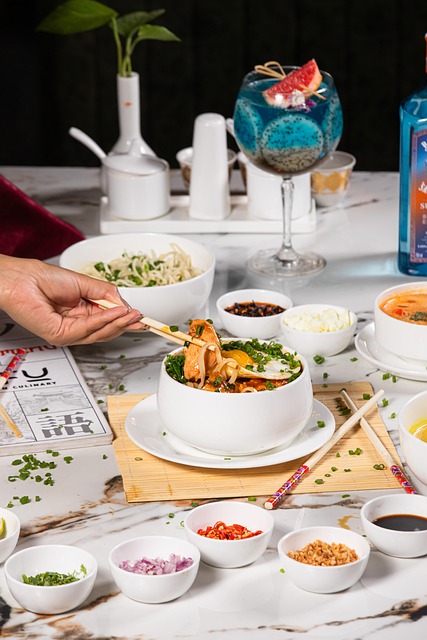
Happy hour promotions are carefully constructed to appear generous while reliably increasing overall spend per customer. Discounted drinks are offered during slower periods to drive foot traffic, but the deals are engineered so that diners almost always order food alongside them. The food items featured during happy hour are typically the highest-margin dishes in the kitchen, chosen specifically because their low cost offsets the discounted beverage revenue. The relaxed and social atmosphere of happy hour lowers inhibitions around spending, making additional rounds and appetizers feel like small indulgences rather than expenses. By the time the check arrives, the average happy hour customer has often spent more than a standard dinner guest.
Restaurant Week
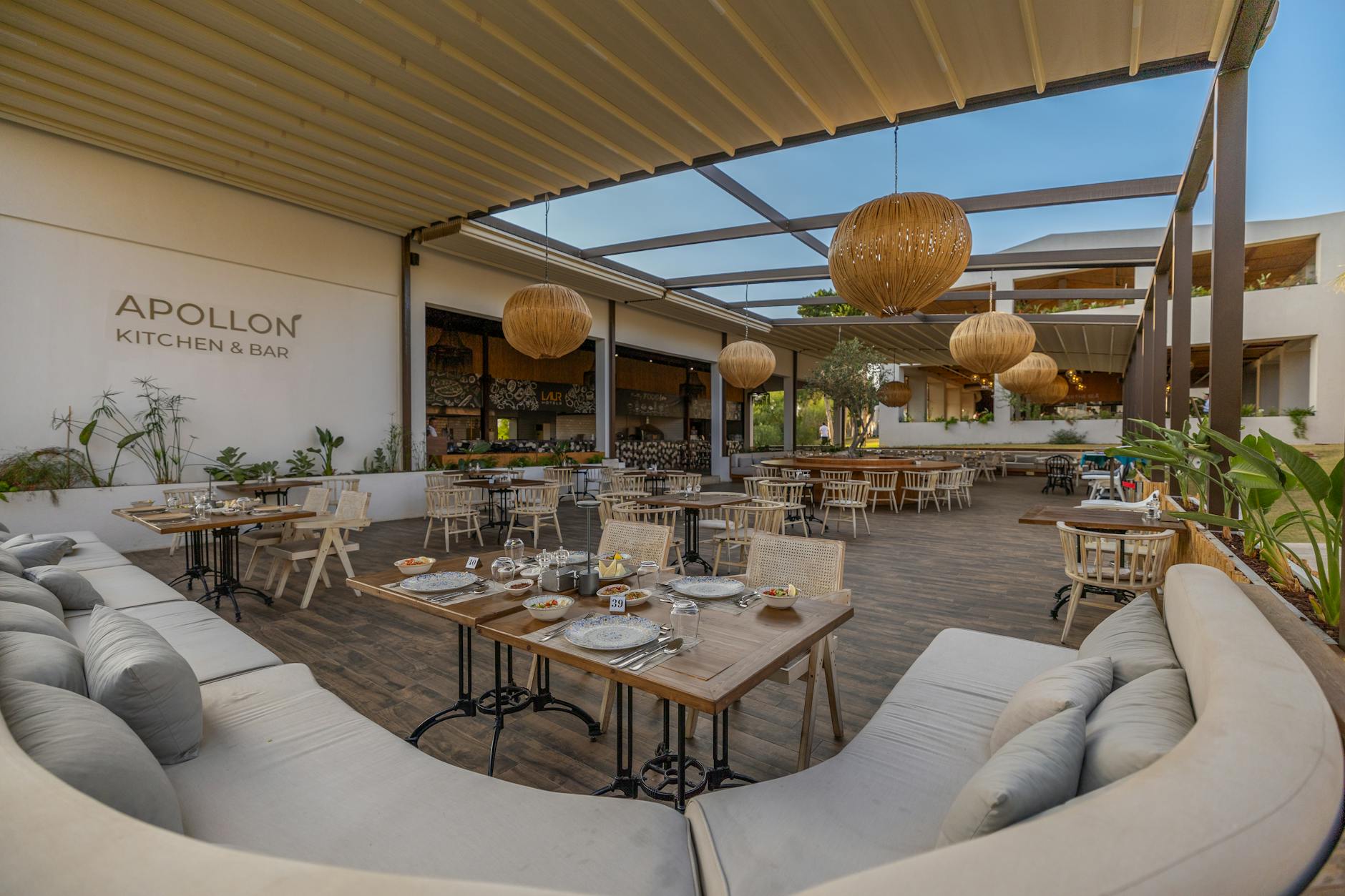
Restaurant week events position participating establishments as accessible and community-minded, but the prix fixe menus offered are constructed with profit margins firmly in mind. Kitchens typically feature dishes built around the least expensive proteins and produce available that week, presented under appealing seasonal language. Beverages, which carry the highest margins in any restaurant, are excluded from the fixed price, making upselling during the meal straightforward and effective. New diners attracted by the promotional price often spend considerably on drinks and upgrades that bring the final bill well above the advertised amount. The event functions as a powerful marketing tool that introduces new customers to the restaurant while maintaining strong financial discipline behind the scenes.
What tricks have you spotted at your favorite restaurants? Share your experiences and thoughts in the comments.




