Strict design guidelines often lead to spaces that feel sterile or resemble showrooms rather than actual living spaces. Breaking away from traditional decorating mandates allows your personality to shine through the aesthetics. A truly cozy home prioritizes comfort and authentic expression over rigid adherence to a rulebook. Embracing imperfection often results in a warmer and more inviting atmosphere for everyone who enters.
Mixing Metal Finishes

Mixing metals was once considered a major design mistake but now offers a curated look. Silver and gold tones work together to create visual interest throughout the kitchen or bathroom. This approach adds a layer of depth that monochromatic hardware simply cannot achieve. It allows for flexibility when choosing light fixtures and accessories over time.
Asymmetrical Balance

Perfect symmetry often feels rigid and museum-like rather than welcoming. Asymmetrical arrangements allow the eye to wander naturally across the room. Balancing a large sofa with two distinct chairs creates a dynamic conversation area. This technique reflects the organic imperfection found in nature.
Painted Ceilings

Painting the ceiling the same color as the walls creates a cozy and enveloping atmosphere. This technique blurs the boundaries of the room and makes the space feel infinite. It works particularly well in bedrooms or libraries where intimacy is the primary goal. A saturated ceiling color draws the eye upward and adds unexpected drama.
Mismatched Furniture
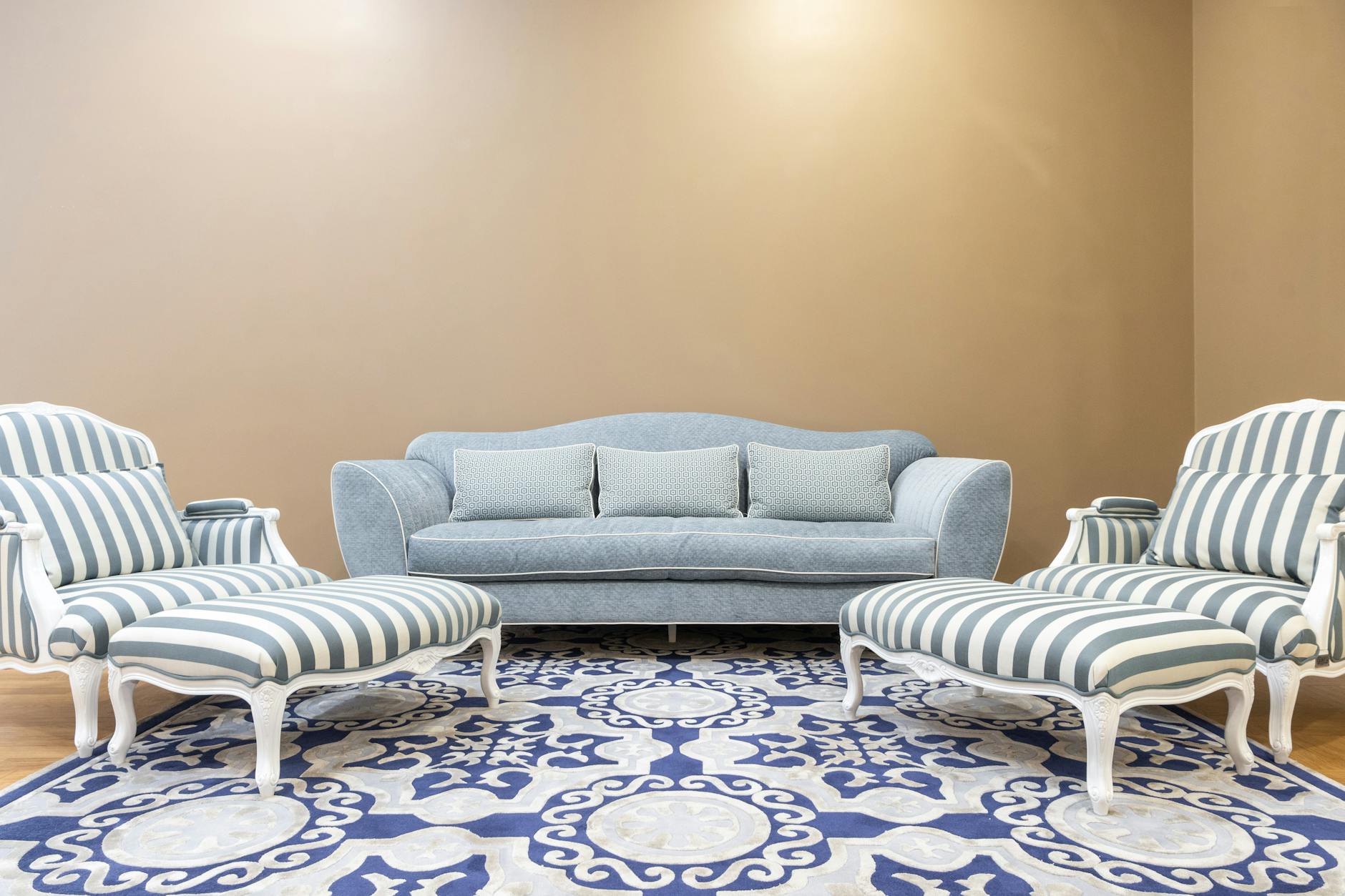
Buying a complete bedroom or living room suite creates a showroom appearance that lacks personality. Curating individual pieces from different sources tells a story about the inhabitants. Combining a vintage armchair with a modern sofa builds a layered aesthetic. This method allows for slow collecting and results in a more authentic home environment.
Dark Colors in Small Rooms

Deep hues are often feared for making small spaces feel claustrophobic but they actually blur corners. Dark walls create a jewel box effect that feels incredibly warm and sheltering. The lack of distinct shadows makes the room boundaries recede into the background. This bold choice turns a tiny powder room or study into a sophisticated retreat.
Pattern Clashing

Sticking to solids or a single print limits the textural richness of a living space. Combining florals with stripes or geometrics adds energy and movement to the design. The key lies in maintaining a consistent color palette while varying the scale of the prints. This strategy makes a room feel established and thoroughly designed over time.
Layering Rugs

Layering a smaller vintage rug over a large natural fiber sisal adds instant warmth. This technique defines specific zones within a larger open-plan area effectively. It provides extra cushioning underfoot and introduces pattern without overwhelming the floor. The juxtaposition of textures prevents the ground level from looking flat or unfinished.
Mixing Wood Tones
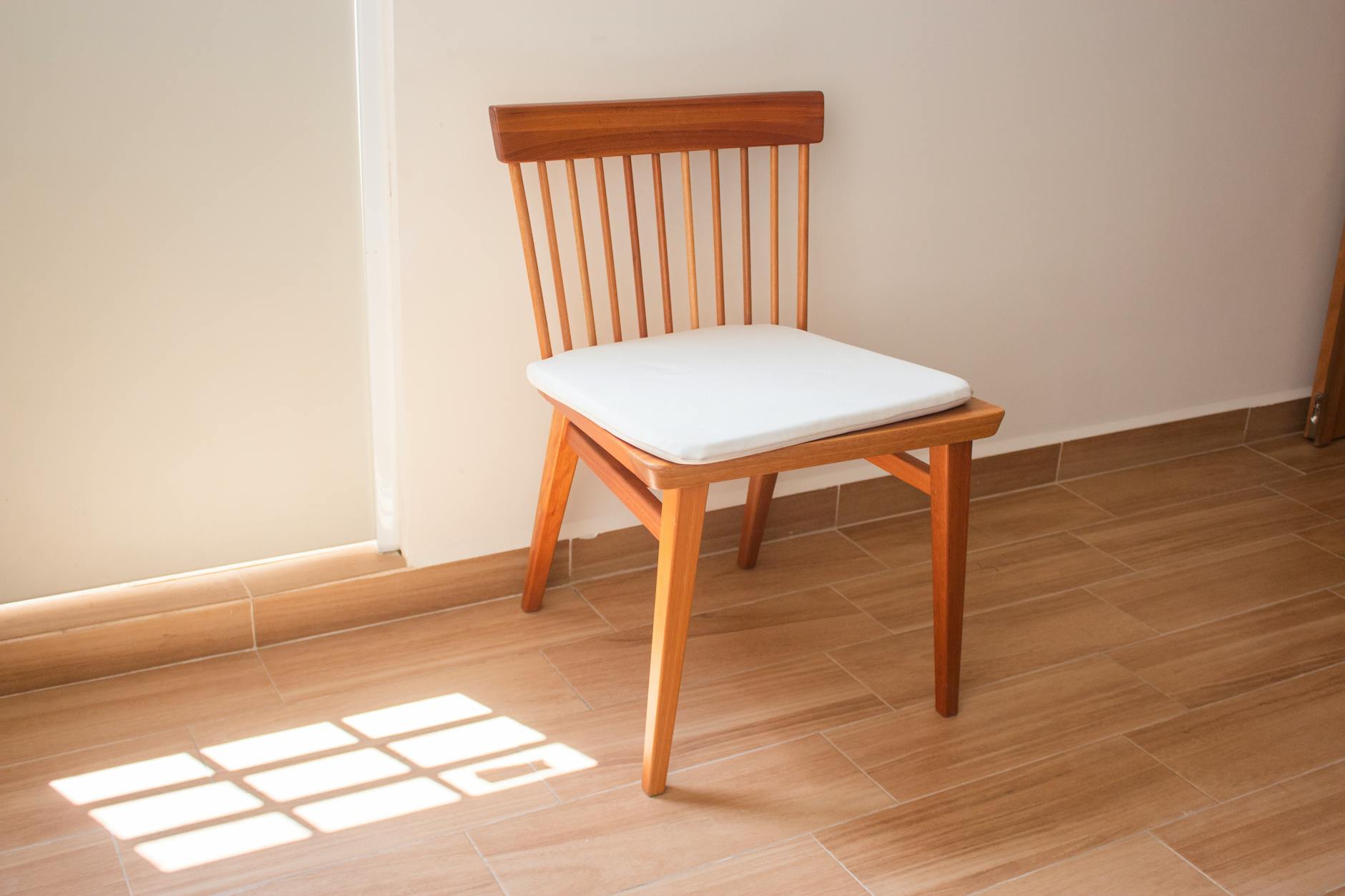
Mixing different wood stains prevents a room from looking flat or overly coordinated. Dark walnut and light oak can coexist beautifully when separated by painted surfaces or textiles. This variety mimics the natural diversity found in forests and feels instinctively right. It relieves the pressure to find exact matches when adding new furniture pieces.
Casual Art Placement
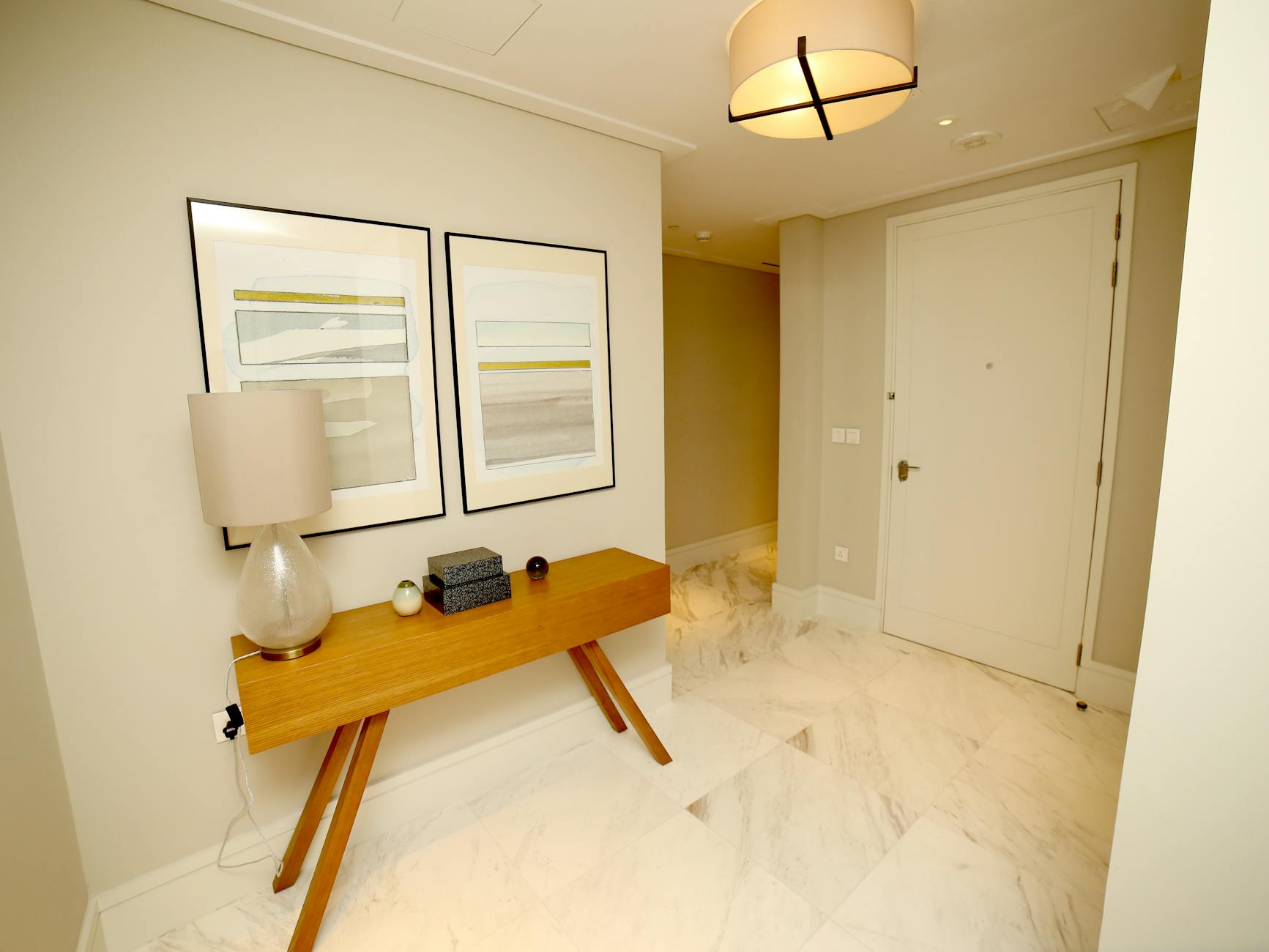
Hanging art lower or leaning it against walls creates a casual and approachable vibe. This placement invites closer inspection and feels less formal than traditional gallery hanging. Placing frames on the floor or atop a low console adds flexibility to the display. It allows homeowners to swap pieces easily without damaging the walls.
Functional Clutter

A stark and empty countertop often feels sterile rather than clean. Displaying daily objects like cutting boards or ceramic bowls adds signs of life. Controlled clutter tells a story about how the kitchen or workspace is actually used. These functional items double as decor and bring warmth to hard surfaces.
Mixed Dining Chairs
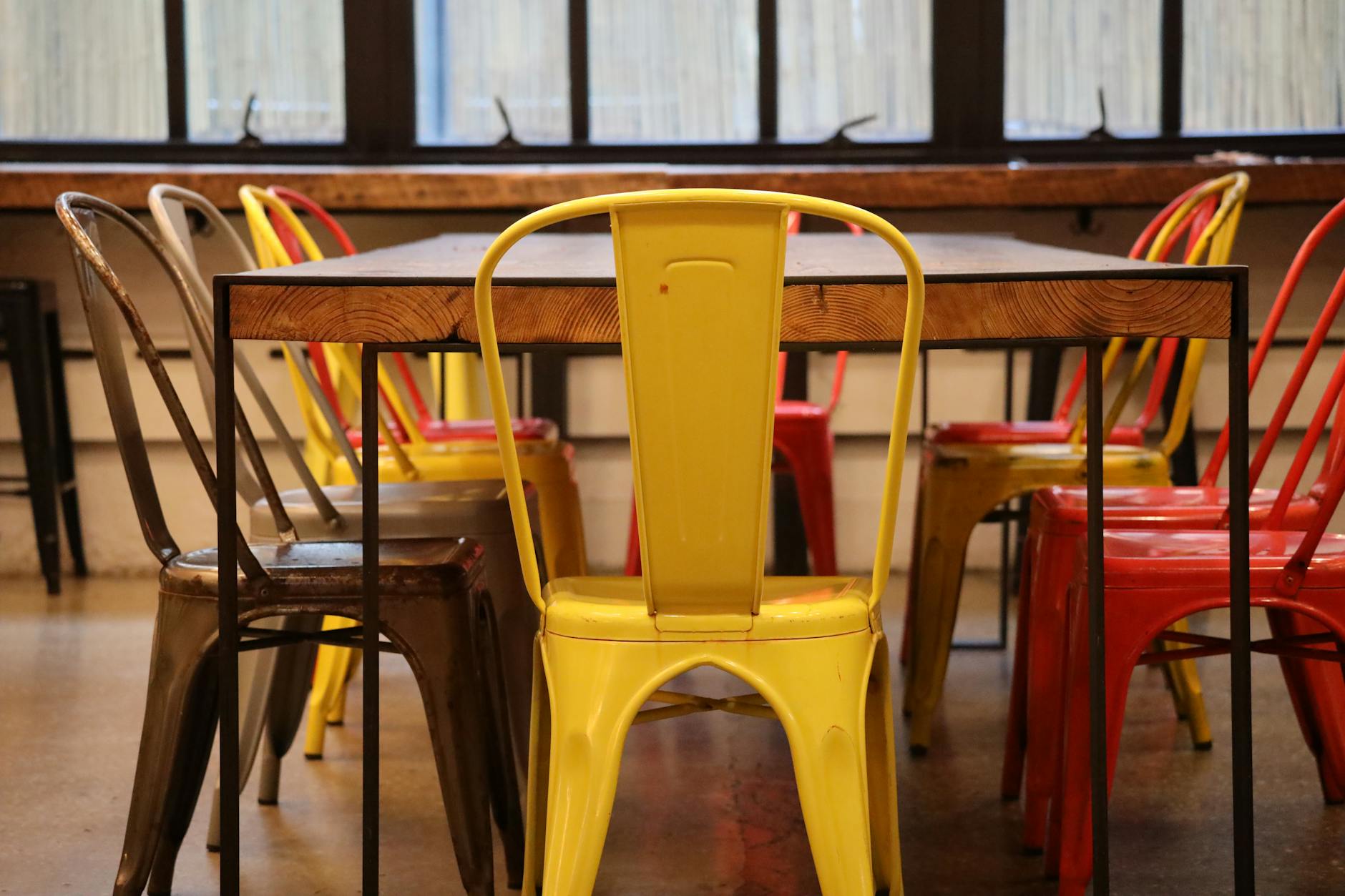
A table surrounded by identical chairs can feel stiff and formal. Mixing chair styles or colors brings a playful energy to the dining room. A bench on one side offers versatile seating that encourages closeness during meals. This arrangement accommodates different body types and personal preferences for comfort.
Puddling Curtains

Allowing drapes to puddle slightly on the floor adds a sense of romance and luxury. This relaxed look works exceptionally well with linen or velvet fabrics. It accounts for uneven flooring and prevents the panels from looking disjointed. The extra fabric helps draft-proof windows and softens the architectural lines.
Ambient Lighting Layers

Relying solely on a ceiling fixture creates harsh shadows and flattens the room. Layering table lamps and floor lamps produces pockets of warm illumination. This ambient lighting scheme encourages relaxation and sets a calm mood for the evening. It allows for task-specific lighting that accommodates reading or working.
Styled Bookshelves
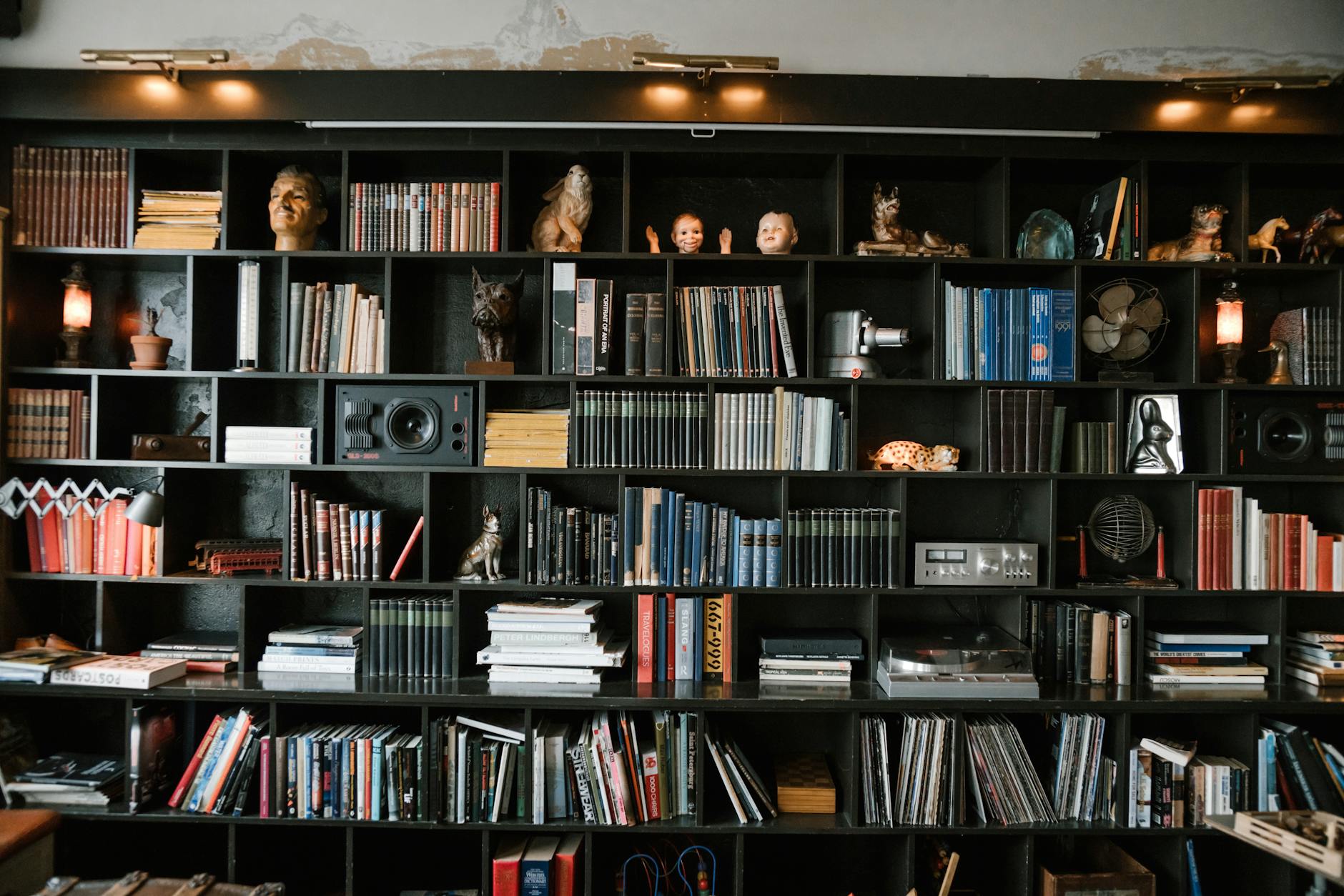
Breaking up rows of books with sculptural objects or plants lightens the visual weight of a library. This styling technique turns storage into an attractive focal point. It provides an opportunity to display travel souvenirs or cherished heirlooms. The negative space allows the eye to rest and appreciate the collection.
Asymmetrical Nightstands

Using different tables on either side of the bed accommodates the specific needs of each sleeper. One side might need a chest of drawers while the other prefers a simple round table. This asymmetry adds visual intrigue and prevents the bedroom from looking like a hotel. It reflects the individual personalities sharing the space.
Floating Furniture

Pulling seating away from the perimeter encourages intimacy and better conversation. Floating a sofa in the center of the room defines the living area clearly. This layout creates flow pathways behind the furniture rather than through the conversation circle. It makes the room feel larger by utilizing the central square footage.
Lived-In Entryways
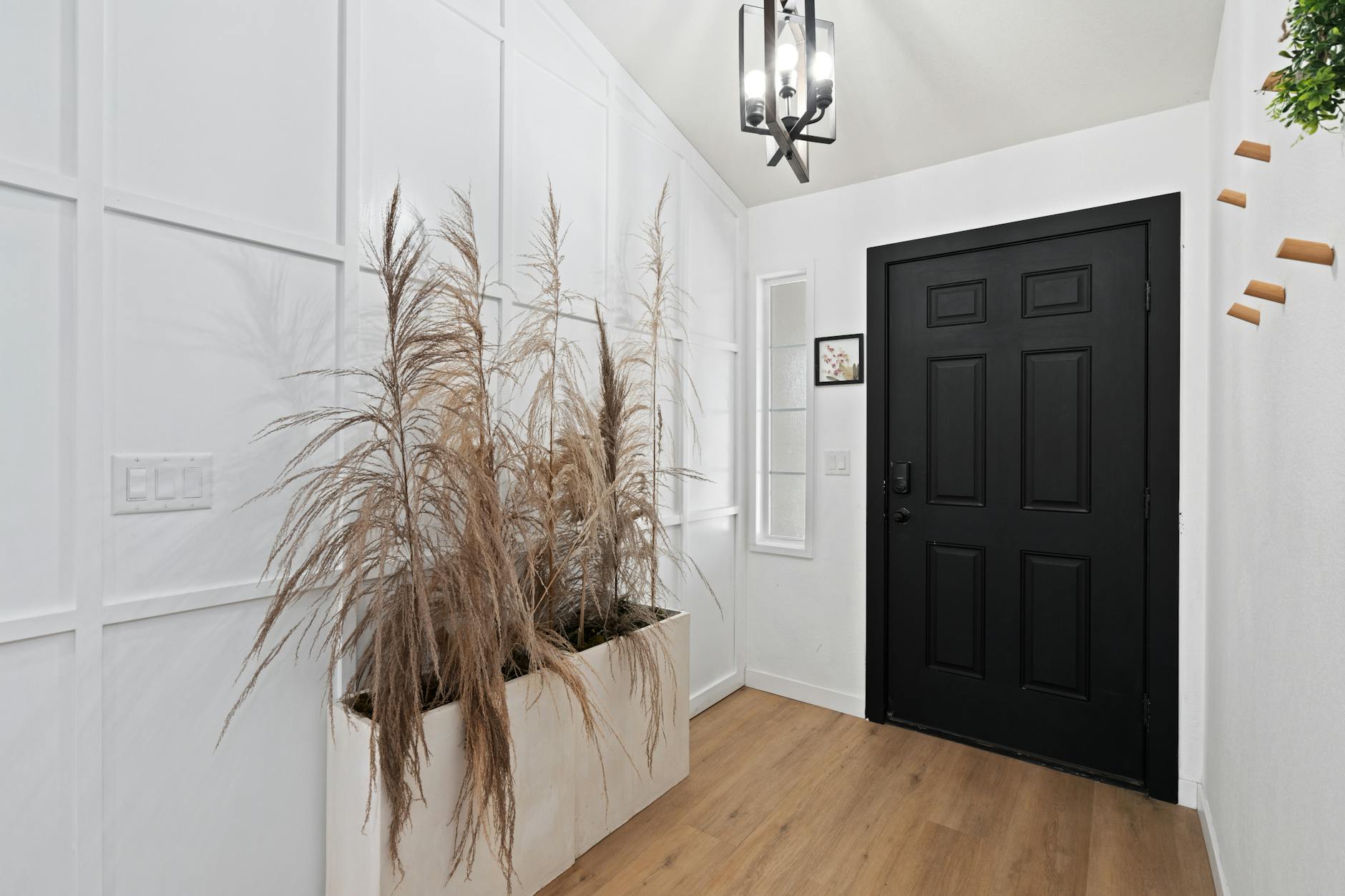
Treat the entryway as a functional drop zone rather than a pristine viewing area. Adding baskets for shoes and hooks for coats acknowledges the reality of daily life. A bench or chair provides a necessary spot for putting on footwear. This practical approach welcomes guests into a home that is meant to be lived in.
Indoor Wicker and Rattan

Bringing rattan or wicker chairs inside adds texture and a relaxed vacation vibe. These materials are durable and often more lightweight than traditional upholstery. They bridge the gap between interior and exterior living spaces seamlessly. A garden stool makes a perfect versatile side table in a living room.
Mixed Bathroom Fixtures

Mixing fixture finishes creates a collected look that feels less manufactured. Brass faucets can pair beautifully with matte black cabinet hardware. This approach adds warmth and breaks up the monotony of a single metal tone. It allows for easier updates to a bathroom or kitchen over time.
Open Kitchen Shelving
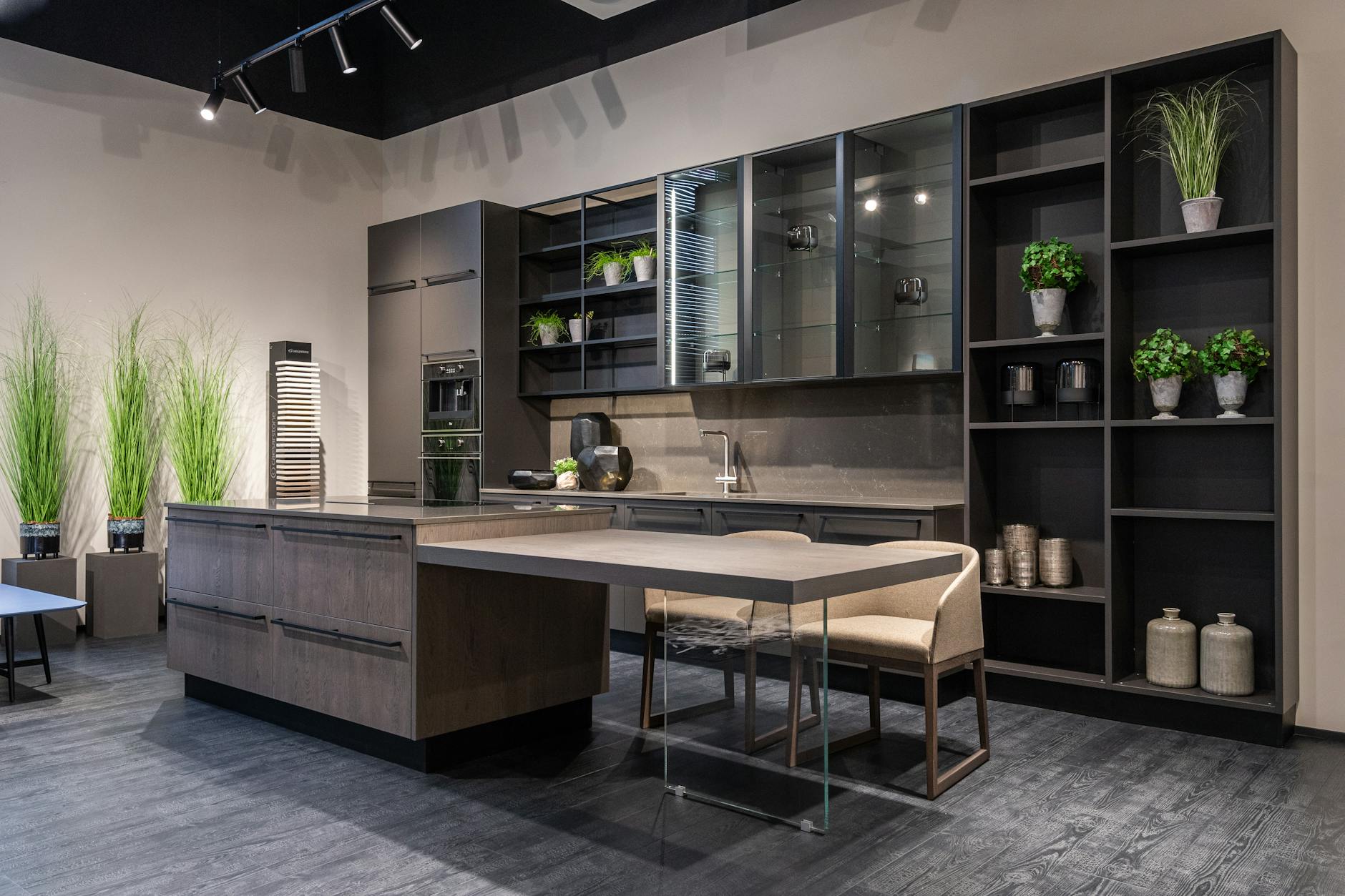
Replacing some upper cabinets with open shelving makes a kitchen feel airier and larger. It forces a decluttering of dishware and puts beautiful ceramics on display. This design choice keeps frequently used items within easy reach. The visible wall space allows for artwork or interesting tile applications.
Blending Eras

Sticking strictly to one specific time period creates a time capsule effect. Mixing antiques with contemporary pieces creates a timeless and transitional aesthetic. The contrast between sleek lines and ornate details highlights the best of both styles. This blend proves that good design transcends specific decades.
Multi-Functional Bedrooms

Adding a small armchair or writing desk transforms the bedroom into a multi-functional sanctuary. This creates a private retreat for reading or reflection away from the main household. It utilizes corner space that often goes wasted in larger rooms. The addition makes the room feel like a complete suite rather than just a sleeping quarter.
Bold Sofa Colors
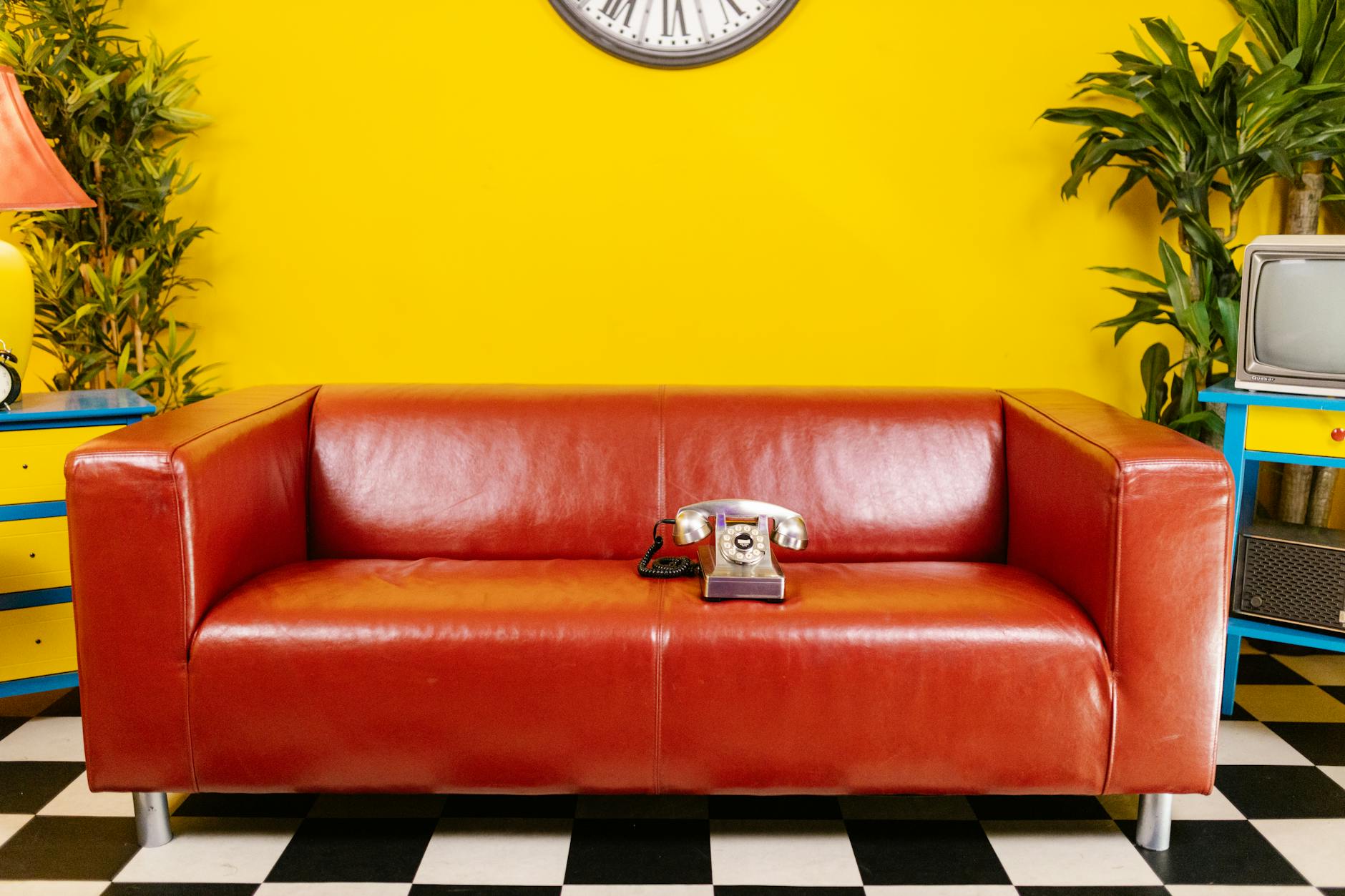
A bold velvet sofa serves as a stunning anchor for the entire living room. Jewel tones like emerald or sapphire hide stains better than beige or white. This statement piece directs the color palette for the rest of the accessories. It shows confidence and brings immediate warmth to the seating area.
High Quality Faux Plants

High-quality botanical replicas provide greenery in dark corners where real plants would die. They add life and color without the stress of watering schedules or pest control. Modern manufacturing has made these items look incredibly realistic and textural. This allows anyone to enjoy the biophilic benefits of nature indoors.
Decor for Joy

Including items that serve no purpose other than bringing joy is essential for a cozy home. A bowl of sea glass or a wooden sculpture adds soul to the environment. These objects spark conversation and trigger happy memories for the homeowner. Strictly utilitarian spaces often feel cold and unwelcoming without these personal touches.
Dark Trim Work

Painting baseboards and door frames in a contrasting color adds architectural interest. Dark trim frames the view of the next room like a picture. It hides scuffs and dirt much better than standard semi-gloss white. This choice highlights the unique bones of the house.
Large Furniture in Small Spaces

Utilizing one large sectional in a small room often makes it feel more spacious than multiple small chairs. Large pieces reduce visual clutter and provide maximum comfort. This strategy anchors the space and prevents a dollhouse effect. It simplifies the layout and maximizes the seating potential.
Decorated Hallways

Treating a hallway as a destination rather than a thoroughfare adds valuable square footage. A narrow console table or a floor-to-ceiling gallery wall adds interest. This turns a transition space into a moment of design appreciation. It encourages people to slow down and enjoy the journey between rooms.
Beds Before Windows

Placing a bed in front of a window can sometimes be the only logical layout. This position creates a dramatic focal point and frames the headboard with natural light. Using heavy curtains creates a cozy backdrop during the night. It frees up solid walls for dressers or artwork.
Embracing Trends
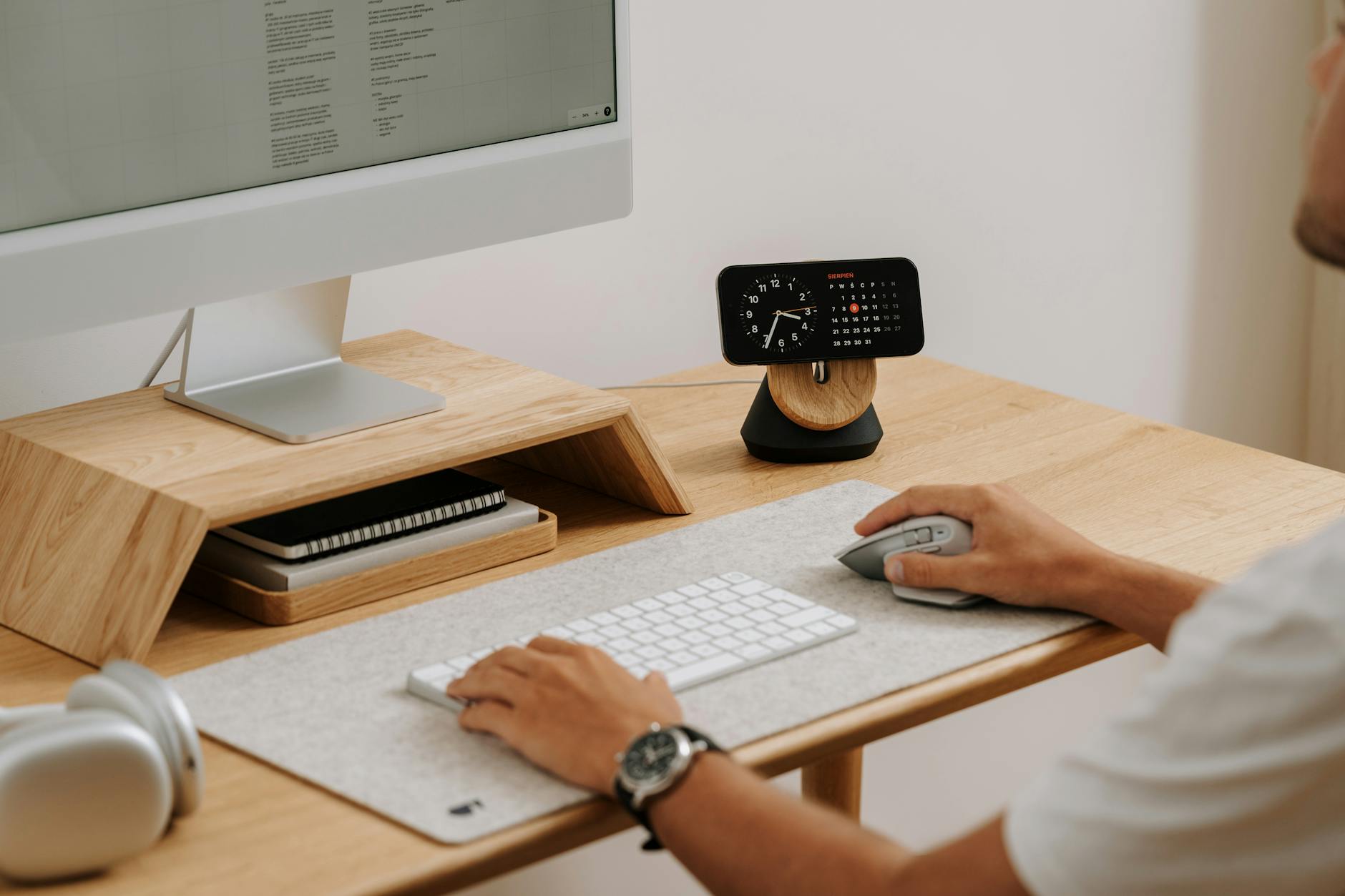
Incorporating a trend that truly resonates with you brings excitement to the home. Design rules often discourage trends but they serve as markers of the current cultural moment. Small trendy accessories are easy to swap out when tastes change. Embracing the new keeps the interior feeling fresh and evolved.
Please share which design rule you are most excited to break in your own home in the comments.




