Hydration science has moved well beyond the eight glasses a day guideline that dominated public health messaging for decades and the gap between what researchers understand about optimal fluid intake and what reaches mainstream consumer awareness remains surprisingly wide. The mechanisms through which the body absorbs retains and utilizes water are far more nuanced than simple volume consumption and small adjustments to how when and what you drink produce measurably different outcomes than drinking the same total volume without those considerations. These are the hydration insights that specialists apply in their own practice but that rarely make it into the simplified advice most people receive.
Salt Pinching
Adding a small pinch of high-quality mineral salt to drinking water before consumption activates osmotic absorption mechanisms in the small intestine that accelerate the rate at which water crosses the intestinal wall into the bloodstream compared to plain water consumed without electrolyte support. The sodium content of a small pinch of salt relative to the volume of a full glass of water is negligible from a dietary sodium perspective but is sufficient to create the electrolyte gradient that the intestinal absorption pathway requires to operate at maximum efficiency. Athletes and military hydration researchers have understood this mechanism for decades but the association between salt and negative cardiovascular outcomes has prevented the nuanced message about trace electrolyte addition from reaching general public awareness. The specific mineral composition of the salt used matters with unrefined mineral salts providing a broader electrolyte profile than refined sodium chloride alone.
Temperature Staging
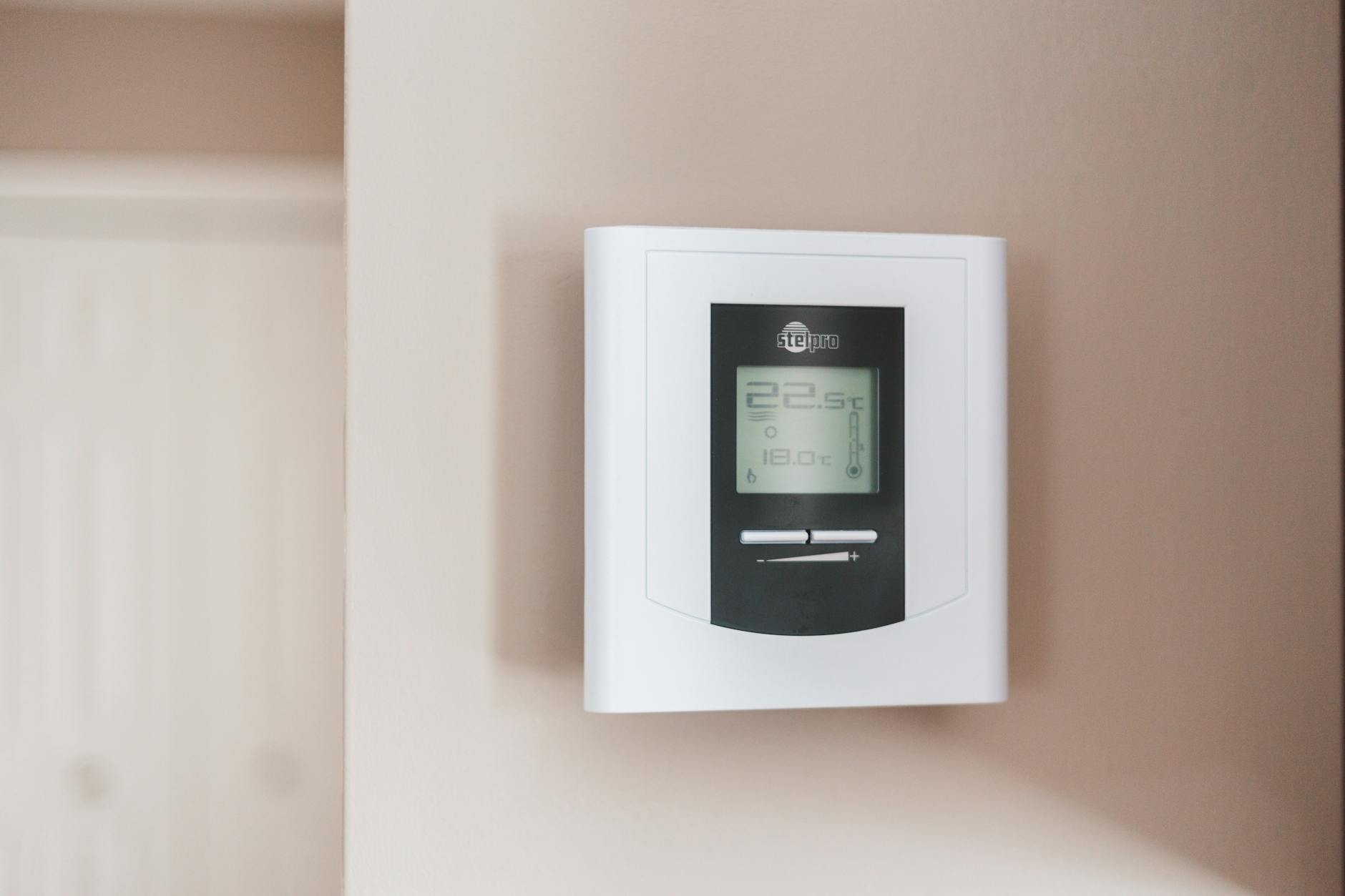
Drinking water at a temperature slightly below body temperature rather than ice cold or room temperature produces the most efficient gastric emptying rate which is the speed at which water moves from the stomach into the small intestine where absorption actually occurs. Ice cold water consumed quickly causes a reflexive gastric slowdown as the body prioritizes temperature normalization over transit which delays the onset of absorption and reduces the immediate hydration value of the volume consumed. The optimal temperature range for gastric emptying efficiency sits between fifteen and twenty-one degrees Celsius a range that feels cool but not cold to most people and that represents a meaningful departure from both the ice water preference common in North American drinking culture and the room temperature water typical in many European contexts. Preparing drinking water to this temperature range rather than consuming it directly from refrigeration or from a warm tap produces a measurable difference in absorption speed that accumulates meaningfully over a full day of hydration practice.
Morning Oral Rinsing

Rinsing the mouth thoroughly with water before swallowing the first morning intake removes the concentrated accumulation of overnight oral bacteria and their metabolic byproducts from the mucosal surfaces of the mouth and throat before they are transported into the digestive system with the first swallowed water of the day. Overnight mouth breathing concentrates bacterial activity on oral surfaces in ways that produce a morning oral environment with a significantly different microbial load than the mouth presents during waking hours and swallowing this concentrated material with the first water intake introduces it directly into the digestive tract. The practice of rinsing and discarding rather than immediately swallowing the first morning water is aligned with traditional health practices from multiple cultures and has a straightforward mechanistic rationale that modern oral microbiome research increasingly supports. Combining morning oral rinsing with the first water intake rather than treating them as separate practices adds no additional time to a morning routine while meaningfully changing what accompanies the water into the digestive system.
Structured Sipping
Consuming water in deliberate small sips with brief pauses between each rather than in continuous gulping dramatically changes the gastric pressure dynamics of water intake in ways that support more consistent absorption and reduce the gastric discomfort and bloating that many people experience when drinking large volumes quickly. Continuous gulping introduces air along with water into the stomach creates pressure fluctuations that trigger early satiety signals and activates the gastric stretch receptors that produce the sensation of bloating before the consumed volume has had opportunity to absorb and distribute. The pace of structured sipping also allows the body’s thirst regulation signals to update in closer to real time preventing the overshoot that occurs when drinking volume outruns the feedback loop that would otherwise signal adequacy. Hydration professionals who work with athletes in real-time competitive environments consistently apply sipping protocols rather than volume targets because the pace of consumption affects absorption efficiency as meaningfully as the volume consumed.
Breath Holding
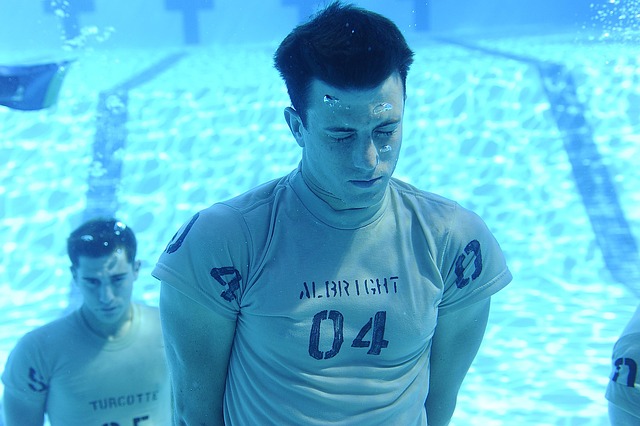
Taking a slow deliberate breath and briefly holding it before swallowing water reduces the activation of the esophageal peristaltic reflex in a way that allows water to pass more smoothly through the esophageal junction and into the stomach without the swallowing discomfort that some individuals experience when drinking quickly in an upright position. The coordination between breathing and swallowing is managed by overlapping neural control mechanisms and small deliberate adjustments to the breathing phase during swallowing change the mechanical efficiency of the passage in ways that are particularly relevant for individuals who experience frequent hiccups air swallowing or esophageal discomfort during rapid fluid intake. This technique has direct clinical application in speech pathology and swallowing rehabilitation where breath-swallow coordination is a formal therapeutic tool and its application to everyday water drinking for optimization rather than rehabilitation represents a practical transfer of clinical knowledge. The breath hold required is measured in seconds and integrates naturally into a structured sipping practice without requiring conscious effort beyond the initial learning period.
Copper Vessel Storage

Storing drinking water in a copper vessel for a minimum of eight hours before consumption allows the oligodynamic effect of copper ions dissolving at trace levels into the water to produce a measurable antimicrobial action against waterborne bacterial populations that plain storage in glass or plastic does not replicate. Copper’s antimicrobial properties operate through direct ion interaction with bacterial cell membranes and enzyme systems at concentrations that are too low to produce the metallic taste associated with higher copper exposure but that are sufficient to reduce viable bacterial counts in stored water. Ayurvedic medical tradition has recommended copper vessel water storage for thousands of years and contemporary microbiological research has validated the antimicrobial mechanism through which the practice operates bringing an ancient observation into alignment with modern scientific understanding. The copper ion concentration produced by standard vessel storage falls well within established safe dietary copper intake ranges making the practice safe for regular use in healthy individuals without copper metabolism disorders.
Nasal Breathing Pairing
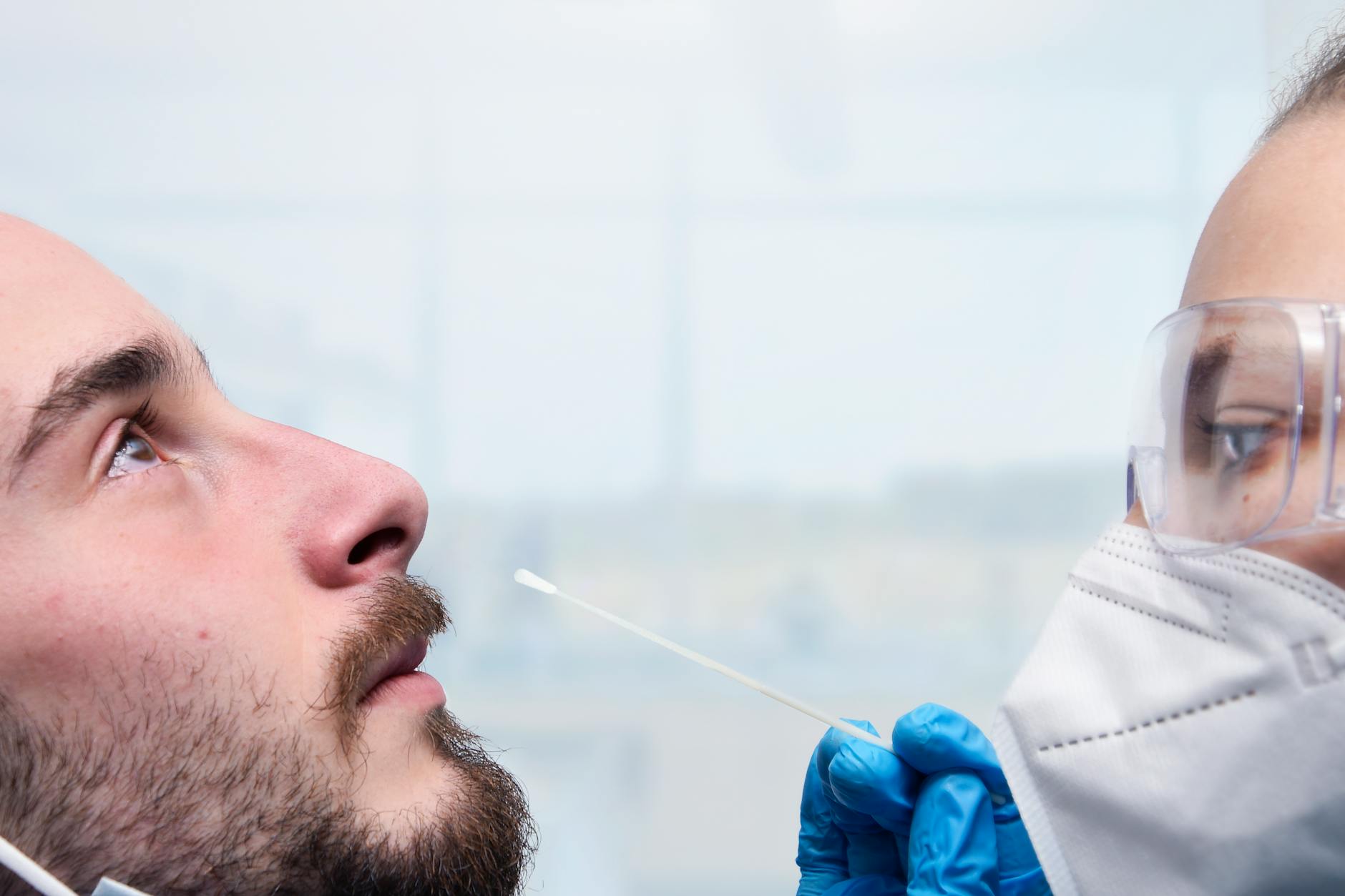
Training yourself to breathe exclusively through the nose during and between water intake rather than through the mouth during hydration sessions changes the physiological state of the mucous membranes lining the respiratory and digestive tracts in ways that support more efficient fluid distribution and retention at the cellular level. Nasal breathing during hydration activates nitric oxide production in the nasal passages which has downstream effects on vascular tone and cellular permeability that improve the distribution of absorbed water to peripheral tissues compared to the vascular state associated with mouth breathing. The connection between breathing pattern and cellular hydration efficiency is an emerging area of physiological research that challenges the assumption that hydration outcomes are determined entirely by the volume and composition of fluid consumed rather than by the physiological state of the consumer. Combining nasal breathing practice with hydration sessions requires no additional time or resources and represents one of the more accessible applications of emerging respiratory physiology research to everyday health practice.
Charcoal Filtering

Filtering tap water through activated charcoal whether through a purpose-built filter system or by briefly steeping a food-grade charcoal stick in a water vessel removes chlorine compounds chloramines and a range of organic volatile compounds that are present in treated municipal water at concentrations that do not pose acute health risks but that affect the palatability and cellular absorption characteristics of the water in ways that are measurable in hydration research. The chlorine compounds used in municipal water treatment are added specifically for their antimicrobial properties but the same chemistry that makes them effective disinfectants interacts with intestinal mucosa in ways that can affect the gut microbiome environment through which absorbed water passes. Removing these compounds through activated charcoal filtration produces water with a demonstrably different taste profile that most people find more palatable leading to measurably higher voluntary intake volumes throughout the day. The increased voluntary consumption that results from palatability improvement represents a practical hydration benefit that operates independently of any direct cellular absorption mechanism.
Meal Water Timing

Consuming the majority of daily water intake in the windows between meals rather than predominantly during meals preserves the concentration of digestive enzymes and gastric acid that are diluted by large fluid volumes consumed with food in ways that affect both digestive efficiency and the hydration value of the water itself. Water consumed with a meal is recruited into the digestive chemistry of that meal including being bound by soluble fiber and used in the hydration of digestive enzymes reducing the proportion of mealtime water intake that is available for systemic absorption and cellular hydration. The practice of concentrating water intake in the thirty minutes before a meal and waiting approximately ninety minutes after eating before resuming significant fluid intake is a timing strategy that optimizes both digestive function and hydration efficiency simultaneously. This approach contradicts the common advice to drink water with meals for appetite control and represents a genuine trade-off that requires individual assessment based on whether digestive efficiency or appetite management is the primary optimization target.
Mineral Stacking
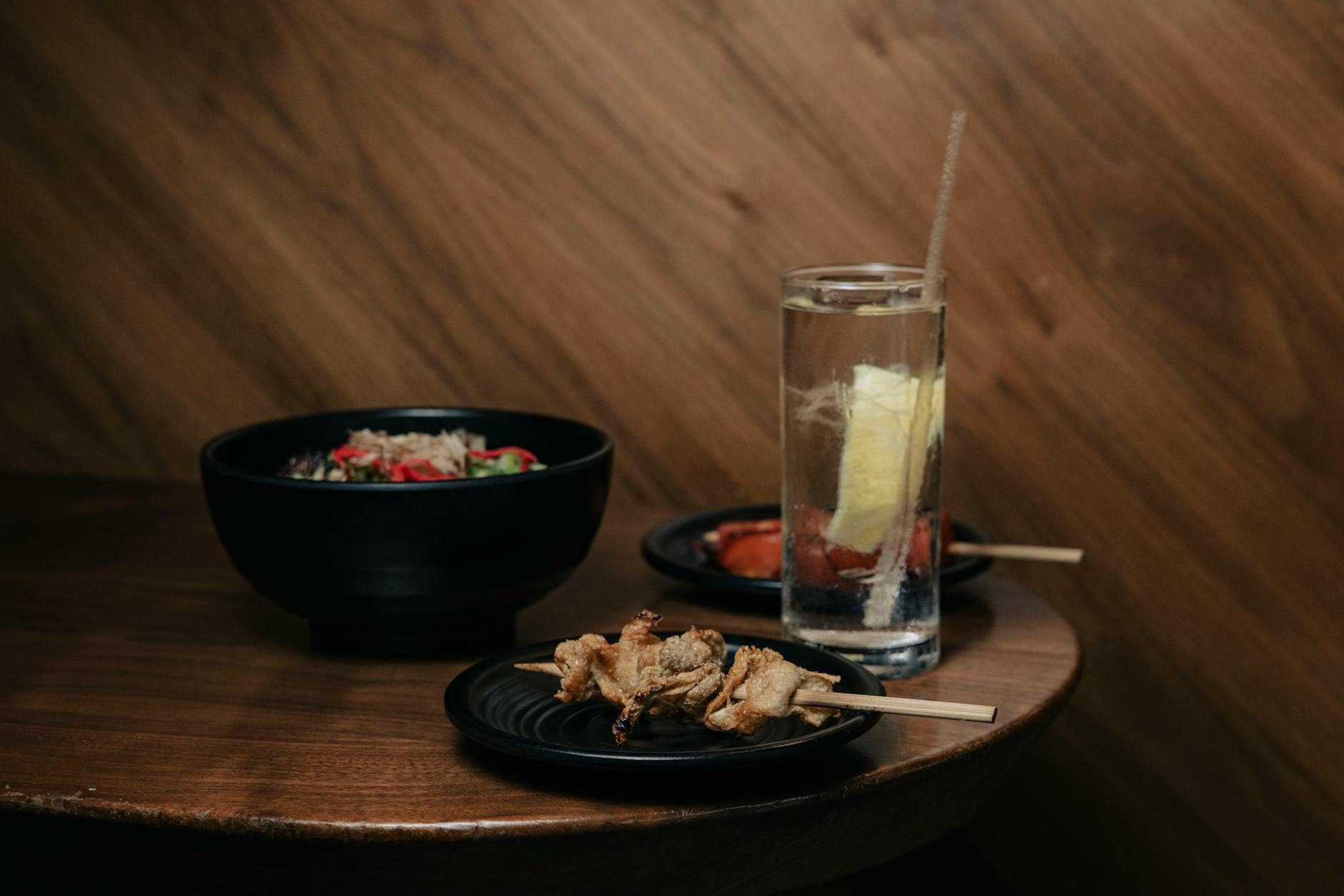
Drinking water alongside small amounts of mineral-rich whole foods including cucumber slices celery watermelon or coconut water rather than consuming water in isolation provides the co-factors that cellular water channels known as aquaporins require to facilitate the efficient transport of water across cell membranes into the intracellular compartment where hydration is physiologically meaningful. The aquaporin water channels that regulate cellular hydration are influenced by the presence of specific minerals including magnesium potassium and silica that are present in these foods at concentrations that create a co-transport environment more favorable to intracellular uptake than plain water provides independently. The concept of food-paired hydration rather than isolated water consumption aligns with the dietary patterns of populations in hot climates where high water-content foods with natural mineral profiles have historically formed the basis of heat adaptation strategies. Including mineral-rich food sources alongside water intake rather than treating hydration as exclusively a fluid consumption target represents a more complete approach to the cellular hydration goal that drinking water is ultimately serving.
Gravity Positioning

Drinking water while seated in an upright position and remaining upright for a minimum of fifteen minutes following intake rather than drinking while reclined or immediately lying down after consumption optimizes the gravitational assistance available to gastric emptying and small intestinal transit in a way that meaningfully affects the speed and completeness of water absorption. The mechanics of gastric emptying have a gravitational component that is amplified in upright posture and reduced in reclined positions where the pyloric valve through which water exits the stomach into the small intestine is less favorably oriented relative to the fluid volume in the gastric chamber. The practical implication of this positional effect is most significant for the large morning water intake that many hydration protocols recommend because this intake typically occurs during the transition from sleeping to upright positions when gravitational alignment is most inconsistent. Establishing a seated upright posture before beginning morning water intake rather than drinking while still in bed or while moving around in the horizontal-to-vertical transition period captures a gravitational efficiency advantage that requires no additional effort beyond positional awareness.
Evening Cutoff
Establishing a consistent hydration cutoff time in the early evening rather than continuing significant fluid intake up to bedtime allows the body to complete the fluid processing and urinary concentration cycle that occurs during the first half of the sleep period without interruption in a way that supports both sleep quality and the overnight cellular repair processes that depend on uninterrupted deep sleep. Nocturia which is the need to urinate during the sleep period is one of the most significant and underappreciated disruptors of sleep architecture in adults and its most common cause in otherwise healthy individuals is the continuation of significant fluid intake too close to the sleep onset window. The kidney’s natural circadian rhythm reduces urine production during the overnight period as part of normal biological programming but this rhythm can only operate effectively if the fluid load presented to the kidney during the pre-sleep window is low enough to be managed within the reduced overnight urine production rate. Positioning the majority of daily fluid intake in the first two thirds of the waking day and reducing intake progressively in the hours before sleep captures both the hydration benefits of adequate daily intake and the sleep quality benefits of undisrupted overnight rest.
Hydrogen Infusion
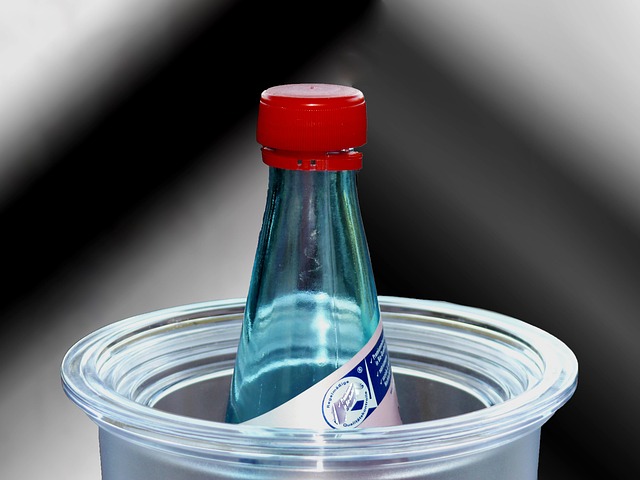
Dissolving molecular hydrogen gas into drinking water through purpose-designed hydrogen water generators or effervescent hydrogen tablets produces a water with measurable antioxidant properties that preliminary research suggests may reduce oxidative stress markers and support cellular hydration efficiency through mechanisms that are distinct from the simple fluid volume contribution of standard water. Molecular hydrogen is the smallest and most membrane-permeable molecule in biology and its ability to penetrate cellular and mitochondrial membranes without the transport infrastructure required by larger antioxidant molecules gives it a unique access profile to the intracellular oxidative environment that drives many of the measurable outcomes in published hydrogen water studies. The research base for hydrogen-enriched water remains in early phases with the majority of compelling evidence coming from Japanese research institutions where the practice has a longer clinical investigation history than in Western medical literature. The practical challenge of hydrogen water consumption lies in the rapid dissipation of dissolved hydrogen gas from water after preparation making immediate consumption following generation essential to capturing the available dissolved hydrogen concentration.
Deliberate Pausing
Incorporating a deliberate thirty to sixty second pause between finishing one portion of water and beginning the next during extended hydration sessions allows the osmoreceptor feedback loop in the hypothalamus that monitors blood plasma osmolality to update its signal in closer to real time preventing the overconsumption that occurs when drinking pace outstrips the physiological feedback that would otherwise signal adequate hydration. The osmoreceptor signaling pathway that regulates thirst and fluid intake has a measurable lag time between changes in blood plasma concentration and the conscious experience of satiation meaning that continuous fast drinking consistently overshoots the volume at which the body has actually reached adequate hydration. Hyponatremia which is the dilution of blood sodium to dangerously low levels through excessive water intake is a genuine clinical risk in endurance athletics and its mechanism is precisely this feedback lag compounded by the social and performance pressure to continue drinking. Building deliberate pausing into hydration practice rather than drinking to a volume target or to the point of feeling full represents an application of physiological feedback awareness that optimizes intake precision at any daily volume level.
Frequency Over Volume
Distributing water intake across a higher number of smaller drinking occasions throughout the day rather than consuming the same total volume in fewer larger sessions produces superior cellular hydration outcomes by maintaining blood plasma osmolality within a narrower and more consistently optimal range than the concentration and dilution cycling produced by infrequent large volume intake. The kidney’s regulatory response to large bolus water intake includes a diuretic compensation that reduces the proportion of the consumed volume that is retained for cellular distribution making a portion of large single-sitting intake functionally unavailable for the hydration purpose it was consumed to serve. Small frequent intakes below the threshold that triggers significant diuretic compensation are retained and distributed more efficiently producing superior cellular hydration outcomes at equivalent or even slightly lower total daily volumes. The practical implementation of frequency-based hydration requires environmental prompting through scheduled reminders or habitual triggers rather than thirst which by the time it signals has already allowed a dehydration lag to develop.
Breath Before Drinking
Taking three to five slow diaphragmatic breaths before beginning a water intake session shifts the autonomic nervous system from sympathetic to parasympathetic dominance in a way that activates the rest and digest physiological state which is associated with superior gastrointestinal blood flow mucous membrane hydration and absorption capacity compared to the sympathetic-dominant state that characterizes most of the active waking day. The gastrointestinal tract is a parasympathetically innervated system whose absorptive function is directly regulated by autonomic tone and consuming water during sympathetic dominance which is the physiological state of stress activity and alertness that most people occupy throughout the working day produces inferior absorption compared to consuming the same water in a deliberately induced parasympathetic state. This mechanism explains the traditional practice in many cultures of pausing and preparing before consuming water and meals rather than drinking on the move or during active task engagement. The three to five breath preparation before significant water intake requires approximately twenty seconds and represents one of the highest return per time invested adjustments available in practical hydration optimization.
Silica Water
Choosing drinking water sources with naturally elevated silica content whether through specific mineral water brands or through the preparation of silica-rich herbal infusions provides a trace mineral that plays a documented role in the hydration and structural integrity of connective tissue cartilage and the arterial wall lining in ways that plain low-mineral water cannot replicate regardless of consumed volume. Silica is one of the most abundant minerals in the human body and its dietary intake through water is particularly efficient compared to food-source silica because the dissolved ionic form present in silica-rich water has higher bioavailability than the bound silica present in food sources. Research into the relationship between habitual silica-rich water consumption and reduced risk of cognitive decline has produced findings significant enough to prompt ongoing investigation into whether the hydration of neural tissue is differentially supported by silica-containing water compared to low-mineral alternatives. Reading the mineral content panel of bottled water labels with specific attention to silica content provides accessible information for making silica-aware water source selections within normal purchasing contexts.
Post-Exercise Delay
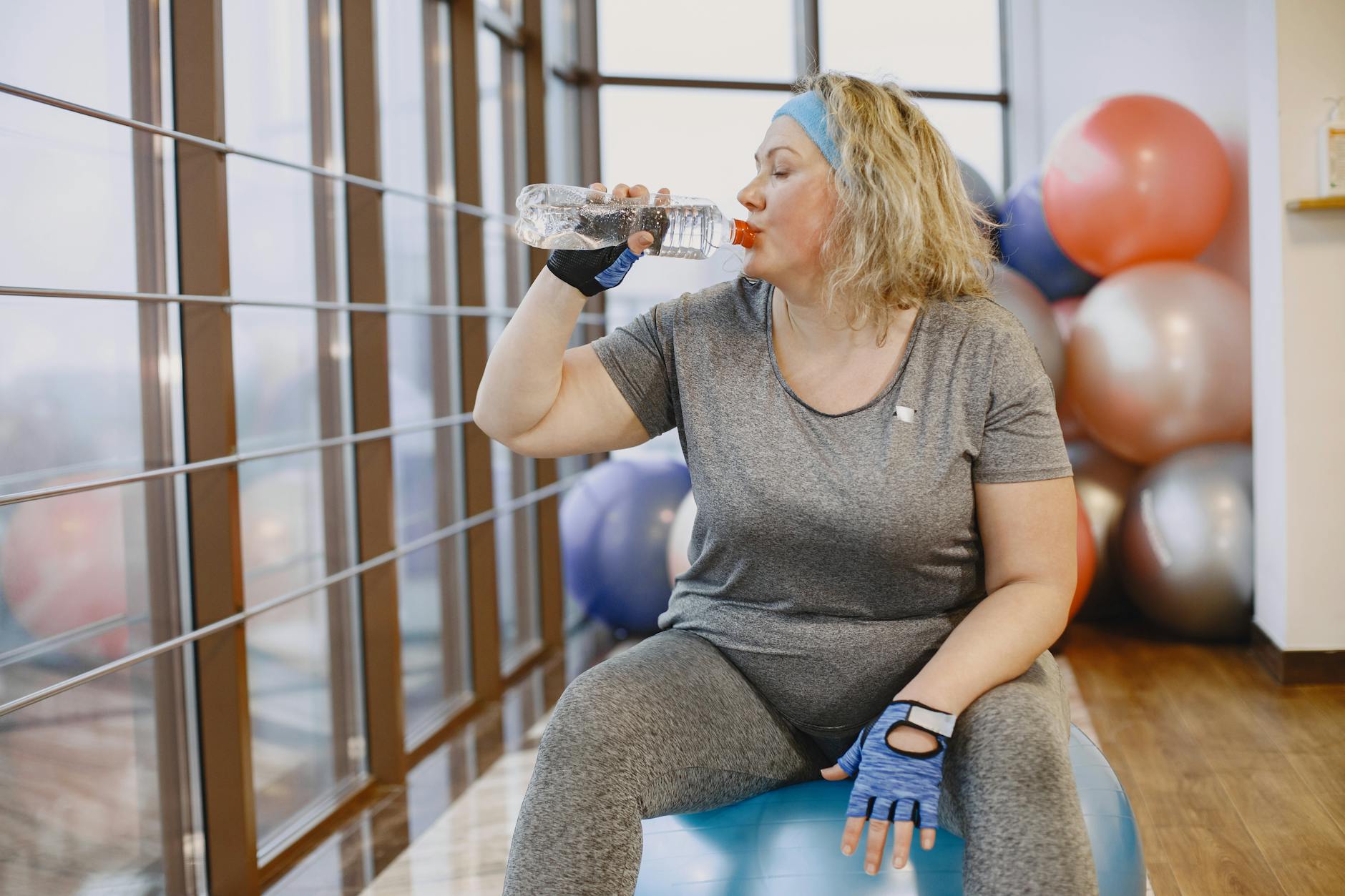
Waiting fifteen to twenty minutes after completing exercise before beginning significant rehydration rather than drinking immediately upon finishing allows the acute hormonal and metabolic response to exercise including the elevated antidiuretic hormone and aldosterone levels that promote fluid retention to reach peak concentration before water intake begins maximizing the proportion of consumed rehydration fluid that is retained rather than excreted. The counterintuitive nature of this recommendation conflicts with the immediate post-exercise drinking behavior that sports culture normalizes but the physiological rationale is based on the timing of post-exercise hormonal peaks that create a retention-favorable window slightly after rather than immediately at exercise completion. Competitive endurance athletes whose hydration strategies are developed with scientific support apply fluid timing considerations that amateur athletes rarely encounter making this one of the clearest examples of a gap between professional practice and public-facing sports hydration messaging. The fifteen to twenty minute window is a practical approximation of the hormonal response timing whose precise individual variation means that the principle of slight delay is more important than adherence to a specific minute count.
Cold-to-Warm Progression
Beginning morning hydration with water at cool temperature and progressively moving toward warmer water across the first hour of the day follows the natural thermal progression of the gastrointestinal tract as it transitions from its overnight low-motility cooled state to its fully active daytime absorptive function in a way that supports digestive enzyme activation and gastric motility ramping without the thermal shock of large cold volumes hitting an unprepared gastric mucosa. The gastric mucosa has a temperature-sensitive function whose activity levels are directly influenced by the thermal environment presented to it and supporting a gradual thermal transition rather than an abrupt cold introduction supports the sequential activation of the digestive and absorptive processes that morning hydration is intended to initiate. Warm water in the latter part of morning hydration practice also supports bile flow and intestinal motility in ways that cold water does not making the progression from cool to warm a functionally different biological stimulus than either temperature alone would provide. This staged approach requires only the practical preparation of having water at two temperatures available in the morning period which is a modest logistical adjustment relative to the physiological reasoning that supports it.
Light Exposure Pairing

Consuming a significant portion of morning water intake during or immediately following exposure to natural morning light connects the hydration stimulus to the circadian light signal that initiates the cortisol awakening response and the activation of the body’s fluid regulation hormonal axis in a way that synchronizes cellular hydration with the biological systems that determine fluid distribution throughout the day. The circadian regulation of fluid balance is managed through clock-gene-controlled expression of aquaporin channels and fluid regulatory hormones whose timing is anchored to the light-dark cycle making morning light exposure a direct regulator of the cellular hydration machinery that morning water intake is intended to activate. Consuming morning water in a darkened room or before light exposure misses the circadian synchronization that aligns the timing of fluid intake with the peak biological readiness to absorb and distribute that morning water for cellular function. The pairing of morning light exposure and morning water intake is a circadian hydration concept that represents a genuinely novel framing of the relationship between light biology and fluid physiology that has not yet entered mainstream hydration communication.
Electrolyte Sequencing
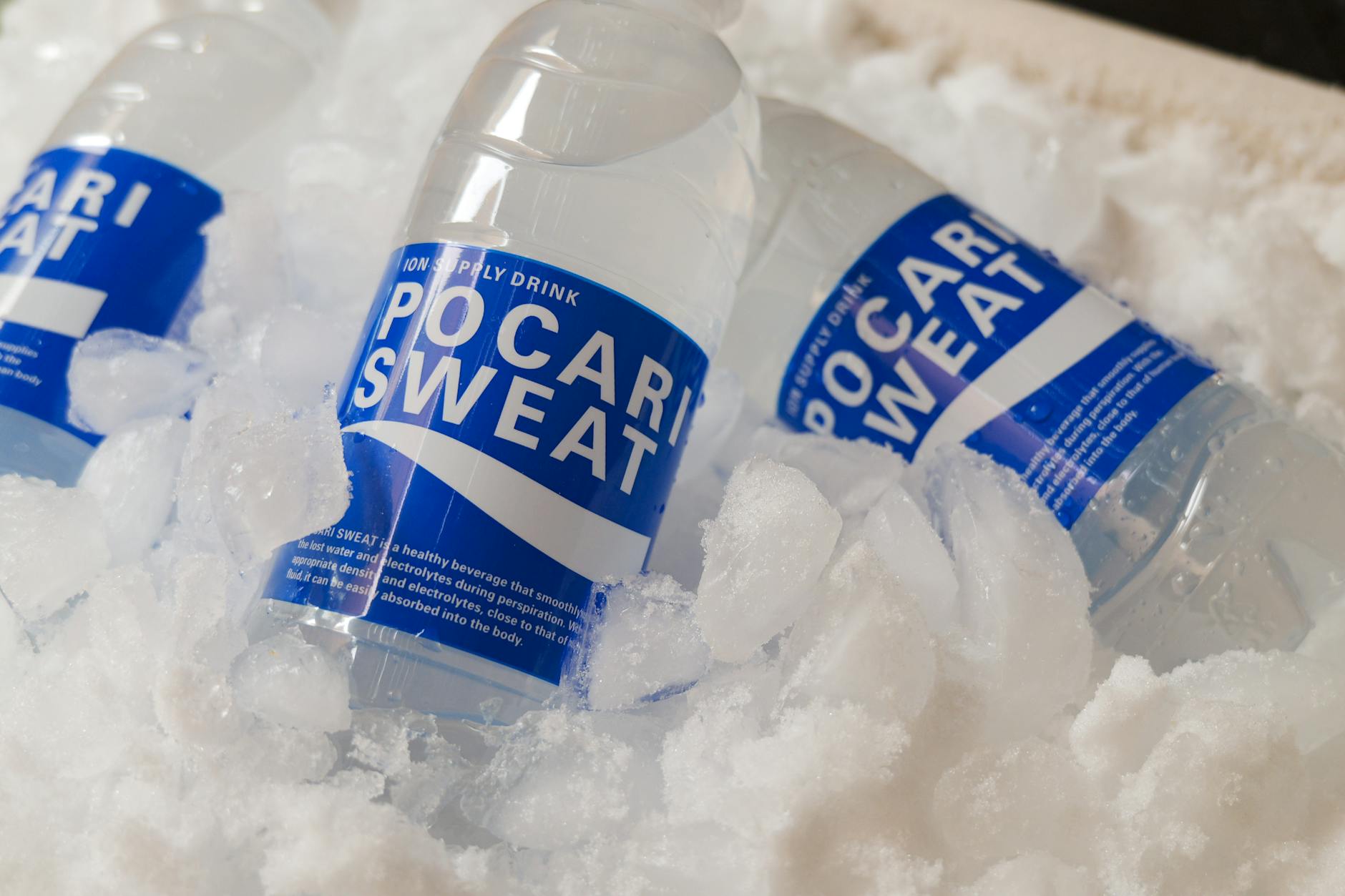
Consuming a small amount of a balanced electrolyte source before rather than during or after significant water intake creates the plasma osmolality conditions that signal the kidneys to retain rather than excrete the subsequent water load by establishing the dissolved particle concentration gradient that makes the arriving fluid volume physiologically valuable rather than triggering the dilution-response diuresis that plain water consumed without electrolyte context can produce. The kidneys make retain or excrete decisions about incoming fluid based on the comparison between blood plasma concentration and the concentration of the arriving fluid with plain water presenting as hypotonic relative to plasma in a way that activates diuretic compensation mechanisms even when the drinker is genuinely dehydrated. Pre-loading with a small electrolyte dose changes the comparative calculation that the kidney performs on subsequently consumed water shifting the outcome from partial diuretic compensation toward maximal retention and distribution. The electrolyte pre-load required to produce this effect is modest and can be achieved through a small amount of coconut water a quarter teaspoon of mineral-rich salt dissolved in a small volume or a purpose-formulated low-sugar electrolyte supplement consumed five to ten minutes before the main water intake session.
If any of these hydration approaches challenge what you thought you knew about drinking water or if you have experimented with unconventional hydration practices share your experience in the comments.




