Eating nutritious food does not require a luxury budget or expensive specialty ingredients. Smart shopping habits and strategic meal preparation can significantly reduce grocery bills while improving diet quality. Small changes in how food is selected and prepared often yield the biggest financial savings over time. This comprehensive guide outlines practical methods to maintain a healthy lifestyle without overspending.
Meal Planning
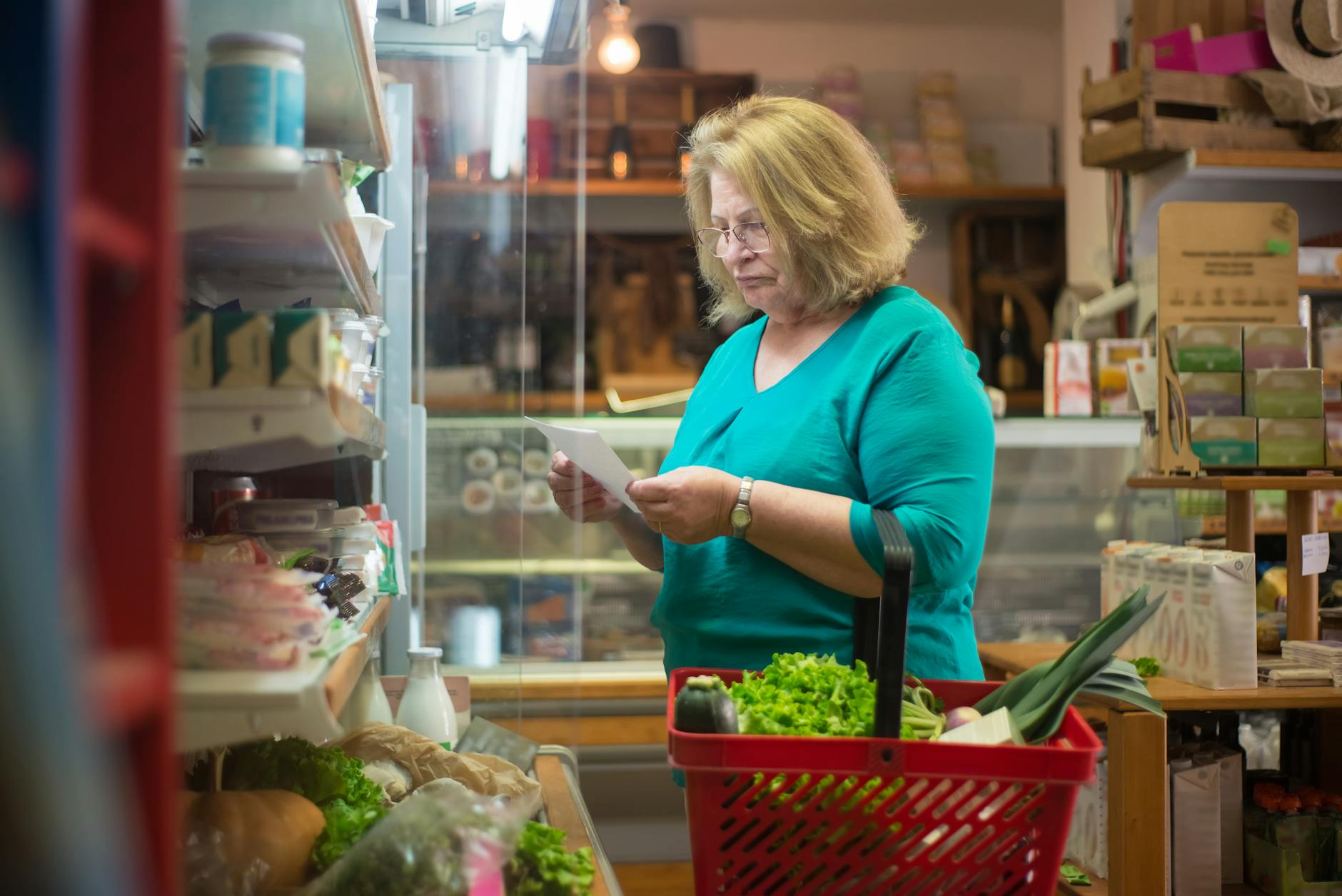
Creating a weekly menu is the most effective way to reduce food costs. You know exactly what ingredients are needed for every meal before entering the store. This strategy prevents purchasing random items that might eventually go to waste in the fridge. It also reduces the temptation to order expensive takeout on busy weeknights. A solid plan saves both money and time throughout the week.
Grocery Lists

Sticking to a written list is a proven method to avoid impulse purchases. Retailers design store layouts to tempt shoppers with unnecessary items at every turn. A strict list keeps the focus on essential nutrient-dense foods rather than expensive snacks. Checking the pantry before writing the list prevents buying duplicates of things you already own. This discipline ensures every dollar spent contributes to a planned meal.
Home Cooking

Preparing meals in your own kitchen is almost always cheaper than dining out. Restaurants charge a premium for labor and overhead that you can avoid by cooking yourself. You also gain full control over portion sizes and ingredient quality. Simple recipes often taste better and cost a fraction of the price of processed alternatives. Building a habit of cooking at home builds culinary skills while saving cash.
Utilization of Leftovers

Leftover food essentially provides a free meal for the next day. Packing dinner remnants for lunch prevents the need to buy food during the workday. Many soups and stews actually taste better the next day as flavors have time to meld. You can also repurpose leftover ingredients into entirely new dishes like stir-fries or omelets. This practice drastically reduces food waste and maximizes the value of your groceries.
Bulk Buying

Purchasing staple items in large quantities significantly lowers the price per unit. Grains like rice and oats have a long shelf life and are much cheaper in bulk bins. Dried beans and lentils are also incredibly affordable when bought this way. You only need to buy the exact amount required or stock up for months. Storing these items in airtight containers keeps them fresh for a long time.
Generic Brands

Store-brand products usually offer the same nutritional value as name brands. The primary difference is often just the marketing budget and packaging design. Many generic items are even produced in the same facilities as their expensive counterparts. switching to private labels for pantry staples can shave a large percentage off the total bill. Most consumers cannot taste the difference in blind taste tests.
Seasonal Produce

Fruits and vegetables are cheapest and tastiest when they are in season. Farmers have an abundance of these crops during harvest time which drives down the price. Out-of-season produce often requires expensive shipping from other countries. Eating seasonally also introduces variety into your diet throughout the year. Local harvest calendars can help identify the best bargains each month.
Frozen Vegetables

Frozen produce is picked at peak ripeness and flash-frozen to preserve nutrients. These items are often cheaper than fresh alternatives and do not spoil quickly. You can use exactly the amount needed and keep the rest for later. They are excellent additions to soups or stir-fries without any washing or chopping required. This eliminates the guilt of throwing away wilted fresh vegetables.
Canned Goods

Canned beans and tomatoes are pantry essentials that cost very little. They provide a quick and easy base for nutritious meals like chili or pasta sauce. Rinsing canned vegetables removes excess sodium while retaining fiber and vitamins. These items can sit on the shelf for years without spoiling. stocking up during sales ensures you always have the basis for a healthy meal.
Meatless Meals

Plant-based proteins are generally much less expensive than meat products. Incorporating vegetarian meals a few times a week reduces the grocery bill substantially. Beans and tofu provide excellent protein and fiber at a fraction of the cost of beef. These ingredients are also lower in saturated fat and cholesterol. Many cultures have delicious traditional recipes that rely solely on plants.
Whole Chickens
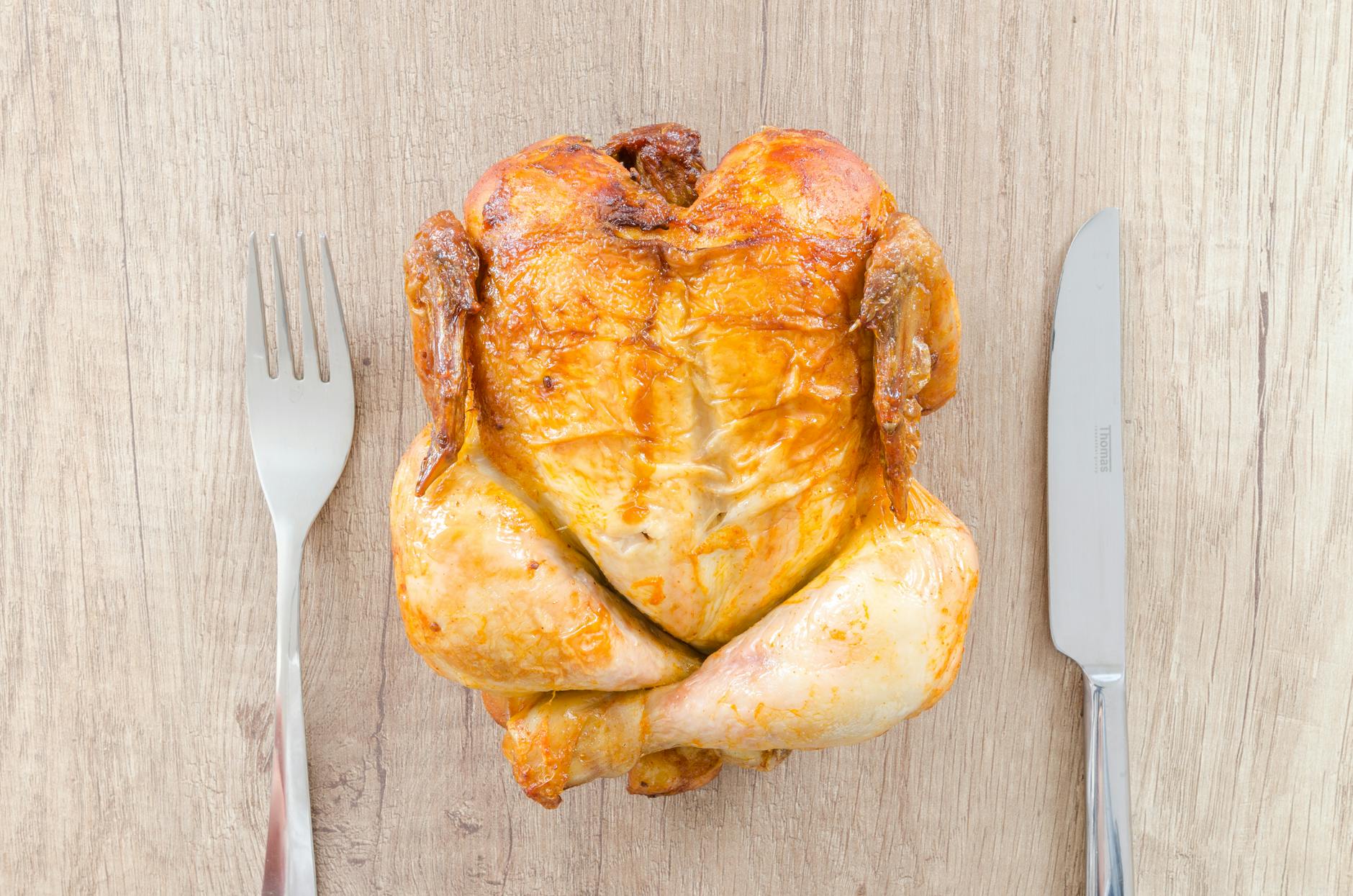
Buying a whole bird is far more economical than purchasing pre-cut pieces. You pay a premium for the convenience of skinless breasts or tenders. Roasting a whole chicken provides meat for several different meals. The remaining bones and carcass can be boiled down to make a nutritious stock. This utilizes every part of the animal for maximum value.
Eggs
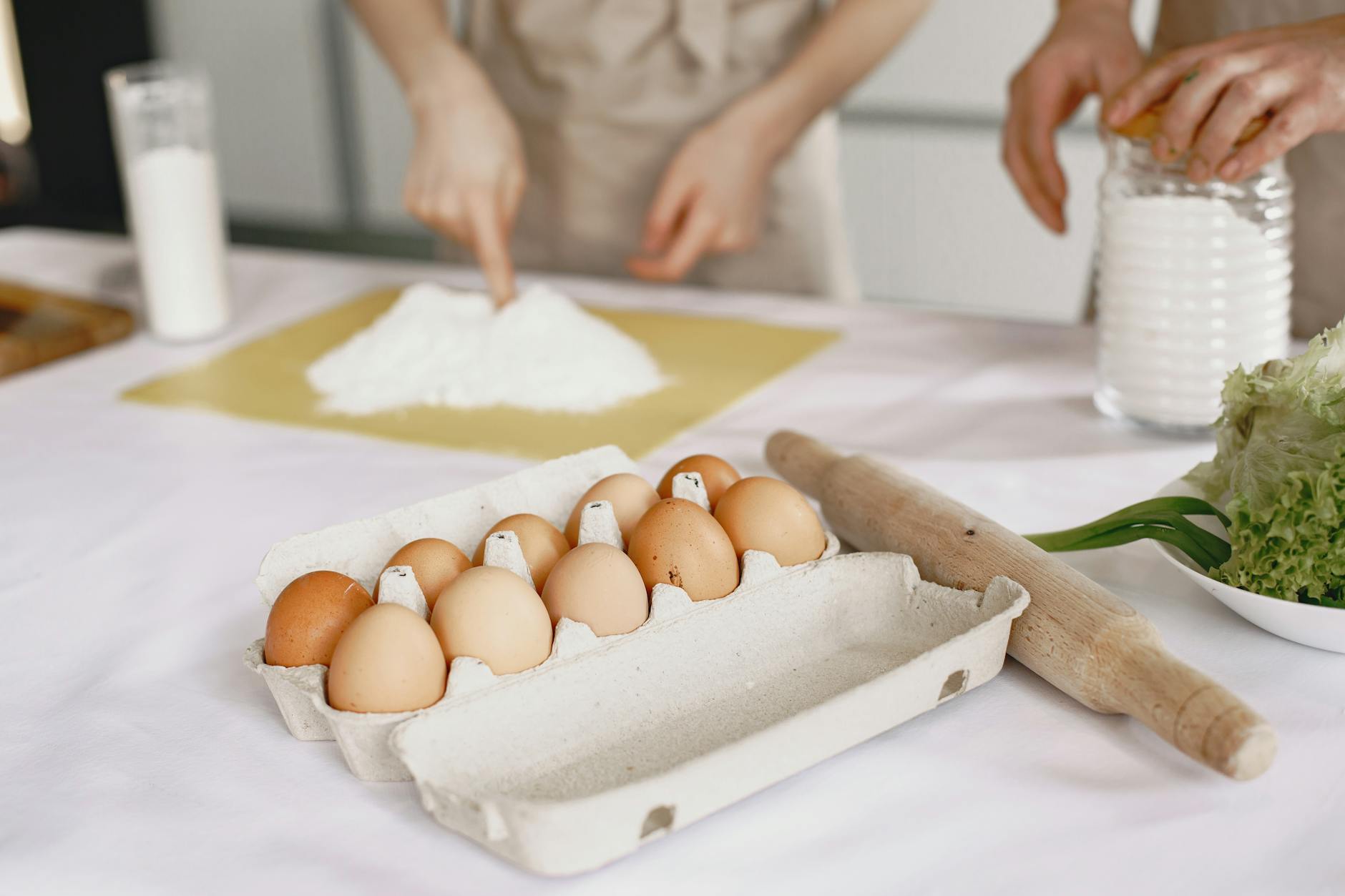
Eggs remain one of the most affordable sources of high-quality protein available. They are incredibly versatile and can be eaten for any meal of the day. A dozen eggs can feed a family for a fraction of the cost of meat. They cook quickly and pair well with almost any vegetable or grain. Hard-boiled eggs also make for a cheap and portable healthy snack.
Oatmeal

Old-fashioned oats are a nutrient-dense breakfast option that costs pennies per serving. They are high in fiber and keep you full longer than sugary cereals. You can buy large containers that last for weeks at a very low price. Adding fruit or cinnamon changes the flavor profile without adding significant cost. Instant packets are more expensive so sticking to the large tube is best.
Brown Rice

This whole grain is an inexpensive staple that provides energy and fiber. Brown rice is generally healthier and more filling than white rice. It serves as a perfect base for stretching smaller amounts of meat and vegetables. A large bag is heavy but offers an incredible number of servings. It is a pantry hero for anyone trying to eat well on a budget.
Dry Beans

Dried beans are significantly cheaper than their canned counterparts. Soaking and cooking them takes time but requires very little active effort. A single bag yields a massive amount of food once rehydrated and cooked. They freeze beautifully so you can cook a big batch for future meals. This is the ultimate budget protein source for health-conscious shoppers.
Frozen Fruit

Berries and tropical fruits are expensive when fresh but affordable when frozen. These are perfect for making nutrient-packed smoothies or topping oatmeal. Frozen fruit retains all its vitamins and never goes bad in the freezer. You avoid the disappointment of fresh berries molding before you can eat them. It is a sweet way to get antioxidants without the high price tag.
Sale Flyers

Checking store circulars before shopping reveals the best deals of the week. Meal planning around these discounted items maximizes savings. Supermarkets rotate sales on meat and produce regularly. stocking up on non-perishable sale items prevents paying full price later. Digital apps now make browsing these weekly ads easier than ever.
Digital Coupons

Most grocery stores offer digital coupons through their mobile applications. You can clip these virtual savings directly to your loyalty account. This eliminates the need to cut paper coupons or carry a binder. Many apps also offer personalized discounts based on your purchase history. Taking five minutes to check the app can save significant money at checkout.
Imperfect Produce

Some stores sell misshapen fruits and vegetables at a steep discount. These items have the same nutritional value and taste as perfect specimens. They are excellent for chopping into salads or cooking into stews where appearance matters less. Buying them helps reduce food waste in the supply chain. It is a smart way to get fresh produce for less.
Herb Gardening

Fresh herbs at the store are expensive and often spoil before the bunch is finished. Growing basil or parsley on a windowsill costs the price of a seed packet. You can snip exactly what you need for a dish and let the plant keep growing. This adds fresh flavor to basic budget meals without extra cost. It is one of the easiest ways to start growing your own food.
Water Consumption

Replacing sugary drinks with water saves money and improves health. Soda and juice offer empty calories that increase the grocery bill. Tap water is free and environmentally friendly compared to bottled options. A reusable water bottle is a one-time investment that pays off immediately. Staying hydrated also helps control appetite and energy levels.
Coffee at Home

Brewing coffee in your kitchen saves an immense amount of money annually. Cafe drinks have high markups that drain daily budgets quickly. You can buy high-quality beans and still pay less per cup than at a shop. investing in a decent travel mug lets you take your brew on the go. This simple habit change frees up funds for better quality food.
Batch Cooking

Cooking large quantities of food at once saves energy and time. You can portion out meals for the entire week in one session. This ensures you have healthy options ready when you are too tired to cook. Freezing individual portions prevents food fatigue and waste. It creates your own supply of homemade frozen dinners.
Scrap Repurposing
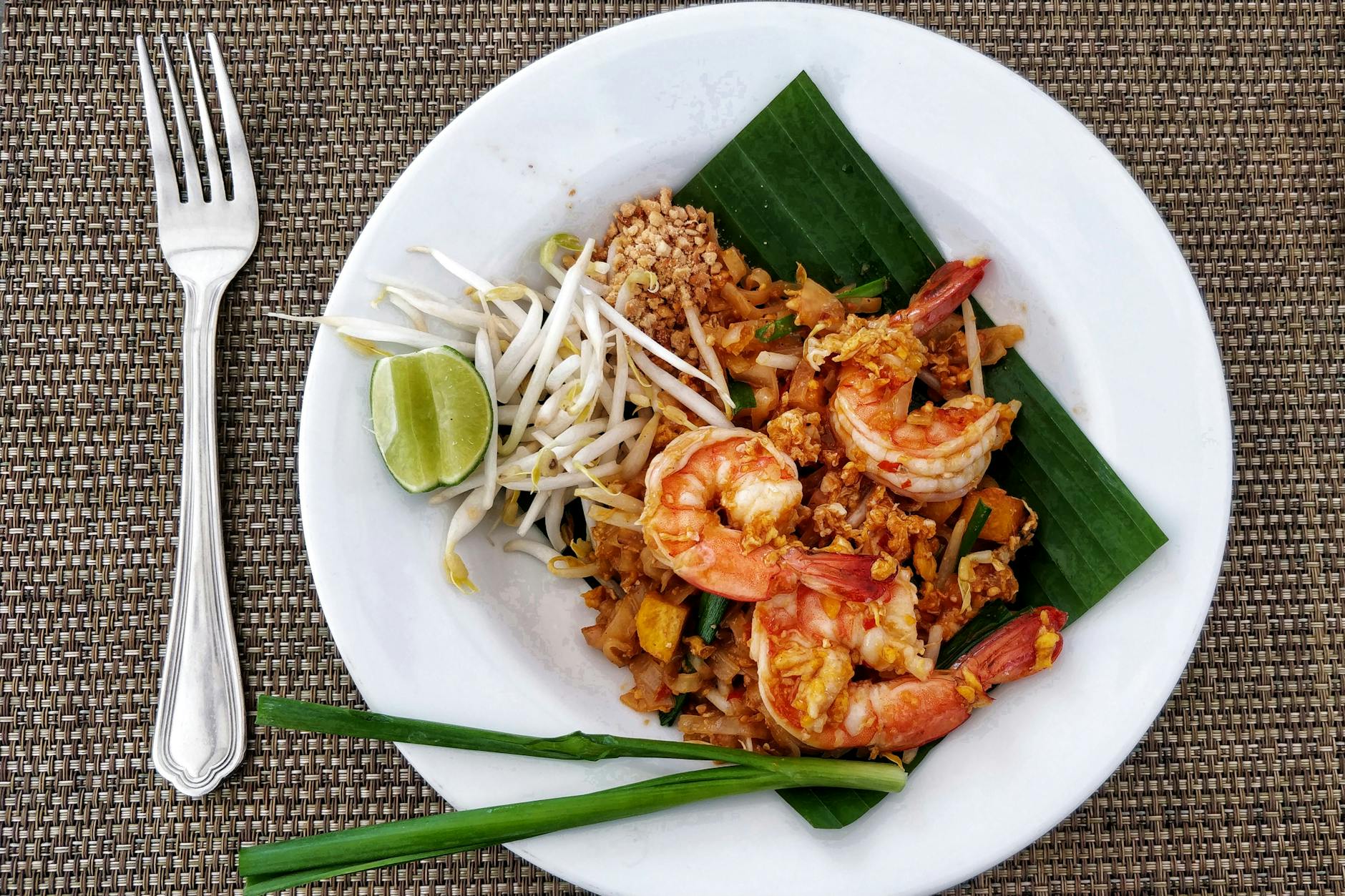
Vegetable peels and meat bones can be saved to make homemade broth. This free stock is healthier and tastier than store-bought cubes or cartons. Stale bread can be turned into croutons or breadcrumbs rather than being tossed. Overripe fruit is perfect for baking breads or sweetening smoothies. Creative use of scraps stretches every dollar spent.
Unit Pricing

Looking at the price per ounce or pound reveals the true cost of an item. Larger packages often provide a better value than smaller conveniences. Shelf tags in most supermarkets display this information in small print. Comparing these numbers ensures you get the most product for your money. This simple habit adds up to significant savings over time.
Whole Foods

Processed foods often cost more per serving than whole ingredients. You pay for the manufacturing and packaging of boxed meals. Buying raw ingredients and assembling them yourself is cheaper and healthier. A block of cheese is cheaper than shredded cheese and a head of lettuce is cheaper than a bagged salad. Processing food yourself keeps cash in your wallet.
Discount Grocery Stores
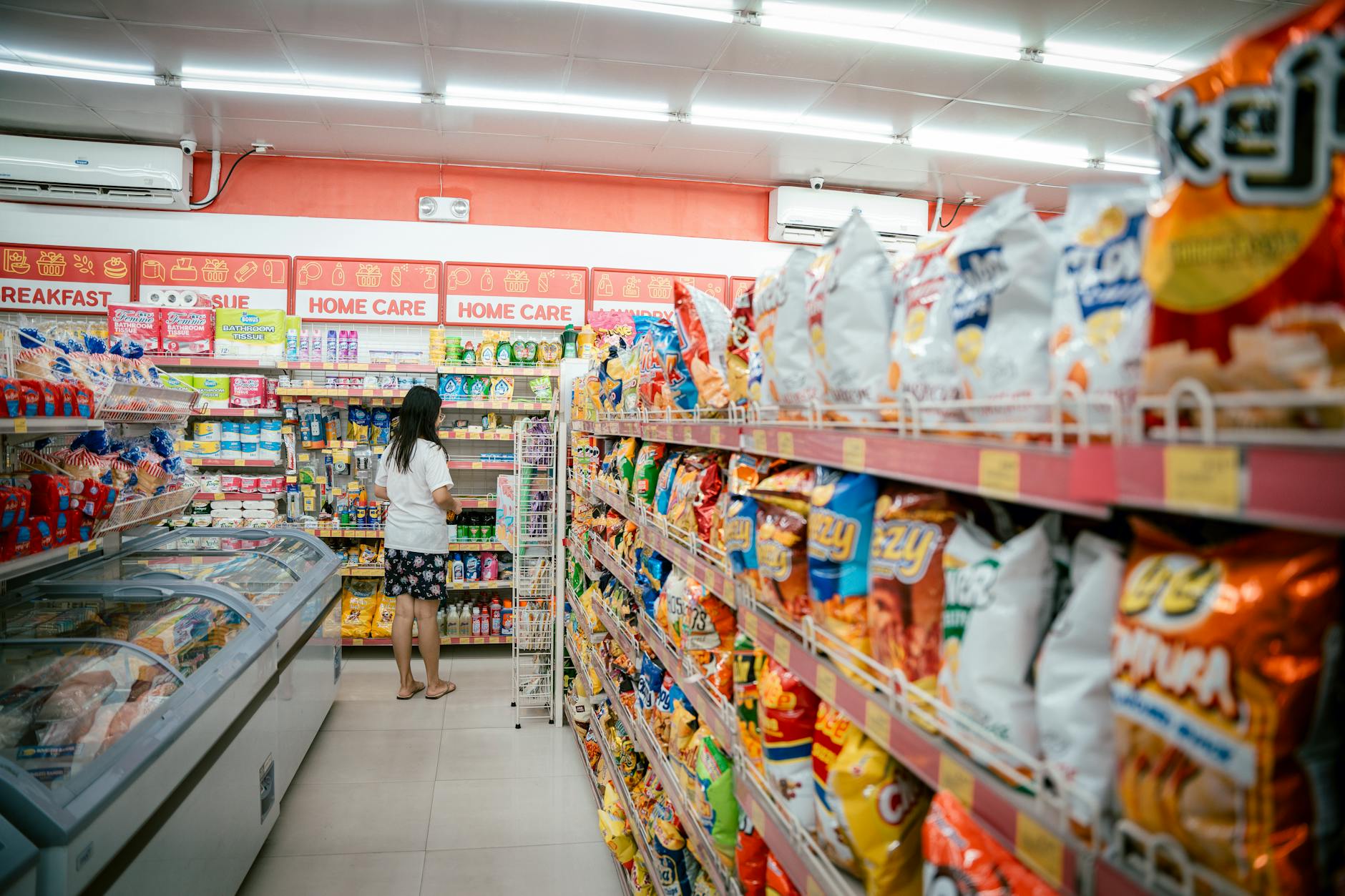
Shopping at budget-friendly chains can drastically lower the final receipt. These stores offer a limited selection but focus on high-volume low-cost items. You might need to bring your own bags or rent a cart. The savings on staples like milk and eggs are often substantial. It is worth the trip for the basic items on your list.
Farmers Markets

Visiting markets at the end of the day often yields bargains. Vendors prefer to sell produce at a discount rather than haul it back home. You can negotiate prices on bulk purchases of tomatoes or corn. The food is fresh and supports the local economy. It is a great way to access high-quality produce on a budget.
Lentils

Lentils cook much faster than dried beans and do not require soaking. They are packed with protein and iron for very little money. You can add them to soups or salads to bulk up the meal. They have a long shelf life and are easy to store in the pantry. Lentils are a staple in many frugal and healthy cuisines.
Potatoes

Potatoes are one of the most satiating foods you can buy for a low price. They are rich in potassium and vitamin C when eaten with the skin. A large bag costs very little and can be prepared in endless ways. Baking or boiling them is healthier than frying. They serve as an excellent energy source for active individuals.
Canned Tuna

This pantry staple provides a convenient source of omega-3 fatty acids and protein. It requires no cooking and is ready to eat straight from the can. Tuna salad is a quick lunch that pairs well with crackers or bread. You can also add it to pasta dishes for a protein boost. It is a reliable backup when fresh meat is not an option.
Bananas

Bananas are consistently one of the cheapest fruits available in supermarkets. They come with their own natural packaging and are easy to transport. Potassium and fiber make them a great pre-workout snack. You can freeze overripe ones for smoothies or baking. They provide natural sweetness without added sugar.
Popcorn

Buying plain kernels is far cheaper than buying chips or microwave bags. Air-popped corn is a whole grain snack that is low in calories. You can control the amount of salt and butter used. A small bag of kernels makes a massive volume of snacks. It satisfies the craving for something crunchy without breaking the budget.
Yogurt Tubs

Large containers of yogurt are cheaper per ounce than single-serve cups. You can portion it out yourself into reusable containers. Plain yogurt allows you to control the sugar content by adding your own fruit. It serves as a healthy breakfast or a substitute for sour cream. This simple switch reduces plastic waste and cost.
Peanut Butter

Peanut butter is a calorie-dense food that provides healthy fats and protein. It is very inexpensive and requires no refrigeration until opened. A jar can last a long time and pairs well with cheap staples like bread and apples. It helps you feel full which prevents snacking on expensive junk food. Look for natural versions with no added sugar.
Carrots

Whole carrots are extremely cheap and last a long time in the refrigerator. They are perfect for raw snacking or roasting as a side dish. Peeling and cutting them yourself saves money over baby carrots. They add natural sweetness and bulk to soups and stews. This root vegetable is a nutritional powerhouse for the price.
Cabbage

A head of cabbage is inexpensive and yields a huge amount of food. It is packed with vitamins and can be eaten raw or cooked. Cabbage lasts much longer in the fridge than delicate leafy greens like spinach. It works well in stir-fries or as a crunchy base for tacos. It is one of the most economical vegetables available.
Spice Buys

Purchasing spices from bulk bins allows you to buy only what you need. Small glass jars in the baking aisle are often very expensive per ounce. Bulk spices are often fresher because of higher turnover. You can refill old jars at home for a fraction of the cost. Good seasoning makes budget ingredients taste luxurious.
Freezer Organization

Keeping a tidy freezer prevents food from being lost and getting freezer burn. Labeling containers with contents and dates helps you rotate stock. Freezing leftovers immediately ensures they are safe to eat later. You can buy sale items in bulk and freeze them for future weeks. A well-managed freezer is a savings account for food.
Homemade Snacks

Making granola bars or trail mix at home is cheaper than buying pre-packaged versions. You can buy ingredients in bulk and customize the recipe to your taste. This avoids the preservatives and excess sugar found in store-bought snacks. It requires a little time but saves money on daily snacking. You also reduce the packaging waste associated with single servings.
Soup Making

Soup is the ultimate way to stretch expensive ingredients like meat and vegetables. Water or broth adds volume to the meal at a low cost. You can hide less popular vegetables in a pureed soup. It is warm and filling comfort food that is easy on the wallet. A big pot can feed a family for several days.
Whole Wheat Pasta

Pasta is a classic budget food that becomes healthier when you choose whole wheat. It provides more fiber and nutrients than white pasta for a similar price. It is quick to cook and serves as a canvas for many sauces. A box costs very little and has a long shelf life. Pairing it with vegetables creates a balanced meal.
Mindful Shopping
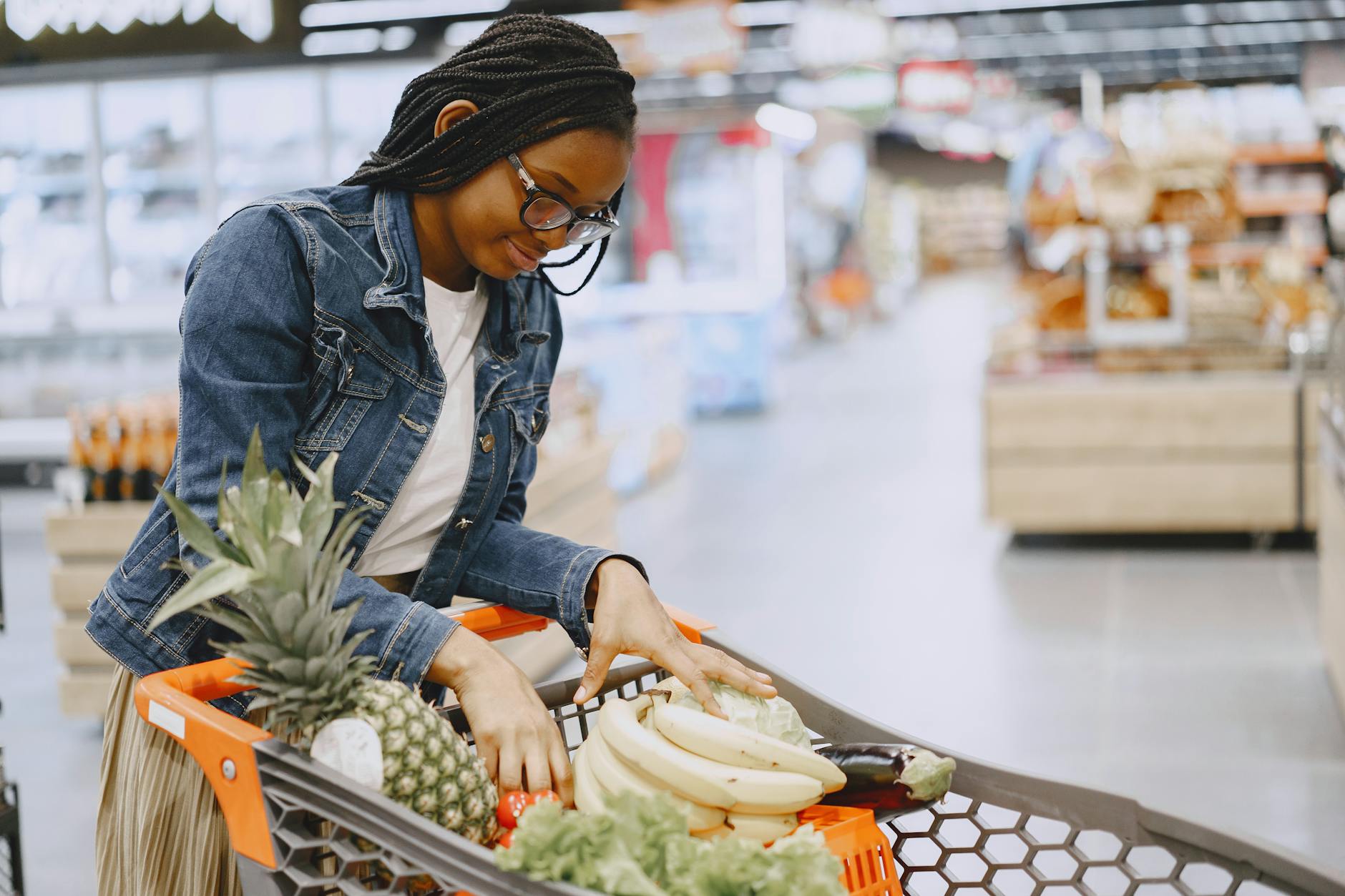
Eating a snack before going to the grocery store prevents hunger-based decisions. Shoppers who are hungry are more likely to buy high-calorie processed foods. A calm and fed state allows you to stick to your list and budget. This simple psychological trick saves money and improves diet quality. It keeps the focus on the planned items.
Store Loyalty Programs

Signing up for store cards unlocks special pricing on many items. These programs often track your spending and offer rewards or cashback. You might get exclusive access to gas discounts or free items. It costs nothing to join and provides immediate benefits at the register. Over a year the savings can be substantial.
Seasonal Sales

Holidays often bring deep discounts on specific items like turkeys or baking supplies. Stocking up on these non-perishables or freezable items during the sale is smart. You can eat these expensive items later in the year for a bargain price. Retailers use these loss leaders to get you in the store. Taking advantage of them helps balance the budget.
Please share your own favorite tips for saving money on groceries in the comments.




