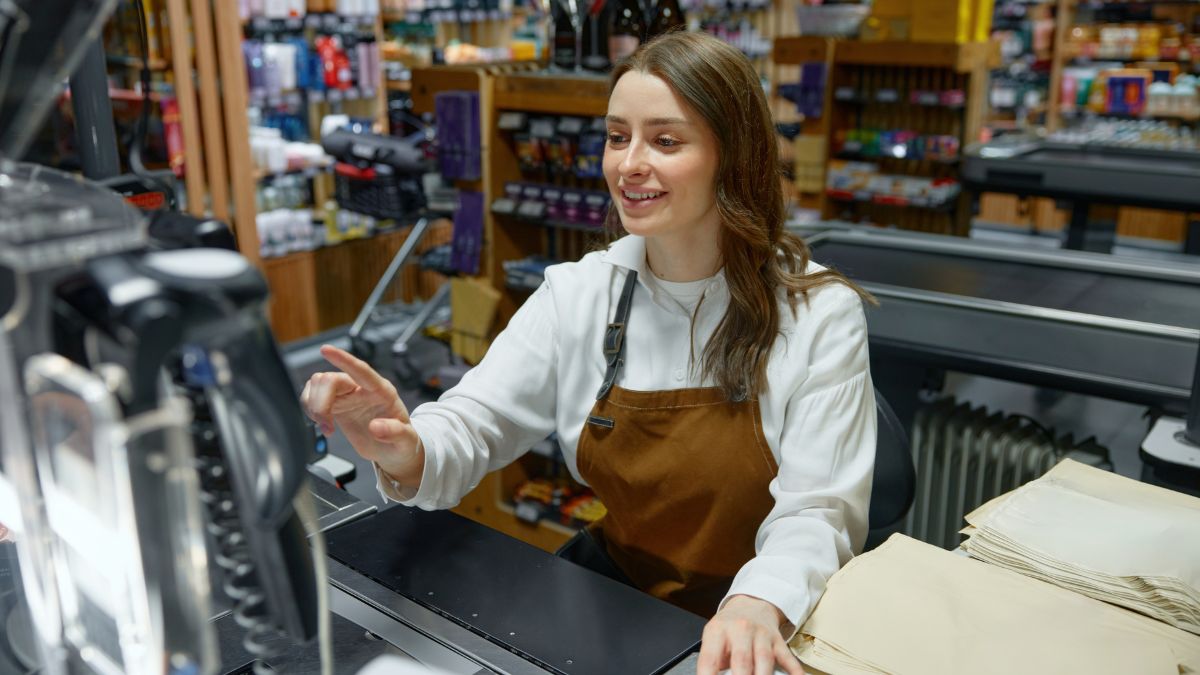
Every trip to the grocery store feels routine from the shopper’s perspective, but cashiers experience each transaction very differently. These frontline workers handle hundreds of customers each shift, and certain habits create genuine frustration that polite professionalism keeps hidden. Understanding what bothers checkout staff can transform the experience for everyone involved. Small adjustments to shopping behavior go a long way toward making the interaction smoother and more respectful for both sides of the conveyor belt.
Unbagged Produce

Placing loose fruits and vegetables directly onto the belt without a bag creates a time-consuming problem for cashiers. Each item must be identified individually, often requiring a search through a lengthy produce lookup menu. When customers skip the provided bags or fail to use self-stick labels at the scale station, the entire line slows down noticeably. Cashiers are expected to maintain a steady transaction pace, and unmarked produce consistently disrupts that rhythm.
Last-Minute Coupons

Waiting until the total appears on the screen to begin searching for coupons is one of the most common sources of checkout frustration. The cashier must pause the transaction, wait for the customer to scroll through a phone or dig through a wallet, and then manually process each discount. Many coupons have specific conditions that require additional verification, adding further delays. Customers who organize their coupons beforehand and present them early in the transaction make the entire process significantly faster.
Phone Distraction

Conducting a full phone conversation throughout the checkout interaction is widely considered disrespectful by retail workers. Cashiers must ask questions about loyalty cards, payment methods, and bagging preferences, and doing so feels awkward when a customer is clearly focused elsewhere. The interaction becomes one-sided, with staff left to guess at preferences or interrupt the call entirely. A brief pause from the phone during checkout shows basic courtesy and keeps the transaction moving without unnecessary confusion.
Unpacking the Cart Early

Placing every item from a full cart onto the belt at once, regardless of available space, creates a chaotic pile that is difficult to scan efficiently. Cashiers prefer a steady flow of items rather than an overwhelming surge that leads to products falling over or getting mixed together. Grouping items thoughtfully and adding them gradually gives the cashier room to work at a comfortable pace. Customers who pay attention to the available space on the belt make the process noticeably more manageable for everyone.
Payment Delays

Having a payment method ready before the total is announced is basic checkout etiquette that many shoppers overlook. Cashiers complete the scanning process and then wait while customers locate a wallet, choose between cards, or decide whether to use cash. This pause compounds across dozens of transactions throughout a shift and contributes significantly to line buildup. Preparing payment during scanning rather than after the total appears keeps the line moving and reduces stress for the entire queue.
Returned Items

Handing a cashier a product to put back after it has already been scanned creates paperwork and disrupts the transaction flow. Voiding an item requires supervisor codes at many stores, and frequent voids can flag a cashier’s register for review. When customers change their minds repeatedly throughout a single transaction, the process extends well beyond what a typical checkout should require. Deciding on purchases before reaching the belt prevents this entirely and keeps the experience efficient for everyone waiting.
Bag Complaints
Criticizing the way a cashier is packing bags mid-transaction, particularly in a dismissive tone, is a common frustration among checkout staff. Cashiers follow specific guidelines for weight distribution and item grouping designed to prevent damage during transport. Interrupting their method or demanding a complete repack without explanation puts workers in an uncomfortable position. Customers who have specific preferences about bagging are welcome to share them at the start of the transaction rather than critiquing work already done.
Expired Coupons

Presenting coupons that are clearly past their printed expiration date places cashiers in an awkward position with no good outcome. Accepting the coupon requires overriding store policy, while declining it often results in visible customer frustration directed at the cashier personally. Many customers assume the expiration date is flexible or negotiable, which it typically is not. Checking dates before arriving at the store prevents the situation entirely and spares both parties an uncomfortable exchange.
Coin Counting

Paying for a significant grocery total entirely in loose change slows the checkout process considerably and creates a stressful situation for staff. Counting out coins while a line forms behind the customer puts pressure on the cashier to appear patient while the queue grows. Most stores have coin machines or coin rolls available for exactly this reason, and using them beforehand is a simple courtesy. Reserving loose change for small purchases or converting it to bills before shopping makes the payment process far smoother.
Leaving the Lane

Walking away from the register mid-transaction to retrieve a forgotten item leaves the cashier in an awkward holding pattern with a partial order already scanned. The register is effectively occupied, preventing the next customer from stepping forward, and the wait time is unpredictable. If the missed item is nearby it may seem minor, but from a workflow perspective it disrupts the entire lane. Reviewing the shopping list thoroughly before reaching the checkout area is the most effective way to avoid this situation entirely.
Have you ever caught yourself doing any of these things at the checkout? Share your thoughts in the comments.




