Designing a small living room requires a strategic approach to maximize both style and functionality. The goal is to create an illusion of space while ensuring the area remains comfortable for daily use. Clever visual tricks and smart furniture choices can dramatically alter the perception of square footage. Every element from lighting to floor coverings plays a pivotal role in opening up the room. Implementing these design principles transforms a cramped quarter into an airy and inviting sanctuary.
Oversized Mirrors

Placing a large mirror on a focal wall instantly creates a sense of depth in a compact room. The reflection mimics an extra window and bounces natural light into darker corners. You can lean a tall floor mirror against the wall or mount a horizontal piece above the sofa. This optical illusion tricks the eye into perceiving twice as much space as actually exists. It serves as one of the most effective methods for expanding visual boundaries without structural changes.
Floor-to-Ceiling Curtains

Hanging curtain rods directly below the ceiling draw the eye upward and emphasize vertical height. Long panels that graze the floor make the walls appear taller than they really are. You should extend the rod wider than the window frame to expose as much glass as possible. This technique allows maximum natural light to flood the interior during the day. The result is a grander and more open feel that counteracts a boxy room shape.
Acrylic Furniture

Transparent furniture pieces made from acrylic or glass disappear visually within the space. A clear coffee table or ghost chair provides necessary function without adding visual clutter. These items allow light to pass through them rather than blocking sightlines across the floor. The lack of visual weight makes the room feel less crowded and more airy. It is a modern solution for maintaining flow in tight quarters.
Neutral Color Palette

Light and neutral colors on the walls and furniture reflect light to make the room feel expansive. Whites and creams blur the boundaries between walls and ceilings for a seamless look. Soft grays or beiges provide warmth while maintaining an open and airy atmosphere. You can introduce texture through fabrics rather than relying on dark or contrasting colors. This cohesive approach prevents the space from feeling chaotic or closed in.
Leggy Furniture

Sofas and armchairs raised on exposed legs allow sightlines to extend all the way to the floor. Being able to see underneath the furniture creates a sense of openness and flow. Boxy pieces that sit directly on the rug can make a small room feel heavy and blocky. Mid-century modern designs frequently utilize tapered legs that work perfectly for this purpose. The additional visible floor space signals to the brain that the room is larger.
Nesting Tables

Nesting tables offer a flexible surface area that can be expanded or tucked away as needed. You can pull them apart when entertaining guests and stack them to save floor space later. This versatility eliminates the need for a large and permanent coffee table that dominates the room. They come in various shapes and materials to suit any design aesthetic. Keeping the floor clear of unnecessary obstacles is key to styling a small living room.
Large Area Rugs

A small rug can visually break up the floor and make the room feel disjointed or tiny. Choosing a rug that extends beyond the furniture anchors the space and draws the eye wide. The front legs of your sofa and chairs should sit comfortably on the rug to unify the seating area. This continuous block of texture tricks the brain into thinking the room is larger than it is. It effectively defines the zone without restricting visual flow.
Wall Sconces

utilizing wall-mounted lighting frees up valuable surface space on end tables and consoles. Sconces provide ambient lighting that brightens dark corners and pushes the walls outward. Adjustable swing-arm options allow you to direct light exactly where it is needed for reading or tasks. Removing bulky table lamps reduces visual clutter and streamlines the design. Proper illumination is essential for making any small space feel welcoming and spacious.
Floating Shelves

Wall-mounted shelves provide essential storage without occupying precious floor real estate. They draw the eye upward and utilize vertical space that often goes wasted. You can display books and decor items while keeping the ground area clear for furniture. Keeping the arrangement airy prevents the walls from feeling closed in or heavy. This streamlined look enhances the sense of openness in the living area.
Multi-functional Ottomans

An ottoman with hidden storage serves as a footrest and a place to stash blankets or magazines. Some designs feature reversible lids that convert the piece into a functional coffee table. This dual purpose eliminates the need for extra furniture that creates clutter. You can easily move it around the room to serve as extra seating for guests. Investing in versatile pieces ensures the room remains adaptable and organized.
Vertical Art Arrangements

Stacking artwork vertically draws attention to the height of the ceiling rather than the width of the room. This technique guides the eye upward and distracts from a limited floor plan. A gallery wall layout that extends to the ceiling can create a dramatic focal point. You should choose frames that complement the wall color to avoid a jarring visual break. Emphasizing verticality is a proven method for making low ceilings feel higher.
Striped Textiles

Rugs or pillows with striped patterns can manipulate the perception of room dimensions. Vertical stripes on curtains make walls appear taller while horizontal stripes on a rug widen the floor. This visual trickery subtly alters how the proportions of the space are interpreted. You should keep the colors relatively simple to avoid overwhelming the small area. It serves as a classic design tool for correcting awkward spatial proportions.
Hidden Storage Solutions

Furniture with built-in compartments helps maintain a clutter-free environment which is crucial for small spaces. Benches and sofas with lift-up seats provide ample room for seasonal items or linens. Keeping everyday items out of sight prevents the room from feeling chaotic and shrinking visually. A tidy room always feels larger and more serene than a messy one. Prioritizing concealed storage creates a clean slate for your design elements.
Monochromatic Themes

Using various shades of a single color creates a harmonious and uninterrupted visual flow. The lack of high-contrast breaks allows the eye to move smoothly across the entire room. This uniformity blurs the edges of the room and makes boundaries less distinct. Texture becomes the primary tool for adding interest rather than bold color changes. The result is a sophisticated and expansive feeling environment.
Pocket Doors

Replacing traditional swinging doors with pocket doors recovers usable floor space. Swinging doors require clearance that limits where you can place furniture. Sliding mechanisms disappear into the wall to create a seamless transition between rooms. This architectural change allows for better flow and more flexible layout options. It effectively removes a physical barrier that often makes small rooms feel cramped.
Statement Lighting

A single large pendant light or chandelier can create a focal point that draws the eye up. Choosing one impactful fixture is often better than cluttering the ceiling with many small lights. The scale of the fixture creates a sense of drama and distracts from the room size. You should ensure the fixture hangs high enough so it does not impede movement. This design choice adds personality without consuming floor space.
Round Dining Tables
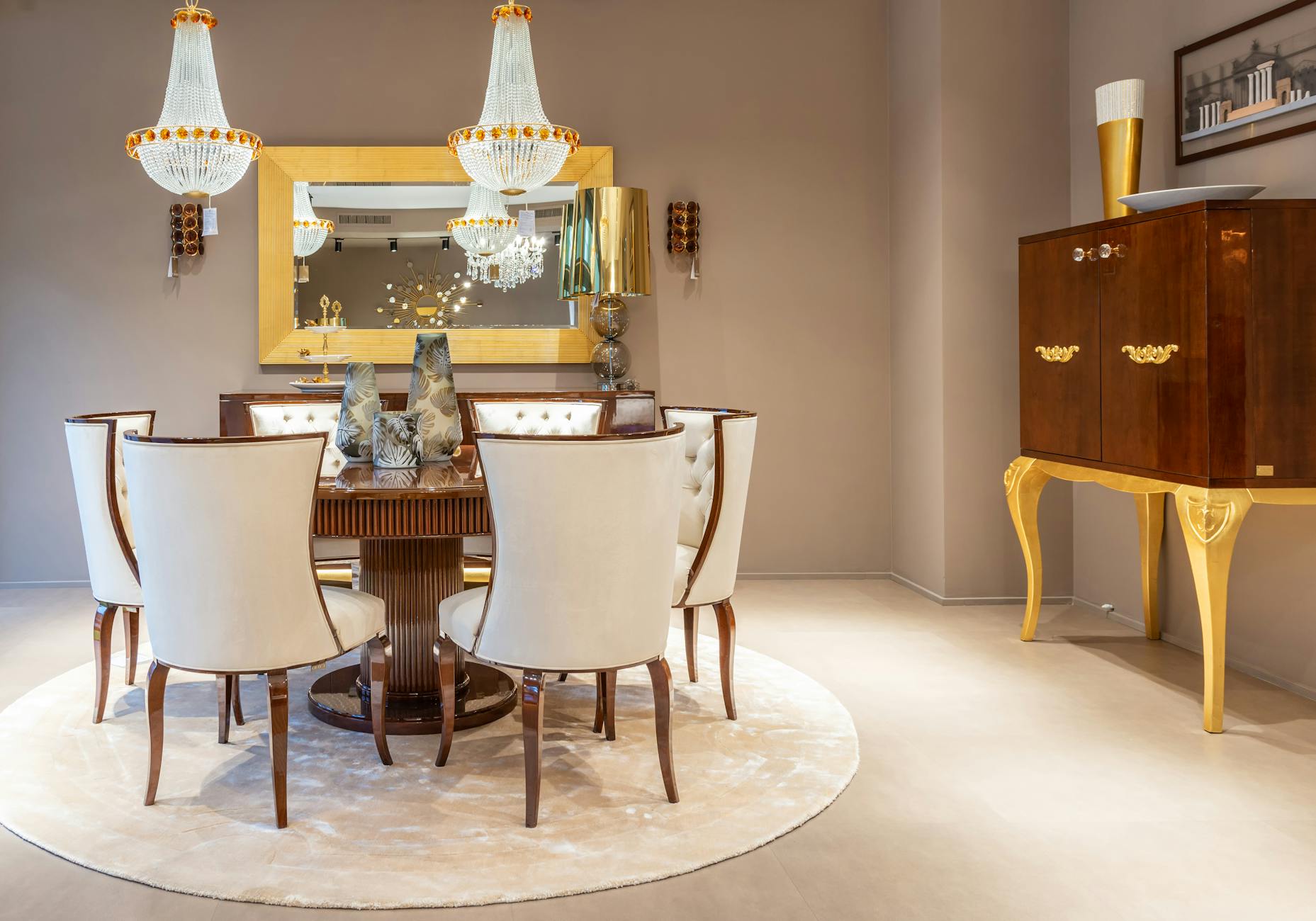
Round tables improve traffic flow in tight spaces by eliminating sharp corners. The curved shape allows for easier movement around the furniture and prevents bumping into edges. Pedestal bases offer more legroom and visual lightness compared to four-legged options. They fit into awkward nooks more easily than rectangular or square tables. This shape fosters a cozy and communal atmosphere in small dining areas.
Window Seats

Transforming a bay window or alcove into a bench seat utilizes awkward architecture efficiently. Built-in seating often includes storage underneath for added functionality. This arrangement eliminates the need for a bulky sofa in very tight living rooms. It draws attention to the window and the view outside to extend the perceived space. Custom cushions can make this a primary and comfortable lounging spot.
Painted Ceilings

Painting the ceiling a shade lighter than the walls creates an illusion of height. A bright white or pale blue ceiling can make the room feel like it opens up to the sky. This technique lifts the visual lid of the room and prevents a claustrophobic feeling. You can also use a high-gloss finish to reflect light and add dimension. It is a simple paint trick with a significant impact on spatial perception.
Wall-Mounted TVs
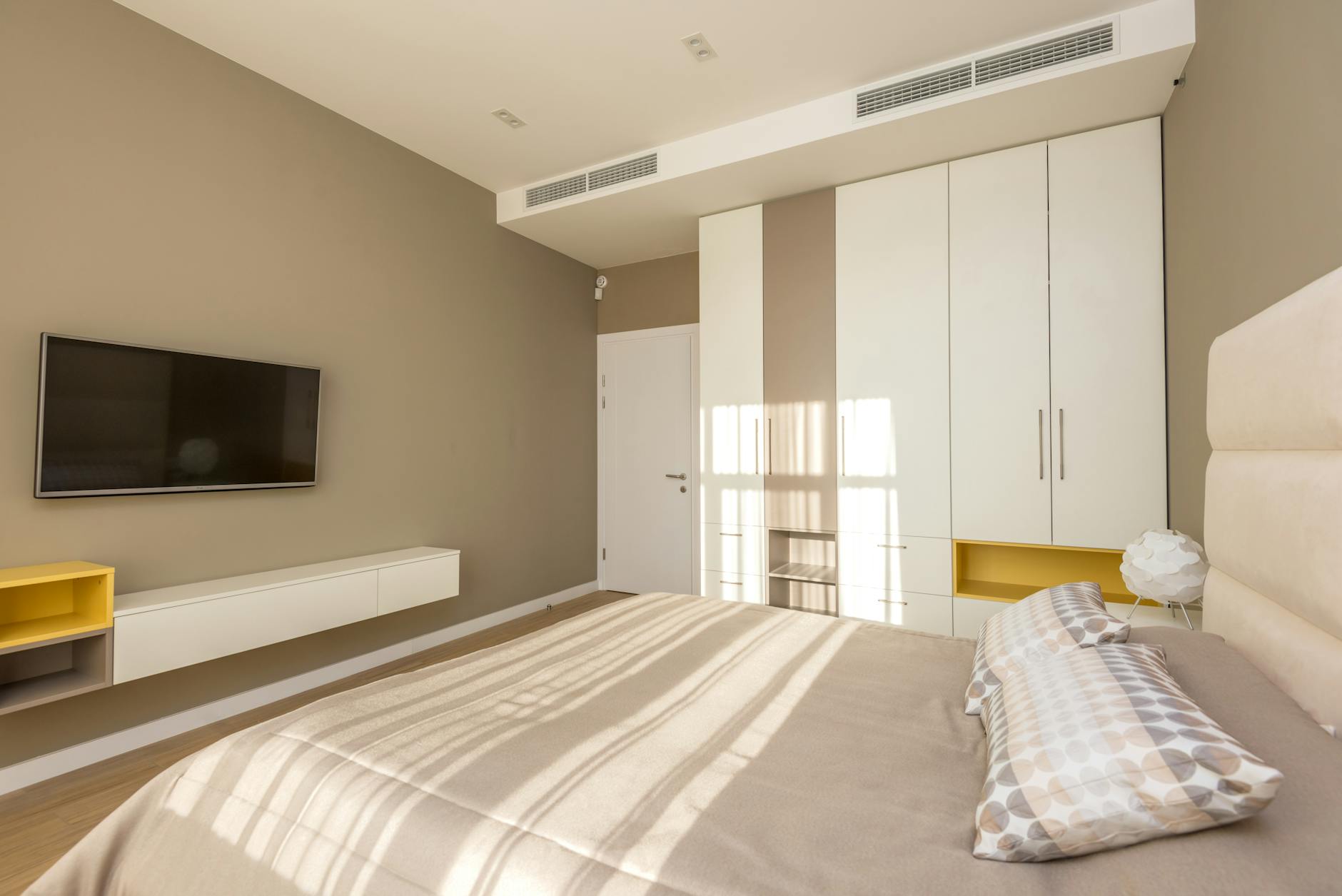
Mounting the television directly to the wall removes the need for a large media console. You can install a floating shelf underneath for necessary components to keep the floor clear. This setup streamlines the entertainment area and reduces visual bulk. Concealing cords inside the wall or a paintable cover is essential for a clean look. The resulting open floor space makes the entire wall feel lighter.
Continuous Flooring

Using the same flooring material throughout the living area and adjacent rooms creates a seamless flow. Eliminating transition strips or changes in material prevents the eye from stopping at the threshold. This continuity makes the entire apartment or floor plan feel like one large space. Light wood or large format tiles are particularly effective for this application. Unifying the ground surface is a foundational step in expanding perceived space.
Sliding Room Dividers

Installing sliding panels or screens offers the ability to zone spaces without permanent walls. You can open the dividers to merge rooms or close them for privacy when needed. Translucent materials allow light to filter through even when the divider is closed. This flexibility is perfect for studio apartments or open-concept small homes. It provides structure without the permanence and bulk of drywall.
Minimalist Window Treatments

Simple blinds or roller shades mounted inside the window frame maximize the visible glass area. Heavy drapes can sometimes add bulk and encroach on the room interior. A clean and unobtrusive window treatment creates a modern and streamlined look. Letting in natural light remains the priority for making the space feel huge. This approach reduces visual noise around the windows.
Strategic Furniture Floating
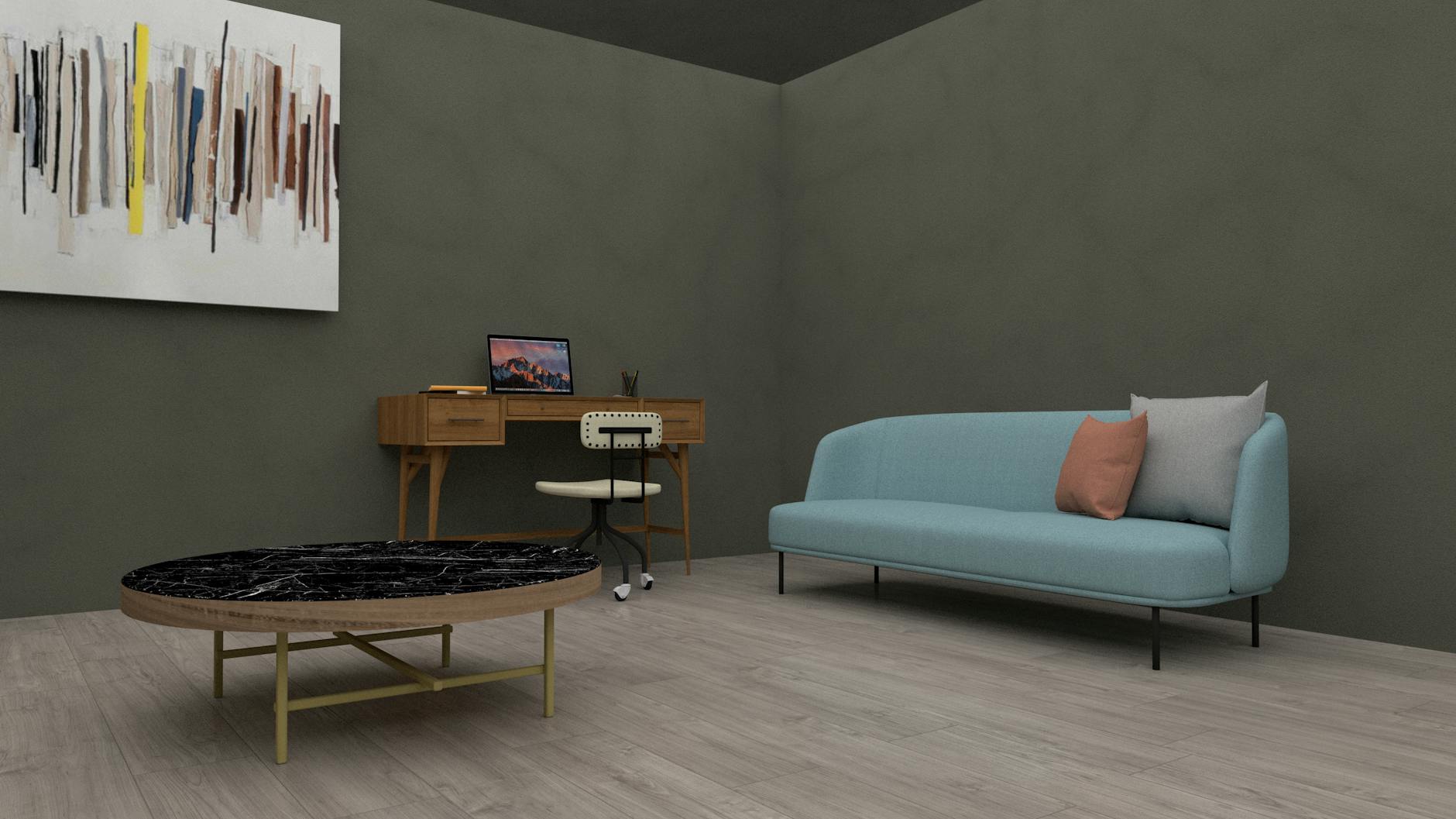
Pulling furniture a few inches away from the walls creates a sense of spaciousness. Pushing everything against the perimeter often highlights the limited dimensions of the room. A floating arrangement encourages better traffic flow and creates an intimate conversation area. Even a small gap creates shadows that suggest depth behind the furniture. This layout trick defies the instinct to maximize floor space by hugging the walls.
Large Scale Art

One large piece of art typically works better than a collection of many small frames. A massive canvas acts as a window and expands the visual horizon of the room. Small items can feel cluttered and busy in a compact living area. The single statement piece provides a clear focal point that anchors the design. It simplifies the wall and lends a gallery-like quality to the space.
Reflective Surfaces

Incorporating glossy finishes on cabinets or tables helps bounce light around the room. Lacquered furniture or metallic accents act similarly to mirrors in adding depth. These surfaces catch natural and artificial light to brighten the overall ambiance. You should balance these shiny elements with matte textures to avoid a cold feeling. The play of light on different surfaces creates a dynamic and open environment.
Vertical Gardens
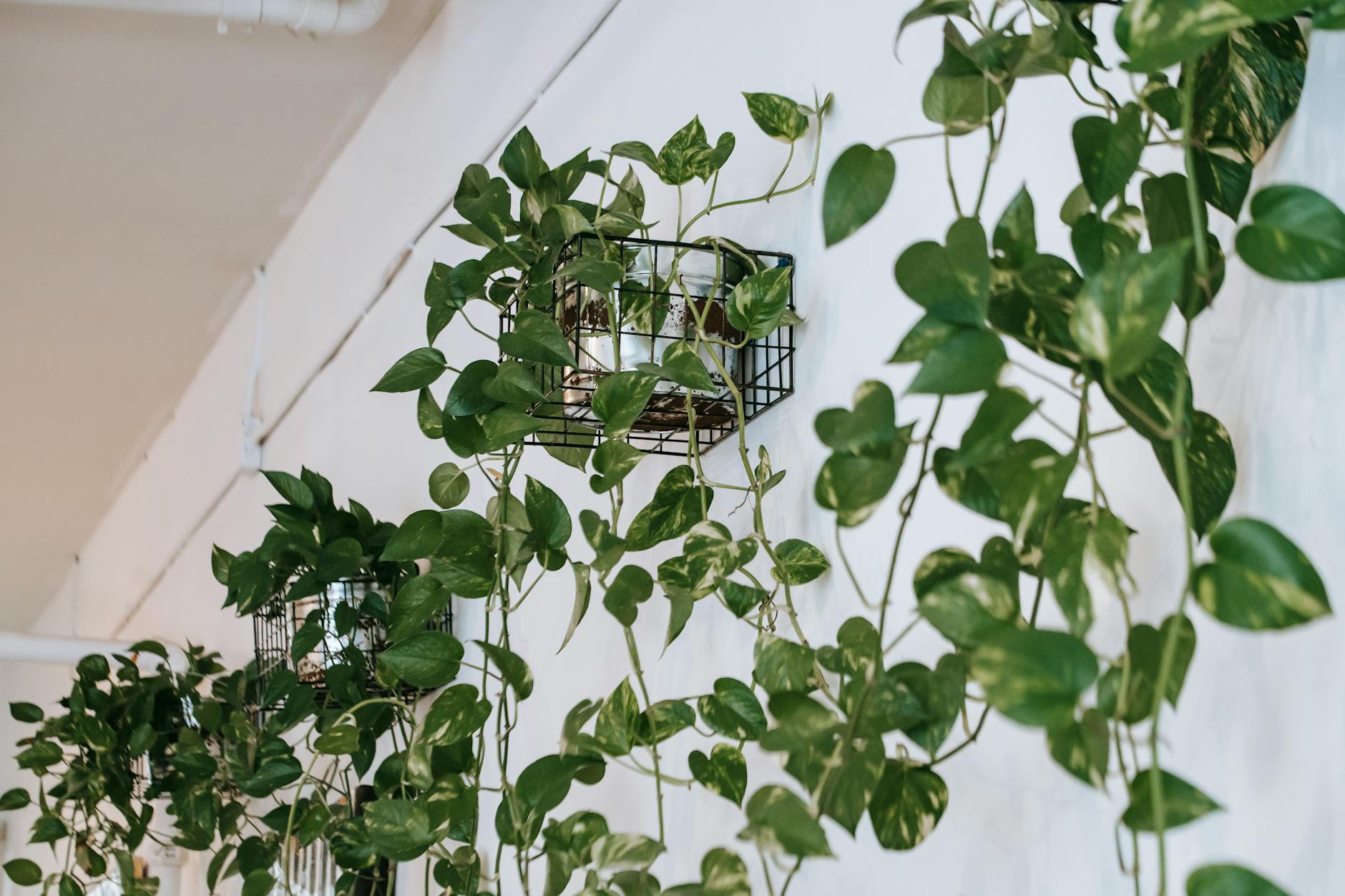
Hanging plants or wall-mounted planters bring nature indoors without taking up floor space. Greenery adds life and texture while drawing the eye upward. Trailing vines from a high shelf can accentuate the height of the room. Plants also soften the hard lines of architecture and furniture. This biophilic design element creates a fresh and airy atmosphere.
Built-in Bookshelves

Floor-to-ceiling built-ins utilize the full height of the room for maximum storage. Custom cabinetry can be painted the same color as the walls to blend in seamlessly. This creates a cohesive look that feels less intrusive than freestanding bookcases. You can leave some open space on the shelves to prevent a heavy appearance. Integrated storage is the gold standard for organizing small living rooms.
Convertible Sofas

A sleeper sofa or daybed provides guest accommodation without requiring a dedicated guest room. Modern convertible designs are sleek and do not look like traditional bulky sofa beds. This dual functionality is essential for maximizing the utility of a small footprint. You can choose a streamlined style with thin arms to save inches. It allows your living room to work harder for your lifestyle needs.
Light Wood Finishes

Pale wood tones like oak or birch keep the visual weight of the furniture light. Dark woods can absorb light and make pieces feel heavy and imposing. Lighter grains reflect illumination and contribute to a Scandinavian or minimalist aesthetic. Mixing these woods with white walls creates a fresh and expansive backdrop. This material choice supports an airy and unencumbered design theme.
Symmetrical Layouts
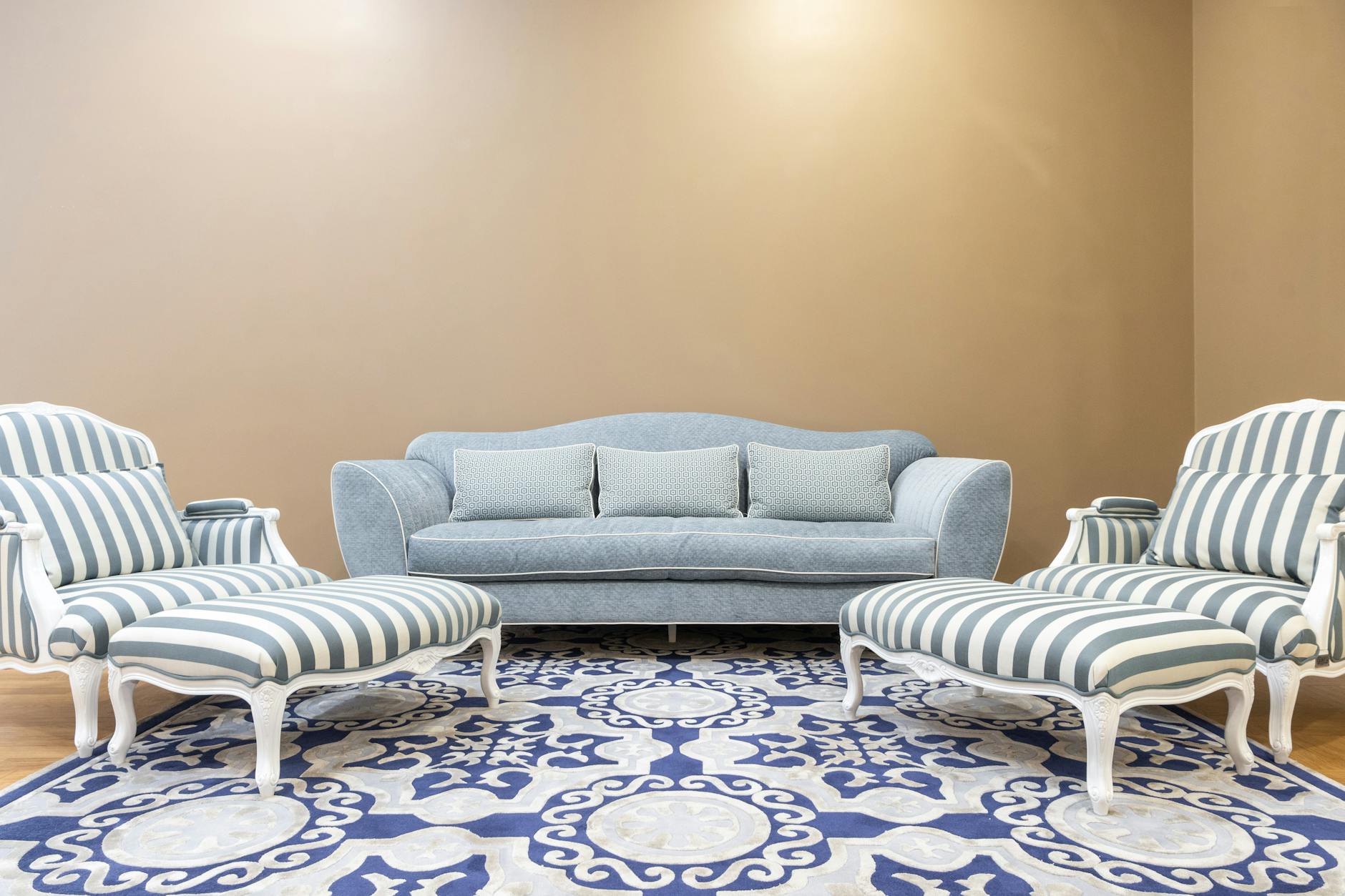
Arranging furniture in a symmetrical pair creates a sense of order and calm. The brain processes balanced layouts more easily which reduces visual stress in small spaces. Matching end tables or lamps frame the sofa and define the living zone clearly. This structured approach prevents the room from feeling messy or haphazard. Symmetry brings a polished and intentional look to compact areas.
Accent Walls
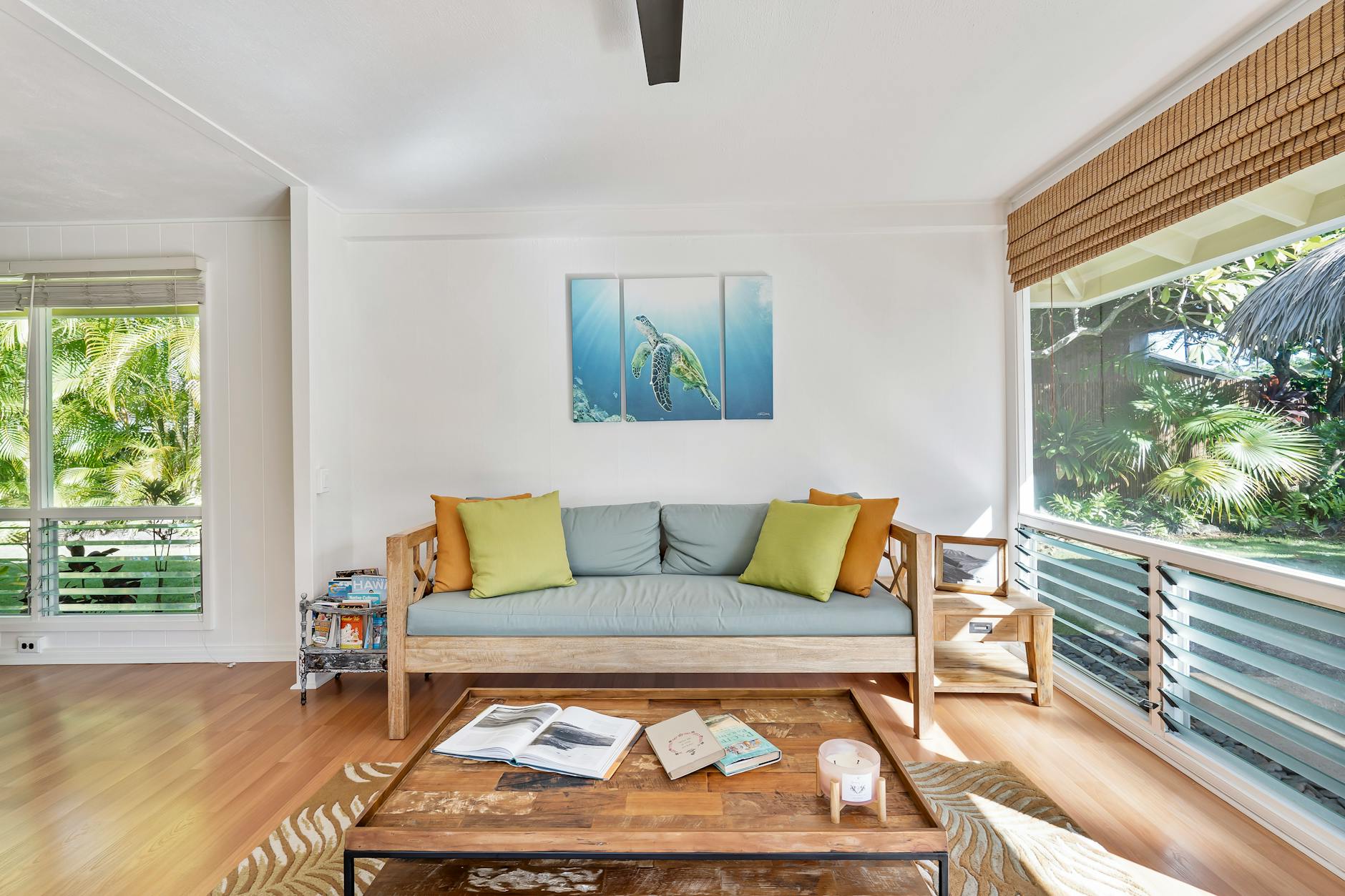
Painting one wall a slightly deeper shade can add depth without closing the room in. The receding color tricks the eye into thinking the wall is further away. You should choose a cool tone like blue or green for the best receding effect. This focal point adds interest and dimension to a boxy room. It provides a backdrop that makes furniture and art pop.
Cord Management

hiding electronic cables is vital for maintaining a clean and spacious look. Visible tangles of wires create visual clutter that makes a small room feel chaotic. You can use cord covers or clips to run cables along the back of furniture legs. Wireless charging stations also help reduce the number of cords needed. A decluttered space naturally feels larger and more organized.
Folding Furniture
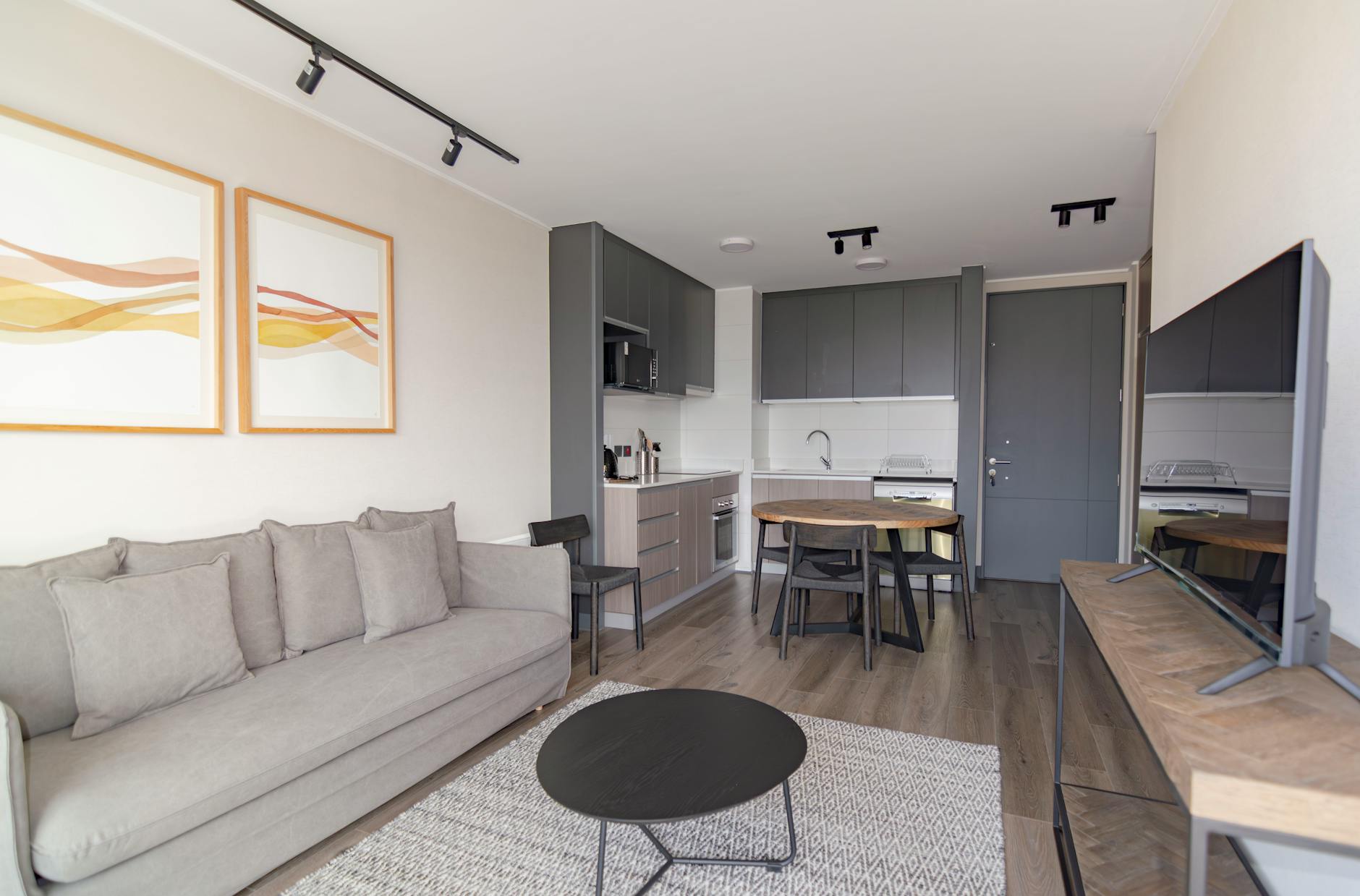
Chairs or tables that fold flat can be stored in a closet or under a sofa when not in use. This on-demand furniture allows you to clear the floor for exercise or other activities. It is ideal for accommodating occasional guests without permanent overcrowding. High-quality folding pieces are available that look stylish when deployed. This adaptability is key for dynamic small space living.
Metallic Accents

Gold, silver, or brass accessories add a touch of glamour and reflect light. Small metallic touches on lamp bases or picture frames catch the eye. These shimmering details prevent a neutral room from looking flat or dull. The reflection adds a layer of depth similar to mirrors and glass. Used sparingly, metals elevate the style and perceived size of the room.
Translucent Shades

Sheer shades or semi-opaque blinds provide privacy while still admitting light. Blocking natural light completely makes a small room feel like a cave. These treatments soften the harsh sunlight and create a glowing effect. They offer a light and breezy aesthetic that suits compact interiors. Maintaining a connection to the outside world helps the room feel less confined.
Scaled Down Furniture
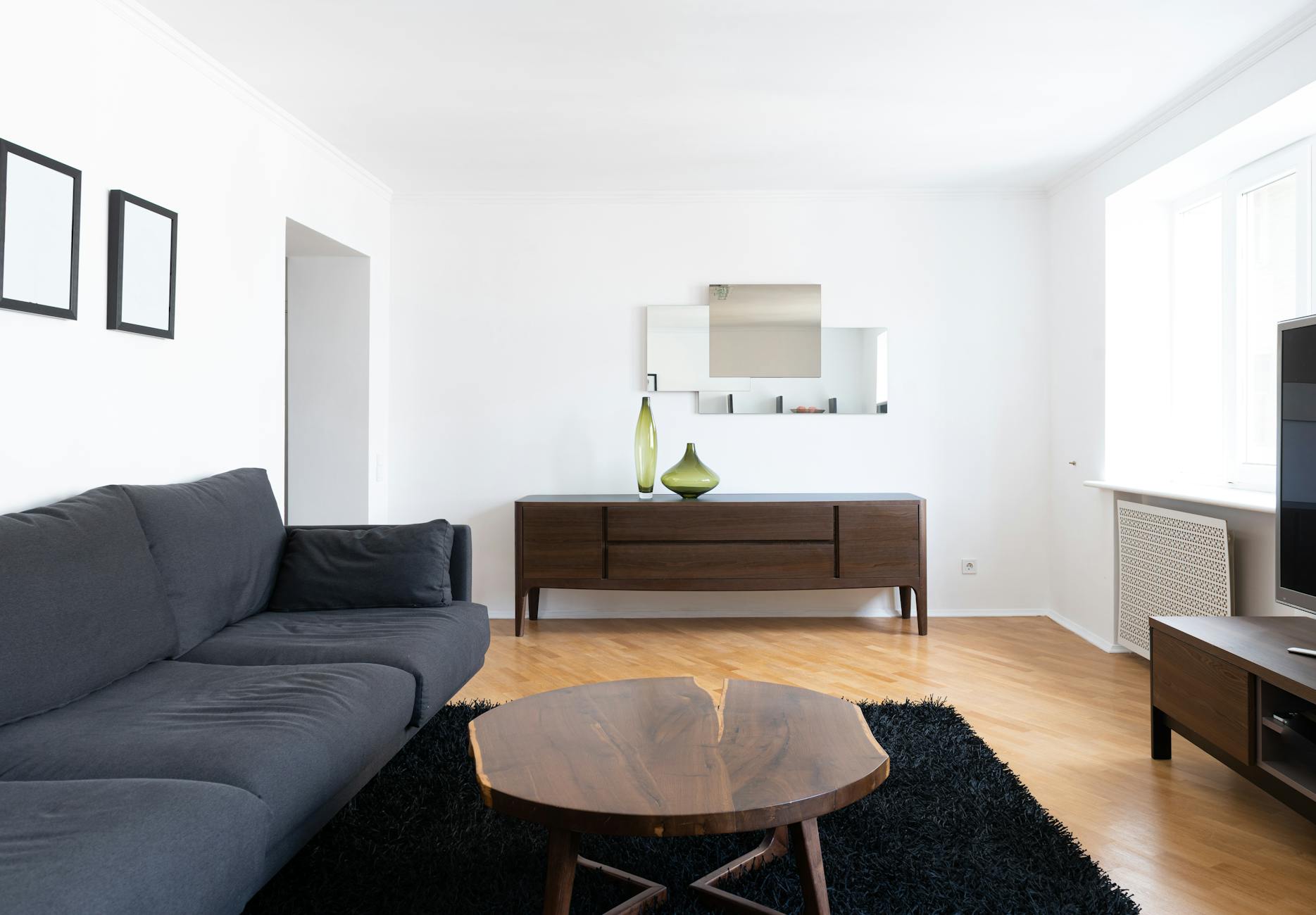
Choosing furniture with a smaller footprint ensures the pieces fit the scale of the room. Loveseats or apartment-sized sofas offer comfort without dominating the floor plan. Oversized, overstuffed furniture can choke the flow of a small living area. You should measure carefully to ensure ample walking paths remain around each piece. Proper scale creates a balanced and harmonious environment.
Glass Coffee Tables

A glass-topped table allows you to see the rug or floor pattern underneath. This transparency prevents the table from acting as a visual roadblock in the center of the room. It provides a functional surface while maintaining an open feel. The reflective quality of the glass also helps bounce light. It is a timeless choice for small living room layouts.
Corner Shelving

Utilizing corners with triangular shelves turns dead space into functional display areas. These units draw the eye into the corners and expand the perceived width of the room. You can store books or plants without encroaching on the main living area. It softens the sharp angles of the room and adds character. Every inch of usable space counts in a small home.
Low-Profile Furniture

Furniture with a low back height keeps sightlines open across the room. Being able to see over the sofa to the wall or window behind it expands visual space. High-backed chairs can act as dividers that chop up the room. Low-profile pieces often have a sleek and modern aesthetic. This design choice maintains an unobstructed view that is crucial for small areas.
Please mention your favorite small space styling trick in the comments to help inspire other readers.




