Hidden sodium lurks in many products that are marketed as nutritious staples for a balanced diet. Consumers often focus on sugar or fat content while overlooking the massive amounts of salt used for preservation and flavor enhancement. A standard single-serving bag of chips usually contains between 170 and 250 milligrams of sodium. The following foods frequently exceed that amount and can sabotage heart health goals if consumed without awareness.
Canned Vegetable Soup

Many consumers reach for canned vegetable soup as a quick and nutritious lunch option. These soups often rely heavily on salt to preserve the vegetables and enhance the flavor profile after the canning process. A single serving can easily contain nearly half of the recommended daily sodium intake despite the healthy appearance of carrots and peas. Checking labels for low-sodium versions is crucial for those monitoring their salt consumption. Home cooks can avoid this hidden trap by preparing simple vegetable broths from scratch.
Cottage Cheese
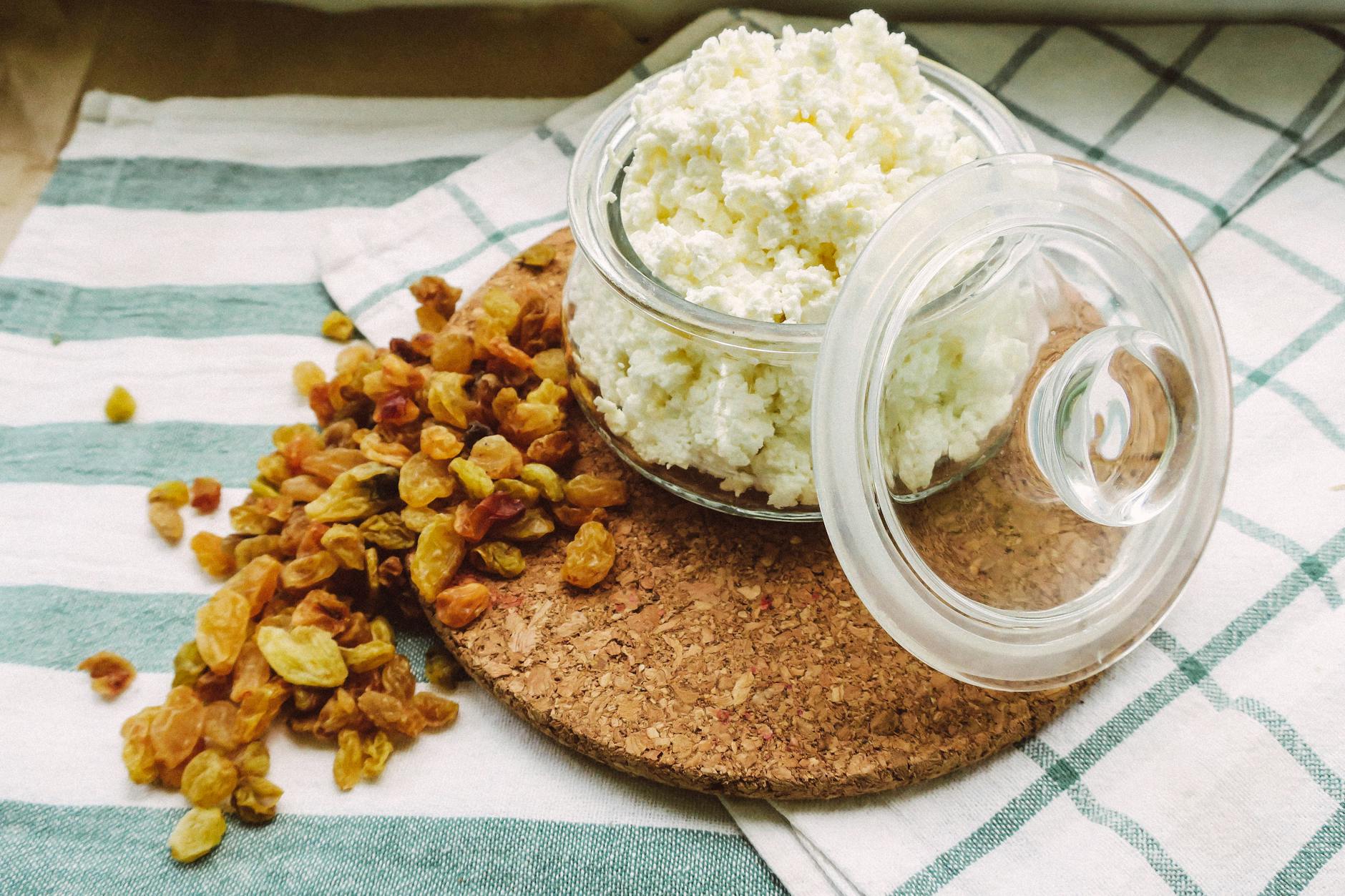
Cottage cheese is widely praised in fitness communities for its impressive protein content and low calorie count. The curdling process requires a significant amount of salt to stop the fermentation and preserve the texture of the curds. One cup usually delivers a sodium punch that far exceeds what one would find in a serving of potato chips. This dairy staple remains a nutritious choice but requires moderation for individuals watching their blood pressure. Rinsing the curds is a common technique used to reduce the overall saltiness before eating.
Veggie Burgers

Plant-based patties are frequently chosen as a heart-healthy alternative to red meat. Manufacturers often add significant amounts of salt to mimic the savory taste and juiciness of real beef. Binders and preservatives used to maintain the shape of the patty also contribute to the high sodium load. A single frozen veggie burger can contain upwards of 400 milligrams of sodium before a bun or condiments are added. Reading the nutrition facts panel is essential to finding a brand that balances flavor with health.
Whole Wheat Bagels

Bagels are a dense bread product that requires a considerable amount of salt to control yeast activity during rising. A large whole wheat bagel provides fiber and complex carbohydrates but also packs a heavy sodium count. Even without salted butter or cream cheese the bread itself contributes significantly to daily intake limits. The sheer size of modern bakery bagels means you are consuming the equivalent of several slices of bread at once. Opting for smaller portions or scooping out the inside can help mitigate the salt intake.
Sliced Turkey Breast

Deli meat is one of the most concentrated sources of sodium in the modern diet due to the curing process. Turkey breast is lean and high in protein yet it is almost always brined in a saltwater solution to retain moisture. A sandwich with just a few slices can accumulate more than a third of the daily recommended sodium allowance. Freshly roasted turkey prepared at home serves as a much lower sodium alternative to the processed deli counter variety. Consumers should look for packages explicitly labeled as low sodium to reduce this risk.
Jarred Pasta Sauce

Tomato sauce is naturally rich in lycopene and vitamins but bottled versions are notoriously salty. Manufacturers use salt to balance the natural acidity of the tomatoes and preserve the product for long shelf life. A mere half-cup serving can contain enough sodium to rival a large portion of french fries. The addition of salty ingredients like olives or capers in certain blends drives the numbers even higher. Making sauce at home allows for the use of fresh herbs and garlic for flavor instead of relying on salt.
Bottled Salad Dressing

Pouring dressing over fresh greens can inadvertently turn a healthy salad into a high-sodium meal. Fat-free and low-calorie varieties often compensate for reduced oil content by adding extra salt and sugar for flavor. Two tablespoons of Italian dressing or vinaigrette can carry hundreds of milligrams of sodium. The serving size is quite small and most people tend to use far more than the recommended amount. Whisking together olive oil and vinegar at home provides a simple solution that eliminates unnecessary additives.
Bran Cereal

Breakfast cereals are generally associated with sugar but healthy bran flakes often hide surprising amounts of salt. Salt is added during the manufacturing process to enhance the toasted flavor of the grains and preserve crunch. A standard bowl can contain significantly more sodium than a bag of chips or a packet of salted nuts. This creates a savory undertone that makes the sweetness of the cereal pop but increases daily intake early in the morning. Checking the side panel reveals that even high-fiber options can be surprisingly salty.
Vegetable Juice
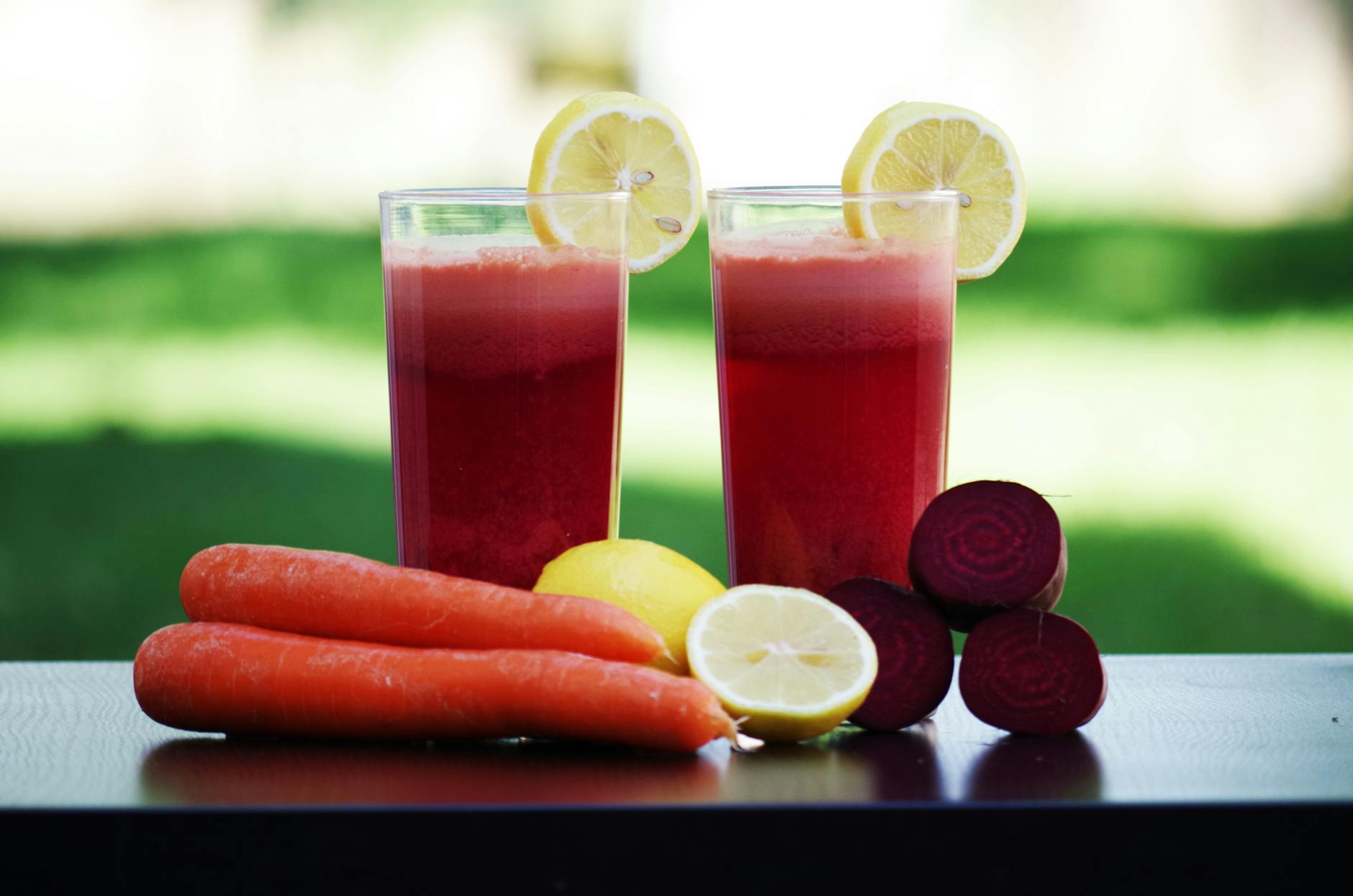
Drinking vegetables seems like an efficient way to boost vitamin intake without cooking. Commercial vegetable juice blends rely on salt as a primary preservative and palatability enhancer. An eight-ounce glass frequently contains nearly two-thirds of the sodium found in a fast-food hamburger. The savory taste that makes these juices enjoyable is largely derived from this added sodium content. Juicing fresh vegetables at home or buying low-sodium versions helps maintain the nutritional benefits without the blood pressure risks.
Smoked Salmon

This cured fish is rich in omega-3 fatty acids and is a popular topping for bagels and salads. The smoking and curing process inherently involves salting the fish to draw out moisture and prevent bacterial growth. A small three-ounce serving contains a massive amount of sodium that overshadows many junk food snacks. It is a nutrient-dense food that should be treated as a garnish rather than a main protein source. Enjoying it in smaller quantities allows for the flavor benefits without overloading on salt.
Pickles

Cucumbers are naturally very low in sodium before they undergo the pickling process. The brine used to transform them into pickles is a concentrated solution of vinegar and salt. One medium pickle can contain more than half the daily recommended limit of sodium for most adults. Even a single spear served on the side of a sandwich adds a significant amount of salt to a meal. Fermented pickles offer probiotics but still carry the same sodium burden as vinegar-based varieties.
Feta Cheese

Feta is a staple of the Mediterranean diet and adds a tangy kick to salads and wraps. The cheese is stored in blocks submerged in a salty brine solution to keep it fresh and flavorful. A small crumble of feta adds immense flavor but also contributes a disproportionate amount of sodium relative to its size. Rinsing the block of cheese under cold water before crumbling it can remove some surface salt. Using it sparingly as a flavor accent is better than using it as a primary ingredient.
Instant Oatmeal

Plain oats are virtually sodium-free and offer excellent heart health benefits. Instant oatmeal packets flavored with maple or fruit often contain added sodium to speed up cooking and boost flavor. The convenience of these pre-mixed packets comes at the cost of consuming unnecessary preservatives and salt. A bowl of instant oats can have more sodium than a handful of pretzel sticks. preparing rolled oats with fresh fruit and cinnamon is a much healthier morning strategy.
Frozen Diet Meals

Low-calorie frozen dinners are marketed as convenient tools for weight loss and portion control. These meals often rely heavily on sodium to make low-fat ingredients taste savory and appealing after reheating. A single tray can contain nearly half of the daily sodium limit while providing very few calories. This imbalance can lead to water retention and bloating which counteracts the feeling of being healthy. scanning the nutrition label for sodium content is just as important as checking the calorie count.
Flour Tortillas

Tortillas serve as the vessel for many healthy ingredients like beans and grilled vegetables. The baking process for soft flour tortillas utilizes baking powder and salt to achieve the desired texture and leavening. One large burrito-sized tortilla can pack hundreds of milligrams of sodium before any filling is added. Corn tortillas generally contain significantly less sodium and offer a whole grain alternative. Wraps made from spinach or tomato usually have just as much salt as the plain white flour versions.
Canned Kidney Beans

Beans are a nutritional powerhouse packed with fiber and plant-based protein. The liquid in canned beans is saturated with salt to preserve the texture and shelf life of the legumes. Using the entire contents of the can including the liquid adds a massive amount of sodium to chili or stew. Thoroughly rinsing canned beans in a colander removes a significant portion of the added salt. Dried beans take longer to prepare but allow for complete control over the seasoning process.
Soy Sauce

Soy sauce is a fermented condiment that is almost entirely composed of sodium and umami flavor compounds. Even a single tablespoon contains enough salt to exceed the content of several bags of potato chips. Many people underestimate the amount they use when seasoning stir-fries or dipping sushi. Reduced-sodium versions are available but they still remain very high in salt compared to other condiments. Using alternatives like coconut aminos can provide a similar flavor profile with drastically less sodium.
Rotisserie Chicken

Store-bought rotisserie chickens are a convenient shortcut for dinner and meal prepping. Supermarkets often inject the birds with a saline solution to ensure the meat stays moist under the heat lamps. The skin is typically seasoned with a heavy rub of salt and spices that penetrates the meat. Eating the skin dramatically increases the sodium intake for that meal. removing the skin and choosing plain roasted chicken are better ways to enjoy this protein source.
Sushi Rolls

Sushi is often viewed as a light and healthy meal rich in fish and vegetables. The rice used in sushi is seasoned with a mixture of vinegar, sugar, and salt to achieve its sticky consistency. Rolls containing surimi or pickled vegetables add even more sodium to the total count. Dipping these rolls into soy sauce compounds the issue and creates a very high-sodium dining experience. Sashimi offers a protein-rich alternative without the seasoned rice or added sauces.
Store-bought Hummus

Chickpeas and tahini are healthy ingredients that form the base of this popular dip. Commercial brands add salt and preservatives to maintain freshness and enhance the flavor for mass appeal. A standard serving size is two tablespoons but it is common to consume much more in one sitting. The sodium content accumulates quickly especially when eaten with salty pita chips or crackers. Making hummus at home takes only a few minutes and allows for lemon and garlic to shine without excess salt.
Beef Jerky

Dried meat snacks are popular among athletes for their portability and high protein content. The curing process relies on salt to draw out moisture and prevent the meat from spoiling at room temperature. A small bag of jerky often contains nearly half of the daily recommended sodium limit. Many brands also use soy sauce and flavor enhancers that drive the sodium levels even higher. It is a snack best consumed in moderation and with plenty of water.
Chicken Broth

Broth is the foundation of many healthy soups and stews but commercial varieties are sodium bombs. A single cup of regular store-bought chicken broth contains a staggering amount of salt to ensure a consistent flavor. This means a homemade soup can become unhealthy simply by using a boxed base. Low-sodium or unsalted varieties are widely available and allow the cook to season the dish appropriately. Making stock from leftover bones is the most effective way to control salt content.
Canned Tuna

Tuna is an accessible and affordable source of lean protein and healthy fats. Canned tuna is typically packed in water or oil that has been treated with salt or vegetable broth for flavor. A single can often holds enough sodium to constitute a significant portion of daily intake limits. This convenience food is a pantry staple that requires label checking to find low-sodium options. rinsing the fish can help reduce the salt load but also washes away some flavor.
Pesto

Basil, pine nuts, and olive oil form the healthy green base of this classic Italian sauce. The addition of parmesan cheese and added salt for preservation makes jarred pesto surprisingly high in sodium. A quarter-cup serving can contain more salt than a serving of fast-food french fries. The concentrated nature of the sauce means a little goes a long way in flavoring pasta or vegetables. Freshly made pesto usually contains far less sodium than the shelf-stable varieties found in stores.
Plant-based Sausages

Meat alternatives aim to replicate the taste and texture of pork sausages for breakfast or dinner. These processed items use salt as a primary seasoning agent and preservative to mimic the savory profile of meat. The sodium count in two plant-based links often exceeds that of their animal-based counterparts. While they are free from cholesterol they are not free from the potential risks of high sodium consumption. Pairing them with fresh vegetables can help balance the nutritional profile of the meal.
Seasoned Croutons

Salad toppings add crunch and texture but often negate the health benefits of the greens. Croutons are essentially stale bread cubes that have been fried or baked with oil and heavy seasoning salts. A small handful contains a concentrated amount of sodium and empty calories. The porous nature of the bread absorbs the salty seasoning thoroughly during production. Toasted nuts or seeds offer a crunchy alternative with healthy fats and less sodium.
Parmesan Cheese

Hard cheeses like Parmesan are aged for long periods which concentrates their flavors and salt content. A mere tablespoon of grated Parmesan packs a salty punch that enhances pasta and roasted vegetables. The distinct umami flavor comes directly from the salt crystals that form during the aging process. It is easy to mindlessly sprinkle large amounts over food without realizing the sodium impact. Using a microplane allows you to create a fluffy pile of cheese using a smaller actual amount.
Rye Bread

Rye bread is denser than white bread and offers a robust fiber profile. The baking process for this dense loaf usually involves more salt to control yeast activity and develop the crumb structure. Two slices can accumulate a surprising amount of sodium that rivals processed snacks. Sandwich lovers should compare brands to find options that rely on herbs or seeds for flavor rather than just salt.
Sun-dried Tomatoes

Tomatoes are dried to concentrate their sweetness and tart flavor for use in salads and pastas. The drying process often involves salting the tomatoes to assist in preservation and moisture removal. Oil-packed versions may also contain added spices and salt to keep the tomatoes shelf-stable. A small handful adds a burst of flavor but also a significant spike in sodium intake. Using fresh cherry tomatoes or roasted peppers provides similar acidity with a fraction of the salt.
Halloumi

This semi-hard cheese is famous for its high melting point and ability to be grilled or fried. It is preserved in a strong brine which gives it a characteristically salty taste and rubbery texture. A standard serving of halloumi contains an incredibly high amount of sodium compared to most other cheeses. The saltiness is a key part of its appeal but makes it a difficult food to fit into a low-sodium diet. Soaking the cheese in water for an hour before cooking can help draw out some of the excess salt.
Please let us know which of these foods surprised you the most by leaving a note in the comments.




