
The modern dating profile has become a peculiar form of personal advertisement where the gap between self-perception and external impression can be startling. Certain choices in photos, bios, and prompts communicate something entirely different from what the writer intended. What reads as charming honesty to the author often lands as a flashing warning sign to anyone swiping through. The digital dating landscape rewards confidence, brevity, and self-assurance while quietly punishing the kind of oversharing that belongs in a third-date conversation at the earliest.
Ex Mentions
Writing about a former partner anywhere in a dating profile bio is one of the clearest signals that a person has not emotionally moved on from a previous relationship. Whether the mention is negative, ironic, or framed as a cautionary tale it introduces a third party into what should be a forward-looking introduction. Profile readers are looking for someone enthusiastic about new possibilities rather than someone still processing past ones. Even a single line referencing what went wrong last time reframes the entire profile through a lens of unresolved history. The most compelling profiles focus entirely on who the person is now and what they are genuinely looking forward to.
Height Obsession

Dedicating multiple lines to height requirements or unsolicited height declarations signals an unusual degree of preoccupation with a single physical metric. Profiles that open with defensive statements about height or demand specific measurements from potential matches create an atmosphere of insecurity rather than confidence. Physical preferences are a natural part of attraction but leading with them as the dominant feature of a bio reduces the writer to a checklist rather than a person. The emphasis tends to come across as either deeply insecure or rigidly superficial depending on which direction the fixation runs. Profiles that let personality speak first create a far more attractive first impression than those anchored to physical specifications.
Sarcasm Overload

Filling an entire bio with sarcastic one-liners and ironic disclaimers about hating dating apps while actively using one is a profile pattern that reads as self-protective rather than witty. A light touch of humor is widely appealing but when sarcasm becomes the dominant tone it prevents any genuine personality from coming through. Readers cannot easily distinguish between someone who is authentically funny and someone who uses irony as armor against vulnerability. Profile after profile using the same self-deprecating format creates a sameness that makes the writer blend into the crowd rather than stand out. Genuine warmth combined with occasional humor consistently outperforms relentless irony in terms of generating meaningful matches.
Laundry List
Writing a lengthy enumeration of dealbreakers, requirements, and non-negotiables transforms a dating profile into a job advertisement with unreasonable hiring criteria. These lists often include traits so specific that they reveal previous relationship wounds rather than genuine preferences. The transactional framing signals that the writer approaches dating as a filtering exercise rather than a human connection. Potential matches reading a long list of conditions are far more likely to swipe away than to feel inspired to reach out. A profile that conveys openness and curiosity about the other person creates a far more inviting atmosphere than one structured around elimination.
Baby Urgency

Expressing urgent timelines around having children in the opening lines of a profile applies immediate pressure to anyone reading before any connection has been established. Wanting a family is a completely legitimate life goal but leading with a biological countdown reframes the profile as a recruitment exercise rather than a romantic introduction. Most people need to feel a spark of genuine interest before they can meaningfully engage with questions about long-term life planning. The urgency communicated by phrases emphasizing ticking clocks or explicit timeframes tends to narrow the audience significantly and not always in productive ways. Profiles that convey warmth and a genuine desire to meet someone interesting create a more natural pathway to deeper conversations about shared futures.
Trophy Photos
Leading a profile with photos taken at formal events, award ceremonies, or achievement milestones as a primary form of self-presentation reads as a performance of status rather than an invitation to connect. A single photo from a meaningful occasion can communicate interesting things about a person’s life but an entire gallery of accolades creates a curated exhibition rather than a genuine introduction. People swiping through profiles are looking for a sense of who someone is in everyday life rather than a highlights reel of their most impressive moments. Images that show a person relaxed, natural, and engaged in something they genuinely enjoy consistently outperform formal achievement photography. Approachability and authenticity in photos generate far more responses than projected status.
Negativity Spiral

Opening a bio with a series of complaints about past experiences on dating apps establishes a tone of bitterness that is difficult to recover from within a short profile format. Phrases expressing exhaustion with the process, frustration with previous matches, or cynicism about the platform’s user base create an atmosphere that potential matches find unwelcoming. Everyone using a dating app has had disappointing experiences but leading with those experiences positions the writer as someone who has given up on optimism. The people most likely to generate genuine interest are those who communicate enthusiasm for the possibility of meeting someone worthwhile. A profile that radiates curiosity and warmth about what might happen next is vastly more appealing than one that leads with what has gone wrong before.
Zodiac Dependency

Building an entire personality presentation around astrological identity and filtering matches by star sign communicates a dependence on external frameworks that many readers find off-putting. A passing mention of an interest in astrology reads very differently from a profile that opens with a birth chart summary and closes with incompatibility warnings for specific signs. People generally want to feel that they are being assessed as individuals rather than pre-sorted by a cosmic category. The filtering language that often accompanies heavy zodiac content such as explicit rejections of certain signs can come across as arbitrary and closed-minded. Curiosity about astrology as one facet of a personality is received very differently from using it as the primary lens through which all human compatibility is evaluated.
Vague Adventurism
Describing a personality almost entirely through words like adventurous, spontaneous, and outdoorsy without any specific detail creates a profile that is indistinguishable from thousands of others on the same platform. These terms have been used so frequently in dating profiles that they have lost almost all communicative value. Readers cannot form any genuine picture of a person from adjectives alone particularly when those adjectives have become default filler across the entire genre. A single specific anecdote or concrete interest communicates far more about who someone is than a paragraph of flattering but empty descriptors. The profiles that generate genuine curiosity are those where the writer has taken the time to share something particular and real about their actual life.
Pickup Artist Bios

Writing a profile bio in a style that mimics pickup artist techniques including manufactured mystery, false scarcity, and scripted challenges signals a calculated rather than genuine approach to connection. This style of writing often involves deliberately vague statements designed to provoke questions combined with lines that position the writer as a prize to be won. People who have spent any time on dating platforms recognize these patterns immediately and associate them with inauthentic interaction. The performance of indifference is particularly transparent in a medium specifically designed for people expressing interest in meeting others. Profiles that communicate genuine openness and specific personality traits consistently generate more meaningful engagement than those built on manufactured mystique.
Inspirational Quotes

Filling a bio section with motivational quotes from public figures rather than original self-expression suggests an unwillingness or inability to speak in one’s own voice. Borrowed wisdom can occasionally complement a profile but when quotes dominate the available space they replace the person rather than illuminate them. Readers are looking for a sense of an actual individual and a curated selection of famous aphorisms communicates very little about the writer’s actual personality, humor, or values. The choice of quote also invites unintended interpretation since the reader cannot know whether the selection reflects aspiration, current identity, or an attempt to appear thoughtful. A few genuine sentences about real interests and actual experiences consistently outperform borrowed eloquence.
Spelling Neglect

Submitting a profile full of uncorrected spelling errors and grammatical inconsistencies communicates a level of effort that many potential matches interpret as representative of how the person might show up in other areas. Dating platforms provide ample time for editing and revision meaning errors that survive into the published version suggest either genuine carelessness or indifference to the impression being made. A single typo reads very differently from a pattern of errors throughout the bio that obscures the meaning of sentences. Readers form rapid judgments in a highly competitive swiping environment and presentation quality influences those judgments whether consciously or not. Basic proofreading is one of the lowest-effort highest-impact improvements available to any profile.
Shirtless Bathroom
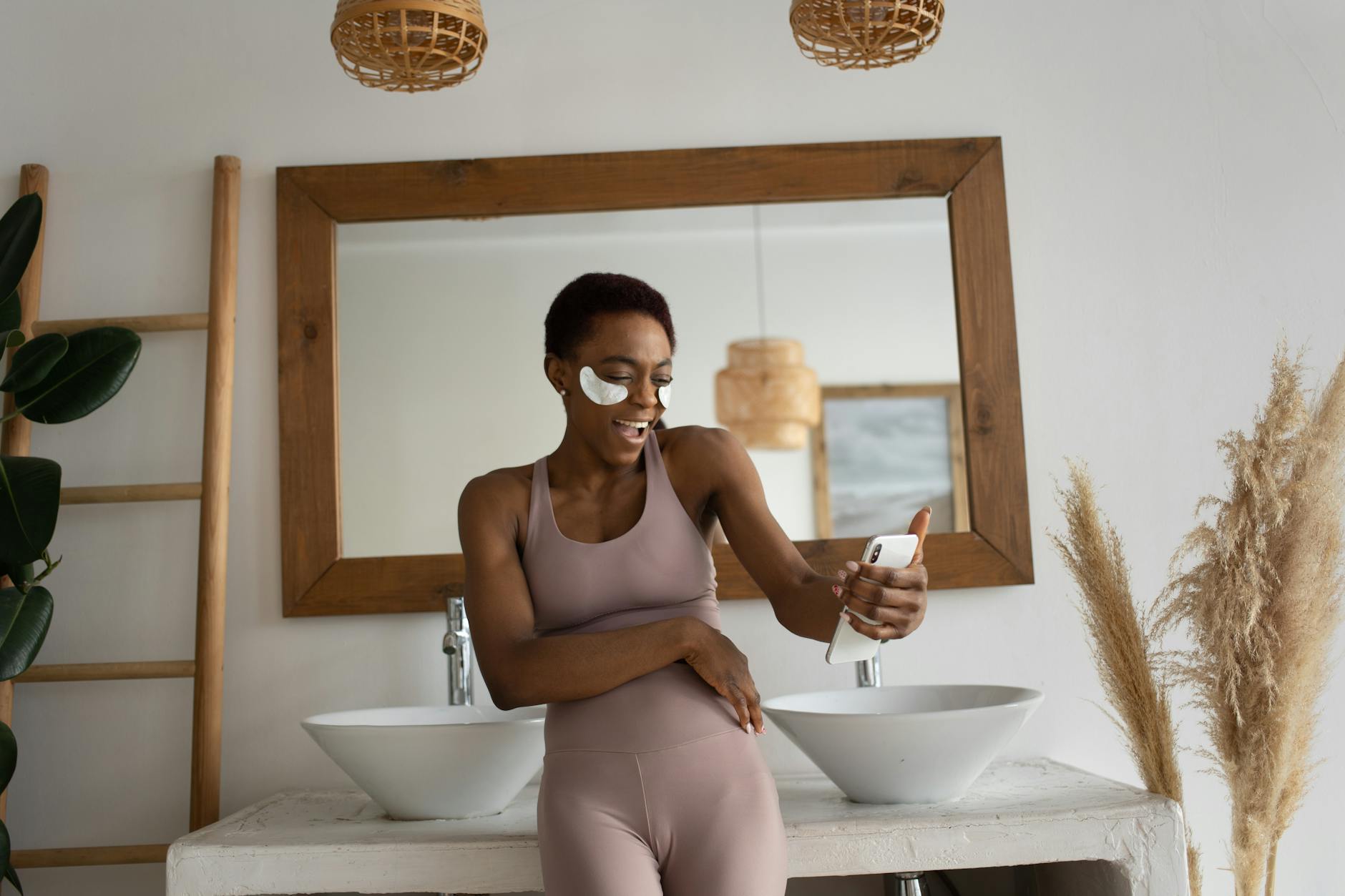
Including a bathroom mirror selfie taken without a shirt as a primary profile photo is one of the most analyzed and discussed profile choices in the dating app landscape. The setting communicates a lack of access to more interesting or natural photography rather than the confidence the pose typically intends to project. Regardless of the subject’s physical condition the bathroom context reduces the image to a self-assessment exercise rather than a genuine window into a person’s life. Photos taken in natural light during actual activities consistently generate more positive responses than deliberate physique displays in domestic settings. A genuine candid image from a real moment in the person’s life carries significantly more connective value than a staged bathroom composition.
Over-Filtered Photos
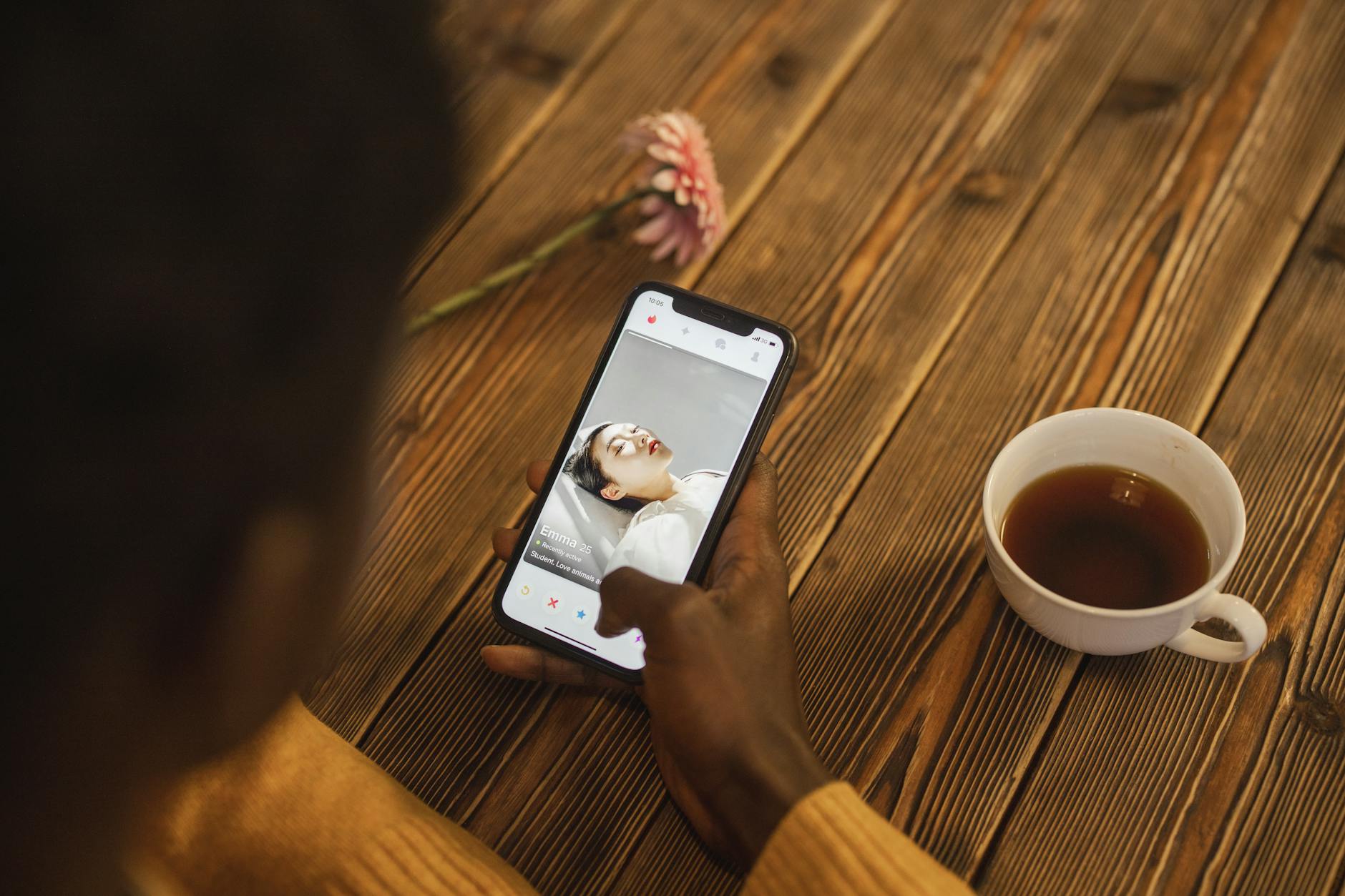
Uploading a photo gallery where every image has been processed through heavy filters or editing tools raises immediate concerns about the gap between profile and reality. The expectation of an in-person meeting makes extreme photo editing a counterproductive strategy since the discrepancy will become apparent. Light editing for clarity or color balance is standard practice but altering facial structure, removing significant features, or applying smoothing tools that render the person unrecognizable defeats the introductory purpose of the photograph. People consistently report that authenticity in profile photos is among the qualities they most value when assessing whether to pursue a match. A confident natural photo taken in good light communicates more about a person’s actual presence than a heavily processed studio-quality image.
Passive Aggression

Including lines in a bio that are technically addressed to no one in particular but are clearly directed at a specific type of person communicates unresolved frustration in a way that most readers find uncomfortable. Statements that begin with phrases like if you only want something casual then and similar formulations broadcast past hurt while attempting to set protective boundaries. The passive framing prevents the writer from making a direct and confident statement about what they are actually looking for. Directness about personal goals reads as self-assured while thinly veiled warnings read as emotionally guarded. Profiles that communicate clearly and without antagonism about what the writer genuinely wants create a more inviting and trustworthy first impression.
Constant Traveling

Structuring a profile almost entirely around travel content including destination lists, airport selfies, and globe emoji creates an impression of perpetual unavailability rather than the cosmopolitan appeal it intends. While genuine travel enthusiasm is an attractive quality a profile where every photo is from a different country and the bio reads as a flight itinerary suggests that the person may not actually be present enough to sustain a relationship. Potential matches are evaluating whether a connection is realistically possible and a profile that communicates constant movement raises practical questions about compatibility with everyday life. One or two travel images that reveal genuine personality and experience land very differently from an entire profile built around geographic achievement. The most compelling travel references are those that communicate curiosity about the world rather than a need to prove how much of it has been visited.
Group Photo Confusion

Populating an entire photo gallery with group images where the profile owner is difficult to identify creates a frustrating experience for anyone attempting to assess basic compatibility. The device of using group photos exclusively is sometimes a deliberate strategy to appear more socially popular but it typically produces confusion and disengagement rather than intrigue. Readers who cannot quickly identify which person belongs to the profile are more likely to swipe away than to work through the visual puzzle. A clear solo image as the primary photo is a basic courtesy to anyone engaging with the profile in good faith. Group photos work well as supplementary images that provide social context rather than as the primary means of visual introduction.
Desperation Declaration

Writing lines that directly state a strong desire to meet someone as soon as possible or that express loneliness as the primary motivation for being on the platform creates an atmosphere of emotional pressure rather than romantic possibility. Genuine vulnerability is attractive in measured doses but leading with loneliness or urgency reframes the entire profile as a cry for relief rather than an invitation to connect. People are drawn to those who communicate contentment with their current life alongside genuine openness to sharing it with someone new. The emotional weight of explicit desperation tends to trigger caution in readers rather than compassion. Confidence in one’s own company combined with genuine enthusiasm about meeting someone is the combination that most consistently generates interest.
Netflix Personality
Describing a personality almost entirely through television and streaming preferences without any additional dimension creates a profile that communicates very little about who the person actually is. While shared media tastes can be a genuine point of connection a bio built around show titles and streaming platform subscriptions suggests that entertainment consumption has become a substitute for developed personal interests. The profile format rewards specificity and genuine personality but listing preferred genres does not constitute the kind of self-revelation that generates curiosity or a desire to learn more. People who communicate passion for something active, creative, or community-oriented tend to generate more engagement than those whose profiles are structured entirely around passive consumption. A streaming preference works well as a detail within a fuller picture rather than as the primary definition of a person.
Unsolicited Trauma

Sharing detailed accounts of past trauma, mental health struggles, or family dysfunction in a profile bio introduces emotional complexity that most readers are not equipped to process in the context of a first introduction. Authenticity about personal challenges is a valuable quality in a developing relationship but the dating profile stage is designed for curiosity and initial attraction rather than emotional disclosure. The weight of detailed personal history in an opening bio tends to create a sense of obligation in the reader rather than genuine connection. People who feel they need to disclose significant personal history immediately may benefit from reflecting on whether they are ready to date or whether they are seeking support through the dating format. Warmth, humor, and genuine curiosity about others consistently create more sustainable first impressions than early-stage vulnerability.
Workplace Bragging
Opening a profile with job title, company name, educational institution, and income signals as the primary form of self-introduction communicates that professional achievement is the writer’s dominant source of self-worth. While genuine accomplishment is appealing a profile that leads exclusively with career credentials positions the writer as a resume rather than a person. Many readers interpret heavy credential signaling as either insecurity about non-professional aspects of identity or an attempt to attract partners motivated primarily by status. The profiles that generate the most genuine interest are those where professional life appears as one dimension of a rounded and interesting person rather than the headline feature. Curiosity, warmth, and humor communicate far more about long-term compatibility than a prestigious employer or advanced degree.
Love Bombing Bio

Writing a profile bio that promises extraordinary romantic devotion, unconditional love, or an almost cinematic relationship to anyone who matches creates an atmosphere of unreality that experienced daters recognize immediately. Declarations of intense affection directed at a hypothetical future partner before any actual interaction has taken place suggest emotional instability rather than romantic generosity. Genuine connection develops incrementally through shared experience and mutual discovery rather than through pre-emptive promises made to strangers. Profiles that communicate warmth and genuine openness read very differently from those that offer sweeping romantic guarantees. The intensity of pre-emptive devotion tends to trigger caution in emotionally grounded readers rather than the reciprocal enthusiasm it hopes to generate.
Angry Energy
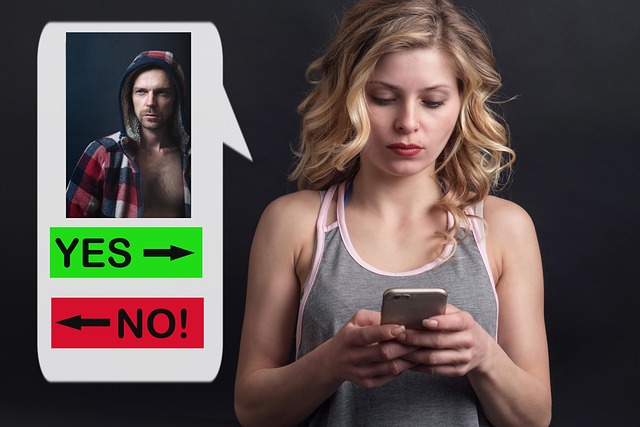
Phrasing any part of a profile bio in language that communicates frustration, resentment, or confrontation creates an unwelcoming atmosphere that most readers exit quickly. The dating profile format is designed to invite interest and the presence of anger whether explicit or embedded in passive-aggressive framing works directly against that function. Readers have no context for the experiences that may have generated the frustration and without that context the emotion simply reads as volatility. The competitive and high-volume nature of dating platforms means that any profile radiating negative energy is passed over in favor of the many alternatives that communicate positivity. Processing anger about past experiences is important work but it belongs in personal reflection or professional support rather than in a public romantic introduction.
Generic Bios

Writing a profile bio that consists entirely of phrases found in the majority of other profiles on the same platform produces an introduction that is functionally invisible in a crowded field. Descriptions built around enjoying food, loving to laugh, looking for someone genuine, and similar formulations communicate nothing distinctive about the writer. These phrases have been repeated so many times across so many profiles that they have become white noise rather than meaningful self-expression. The profiles that generate the most genuine interest are those where the writer has taken the risk of saying something specific, unusual, or genuinely personal. Even a single concrete and unexpected detail creates more curiosity and more conversation starters than a full paragraph of relatable but entirely forgettable filler.
Relationship Timeline

Laying out a detailed expected relationship timeline in a profile bio including specific milestones and projected timeframes for moving in together or getting engaged creates an atmosphere of rigid planning that most readers find alarming. A clear sense of personal direction is genuinely attractive but converting that direction into a structured schedule within a public profile suggests an attachment to outcome that overrides interest in the actual person. Potential partners want to feel that they are being invited into a genuine human connection rather than slotted into a predetermined life plan. Flexibility, curiosity, and warmth about what a relationship might organically become communicate far more emotional intelligence than a projected five-year plan. The most compelling profiles communicate clear values and genuine openness without mapping out the relational future before the first conversation has happened.
Pet Substitute

Framing a pet as a full romantic partner including references to needing a match to win over the animal first or describing the pet as a child substitute communicates an emotional dynamic that many readers find difficult to engage with. Pets are a genuinely appealing feature of many profiles and a well-placed animal photo consistently generates positive responses. The issue arises when the pet is positioned as a gatekeeper, a primary relationship, or the central emotional focus of a person’s life in a way that leaves little apparent room for a human partner. People considering a match are intuitively evaluating whether there is emotional space for them and a profile dominated by pet devotion raises questions about that availability. A beloved animal works beautifully as a warm and appealing detail within a profile rather than as the primary personality anchor.
What is the most cringe-worthy thing you have ever seen on a dating profile? Share your thoughts in the comments.




