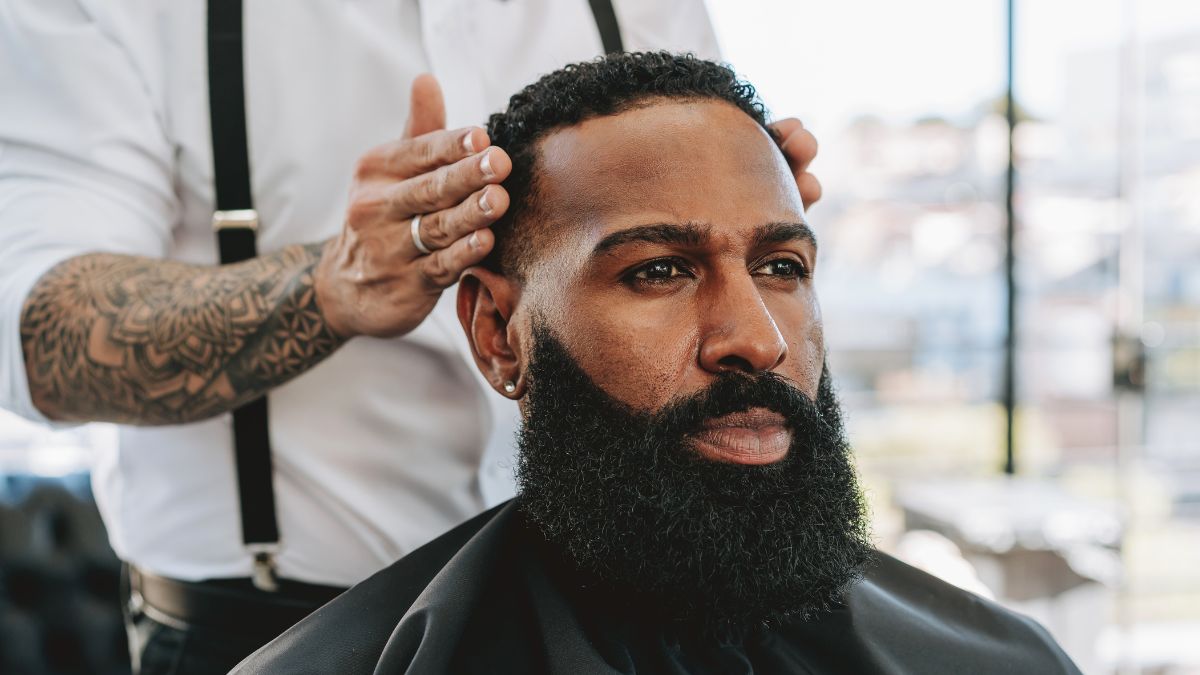
The barbershop is one of the few remaining spaces where a skilled professional and a trusting client enter into a wordless contract of mutual respect and clear communication. What gets said in those first two minutes before the scissors come out determines almost everything about what happens next. Barbers are trained craftspeople who work with precision tools on a canvas that takes weeks to grow back and the words a client chooses can either unlock that expertise or send the entire appointment sideways. Understanding what not to say is just as important as knowing how to describe what you actually want.
Just a Trim
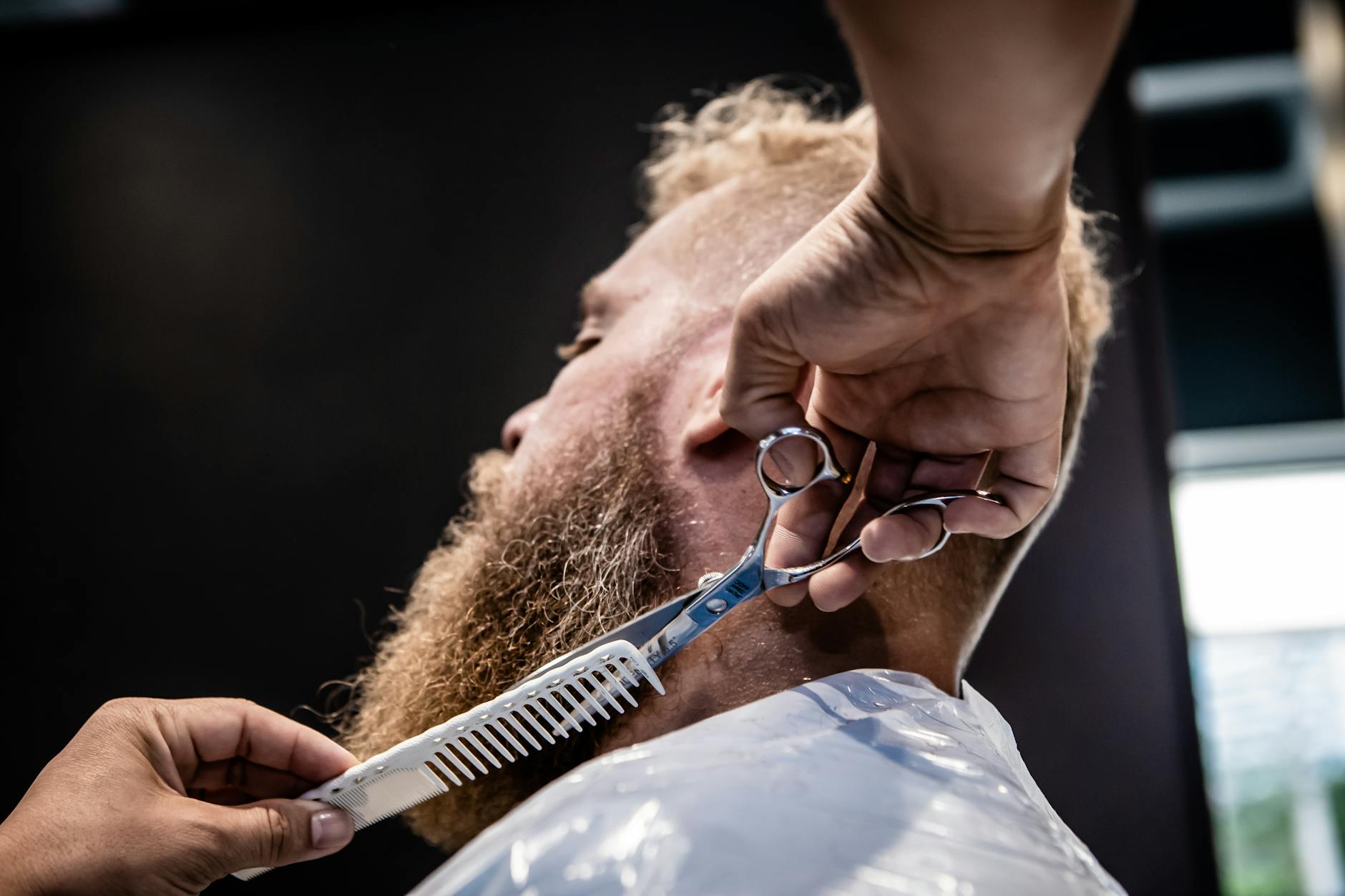
Asking for just a trim without any additional specification is one of the most consistently frustrating requests a barber receives because it communicates length preference without defining a starting point. Every barber in every shop has their own interpretation of what a trim means and without a reference point those interpretations vary enormously. A client who considers a quarter inch a trim and a barber who considers an inch a trim are operating with entirely different mental images of the finished result. The phrase also signals a passivity that can make it difficult for a barber to engage their full creative and technical skill on the cut. Specifying a length in inches or pointing to a reference photo removes the ambiguity entirely and produces dramatically more consistent results.
My Last Barber Did It Better
Comparing a current barber unfavorably to a previous one mid-appointment is a comment that creates immediate tension without producing any useful technical information. The statement communicates dissatisfaction without explaining what specifically the previous barber did differently or what outcome the client is actually hoping for. Barbers are professionals who take their craft seriously and an unfavorable comparison to an unnamed predecessor creates a defensive dynamic that rarely improves the quality of the remaining cut. If a specific technique from a previous appointment produced excellent results the productive approach is to describe that technique rather than invoke the person who performed it. Concrete feedback about desired outcomes consistently produces better results than competitive comparisons between practitioners.
Do Whatever You Want
Offering complete creative freedom to a barber without any parameters might seem like a generous gesture of trust but it frequently creates more anxiety than latitude for the professional receiving it. Most barbers prefer a collaborative framework because a client who has expressed no preferences is also a client who has reserved the right to be surprised by the result in either direction. Complete creative freedom without context means the barber has no way of knowing whether the client wants something conservative or bold subtle or dramatic. A barber working without any expressed preferences is essentially cutting blind in terms of client satisfaction. A single directional statement about length, shape, or style gives the barber enough to work with while still allowing their expertise to guide the execution.
Make Me Look Like Him
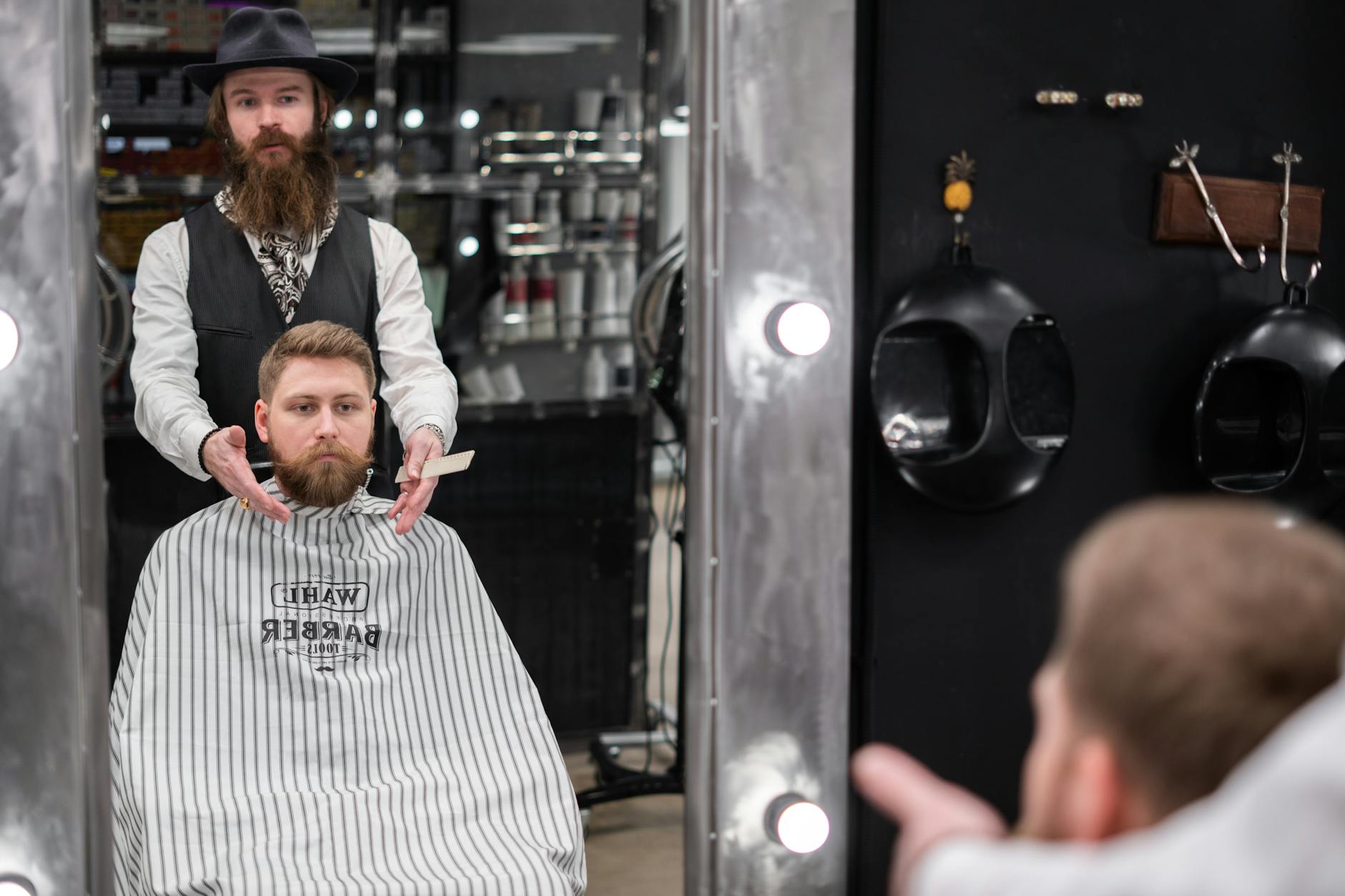
Pointing to a celebrity photo without acknowledging the fundamental differences in hair texture, density, growth pattern, and face shape between the client and the reference image creates an expectation that may be technically impossible to fulfill. Celebrity hairstyles are also frequently the product of professional styling, hair products, favorable lighting, and photography angles that do not translate to everyday life. Barbers can use reference images productively when the client understands that the photo represents a direction and an inspiration rather than a guarantee of identical replication. The most useful celebrity references are those where the client identifies a specific element they like such as the fade height or the fringe length rather than presenting the entire image as a blueprint. A barber who understands what specifically appeals to a client in a reference photo can incorporate those elements into a cut that actually works for that individual’s hair.
Just Clean It Up
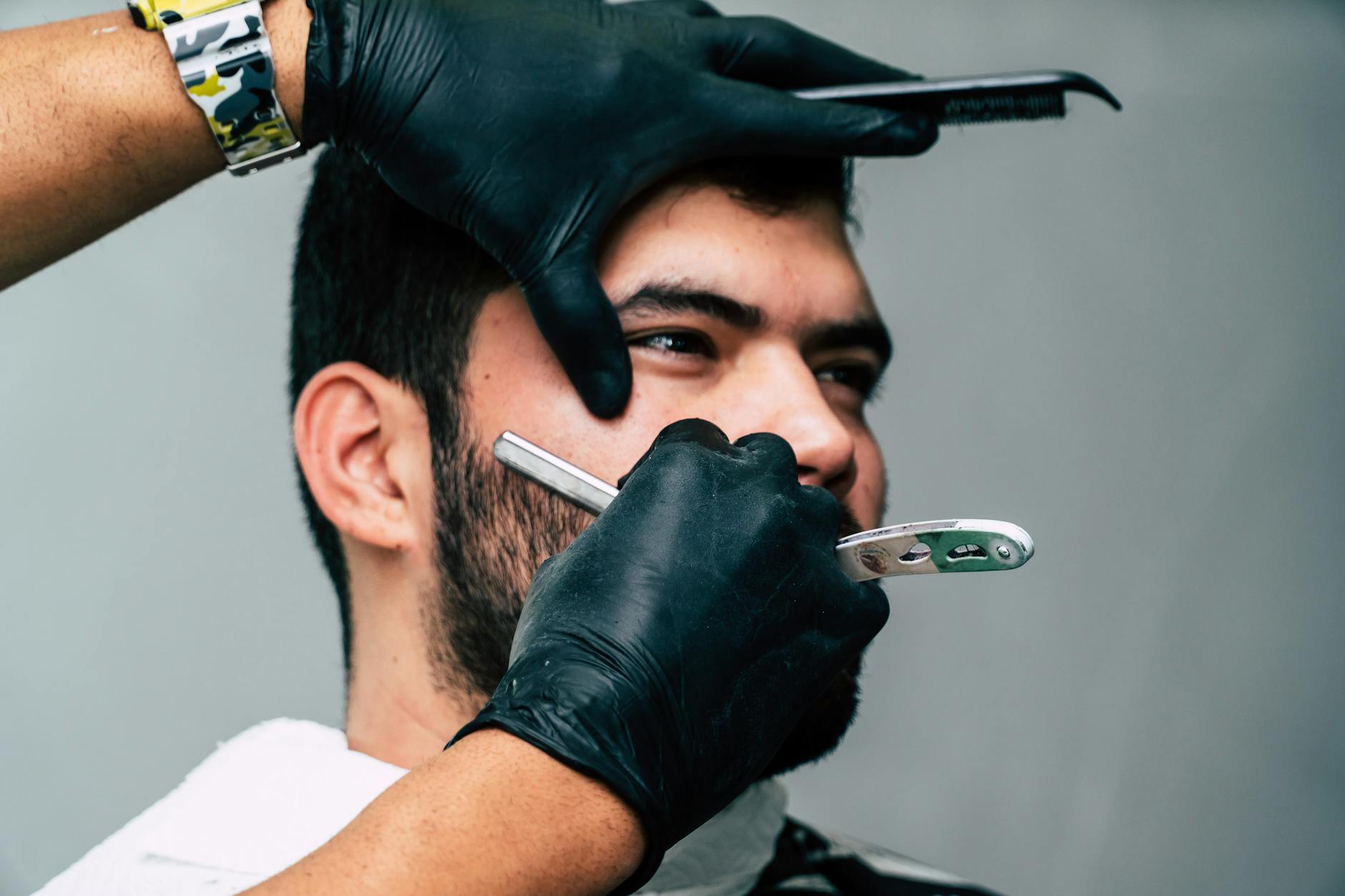
Requesting that a barber simply clean things up shares the same ambiguity problem as asking for a trim while adding an additional layer of vagueness around which areas are considered in need of cleaning. Different clients have entirely different thresholds for what constitutes an untidy hairline, an overgrown neckline, or ears that need addressing. A barber receiving this instruction must make a series of interpretive decisions about scope that could easily diverge from what the client envisioned. The phrase also implies that the cut is essentially already finished and only needs minor maintenance which can prevent a barber from suggesting improvements that would genuinely enhance the overall style. Identifying the specific areas that feel overgrown or untidy gives the barber clear targets and produces a far more satisfying outcome.
I Cut It Myself Last Time
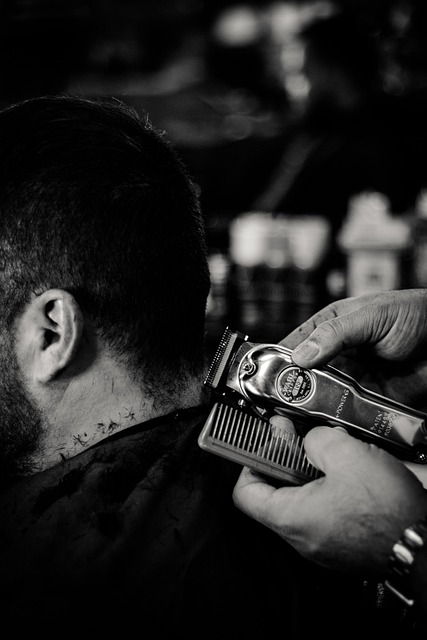
Informing a barber that the previous cut was self-administered creates an immediate technical challenge because home haircuts frequently introduce uneven lines, inconsistent lengths, and structural irregularities that complicate professional correction. The statement is most helpful when accompanied by an acknowledgment that the self-cut may have introduced specific problems that need addressing. Without that context a barber may spend considerable time diagnosing the structural issues before they can even begin working toward the client’s desired result. Many barbers appreciate honesty about a hair’s recent history because it helps them understand what they are working with rather than spending time trying to reverse-engineer the cause of obvious irregularities. A brief description of what went wrong with the self-cut combined with the desired correction gives the barber everything they need to proceed efficiently.
Short on the Sides
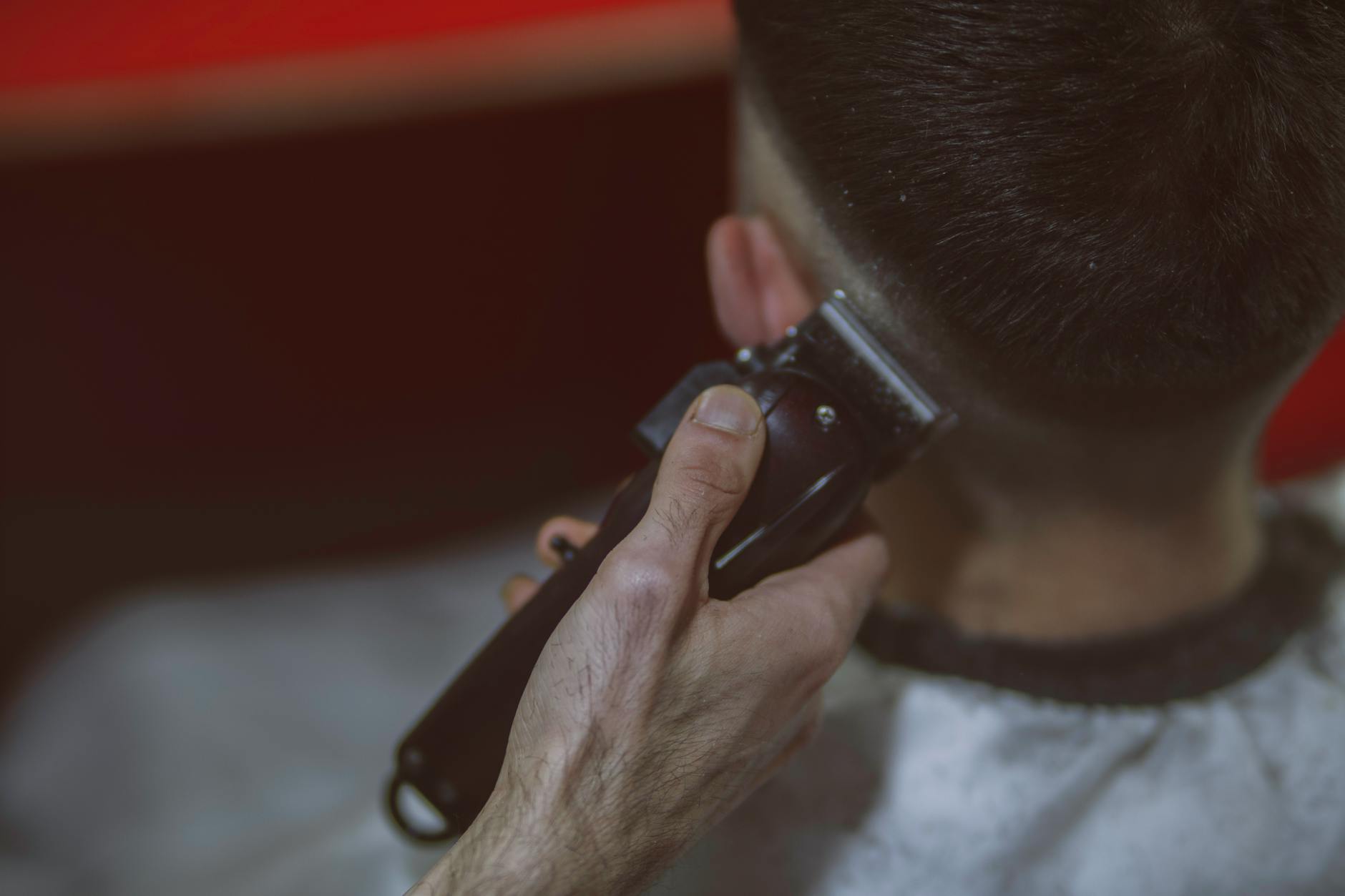
Specifying short on the sides without a guard number, a length reference, or a fade style leaves the most structurally significant decision in the cut entirely open to interpretation. Short is one of the most relative words in the barbering vocabulary with meaningful variation existing between every guard size from one through four. A client who considers a number two short and a barber who considers a number four short will produce entirely different results from the same instruction. The sides and back are also the areas of a haircut where mistakes are most visible and most difficult to camouflage while the hair regrows. Specifying a guard number or pointing to a reference image for the side length is the single most impactful piece of information a client can provide at the start of an appointment.
I’m Not Sure What I Want

Arriving at a barber appointment without any formed preference or direction places the entire burden of the consultation on the professional and removes the client from their own decision-making process entirely. A barber can absolutely help a client identify a suitable style but that process requires some raw material to work with such as lifestyle information, maintenance preferences, or reactions to suggested options. Clients who genuinely have no formed opinion tend to produce the most mixed satisfaction outcomes because any result can feel either right or wrong depending on mood rather than on any established criteria. Spending even two minutes before an appointment browsing reference images or identifying one element of a previous cut that worked well gives the barber enough to begin a productive consultation. The investment of minimal pre-appointment consideration significantly increases the likelihood of leaving the chair satisfied.
Make It Look Thicker

Asking a barber to make thin or fine hair look thicker without specifying which techniques or approaches are acceptable sets up an expectation that requires a more detailed conversation about what the client is actually willing to do. Thickness can be created through specific cutting techniques, product application, or styling approaches and each of these solutions requires different maintenance commitments from the client. A barber who cuts for volume using texturizing techniques has achieved the brief but if the client never uses product the result will not look the same at home as it did in the chair. The gap between in-chair and at-home results is one of the most common sources of client dissatisfaction and it is almost always rooted in a mismatch between the cut’s requirements and the client’s actual maintenance habits. A conversation about daily routine before the cut begins allows the barber to choose techniques that perform reliably under the client’s actual conditions.
Same as Last Time
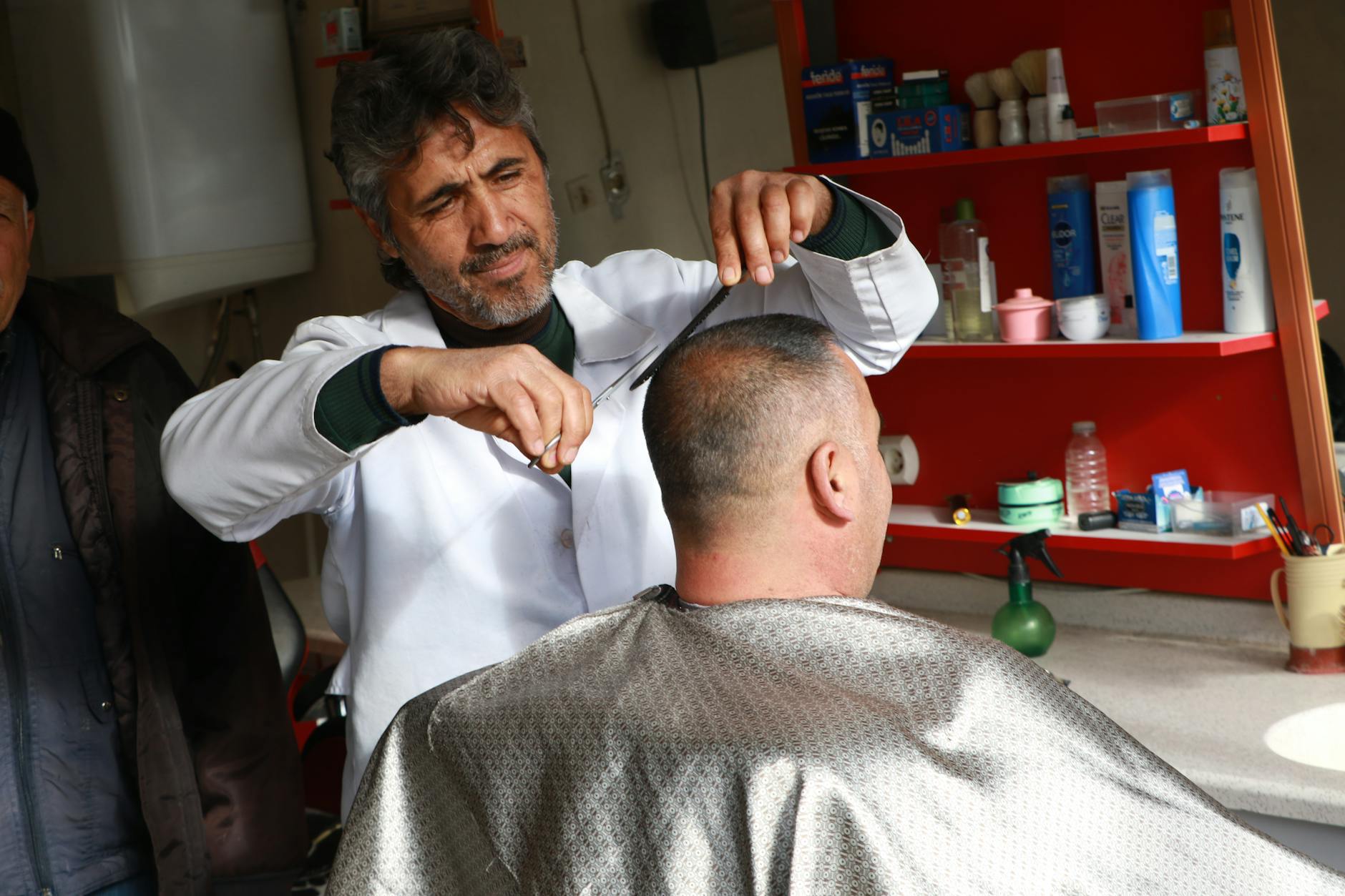
Asking a barber to replicate a previous cut without any additional description is a request that assumes a level of institutional memory that most busy barbershops cannot reliably maintain. Even a barber who has cut a client’s hair many times may not recall the specific guard sizes, fade height, and top length used in a previous appointment without notes or a reference image. Hair also changes between appointments growing at different rates in different areas and sometimes changing in texture or density over time meaning a technically identical cut may not produce an identical result. The phrase same as last time works most reliably when it is accompanied by a brief description of what specifically made the last cut successful. Clients who bring a photo of a previous cut they were happy with give their barber the most reliable possible reference point regardless of how long ago that cut took place.
Go Really Short
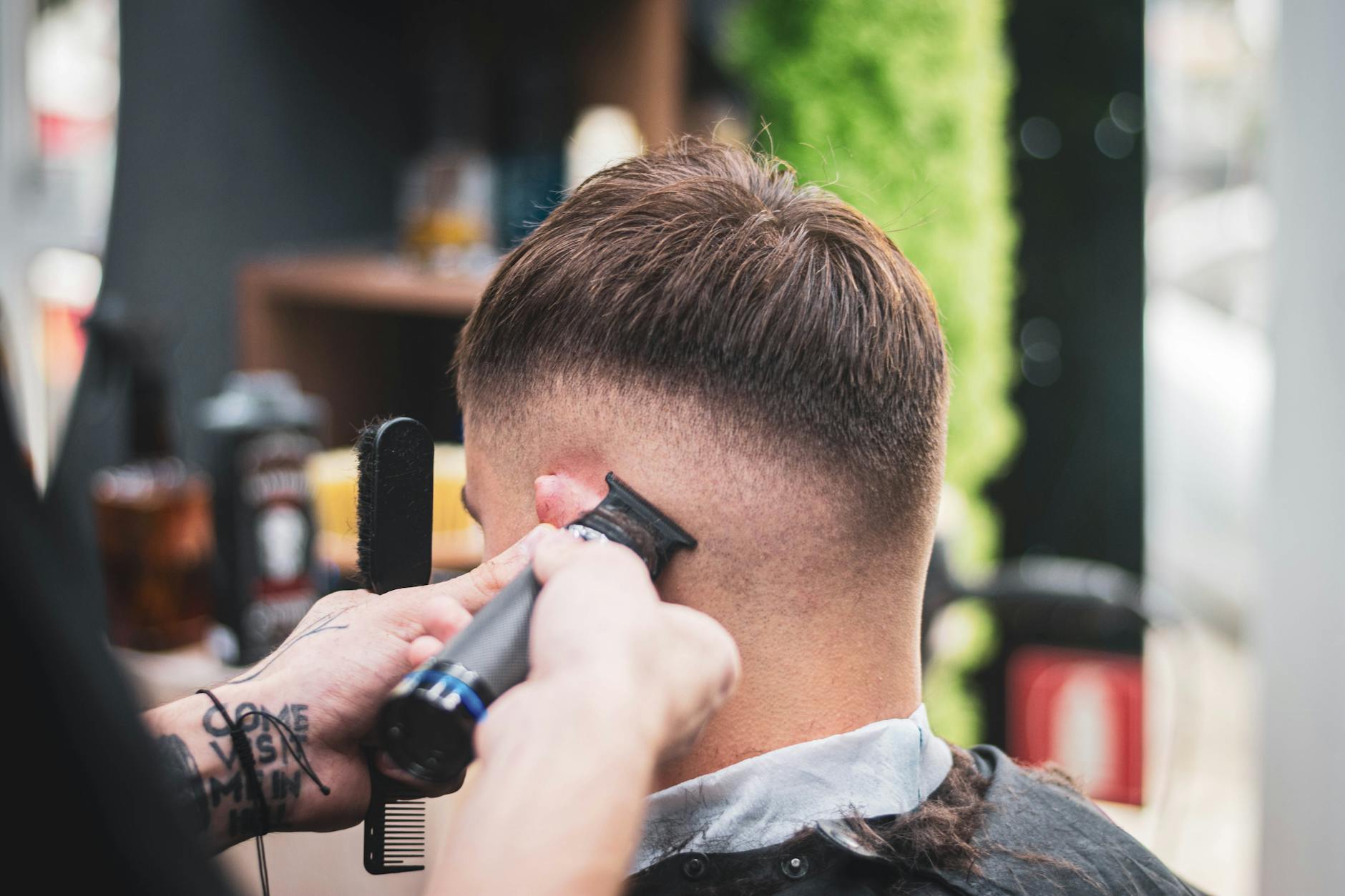
Instructing a barber to go really short without a specific length reference is a phrase that carries significantly different meaning depending on the person saying it. What reads as really short to a client accustomed to longer hair may be considerably longer than what a barber considers short based on the styles they cut most frequently. The instruction also fails to differentiate between the top and the sides which are typically cut to different lengths even in very close cuts. Clients who want a genuinely short result are best served by specifying a guard number for the sides and a rough inch measurement for the top rather than relying on a relative descriptor. A barber working from precise measurements rather than relative language will produce a consistent result that the client can reliably request again.
Whatever Is Trendy
Asking a barber to cut whatever is currently fashionable without any personal preference information asks the professional to make style decisions that are fundamentally the client’s to make. Trends in men’s haircuts encompass a wide stylistic spectrum ranging from extremely close fades to textured crops to longer flowing styles and no single trend applies universally to every face shape, hair type, or lifestyle. A barber who responds to this request must choose among many current options without knowing which direction actually suits the client’s preferences or practical needs. The more productive version of this question is asking a barber which of the current trends they think would suit this particular client’s hair and face shape. Inviting the barber’s professional opinion while making clear that a personal recommendation rather than a general trend report is being sought produces a much more useful and personalized response.
Leave It Long on Top
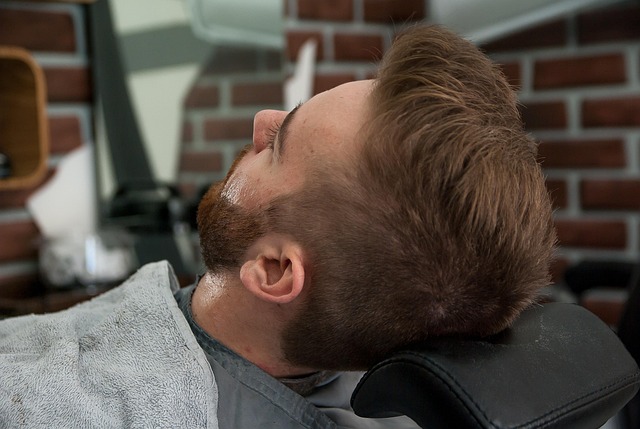
Requesting that the top be left long without specifying a length is an instruction that gives the barber directional guidance without the dimensional precision needed to ensure a consistent outcome. Long is as contextually dependent as short and its meaning shifts dramatically depending on the client’s starting length, hair texture, and the proportions of the cut being attempted. A barber cutting a fade who leaves the top long relative to the sides may still produce a result the client considers too short if their mental image of long was never communicated. The top length also determines the proportional relationship between every other element of the cut meaning an imprecise instruction at this stage creates uncertainty throughout the entire haircut. An inch measurement combined with a description of the intended styling approach gives the barber the information needed to calibrate the top length precisely.
Can You Hurry Up
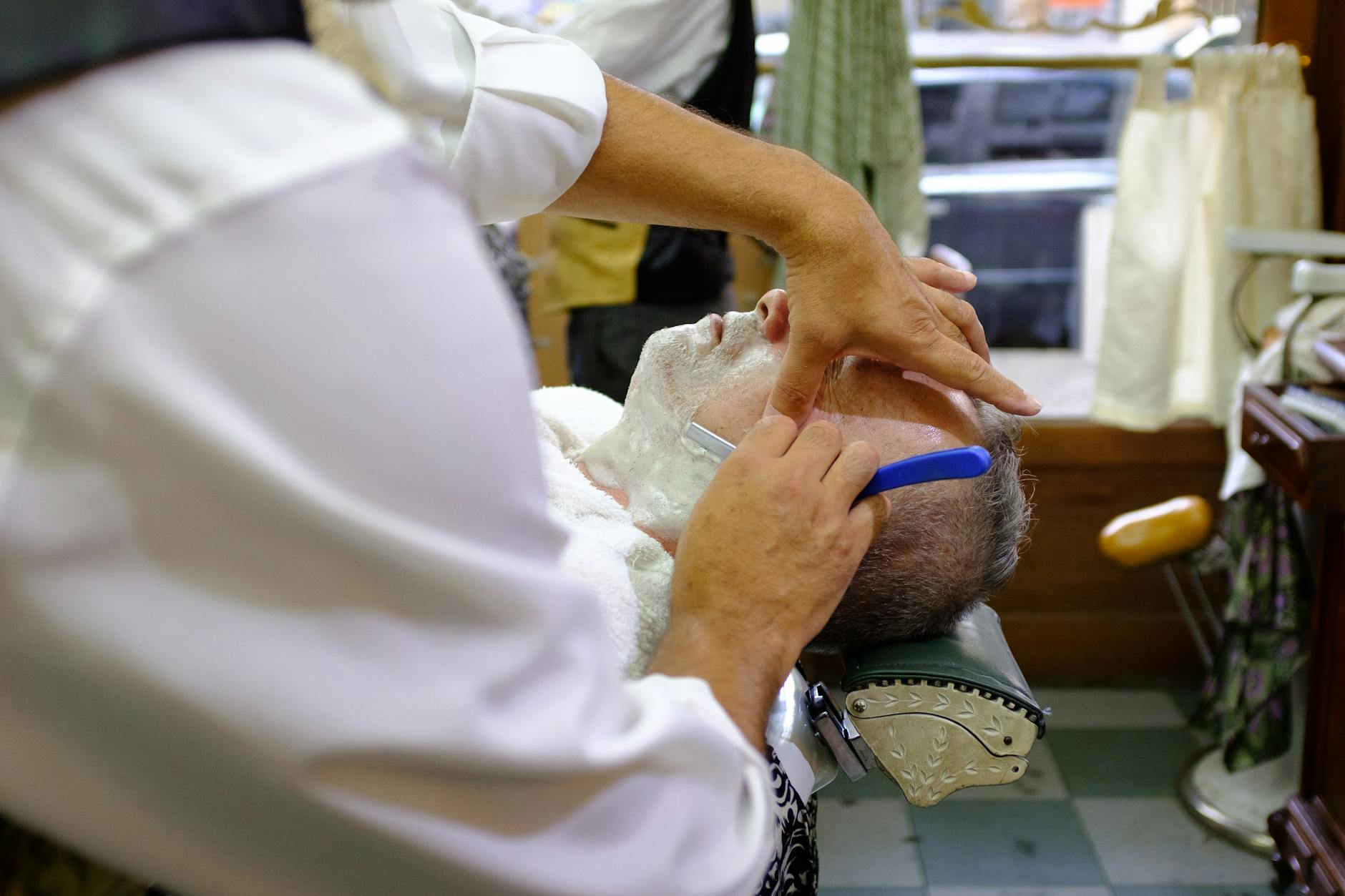
Asking a barber to speed up mid-appointment introduces a risk calculus that no professional working with sharp instruments near someone’s head should be asked to take on. Precision barbering is inherently time-dependent and the quality of lines, blends, and fades is directly tied to the pace at which they are executed. A hurried fade loses the seamless graduation that makes it visually effective and a rushed neckline frequently results in asymmetries that are visible for weeks. The barber’s pace is typically calibrated to the complexity of the cut being performed and departing from that pace introduces compounding errors that are difficult to correct without starting sections again. The practical solution for clients with time constraints is to book appointments with adequate buffer time rather than importing time pressure into an environment where it directly degrades results.
My Wife Cuts My Hair
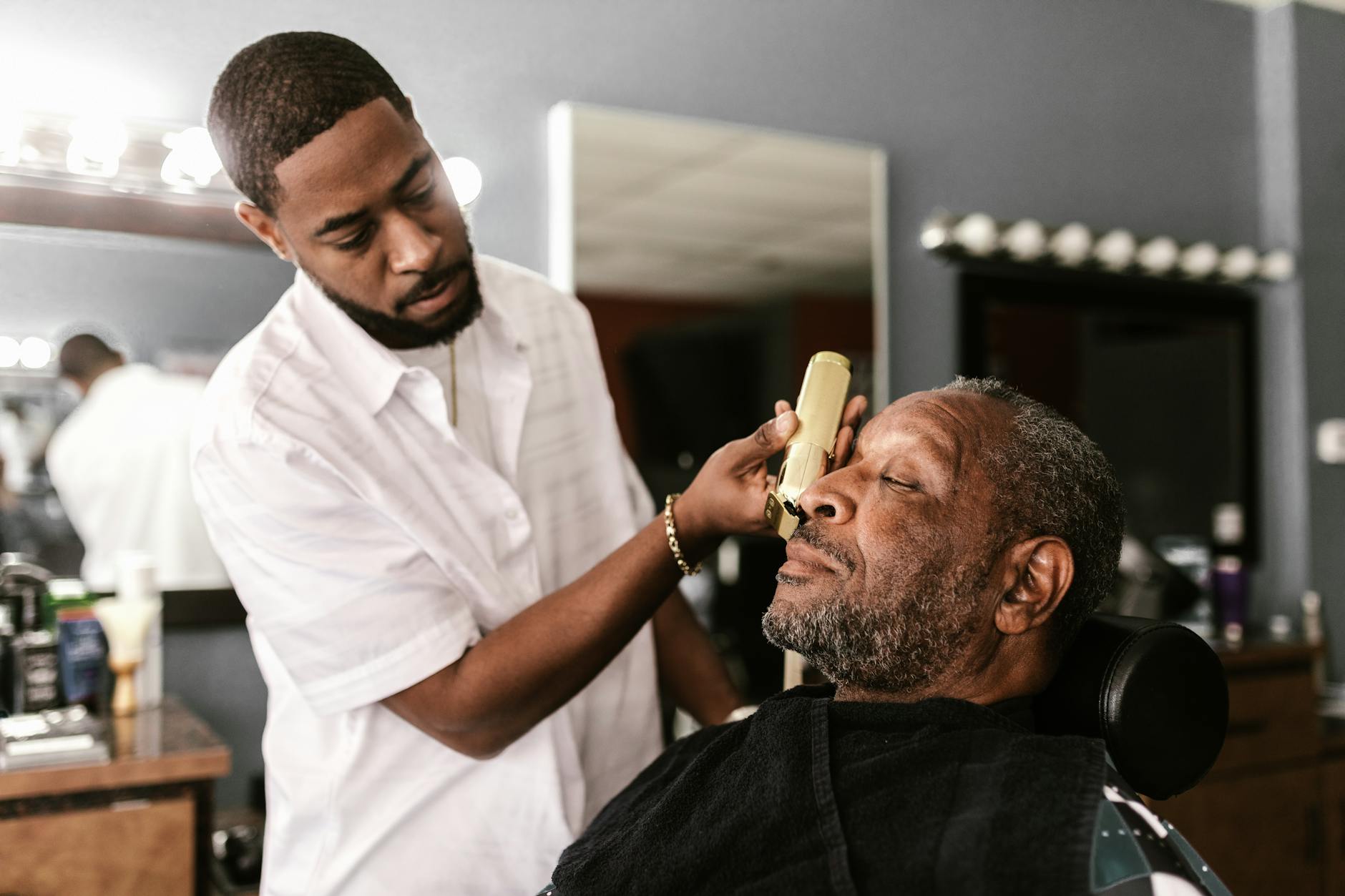
Informing a barber that a domestic partner or family member typically handles haircuts as context for the current visit is a comment that almost always introduces unhelpful social complexity into a professional consultation. The information creates no actionable technical guidance while potentially implying that the current visit is a reluctant exception to the preferred arrangement. Barbers respond most effectively to information about the cut being requested rather than context about the domestic hair-cutting arrangements the client is temporarily departing from. If a partner’s cutting style has produced results the client wants to maintain or improve upon describing those results is far more useful than describing who produced them. The professional relationship between a barber and client functions most effectively when it is oriented entirely toward the current appointment rather than the history that preceded it.
Just Neaten the Beard
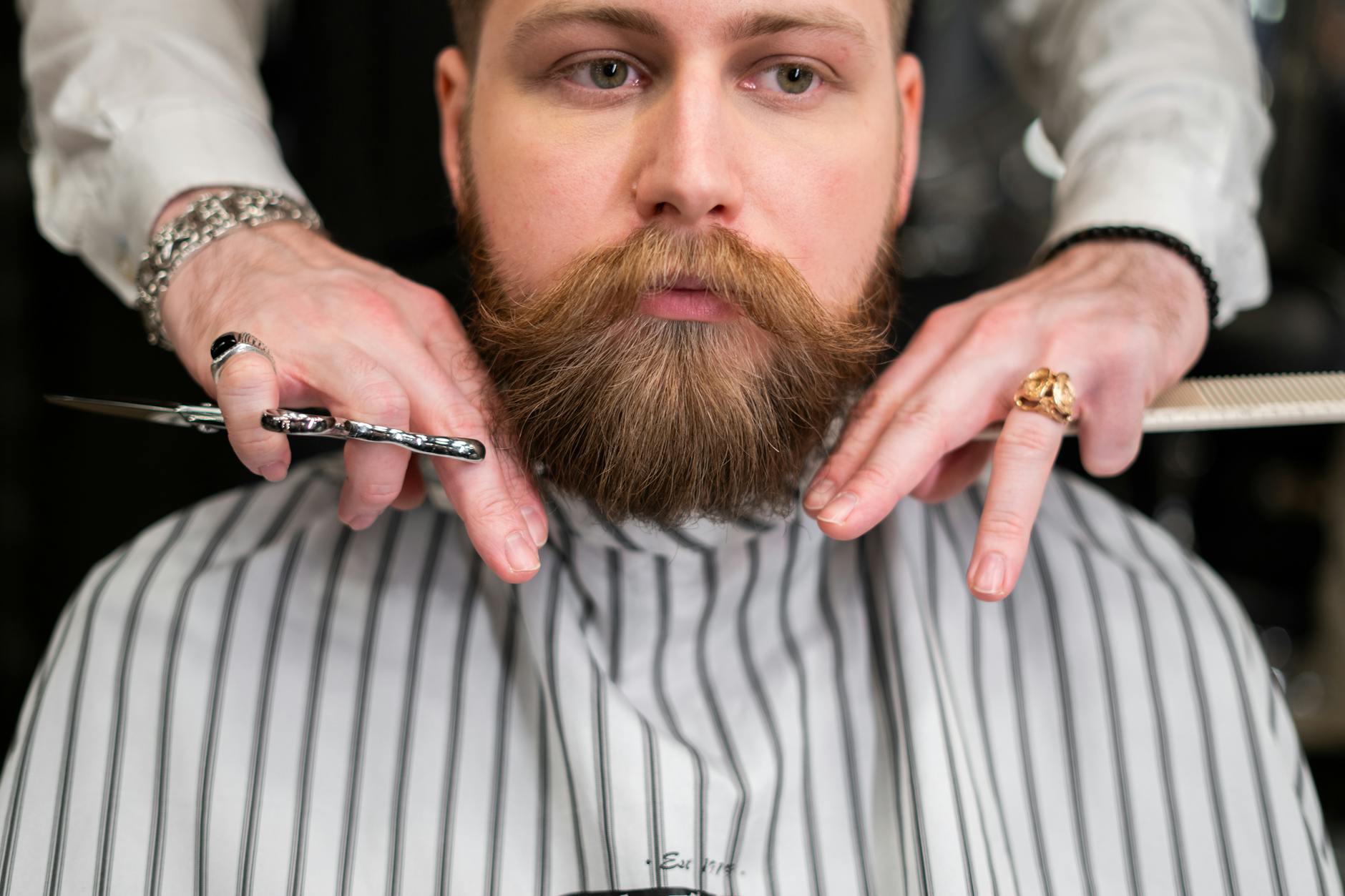
Asking for beard work without specifying desired shape, neckline position, cheek line height, or overall length invites the same interpretive inconsistency as vague hair instructions but with proportionally higher stakes given the beard’s role in defining the entire face. Beard grooming involves a series of structural decisions about where lines should fall that have significant visual consequences for the face shape the beard creates or enhances. A neckline set too high shortens the neck and creates a different facial proportion than one set at the natural jaw line and neither is objectively correct without knowing the client’s preference. Length reduction in a beard is also essentially irreversible in the short term making precision of instruction particularly important before any cutting begins. A clear description of the desired shape, length, and line positions combined with a reference image produces beard work that is genuinely satisfying rather than generically tidy.
I Have Somewhere to Be
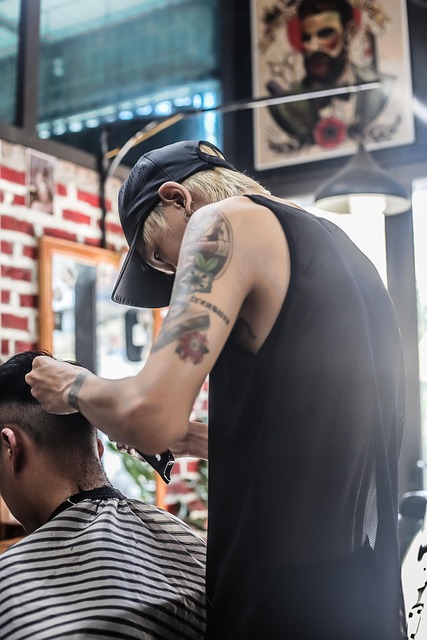
Announcing at the start of an appointment that significant time pressure exists creates a dynamic where the barber must either rush through a cut that deserves more time or disappoint a client who has not budgeted appropriately for the service. Time constraints communicated after the appointment has begun are particularly problematic because they change the parameters of the job mid-execution. Barbers book appointment slots based on the cut being requested and a client who has asked for a complex fade with beard work and arrives announcing a thirty-minute departure window has created a mismatch between expectation and reality. The professional solution is to communicate time constraints when booking rather than upon arrival so that the barber can either adjust the service to fit the available time or recommend a future booking. Appointments treated as genuine time investments consistently produce better results than those squeezed into inadequate windows.
Can You Fix What He Did
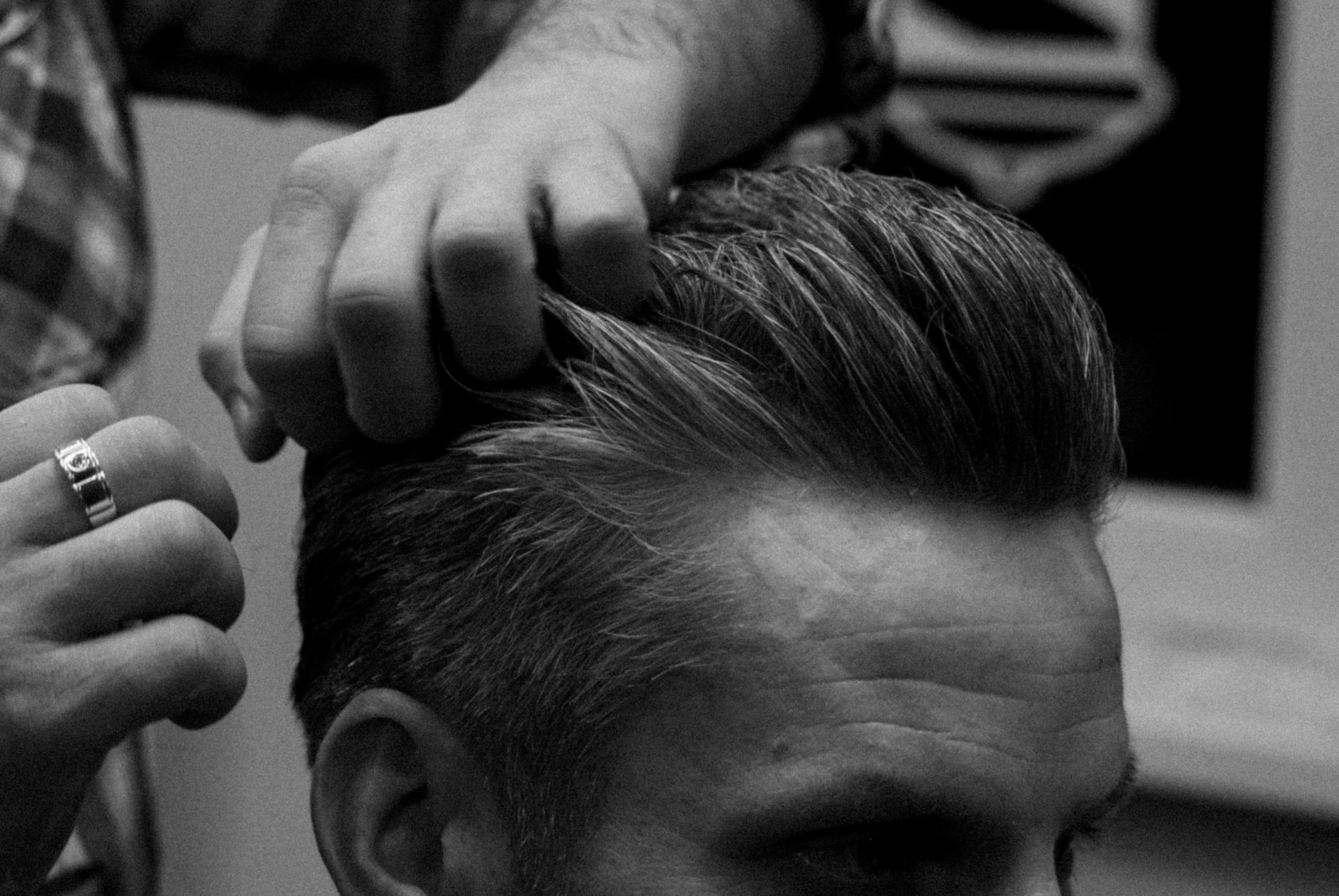
Asking a barber to fix a cut performed by another professional while both parties are in earshot or in the same shop creates an awkward professional dynamic that rarely benefits the quality of the corrective work being requested. Publicly criticizing a colleague’s work places the current barber in an uncomfortable position and the social tension introduced into the space affects the entire atmosphere of the appointment. The productive approach to corrective work is to describe what specifically went wrong with the previous cut and what outcome is being sought rather than framing the request as a critique of another practitioner. A barber focused entirely on the technical challenge of improvement rather than on the professional politics of correction will produce significantly better results. The goal of the conversation should be the desired outcome rather than the assignment of blame for the current situation.
I Don’t Want Much Off
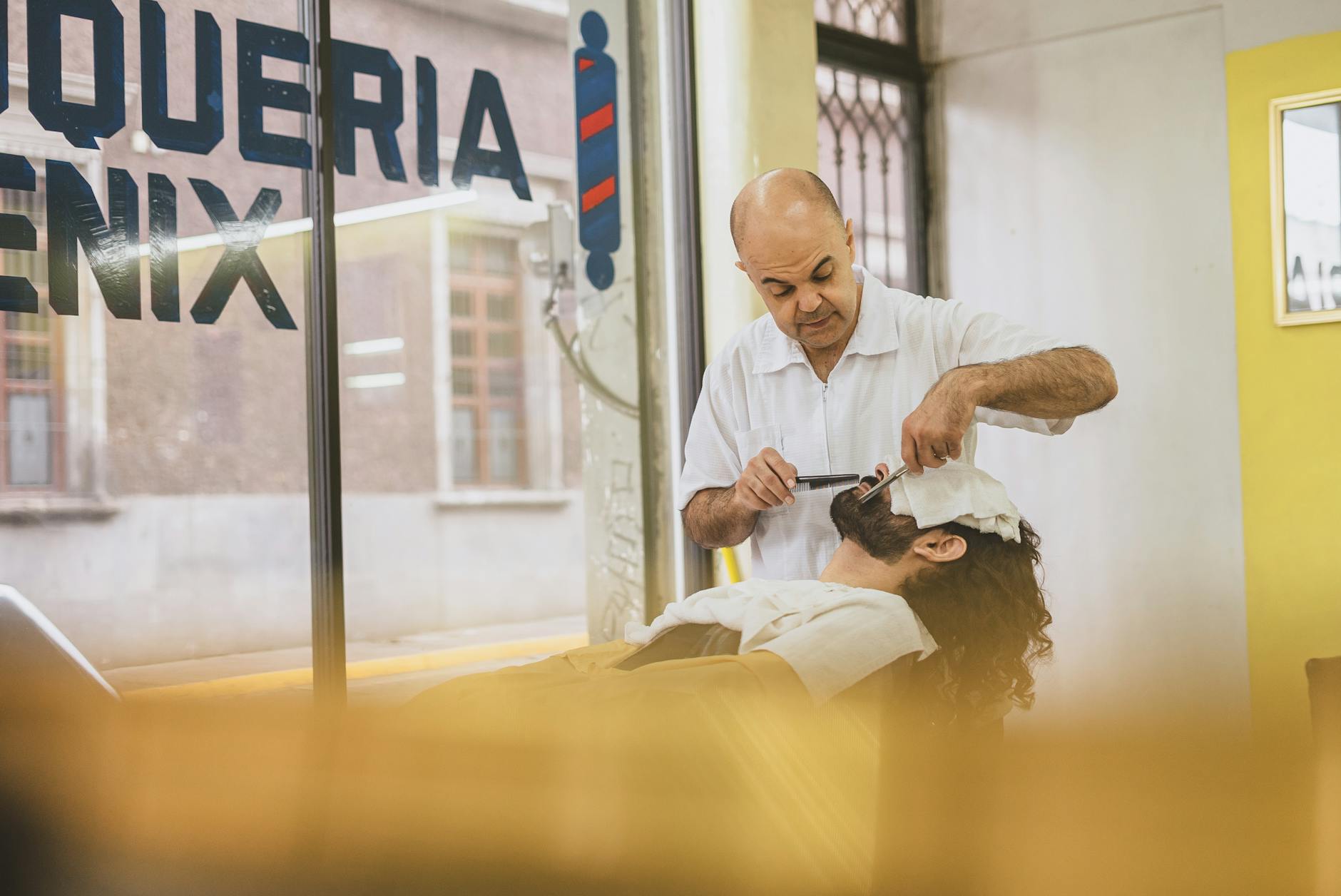
Stating a desire to preserve overall length without specifying how much preservation is acceptable is a protective instruction that tells the barber what not to do without telling them what the client actually wants. The phrase creates a conservative frame around the cut but conservation of length is not a style in itself and the barber still needs directional guidance about shape, texture, and proportional balance. Clients who prioritize length retention above all other considerations produce the best results when they specify a maximum removal in measurable terms rather than a relative instruction open to interpretation. A clear length floor such as nothing shorter than two inches on top gives the barber a firm boundary to work within while still leaving room for professional judgment about technique. Protective instructions work most effectively when they are specific enough to be operationally useful.
Make Me Look Younger
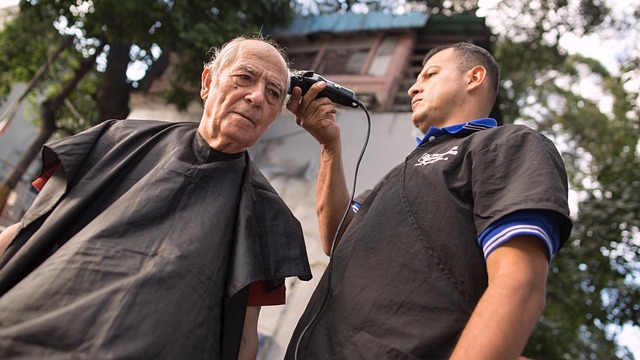
Asking a barber to use a haircut to achieve a broadly anti-aging effect without specifying what visual changes the client considers aging is a request that conflates the craft of barbering with an undefined cosmetic outcome. Youth in hair is associated with different visual cues depending on the individual and what creates a more youthful appearance for one face shape may have no effect or even a contrary effect on another. Barbers can make informed suggestions about cuts that create freshness, reduce visual weight, or update an outdated style but they need some indication of what specific aspects of the current look the client finds dated or aging. The most productive version of this conversation involves identifying the specific element the client wants to change rather than assigning the barber a broadly defined aesthetic mission. Clear targets produce better results than abstract goals regardless of the technical skill of the professional being asked to achieve them.
Something Low Maintenance
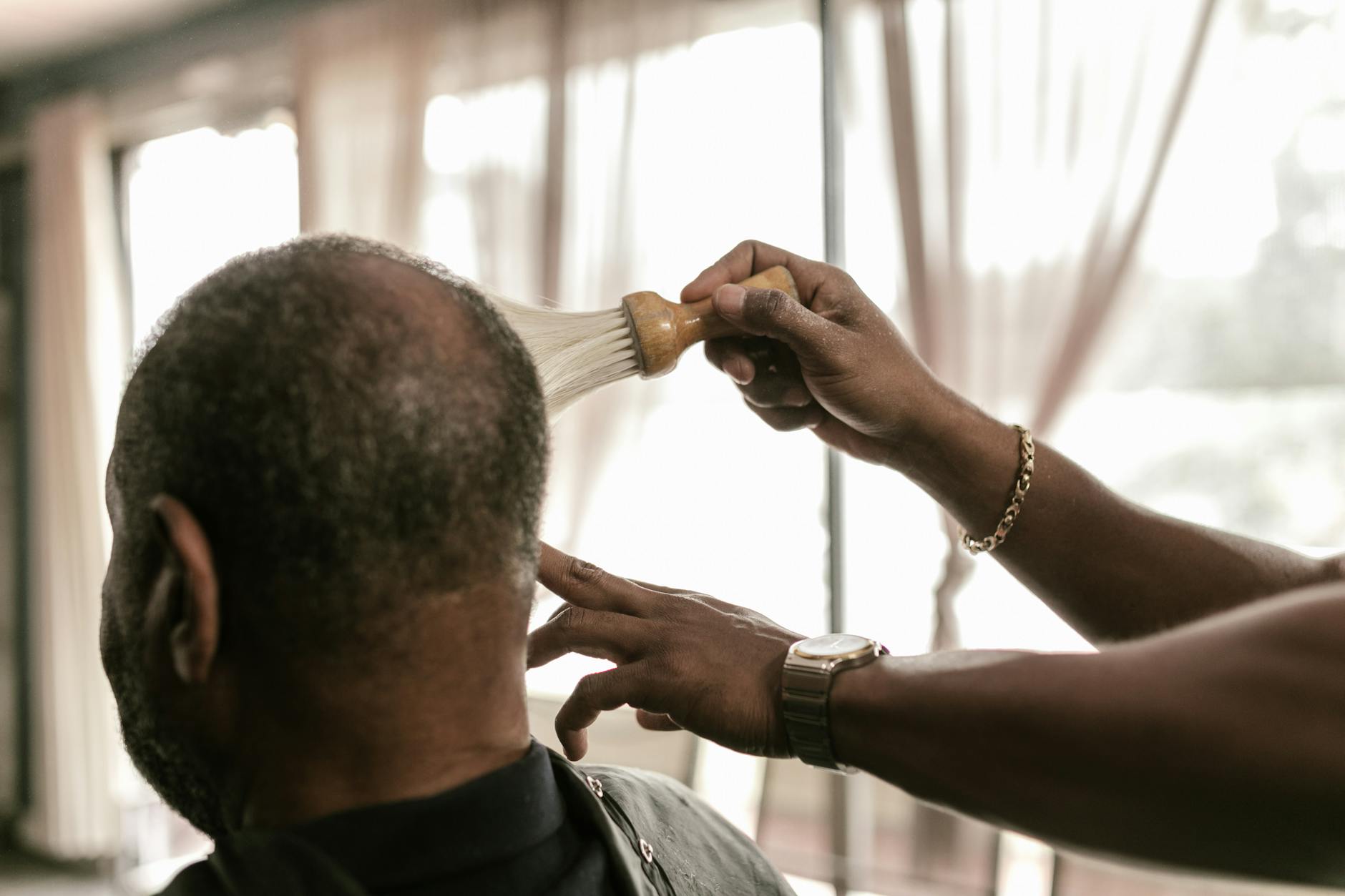
Requesting low maintenance without specifying what low maintenance actually means in the client’s daily routine produces cuts that are theoretically easy to maintain but practically mismatched with the client’s actual habits and schedule. Low maintenance means something entirely different to a client who air dries and leaves the house in ten minutes compared to one who uses product daily and owns multiple styling tools. Barbers can absolutely recommend styles that require minimal professional intervention or daily effort but they need to understand the client’s actual morning routine to recommend one that genuinely delivers. A cut that looks effortless in the chair may require specific product and technique to replicate at home and a barber who understands the client’s lifestyle can calibrate recommendations accordingly. The most genuinely low maintenance cuts are those designed around the client’s real habits rather than an idealized version of them.
It’ll Grow Back
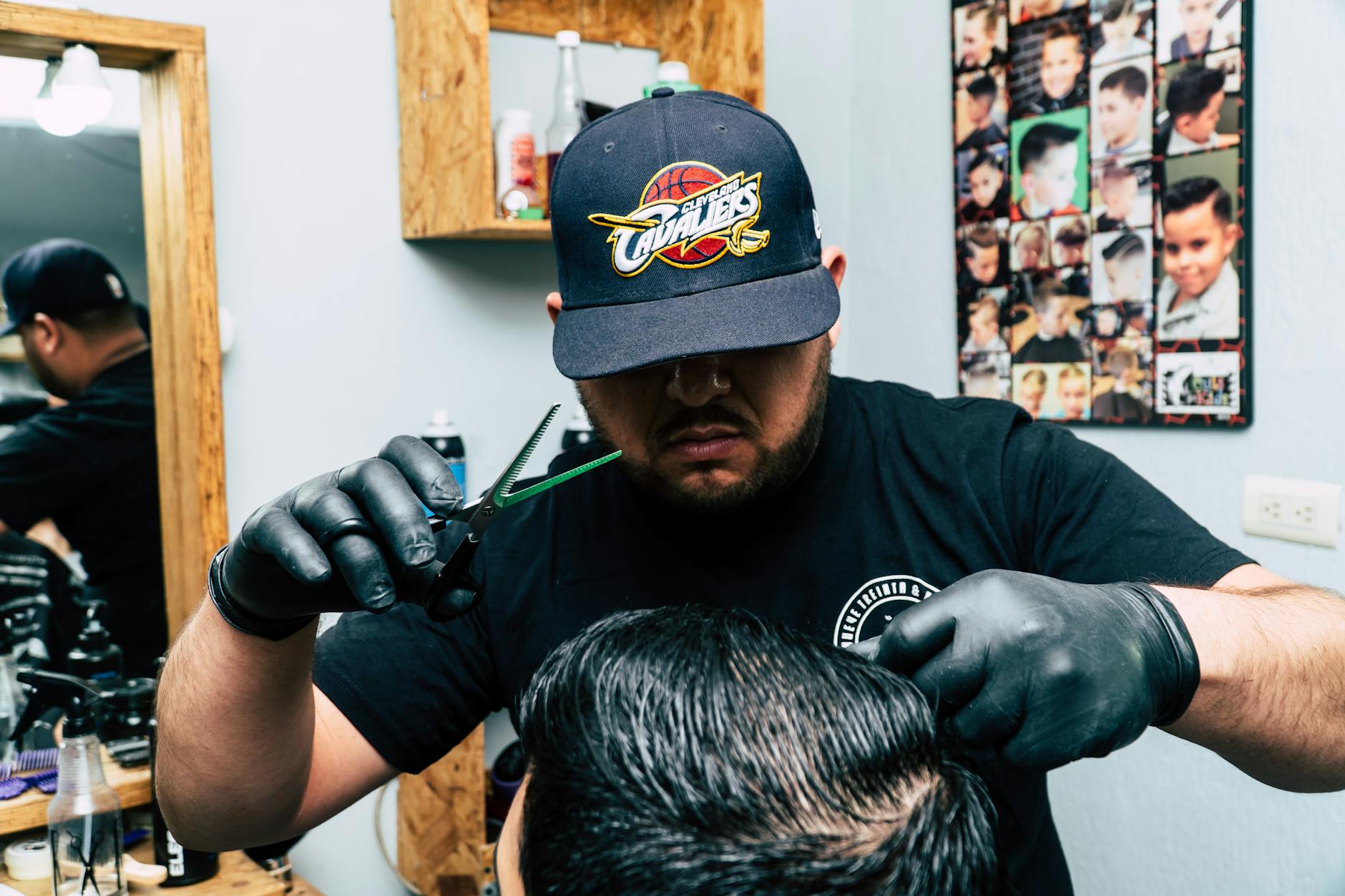
Dismissing a barber’s attempts to clarify an ambiguous or potentially risky request with the reassurance that any mistake can simply grow out is a comment that simultaneously undermines the professional’s expertise and removes the quality standard from the appointment entirely. Barbers care about the work they produce and a client who signals indifference to the outcome creates an environment where the barber’s natural motivation to perform at their best is actively diminished. Hair does grow back but the weeks spent waiting for a poor cut to recover are a real cost that casual dismissal of the process fails to acknowledge. The most productive relationship between a client and a barber is one where both parties are invested in the outcome and communicating clearly about expectations. Engaged and specific clients consistently receive better cuts than disengaged ones regardless of the barber’s individual skill level.
Like My Dad’s
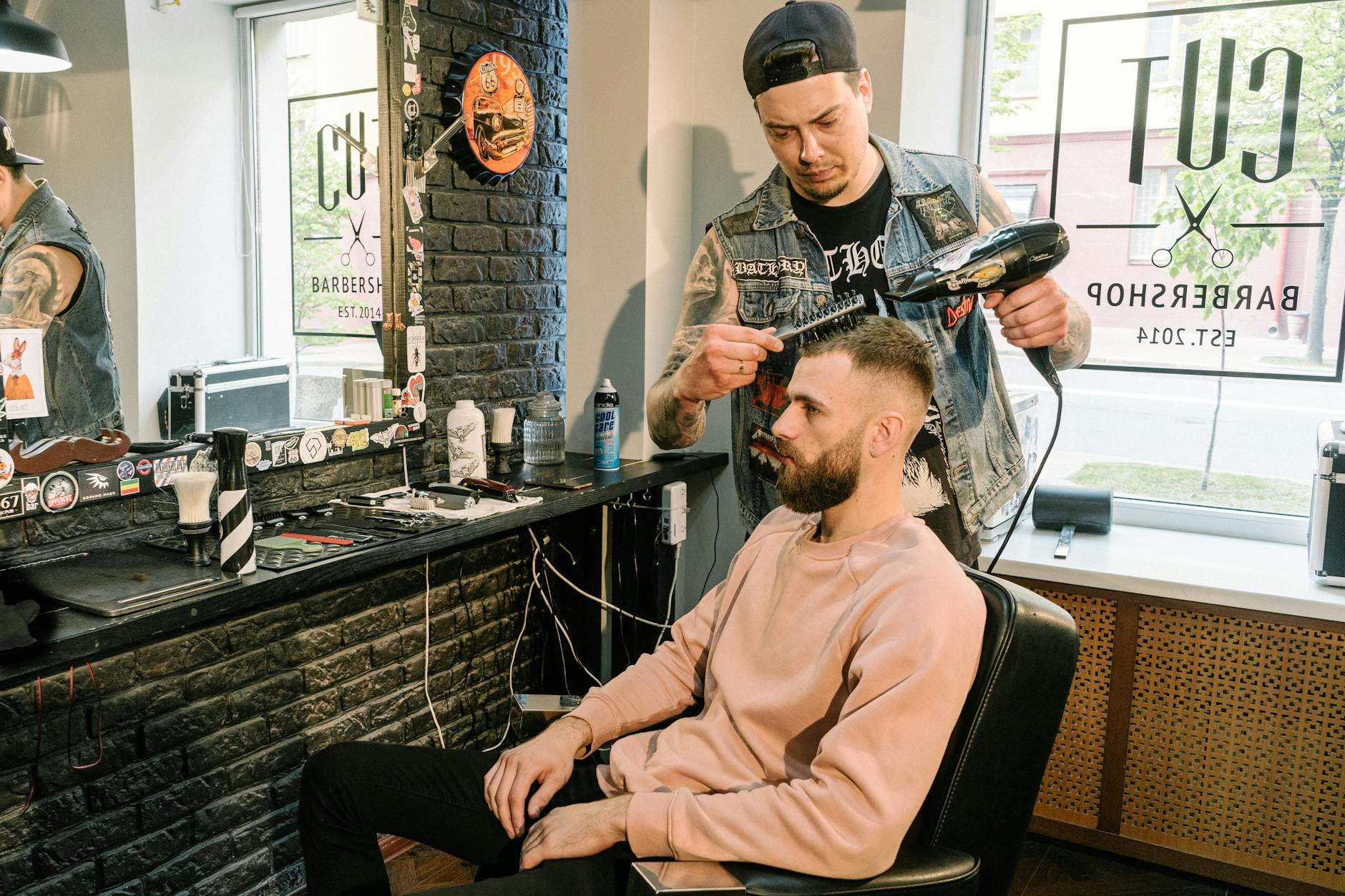
Referencing a family member’s haircut as a stylistic benchmark without any supporting visual reference or descriptive detail provides the barber with social context rather than technical information. Family resemblance in hair does not reliably extend to identical texture, density, growth patterns, or face shape meaning a cut that works perfectly on a parent or sibling may not transfer directly to the client requesting it. The reference also requires the barber to construct an entire imaginary haircut from a description of a person they have never seen which is not a reliable foundation for precision work. If a family member’s cut genuinely represents the desired outcome the most efficient approach is to obtain a photograph of it before the appointment. A visual reference is worth more than any verbal description regardless of how detailed or how familiar the subject is to the person providing it.
I Hate My Hair
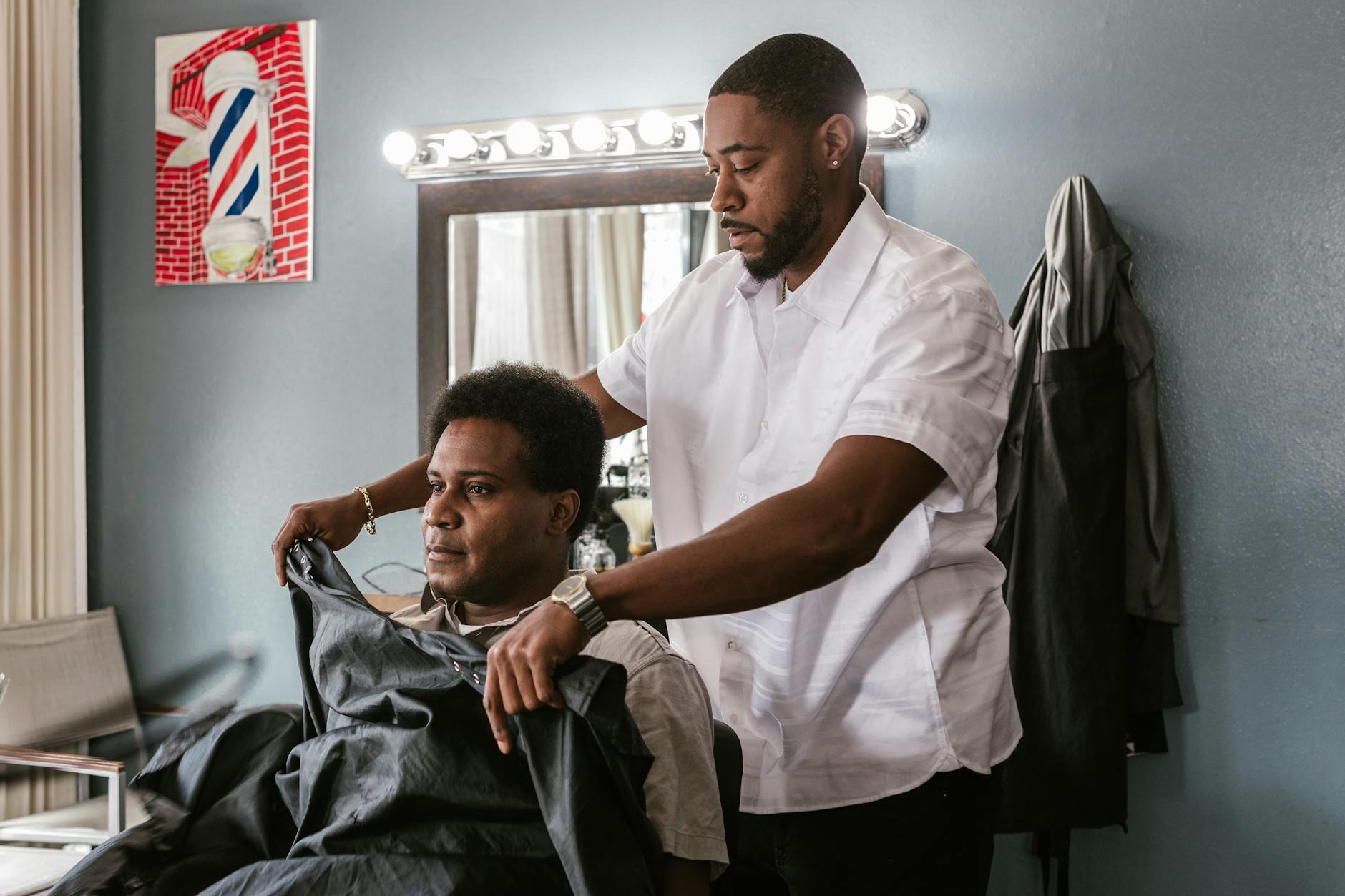
Opening an appointment with a sweeping negative declaration about the hair itself rather than a description of what the client wants to change places the barber in the position of therapist before they can function as a craftsperson. While understanding a client’s frustrations can be useful context for the cut ahead a general expression of dissatisfaction provides no technical direction and may signal an emotional investment in the outcome that exceeds what any single haircut can realistically deliver. Barbers work most effectively when they understand the specific elements of a client’s current hair that are causing frustration because those elements can potentially be addressed through technique, style adjustment, or product recommendation. The productive transformation of general dissatisfaction into actionable instruction is one of the more valuable skills a client can develop through regular barbershop visits. Identifying what specifically is wrong rather than that everything is wrong gives the professional a place to begin.
What is the most miscommunicated barbershop request you have experienced from either side of the chair? Share your thoughts in the comments.




