Every second of every day, your kidneys are working behind the scenes to keep you alive. These two fist-sized organs filter roughly 40 gallons of blood daily, pulling out waste products, balancing electrolytes, regulating blood pressure, and managing fluid levels throughout the body. Despite how vital they are, kidney disease tends to creep in silently, often going undetected for years. According to international health organizations, more than 850 million people worldwide are living with some form of kidney disease, and many have no idea because the early symptoms are nearly invisible.
While genetics, diabetes, and high blood pressure are among the leading drivers of kidney damage, doctors are increasingly pointing to something more immediate: what people drink every single day. Certain beverages, consumed regularly over time, can place significant strain on these organs and contribute to long-term decline. The good news is that awareness is the first step, and many of these habits are entirely changeable.
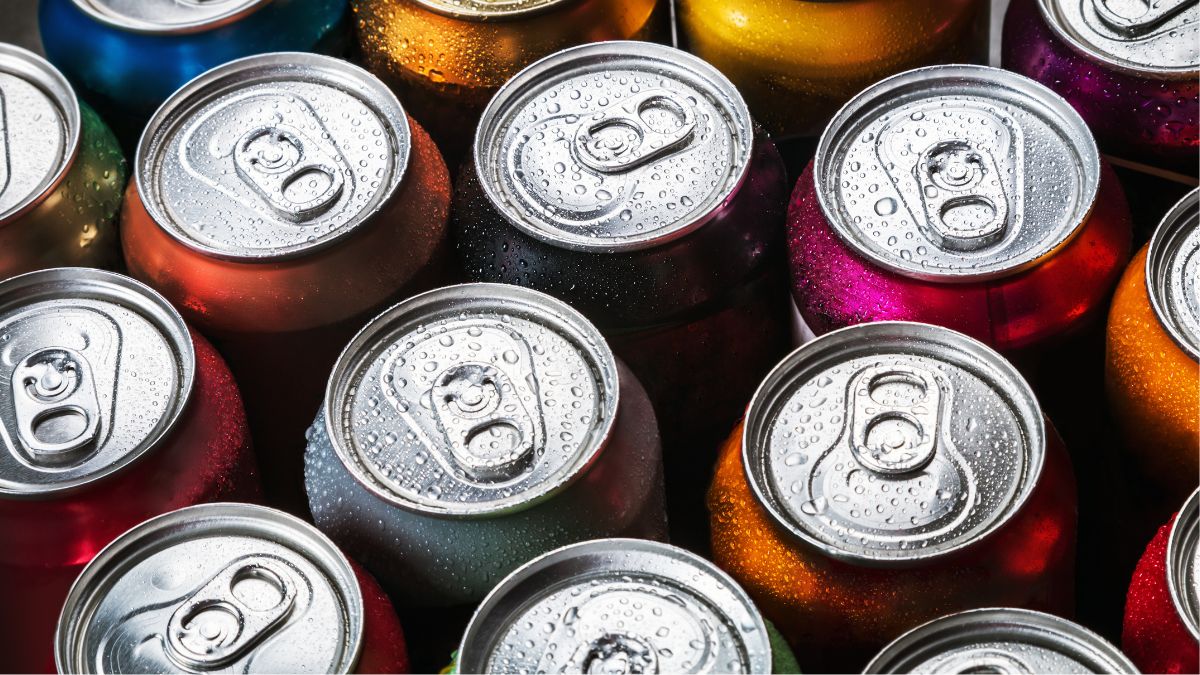
Sugary sodas and carbonated drinks are among the most common culprits. Many of these beverages are loaded with fructose corn syrup and phosphoric acid, the latter being used as an acidity regulator that gives cola its sharp bite. Research has shown that frequent consumption of these drinks is linked to an increased risk of chronic kidney disease. On top of that, the high sugar content contributes to obesity and the development of type 2 diabetes, both of which are major independent risk factors for kidney damage. Doctors are careful to clarify that an occasional soda is not the issue; it is the daily, years-long habit that does the real harm.
Energy drinks have surged in popularity, but physicians consistently flag them as problematic for kidney health. These beverages tend to pack high doses of caffeine, sugar, and various stimulants into a single can, and when consumed frequently or in large quantities, they can drive up blood pressure and place added burden on the kidneys. Some studies suggest that heavy energy drink consumption can disrupt electrolyte balance and contribute to dehydration, which is particularly problematic since the kidneys are responsible for managing fluid regulation in the body.
Alcohol, when consumed excessively on a regular basis, is another beverage that takes a measurable toll on kidney function. The kidneys are tasked with filtering toxins from the bloodstream, and alcohol adds a significant extra load to that process. Habitual heavy drinking can alter the way kidneys regulate fluid and electrolytes, and it tends to raise blood pressure over time. Since hypertension is one of the primary causes of chronic kidney damage, the connection between alcohol and kidney disease is more direct than many people realize.
It is also worth paying attention to certain industrial beverages that do not always get flagged in kidney-health conversations. Many sports drinks and powdered instant drinks contain significant amounts of sodium, artificial sweeteners, and various additives. A consistently high sodium intake drives up blood pressure and places ongoing stress on the kidneys. Over time, regular consumption of these products can create conditions in the body that quietly accelerate kidney wear.
Protecting kidney health does not require an overhaul of everything at once. Doctors point to hydration as the single most effective starting point, with plain water helping the kidneys flush waste efficiently and reducing the risk of kidney stones. Moderating alcohol, cutting back on sugar, and avoiding the daily energy drink habit all make a meaningful difference. Controlling blood pressure and blood sugar levels is equally critical, since hypertension and diabetes together account for a significant share of kidney disease cases worldwide. Regular physical activity, maintaining a healthy weight, and eating a diet rich in fruits and vegetables further support kidney function over the long term. Routine checkups also matter more than many people realize, since simple blood and urine tests can reveal whether the kidneys are functioning properly long before symptoms appear.
The kidneys were first identified and named by ancient Egyptians, who considered them the seat of the soul rather than just filtration organs — it took centuries of anatomy before their true function was understood. A single kidney contains around one million tiny filtering units called nephrons, and a healthy person can live a completely normal life with just one of them. Phosphoric acid, the compound found in many dark sodas that contributes to kidney stress, is also used industrially to remove rust from metal surfaces.
What drinks do you reach for most often, and have you ever thought about how they might be affecting your kidneys? Share your thoughts in the comments.




