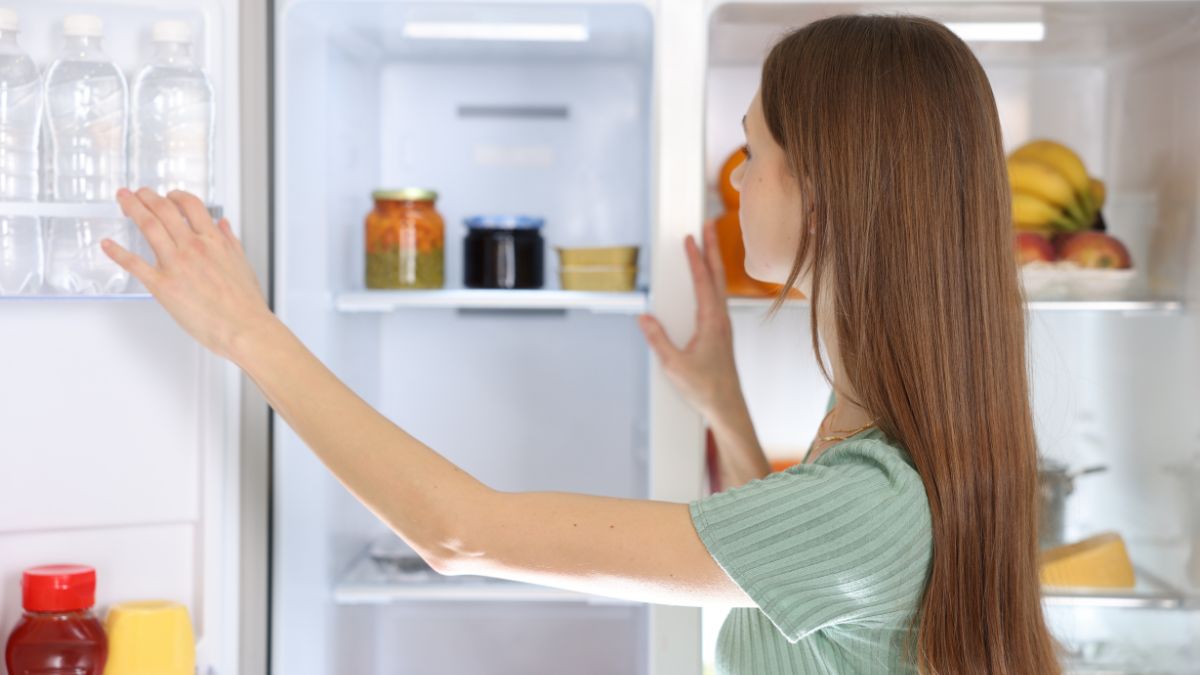
Many households keep a box of baking soda tucked inside the refrigerator as a go-to solution for fighting off bad smells that linger from leftover foods or forgotten produce. This longstanding household hack has been passed down through generations yet some wonder whether it delivers real results or simply offers a placebo effect. Science actually backs up its usefulness through straightforward chemistry and practical testing. Nutritionist Dani Dominguez and cleaning expert Trish Duarte both highlight how this everyday staple can make a noticeable difference when applied correctly.
Baking soda works because it functions as an amphoteric substance that reacts with both acidic and basic compounds responsible for most fridge odors. Volatile molecules from items like spoiled milk or strong cheeses become less noticeable once they interact with sodium bicarbonate and transform into neutral salts. Studies have demonstrated clear benefits such as a seventy percent reduction in odor concentration within treated food waste containers compared to untreated ones. Additional research on food packaging including fermented items like kimchi has recorded measurable drops in odor intensity when baking soda is incorporated.
For optimal performance it is essential to give the baking soda plenty of exposure to circulating air rather than leaving it confined in its original narrow box. Experts recommend pouring about one cup into a shallow wide dish or plate that allows maximum surface contact throughout the fridge interior. This setup helps the powder interact efficiently with airborne odor molecules and keeps the appliance smelling fresher for longer periods. Remember that baking soda reaches its absorption limit after absorbing a certain quantity of particles so its effectiveness gradually diminishes over time.
Regular replacement plays a key role in maintaining results since the substance loses potency once saturated. Changing the baking soda every thirty days ensures consistent performance and prevents it from becoming a source of stale smells itself. In cases of particularly stubborn odors combining it with a small bowl of activated charcoal can enhance the process because charcoal offers greater porosity and acts like a magnet for remaining molecules that baking soda might miss. This duo provides a natural complementary approach without relying on artificial sprays or chemical fresheners.
Keep in mind that while baking soda excels inside the refrigerator it is not suitable for every cleaning task around the home. Sprinkling it directly onto carpets mattresses or upholstered furniture can lead to problems as the fine particles embed deeply into fibers and become difficult to remove completely. Over time those trapped grains may create abrasive friction that damages materials during normal use. Stick to its strengths in enclosed spaces like the fridge where it can do its job safely and effectively.
Baking soda remains an affordable accessible option that aligns well with simple eco-friendly household routines. Its proven ability to neutralize rather than merely mask odors makes it a reliable choice for anyone seeking to maintain a pleasant kitchen environment without extra expense. With proper placement and timely changes it continues to deliver dependable freshness day after day.
What clever ways have you discovered to keep your refrigerator smelling clean and fresh? Share your thoughts in the comments.




