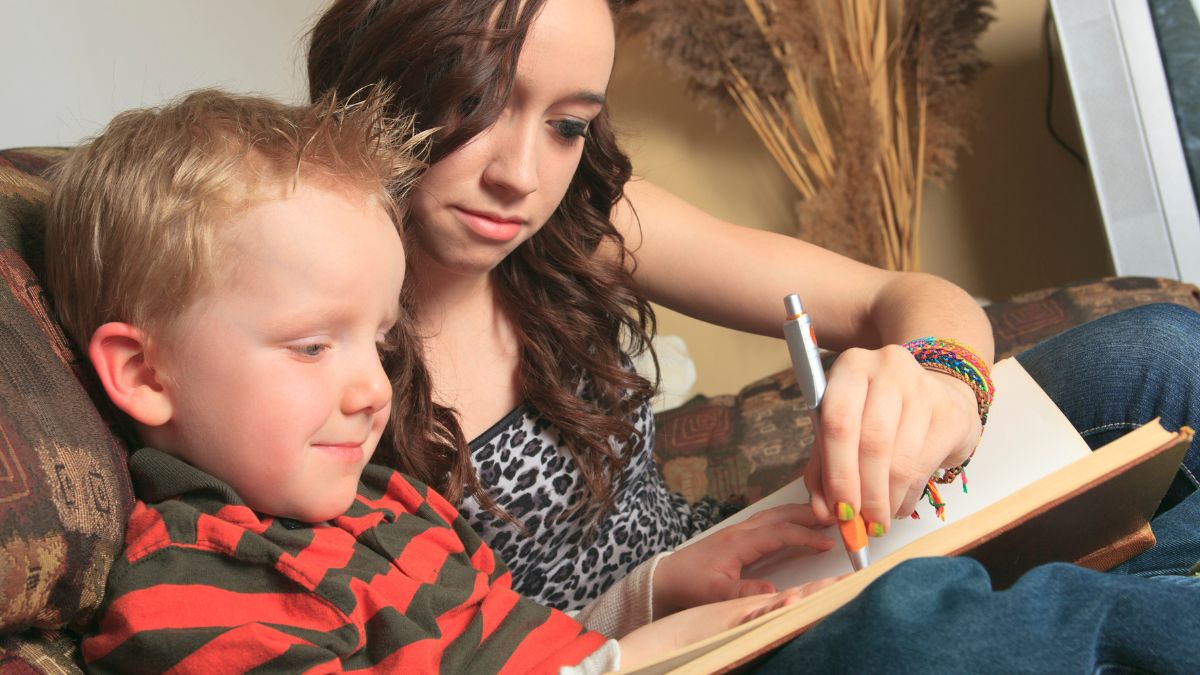
Parents often assume that hiring a trusted babysitter means their home and children are in safe hands, but that is not always the case. While most caregivers are responsible and professional, some individuals take advantage of the access and privacy that babysitting provides. Recognizing the warning signs early can protect your family, your home, and your peace of mind. These subtle red flags are easy to miss in the moment but become much more meaningful when viewed as a pattern of behavior.
Unusual Phone Activity
A babysitter who spends an excessive amount of time on their phone during a sitting job may be doing more than just scrolling through social media. If a child mentions that the sitter was always on their phone and not paying attention, that is worth investigating further. Some caregivers use their phone to photograph areas of your home, valuable belongings, or even the children in their care. Checking in unexpectedly or using a home monitoring device can help you gauge just how much screen time is happening on the job.
Strange App Downloads

If you share a family tablet or device with your babysitter for entertainment purposes and notice unfamiliar apps installed afterward, pay close attention. Some apps are designed to access cameras, microphones, or location data without the device owner’s knowledge. A sitter who installs anything without permission is overstepping a clear professional boundary. Parents should regularly audit shared devices and set download restrictions to prevent unauthorized installations.
Moved Personal Items
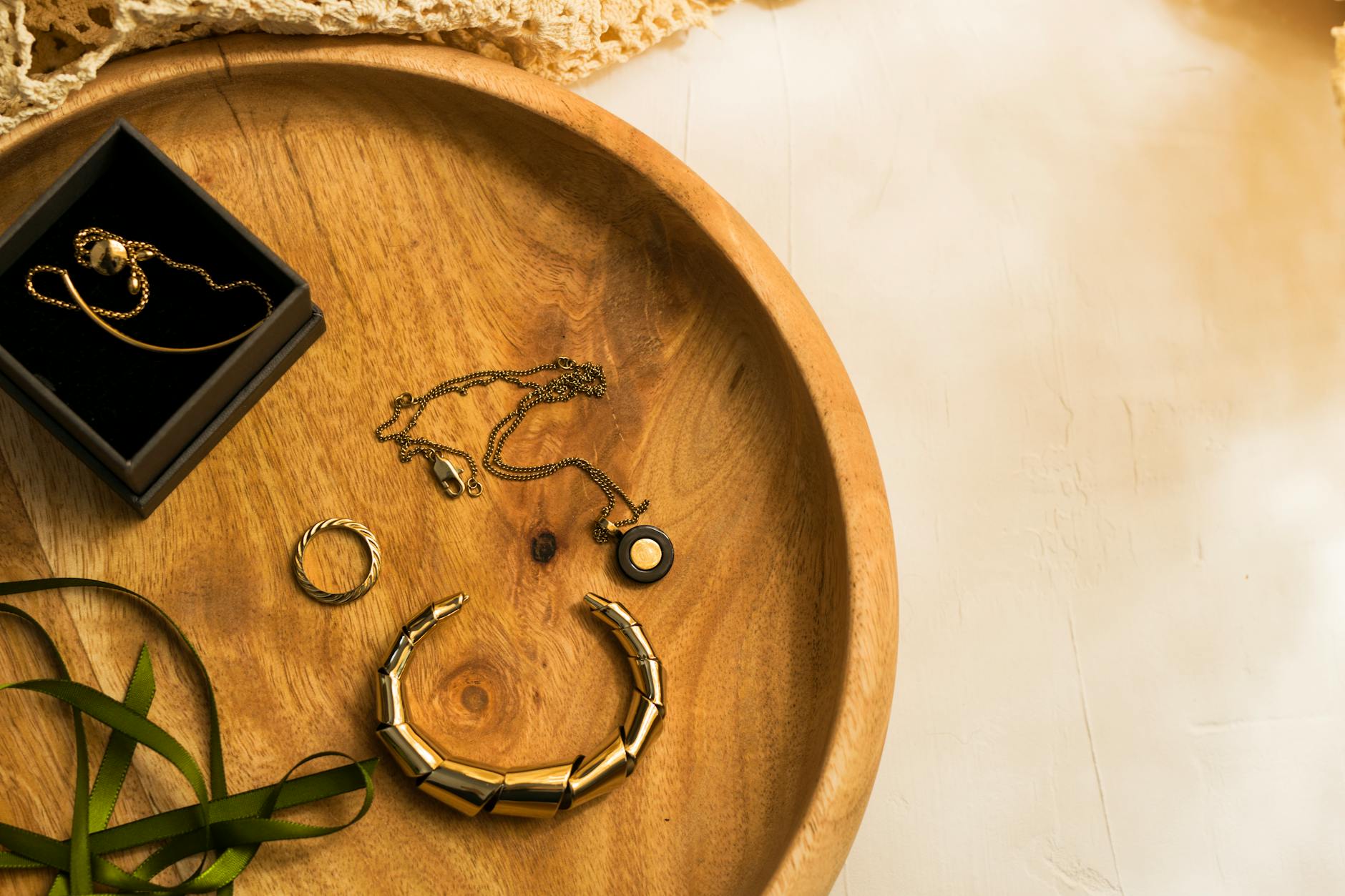
Coming home to find personal belongings in different locations than where you left them is one of the most common yet overlooked signs of snooping. Jewelry, documents, or items kept in private drawers that appear disturbed suggest someone has been going through your things. A trustworthy sitter has no reason to enter areas of your home that are off-limits or unrelated to their caregiving duties. Keep a mental or written note of where valuables are stored before each sitting session.
Unfamiliar Visitors

A babysitter who invites guests over without your explicit permission is violating a fundamental boundary of their role. Neighbors, cameras, or even a child’s offhand comment might reveal that someone unknown was in your home during the sitting hours. Unauthorized visitors create safety risks for your children and expose your home to strangers you have never vetted. This rule should be clearly communicated before the first session and reinforced regularly.
Odd Food Consumption
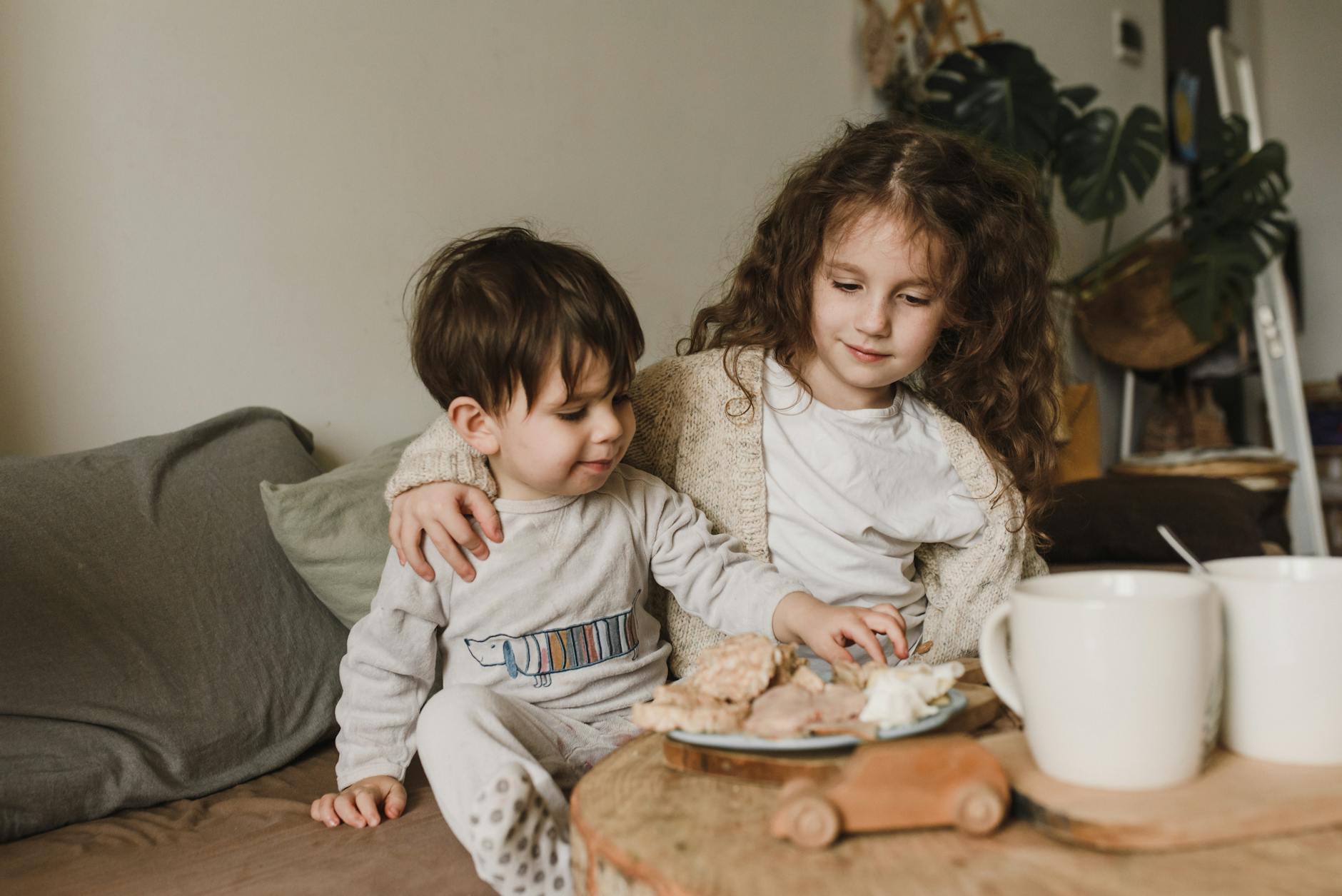
It is entirely reasonable for a babysitter to help themselves to a snack you have approved, but finding significant portions of food missing or specific items consumed without permission is a red flag. Some caregivers treat the home kitchen as their own, eating full meals or helping themselves to alcohol or other restricted items. If your grocery supply seems consistently depleted after sitting sessions, start taking note. Setting clear expectations about food access from the beginning helps establish respectful boundaries.
Excessive Selfies
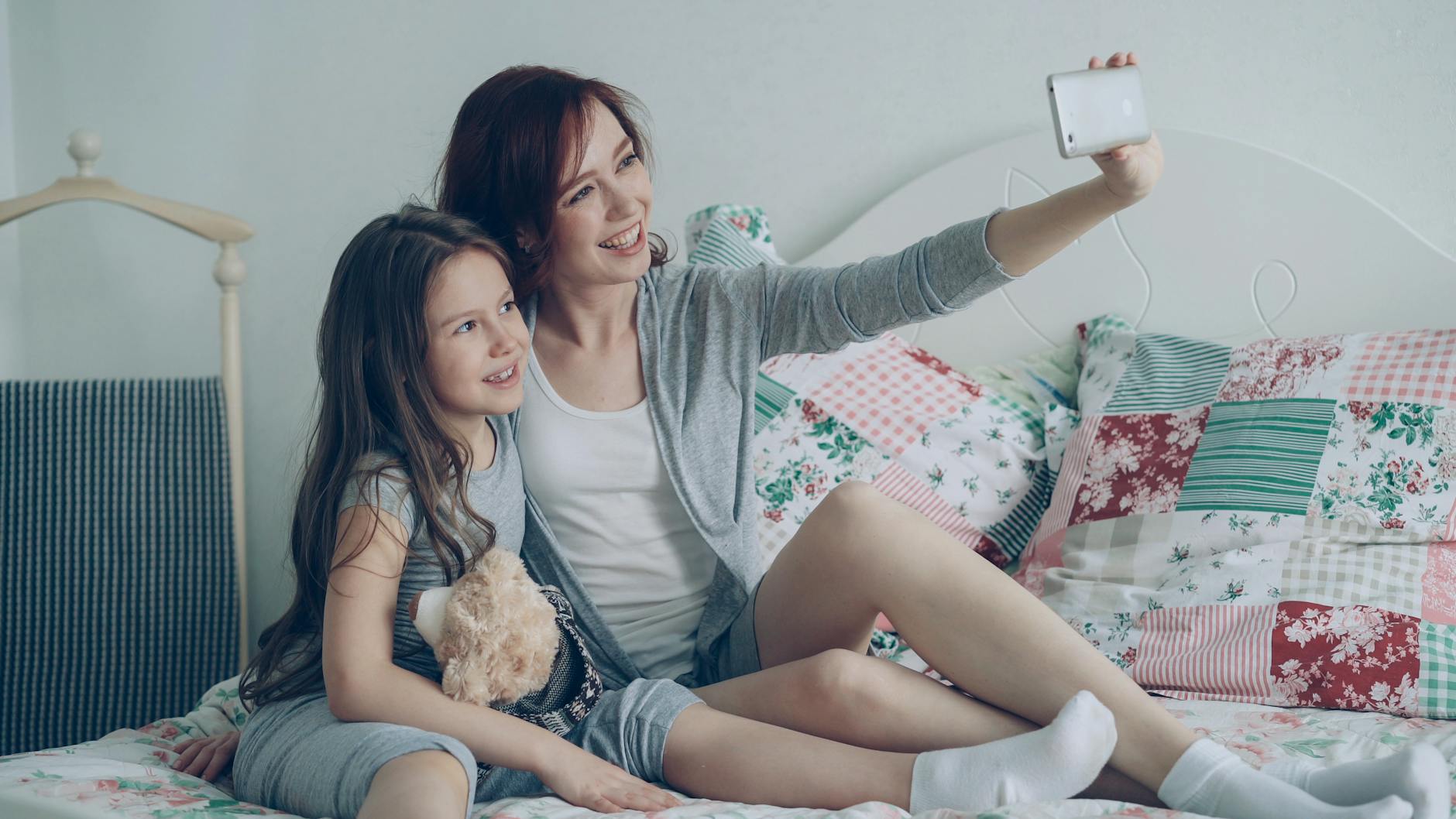
A babysitter who takes numerous photos of themselves inside your home and posts them to social media is sharing your private space with a public audience. Images may inadvertently reveal the layout of your home, valuables in the background, or identifying details about your family. Even well-meaning oversharing can create security risks when strangers online can piece together patterns about your household. It is entirely appropriate to include a social media clause in your babysitting agreement.
Wi-Fi Overuse
A sudden and dramatic spike in your internet data usage after a babysitting session can indicate that the sitter is using your connection for data-heavy activities such as streaming, gaming, or downloading large files. Some individuals use a household Wi-Fi connection to conduct personal activities that they would not want traced back to their own network. While casual internet use is expected and acceptable, excessive or suspicious usage deserves a direct conversation. Monitoring apps and router logs can give parents a clear picture of what is happening online in their absence.
Missing Small Items

Small items that go missing gradually over time are easy to dismiss as misplacement, but a pattern can indicate that someone is taking things from your home. Loose cash, cosmetics, small electronics, and jewelry are among the most commonly reported missing items in households with regular visitors. A babysitter who steals tends to start with things they believe will not be noticed. Installing a small safe and keeping valuables secured is a practical step every family should consider.
Refrigerator Searches
Finding evidence that someone has gone through your refrigerator beyond a basic snack suggests an uninvited level of comfort in your private space. This might look like rearranged shelves, missing condiments, or containers that have been opened and returned. While food access is generally discussed in advance, rooting through the entire refrigerator crosses a line that most professional caregivers understand instinctively. Pay attention to what your children report seeing the sitter do during meals and snack times.
Bedroom Entry
Your bedroom is one of the most private spaces in your home, and a babysitter has no legitimate reason to enter it unless you have specifically instructed them to do so. Children may casually mention that the sitter was in your room watching television, going through your closet, or using your personal bathroom. These disclosures should always be taken seriously and followed up with a calm but direct conversation. Consider placing a simple door alarm on your bedroom as a preventive measure.
Mail Tampering
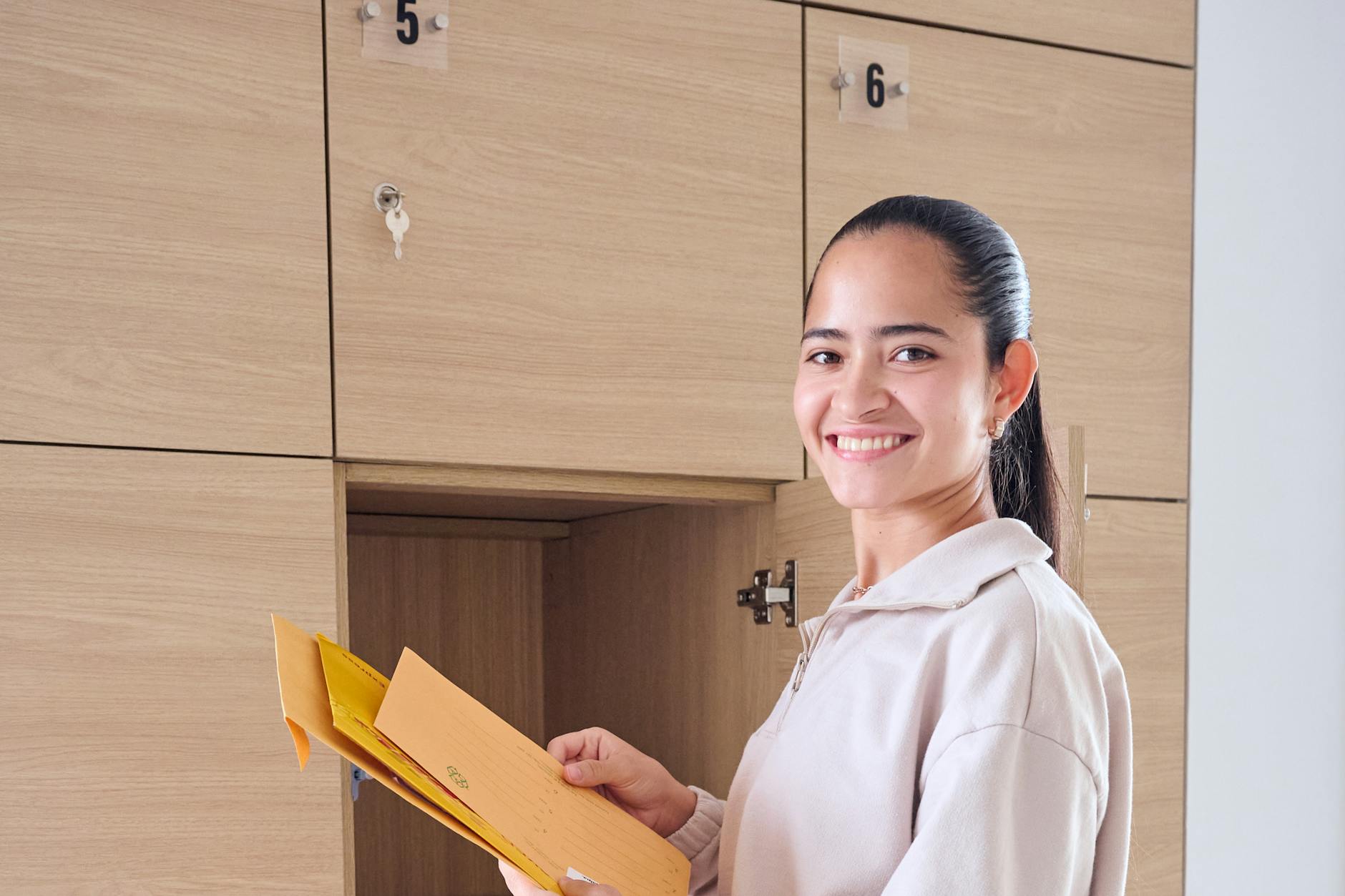
A babysitter who handles, opens, or photographs your mail is engaging in behavior that crosses both personal and legal boundaries. Financial statements, personal correspondence, and package deliveries contain sensitive information that no caregiver should have access to. If mail appears opened or resealed, or if expected deliveries go missing during sitting days, take note of the pattern. Investing in a lockable mailbox or using a P.O. box for sensitive documents adds a layer of protection.
Bathroom Cabinet Snooping
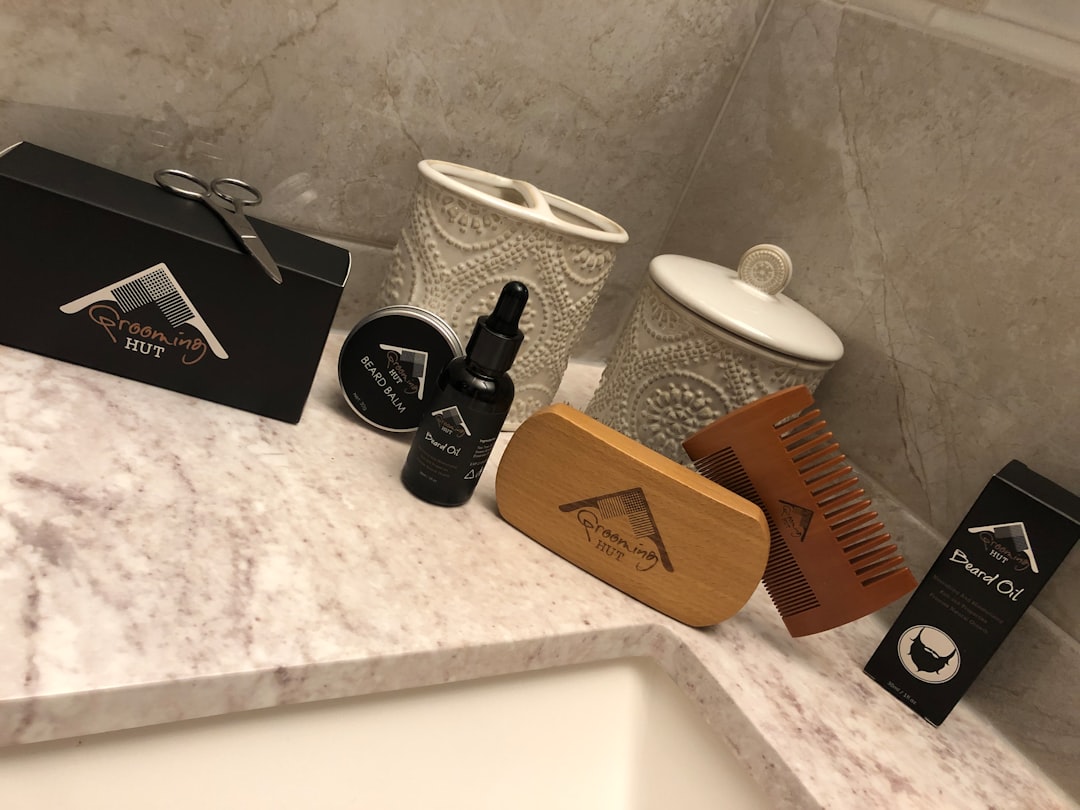
Prescription medications, personal hygiene products, and private health items stored in bathroom cabinets are frequently accessed by caregivers who snoop through a home. Missing or tampered medications are a particularly serious concern that can have significant health and safety consequences. Parents should store all prescription drugs in a locked container regardless of how much they trust their current sitter. A childproof lock or small cabinet safe is a worthwhile investment for any household.
Unusual Questions

A babysitter who regularly asks detailed questions about your schedule, your income, your security system, or your travel plans may be gathering information for reasons that go beyond polite conversation. While some curiosity is natural in a working relationship, probing questions about when you will be away or what valuables you keep at home are a significant warning sign. Pay attention to the nature and frequency of these inquiries over time. Trust your instincts if a line of questioning feels uncomfortable or intrusive.
Security Camera Avoidance
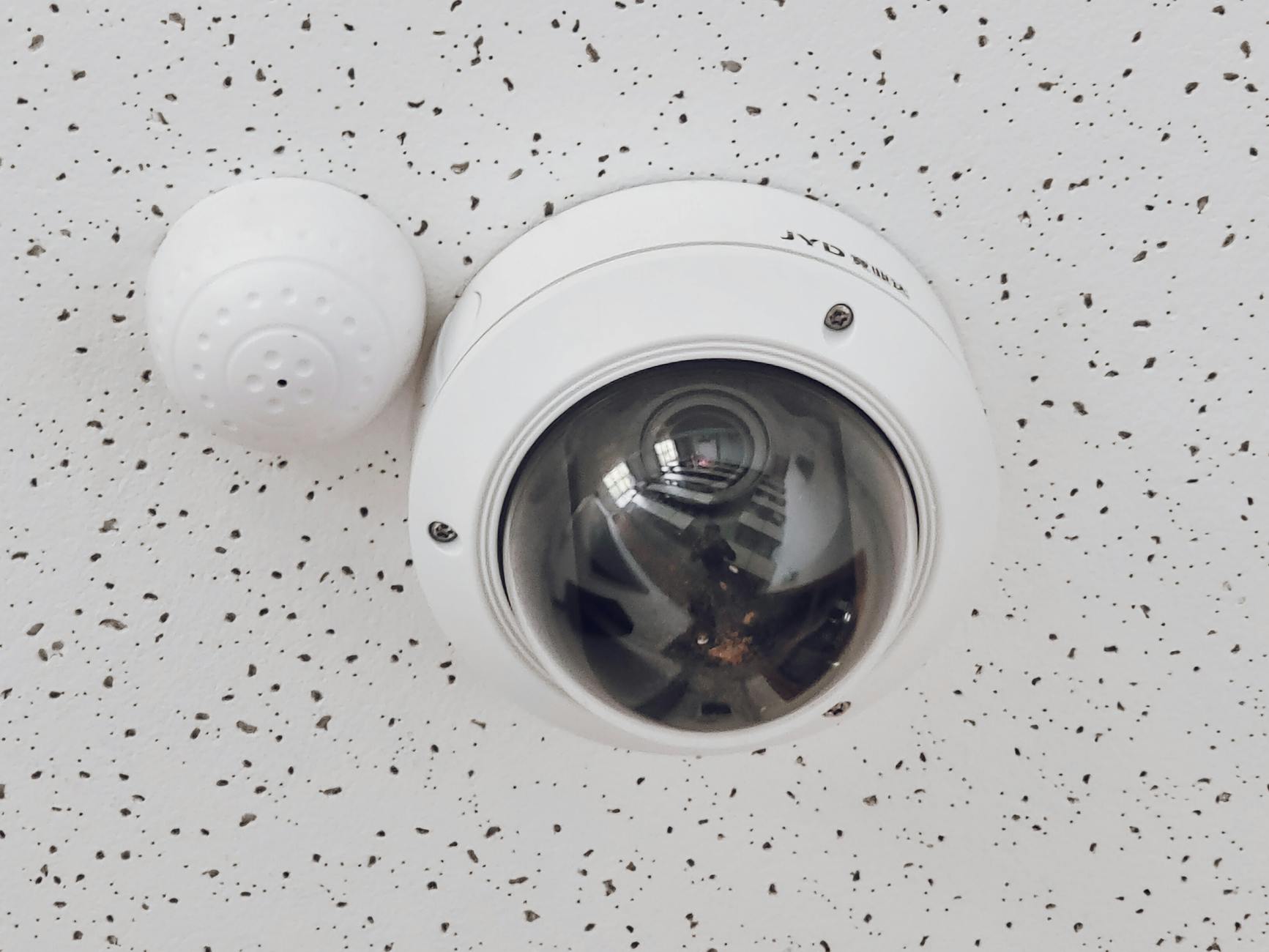
A babysitter who consistently positions themselves away from home cameras, covers lenses, or asks about your monitoring setup may be trying to avoid detection. This behavior suggests awareness that their actions might not hold up to scrutiny. Most honest caregivers have no objection to home cameras and understand that monitoring is a normal part of modern household safety. If your sitter actively discourages surveillance or seems nervous about its presence, that reaction speaks volumes.
Negative Child Reports
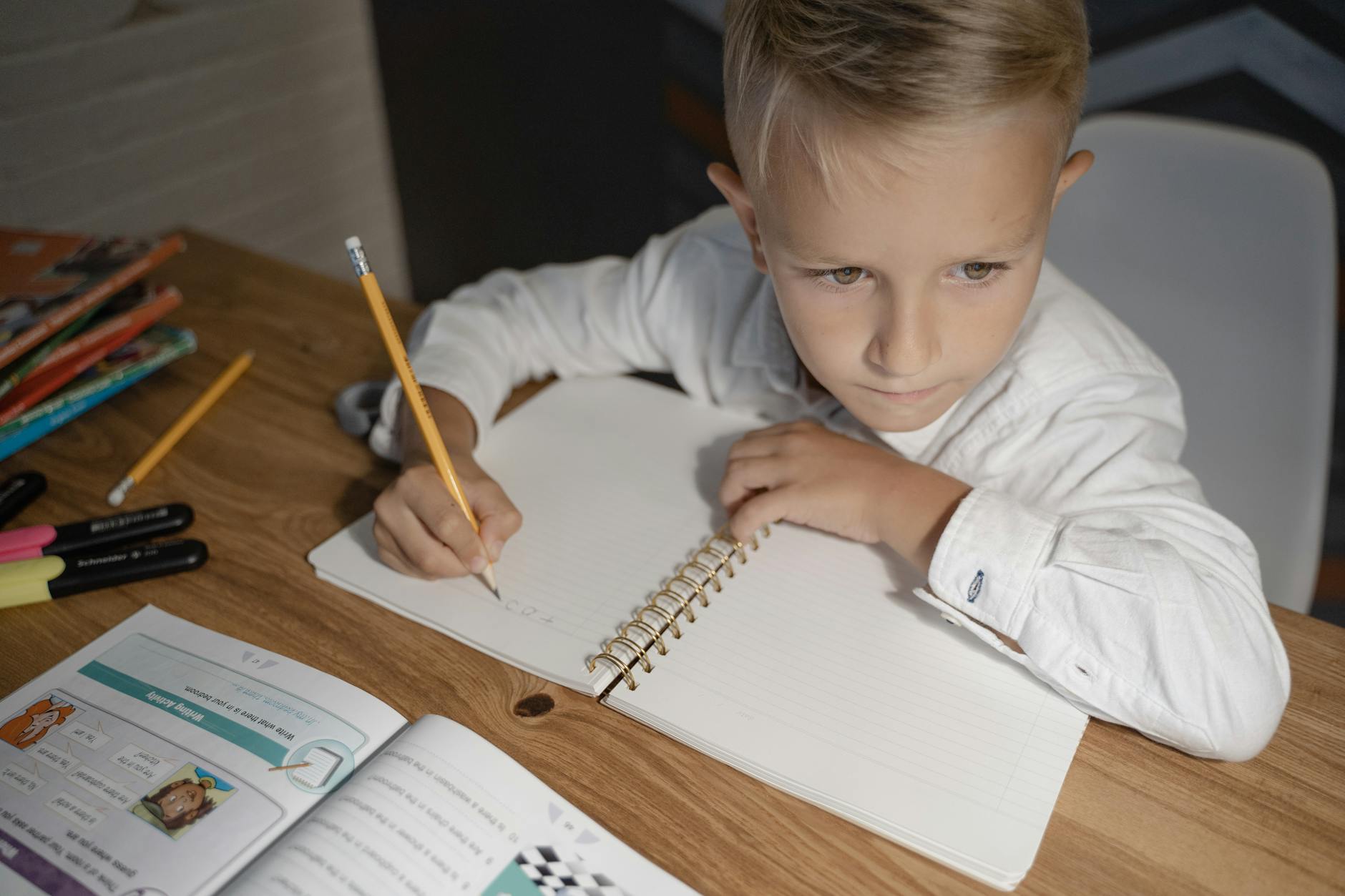
Children are often the most reliable witnesses to what happens in your home when you are away, and their accounts deserve careful attention. A child who mentions that the sitter used harsh language, had someone over, or spent time in restricted areas of the house is offering you firsthand information. Young children in particular tend to report truthfully and without agenda, making their observations especially valuable. Creating a safe and open environment where your child feels comfortable sharing their experiences after every sitting session is one of the most effective protective tools available to parents.
Have you ever noticed any of these warning signs in your own experience? Share your thoughts and stories in the comments.




