
A will is one of the most important legal documents a person can create, yet most people approach it with far less care than it deserves. Small oversights and common assumptions can transform what should be a protective gift into a source of confusion, conflict, and lasting damage for the people left behind. The mistakes outlined here are far more widespread than most people realize, and many of them are entirely avoidable with a little foresight and attention to detail.
Outdated Beneficiaries

Many people write a will early in life and never return to it, leaving beneficiaries named who may have died, divorced, or become estranged. A former spouse listed as a primary beneficiary can create devastating legal complications for the family. Updating a will after major life events such as marriage, divorce, the birth of a child, or the death of a loved one is essential. Courts must honor the document as written rather than as intended, which means outdated names carry real legal weight. Reviewing a will every three to five years is one of the simplest and most protective habits an estate owner can develop.
No Guardian Named

Parents of minor children who fail to name a legal guardian in their will leave that decision entirely to the courts. A judge with no knowledge of the family’s values, relationships, or circumstances will make the choice instead. This can result in children being placed with relatives the parents would never have chosen. Naming a guardian along with an alternate in case the first choice is unable to serve removes this uncertainty entirely. A will is the only legally recognized place to record this critical parenting decision.
Handwritten Wills
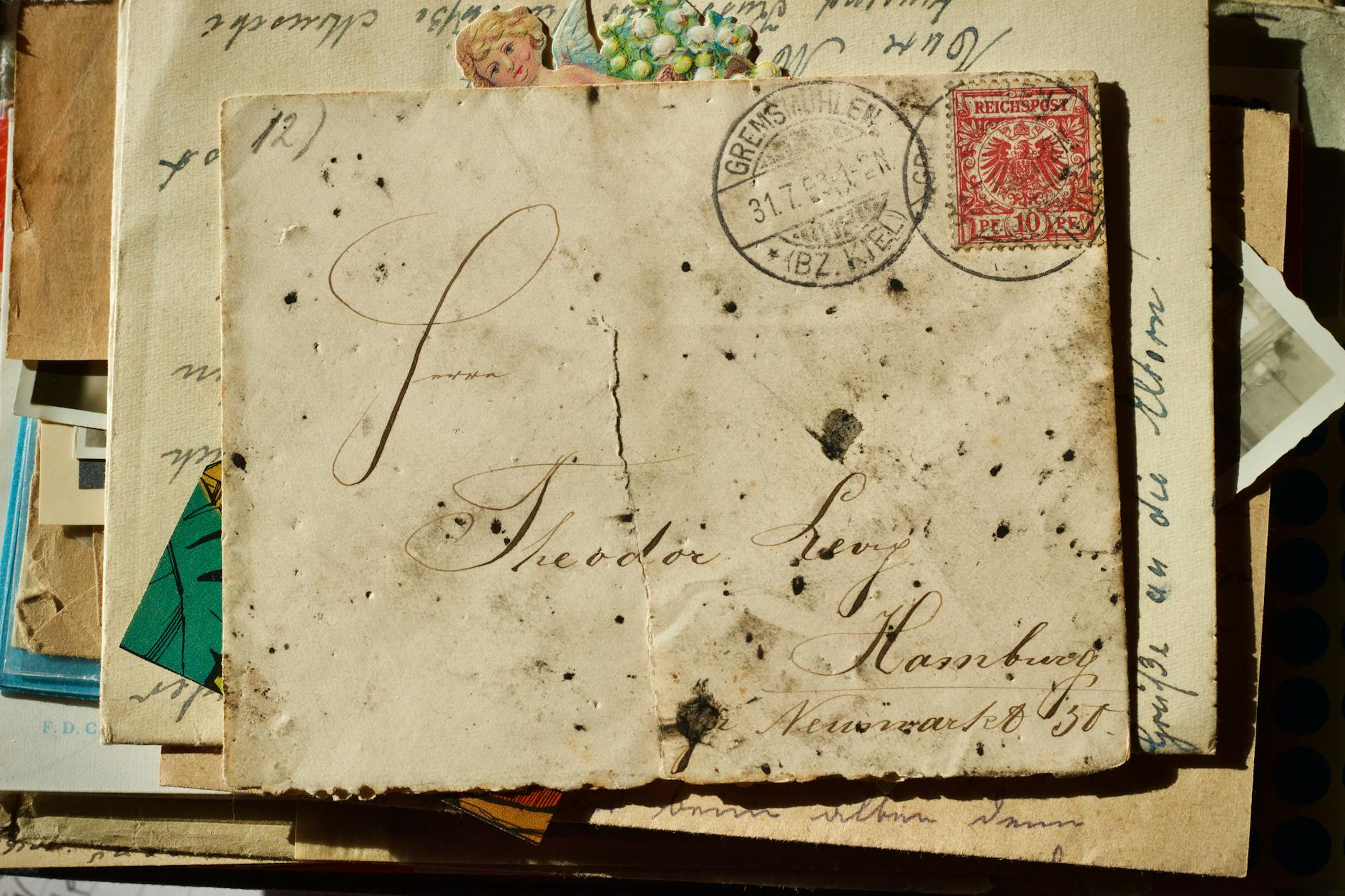
A handwritten or holographic will may seem like a practical solution but creates enormous legal risk depending on the jurisdiction. Many regions do not recognize handwritten wills as legally valid, rendering them completely unenforceable. Even in places where they are accepted, the absence of witnesses often leads to challenges from other parties. Ambiguous handwriting and informal language can cause courts to interpret clauses in ways the writer never intended. A formally drafted and witnessed will prepared with legal guidance is always the more protective choice.
Improper Witnessing

Even a professionally prepared will can be invalidated if the witnessing process is not followed correctly. Most jurisdictions require two adult witnesses who are not beneficiaries of the estate to sign the document in the presence of the testator. Asking a friend or family member who stands to inherit to act as a witness is a common mistake that can nullify their bequest or the entire document. Some regions also require a notary public to formalize the process. Failing to meet these procedural requirements gives opposing parties legal grounds to contest the will in court.
Vague Language

Phrases such as “my personal belongings” or “my valuables” seem straightforward but are frequently the source of bitter family disputes. Without specific descriptions, multiple heirs may make competing claims over the same items. Courts must then interpret vague language based on legal precedent rather than the testator’s actual wishes. Every significant asset should be described with enough detail to be identified without ambiguity. Clear and specific language is one of the most powerful tools available for preventing conflict after death.
No Digital Assets

An increasing portion of modern wealth exists entirely online, including cryptocurrency holdings, investment accounts, online businesses, and monetized social media profiles. Failing to account for these assets in a will means they may be permanently inaccessible to heirs. Most platforms do not allow family members to access accounts without formal legal authorization. A will should include a secure inventory of digital assets along with instructions for accessing them. Excluding this category of property leaves a significant and growing portion of an estate in legal limbo.
Forgotten Debts

Many testators fail to account for outstanding debts when drafting their will, which can dramatically reduce what heirs actually receive. Creditors have a legal right to be paid from the estate before any distribution to beneficiaries takes place. Ignoring this reality can leave heirs expecting a significant inheritance and receiving far less than anticipated. A clear-eyed accounting of liabilities alongside assets gives a far more accurate picture of what the estate will actually be worth. Communicating this information to a trusted family member or executor prevents unwelcome surprises during probate.
Wrong Executor

An executor is responsible for administering the estate, settling debts, filing final tax returns, and distributing assets according to the will. Choosing someone based purely on emotional connection rather than practical capability is a common and costly mistake. An executor who is overwhelmed, geographically distant, or in conflict with other beneficiaries can delay the process significantly. The role requires organizational discipline, financial literacy, and the ability to remain impartial under pressure. Naming an alternate executor in the will provides an additional layer of protection if the primary choice is unable to serve.
No Letter of Instruction

A will is a legal document and cannot capture every nuance of a person’s wishes for their belongings, their funeral, or their family’s future. A letter of instruction is a separate informal document that can provide guidance on sentimental items, personal preferences, and practical matters not covered by the will. While it carries no legal weight, it helps the executor and family understand the testator’s intentions in greater depth. Many families find this document more emotionally valuable than the will itself because it speaks in a personal voice. Including one alongside the will is a simple act of thoughtfulness that costs nothing and gives a great deal.
Unequal Treatment Without Explanation

Leaving different amounts to different children or relatives without any accompanying explanation is one of the most reliable ways to ignite family conflict. Heirs who feel overlooked may assume the decision reflects favoritism, resentment, or undue influence from another party. This assumption can damage sibling relationships permanently and sometimes leads to formal legal challenges. A brief explanation in a letter of instruction can contextualize decisions that might otherwise seem hurtful or unfair. Transparency about intent does not change the legal outcome but often determines whether the family remains intact afterward.
No Residual Clause

A residual clause captures everything in the estate that has not been specifically assigned to a named beneficiary. Without one, any property not explicitly mentioned in the will may be treated as though no will exists for that portion of the estate. This means it could pass through intestacy laws to people the testator never intended to receive it. Even a carefully drafted will can leave assets unaccounted for due to property acquired after the will was written. A residual clause is a simple legal provision that closes this gap entirely.
Ignoring Tax Implications

Large estates can be subject to significant inheritance and estate taxes that reduce what beneficiaries ultimately receive. Many testators draft wills without considering how the structure of their bequests will affect the tax burden placed on heirs. Trusts, charitable donations, and strategic gifting during a person’s lifetime are all tools that can reduce this burden legally. Failing to discuss tax planning with an estate attorney before finalizing a will can cost a family far more than the legal fees involved. What is left behind matters less than what heirs are actually able to keep.
Assets Outside the Will

Certain assets pass outside of the will entirely regardless of what the document says. Life insurance policies, retirement accounts, and jointly held property transfer directly to named beneficiaries or surviving co-owners without going through probate. If these designations are outdated or contradict the will, the designation on file with the institution takes legal precedence. Many people are unaware that a will has no authority over these categories of assets. A complete estate plan requires reviewing and aligning beneficiary designations across all accounts and policies.
No Trust for Minor Children

Leaving a significant inheritance directly to a minor child creates immediate legal complications because children cannot legally own or manage property. A court will appoint a guardian of the property to manage the assets until the child reaches adulthood, a process that is costly and removes parental control. Establishing a testamentary trust within the will allows the testator to specify how and when funds are distributed as the child grows. It also allows the appointment of a trustee the testator actually trusts to manage the money responsibly. This protection is one of the most important gifts a parent can leave a child.
Assumptions About Joint Property
Many married couples assume that jointly held assets will automatically pass to the surviving spouse regardless of what the will says, and this is often but not always true. The legal structure of how property is held determines what happens to it at death, and this varies significantly by jurisdiction. Tenancy in common, for example, allows each owner to pass their share according to their will rather than to the surviving co-owner. Assuming rather than verifying how each asset is legally structured can produce outcomes that contradict the testator’s wishes entirely. Every jointly held asset should be reviewed with a legal professional when drafting or updating a will.
No Contingency Planning
A will that names only one beneficiary per asset and no alternates is fragile in the face of real-world circumstances. If a primary beneficiary predeceases the testator and no alternate is named, the asset may pass through intestacy laws or complicate probate significantly. Naming secondary and even tertiary beneficiaries for major assets ensures that the estate plan remains functional regardless of what happens in the intervening years. This is especially important for estates where the primary beneficiary is elderly or in poor health. A will should be designed to function across a range of possible futures, not just the most anticipated one.
Pets Not Considered

Beloved animals have no legal standing to inherit property directly, meaning a will that simply states “my dog should be cared for” carries no enforceable weight. Without a named caretaker and a financial provision to support that caretaker’s efforts, pets may be surrendered to shelters or passed among reluctant relatives. Many jurisdictions now allow pet trusts, which are legally enforceable arrangements that fund an animal’s ongoing care. Identifying a willing caretaker and establishing a financial mechanism to support them is the only way to ensure a pet’s future is genuinely secure. Pets are family members to many people, and their care deserves the same legal protection as any other bequest.
Locating the Will

A perfectly drafted will is useless if no one can find it when it is needed. Storing a will in an unknown location, a safe to which only the deceased held the combination, or in a safety deposit box that requires probate to access creates immediate problems for the executor. At least one trusted person should know exactly where the original will is stored and how to access it. Some jurisdictions allow wills to be registered with a court or official registry for safekeeping. The executor and a secondary family member should each know the location and have a clear plan for retrieving the document when the time comes.
Promises Not in Writing

Many testators make verbal promises to family members about specific items or bequests that are never formally included in the will. These promises carry no legal weight and cannot be enforced regardless of how many people witnessed the conversation. When the will is read and the promise is absent, the resulting sense of betrayal can permanently damage family relationships. Every commitment about how assets will be distributed should be memorialized in the will itself or in an amendment called a codicil. Good intentions expressed only in speech offer no protection to the people they were meant to reassure.
Failing to Plan for Incapacity

A will only takes effect at death and does nothing to protect a person’s interests if they become incapacitated before that point. Without a durable power of attorney and a healthcare directive, family members may have no legal authority to make financial or medical decisions on the testator’s behalf. Courts may need to appoint a guardian or conservator, a process that is expensive, time-consuming, and entirely public. A comprehensive estate plan includes these documents alongside the will to cover every stage of a person’s potential decline. Planning only for death while ignoring the possibility of incapacity leaves the most vulnerable period entirely unprotected.
No Professional Review

Online will templates and do-it-yourself kits have made it easier than ever for people to draft their own estate documents, but easier is not the same as correct. A will that uses legally imprecise language or fails to meet formal requirements in a specific jurisdiction may be partially or entirely invalid. Estate law varies significantly by location and changes over time, making professional review essential for ensuring a document holds up. An attorney who specializes in estate planning can identify gaps and vulnerabilities that a non-specialist would never notice. The cost of a professional review is modest compared to the legal fees a contested or invalid will can generate.
Blended Family Complications

Blended families present unique and often overlooked challenges for will drafting that a standard template is rarely equipped to address. Assets left to a surviving spouse may never reach stepchildren from a previous relationship if the spouse later remarries or updates their own will. Children from a first marriage may be unintentionally disinherited when a new partner enters the picture. Trusts and carefully structured bequests are often the most effective tools for ensuring all intended beneficiaries are protected across a blended family structure. Without deliberate planning, the default rules of inheritance law will determine outcomes that the testator would almost certainly have opposed.
Charitable Giving Errors

Many people wish to leave something to a charitable organization but make errors in the drafting that complicate or prevent the bequest from being fulfilled. Using an informal or outdated name for a nonprofit, failing to include its tax identification number, or not specifying what the gift should be used for can all create legal obstacles. If a named organization has merged, been renamed, or dissolved since the will was written, the gift may go unclaimed or require court intervention to redirect. Confirming current legal details with the intended recipient organization before finalizing the will prevents these complications. A properly structured charitable bequest also carries potential tax benefits for the estate that imprecise drafting may forfeit.
Signing Too Late

Many people understand the importance of a will but delay drafting one until circumstances force the issue, and sometimes those circumstances arrive before the document is complete. A will signed while the testator lacks the mental capacity to understand what they are signing can be challenged and invalidated in court. Waiting until a health crisis to address estate planning introduces both urgency and vulnerability at the worst possible moment. Drafting a will while in good health and of clear mind is not pessimistic but practical, and it removes an enormous burden from the people who will be left to manage the aftermath. The best time to have a will in place is long before it is ever needed.
If any of these mistakes have given you pause about your own estate planning, share your thoughts and questions in the comments.




