
Every beach has its unwritten rules, and tourists who ignore them tend to stand out in the worst possible ways. Locals who spend their summers by the water develop a quiet frustration with the same repeated offenses season after season. These habits range from mildly irritating to genuinely disruptive, and most of them are entirely avoidable with a little awareness. Understanding what bothers the people who actually live near the shore can transform any visitor into a more respectful and welcome presence.
Umbrella Hoarding

Some beachgoers arrive at sunrise purely to stake out enormous amounts of prime shoreline with umbrellas, towels, and chairs they won’t actually occupy for hours. This practice squeezes genuine early arrivals into shrinking patches of available sand. In many popular coastal towns this behavior has become so widespread that formal regulations have been introduced to limit how early spots can be claimed. Locals who simply want to enjoy their own backyard find this habit particularly grating during peak summer months.
Seagull Feeding

Tossing chips or sandwich crusts to seagulls might feel like a charming seaside moment but it triggers an immediate and aggressive flock response. Birds that are regularly fed by tourists lose their natural foraging instincts and become dependent on human food. The resulting chaos of dive-bombing birds ruins the experience for everyone sitting nearby. Coastal communities spend considerable resources managing overpopulated seagull colonies that have been encouraged by years of well-meaning tourist feeding.
Loud Bluetooth

Portable speakers carried onto the beach and played at high volume impose one person’s taste onto an entire stretch of shared public space. Many beaches have explicit noise ordinances that visiting tourists routinely ignore or claim not to know about. The appeal of the ocean includes the natural soundscape of waves and wind which loud music completely eliminates for surrounding beachgoers. Locals who visit the beach specifically to decompress find this habit among the most reliably infuriating of all tourist behaviors.
Cigarette Littering

Smoking on the beach is one thing but grinding cigarette butts directly into the sand is an entirely different offense that locals find deeply disrespectful. Cigarette filters are made of plastic-based fibers that do not biodegrade and accumulate in sand and water at alarming rates. Marine wildlife regularly ingests discarded butts mistaking them for food particles near the waterline. Many coastal municipalities have introduced full smoking bans on public beaches largely in response to this persistent littering problem.
Coral Touching

Reef-adjacent beaches attract snorkelers and divers who sometimes make direct contact with coral formations out of curiosity or carelessness. Coral is an extraordinarily fragile living organism and even brief human contact can introduce bacteria or physically break structures that took decades to form. Locals who live near protected marine areas often witness the same patches of reef visibly declining year after year from accumulated tourist damage. Responsible marine tourism organizations consistently identify physical contact as one of the leading causes of reef degradation worldwide.
Hole Digging

Digging deep holes in the sand is a beloved childhood activity that becomes genuinely hazardous when the excavation reaches knee depth or beyond and is then abandoned. Beachgoers walking at dusk or after dark frequently step into unfilled holes and sustain ankle and knee injuries. Lifeguards and coastal safety officials in multiple countries have issued repeated public warnings about this specific danger. Locals who walk the same stretches of beach daily are well aware of exactly which tourist-heavy areas accumulate the most dangerous abandoned holes each weekend.
Reef Walking

Standing or walking directly on shallow reef platforms to reach deeper water is an instinctive shortcut that causes severe ecological harm. The pressure of a single footstep can crush coral polyps and destroy years of biological growth in an instant. Professional dive guides and marine park rangers consistently rank reef walking among the most damaging tourist behaviors observed at popular snorkeling destinations. Locals with generational connections to coastal ecosystems feel a particularly personal sense of loss when they watch visitors casually destroy reefs their families have known for decades.
Selfie Swarming
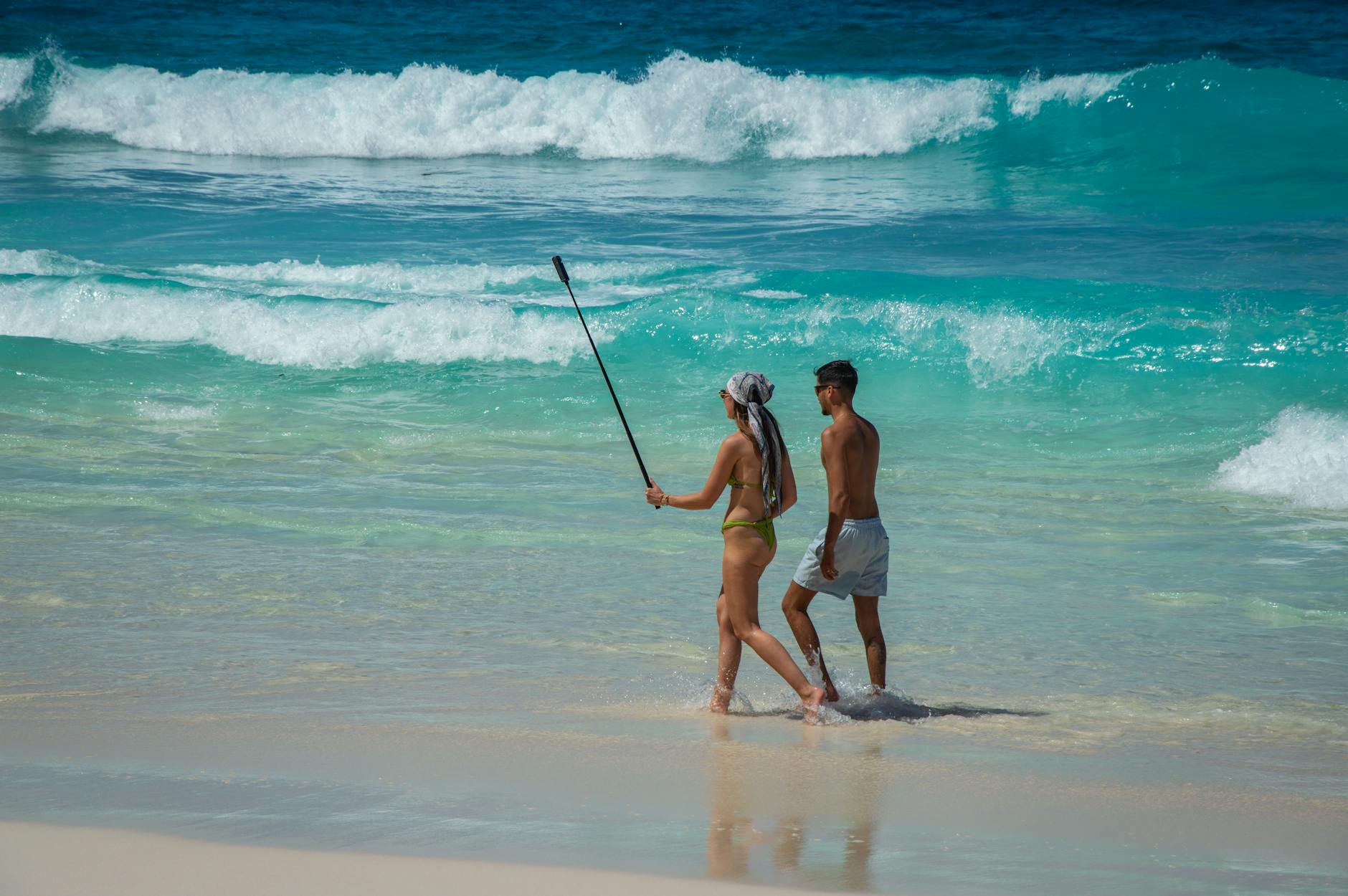
Certain scenic coastal spots become so congested with people taking photographs that other visitors are completely unable to experience the location naturally. Popular rock formations, piers, and lookout points in tourist-heavy beach towns can see hundreds of people queued purely for an identical smartphone photograph. This behavior creates physical bottlenecks that disrupt foot traffic and prevent locals from simply passing through areas of their own community. The phenomenon has become severe enough that some municipalities have introduced timed photography permits at the most congested coastal landmarks.
Sand Kicking

Running or playing too close to settled beachgoers results in sand being kicked onto towels, open food containers, and sunbathing bodies nearby. While beaches are inherently sandy environments there is a widely understood spatial courtesy that keeps active play away from relaxing visitors. Locals who frequent the same beach regularly develop a calibrated sense of appropriate distance that visiting tourists often completely disregard. The problem becomes especially pronounced on narrow beaches during peak season when the margin between activity zones and relaxation areas shrinks considerably.
Trash Abandonment
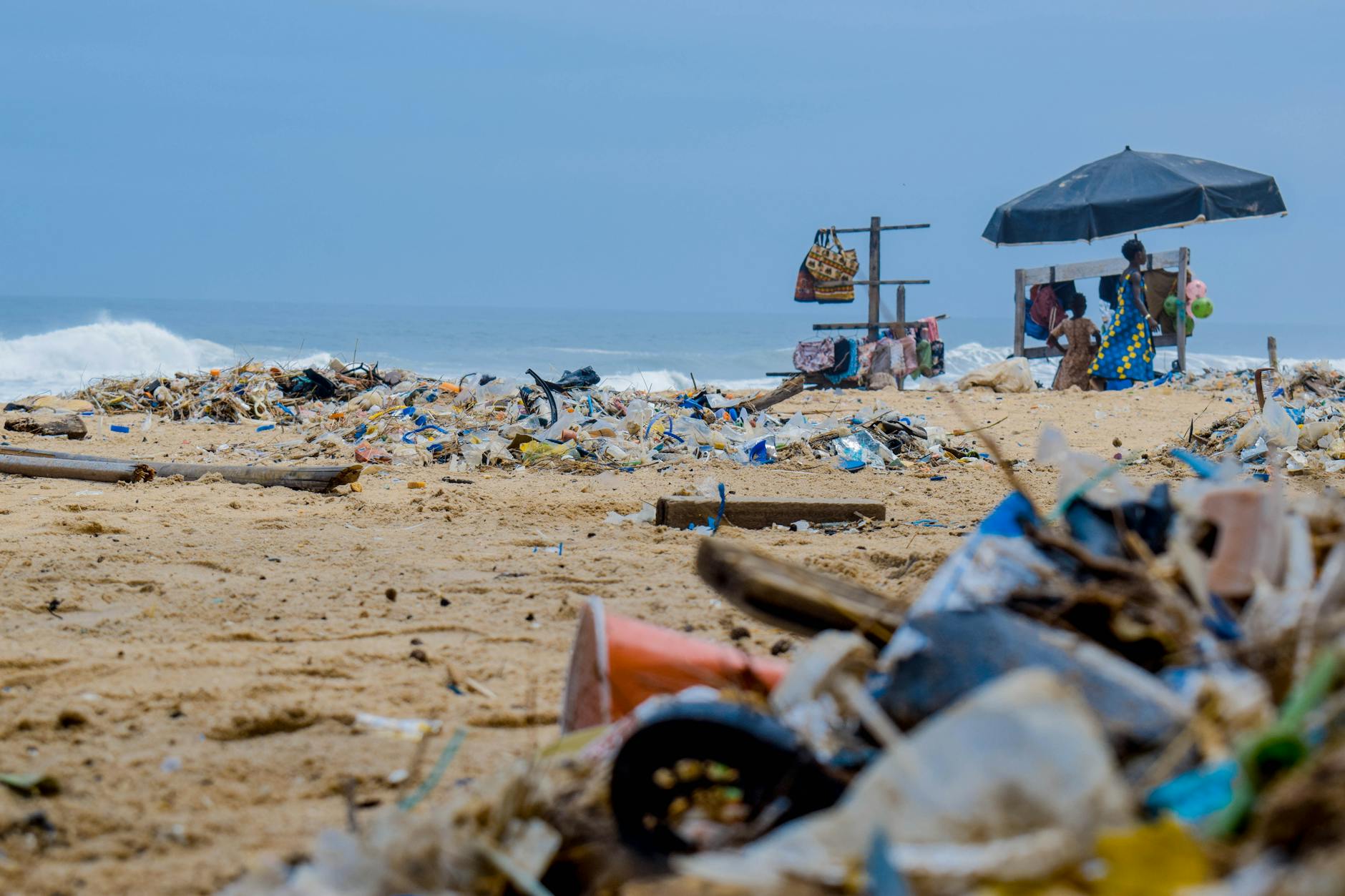
Leaving bags, bottles, wrappers, and packaging on the beach at the end of the day is among the most universally condemned tourist behaviors in every coastal community worldwide. Most beach destinations provide abundant waste disposal infrastructure specifically because this problem is so persistent and so damaging to local ecosystems. Coastal cleanup volunteer groups consistently report that the majority of debris they collect originates from recreational beach visitors rather than ocean drift. Local residents who organize and participate in these cleanups carry a quiet and entirely justified resentment toward those who treat the beach as a disposable venue.
Dune Crossing

Walking directly over sand dunes rather than using designated pathways destroys the root systems of dune grasses that hold coastal geography in place. Dune vegetation is the primary natural defense against beach erosion and its removal can destabilize entire stretches of shoreline within a single season. Coastal municipalities invest heavily in dune restoration programs that are set back repeatedly by tourists taking convenient diagonal shortcuts. Locals who understand the ecological function of dunes find this shortcut-taking behavior particularly frustrating given how clearly it is signposted as prohibited in most beach towns.
Sunscreen Neglect

Arriving at the beach without adequate sun protection is a personal health choice that frequently becomes a community burden when severe sunburns require emergency medical attention. Coastal clinics and first aid stations in popular tourist destinations report that sunburn-related cases constitute a significant portion of their peak-season patient load. Lifeguards who must respond to heat exhaustion and sunstroke incidents triggered by inadequate protection are diverted from their primary water safety responsibilities. Locals who staff these services year-round develop a weary familiarity with the same preventable situations repeating each tourist season.
Current Ignoring
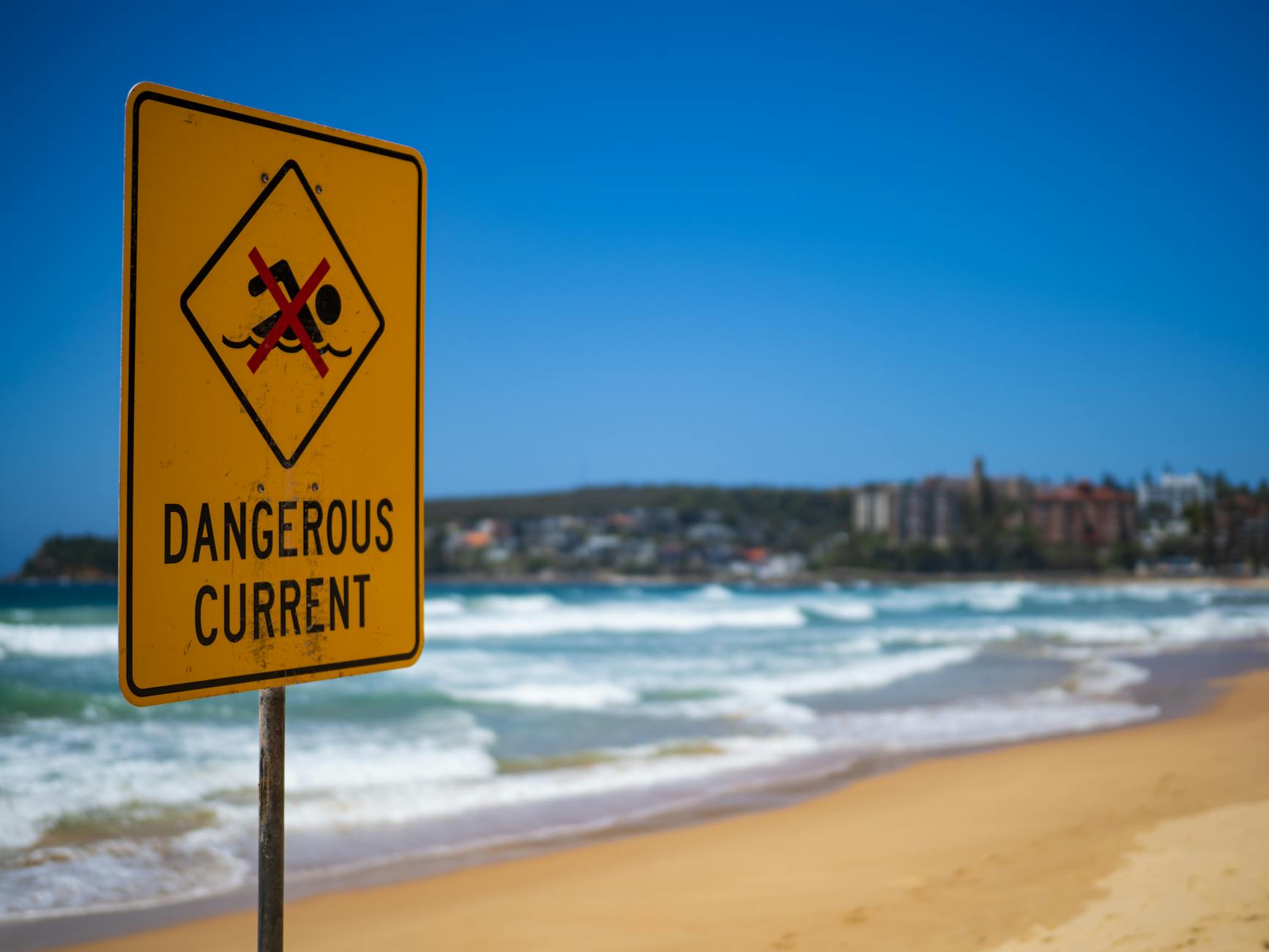
Swimming in areas marked with rip current warnings or beyond designated swimming flags places the swimmer and rescue personnel in unnecessary danger. Rip currents are the leading cause of lifeguard rescues at ocean beaches globally and their warning systems are specifically designed to prevent deaths. Tourists unfamiliar with reading ocean conditions frequently mistake calm-looking channels of water for safe swimming spots that are in reality the most hazardous areas on the beach. Local lifeguards who perform these rescues speak candidly about the frustration of responding to situations that posted signage was explicitly designed to prevent.
Wildlife Chasing

Approaching nesting shorebirds, sea turtles, or marine mammals for photographs or out of curiosity causes measurable harm to protected species. Many coastal birds nest directly on the sand and their eggs are camouflaged in ways that make them nearly invisible to visitors who wander off designated paths. Sea turtle nesting beaches operate under strict nighttime protocols that tourists sometimes bypass to witness hatching events up close. Local conservation volunteers who spend hours monitoring nesting sites find repeated tourist intrusions among the most demoralizing aspects of their work.
Boat Zone Swimming

Swimming in areas shared with motorized watercraft is an extraordinarily dangerous behavior that beach regulars find both baffling and frightening to witness. Most beaches designate clear separation zones between boat traffic and swimming areas using buoys, flags, and signage that tourists frequently fail to register. Propeller injuries from boats encountering unexpected swimmers in transit zones are among the most catastrophic accident types recorded at coastal destinations. Harbor masters and local boating communities maintain a grim awareness of how close serious incidents come each summer when visitors disregard these boundaries.
Parking Abuse

Blocking private driveways, parking on residential verges, or occupying spaces designated for local permit holders are habits that generate intense friction between tourists and coastal residents. In highly popular beach towns the summer parking situation transforms quiet residential streets into chaotic transit zones that locals struggle to navigate around their own homes. Residents who cannot access their own properties or who find strangers parked across their driveways become understandably hostile toward visitor tourism more broadly. Many coastal communities have introduced progressive parking enforcement programs specifically because summer tourist volumes make voluntary compliance insufficient.
Rock Pool Collecting
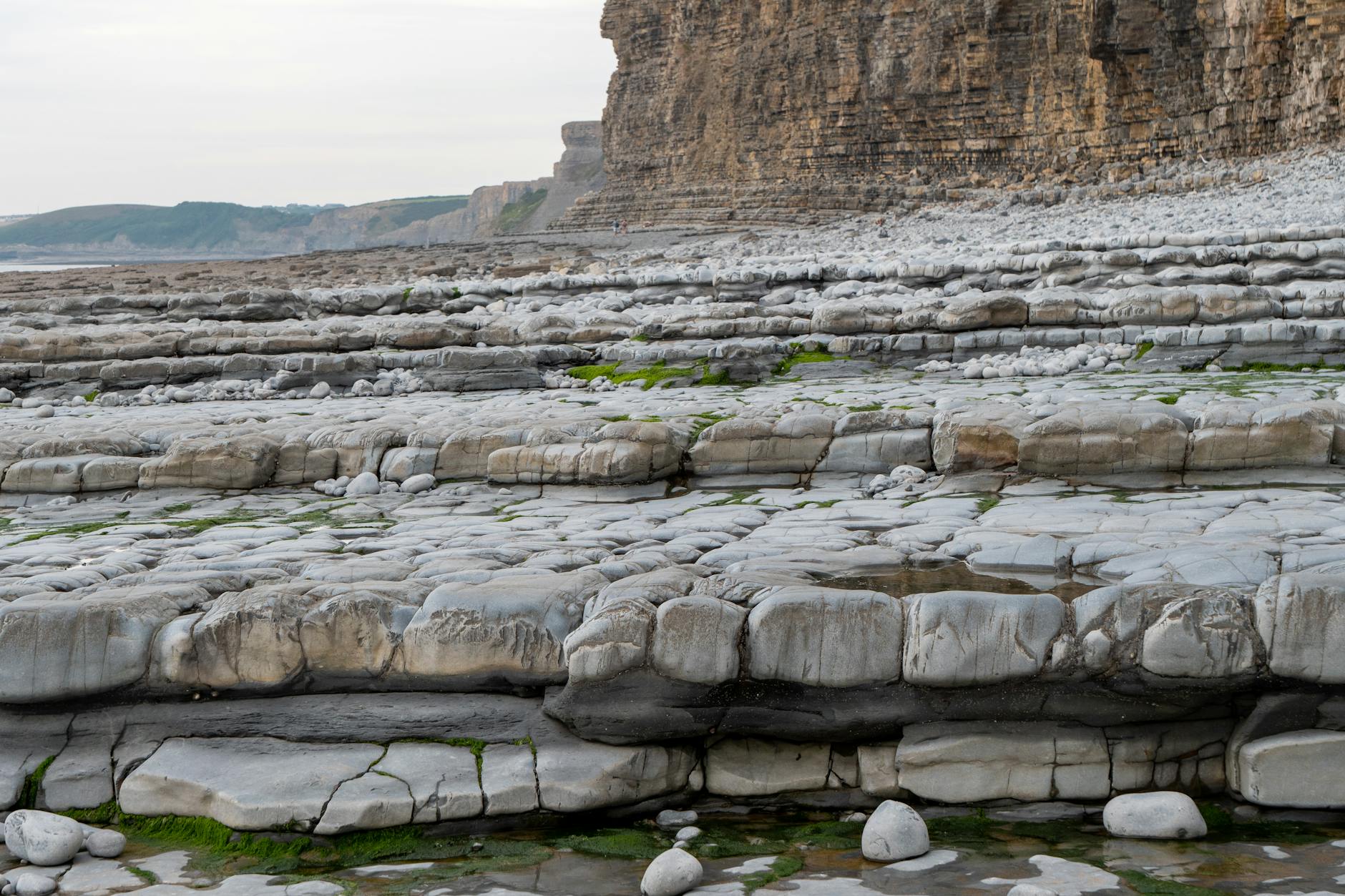
Removing shells, starfish, sea urchins, or other organisms from rock pools strips these microhabitats of the biodiversity that makes them ecologically functional. Rock pools operate as self-contained ecosystems where every species plays a specific role in maintaining the balance of the environment. Children encouraged to collect live organisms as souvenirs by adults who are unaware of the harm are introducing a conservation problem that compounds visit after visit throughout the season. Marine biologists studying intertidal zones near popular tourist beaches have documented consistent species depletion patterns in pools closest to public access points.
Inappropriate Attire

Wandering from the beach directly into restaurants, shops, or residential areas in wet swimwear is a tourist habit that local business owners and residents find genuinely disrespectful. Beyond the practical issue of wet furniture and floors there is a cultural dimension to appropriate dress that varies significantly between coastal communities. Many beach towns in Southern Europe and Southeast Asia have introduced clothing ordinances that carry real fines for visitors who enter commercial or sacred areas without covering up. Locals who encounter the same disregard for community norms season after season report a gradually eroding sense of goodwill toward tourist visitors generally.
Fire Lighting

Building unauthorized bonfires on public beaches damages sand ecosystems, leaves permanent scorch marks, and creates fire hazards that can spread to dune vegetation in dry summer conditions. Most popular beach destinations maintain explicit bans on open fires outside of designated fire pit areas yet enforcement during peak season is inherently difficult across long stretches of coastline. Broken glass from bottles used around unofficial fire sites remains in the sand long after the visitors have left creating injury hazards for barefoot beachgoers for weeks afterward. Local fire services in coastal areas identify unsupervised beach fires as a recurring and entirely preventable seasonal risk.
Queue Skipping

Pushing ahead in lines for food stalls, water equipment rentals, or beach entry points is a universal social violation that becomes especially aggravating in already congested resort environments. Beach vendors and rental operators who work the same location every day develop strong memories for repeat offenders and for the consistent patterns of tourist entitlement they observe each season. The social contract of queuing is one of the most visible behavioral signals that separates considerate visitors from disrespectful ones in the eyes of local communities. Vendors who witness this behavior regularly report that it creates a tense atmosphere that affects the experience of every other customer in the vicinity.
Child Unsupervision

Allowing young children to roam unsupervised across crowded beaches places enormous strain on lifeguard resources and creates anxiety among nearby beachgoers. Lifeguards at popular family beaches report that locating separated children constitutes a significant portion of their daily operational time during summer months. Parents who become absorbed in reading or socializing while children wander toward waterlines, boat zones, or unfamiliar crowds are creating situations that require professional intervention to resolve safely. Local lifeguarding associations have consistently advocated for greater parental awareness as the single most effective measure for reducing child-related beach incidents.
Snorkeling Selfies

Using underwater camera equipment irresponsibly by bracing against coral, grabbing marine life for positioning, or hovering directly above reef systems causes concentrated physical damage to fragile underwater ecosystems. Social media has created a strong incentive for tourists to capture dramatic underwater content that prioritizes the image over the environmental cost of obtaining it. Professional dive instructors operating at popular snorkeling destinations regularly observe guests making deliberate contact with protected species purely for photographic purposes. Marine park authorities in destinations including the Great Barrier Reef and the Maldives have introduced content-specific codes of conduct in direct response to camera-related reef damage.
Vendor Harassment

Aggressively haggling with or openly mocking beach vendors who are simply trying to earn a living creates public scenes that embarrass other tourists and distress local workers. Beach vendors in developing coastal economies are often operating within tightly controlled informal markets where pricing is already set below what visiting tourists would typically pay at home. Treating the act of purchasing from a local vendor as a confrontational negotiation rather than a simple exchange reflects a transactional disrespect that locals observe and remember. Tourism researchers studying visitor behavior in Southeast Asian and African beach communities have identified vendor mistreatment as a particularly impactful driver of local anti-tourist sentiment.
Territorial Toweling

Spreading towels to claim a territory dramatically larger than one person or couple actually requires is a spatial aggression that compounds across a busy beach into genuine crowd management problems. On narrow urban beaches or small cove beaches with limited flat sand this behavior can effectively privatize public space in ways that exclude other visitors entirely. Locals who arrive to find their regular spots completely monopolized by elaborate towel arrangements surrounding a single sunbather develop a justified frustration with the entitlement this behavior represents. Beach management authorities in several European countries have introduced mandatory minimum spacing regulations specifically in response to territorial overclaiming during peak season.
Outdoor Showering Misuse

Using beach rinse showers to fully wash hair with shampoo, scrub down with soap, or launder swimwear creates waiting lines and introduces chemical runoff into coastal drainage systems. These fixtures are designed for the functional removal of sand and salt as visitors leave the beach and are typically located at high traffic exit points specifically to manage crowd flow. Locals who use the same facilities daily are acutely aware of which tourist behaviors turn a thirty-second rinse into a ten-minute inconvenience for everyone waiting behind. Coastal water management authorities have documented elevated detergent and chemical contamination levels in beach drain outflows near particularly high-use public shower installations.
Share your own beach experiences and the habits that drive you absolutely mad in the comments.




