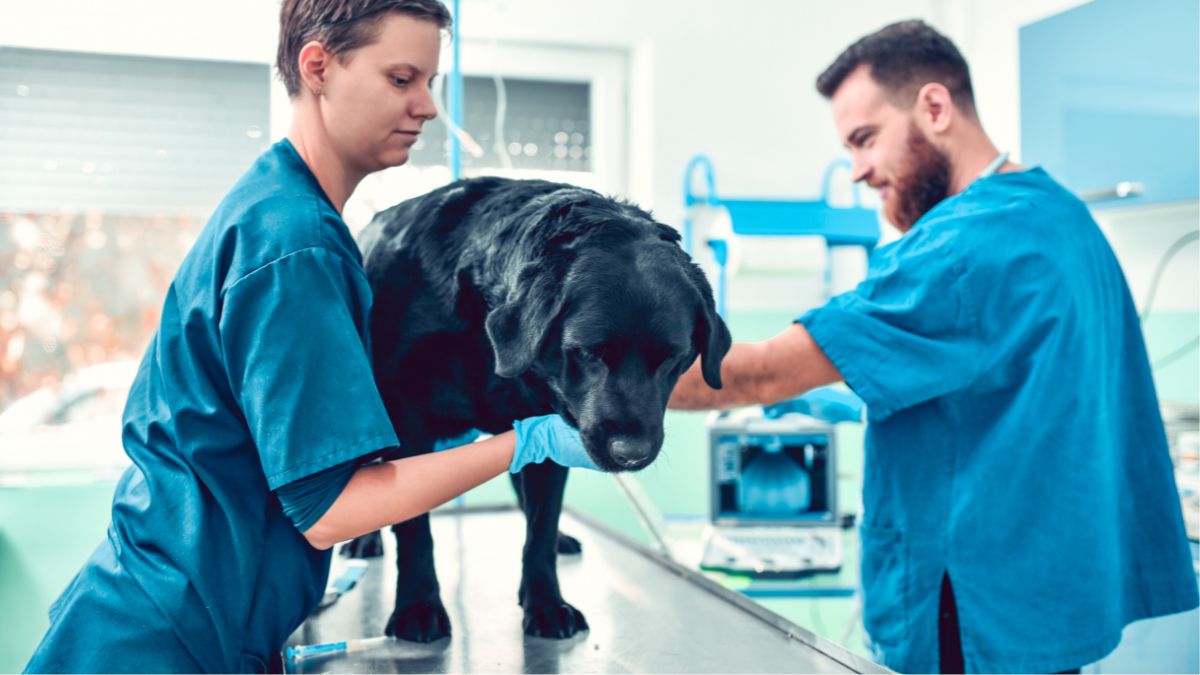
Every dog owner wants to be the best possible advocate for their pet, but even the most well-meaning among them can fall into habits that make veterinary professionals quietly cringe. Some of these behaviors stem from misinformation passed around online, while others are rooted in misplaced affection or simple oversight. Understanding what truly frustrates veterinary teams can help owners become better partners in their dog’s health and wellbeing. The following behaviors are among the most common and most quietly dreaded in clinics around the world.
Google Diagnosis

Many owners arrive at the clinic having already decided what is wrong with their dog after spending hours reading symptom lists online. This often leads to resistance when the veterinarian offers a different and more accurate assessment. Convincing a determined owner to abandon a self-researched conclusion takes valuable appointment time away from actual care. Symptom checkers are no substitute for clinical training and hands-on examination. Trusting the professional in the room is always the better path forward.
Skipped Doses
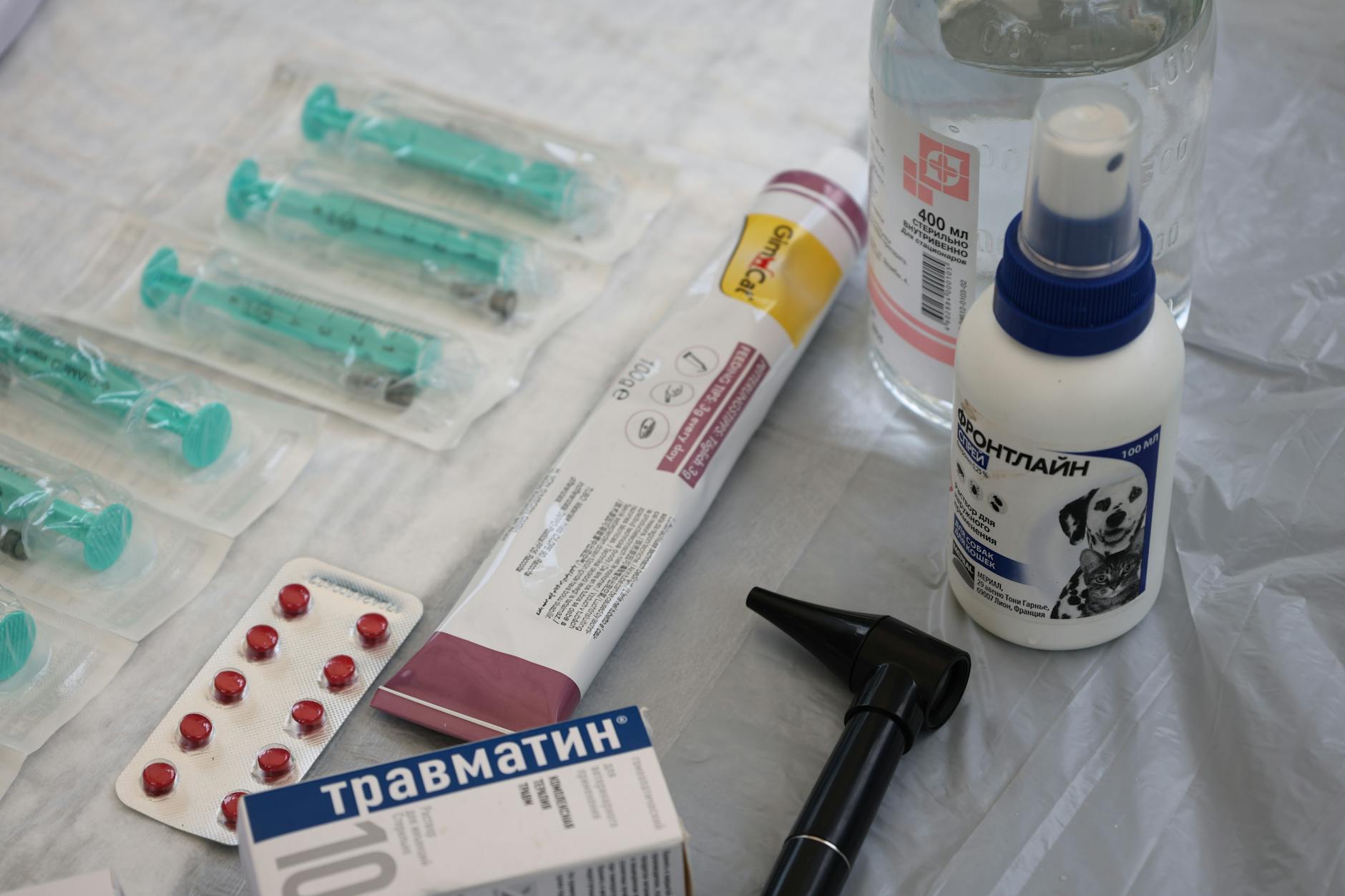
Owners frequently stop giving prescribed medications the moment their dog appears to feel better, well before the treatment course is complete. This is especially problematic with antibiotics, where stopping early can allow infections to rebound stronger and more resistant than before. Vets must then navigate a return visit, a frustrated pet and a more complicated treatment plan. The instructions on a prescription label exist for a very specific medical reason. Completing the full course is one of the simplest ways to support recovery.
Table Scraps
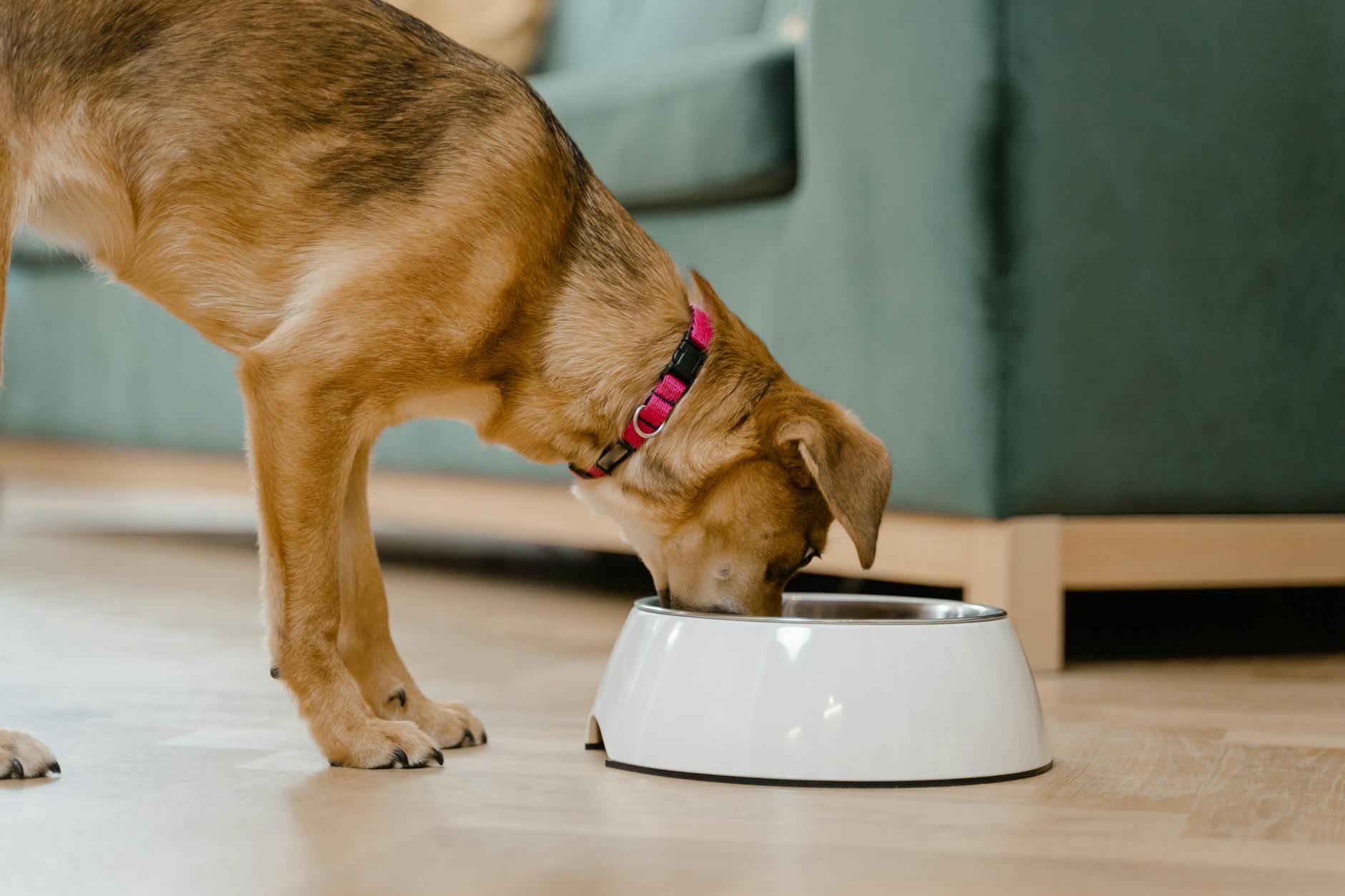
Feeding dogs from the dinner table seems harmless and loving, but it routinely contributes to obesity, pancreatitis and dangerous food toxicity. Many owners do not realize that foods safe for humans, such as onions, grapes and certain artificial sweeteners, can be severely harmful to dogs. Vets frequently see the consequences of well-intentioned snack sharing during emergency visits. Explaining this at every appointment becomes an exhausting and repetitive conversation for clinical teams. A dog’s nutritional needs are best met through properly formulated food rather than human leftovers.
Late Arrivals

Turning up late to an appointment and then expecting the full scheduled time is one of the most disruptive things an owner can do for a veterinary clinic’s entire day. Every appointment that runs over pushes the next patient back, creating a cascade of delays that affects animals in genuine distress. Reception teams often absorb the frustration of waiting clients while trying to manage an impossible schedule. Punctuality is a form of respect for the professionals and fellow pet owners sharing that space. Arriving a few minutes early makes the entire visit smoother for everyone involved.
Phone Distractions

Being absorbed in a phone during an examination means owners frequently miss critical instructions being given about their dog’s care. Vets have to repeat themselves, simplify their language or resort to writing down information that has already been explained. This adds unnecessary length to appointments and can lead to mismanaged care at home. Dogs also tend to be more anxious when their owner is disengaged and not providing a calming presence. Full attention during an appointment is one of the most valuable things an owner can offer their pet.
Fake Weight Updates

When asked whether a dog’s weight has changed at home, many owners confidently report no change, only for the scale to reveal a significant gain since the last visit. This makes it difficult for vets to track health trends or flag early signs of conditions linked to weight. Honest answers, even uncomfortable ones, are essential for accurate care. No veterinarian is judging the owner personally when raising the topic of a dog’s weight. They are simply trying to protect the animal’s long-term health.
Human Shampoo

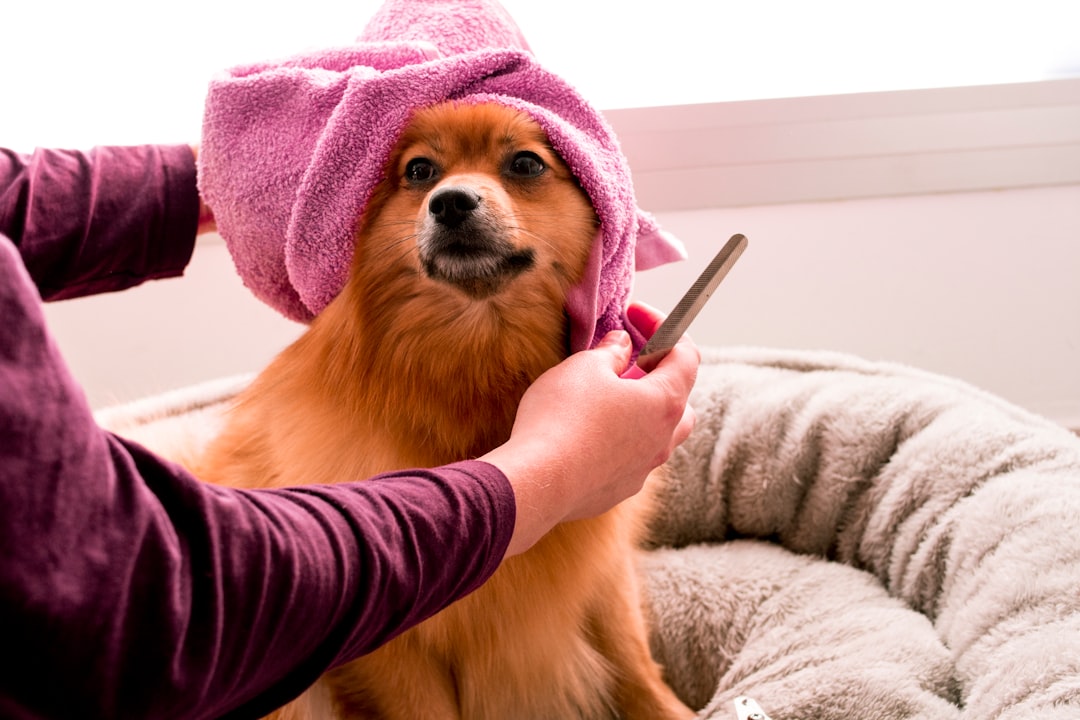
Bathing a dog with products formulated for human hair is a habit vets see the consequences of regularly, from flaky skin and irritation to recurring coat issues. A dog’s skin has a different pH level to human skin, making it far more vulnerable to the harsh ingredients found in standard shampoos. Owners often assume that a gentle or natural human product is a safe alternative. The resulting skin conditions can require medicated treatments that would have been entirely avoidable. Using species-appropriate grooming products from the outset protects the skin barrier and saves money in the long run.
Avoided Checkups
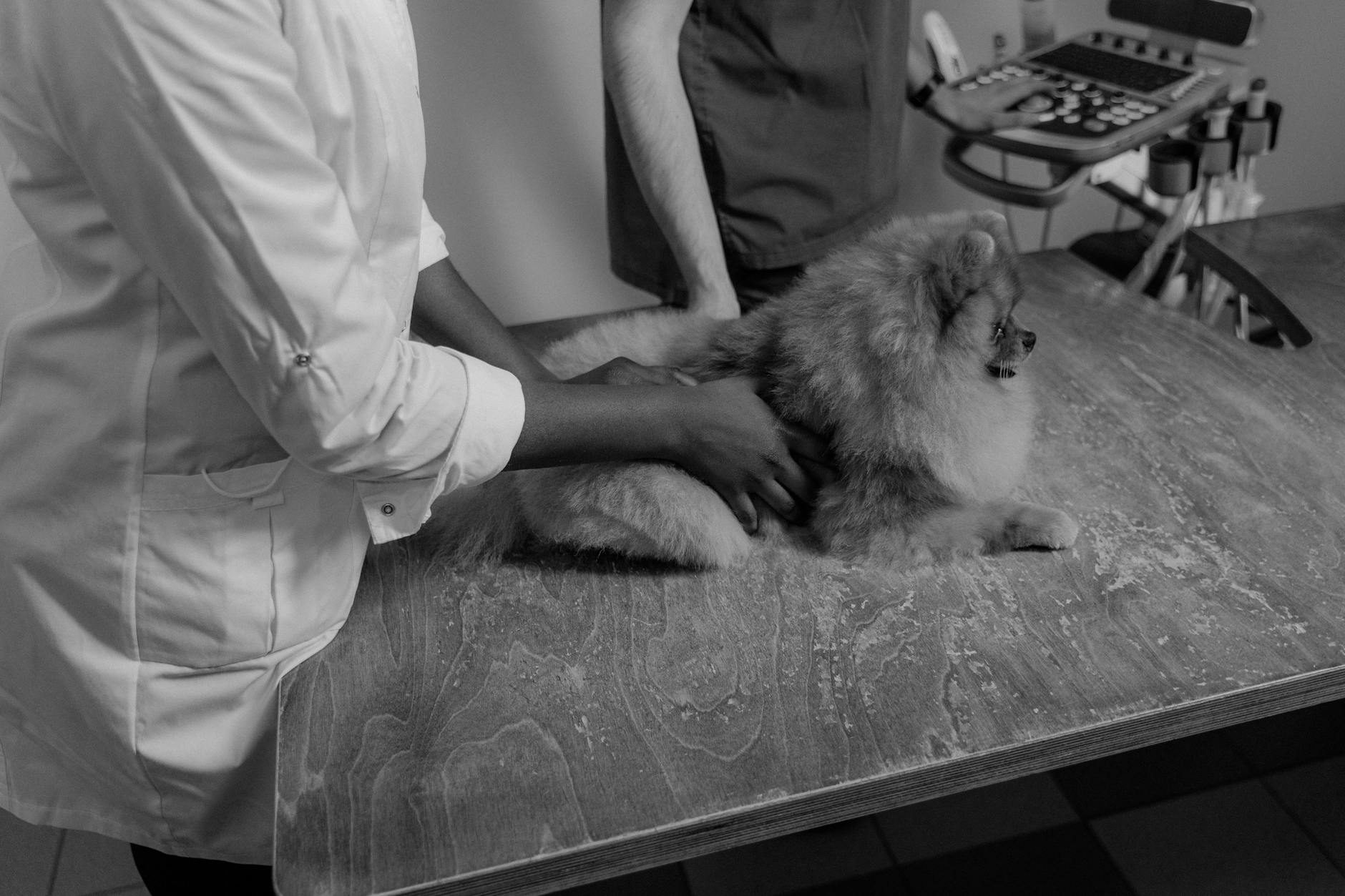
Skipping annual wellness exams because a dog appears healthy is one of the most consequential things an owner can do. Many serious conditions, including heart disease, dental disease and early organ dysfunction, present no obvious symptoms until they are significantly advanced. Routine checkups exist precisely to catch what the untrained eye cannot see. Waiting until a dog is visibly unwell often means treatments are more invasive, more expensive and less effective. Preventive care is always cheaper and kinder than reactive care.
Homemade Diets
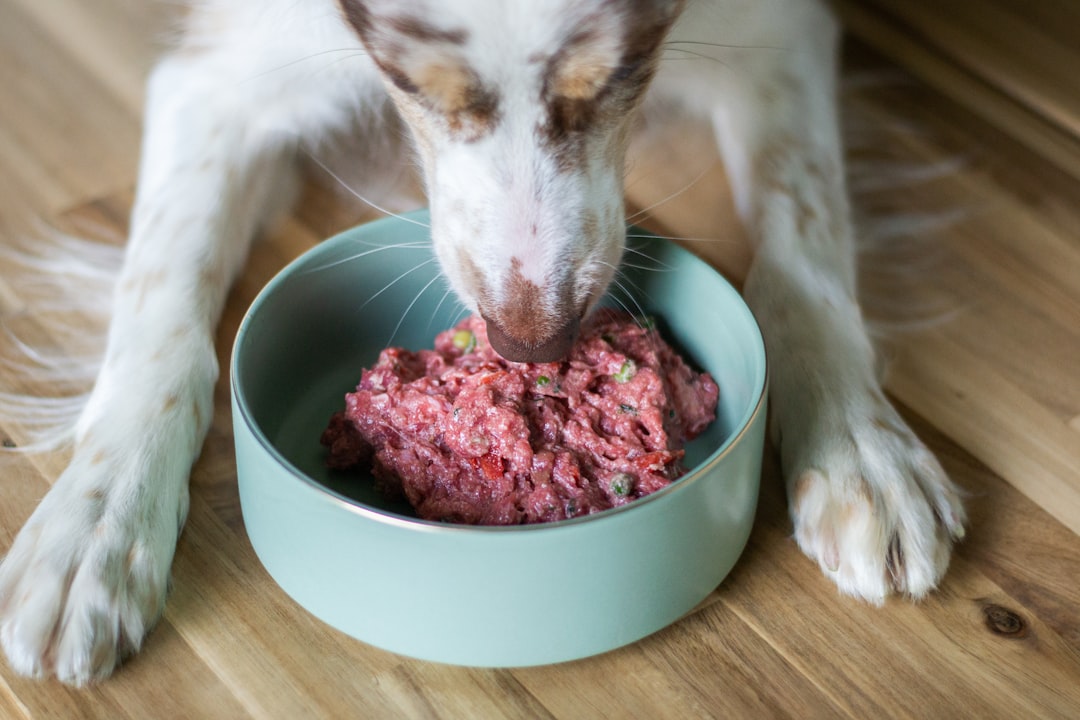
Preparing homemade food for a dog is not inherently wrong, but doing so without veterinary nutritional guidance almost always results in significant dietary imbalances. Calcium deficiencies, vitamin shortfalls and incorrect protein ratios are among the most common issues vets encounter in dogs fed unformulated home meals. Owners often present these diets proudly, making it a delicate conversation to navigate. A genuinely balanced homemade diet requires precise formulation that accounts for the dog’s age, breed and health status. Consulting a veterinary nutritionist before committing to this path is strongly advised.
Costume Dressing
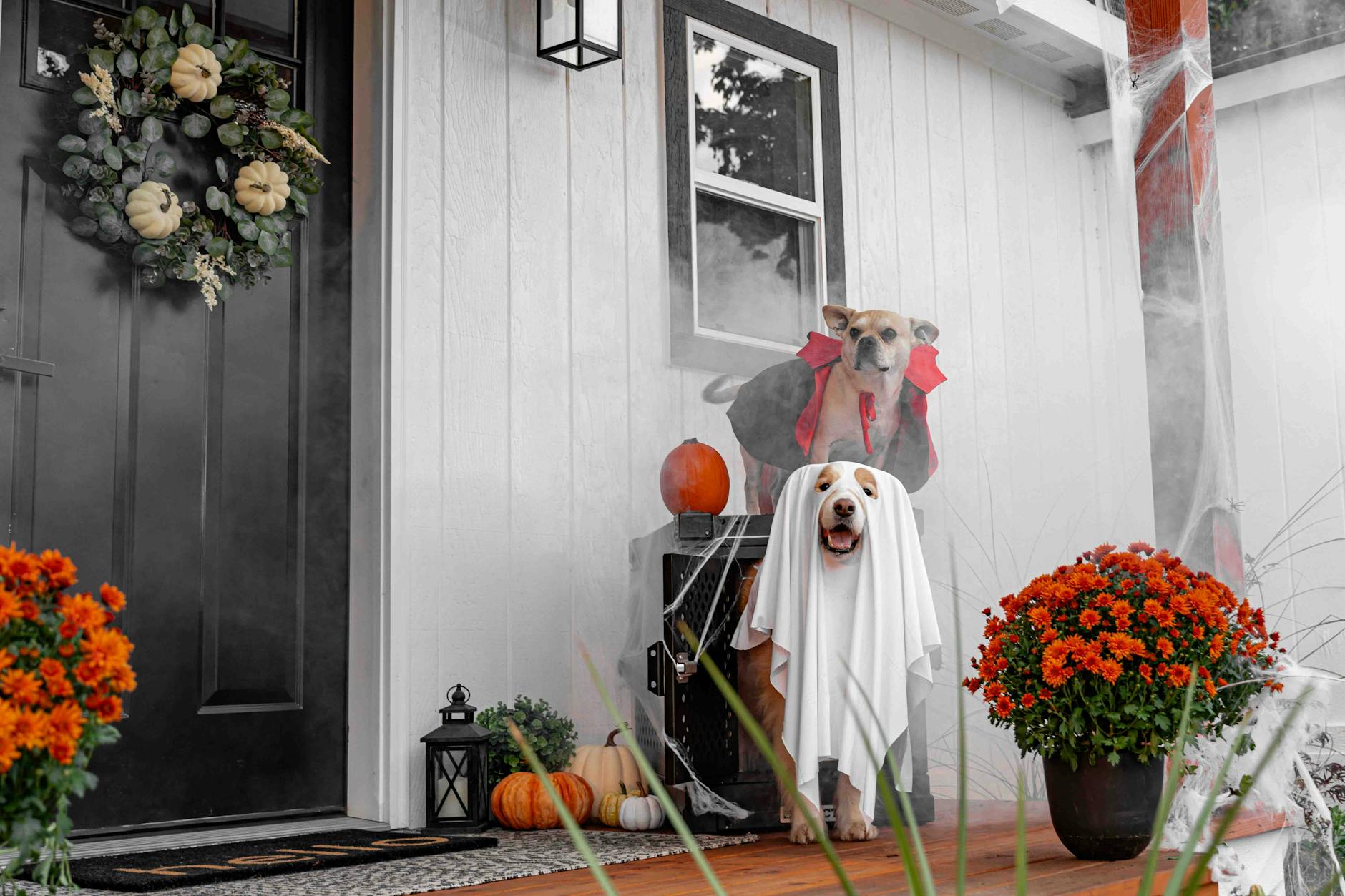
Putting dogs in elaborate costumes for photographs and social media content is a trend that causes genuine stress for many animals. Dogs communicate discomfort through body language that owners preoccupied with getting the perfect shot frequently overlook. Tight-fitting outfits can restrict movement, cause overheating and create anxiety that lingers well beyond the photo session. Vets are sometimes asked about behavioral changes in dogs that can be traced back to repeated stressful handling. A simple bandana is far kinder than a full outfit if the goal is to include a dog in seasonal celebrations.
Wrong Parasite Products
Using flea and tick treatments purchased from supermarkets or online marketplaces without veterinary guidance is a surprisingly dangerous habit. Many over-the-counter products are either ineffective or, in some cases, toxic to the very animal they are meant to protect. Permethrin-based products intended for dogs can be lethal if they come into contact with cats in the same household. Vets regularly treat poisoning cases that stem directly from unsupervised parasite control choices. A short conversation with a vet before purchasing any parasite treatment can prevent a serious and potentially fatal mistake.
Dental Neglect
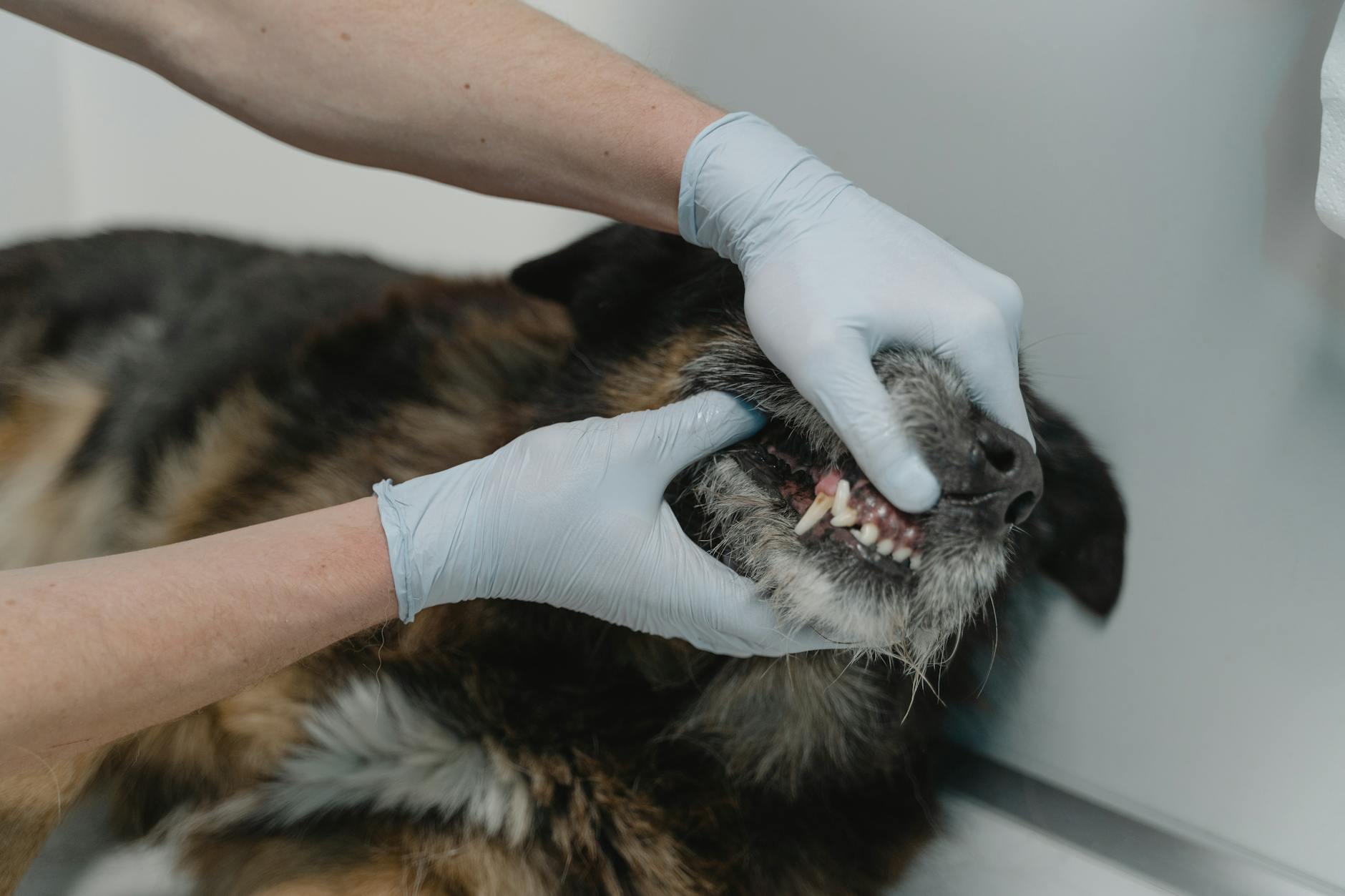
Oral hygiene is one of the most consistently neglected aspects of dog ownership, and vets see the painful results every single day. Periodontal disease affects the majority of dogs over the age of three and contributes to systemic health issues including heart and kidney disease. Many owners are genuinely shocked to learn that their dog requires a dental procedure during what they assumed was a routine visit. Brushing a dog’s teeth regularly and offering dental-supporting chews can significantly reduce the buildup of harmful plaque. Starting a dental hygiene routine early makes the process far easier for both the dog and the owner.
Self-Diagnosed Allergies
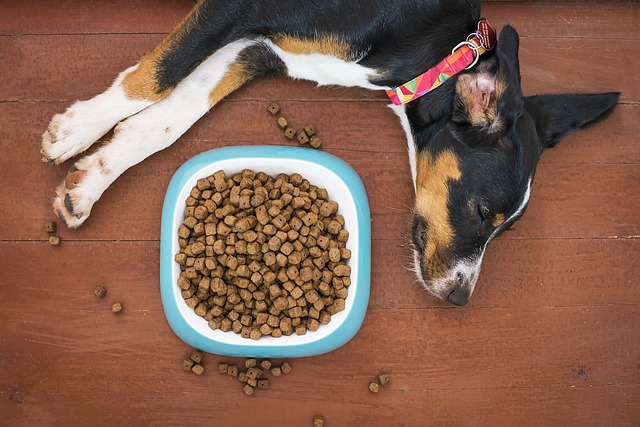
Owners frequently decide their dog has a food allergy and begin rotating through elimination diets without any veterinary involvement. True food allergies in dogs are far less common than many assume, and the symptoms owners attribute to diet are often caused by environmental allergens or skin conditions instead. An unsupervised elimination diet can mask symptoms, create new nutritional deficiencies and delay an accurate diagnosis. Allergy testing and dietary trials conducted under veterinary supervision yield far more reliable results. Bringing the vet into the conversation from the beginning saves time, money and the dog considerable discomfort.
Ignored Lumps
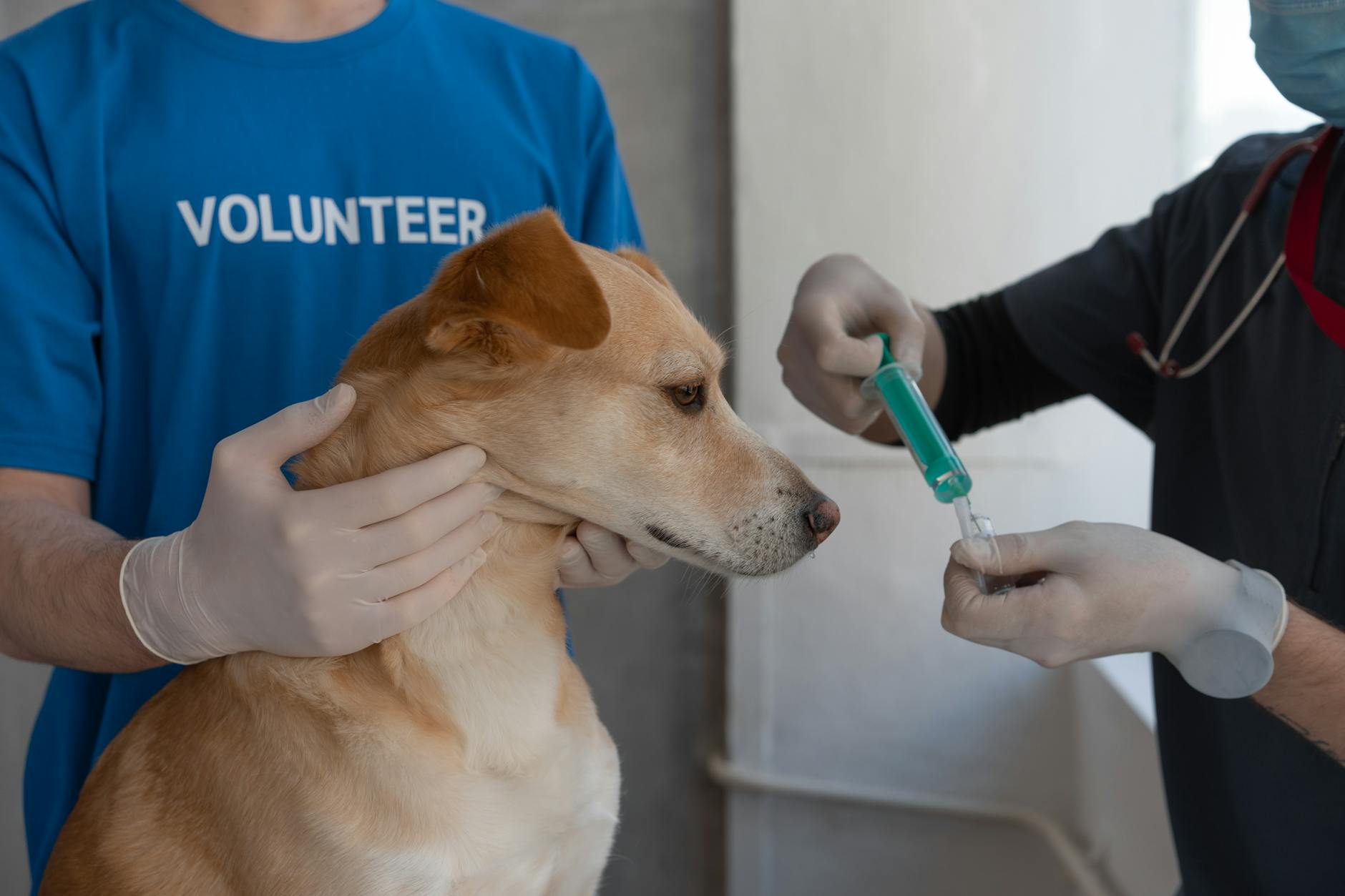
Discovering a lump on a dog and choosing to monitor it at home for several weeks before mentioning it to a vet is a habit that causes considerable professional frustration. Not every lump is cancerous, but some are, and early detection dramatically improves treatment outcomes. The time spent waiting and watching is often time that would have made a meaningful difference. Vets are not alarmed by owners who bring in minor concerns because they would far rather investigate early than receive a dog when a condition has progressed. Any new or changing lump warrants a professional opinion without delay.
Punishment Training
Using physical punishment or intimidation-based training methods is an approach that causes lasting behavioral and psychological harm in dogs. Vets and behaviorists consistently find that dogs trained through fear are more likely to display aggression, anxiety and unpredictable responses. When behavioral problems escalate to the point of a clinical referral, punishment-based histories are among the most common contributing factors. Positive reinforcement is not simply a preference but a method backed by decades of behavioral science. Raising this subject with owners who use outdated methods is a conversation few vets enjoy but all take seriously.
Secondhand Vaccines

Purchasing vaccines through online suppliers or farm stores and administering them at home without veterinary oversight is a practice that undermines both safety and effectiveness. Vaccine handling requires strict cold-chain management that home storage rarely achieves, meaning the product may be compromised before it is ever administered. Core vaccines also need to be accompanied by a physical examination to ensure the dog is healthy enough to receive them. There is no way to guarantee proper immune response without professional monitoring and record-keeping. This shortcut creates the dangerous illusion of protection where little or none may exist.
Panic Googling
Calling a clinic in a state of high anxiety about a symptom that was researched online just moments before is one of the more exhausting recurring experiences for veterinary staff. The call often involves a list of worst-case scenarios that bear no resemblance to what the dog is actually experiencing. Reception teams are trained to triage calls, and their guidance is based on clinical protocols rather than search engine results. Trusting the advice of the person on the phone and arriving calmly prepared to describe symptoms clearly leads to far better outcomes. Composure in a moment of worry helps both the owner and the animal.
Wrong Portion Sizes
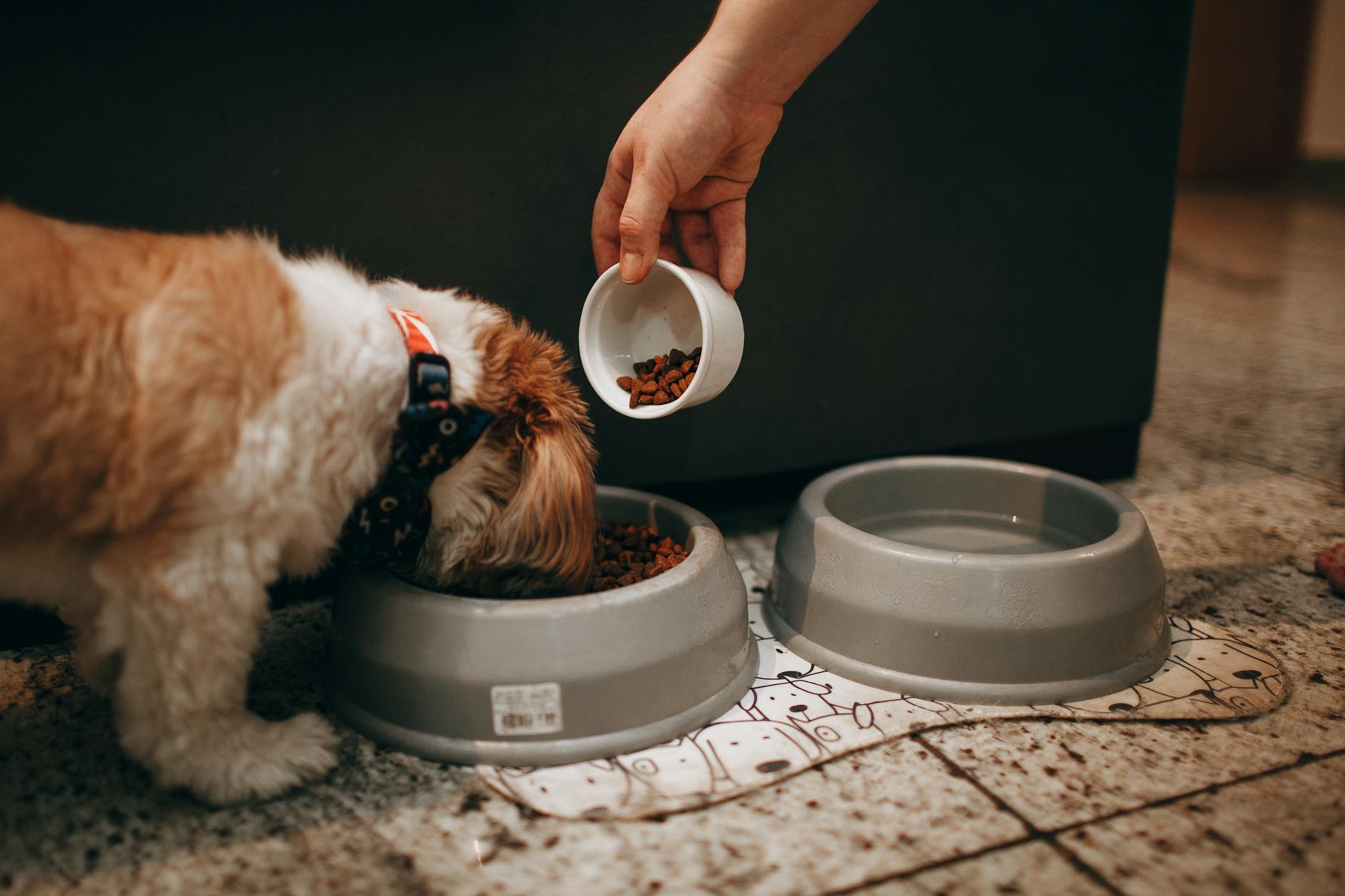
Feeding a dog based on guesswork rather than the guidelines provided on food packaging or by a vet is one of the leading contributors to canine obesity. Many owners significantly overestimate how much food a dog of a given size and activity level actually requires. Treats are also calories, and they are frequently forgotten when owners assess their dog’s daily intake. Overweight dogs face substantially higher risks of joint disease, diabetes and a shortened lifespan. Taking five minutes to calculate correct portions and measure them consistently is one of the smallest changes with the greatest long-term impact.
Emergency Delays

Waiting hours before bringing in a dog showing signs of a genuine emergency because an owner is unsure whether it is serious enough is a situation that haunts veterinary teams. Bloat, respiratory distress, suspected poisoning and seizure activity are all conditions where minutes matter enormously. The desire not to overreact is understandable, but it regularly costs animals their lives. A quick call to an emergency line costs nothing and gives owners the guidance they need to act appropriately. When in doubt, calling is always the right choice.
Unsolicited Breeding Plans

Informing a vet during a routine appointment that there are plans to breed an unexamined and unscreened dog is a moment that causes quiet dismay across the profession. Responsible breeding requires health screening for hereditary conditions, genetic testing and an honest assessment of temperament and conformation. Many dogs being casually bred at home carry conditions that will be passed to offspring and contribute to a cycle of suffering. Vets who raise these concerns are not being discouraging without reason. Breeding done responsibly takes time, financial investment and a genuine commitment to the health of future generations.
Which of these habits have you noticed in your own experience with dogs? Share your thoughts in the comments.




