
Car rental companies have mastered the art of the post-return surprise, leaving countless travelers staring at unexpected charges on their credit card statements weeks after a trip. The damage billing game is one of the most profitable and least transparent corners of the rental industry, and most customers never see it coming. Understanding the tactics these companies use is the first step toward protecting yourself from unfair fees that can run into hundreds of dollars. From pre-existing scratches to ambiguous inspection windows, the playbook is surprisingly consistent across major and budget rental brands alike. Knowing what to watch for before, during, and after your rental can make the difference between a clean transaction and a costly dispute.
Pre-Existing Scratches
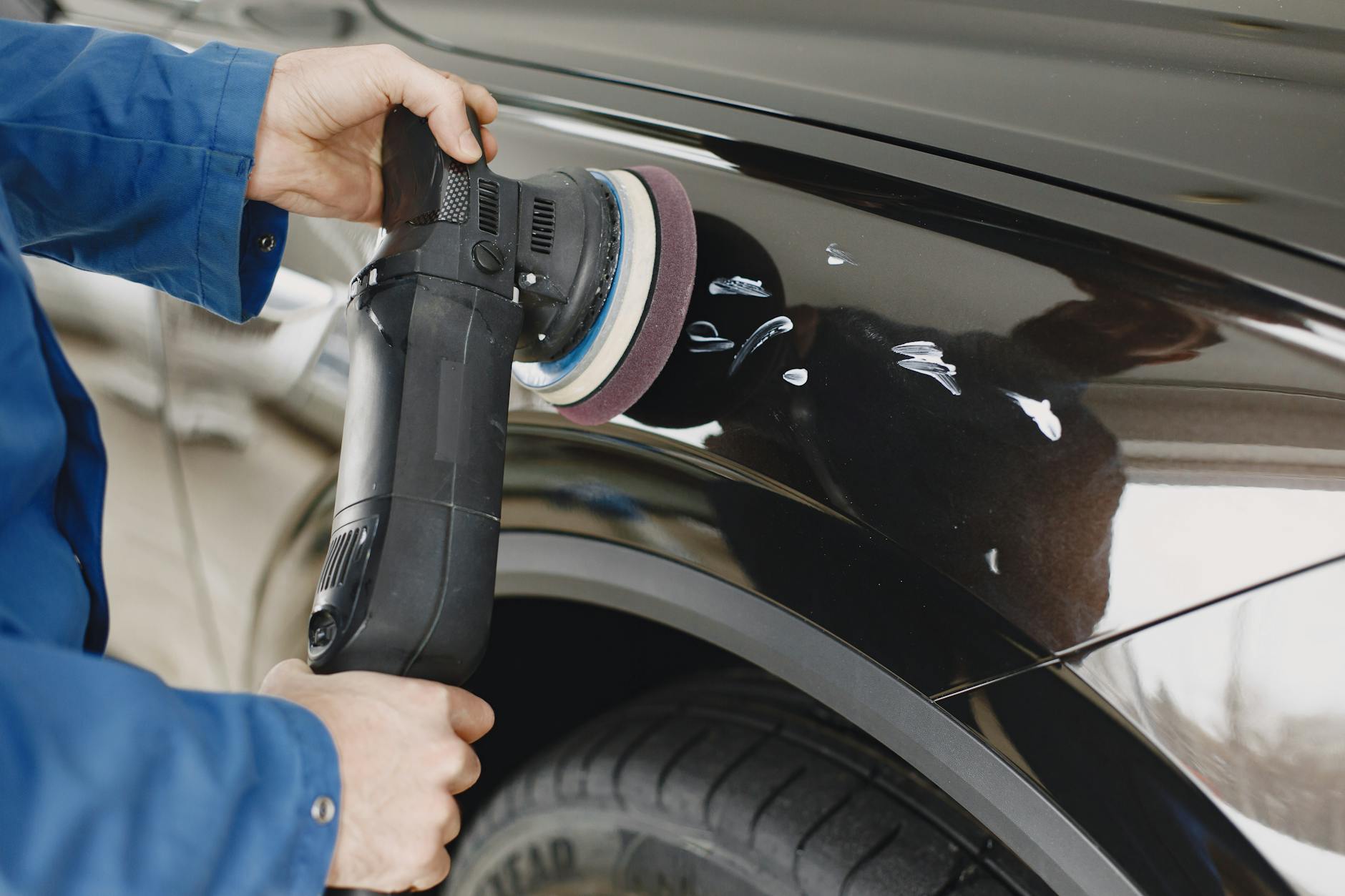
Rental fleets cycle through thousands of customers, and minor surface scratches accumulate faster than companies document them. Agents conducting walk-arounds often move quickly and may not mark every scuff on the condition report, leaving the next renter technically liable for damage they never caused. When you return the car, a different agent may notice that same scratch and flag it as new. The company then has paperwork showing the car left clean and came back damaged, even though neither version of that story is accurate. Without your own photographic evidence from pickup, disputing the charge becomes extremely difficult.
Lighting Conditions

Rental lots are notoriously poorly lit, especially during early morning or late evening pickup times. Low light makes it nearly impossible to spot shallow scratches, paint chips, or minor dents during a standard walk-around inspection. Companies are fully aware of this and often schedule busy periods or overnight returns in conditions that work against the customer. A blemish that is invisible at dusk becomes perfectly visible under the fluorescent lights of a damage assessment bay the next morning. Renters who pick up or return vehicles in dim conditions are statistically more vulnerable to post-return damage claims.
Damage Waivers
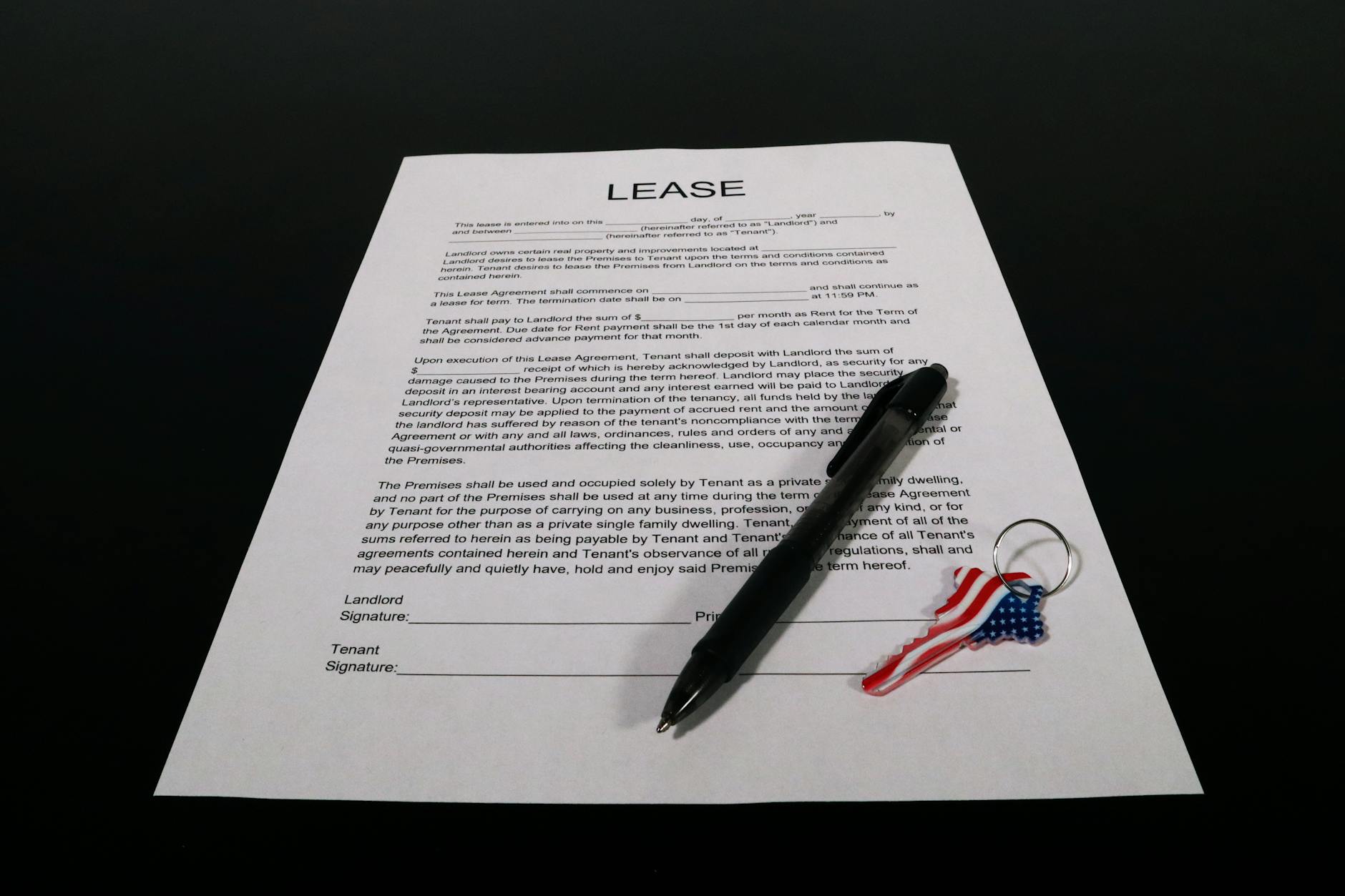
Many rental companies offer their own collision damage waiver at the counter, framing it as essential protection for the journey ahead. What they rarely explain clearly is that the waiver often comes with its own exclusions, covering only certain types of damage while leaving others exposed. Customers who decline the waiver assuming their personal auto insurance or credit card covers them may discover gaps in coverage after the fact. Some waivers also exclude damage to tires, glass, the undercarriage, or the roof entirely. Reading the fine print before signing anything at the counter is the only reliable way to understand what protection you actually have.
Windshield Chips

Windshield damage is one of the most commonly disputed categories in the rental industry because chips and cracks can appear with almost no force and with no fault from the driver. A small stone chip that was already present can expand into a visible crack during a long drive, making it look far more serious at return than it actually was. Rental companies frequently treat any windshield damage as a separate line item outside standard damage waivers, meaning the customer pays out of pocket regardless of their coverage. The repair or replacement costs assigned by rental companies are often well above market rate. Photographing the windshield from multiple angles at pickup is one of the most important protective steps a renter can take.
Digital Inspection Apps

Some major rental brands have introduced digital inspection tools that allow customers to document the car’s condition at pickup using a smartphone app or kiosk. While these tools sound like a consumer-friendly upgrade, the photo resolution and upload quality can be limited in ways that fail to capture shallow surface damage. If a dispute arises, the company retains the original inspection data and controls how it is interpreted. Customers may find that their uploaded photos are deemed insufficient evidence while the company’s own post-return assessment carries full weight. The existence of a digital tool does not automatically shift the burden of proof away from the renter.
Return Time Windows

Rental agreements specify exact return times, and companies often conduct formal damage inspections only during business hours when their assessors are on site. If you return a vehicle outside those hours, the car may sit in a lot for several hours before anyone looks at it. During that window the vehicle is technically in a kind of limbo, and any damage that occurs after your return but before the inspection can still be attributed to your rental period. Some companies have faced legal action over this practice, but it remains widespread. Always request a timestamped receipt or digital confirmation the moment you hand back the keys.
Fuel Policy Confusion
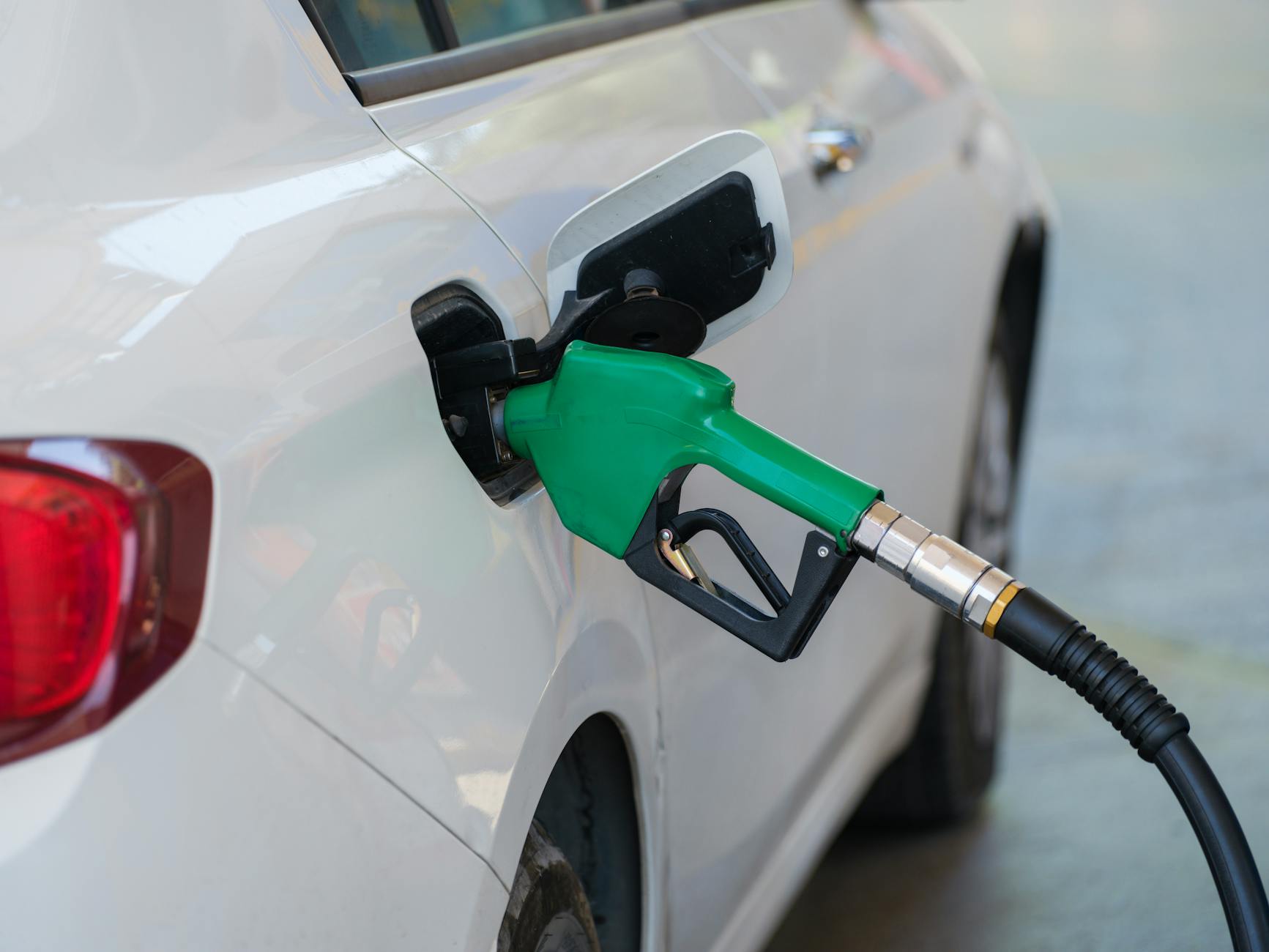
Pre-purchase fuel packages are a common upsell at the rental counter, presented as a convenient way to avoid worrying about refueling before return. What the agent may not fully explain is that you pay for a full tank upfront and receive no credit for any fuel remaining in the tank when you bring the car back. Customers who misunderstand the policy and return the car with half a tank have essentially paid for fuel they never used. Some companies also use a different refueling rate for cars returned below the agreed fuel level, which can be two or three times the local pump price. Clarifying the exact fuel policy in writing before leaving the lot prevents an unpleasant surprise on the final invoice.
Toll Violations

Many rental vehicles are equipped with electronic toll transponders, and some companies automatically charge renters for toll roads even when the renter had no intention of using them. GPS routing apps sometimes direct drivers onto toll roads without clear warning, and the transponder registers the charge automatically. The rental company then passes on the toll cost plus an administrative processing fee that can far exceed the toll itself. In some markets that fee per toll transaction runs as high as fifteen dollars on top of the actual toll amount. Renters should ask at pickup whether the vehicle has an active transponder and request a map of toll roads in the area if driving an unfamiliar route.
Administrative Fees

When a damage claim is filed, the sticker price of the repair is rarely the only thing billed to the renter. Companies routinely add administrative fees that cover the internal cost of processing the claim, arranging the repair, and managing the paperwork. These fees are listed in the rental agreement but are almost never discussed during the pickup process. A minor repair that costs two hundred dollars at a body shop may arrive on a customer’s statement as a four-hundred-dollar charge once administrative costs are added. Requesting a full itemized breakdown of any damage claim is a right renters have, though many never think to exercise it.
Loss of Use Charges
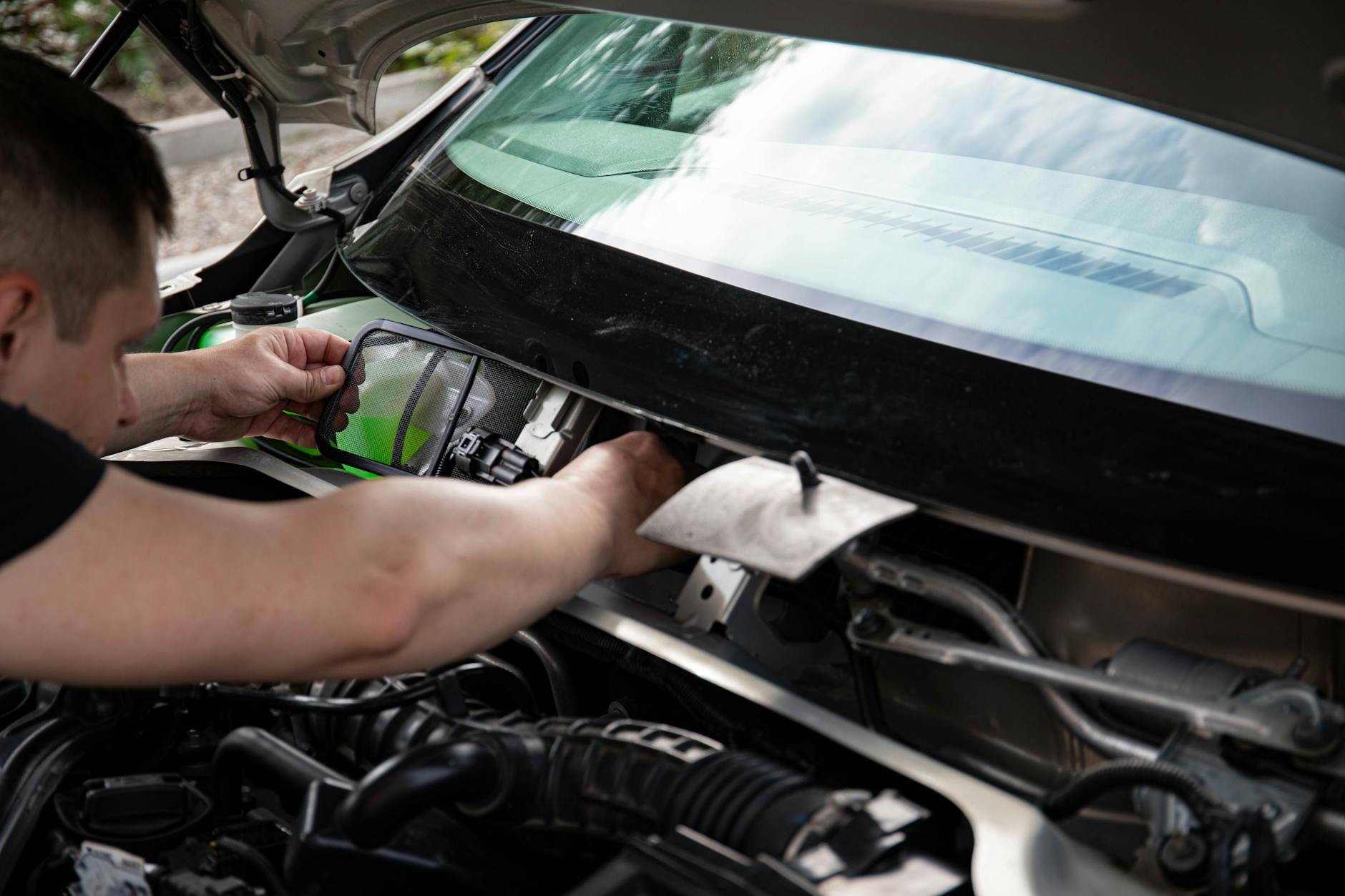
Even after a damage claim is settled and repair costs are paid, many rental companies add a separate loss of use charge representing the revenue they claim to have lost while the vehicle was being repaired. The logic is that a car sitting in a repair shop is a car that cannot be rented to another customer. In practice, rental fleets often have excess inventory that absorbs the gap without any real revenue loss, making the charge more theoretical than actual. Some jurisdictions have ruled that loss of use charges are only valid when the company can demonstrate a concrete financial loss, but many companies bill them automatically regardless. Challenging this charge specifically can be one of the more productive disputes a renter can pursue.
Diminished Value Claims

Beyond repair costs and loss of use, some rental companies pursue a third category called diminished value, arguing that a repaired vehicle is worth less on the resale market than an undamaged one. This claim is particularly aggressive because it attempts to bill the renter for an abstract future loss rather than any immediate repair expense. Diminished value claims are most common following significant damage but can be applied even to minor incidents depending on the company’s policies. Most personal auto insurance policies and credit card protections do not cover diminished value, leaving renters exposed. Awareness of this fee category is the first step toward negotiating or contesting it effectively.
Third-Party Claims Processing

Some rental companies outsource their damage claims to third-party debt collection or claims management firms rather than handling disputes internally. When a renter tries to contest a charge, they may find themselves negotiating not with the rental company but with an aggressive external agency. These firms are often compensated based on recovery rates, giving them a financial incentive to push for maximum payment. The shift to a third party can make the dispute process feel deliberately intimidating and bureaucratic. Documenting every communication in writing from the moment a claim is raised provides essential protection if the process escalates.
GPS Unit Damage
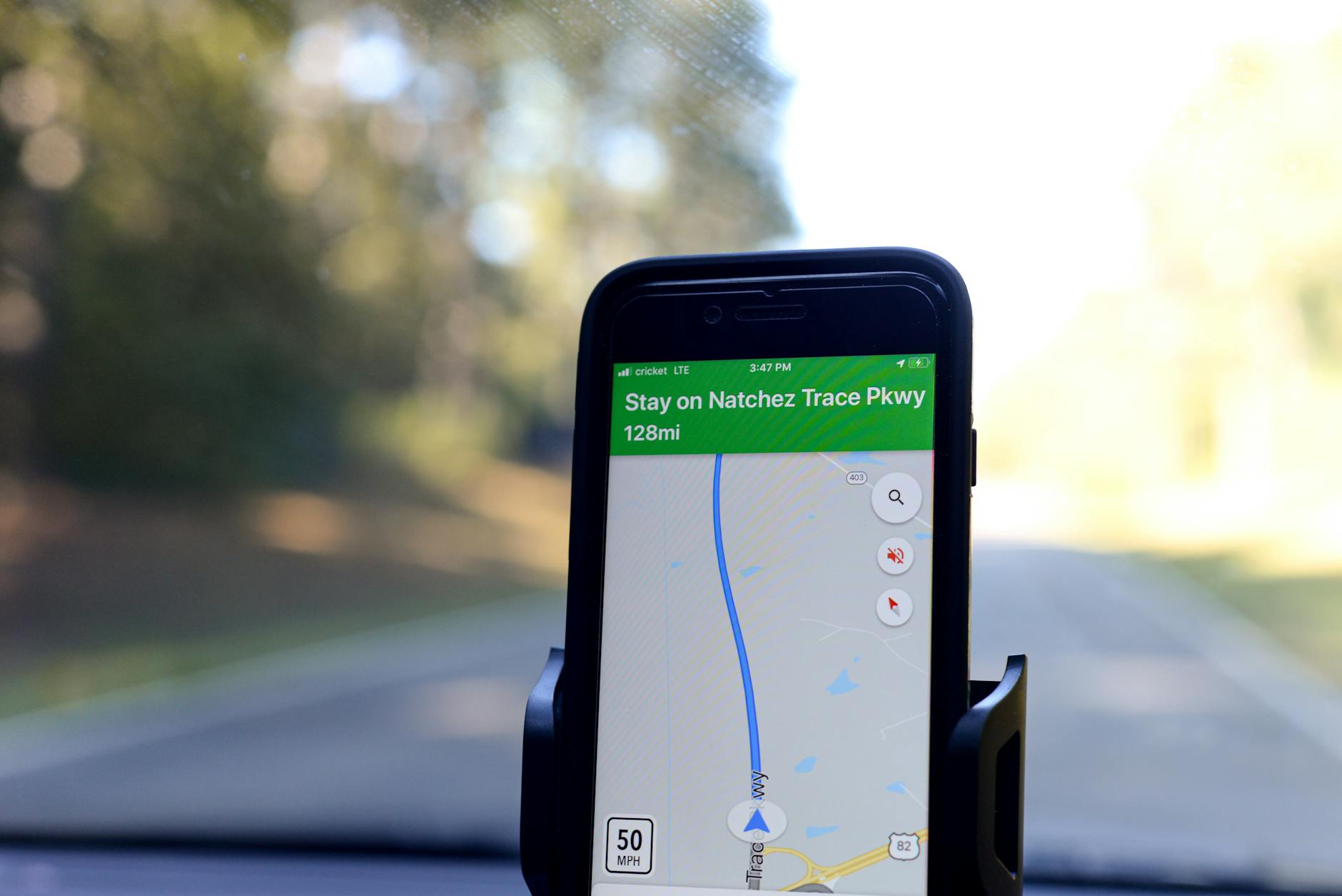
Rental vehicles with built-in or clip-on GPS units represent a niche but consistent source of disputed charges. Renters may be held liable for damage to the unit even when the damage predates their rental or resulted from normal use of the vehicle’s interior. A GPS mount that was already loose at pickup can become fully detached during the rental period, and the renter may be billed for a full unit replacement. Because GPS units are considered interior equipment rather than structural damage, they often fall outside standard waiver coverage. Inspecting and photographing all interior accessories at pickup is just as important as documenting the exterior condition.
Underbody Inspections

Many rental companies reserve the right to conduct underbody inspections after return, using cameras or ramps to examine areas of the vehicle that are completely invisible during a standard walk-around. Damage to the undercarriage, exhaust system, or suspension components can be flagged days after the renter has already left the location. Because the renter is no longer present during this secondary inspection, they have no opportunity to observe the damage being assessed or question whether it predates their rental. Underbody damage claims are particularly difficult to contest because most renters never think to inspect or photograph that area at pickup. Asking the agent at pickup whether underbody inspections are part of the company’s standard return process is worth doing before you drive away.
Tire Damage
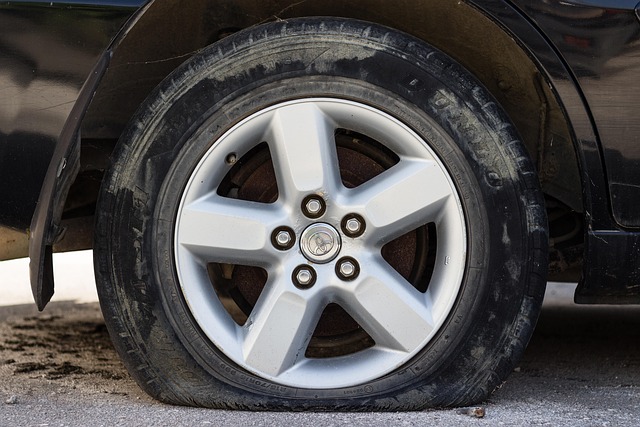
Tires occupy a murky middle ground in most rental agreements, with many standard waivers explicitly excluding them from coverage. A sidewall scuff, a slow puncture, or even a blowout caused by a road hazard may be billed directly to the renter regardless of the circumstances. Tire replacements assigned by rental companies are frequently priced at a premium well above retail replacement cost. Some companies also insist on replacing all four tires if one is damaged, citing safety and tread uniformity policies. Understanding exactly what tire protection, if any, is included in your agreement before you leave the lot can prevent a significant unexpected expense.
Credit Card Holds

At pickup most rental companies place a hold on the renter’s credit card that is significantly larger than the estimated rental cost. The hold is intended to cover potential damages, fuel shortfalls, and any additional charges that might arise. What many renters do not realize is that this hold can remain in place for several days after the vehicle is returned, temporarily reducing available credit. During this window, any damage assessment that is being processed internally may also influence how quickly or slowly the hold is released. Using a credit card rather than a debit card for rentals is strongly recommended, as debit holds can directly restrict access to cash in ways that create real short-term financial pressure.
Post-Return Email Charges

A growing number of rental companies send damage invoices by email days or even weeks after the vehicle has been returned, catching renters completely off guard. By that point, the renter has often moved on from the trip and no longer has the vehicle condition fresh in mind. The extended delay also makes it harder to gather witness statements, locate receipts, or reconstruct the exact circumstances of the rental. Some companies have been found to issue these delayed claims on cars that were subsequently rented to other customers, raising serious questions about how damage is attributed. Saving all rental documentation and your own photos for at least thirty days after return is a simple habit that can be the deciding factor in a dispute.
Have you ever been hit with a surprise rental car charge after returning a vehicle? Share your experience and any tips that helped you fight back in the comments.




