
Online shopping has made purchasing easier than ever, but the return process is where many retailers quietly reclaim their advantage. Behind polished websites and friendly checkout flows lies a carefully engineered system designed to frustrate, delay, and confuse customers until the clock runs out. These tactics are rarely accidental and understanding them can mean the difference between a refund and a regret. Shoppers who know what to look for are far better equipped to protect their money and their rights.
Countdown Timers

Flashing countdown clocks on product pages create a manufactured sense of urgency that pushes shoppers to buy impulsively without reading return policies. The psychological pressure of a ticking timer overrides careful decision-making and leads customers to skip the fine print entirely. Once the purchase is made, that same urgency disappears and the customer is left to navigate a lengthy return process alone. Retailers know that the faster a purchase happens, the less informed the buyer tends to be. Impulsive buyers are statistically far less likely to follow through on returns even when they are dissatisfied.
Confirmation Emails

The order confirmation email is often deliberately vague, omitting any mention of the return window or its start date. Many retailers begin counting the return period from the order date rather than the delivery date, a detail buried deep in the policy page. By the time a customer receives and opens their package, several days may have already elapsed without their knowledge. The confirmation email serves as the primary communication touchpoint yet rarely includes any return deadline reminder. This omission is a structural choice that consistently works in the retailer’s favor.
Slow Shipping

Extended delivery windows eat directly into return periods when the clock starts ticking at purchase rather than at receipt. A ten-day return window paired with a seven-day shipping estimate leaves the customer with almost no time to evaluate the product before the deadline passes. Retailers who rely on third-party fulfillment centers have even less incentive to expedite shipping on low-margin items. Customers who experience delays often assume the return window resets upon delivery, which is frequently not the case. Reading the fine print on shipping timelines before purchasing is one of the most overlooked steps in consumer protection.
Restocking Fees

Hidden restocking fees are added at the point of return rather than disclosed prominently during purchase, catching shoppers off guard. A fee ranging from ten to twenty-five percent of the item’s value can make a return feel financially pointless, which is precisely the intended effect. The fee is often framed as a standard industry practice to normalize what is effectively a return deterrent. Customers who discover the fee midway through initiating a return frequently abandon the process rather than follow through. This calculated friction reduces the retailer’s return volume without technically blocking returns at all.
Fine Print Policies

Return policies are routinely written in dense legal language and placed on pages that require multiple clicks to reach from the product listing. The use of passive voice, conditional clauses, and undefined timeframes makes it genuinely difficult to determine what is and is not eligible for return. Certain categories such as swimwear, electronics, or sale items are often excluded from standard return terms in ways that are not visible on the product page itself. Retailers are legally required to have a policy but are not required to make it easy to understand or easy to find. The more confusing the policy, the more returns fall through the gaps.
Return Portals

Online return portals are deliberately designed with multi-step processes that require account logins, order numbers, and reason codes before a return label can be generated. Each additional step represents a dropout opportunity where a frustrated customer simply gives up. Portal errors, browser incompatibility, and session timeouts compound the frustration for customers already unhappy with their purchase. Some portals are only accessible during business hours or require a phone call to complete the final step. What appears to be a self-service system often functions more like an obstacle course.
Receipt Requirements
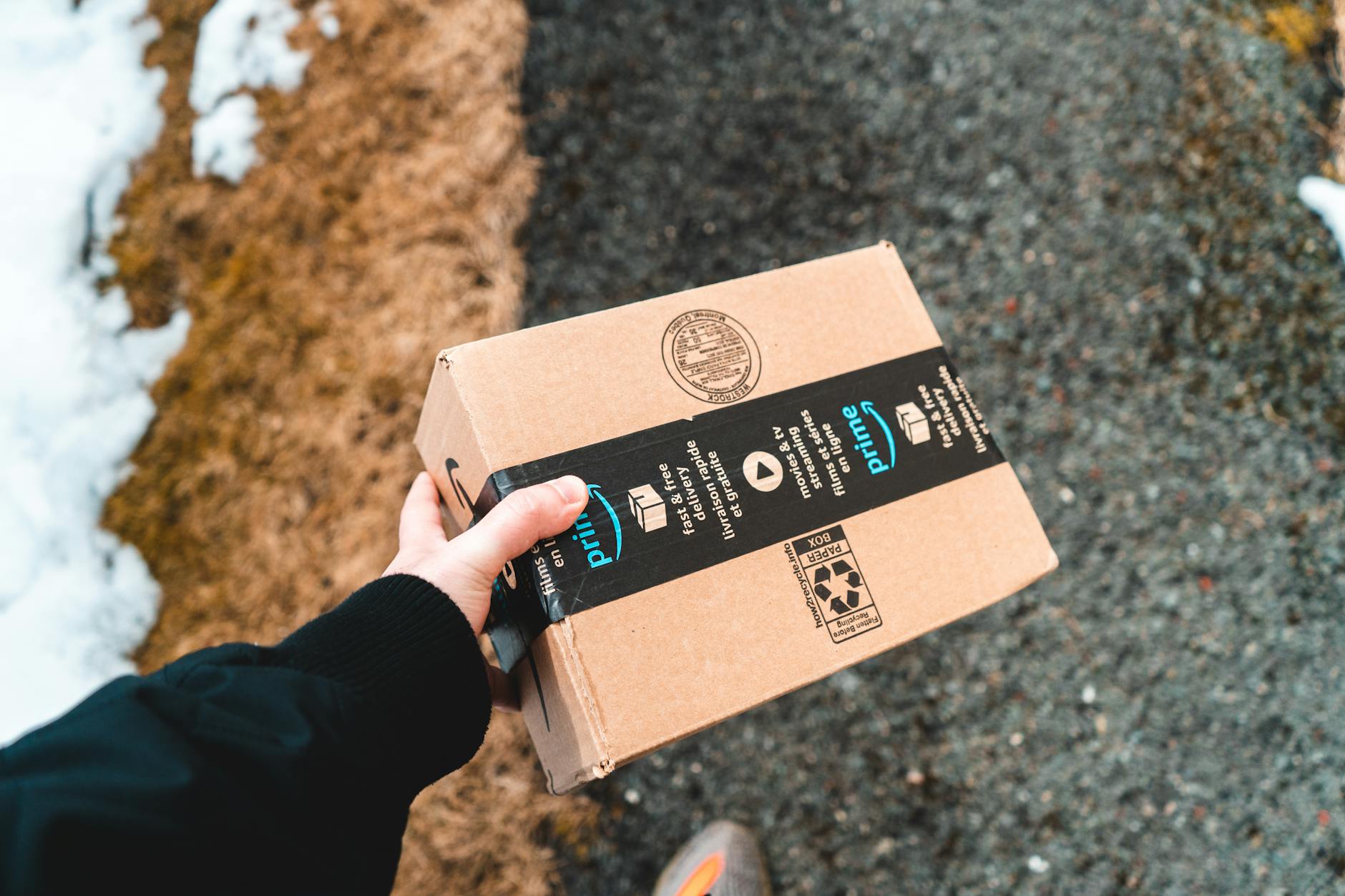
Requiring an original receipt or packing slip that many customers have already discarded is a common method of blocking legitimate returns. Digital receipts buried in email inboxes can be difficult to locate weeks after a purchase, especially when subject lines are vague or misleading. Some retailers will not accept a screenshot or forwarded email and insist on a printed copy that matches their internal format exactly. Customers who made purchases as gifts are especially vulnerable to this requirement since the recipient rarely receives any documentation. The receipt rule is selectively enforced in ways that disproportionately affect casual or infrequent shoppers.
Gift Wrapping Options

Offering premium gift wrapping at checkout subtly encourages customers to bypass personal inspection of the product before giving it away. Once the item is gifted and unwrapped, the return window may already be partially or fully expired. The recipient often has no purchase record, no account login, and no idea what store the item came from. Retailers who offer gift wrapping services rarely extend return windows to accommodate the reality of gift-giving timelines. The convenience of the service masks a structural disadvantage for anyone receiving the item as a present.
Email Suppression

After a purchase is completed, some retailers drastically reduce the frequency of customer communication to avoid drawing attention to the approaching return deadline. Promotional emails continue flowing freely while transactional or policy-related reminders go conspicuously quiet. There is no industry standard requiring retailers to proactively notify customers that a return window is closing, and very few choose to do so voluntarily. The silence is strategic and works in tandem with short return windows to let deadlines slip past unnoticed. Customers who are not actively tracking their purchase dates are the most likely to miss the cutoff entirely.
No-Label Returns

Some retailers require customers to purchase their own return shipping label rather than providing a prepaid option, adding both cost and inconvenience to the process. The lack of a simple click-to-print return label introduces enough friction that many customers abandon the return before it begins. Shipping costs on larger or heavier items can approach or exceed the value of the product itself, making the return economically irrational. Without a prepaid label, the customer must also manage carrier drop-off logistics, tracking, and proof of postage. Each of these steps is a barrier that benefits the retailer’s return rate statistics.
Seasonal Promotions

Holiday sales and flash promotions frequently come with modified return policies that shorten the standard window or exclude promotional items entirely. These policy changes are disclosed in banner text or footnotes that most shoppers skip in their enthusiasm to secure the deal. A product purchased on a Black Friday sale may have a return window that expires before the holiday gifting season even ends. The excitement of a discount creates the same impulsive buying behavior as a countdown timer, with similar consequences for return awareness. Retailers understand that promotional purchases carry higher return risk and design their policies accordingly.
Packaging Rules

Requiring items to be returned in original undamaged packaging is a return barrier that becomes more powerful the longer a customer waits. Once a box has been opened, broken down, or discarded, returning the product in its original condition becomes impossible. Some retailers specify that packaging must be sealed or uncut to qualify for a full refund, a standard that is impossible to meet once the product has been used. Customers who throw away packaging before deciding a product does not meet their needs are effectively locked out of the return process. The packaging requirement is rarely communicated prominently at the point of sale.
Chat Support Delays

Customer service chat systems for return inquiries are frequently staffed with scripted responses or automated bots that stall the conversation without resolving the issue. Repeated requests for the same identifying information, long hold queues, and responses that do not address the actual question are common tactics. Each unresolved chat session buys the retailer additional time against the return clock. Customers who finally give up after multiple failed chat attempts are counted as resolved cases in internal metrics even though no return was processed. The support system functions as a delay mechanism rather than a resolution tool.
Account Requirements

Requiring customers to create an account before initiating a return adds a registration barrier that many guests or one-time buyers are unwilling to navigate. Customers who purchased as guests may find that the return portal simply does not accommodate their order status. Password reset loops, unverified email addresses, and account merging issues are all common complications at this stage. The account requirement conveniently filters out less persistent customers before they reach the actual return form. Retailers benefit from both the captured data and the reduced return volume that this gate produces.
Selective Photography

Product photography on retail sites is professionally lit, styled, and edited in ways that make it genuinely difficult to assess true color, texture, size, or quality. The gap between the image and the physical product is a leading driver of return intent, yet the photography is optimized exclusively for conversion rather than accuracy. Scale references are often absent or misleading, leaving customers unable to gauge dimensions from the listing alone. By the time the product arrives and the mismatch is apparent, several days of the return window may have already passed. Accurate representation would reduce returns but would also reduce sales, and most retailers prioritize the latter.
Vague Size Charts

Size guides on clothing and footwear sites are often inconsistent, brand-specific, or based on measurements that do not match standard sizing conventions. A customer who follows the provided guide and still receives the wrong fit must now navigate the return process under a ticking clock. Some retailers charge return fees specifically for size-related returns, effectively penalizing customers for following inaccurate guidance. Sizing inconsistency is one of the most predictable sources of return traffic and yet size charts are rarely audited or corrected for accuracy. The confusion serves to normalize returns as the customer’s error rather than a failure of product information.
Refund Delays

Even when a return is successfully initiated, retailers frequently delay the actual refund by extending the processing window to ten, fifteen, or even thirty business days. During this period, the customer has neither the product nor the money, creating a financial limbo that discourages future return attempts. Partial refunds issued without explanation force customers to contact support again, resetting the frustration cycle. Refund timelines are rarely disclosed upfront and tend to appear only in the final confirmation screen after the return has been submitted. The slow refund process trains customers to avoid returns as more trouble than they are worth.
Bundle Pricing

Bundled product listings require the return of all items in the set to qualify for a refund, even when only one item is defective or unwanted. Returning a partial bundle often results in either a denied refund or a prorated amount that does not reflect the actual value of the item being returned. Customers who have already used or gifted other items in the bundle are effectively locked out of any refund at all. Bundle pricing is an attractive offer at checkout but a structural trap at the return stage. The policy is disclosed in the fine print where it is unlikely to influence the purchasing decision.
Review Incentives

Retailers who offer discounts or loyalty points in exchange for leaving a product review create a subtle psychological commitment to the purchase. Once a customer has publicly praised a product, returning it feels inconsistent with their stated opinion, a form of cognitive dissonance that suppresses return behavior. The review is collected early in the ownership period before the customer has had time to identify longer-term issues with the product. Positive reviews also contribute to future sales, giving the retailer a double benefit from the incentive program. The system turns customers into unpaid advocates before they have fully evaluated what they bought.
Live Chat Unavailability

Return-related help options are often unavailable outside of narrow weekday business hours, creating dead zones for customers trying to resolve issues on evenings or weekends. A customer who realizes on a Saturday that their return window closes on Monday may find every support channel closed or automated. Self-service options that appear available around the clock frequently hit dead ends when a human decision is required. By Monday morning, the clock may have expired and the customer has no recourse. The support schedule is designed around business convenience rather than customer need.
Subscription Traps

Some retailers convert one-time purchases into subscription enrollments at checkout using pre-checked boxes or ambiguous opt-in language. A customer who does not notice the subscription enrollment continues to receive and be billed for products they did not knowingly request. Return policies for subscription shipments are frequently more restrictive than for standard one-time orders. Canceling a subscription before returning the unwanted items often triggers a policy clause that voids return eligibility entirely. The enrollment mechanism is designed to look like a savings offer rather than a recurring commitment.
App-Only Returns

Limiting the return initiation process to a mobile app that is not fully functional or frequently updated creates a platform-based exclusion for a significant portion of customers. App crashes, login failures, and missing order history are all common issues that prevent return submission before the deadline. Customers who purchased via desktop are then required to download and navigate an unfamiliar interface under time pressure. The app requirement also grants the retailer access to device data and notification permissions as a byproduct of the return process. Friction introduced through platform fragmentation is among the most technically invisible of all return suppression tactics.
No Weekend Processing

Returns received by the carrier on a Friday are frequently not logged or timestamped by the retailer until the following Monday, consuming two to three additional days of the return window. Some retailers measure the return window by when they receive and scan the item rather than when the customer ships it, a distinction that is rarely made clear. Weekend shipping drop-offs that are not collected until Monday are particularly vulnerable to this gap. The policy places the burden of courier scheduling and processing timelines entirely on the customer. Shoppers who cut close to the return deadline often find their submission disqualified by a processing lag they had no way to anticipate.
Have you ever been caught out by any of these tactics? Share your experiences and any tips you have discovered in the comments.




