
Every host wants their gathering to be remembered for all the right reasons, but certain habits can leave guests quietly cringing behind polite smiles. From awkward money moments to tone-deaf décor choices, these missteps are more common than most people realize. The good news is that awareness is the first step toward becoming the kind of host guests genuinely look forward to visiting. Here are fifteen hosting habits that may be unintentionally rubbing your guests the wrong way.
Cash Bar

Inviting people to a party and then expecting them to pay for their own drinks sends a confusing message about hospitality. Guests arrive prepared to be welcomed, not to open their wallets at every round. If budget is a concern, a simple selection of wine, beer, and a non-alcoholic option is always a gracious and affordable alternative. The expectation of paying for drinks at a private home gathering feels transactional in a way that undermines the spirit of the occasion.
Potluck Surprise

There is a meaningful difference between a planned potluck and a last-minute request for guests to bring food. Asking people to contribute dishes after they have already accepted an invitation puts them in an uncomfortable position. It signals that the host either forgot to prepare or is looking to reduce effort at the expense of their guests. A proper potluck is coordinated in advance so everyone can plan accordingly and feel like an equal participant rather than a backup caterer.
Phone Announcements

Few things dampen the atmosphere of a party faster than a host who spends the evening documenting it for social media rather than actually hosting it. Guests begin to feel like props in content rather than people who were genuinely invited to enjoy themselves. Constant filming and photographing shifts the energy from warm and present to performative and self-promotional. A good host puts the phone away and lets the evening unfold naturally without turning it into a production.
Passive-Aggressive Comments

Remarks about what guests brought, how they dressed, or when they arrived create an undercurrent of discomfort that lingers all evening. Even when delivered with a laugh, these comments register as criticism and make guests feel judged rather than welcomed. Hosting carries an implicit promise of warmth and ease, and anything that disrupts that sense of safety breaks the social contract. Guests should never leave a party feeling smaller than when they arrived.
Uninvited Pets

Not every guest is comfortable around animals, and some have serious allergies that make close contact genuinely unpleasant or even dangerous. A host who allows pets to jump on guests, beg at the table, or roam freely without consideration is prioritizing their own comfort over their guests’ wellbeing. A simple solution is to keep pets in a separate room during the gathering, at least until it is clear that everyone is comfortable with their presence. Asking guests about preferences beforehand is a thoughtful gesture that goes a long way.
Forced Participation

Group games and activities can be wonderful, but only when guests genuinely want to take part. A host who pressures reluctant guests into charades, dancing, or party games creates an atmosphere of obligation rather than fun. Some people are naturally more reserved and enjoy socializing through conversation rather than structured activities. Offering activities as an option rather than a mandate ensures that everyone can enjoy the evening in a way that suits their personality.
Temperature Extremes

A home that is significantly too hot or too cold makes it nearly impossible for guests to relax and enjoy themselves. Guests who are sweating through their outfits or quietly shivering are spending their mental energy managing discomfort rather than enjoying the company. A comfortable indoor temperature is one of the most basic elements of hospitality and one of the easiest to control. Checking the thermostat before guests arrive is a small act that makes a considerable difference in the overall experience.
Skimpy Portions

Running out of food before all guests have had the chance to eat is one of the most memorable hosting failures a person can make. Guests who arrived hungry and left the same way will remember the evening for entirely the wrong reasons. Hosting means anticipating needs generously, which includes preparing more food than you think you will need. Abundance at the table communicates care, and even modest dishes feel special when there is enough for everyone to go back for seconds.
Dirty Bathrooms
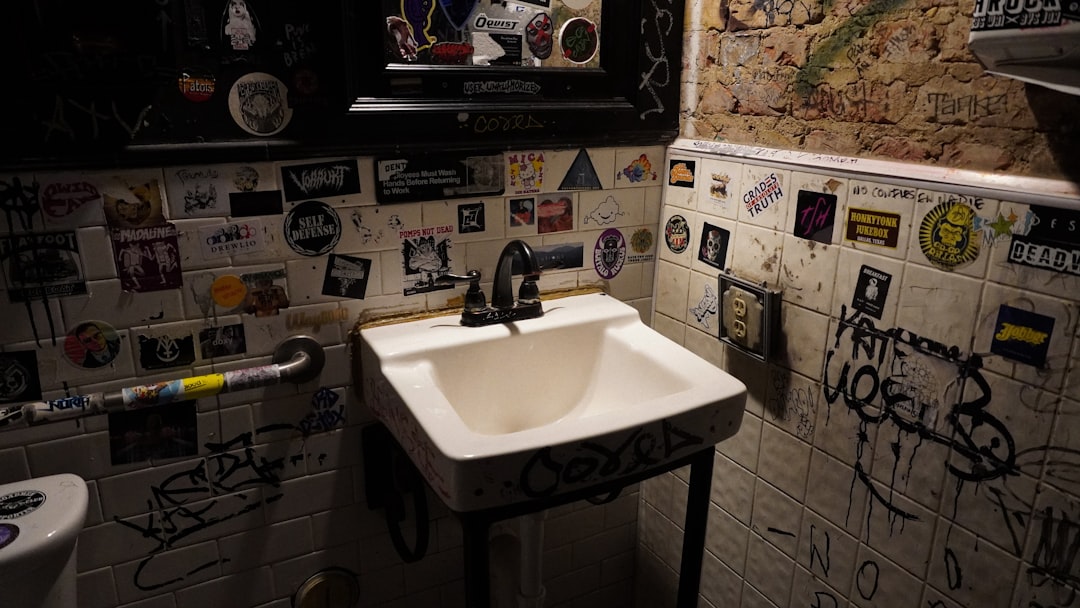
The state of the guest bathroom speaks volumes about how seriously a host takes their responsibilities. A bathroom that has not been cleaned, restocked with essentials, or at minimum tidied before guests arrive sends a careless message. Guests should never have to navigate a host’s personal clutter or encounter hygiene issues in a space they are expected to use. A clean, fresh-smelling bathroom stocked with soap, hand towels, and tissue is a baseline expectation, not an extra effort.
Seating Neglect

Inviting more people than there are comfortable places to sit forces guests to spend the evening standing awkwardly or competing for spots on the sofa. Guests who are physically uncomfortable from the moment they arrive will begin looking for a polite exit sooner than a host would hope. Planning seating to accommodate every guest is a fundamental part of event preparation that should not be overlooked. Even borrowed chairs or casual floor cushions signal that the host thought about everyone’s comfort.
Constant Upselling

A host who repeatedly pushes products, services, or business ventures on their guests turns a social gathering into an uncomfortable sales pitch. People accept party invitations to connect and relax, not to be cornered into commercial conversations. Even when the host is genuinely enthusiastic about what they are promoting, the setting makes it feel opportunistic and inappropriate. Guests talk, and a reputation for using social events as networking or sales opportunities travels fast.
Long Grace

Expecting guests of different beliefs and backgrounds to sit through extended religious rituals before eating can feel exclusionary and presumptuous. A brief moment of gratitude is generally received warmly, but lengthy ceremonies that guests were not warned about in advance can create visible discomfort. Hospitality is rooted in making all guests feel included and at ease regardless of their personal background. A host attuned to the diversity of their guest list will find ways to honor their own traditions without placing others in an awkward position.
Loud Music
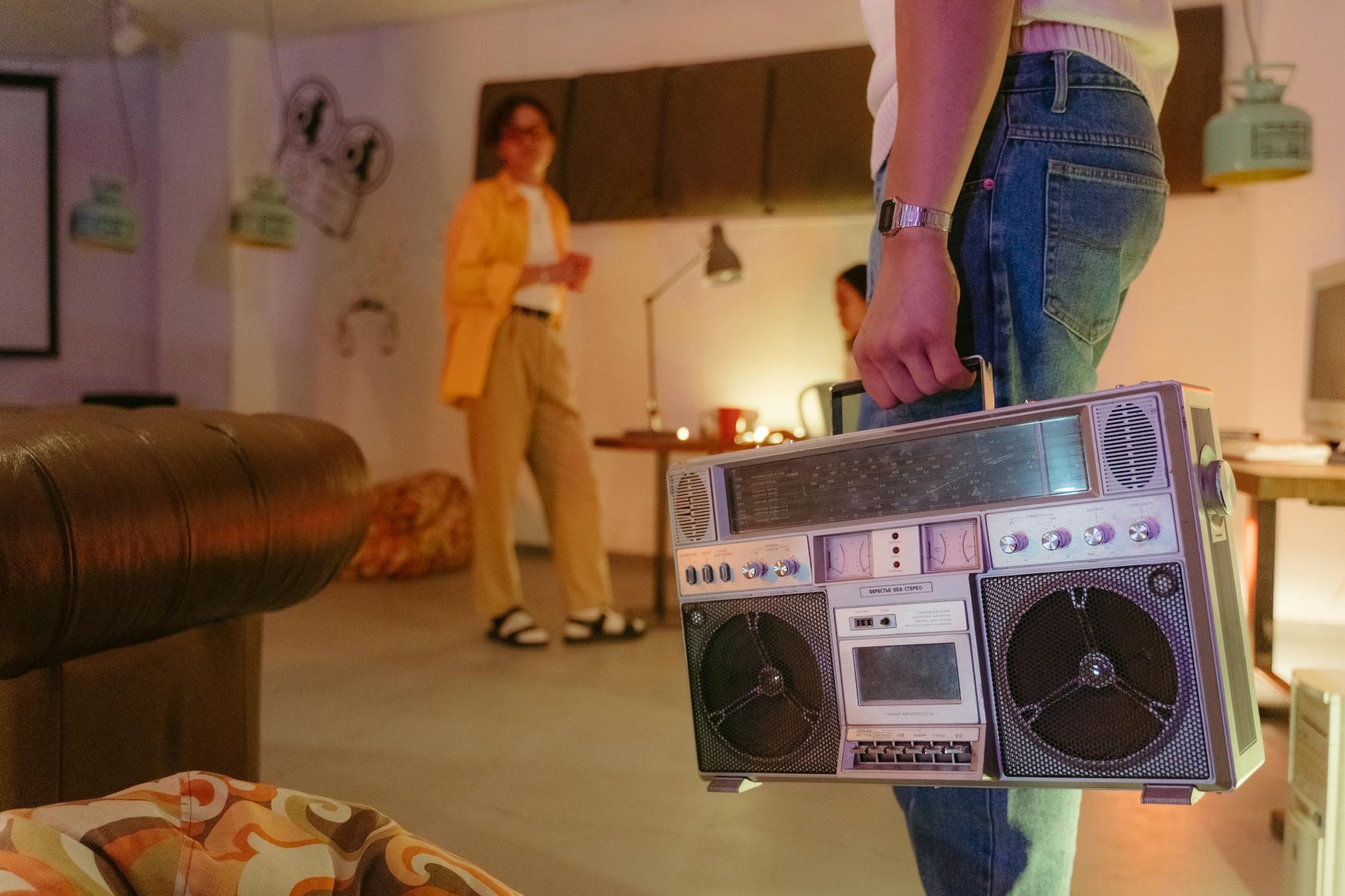
Background music enhances a gathering, but music that is so loud guests must shout to be heard defeats the entire purpose of bringing people together. Conversation is the heart of most social events, and anything that makes it laborious undermines the whole occasion. A host who refuses to turn down the volume despite visible discomfort among guests is prioritizing their own preferences over the collective experience. Good hosting means regularly reading the room and adjusting the environment to serve the people in it.
Oversharing Drama

A party is rarely the appropriate place for a host to process personal grievances, family conflicts, or emotional crises in front of guests. When the host becomes the center of distress rather than warmth, guests feel uncertain about how to behave and responsible for managing emotions that are not their own. The role of a host is to create an environment where others feel comfortable, which requires setting aside personal turmoil for the duration of the event. Guests who came to celebrate leave feeling drained and unsure whether to come back.
Gift Scrutiny

Opening a gift in front of the giver and reacting with visible disappointment, indifference, or comparison to other gifts is a deeply uncomfortable experience for everyone present. Even subtle reactions like a pause before thanking someone or a comment about the brand communicate dissatisfaction in a way that stings. Guests who bring gifts do so as a gesture of goodwill, and that gesture deserves a gracious and genuine acknowledgment regardless of what is inside. A host who makes guests feel that their offering was not enough will find those guests thinking twice before accepting the next invitation.
Which of these hosting habits have you encountered at a party? Share your experiences in the comments.




