Holiday gatherings are meant to be joyful occasions filled with warmth, laughter, and shared meals, but certain behaviors have a way of casting a long shadow over the festivities. While most families navigate the occasional awkward moment with grace, some relatives seem almost determined to make the evening memorable for all the wrong reasons. From passive-aggressive remarks to outright boundary violations, these habits tend to linger in the memory long after the leftovers are gone. If any of these patterns sound familiar, it may explain why certain names keep getting quietly dropped from the guest list each year.
Unsolicited Parenting
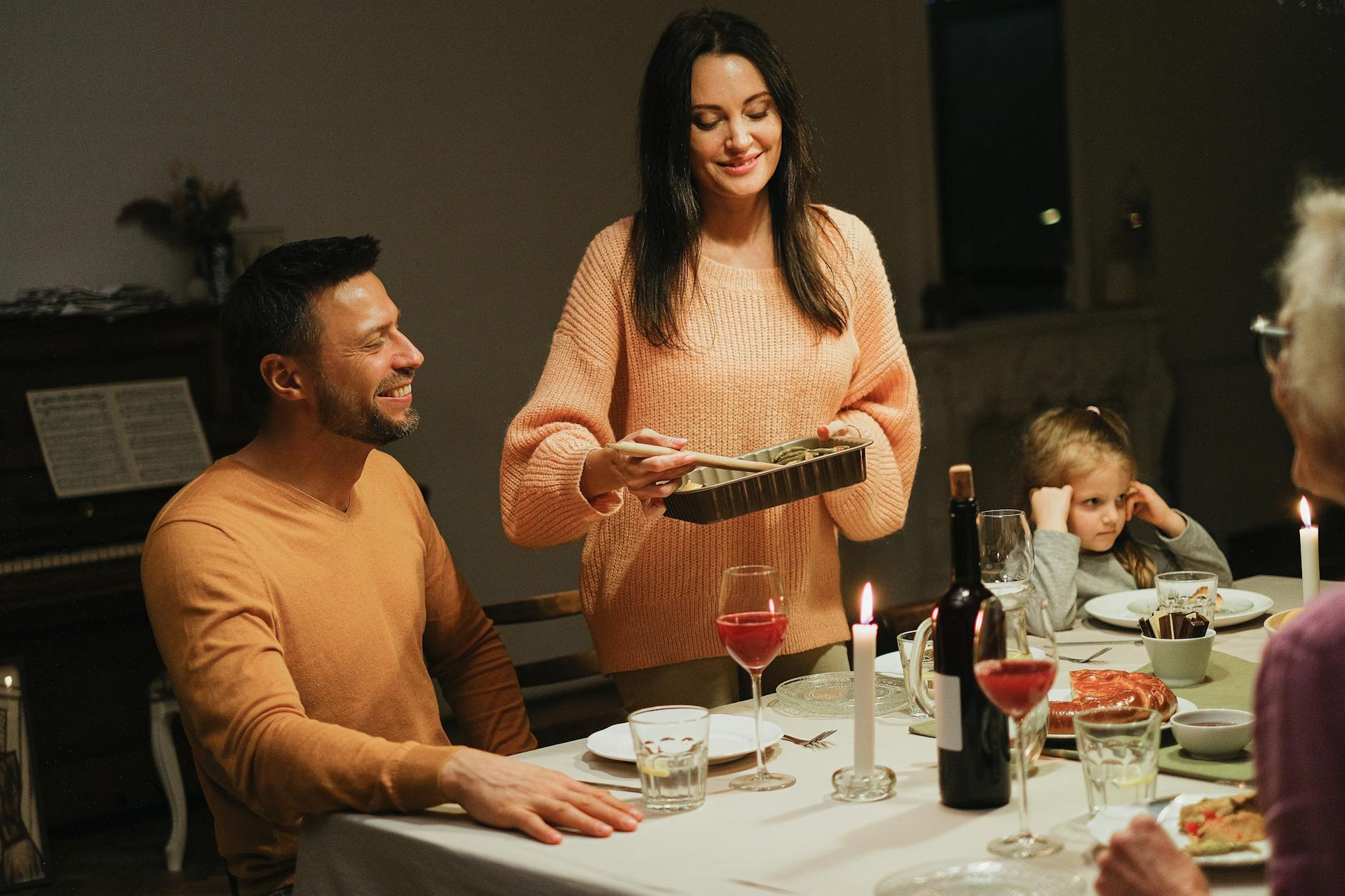
Few things derail a holiday dinner faster than a relative who takes it upon themselves to critique how someone else is raising their children. Comments about screen time, sugar intake, bedtimes, or discipline strategies are delivered with the confidence of a certified expert despite no one asking for input. The parent on the receiving end must then navigate the impossible task of responding politely while their children watch the exchange unfold in real time. This kind of interference signals a fundamental disrespect for boundaries that is difficult to overlook. Hosts tend to remember exactly who turned a peaceful meal into an unsolicited parenting seminar.
Regifting

Arriving at a holiday dinner with a gift that is clearly recycled from someone else’s generosity is a move that rarely goes unnoticed. The telltale signs are all there, whether it is slightly worn packaging, a card with someone else’s name hastily scratched out, or an item that has clearly been sitting in a closet for several seasons. While the intention behind gift-giving matters more than the gift itself, the lack of effort communicates something unmistakable to the host. It suggests that the gathering was not worth even a small amount of advance thought or preparation. This particular habit tends to be remembered with a knowing look exchanged between other family members long after the evening ends.
Dietary Announcements
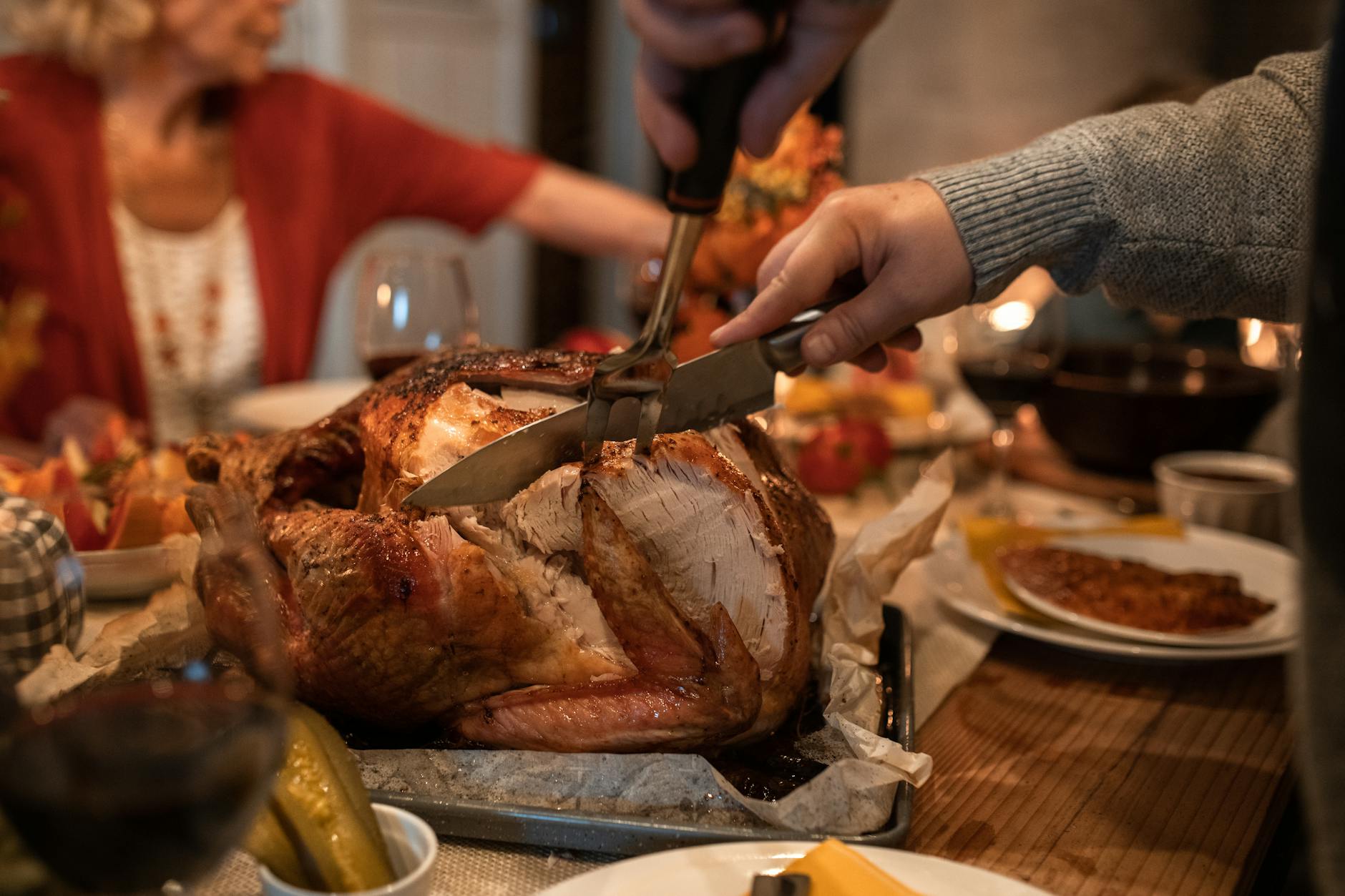
There is a meaningful difference between quietly informing a host of a genuine allergy and making one’s entire dietary philosophy the centerpiece of the meal. Some relatives arrive at the table prepared to deliver a running commentary on every dish, explaining at length why they no longer eat gluten, nightshades, animal products, or anything processed. The host who spent days preparing the spread is left feeling as though their efforts were an afterthought rather than an act of love. Other guests find their own enjoyment interrupted by a lengthy discussion of inflammation markers and elimination protocols. A simple advance conversation with the host would have resolved everything without turning the turkey into a TED Talk.
Score Settling

Holiday dinners have a way of surfacing old grievances that were never properly resolved, and certain relatives see the assembled family as the perfect audience for airing them. A comment that sounds casual on the surface carries the full weight of an argument from three Thanksgivings ago, and everyone at the table quietly recognizes the subtext. The targeted family member must then choose between responding and escalating or staying silent and appearing to concede. Either option ruins the atmosphere and leaves other guests wishing they had chosen a different seat. Settling scores at the dinner table ensures that the evening becomes defined by conflict rather than connection.
Phone Fixation
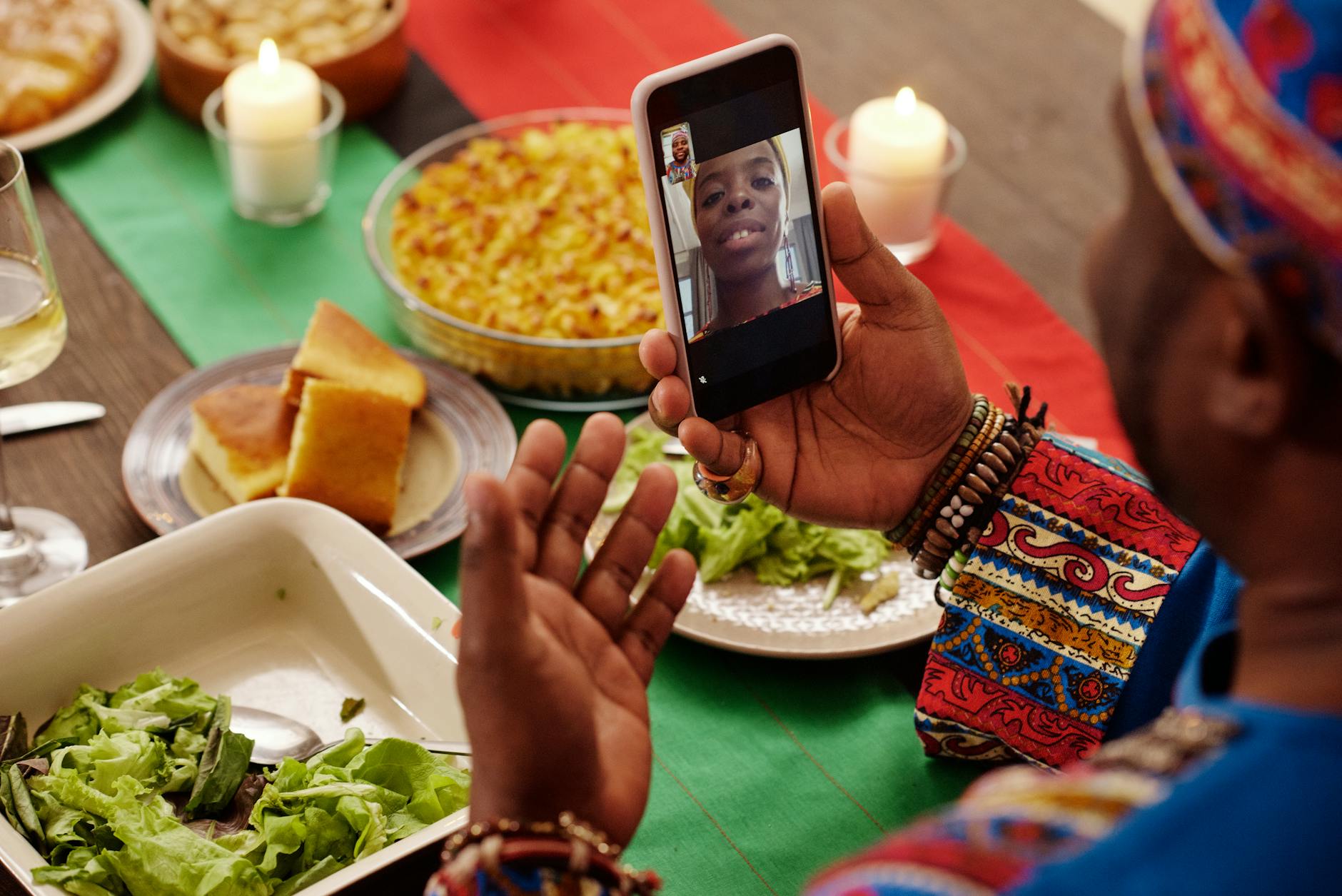
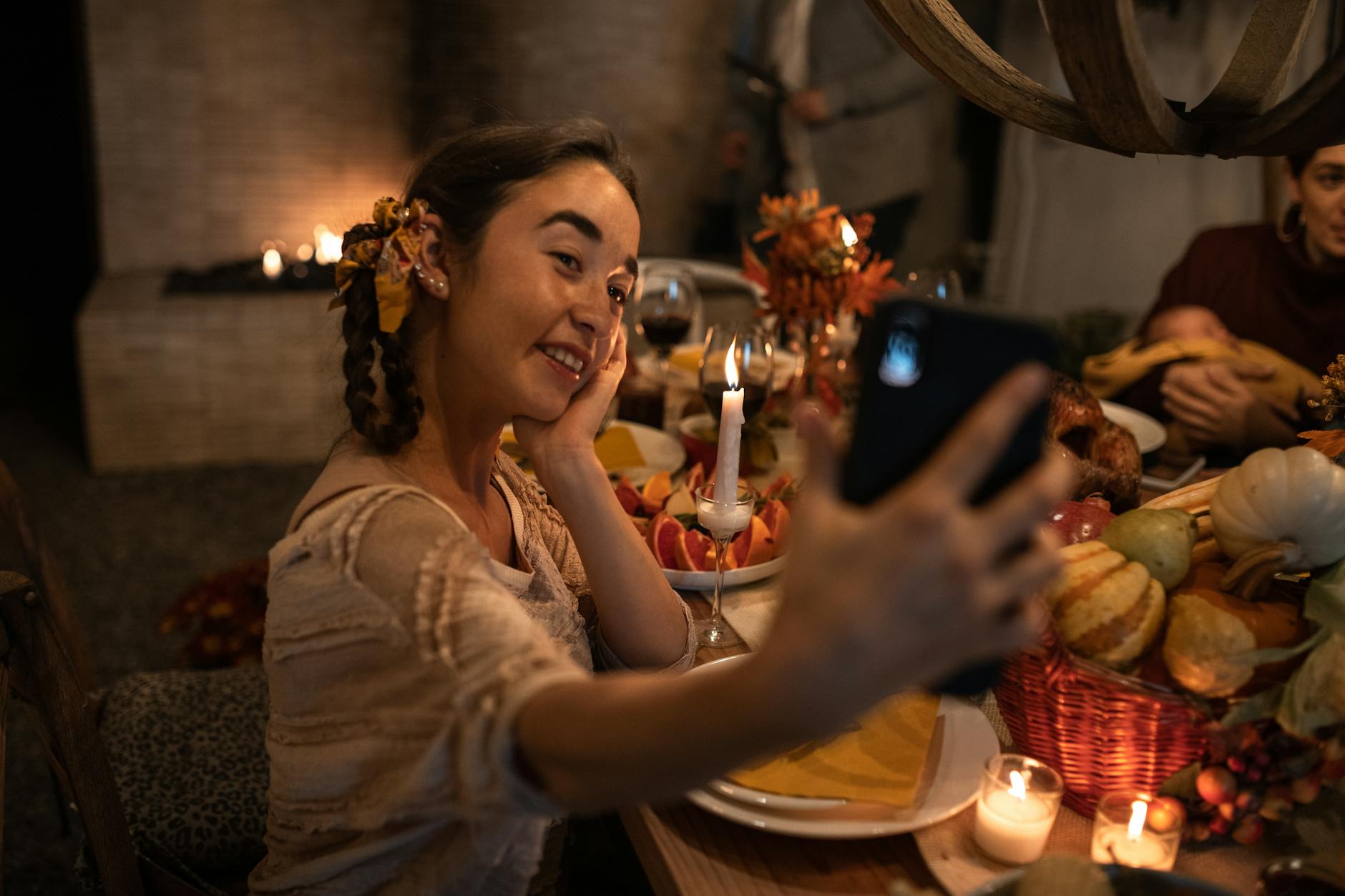
A relative who spends the majority of a holiday dinner scrolling through their phone sends a clear message about their level of engagement with the people around them. Whether they are posting to social media, texting someone elsewhere, or simply refreshing a feed out of habit, the effect on the gathering is the same. Conversations stall, hosts feel unappreciated, and other guests begin to wonder why the effort of showing up was made at all. When the phone appears during toasts, prayers, or the serving of a dish someone spent hours preparing, the discourtesy becomes impossible to ignore. It is the kind of behavior that gets discussed on the drive home and factored into next year’s invitation list.
One-Upping
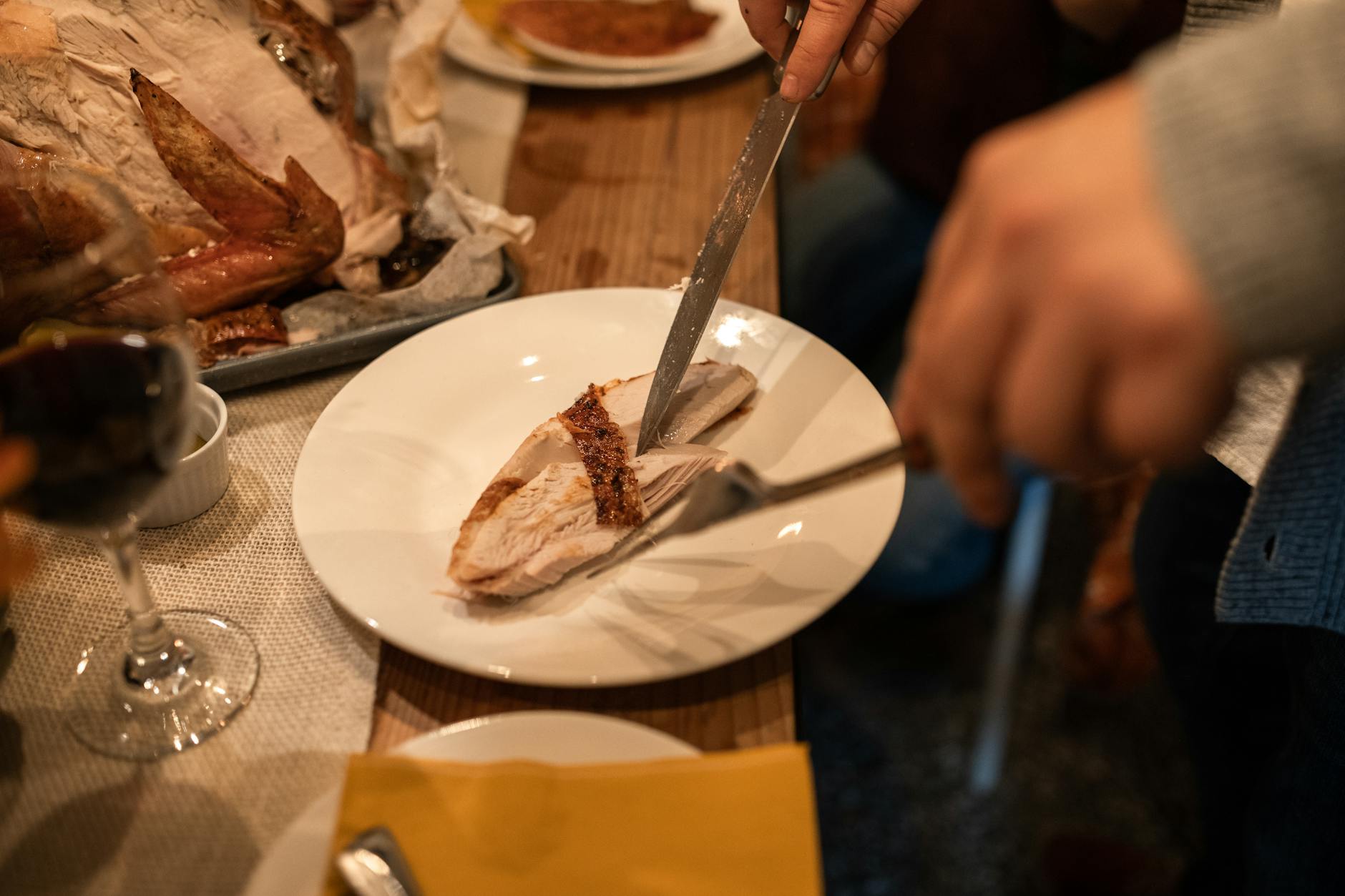
Every family seems to have at least one relative who responds to any piece of good news with an even bigger piece of their own. A promotion is met with a promotion plus a bonus, a new home is immediately outshone by a larger one, and a child’s achievement is swiftly eclipsed by the even more impressive feats of their own offspring. The intent may not always be malicious, but the effect is to make others feel that their joy is only welcome as a stepping stone to someone else’s spotlight. Genuine celebration of another person’s success becomes impossible when the conversation is perpetually redirected. Guests tend to stop sharing good news altogether when they know it will be immediately overshadowed.
Cooking Criticism
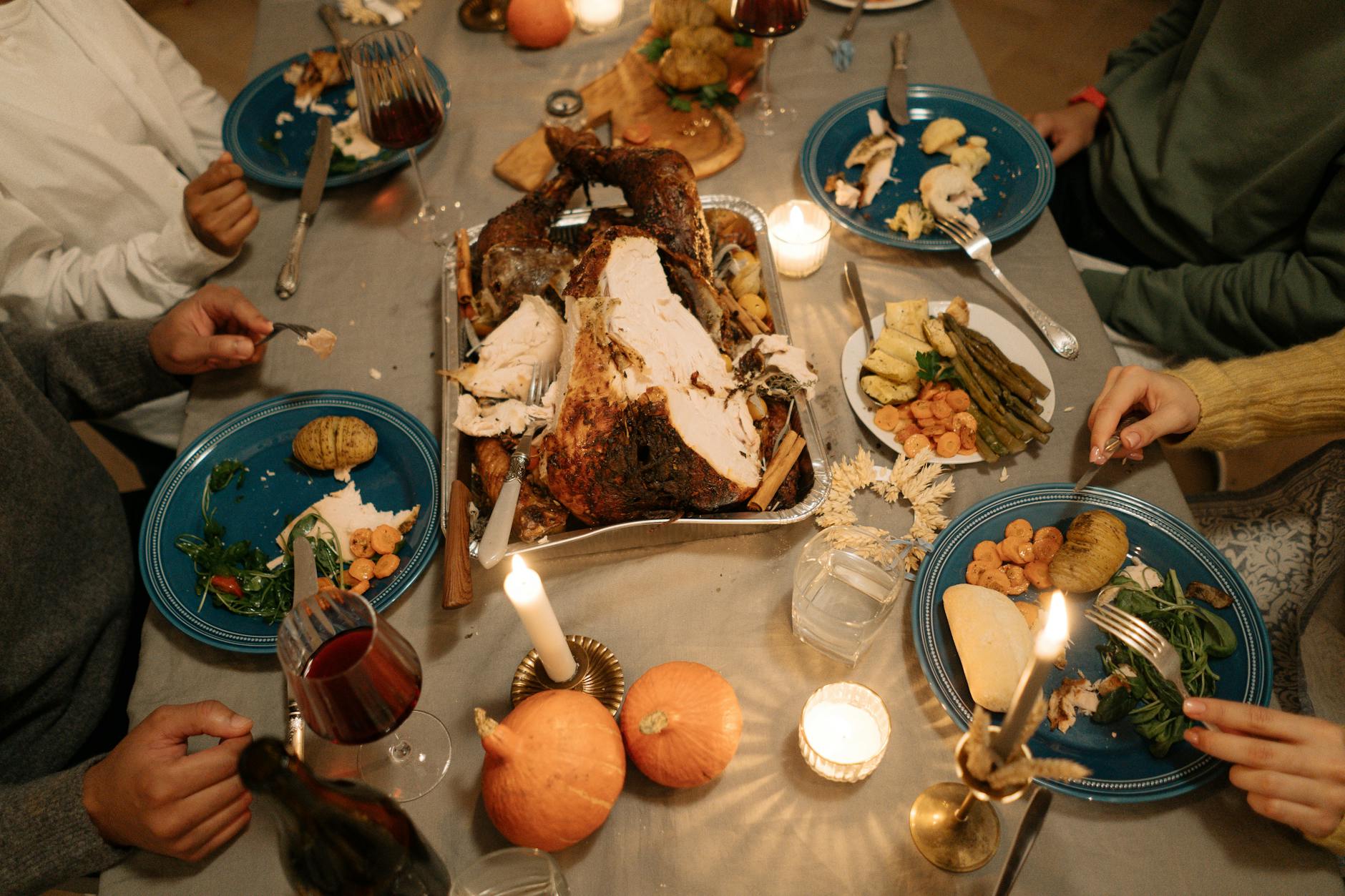
Offering unprompted criticism of the meal to the person who cooked it is one of the more direct ways to ensure a strained atmosphere at the table. Remarks about how a dish was prepared differently in another household, how the turkey is slightly dry, or how the mashed potatoes lack a particular ingredient are rarely received as helpful feedback. The host has typically invested significant time, energy, and emotional effort into making the meal special, and a dismissive comment undoes that in an instant. Even framing the criticism as a helpful suggestion does little to soften the impact when it is delivered in front of a full table. Guests who critique the cooking tend to find that future invitations mysteriously fail to arrive.
Controversial Toasting
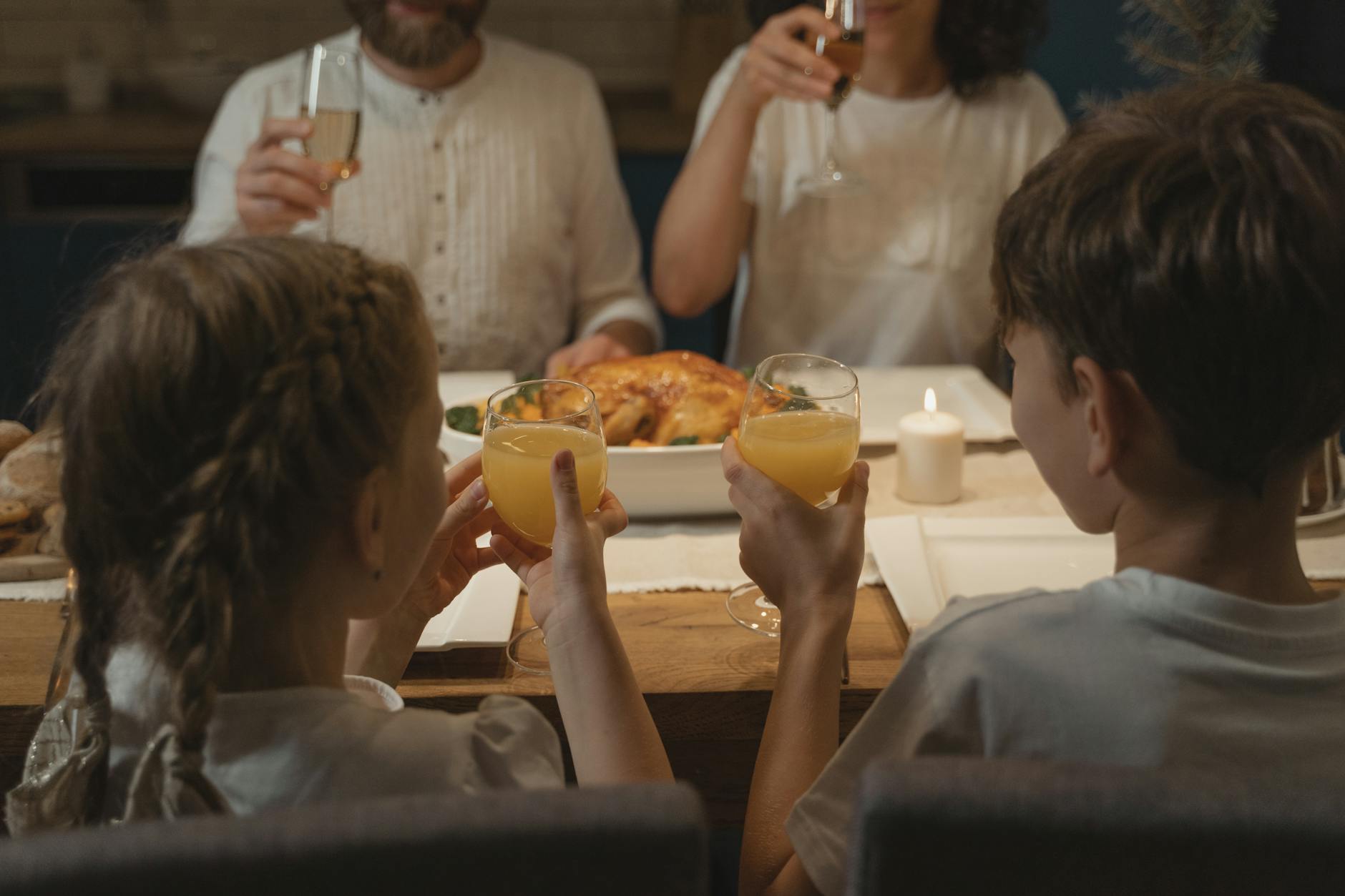
A holiday toast is meant to be a brief, warm moment that brings people together before the meal begins, but some relatives use the occasion as a platform for something far less unifying. Political opinions, family grievances, pointed jokes aimed at specific individuals, or long-winded personal manifestos have all been known to masquerade as toasts. The room goes quiet in the particular way that signals collective discomfort rather than respectful attention. Hosts are left in the impossible position of either interrupting or allowing the moment to continue derailing the evening. A toast that makes half the table exchange nervous glances is rarely forgotten by anyone who witnessed it.
Pet Bias

Bringing an unannounced pet to a family dinner is a bold move that rarely lands the way the owner expects. Not every household is prepared for an animal in the space, and not every guest is comfortable around them, a fact that pet-obsessed relatives sometimes find genuinely difficult to comprehend. Allergies, phobias, small children, and the simple matter of food safety in a kitchen are all legitimate concerns that get overridden by the assumption that everyone must feel the same adoration for the animal. When the pet then begs at the table, jumps on guests, or creates a disruption, the host is left managing a situation they never agreed to host. The relative who arrives with an uninvited animal rarely registers why this might be considered an imposition.
Leaving Early
Arriving at a holiday dinner, eating the meal, and departing before the table has even been cleared communicates a particular kind of indifference to the gathering as a whole. While genuine emergencies and prior commitments deserve understanding, a pattern of treating family dinners as a logistical obligation to be completed efficiently rather than an occasion to be enjoyed tends to wear on hosts over time. The effort that goes into preparing a holiday meal is rarely matched by a fifteen-minute appearance at the table. Other guests notice the early departure and the host is left wondering whether the evening held any value for the person who rushed out. Over time, the host begins to question whether extending the invitation is worth the effort at all.
Gift Ranking

Some relatives cannot resist transforming the gift exchange into an informal competition, openly comparing what each person received and offering commentary on which gifts were the most thoughtful or expensive. The person who received the modest gift is made to feel the difference acutely, while the one who gave generously may feel their gesture is being commodified rather than appreciated. Children in particular absorb these comparisons quickly and begin drawing conclusions about their own worth relative to others. What was meant to be a moment of warmth becomes a transaction evaluated in front of the entire family. This behavior strips the exchange of its meaning and leaves a residue of awkwardness that lingers through dessert.
Oversharing
A holiday dinner is not the ideal setting for detailed medical updates, graphic descriptions of personal crises, or intimate relationship disclosures that put every other guest in an uncomfortable position. Some relatives seem to operate without an internal filter that distinguishes between a private conversation and a public table, and the results can be genuinely difficult to navigate. Other guests are left uncertain whether to respond with sympathy, humor, or a strategic pivot to a safer topic. Hosts find themselves managing the emotional temperature of a room that was meant to feel festive rather than therapeutic. The relative who routinely treats the dinner table as a confessional tends to become someone others quietly prepare themselves for before the evening begins.
Monopolizing Conversation

A dinner guest who steers every conversation back to themselves and holds the floor for extended periods leaves little room for the kind of easy, reciprocal exchange that makes a gathering enjoyable. Stories that have been heard before are retold with the same enthusiasm, questions asked of others are answered before those others have a chance to speak, and tangents multiply until the original topic is entirely forgotten. Other guests begin to disengage, finding it easier to focus on their plates than to attempt entry into a conversation with no open doors. The host works overtime trying to draw others in while managing the dominant presence at the end of the table. It is the kind of dynamic that makes an evening feel much longer than it actually is.
Do any of these sound like someone at your last holiday table? Share your stories and thoughts in the comments.