
Checked baggage screening has become one of the most sophisticated and comprehensive inspection systems in everyday civilian life. Modern baggage scanning technology can identify objects with remarkable precision and security agents are trained to recognize thousands of item types across every category of personal belonging. What most travelers fail to appreciate is that the agents reviewing these scans do this work hundreds of times each day and develop a near-encyclopedic familiarity with what people pack. The combination of advanced imaging technology and highly experienced human review means that very little inside a checked bag goes unnoticed by the people whose job it is to look.
Forgotten Firearm

Loaded or unloaded firearms left in checked luggage by travelers who forgot they were there represent one of the most consistently documented finds at airport security facilities worldwide. The Transportation Security Administration in the United States alone reports discovering thousands of firearms in checked bags annually with the overwhelming majority of owners claiming they simply forgot the weapon was packed. Hunting travelers, sport shooters, and residents of states with high firearm ownership rates account for a disproportionate share of these incidents. The legal consequences of an undeclared firearm in checked baggage are significant regardless of intent and the embarrassment of explaining a forgotten weapon to airport law enforcement is considerable.
Adult Novelty Items

Personal pleasure devices are among the most commonly encountered items in checked baggage and represent a consistent source of quiet amusement among screening agents who see them with remarkable regularity across all demographics of traveler. The items appear on scanning imagery with unmistakable clarity and their battery-powered motors occasionally activate during the vibration of baggage handling creating an audible addition to the visual discovery. Travelers who pack these items without disabling batteries or removing power sources create the specific scenario of a buzzing suitcase on the screening belt that draws immediate and widespread attention. Security agents are professionally trained to handle these discoveries without comment but the shared awareness among the screening team that something notable has appeared on the monitor is an unavoidable social reality.
Uncooked Meat
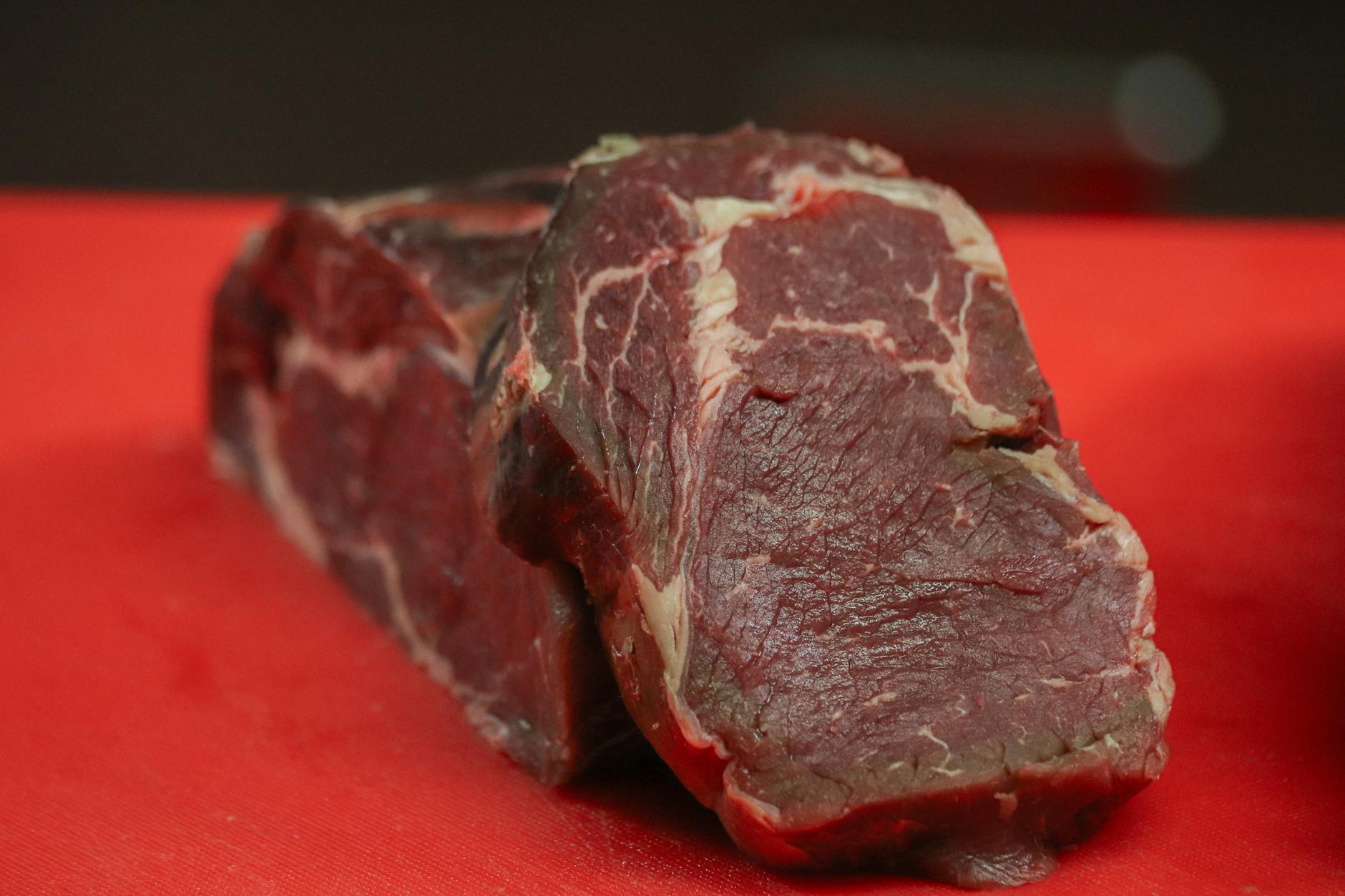
Raw or partially processed meat products packed in checked luggage for transport between regions appear on scanning equipment with distinctive density signatures that immediately flag the bag for additional inspection. Travelers attempting to bring undeclared meat products across international borders or between biosecurity zones represent a genuine agricultural risk that agencies take seriously regardless of the innocent intentions typically offered in explanation. The discovery process involves opening the bag in circumstances that are rarely odor-neutral particularly when the meat has been in transit for several hours in a warm cargo hold. Agricultural import violations carry meaningful financial penalties in most jurisdictions and the combination of fines, confiscation, and the social exposure of the inspection process makes this one of the more comprehensively unpleasant airport discoveries for the traveler involved.
Excessive Cash

Large quantities of physical currency packed in checked baggage trigger both automated scanning alerts and immediate secondary inspection by agents trained to identify financial instrument smuggling and undeclared asset transport. Most countries require declaration of cash amounts above a specific threshold when crossing international borders and the checked bag is frequently where travelers attempt to move undeclared funds in the mistaken belief that it will receive less scrutiny than carry-on luggage. The currency appears with high clarity on baggage scanning imagery and its volume and denomination can be estimated with reasonable accuracy before the bag is even opened. Travelers with legitimate reasons for carrying large cash amounts are strongly advised to declare it proactively because the alternative discovery scenario involves financial investigation procedures that are significantly more time-consuming and socially uncomfortable.
Embarrassing Literature

Books, magazines, and printed materials representing niche interests, unconventional lifestyle choices, or simply content the traveler would prefer to keep private appear on scanning imagery as dense rectangular objects that frequently prompt physical inspection when stacked in quantities that create ambiguous density readings. The physical inspection process opens the bag to full view of the screening team and the reading material contained within becomes contextually visible to everyone present during the examination. Travelers who pack printed material they consider private without any additional concealment create a discovery scenario entirely of their own making given that books are among the most visually obvious items in any bag scan. The security agent’s professional obligation to remain neutral does not extend to the surrounding team members who may be present during a bag opening.
Taxidermied Animals
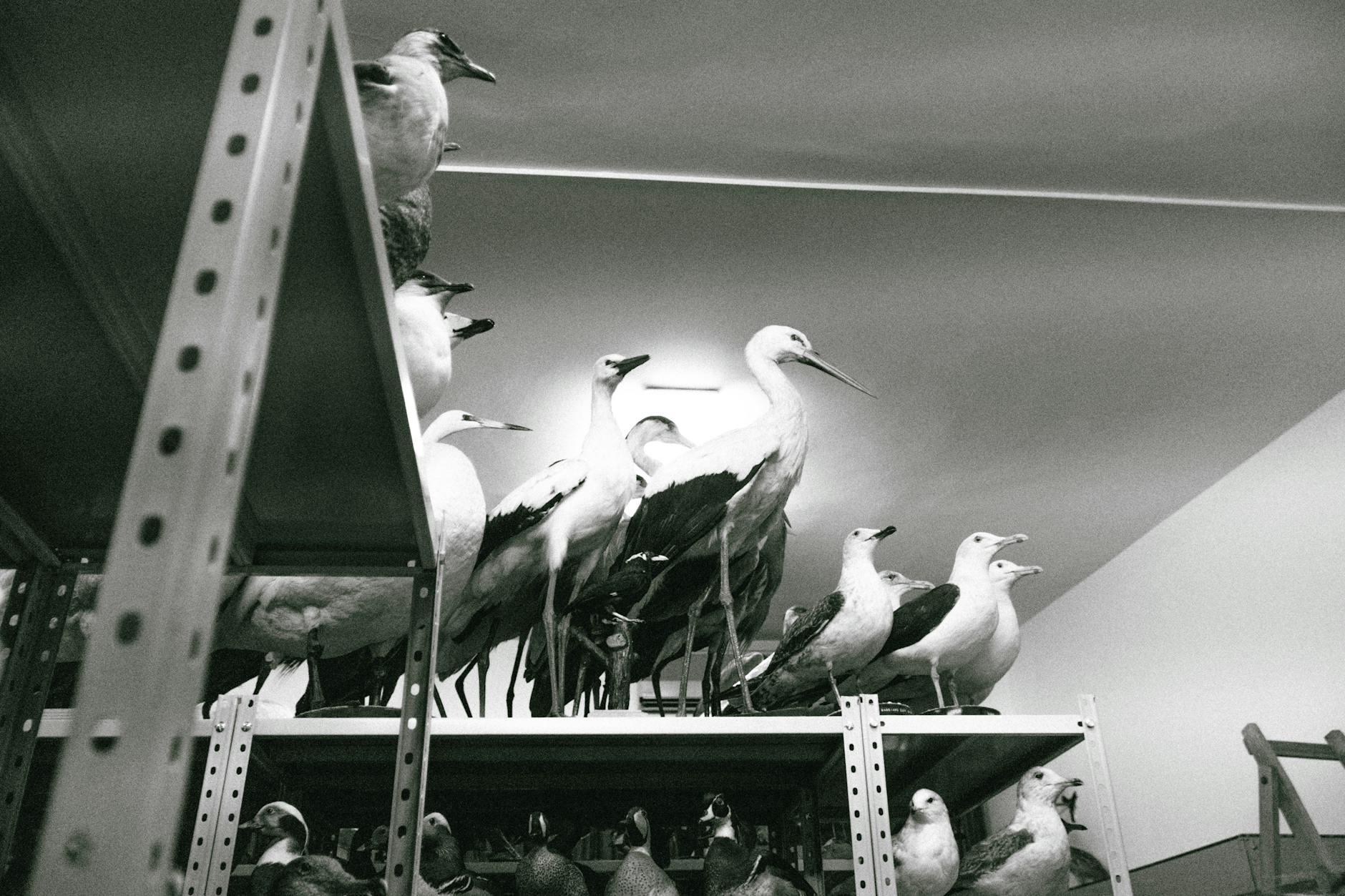
Taxidermy specimens packed in checked baggage for transport appear on scanning equipment with imagery that is frequently alarming before the nature of the item is established and almost always results in a physical bag inspection. The skeletal structures visible through scanning create immediate concern before the preserved exterior of the specimen provides context and agents must physically verify the nature and legal status of the item before it can proceed. International travel with taxidermy is subject to complex wildlife protection regulations particularly for specimens that include materials covered by international trade agreements. Travelers who arrive at the inspection point unable to produce the documentation required for their particular specimen face both confiscation and the specific social experience of explaining their taxidermy hobby to a growing audience of airport personnel.
Undeclared Food

Home-cooked meals, ethnic specialty foods, fresh produce, and artisanal food products packed without declaration for transport across international borders are discovered in checked baggage with high frequency particularly on routes between countries with strict agricultural biosecurity requirements. The scanning imagery for food items varies widely depending on density and container material but liquids, fermented products, and items in sealed containers frequently prompt physical inspection due to their ambiguous imaging profiles. The opening of a bag containing home-cooked food in an airport inspection context creates an olfactory dimension to the discovery that is not present with most other item categories. Agricultural authorities at major international airports have seen essentially every category of undeclared food product and the agents conducting these inspections bring a well-developed familiarity with traveler explanations to each encounter.
Cremated Remains

Urns or containers holding the cremated remains of deceased family members or pets appear on baggage scanning equipment as dense powder-filled containers that are immediately flagged for secondary inspection due to the ambiguous nature of fine powder substances in airport security protocols. Transportation Security Administration guidelines specify that cremated remains should not be opened during inspection creating a procedural complexity that results in extended secondary screening and involvement of supervisory staff. Travelers who pack cremated remains in checked baggage without prior notification to the airline or relevant authority create a discovery scenario that is emotionally charged for the traveler and procedurally demanding for the security team. Most aviation security agencies recommend carrying cremated remains in carry-on baggage accompanied by documentation rather than placing them in checked luggage precisely because the checked bag discovery process is more disruptive for all parties involved.
Illegal Plant Material
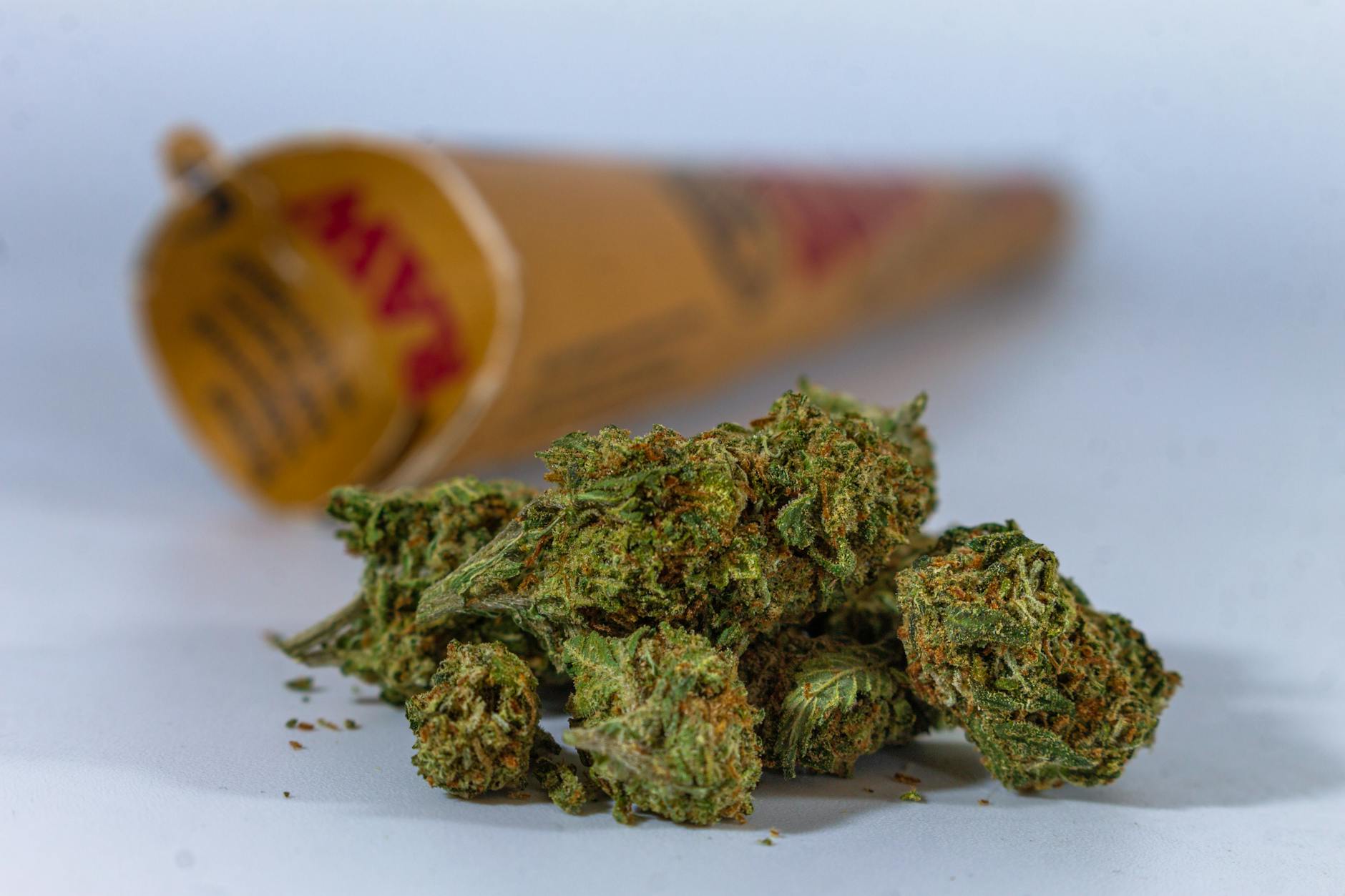
Cannabis products, controlled herbal substances, and other plant materials that are legal in the traveler’s origin jurisdiction but prohibited at the destination or under federal aviation law are discovered in checked baggage regularly enough that screening agents have developed highly specific visual and procedural familiarity with the packaging formats typically used for their transport. The legal complexity of cannabis in particular creates a situation where travelers operating in a regulated legal market at home make transportation decisions based on local legality without accounting for the federal or destination jurisdiction dimensions of air travel. The discovery of cannabis in checked baggage at federally regulated airport facilities creates a legal exposure that local legality does not mitigate and the discovery scenario involves law enforcement engagement rather than simple confiscation. Travelers who assume that legal local status translates to safe air transport of cannabis products are consistently and expensively corrected by this particular airport discovery process.
Counterfeit Goods
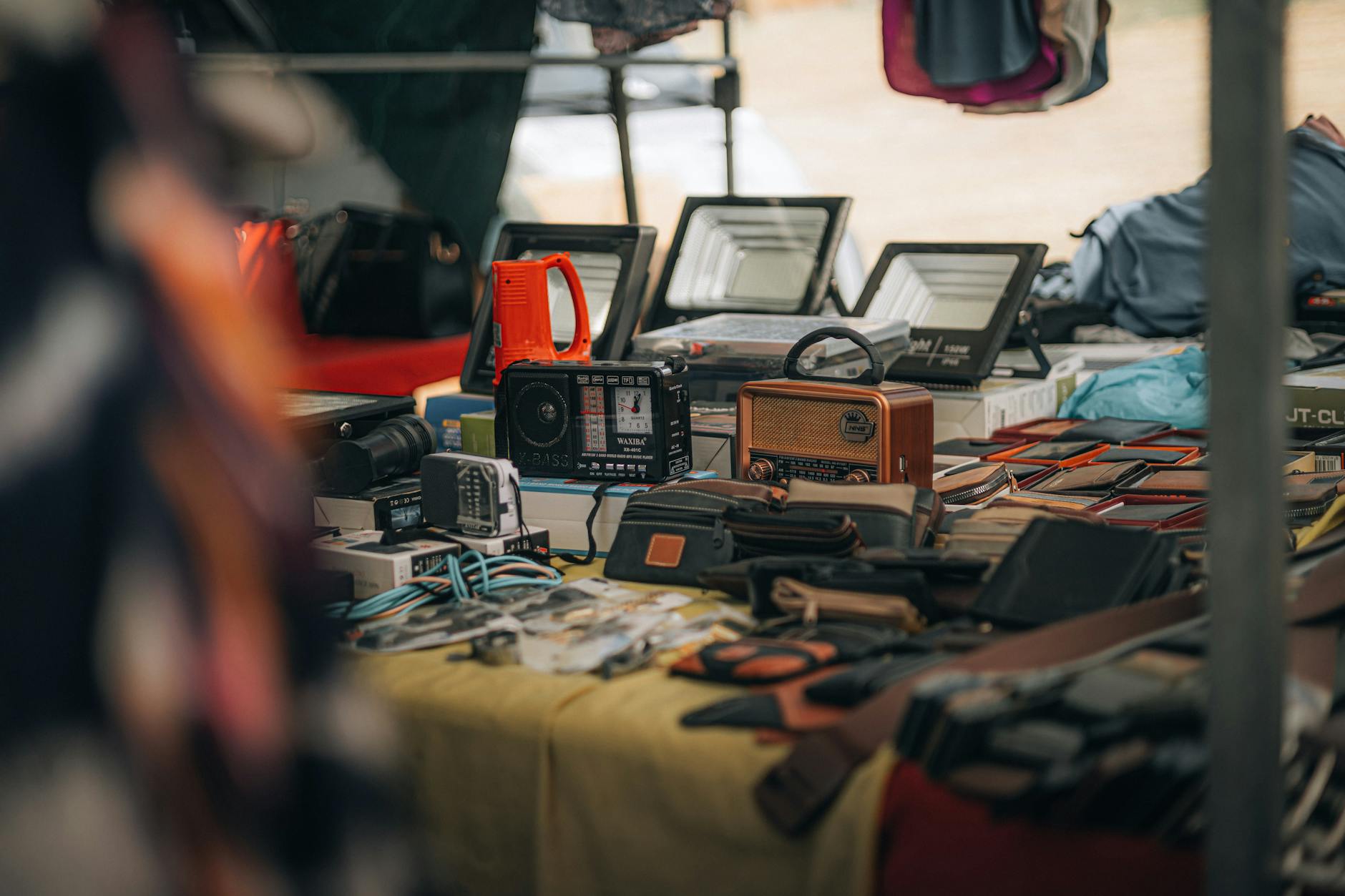
Fake designer handbags, counterfeit watches, bootleg electronics, and imitation luxury goods packed in checked baggage for personal use or resale are identified during physical inspections triggered by other scanning alerts with enough frequency that customs agencies dedicate specific training to their recognition. Customs officers who develop expertise in luxury goods authentication work alongside security agents at major international airports and their involvement transforms what might have been a minor agricultural or prohibited item inspection into a full customs investigation. Travelers who purchase counterfeit goods in markets abroad and pack them openly in checked luggage frequently appear surprised that their purchases attract legal scrutiny regardless of personal use intentions. Intellectual property enforcement provisions in most developed countries provide for confiscation of counterfeit goods and in commercial quantity cases pursue criminal rather than civil proceedings.
Exotic Animals

Live animals including reptiles, birds, insects, and small mammals concealed within checked baggage for illegal wildlife trafficking are discovered with sufficient regularity that major aviation hubs have developed specialist wildlife detection protocols involving both technology and trained detection animals. The ethical dimension of this particular discovery category separates it meaningfully from most other embarrassing bag contents because the concealment of live animals in checked baggage typically involves animal welfare violations in addition to wildlife trafficking law infractions. Animals discovered in this context are transferred to wildlife authorities rather than returned to the traveler and the legal consequences extend well beyond the airport interaction. The discovery of a live animal in checked baggage represents one of the most serious outcomes of the screening process for the traveler involved and the regulatory response is correspondingly severe.
Personal Medical Devices

Unconventional medical devices, alternative therapy equipment, or personal health monitoring tools that travelers pack without documentation create scanning imagery that prompts immediate physical inspection due to their unusual density profiles and electronic components. The inspection process requires the traveler to explain both the function and the medical legitimacy of the device to agents who are trained in security rather than medicine creating a communication challenge that can extend the inspection considerably. Devices that include needles, electrical components, or unusual materials create compounded inspection triggers that involve multiple review protocols before clearance is granted. Travelers with genuine medical devices are strongly advised to carry documentation from a healthcare provider that describes the device’s function and necessity in terms that non-medical security personnel can process efficiently.
Durian Fruit

The durian, a Southeast Asian fruit notorious for its extraordinarily powerful odor, is subject to explicit transport bans by numerous airlines and airport authorities and its presence in checked baggage is identifiable by screening agents long before any visual confirmation is required. The fruit’s density and spiny exterior create a distinctive scanning profile but the olfactory evidence frequently precedes and supplements the visual finding in a manner that no other item category can claim. Passengers who pack durian in checked baggage in jurisdictions where it is permitted typically underestimate how thoroughly the smell permeates surrounding luggage in the cargo hold and the subsequent discovery and bag opening at the destination creates an aromatic event affecting an area well beyond the immediate inspection station. Airlines that explicitly ban durian transport do so based on accumulated experience with the consequences of its presence in enclosed baggage spaces rather than any generalized fruit policy.
Homemade Electronics

Custom-built electronic devices, amateur radio equipment, modified consumer electronics, and prototype technology packed in checked baggage create scanning profiles that trigger the highest level of security scrutiny due to their visual similarity to improvised electronic devices used in security threats. The inspection of homemade electronics involves specialist technical personnel beyond the standard screening team and the process of clearing a device with unusual wiring, custom enclosures, or non-standard components can take substantially longer than any other item category. Travelers who build their own electronics for legitimate hobby or professional purposes and travel with them without prior documentation create a security encounter that is stressful for all parties involved and occasionally results in device confiscation pending further technical assessment. Amateur electronics enthusiasts traveling with their projects are strongly advised to carry detailed documentation of component lists, circuit function, and the device’s purpose prepared in advance for exactly this scenario.
Contraband Alcohol

Spirits purchased in quantities exceeding duty-free allowances or alcoholic beverages prohibited at the destination are discovered in checked baggage with high frequency on routes between countries with significant alcohol price differentials or destination prohibition laws. The liquid density of bottled alcohol creates a specific scanning signature and bottles packed among clothing are clearly identifiable in their outline and arrangement even before any physical inspection occurs. Travelers to destinations with alcohol prohibition laws who pack spirits in checked baggage create a discovery scenario that can involve law enforcement from the destination country rather than simply the origin airport security team. The combination of duty penalties, confiscation, and in strict jurisdictions criminal exposure makes undeclared alcohol in checked baggage one of the more consequentially embarrassing items on this list.
Souvenir Weapons

Decorative swords, traditional daggers, replica firearms, ceremonial knives, and martial arts weapons purchased as cultural souvenirs appear in checked baggage with high frequency and while many are technically permissible in checked luggage they consistently trigger physical inspections that require the traveler to explain the cultural context of their purchase to agents who encounter these items regularly enough to have formed their own interpretive frameworks. The visual impact of unwrapping a ceremonial sword in the middle of a baggage inspection area surrounded by airport personnel is a social experience that most travelers did not anticipate when making their souvenir purchase. Weapons subject to size or classification restrictions at the destination may be permissible under origin country rules while being confiscatable upon arrival creating a discovery at the wrong end of the journey. Travelers who purchase edged or bladed souvenirs are advised to research destination country regulations before the return journey rather than after the inspection.
Personal Diaries

Private journals, handwritten diaries, and personal notebooks packed in checked baggage become accessible to inspection agents during physical bag searches and while agents are not tasked with reading personal writing the content that is visible during a necessary physical handling of the item is not always easily unseen. The inspection of a bag containing a personal diary typically involves the diary being handled and moved to access items beneath it and the nature of handwritten personal documents means that content can be visible without any deliberate attempt to read it. Travelers who maintain detailed personal journals and pack them in checked baggage without any protective covering or concealment are making a privacy choice that the checked baggage inspection process may not respect in the way they would prefer. The specific embarrassment profile of this item is distinct from most others on this list because it is about intimate personal content rather than contraband or prohibited items.
Unusual Costumes

Full theatrical costumes, fetish wear, elaborate cosplay outfits, and unconventional clothing items packed for events or performances create scanning profiles and physical inspection experiences that attract the attention of the entire screening team in the immediate vicinity. The visual context provided by a bag full of elaborate costume components is not always self-explanatory and the questions that arise during inspection can require detailed explanation of the event, performance, or community context that the items relate to. Costumes that incorporate prop weapons, electronic lighting components, or unusual structural materials trigger multiple simultaneous inspection protocols that extend the process and increase the number of personnel involved. Travelers attending conventions, theatrical engagements, or community events who pack their full costume wardrobes in checked luggage without documentation of the event they are attending create the most comprehensive version of this particular discovery scenario.
Spy Equipment
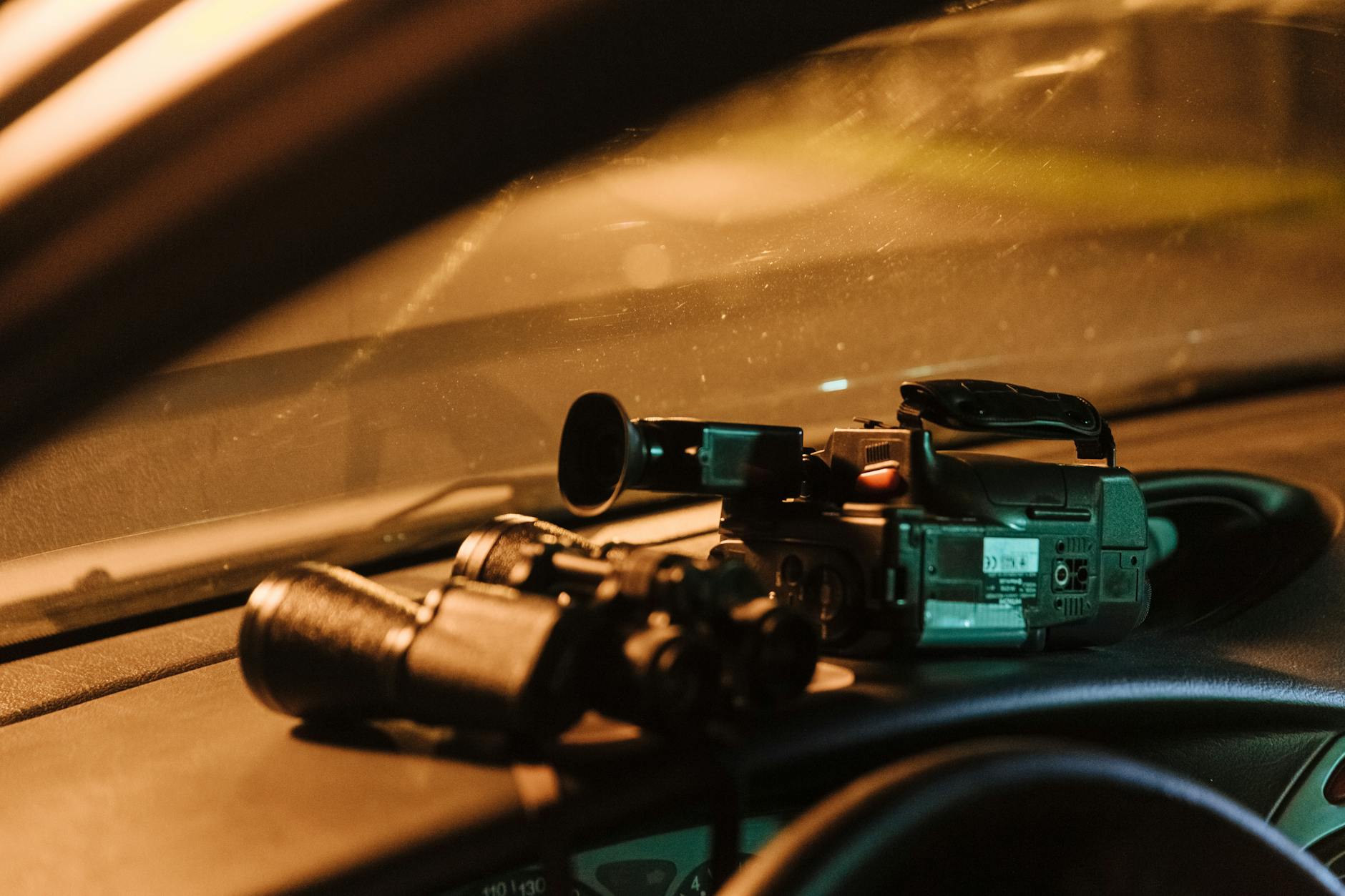
Hidden cameras disguised as everyday objects, signal detection devices, audio recording equipment, and surveillance technology create scanning imagery that is immediately flagged for specialist review due to the combination of optical components and concealment design that defines the category. The legal status of surveillance equipment varies enormously between jurisdictions and items that are freely available for purchase in the origin country may be classified as prohibited surveillance tools at the destination. The inspection conversation around concealed camera equipment involves questions about purpose and intended use that travelers are not always well-prepared to answer in a way that resolves the security concern efficiently. Countries with strict privacy and anti-surveillance laws impose significant penalties on travelers discovered importing hidden recording devices regardless of the stated personal or professional justification offered.
Fermented Products

Homemade fermented foods including kimchi, certain cheeses, fermented fish products, and home-brewed beverages create scanning anomalies due to their container irregularities and gas-producing properties while simultaneously contributing an olfactory dimension to any physical inspection that affects the surrounding inspection environment. The gas production associated with active fermentation can cause pressurized containers to deform during air travel creating both a visual anomaly on scanning and a structural instability that agents are trained to treat with caution during physical handling. Agricultural biosecurity regulations in many countries restrict or prohibit the import of fermented products made from animal sources and the discovery of undeclared fermented animal products triggers agricultural enforcement protocols rather than simple security clearance. Travelers who pack homemade fermented items as gifts or personal provisions without researching destination import regulations create a discovery scenario that combines multiple simultaneous enforcement concerns.
Bulk Medication

Large quantities of prescription or over-the-counter medication packed in checked baggage without accompanying prescriptions or medical documentation create scanning profiles and physical inspection experiences that require travelers to establish both the medical legitimacy and the legal permissibility of the quantities involved. Countries with strict drug import regulations set specific limits on medication quantities and amounts exceeding personal use thresholds require import permits that most travelers are unaware exist. Medications that are legally prescribed in the origin country may be classified as controlled substances at the destination creating a legal exposure that the traveler’s domestic prescription does not resolve. Travelers managing complex medical conditions who travel with multiple medications in volume are strongly advised to carry translated prescription documentation and to research destination country controlled substance classifications before travel rather than during an airport inspection.
Livestock Products

Wool fleeces, raw hides, unprocessed feathers, dried insects, and other agricultural livestock products packed as craft materials, cultural items, or commercial samples appear in checked baggage with enough frequency at biosecurity-strict destinations that specialist detection dogs are deployed specifically to identify organic agricultural materials in baggage streams. The agricultural risk profile of unprocessed livestock products relates to their potential to carry pathogens, parasites, and biological material that could affect destination country agricultural industries if introduced without proper biosecurity treatment. Travelers who purchase these materials in origin countries as craft supplies or cultural souvenirs frequently have no awareness that biosecurity import restrictions apply to them in the same way they apply to food products. The discovery process at biosecurity-strict destinations including Australia, New Zealand, and parts of the United States involves confiscation, decontamination fees, and in repeat or commercial quantity cases significant financial penalties.
Outdated Prescriptions

Medication bottles with expired prescription labels or labels belonging to someone other than the traveler create a specific inspection concern that combines pharmaceutical regulation with identity verification in a way that straightforward current prescriptions do not. Travelers who pack a family member’s medication for transport, carry old prescription bottles repurposed for storage, or travel with repackaged medication stripped of its original labeling create an explanation burden during inspection that can extend significantly beyond the original scanning flag. Controlled substances discovered in containers not matching the traveler’s identity trigger law enforcement consultation protocols rather than simple security clearance regardless of the innocent explanation typically offered. The practical advice from travel medicine specialists is consistently to travel with all medication in original labeled containers with current prescriptions regardless of the minor inconvenience this represents relative to the alternative discovery scenario.
Taxidermy Supplies

Chemicals used in taxidermy preservation including formaldehyde solutions, tanning compounds, and tissue preservation agents packed for transport to workshops, field expeditions, or taxidermy events create hazardous materials alerts during scanning that trigger specialist dangerous goods inspection protocols. Many of the chemical compounds used in taxidermy preservation are classified as hazardous materials under aviation transport regulations and their presence in checked baggage without proper hazardous materials declaration constitutes a regulatory violation regardless of the quantity involved. The physical inspection of a bag containing unlabeled chemical compounds in an airport context involves specialist dangerous goods personnel and potentially airport emergency response resources depending on the scanning profile of the specific chemicals involved. Taxidermists who travel with their professional chemical supplies without researching aviation hazardous materials regulations create one of the more resource-intensive discovery scenarios that airport screening teams encounter.
Novelty Packaging

Gag gifts, joke products, and novelty items designed to resemble prohibited or alarming objects including fake grenades, prop firearms, novelty explosive packaging, and similar items create immediate maximum-alert scanning responses that result in the most intensive and publicly visible inspection experience available within the checked baggage screening process. The design intent of these products is irrelevant to the scanning profile they create and the response protocols triggered by their imagery are identical to those triggered by the genuine articles they are designed to resemble. Travelers who pack novelty items styled after prohibited objects in checked luggage consistently express surprise at the intensity of the response their gift shopping has generated and the explanation process involves convincing trained security professionals that an item designed to look alarming is not alarming. Aviation security agencies in multiple countries have issued public guidance specifically addressing novelty items that resemble prohibited objects and the consensus recommendation across all of them is unambiguous.
Share your own airport security discoveries and the most surprising things you have seen or had found in your bags in the comments.




