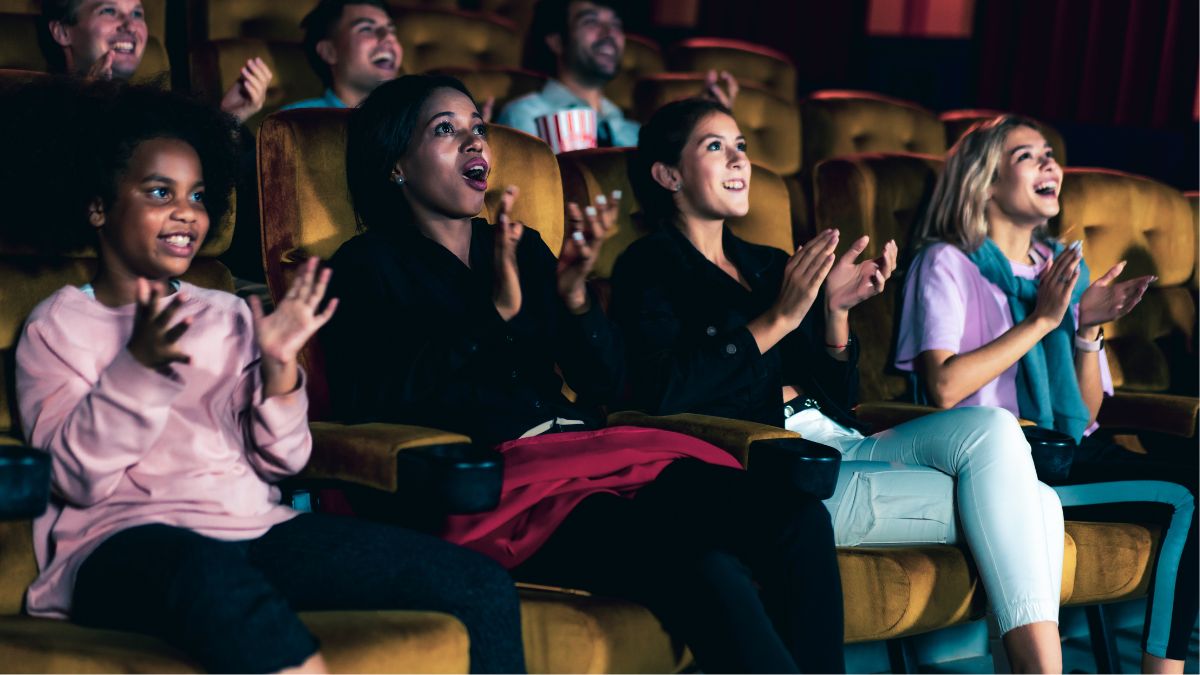
Few shared spaces test social patience quite like a darkened movie theater, where unspoken rules of courtesy matter enormously. What feels like a harmless habit to one person can silently infuriate an entire row of strangers trying to escape into a story. These behaviors go largely unchallenged in the moment, yet they spark quiet resentment and muttered complaints that linger long after the credits roll. From the back row to the front, certain habits have a way of turning a fun outing into a quietly tense experience. Here are the ten most frustrating things people do at the movie theater that lead to those unspoken confrontations nobody quite dares to start.
Phone Scrolling
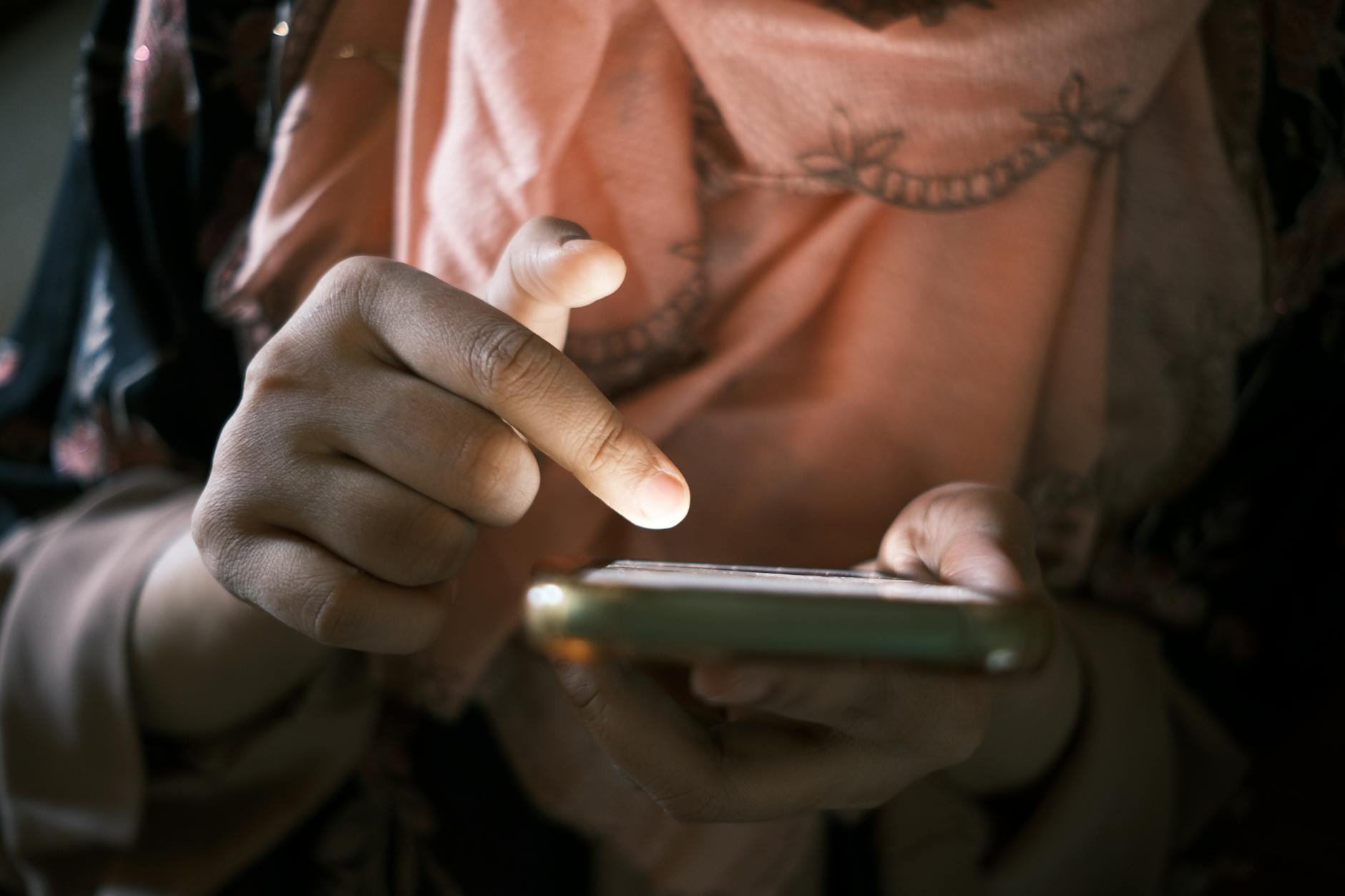
The glow of a smartphone screen in a dark theater is one of the most disruptive things a person can subject fellow audience members to. Even when the volume is silenced, the bright light pulls eyes away from the screen and breaks the immersive atmosphere the entire room has paid to enjoy. Many people feel a surge of frustration when they see a nearby phone light up repeatedly throughout the film. The urge to say something grows with each notification check, yet most people stay silent and simply stew. It is one of the most common sources of quiet, seething theater tension today.
Seat Kicking
Few things shatter a viewing experience quite as persistently as a foot repeatedly making contact with the back of a seat. The person doing it often has no idea they are doing it, which makes the experience even more maddening for the person sitting in front of them. Every kick sends a small jolt through the chair and pulls attention away from whatever is happening on screen. The offended viewer typically endures it for far longer than they should before working up the nerve to turn around. When that moment finally comes, it rarely ends without at least a frosty exchange of glances.
Loud Eating
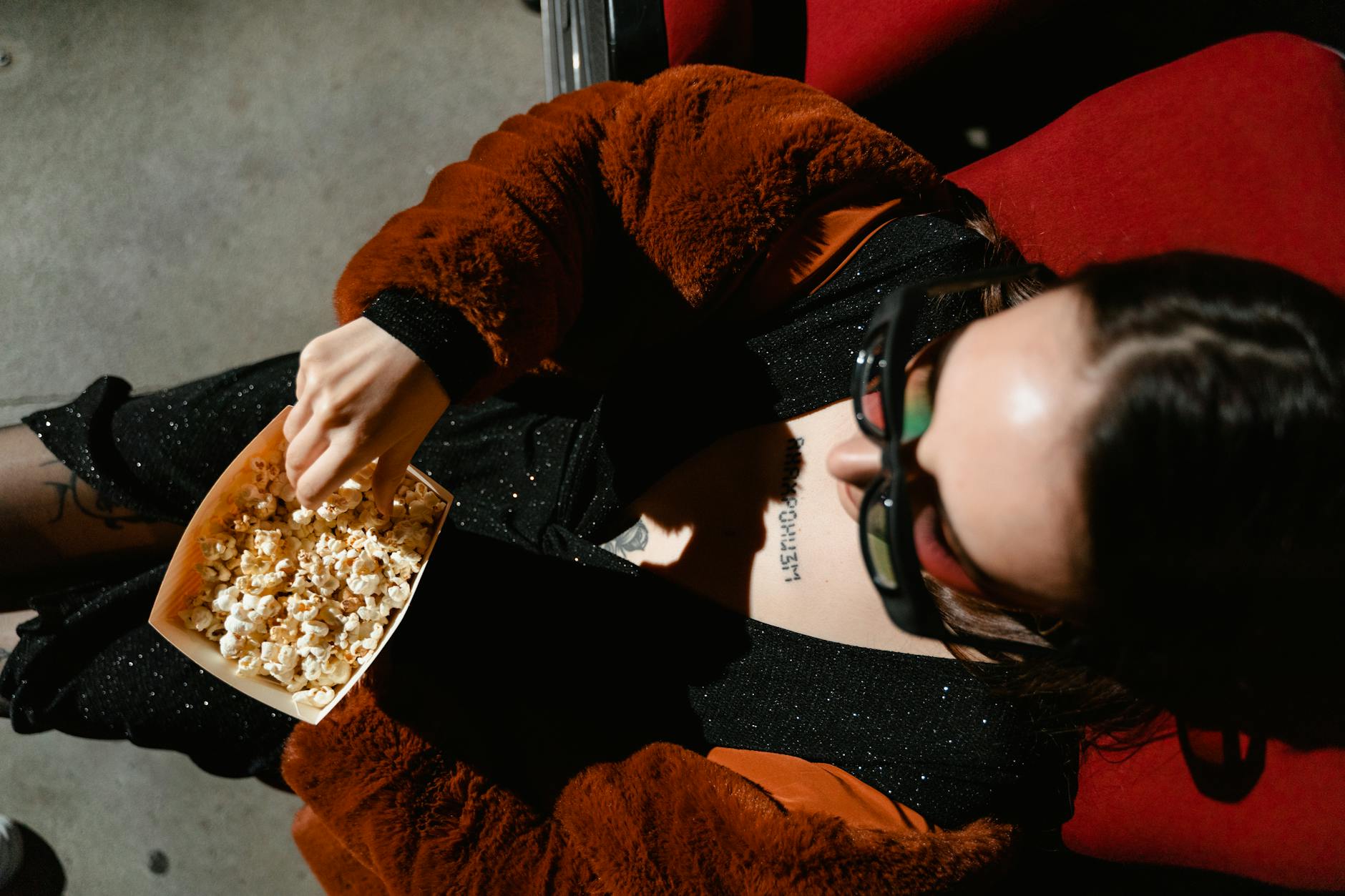
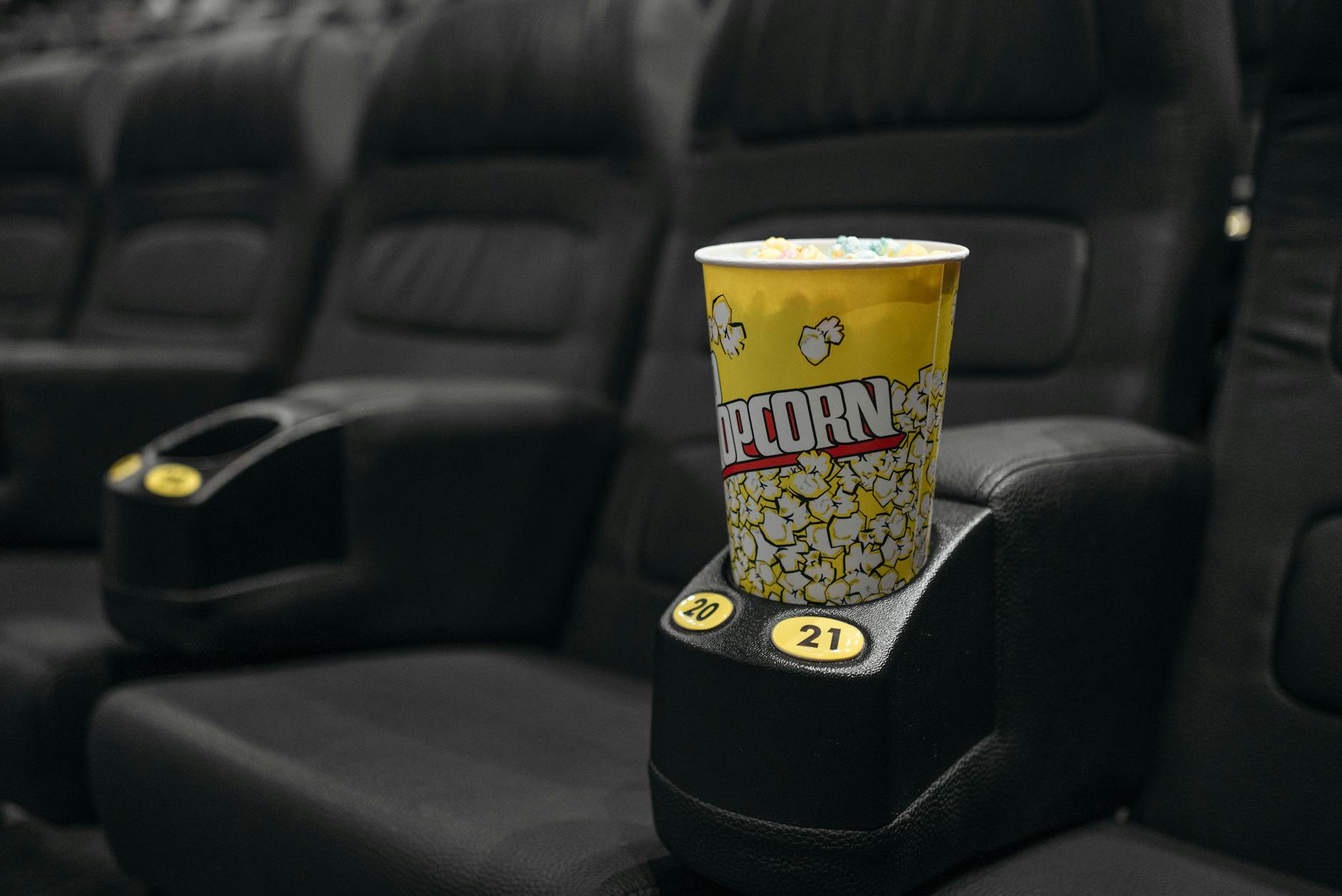
Crunching through an entire large popcorn bag at full volume during a quiet dramatic scene is a particular kind of social crime in a theater. The acoustics of a cinema can amplify every crinkle of a wrapper and every enthusiastic chew in ways that feel almost theatrical in themselves. Audience members nearby clench their jaws and try to focus on the dialogue while the sound of snacking competes with the film. Some go so far as to time their own eating around loud action sequences just to be considerate, making the contrast with noisy neighbors all the more noticeable. It is one of those grievances people discuss at length in hushed voices on the way to the parking lot.
Constant Talking
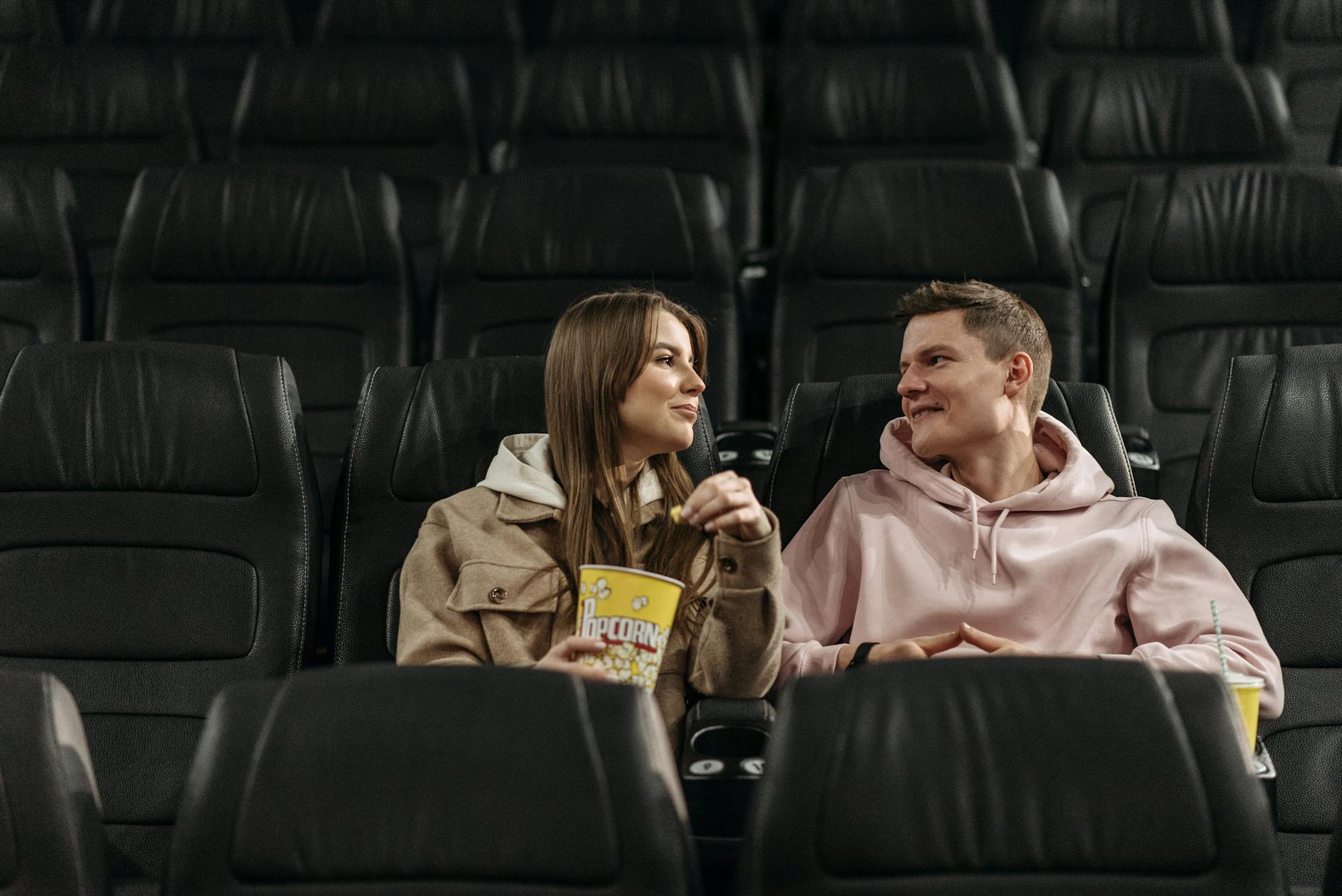
A running commentary delivered at a conversational volume throughout a film is among the most alienating things one can experience as a fellow moviegoer. Whether it is questions directed at a companion, reactions spoken aloud, or predictions about the plot, the effect on nearby viewers is the same. People find their attention split between the movie and the unwanted narration happening just a few seats away. The social cost of asking a stranger to be quiet feels high enough that most people simply suffer in silence. Those who do speak up often find the talkers surprised, as though they genuinely had not considered that others could hear them.
Spoiling the Film
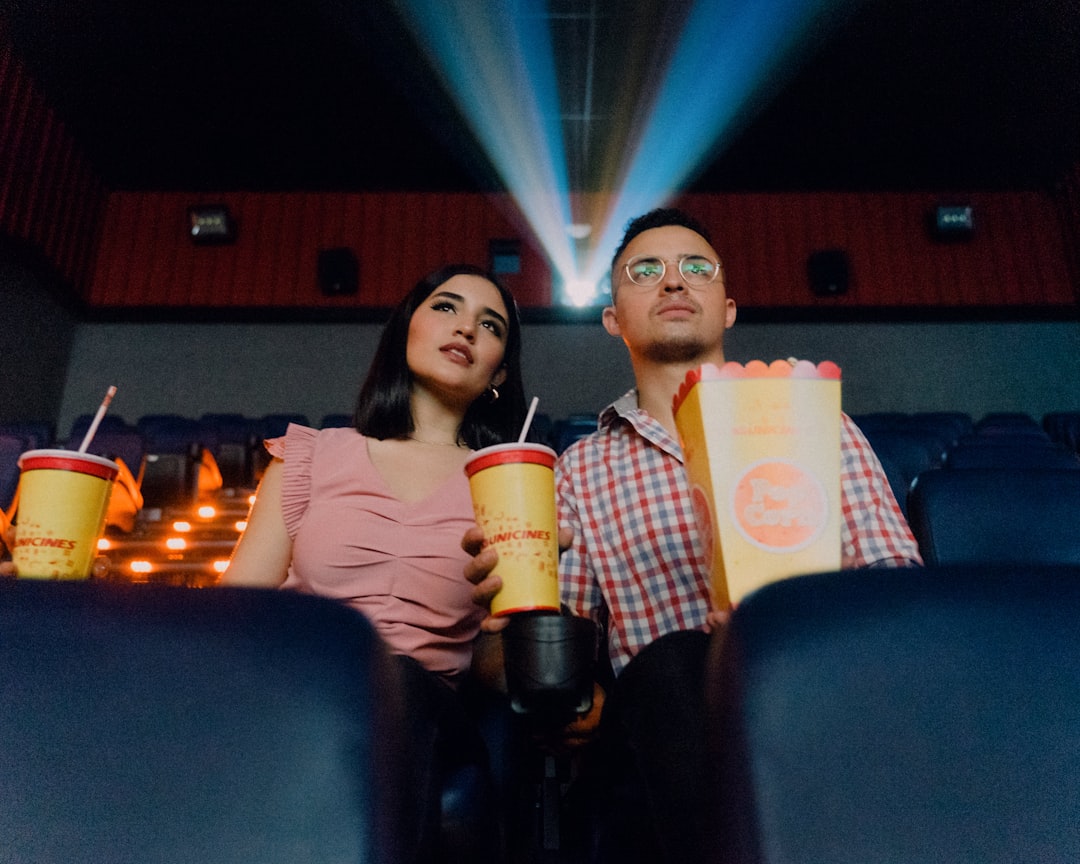
Arriving to a movie having already seen it and casually announcing what is about to happen is a deeply inconsiderate habit that can ruin an entire experience in seconds. Sometimes it happens as an expression of enthusiasm, with the person genuinely excited to share their foreknowledge rather than intending any harm. For first-time viewers, however, even a small hint about a plot twist can strip away the suspense an entire film has been building toward. The frustration is compounded by the fact that it is nearly impossible to un-know something once it has been said aloud. Most victims swallow their irritation quietly rather than cause a scene in the middle of a public space.
Seat Saving
Blocking off an entire row of seats with jackets and bags in a crowded theater is a move that tests the patience of anyone looking for a place to sit. When a latecomer scouts the room and spots what appears to be open seating, only to be waved off by a flustered guardian of reserved spots, the frustration is immediate. The unwritten social contract of the cinema suggests that seats belong to whoever arrives first, and that saving spots for multiple latecomers is a stretch of that agreement. Confrontations over seat saving tend to have an edge of indignation on both sides, with neither party feeling entirely in the wrong. The result is often a tense negotiation conducted in aggressive whispers.
Late Arrivals
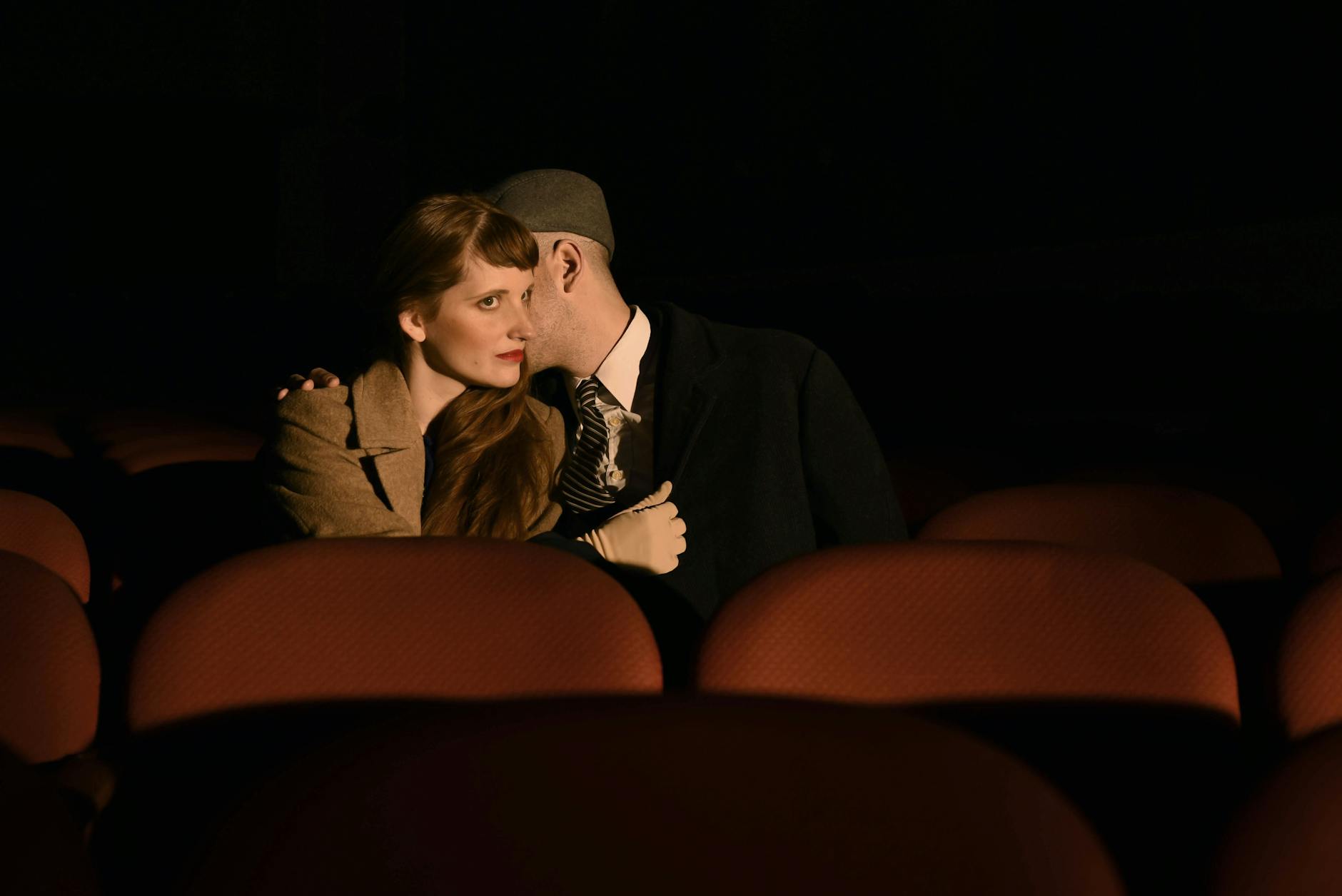
Walking into a theater after the film has started and then proceeding to shuffle loudly through the dark searching for a seat is an interruption that ripples through every row. The late arrival often crouches apologetically but still manages to block sightlines, bump into knees, and draw attention away from the screen at the worst possible moment. When the film in question has an important opening sequence or early plot development, the disruption can leave nearby viewers genuinely confused about what they missed. Fellow audience members press themselves back into their seats and bite their tongues rather than say anything outright. It is a moment of minor chaos that lingers as quiet irritation for the rest of the screening.
Baby Bringing

Bringing a very young infant or toddler to a film clearly not intended for young children places everyone in an uncomfortable position. The child, understandably overwhelmed by the volume and darkness, may cry or fuss at intervals throughout the movie, pulling every adult in the vicinity out of the story. Parents are often too exhausted or too hopeful that things will settle down to leave, and the rest of the audience is too reluctant to seem heartless by complaining. The tension builds in silence as people shift in their seats and exchange loaded glances. It is one of those situations where everyone feels like the rules are being broken but nobody wants to be the person to enforce them.
Armrest Hogging

The shared armrest between two strangers is one of the great unresolved social dilemmas of public life, and the movie theater version carries its own particular charge. When one person claims both armrests from the moment they sit down, the person beside them is left to spend the entire film in an awkward, slightly hunched position. The offended party often spends the first twenty minutes of the movie focused entirely on the armrest situation rather than the plot. A tentative elbow reclamation attempt may follow, which can escalate into a slow-motion territorial negotiation conducted entirely through body language. Neither person says a word, but both leave the theater quietly annoyed.
Narrating for a Companion
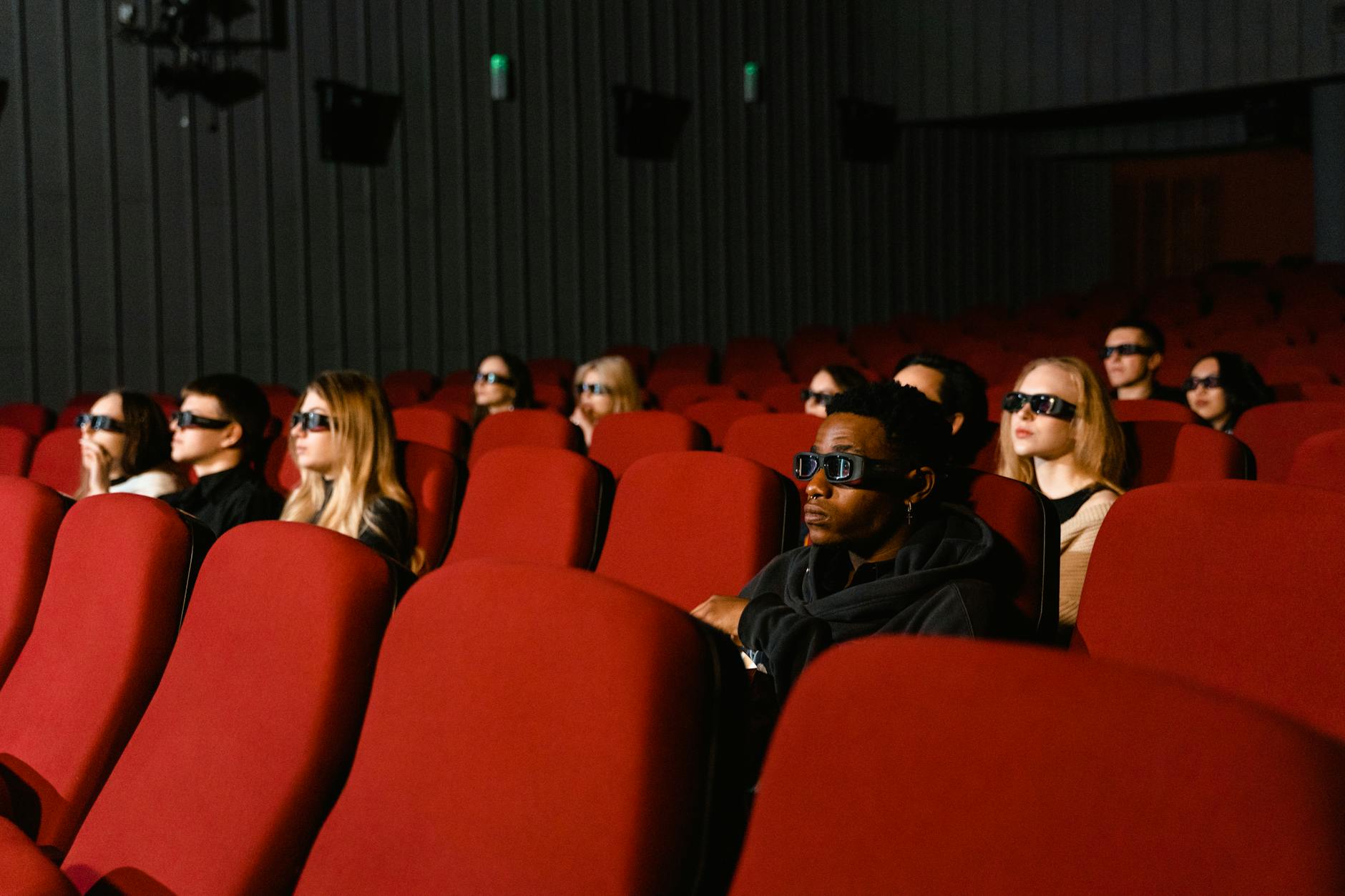
Providing a live audio description to a companion throughout the film, whether to explain the plot, translate dialogue, or simply share reactions, creates a persistent low-level distraction for everyone seated nearby. It often begins with good intentions, perhaps helping someone who missed a detail or who is hard of hearing, but it quickly becomes a second soundtrack that competes with the actual film. The voice does not need to be loud to carry in a quiet theater, and whispers have a way of cutting through silence with surprising clarity. Those around the narrator feel the pull of the conversation even as they try to tune it out and stay focused on the screen. It is the kind of thing people mention for days afterward as the thing that slightly ruined an otherwise enjoyable outing.
Have you ever experienced one of these frustrating moments at the movies? Share your theater stories in the comments.




