
Burnout rarely announces itself with dramatic fanfare. Instead, it creeps in through subtle physical and emotional cues that are easy to dismiss as ordinary tiredness or a rough week. The body is remarkably communicative, sending out quiet distress signals long before a person reaches the point of total exhaustion. Learning to recognize these early warning signs can make the difference between course-correcting in time and hitting a wall that takes months to recover from. Paying closer attention to what your body is whispering may be the most important act of self-preservation you practice this year.
Jaw Tension
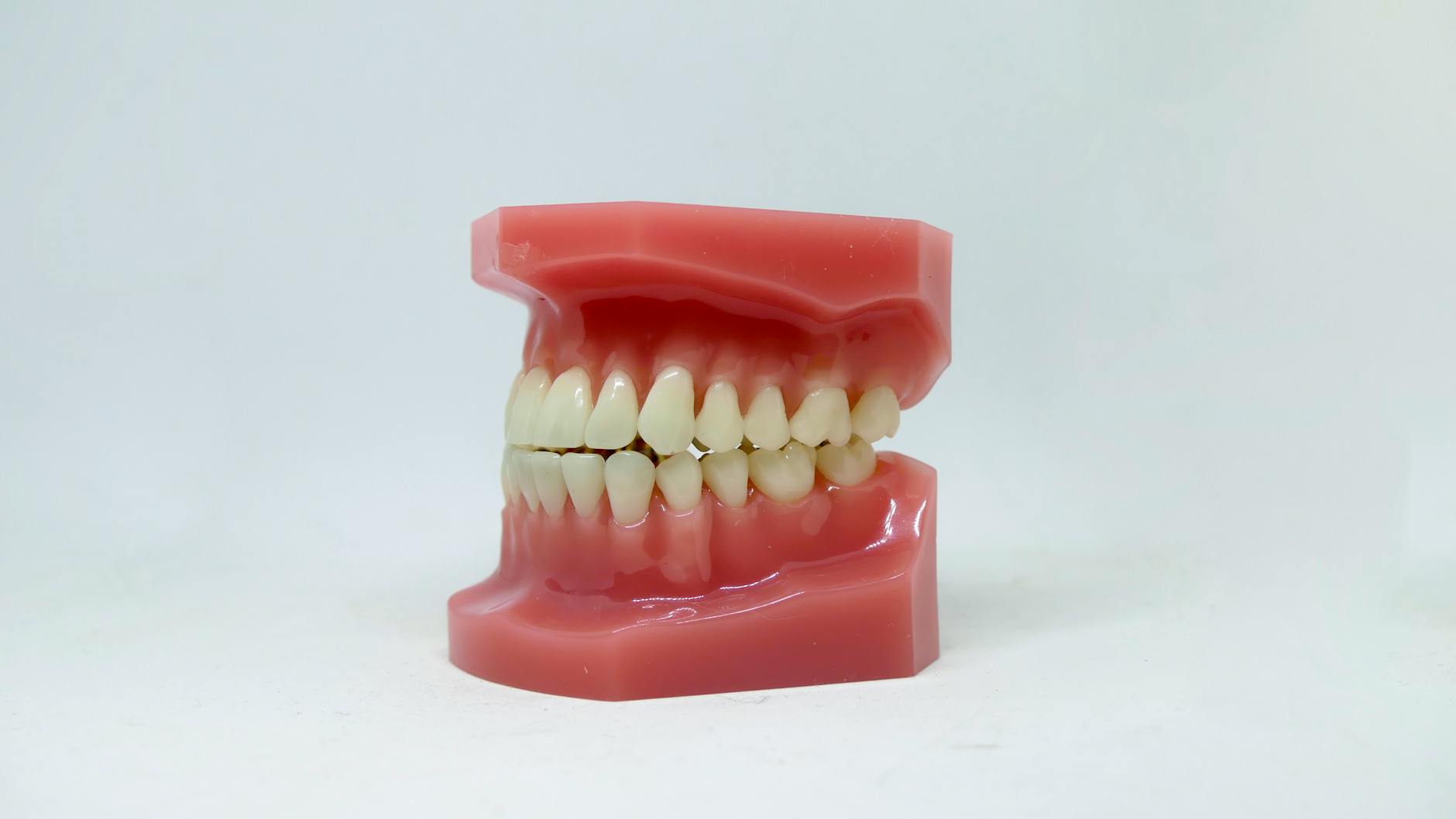
Many people clench or grind their teeth without ever realizing it, particularly during sleep or periods of intense focus. This unconscious habit is one of the earliest physical signs that the nervous system is operating under sustained stress. The jaw muscles absorb a significant amount of tension when the body has no other outlet for emotional strain. Over time, this can lead to headaches, tooth sensitivity, and chronic facial discomfort that seems to have no clear cause. Waking up with a sore jaw or tight temples is a signal worth taking seriously.
Frequent Yawning
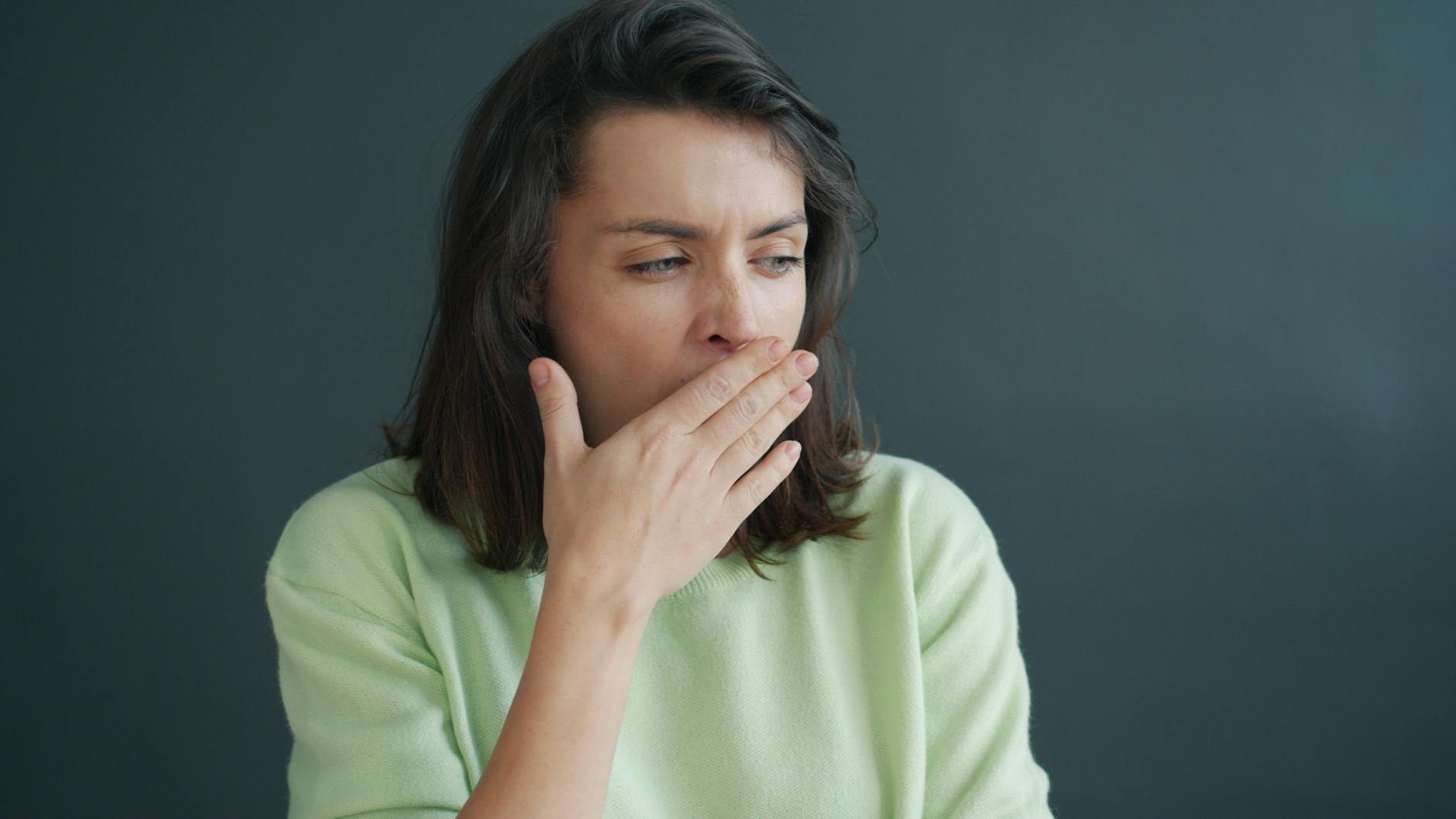
Yawning excessively throughout the day, even after a full night of sleep, is a sign that the brain is struggling to maintain alertness. The body uses yawning as a self-regulation mechanism when the nervous system is dysregulated or fatigued beyond normal recovery. When burnout is building, sleep loses its restorative quality no matter how many hours are logged. The result is a persistent sense of heaviness that coffee and early bedtimes cannot seem to fix. Chronic yawning that follows you into the afternoon is a quiet but telling signal.
Dull Skin

The skin is one of the first organs to reflect internal stress levels, and a burnout-related shift in complexion is often overlooked. Elevated cortisol disrupts the skin barrier, reduces circulation to the surface, and accelerates inflammation beneath the skin. The result is a lackluster, grey, or uneven appearance that skincare products alone cannot fully address. Many people respond by adding more steps to their routine without recognizing the internal source of the problem. When your skin looks tired in a way that rest does not seem to fix, the body may be telling you something deeper is off.
Blurred Vision

Occasional blurry vision or difficulty focusing on screens can be an early sign of nervous system fatigue rather than a purely optical issue. When the body is under chronic stress, the muscles surrounding the eyes tighten and the brain’s ability to process visual information efficiently is reduced. People often attribute this to screen time without considering that stress may be amplifying the strain considerably. Eye strain headaches that appear mid-morning or late afternoon are particularly common among those in the early stages of burnout. Giving the eyes regular rest is helpful, but addressing the underlying stress load is what produces lasting relief.
Afternoon Chills

Feeling inexplicably cold in the mid-afternoon, particularly in the hands and feet, is a lesser-known sign of adrenal fatigue associated with early burnout. When the body has been running on stress hormones for extended periods, its ability to regulate temperature efficiently begins to falter. The adrenal glands, which play a role in maintaining warmth and energy, become depleted before most people realize anything is wrong. This can manifest as sudden chilliness in a warm room, cold extremities, or a general sense of physical shutdown in the later hours of the day. Layers and hot drinks offer comfort but do not address the root cause.
Low-Grade Headaches

Persistent low-grade headaches that linger in the background without ever fully developing into a serious migraine are a hallmark of accumulating stress. These headaches tend to settle around the temples, behind the eyes, or at the base of the skull and are often dismissed as tension or dehydration. While hydration certainly plays a role, the deeper driver is frequently an overburdened nervous system operating without adequate recovery time. They become particularly noticeable in the evenings or after periods of intense concentration. When headaches become a background feature of daily life rather than an occasional occurrence, burnout may be setting in.
Hair Shedding

Increased hair shedding is one of the most emotionally distressing silent signals the body sends during periods of chronic stress. The condition, known as telogen effluvium, occurs when elevated cortisol pushes a disproportionate number of hair follicles into the resting and shedding phase simultaneously. The shedding typically appears two to three months after the stressful period begins, which makes it easy to misattribute to other causes. Many people invest in supplements and treatments without recognizing that stress management is the most effective intervention available. Noticing more hair in the shower drain than usual is worth connecting to your overall stress picture.
Nail Changes

Brittle nails that break easily, develop ridges, or grow unusually slowly are a physical record of what the body has been experiencing internally. Nails form in layers over time, and nutritional deficiencies or stress-related hormonal shifts leave visible marks in that growth. Horizontal ridges in particular, sometimes called stress lines, can correspond to periods of intense physical or emotional strain. Most people treat nail changes cosmetically without considering them as a diagnostic signal. Your nails are quietly documenting your body’s stress history in plain sight.
Digestive Sluggishness

A gut that feels perpetually slow, bloated, or unsettled without a clear dietary explanation is frequently responding to a dysregulated nervous system. The gut and brain are in constant communication through the vagus nerve, and when mental stress is high, digestive function is often one of the first systems to be compromised. People experiencing early burnout commonly report feeling full quickly, experiencing unpredictable digestion, or dealing with ongoing low-level discomfort after meals. This is not always a sign of food intolerance but rather a sign that the body’s resources are being diverted away from optimal digestive function. Persistent digestive unease without a clear trigger deserves attention beyond dietary adjustments alone.
Reduced Thirst

A diminished sense of thirst, particularly in people who were previously good water drinkers, can indicate that the body’s internal signaling systems are becoming blunted by chronic stress. Cortisol influences fluid balance and can suppress the normal thirst response, leading to unintentional dehydration. This dehydration then compounds fatigue, reduces cognitive clarity, and contributes to the headaches and skin dullness already associated with burnout. Many people realize only in retrospect that they barely drank anything over the course of an entire demanding day. Setting reminders to drink water is not just a wellness cliché during these periods but a necessary intervention.
Muscle Twitching

Random, involuntary muscle twitches, most commonly felt in the eyelid, calf, or thumb, are a classic sign that the nervous system is under strain and that magnesium levels may be depleted. Magnesium is consumed rapidly during periods of sustained stress, and its deficiency amplifies nervous system excitability. These twitches are rarely dangerous but are a meaningful physical message that the body’s mineral reserves are being drained. Most people laugh them off or search for superficial explanations without connecting them to the broader stress picture. When twitches become frequent and seem to move around the body, it is time to pay closer attention to recovery.
Breath Holding

Many people under chronic stress unconsciously hold their breath during moments of focus or emotional tension, a pattern sometimes called screen apnea. This habitual breath-holding activates the sympathetic nervous system and keeps the body in a low-grade state of alertness that prevents full relaxation. Over time, shallow and irregular breathing patterns become the default, reducing oxygen efficiency and contributing to ongoing fatigue and anxiety. People rarely notice they are doing it until they consciously tune in and catch themselves mid-hold. Simply lengthening and deepening the breath has an immediate calming effect on the nervous system and is one of the most accessible early interventions available.
Sound Sensitivity

An increasing sensitivity to everyday sounds, such as traffic noise, office chatter, or the sound of cutlery, is a sign that the nervous system is becoming overwhelmed and losing its filtering capacity. Under normal conditions, the brain efficiently screens out background noise without effort. When burnout is accumulating, this filtering mechanism weakens, and ordinary sounds begin to feel intrusive, irritating, or even physically uncomfortable. Many people interpret this as simply being in a bad mood rather than recognizing it as a physiological response to an overloaded system. Noticing that the world suddenly feels too loud is a meaningful cue to step back and reduce stimulation.
Flat Appetite

A flat or indifferent appetite, where eating feels like an obligation rather than a genuine desire, is one of the quieter signals that emotional and physical reserves are running low. The stress response hormones, particularly adrenaline, can suppress hunger cues and disconnect a person from normal appetite rhythms. Meals become functional rather than pleasurable, and the enjoyment of food fades in a way that feels gradual and unremarkable. This shift often goes unnoticed for weeks because the person continues to eat on schedule regardless of how they feel. When food consistently fails to excite or satisfy, the body may be communicating that something beyond nutrition needs addressing.
Clumsy Moments

An uptick in small physical accidents, bumping into furniture, misjudging distances, dropping objects, or losing grip strength momentarily, is a signal that the brain’s spatial awareness and fine motor control are being affected by cognitive overload. The prefrontal cortex, responsible for attention and coordination, is one of the first areas compromised when the brain is overburdened by chronic stress. What feels like clumsiness is actually a neurological sign that the brain is struggling to maintain its usual precision while managing an excess of background worry. Most people chalk these moments up to distraction without seeing the pattern beneath them. When clumsiness becomes a recurring theme in an otherwise coordinated person, it warrants a deeper look.
Flat Emotions
Emotional blunting, where events and experiences that would normally provoke a clear emotional response instead produce nothing, is one of the more unsettling early signs of burnout. The nervous system, in an attempt to protect itself from further overwhelm, begins to dampen the emotional response system. This is not a sign of becoming a calmer person but rather a sign that the system is conserving resources by reducing its reactivity. People often describe it as watching their own life from behind glass, present in body but strangely disconnected from what is happening. Emotional flatness deserves as much attention as any physical symptom.
Itchy Skin
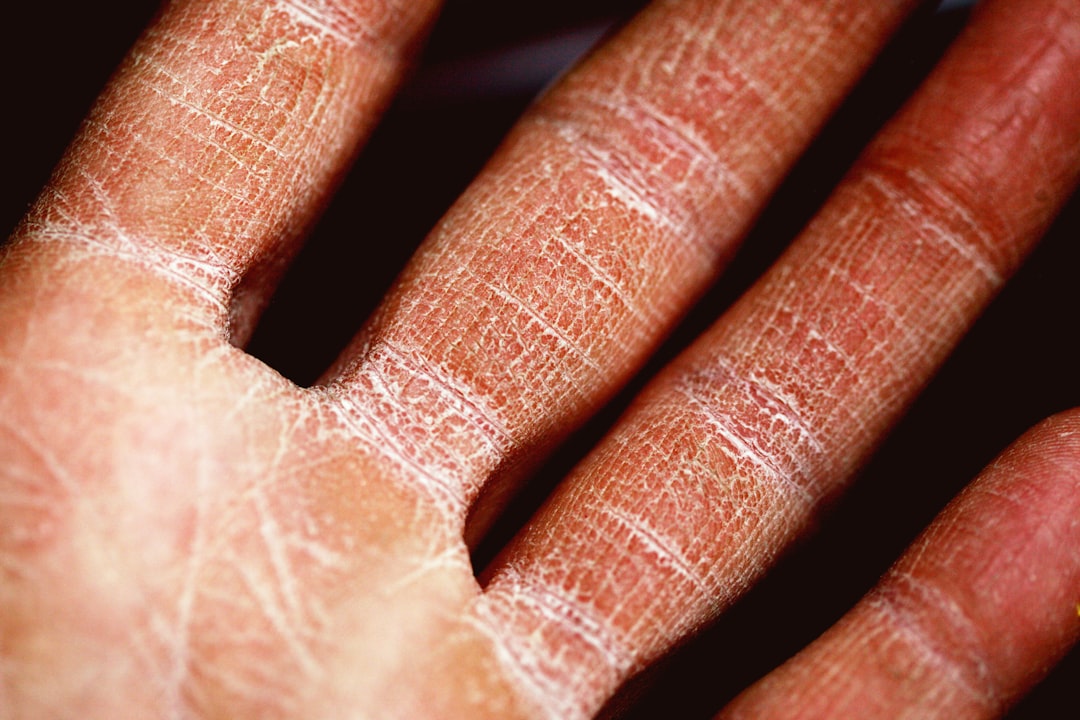
Unexplained skin itching with no visible rash or allergic trigger is a frequently overlooked stress response. Cortisol influences the immune system and can trigger histamine-like reactions in the skin that produce irritation without an identifiable external cause. The neck, scalp, and forearms are particularly common sites for stress-related itching. Most people treat it topically without investigating the internal source, cycling through products that provide temporary relief at best. When itching appears consistently during demanding periods and disappears during rest, stress is likely the primary driver.
Morning Dread

Waking up with a sense of heaviness or dread before a single thought about the day has even formed is a profound signal that the nervous system has not recovered during sleep. Cortisol levels naturally rise in the morning to help the body prepare for the day, but in people experiencing burnout, this rise is accompanied by an amplified stress response rather than an energizing one. The result is a feeling of apprehension that has no specific object but colors the entire morning. Many people push through it with caffeine and routine without acknowledging what the body is communicating. Consistent morning dread is one of the clearest signs that the recovery phase cannot be postponed much longer.
Forgetting Words

Reaching for a simple word mid-sentence and finding it frustratingly out of reach is a cognitive symptom of burnout that is more common than most people admit. The hippocampus, the brain region central to memory retrieval, is particularly vulnerable to elevated cortisol levels and chronic sleep disruption. What feels like an embarrassing mental lapse is in fact a measurable consequence of sustained stress on brain function. This symptom tends to worsen progressively as burnout deepens, eventually affecting the ability to hold complex thoughts together. Verbal stumbling in a previously articulate person is the brain asking for rest.
Weaker Immunity

Getting sick more frequently than usual, catching every passing cold or experiencing slow recovery from minor illnesses, is a sign that the immune system is being suppressed by chronic stress hormones. Cortisol is immunosuppressive by design, a feature that is useful in short bursts but damaging when it operates continuously over weeks and months. The body begins redirecting its resources away from immune defense and toward managing what it perceives as an ongoing threat. People often blame their environment or season without recognizing that their own stress load is the common denominator. A notably weaker immune season is one of the most consistent and medically recognized markers of developing burnout.
Teeth Sensitivity
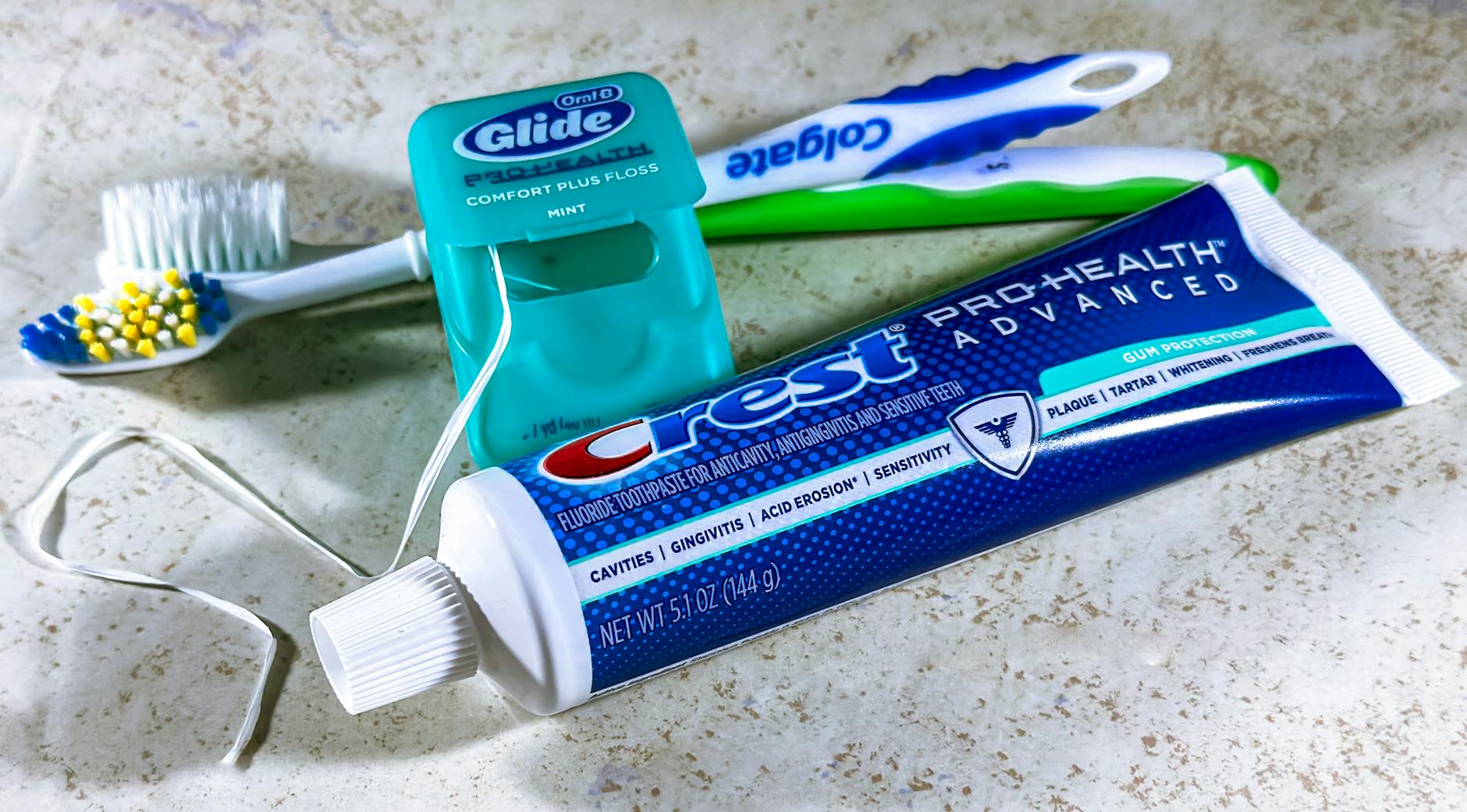
Increased sensitivity in the teeth, particularly to cold temperatures or pressure, can emerge as a consequence of stress-related jaw clenching and bruxism rather than dental decay. When the jaw is habitually tight, the teeth experience micro-stress that wears enamel over time and exposes the more sensitive layer beneath. Many people visit the dentist for this symptom without the conversation ever turning to stress or sleep quality. Dentists are often among the first professionals to notice the physical signs of burnout in their patients. Sensitivity that appears or worsens during demanding life periods is rarely a coincidence.
Restless Legs

An uncomfortable urge to move the legs, particularly in the evenings or during attempts to fall asleep, is strongly associated with nervous system dysregulation and magnesium depletion, both of which are accelerated by chronic stress. The sensation is difficult to describe but impossible to ignore and often derails the very sleep that the body desperately needs. People experiencing this symptom commonly find that it worsens during periods of high demand and eases noticeably during holidays or slower weeks. This correlation is a clear signal that the nervous system is not finding adequate recovery between demands. Addressing the underlying stress load, rather than simply treating the symptom, produces the most meaningful improvement.
Low Libido

A significant and unexplained drop in libido is one of the body’s most direct ways of communicating that survival functions are taking priority over reproductive and pleasure systems. When cortisol is chronically elevated, the body suppresses the hormonal systems responsible for sexual interest and function, directing that energy toward perceived threat management instead. Many people feel confused or troubled by this shift without understanding its physiological basis. It is not a reflection of attraction or relationship quality but rather a clear hormonal consequence of running on empty. When desire diminishes without any obvious relational explanation, the body is signaling that it needs replenishment at a fundamental level.
Motivation Loss
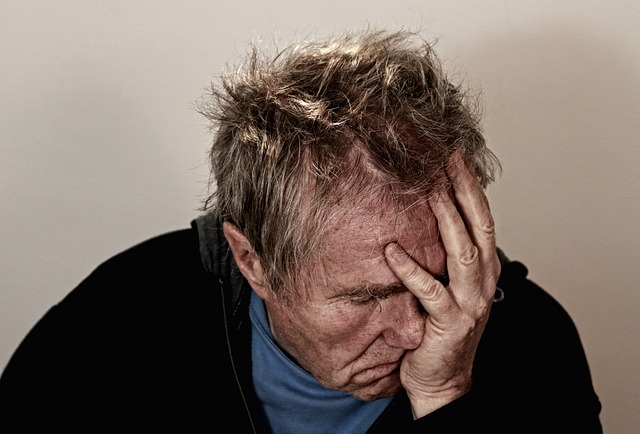
A fading sense of enthusiasm for projects, hobbies, and goals that once felt genuinely energizing is one of the most reliable early indicators that burnout is accumulating beneath the surface. The dopamine system, which drives motivation and reward, becomes dysregulated under prolonged stress, making everything feel equally flat and uninspiring. This is not laziness or a character shift but a measurable neurological response to a nervous system running beyond its sustainable capacity. People often internalize this as a personal failure rather than recognizing it as a physical signal. When the things that used to energize you no longer do, the body is asking not for more willpower but for genuine rest.
If any of these signals feel familiar, share which ones resonated with you most in the comments.




