
Many households have made the switch to plant-based and eco-friendly cleaning products in an effort to protect their families and the environment. Yet a growing body of concern surrounds certain products that market themselves as natural alternatives while still containing ingredients that raise serious health and safety questions. The gap between green branding and green formulation is wider than most consumers realize, and the cleaning aisle remains one of the most misleading spaces in any store. Understanding which products deserve closer scrutiny is the first step toward building a genuinely toxin-free home.
“Natural” Dryer Sheets

Dryer sheets marketed with botanical imagery and plant-derived scents often still contain synthetic fragrance compounds that release volatile organic compounds into the air during the drying cycle. These airborne chemicals have been linked to respiratory irritation and hormone disruption in repeated exposure studies. The fabric-softening agents used in many of these products coat clothing fibers with a residue that builds up over time and can irritate sensitive skin. Even versions labeled as hypoallergenic frequently rely on masking agents rather than truly eliminating problematic ingredients. Reading the full ingredient list rather than relying on front-label claims is essential when evaluating these products.
Seventh Generation Dish Soap
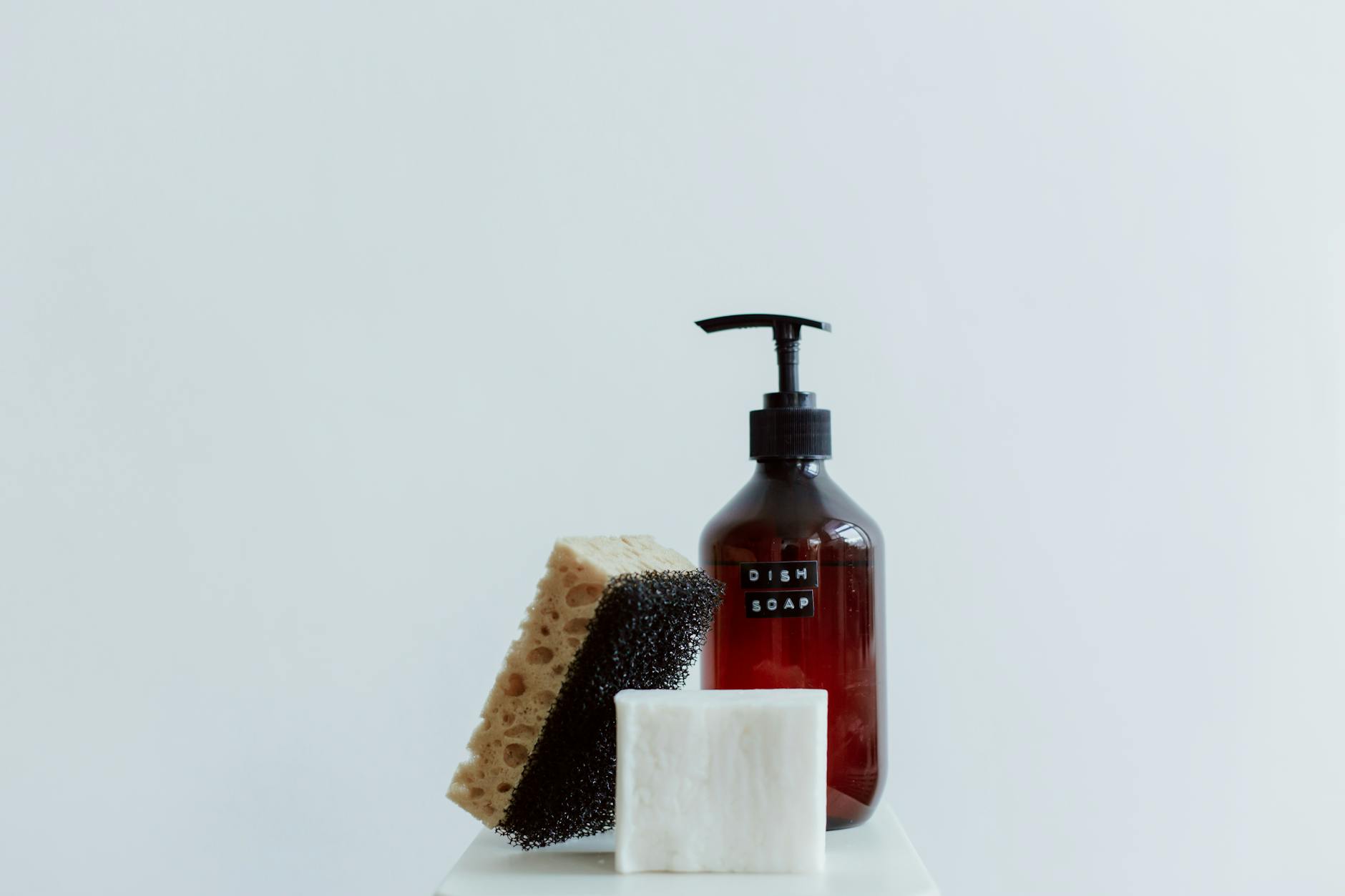
This widely trusted brand carries strong green credentials and broad retail availability, making it a default choice for environmentally conscious shoppers. However, certain formulations contain methylisothiazolinone, a preservative flagged by dermatologists and environmental groups for its potential to cause skin sensitization and aquatic toxicity. The concentration levels used are considered within regulatory limits, yet cumulative household exposure remains a concern for families with young children or pets. Independent testing has occasionally found discrepancies between labeled and actual ingredient compositions across product batches. Consumers who rely heavily on this brand are advised to check formulation updates regularly, as recipes can change without prominent labeling adjustments.
Febreze Fabric Refresher
Febreze has long positioned its fabric refresher line with messaging around freshness and odor elimination, and newer versions carry claims of improved natural ingredient content. Despite these claims, the product still relies on synthetic fragrance blends that are not fully disclosed on packaging, a practice permitted under trade secret protections. Hydroxypropyl beta-cyclodextrin, the compound responsible for trapping odor molecules, has not been extensively studied for long-term inhalation effects. Spraying the product liberally on upholstered furniture, curtains, and bedding creates a prolonged exposure environment, particularly in poorly ventilated rooms. The absence of full fragrance transparency makes it difficult for consumers to assess personal risk accurately.
Method All-Purpose Cleaner
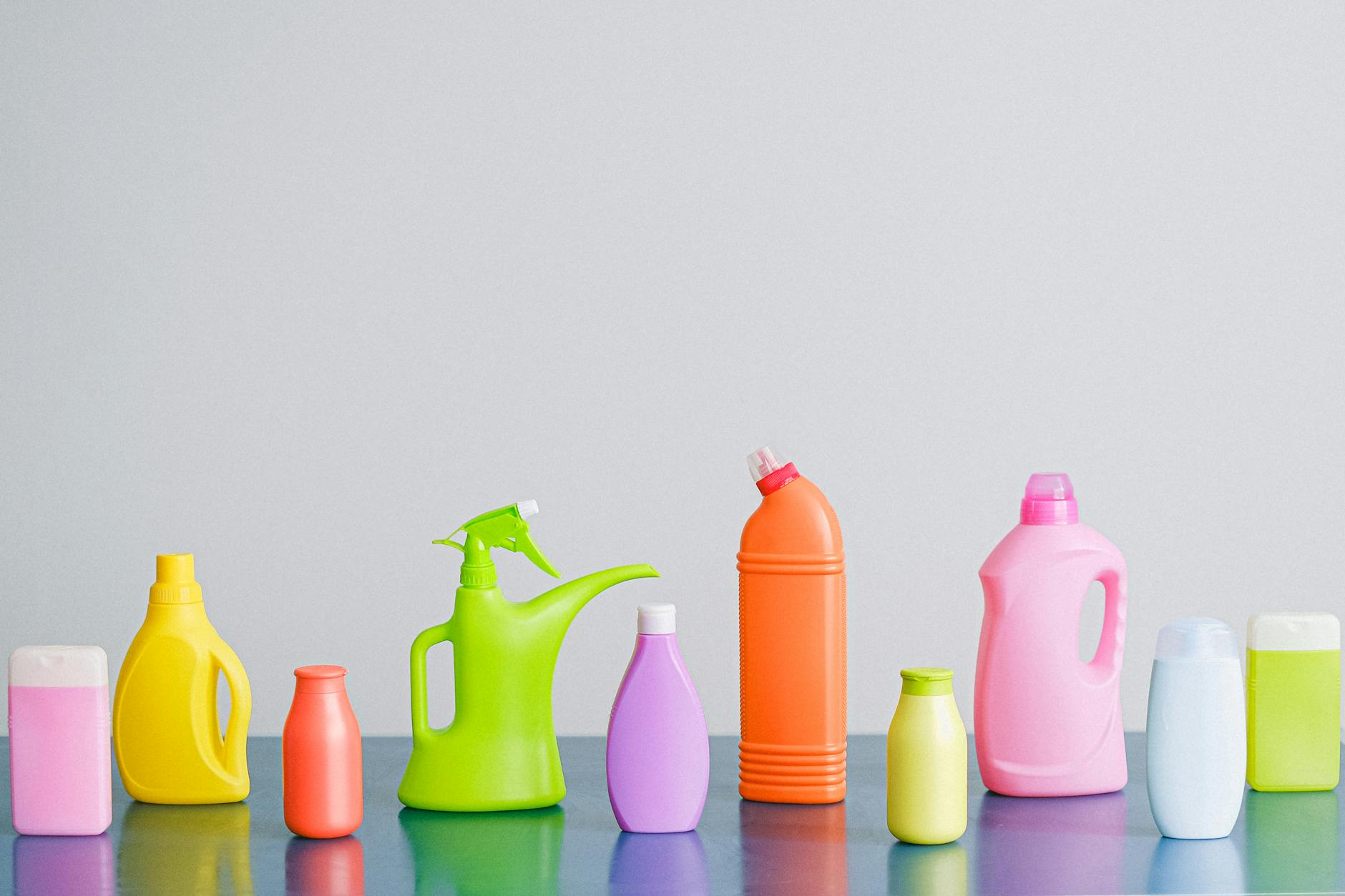
Method built its brand identity around colorful bottles, biodegradable formulas, and an approachable eco-aesthetic that resonated strongly with millennial consumers. Some formulations in the all-purpose range contain benzisothiazolinone, a preservative associated with skin and eye irritation that also raises concerns regarding aquatic toxicity upon disposal. The product’s synthetic fragrance components are similarly undisclosed in full, falling under the same trade secret provisions that shield many competitors. While the overall environmental profile of Method products is considered better than conventional alternatives, the gap between perception and reality remains meaningful. Households with infants, allergy sufferers, or chemically sensitive individuals should evaluate whether the formula meets their specific safety threshold.
Mrs. Meyer’s Clean Day
Mrs. Meyer’s is among the most visually trusted green cleaning brands on the market, with garden-inspired scents and a wholesome Midwestern aesthetic that communicates natural safety. The brand is owned by SC Johnson, a major conventional household products company, a fact that surprises many consumers who assume independent artisan production. Several product lines contain synthetic fragrance ingredients and preservatives including methylisothiazolinone, despite the botanical branding. The essential oil components used for scenting, while naturally derived, can themselves trigger allergic reactions or asthma flares in sensitive individuals. The branding creates a powerful halo effect that can cause shoppers to skip label scrutiny they would otherwise apply to mainstream products.
Lysol Hydrogen Peroxide Cleaner
Hydrogen peroxide-based cleaners have gained significant traction as safer alternatives to bleach and ammonia-based disinfectants, and Lysol’s version benefits from that association. The product does break down into water and oxygen, which supports its environmental claims in a broad sense. However, the full formulation includes additional stabilizers and surfactants whose environmental persistence is not as thoroughly documented. At the concentrations used for effective disinfection, hydrogen peroxide can also irritate mucous membranes and cause respiratory discomfort when used in confined spaces without ventilation. The product’s positioning as a gentler clean does not fully account for these usage-context risks.
Clorox GreenWorks
Clorox launched GreenWorks as a direct response to growing consumer demand for plant-derived cleaning solutions, earning early praise from environmental organizations. The line uses coconut-based surfactants and avoids some of the most concerning conventional chemicals, giving it a genuinely improved profile in certain respects. Persistent questions remain, however, about preservative choices and the synthetic fragrance compounds retained in several formulations. The Clorox parent brand’s conventional product manufacturing practices have also led sustainability researchers to question the sincerity of the green commitment behind the line. Consumers should treat GreenWorks as an incremental improvement rather than a comprehensive solution to household chemical concerns.
Caldrea Multi-Surface Spray
Caldrea markets itself as a premium, botanically inspired cleaning brand with an upscale aesthetic that communicates artisan quality and ingredient integrity. The product line uses plant-derived surfactants and essential oils for fragrance, which places it ahead of many mass-market alternatives in terms of ingredient sourcing. Despite this, several Caldrea formulations contain synthetic preservatives and undisclosed fragrance constituents that complicate its fully natural positioning. The premium price point amplifies consumer trust in ways that do not always reflect a proportionally superior safety profile. Shoppers seeking full ingredient transparency will find that Caldrea, like many brands in this space, stops short of complete disclosure.
Arm & Hammer Baking Soda Cleaner
Baking soda has a well-established reputation as one of the safest and most effective natural cleaning agents available, and Arm and Hammer has leveraged that reputation across an extensive product range. The issue arises when baking soda is incorporated into multi-ingredient formulations that also contain synthetic surfactants, artificial fragrances, and preservatives not present in pure baking soda. These added components can undermine the safety profile that consumers assume they are purchasing based on the brand’s core ingredient association. The marketing of these products tends to foreground the baking soda content while placing less emphasis on the full formulation context. Pure baking soda purchased in its unprocessed form offers a more reliable safety guarantee than its branded multi-ingredient derivatives.
Ecover Toilet Bowl Cleaner
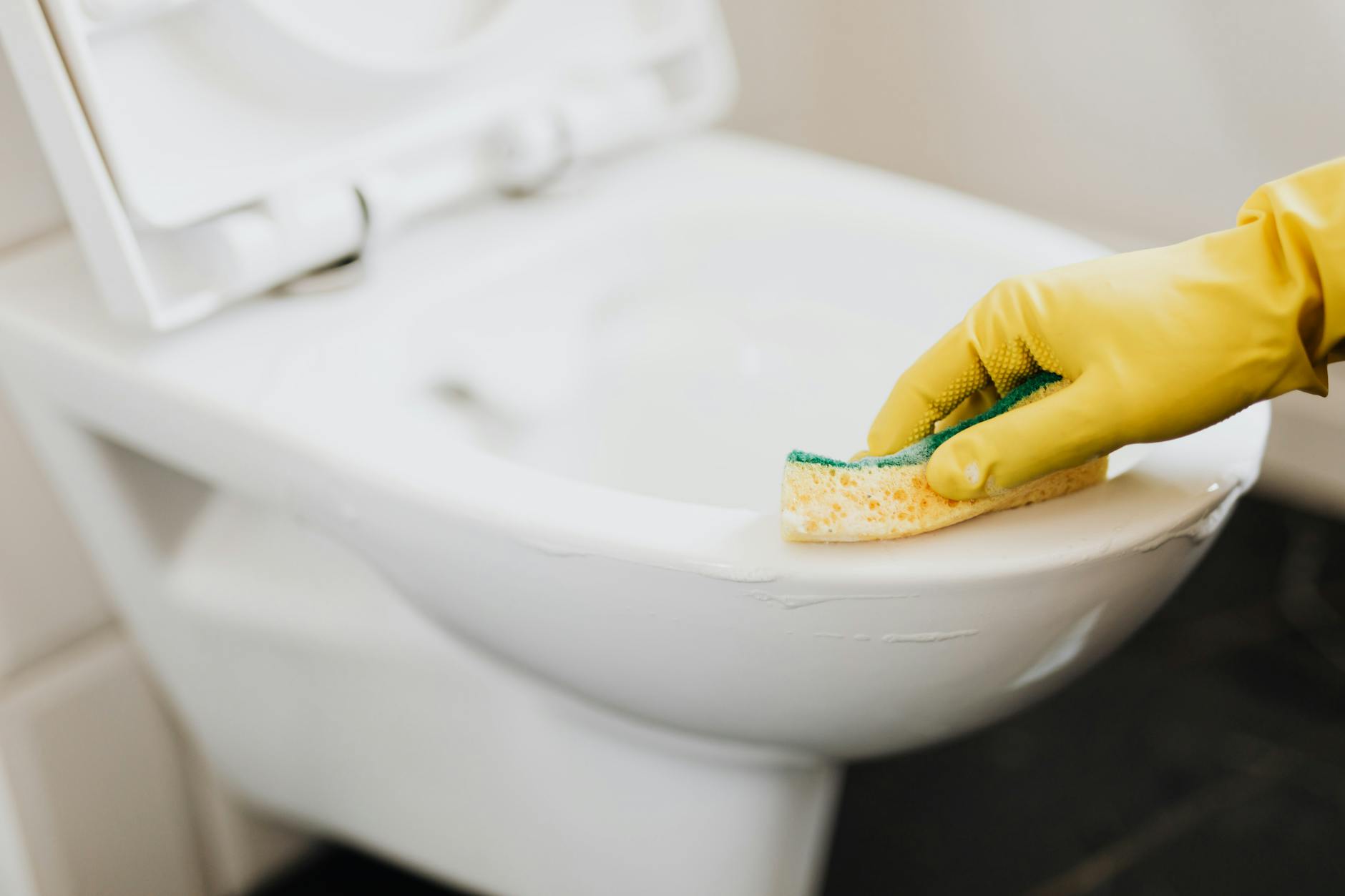
Ecover is a Belgian brand with strong environmental credentials and a long history in the sustainable cleaning category, frequently cited as a gold standard by green lifestyle advocates. Its toilet bowl cleaner uses plant and mineral-based ingredients and avoids chlorine bleach, which distinguishes it from conventional alternatives in meaningful ways. However, the acidic compounds used to break down limescale and staining can irritate skin and mucous membranes on contact and require careful ventilation during use. Certain formulations have also faced criticism for containing lactic acid sourced from non-vegan processes, raising concerns among ethically motivated consumers. The overall product is considered low-risk by most standards, but the gap between its reputation and the nuances of its formulation is worth understanding.
Puracy Natural Multi-Surface Cleaner
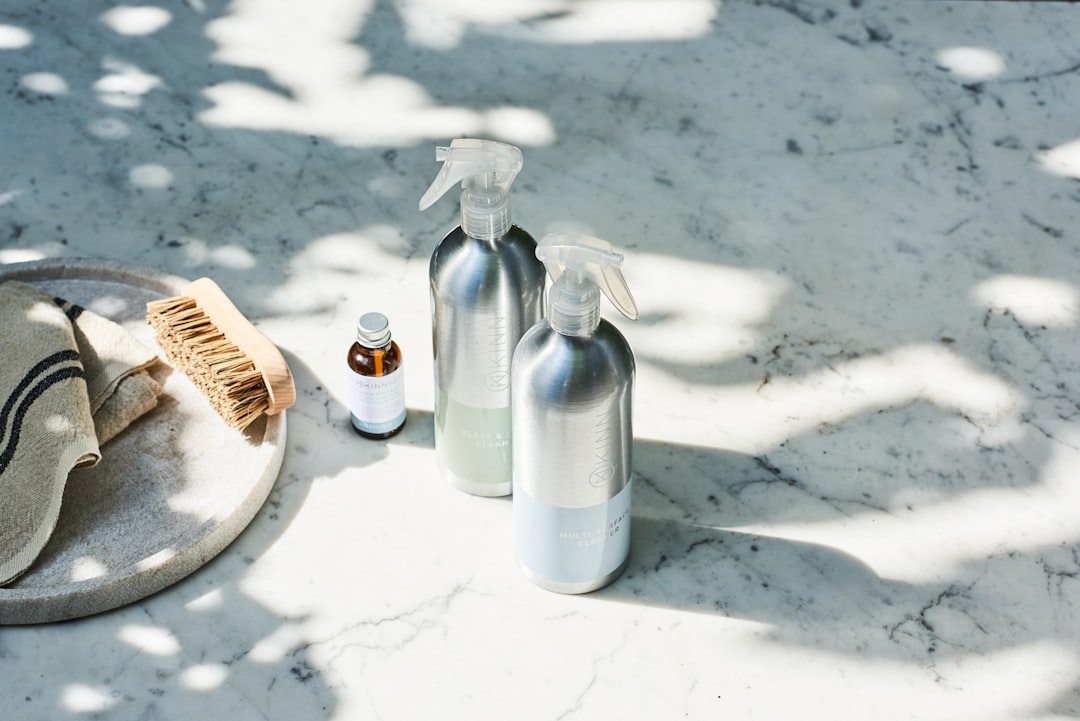
Puracy has built a strong following among parents and health-conscious households by emphasizing medical-grade safety standards and clinical testing in its marketing communications. The brand’s multi-surface cleaner uses plant-derived surfactants and gluconolactone as a preservation system, which is considered one of the safer available options. The fragrance blends used in scented versions remain a point of scrutiny, as even naturally derived essential oil mixtures can include components that are allergenic or endocrine-disruptive at certain concentrations. Regulatory oversight of fragrance ingredients remains limited regardless of natural versus synthetic origin, meaning that a natural label on fragrance components does not automatically translate to clinical safety. The brand’s transparency efforts are above average for the industry, but not yet comprehensive enough to fully verify all safety claims independently.
Grove Collaborative Products
Grove Collaborative operates as both a retailer and a brand, curating and producing products that meet its internal sustainability standards and marketing them through a direct-to-consumer subscription model. The company has made genuine efforts to increase ingredient transparency and has published cleaner ingredient commitments that go beyond minimum regulatory requirements. However, independent assessments have noted that some Grove-branded formulations still contain synthetic fragrance components and preservatives that do not align with the strictest interpretations of natural cleaning. The subscription model also creates a consumption dynamic that can lead to stockpiling and overuse, which offsets some of the environmental benefits the brand promotes. Evaluating Grove products individually rather than trusting the overarching brand halo yields a more accurate picture of their actual safety profile.
Honest Company Dish Soap

The Honest Company was founded with an explicit mission around ingredient safety and transparency, earning early loyalty from parents concerned about conventional product risks. The dish soap line uses plant-based surfactants and avoids some of the most commonly criticized conventional ingredients, placing it in a genuinely improved category relative to mainstream alternatives. Independent testing and lawsuits over the years have, however, challenged specific ingredient claims and questioned whether all products fully meet the safety standards implied by the brand’s core messaging. The presence of synthetic fragrance in scented versions and certain undisclosed preservative choices have been cited as inconsistencies within an otherwise safety-oriented brand philosophy. The brand’s evolution and responsiveness to ingredient concerns have been notable, but historical inconsistencies warrant ongoing consumer vigilance.
Better Life Natural Cleaner
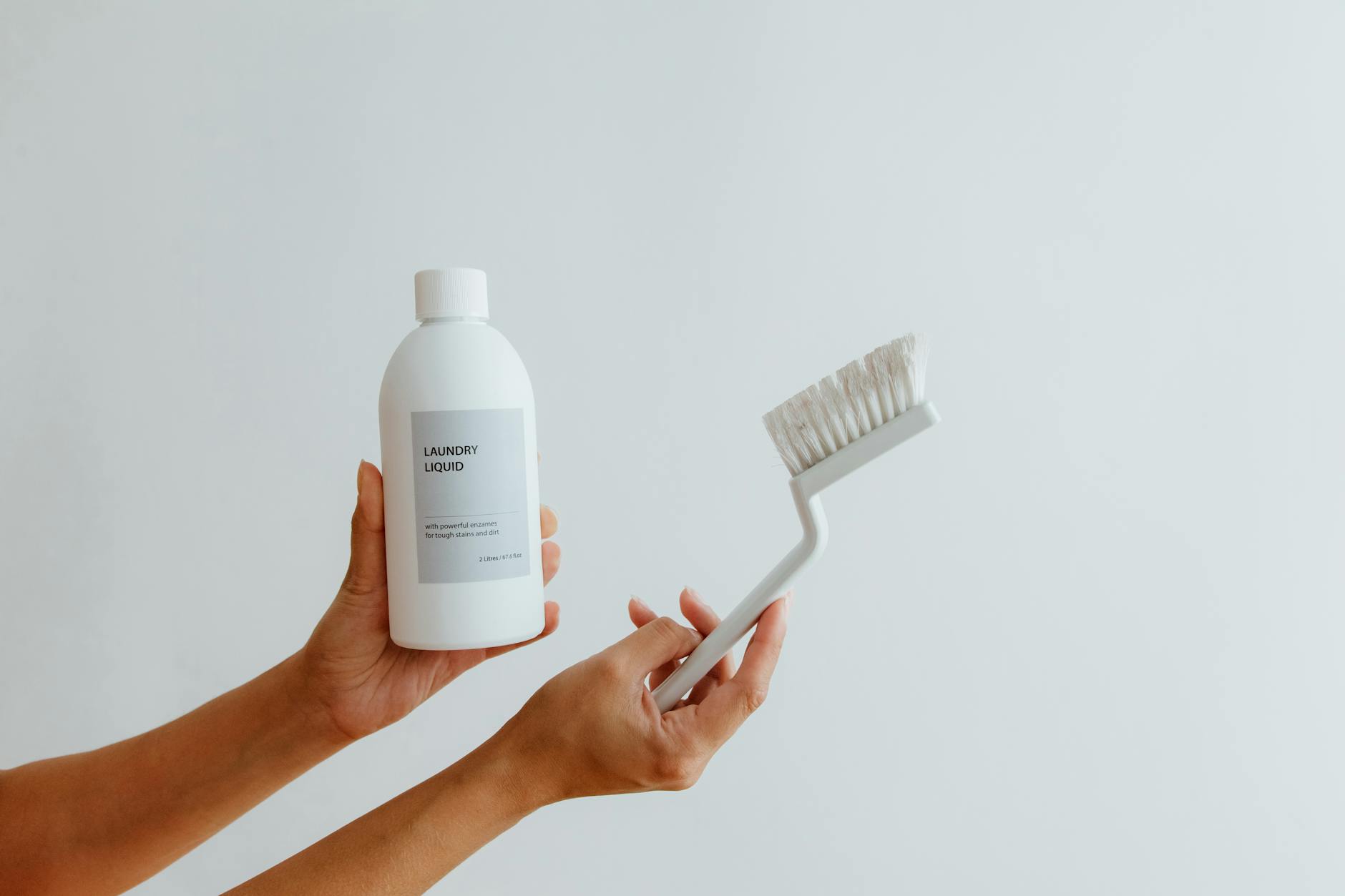
Better Life was founded by two fathers motivated by concern over conventional cleaning chemical exposure and has maintained a relatively high standard of ingredient disclosure compared to many competitors in the natural cleaning category. The all-purpose cleaner formulation avoids synthetic fragrances in favor of essential oil blends and uses plant-derived surfactants that biodegrade efficiently. Concerns arise from the essential oil concentrations used, which can cause skin sensitization with repeated direct contact and may pose respiratory risks for household members with asthma or fragrance sensitivities. The product also contains citric acid at levels that, while effective for cutting grease and mineral deposits, can cause eye and skin irritation if handled carelessly. Better Life represents one of the more genuinely transparent options in this category, though no product in this space is entirely without tradeoff.
Babyganics Multi-Surface Cleaner
Babyganics occupies a specific and emotionally powerful niche in the green cleaning market, targeting parents of infants and young children who are understandably motivated to minimize household chemical exposure. The brand’s multi-surface cleaner uses plant-derived ingredients and avoids the most acutely toxic conventional cleaning chemicals, which gives it a defensible safety baseline. However, the formulations have faced criticism for containing synthetic fragrance and certain preservative systems that are not clearly disclosed, a significant concern for the specifically vulnerable population the brand markets toward. A 2016 class action lawsuit challenged several of the brand’s natural and organic claims, bringing ingredient scrutiny to wider public attention. The emotional resonance of baby-focused branding creates particularly strong consumer trust that deserves particularly rigorous ingredient verification before use around infants.
Which of these products surprised you most? Share your thoughts in the comments.




