
The spine is one of the most hardworking structures in the human body, yet it is also one of the most consistently neglected. Decades of accumulated poor habits quietly wear down vertebrae, compress discs, and strain the surrounding muscles long before most people notice any consequences. Many of the most damaging behaviors are so deeply embedded in daily routines that they feel completely normal. The following mistakes are among the most common culprits quietly accelerating spinal aging with every passing year.
Forward Head Posture

This occurs when the head drifts forward of the shoulders rather than sitting directly above the spine. For every inch the head moves forward, the effective load on the cervical spine increases dramatically. The muscles at the back of the neck and upper back must work overtime to compensate for this imbalance. Over time this strain leads to stiffness, chronic headaches, and accelerated disc degeneration in the neck. It is one of the most widespread postural problems of the modern era largely driven by screen use.
Slouching on Sofas
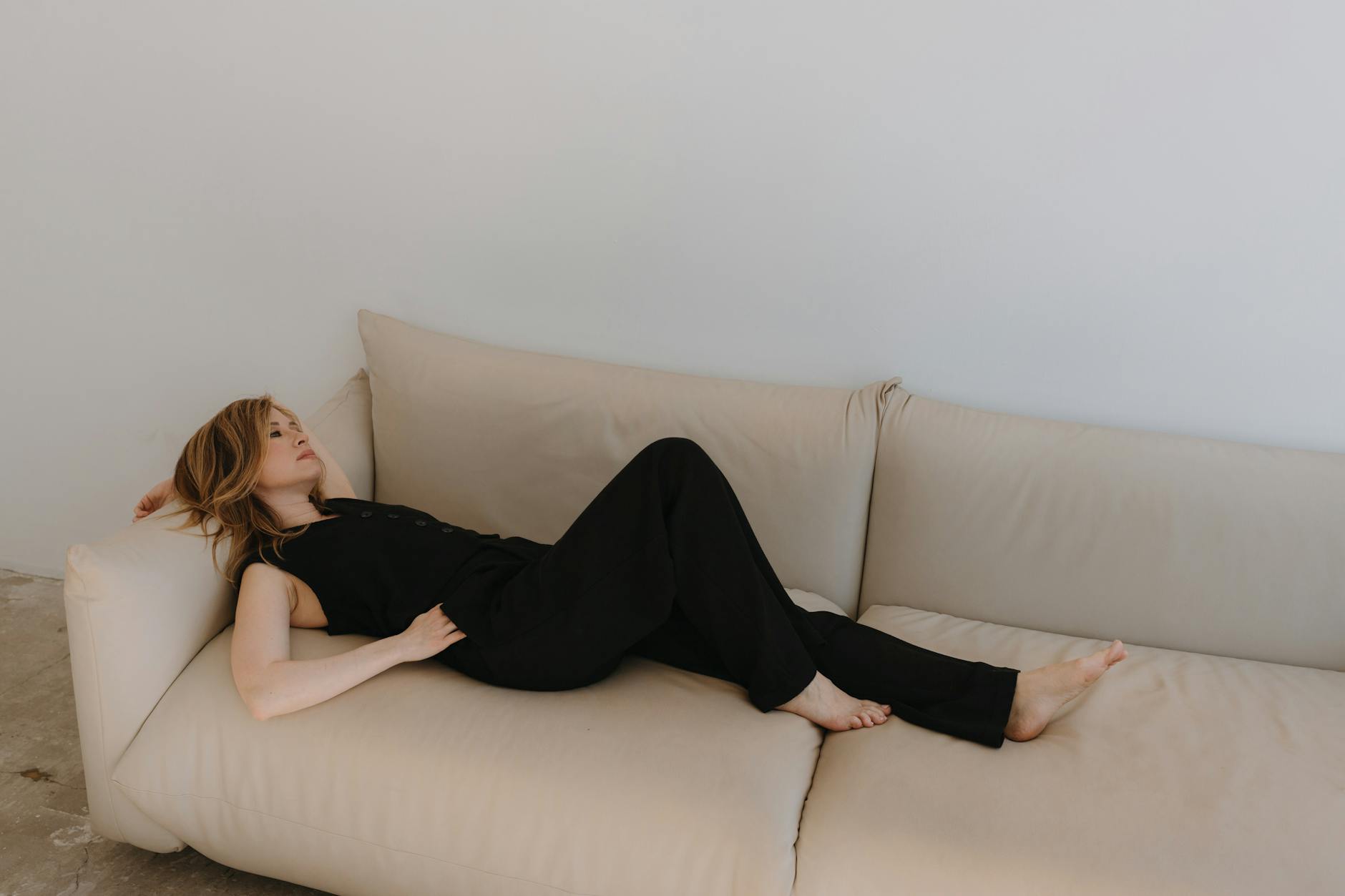
Sinking into soft sofa cushions feels comfortable in the moment but places the lumbar spine in a severely compromised position. The natural inward curve of the lower back flattens or even reverses when the body collapses into plush seating. This puts uneven pressure on spinal discs and can trigger inflammation in the surrounding ligaments. Spending several hours each evening in this position compounds the damage done during a full day of sitting at a desk. Firm seating with proper lumbar support is far more beneficial for long-term spinal health.
Text Neck

Bending the neck downward to look at a smartphone is a habit that places enormous mechanical stress on the cervical spine. The angle of the head during scrolling and texting can multiply the weight the neck must bear by several times its normal load. This repetitive strain gradually flattens the natural cervical curve and compresses the discs between the upper vertebrae. Many people develop chronic neck pain and reduced range of motion years earlier than they otherwise would. The cumulative effect of hours spent in this position each day is one of the defining spinal health challenges of this generation.
Crossing Your Legs

Sitting with one leg crossed over the other rotates the pelvis and creates an uneven foundation for the entire spinal column. This asymmetry forces the lumbar vertebrae into a slight twist that the muscles on one side must constantly counteract. Maintained over long periods the habit contributes to muscle imbalances on the left and right sides of the lower back. It can also reduce circulation to the lower limbs and increase pressure on the sciatic nerve. Keeping both feet flat on the floor distributes weight evenly and protects the natural alignment of the spine.
Carrying Heavy Bags

Habitually slinging a heavy bag over one shoulder forces the body to compensate by raising that shoulder and tilting the spine laterally. This lateral curvature places unequal pressure on the discs and facet joints on one side of the spine. The muscles along that side of the back shorten and tighten while the opposite side stretches and weakens over time. Backpacks that distribute weight evenly across both shoulders are far less damaging for spinal integrity. The contents of any regularly carried bag should also be reviewed and reduced wherever possible.
Stomach Sleeping

Lying face down is widely regarded by spinal health professionals as the most harmful sleeping position for the spine. It forces the neck to rotate sharply to one side for the entire duration of sleep, straining the cervical joints and muscles. The lumbar spine is also pushed into an unnatural extension when unsupported weight presses the abdomen into the mattress. This position disrupts the natural alignment of the entire spinal column for hours at a time night after night. Side or back sleeping with appropriate pillow support allows the spine to rest in a far more neutral position.
Sitting Without Lumbar Support

Sitting in a chair without proper support for the lower back causes the lumbar spine to lose its natural inward curve. The resulting flat or rounded lower back places concentrated pressure on the front edges of the lumbar discs. Over years this uneven loading breaks down disc material and increases the risk of herniation and nerve compression. Office chairs should be adjusted so that lumbar support makes contact with the small of the back at all times. Even a rolled towel placed behind the lower back can make a meaningful difference when seating options are limited.
Looking Down at a Monitor

Positioning a computer monitor below eye level encourages the head to tilt downward throughout the workday. This persistent forward and downward angle places the same stress on the cervical spine as text neck but for potentially longer durations. The upper trapezius and neck muscles become chronically overloaded and shortened from this sustained effort. Raising the monitor so that the top of the screen sits at or just below eye level is a straightforward and highly effective correction. Even small adjustments to screen height can produce noticeable improvements in neck and upper back comfort within days.
Hunching Over a Desk

Rounding the shoulders and curving the upper back forward while working at a desk is a habit that compresses the thoracic spine significantly. The thoracic discs experience increased anterior pressure in this position while the posterior muscles are placed under constant stretch-related tension. This pattern eventually leads to a pronounced upper back curve known as kyphosis that becomes structurally fixed over time. The chest muscles shorten and the upper back muscles weaken in a self-perpetuating cycle that is difficult to reverse without deliberate intervention. Sitting tall with the shoulders drawn back and down counteracts this tendency and protects thoracic integrity.
Driving Posture
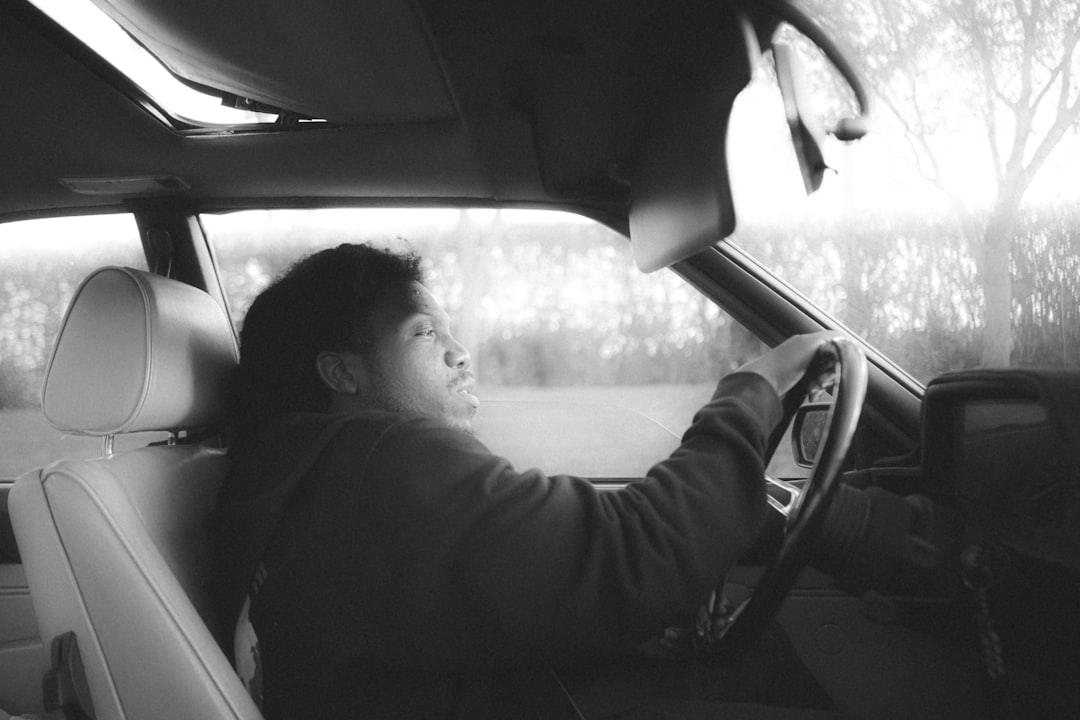
Spending significant time behind the wheel without proper seat adjustment is a surprisingly damaging spinal habit. Many drivers sit too far from the steering wheel with arms extended and the lower back rounded away from the seat. Others grip the wheel with elevated shoulders which transfers tension directly into the cervical spine. Adjusting the seat so that knees are level with the hips and the back is fully supported by the seatback makes a substantial difference. Brief breaks on longer journeys to stand and walk also help counteract the compressive effects of extended driving.
Incorrect Lifting
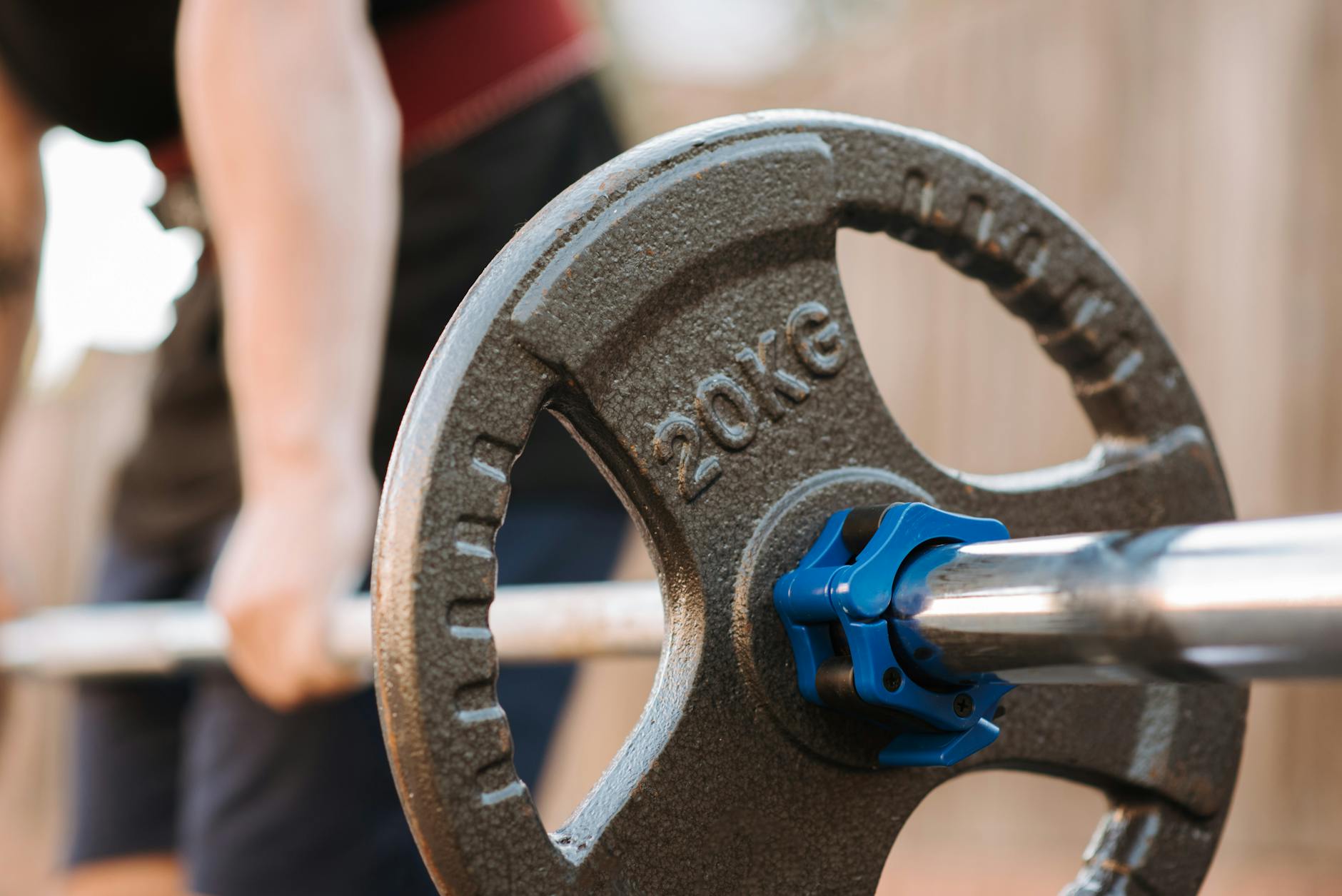
Bending at the waist rather than the knees when lifting objects is one of the leading causes of acute and chronic lumbar injury. This movement pattern places the full mechanical disadvantage of the spine’s long lever arm on the lower back muscles and discs. The posterior discs of the lumbar spine are especially vulnerable to herniation when load is applied in this flexed position. Even relatively light objects lifted repeatedly in this manner accumulate damage over months and years. Squatting with a neutral spine and allowing the legs to bear the load is the correct and much safer technique.
Neglecting Core Strength
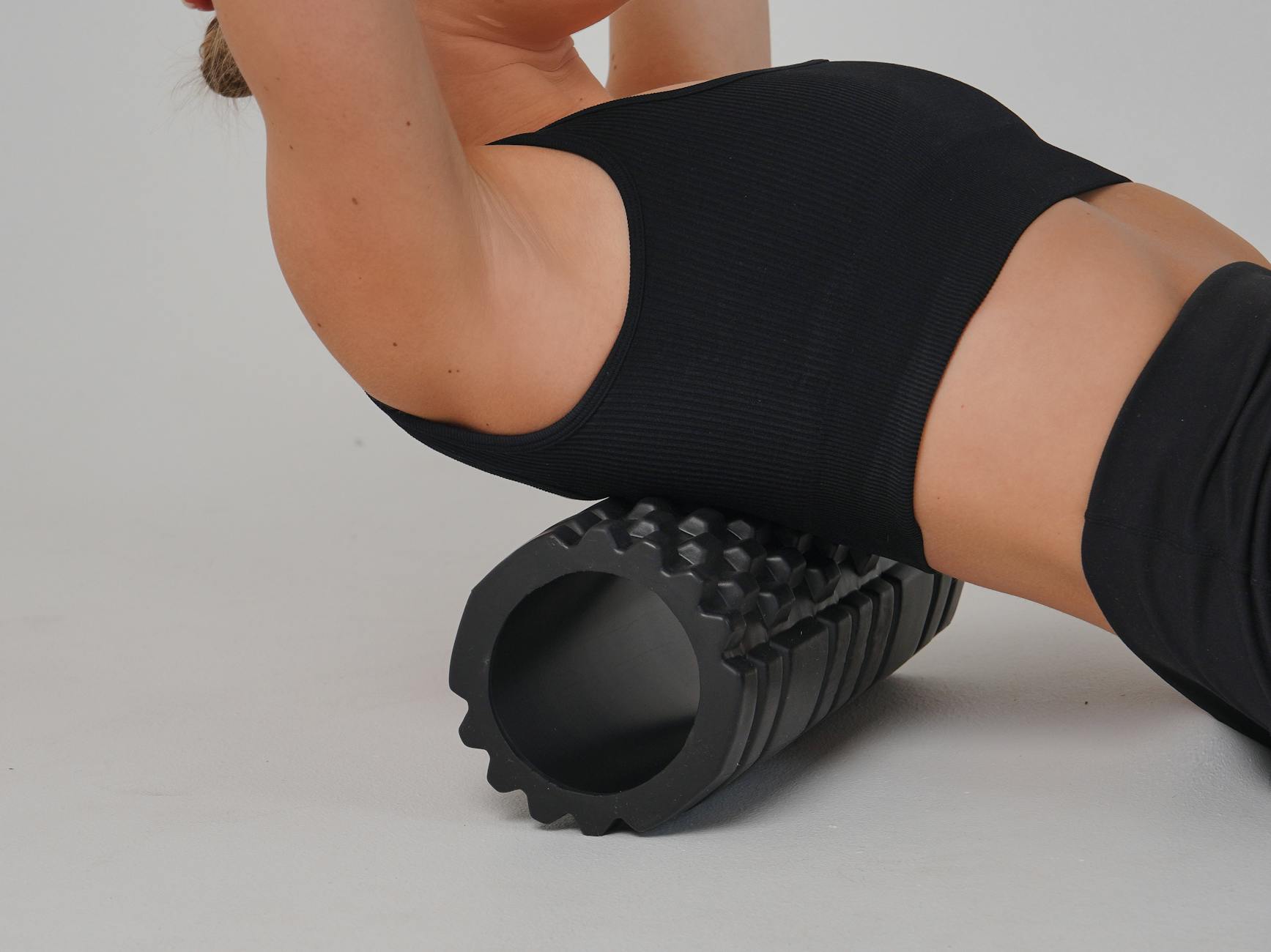
The deep core muscles surrounding the lumbar spine function as its primary stabilizing corset during movement and static posture alike. When these muscles are weak the spine must rely more heavily on its passive structures including ligaments and discs to bear load. This increases the risk of both acute injury and the slower degeneration that comes from chronically insufficient muscular support. Many people focus on superficial abdominal exercises without engaging the deeper stabilizers such as the transverse abdominis and multifidus. A targeted core strengthening program is one of the most effective long-term investments in spinal health available.
Wearing Unsupportive Footwear

The feet form the base of the kinetic chain that transmits forces up through the ankles, knees, hips, and ultimately the spine. Flat shoes without arch support allow the feet to pronate inward which causes a cascade of misalignment through the entire lower body. High heels shift the center of gravity forward and force the lumbar spine into an exaggerated extension that strains the posterior structures. The choice of footwear has a direct and measurable influence on the posture and loading patterns of the lumbar spine throughout the day. Supportive shoes with appropriate arch contour and heel height help maintain optimal spinal alignment from the ground up.
Skipping Stretching

Failing to maintain flexibility in the muscles surrounding the spine allows tension and shortening to accumulate unchecked over time. Tight hip flexors from prolonged sitting tilt the pelvis forward and increase lumbar lordosis placing stress on the posterior discs. Tight hamstrings pull the pelvis into a posterior tilt that flattens the lumbar curve and increases disc pressure at the front. Regular stretching of these muscle groups helps maintain the balanced muscular environment that the spine depends on for healthy alignment. Even ten minutes of targeted flexibility work each day can meaningfully reduce the rate of posture-related spinal decline.
Cradling a Phone

Trapping a phone between the ear and the shoulder during calls forces the neck into a sustained lateral tilt and rotation. This combined movement compresses the facet joints and discs on one side of the cervical spine while overstretching the other. The trapezius and scalene muscles on the compressed side shorten and develop trigger points that cause referred pain into the head and shoulder. Even calls lasting only a few minutes in this position add up to significant accumulated stress over the course of a workweek. Using a headset or speakerphone eliminates this postural threat entirely.
Not Taking Movement Breaks

Remaining seated or stationary for extended periods without interruption allows the spinal discs to become progressively more compressed under body weight. Discs lack direct blood supply and depend on the pumping action of movement to circulate nutrients and remove waste products. Prolonged static loading reduces disc hydration and accelerates the degenerative process that makes discs thinner and less shock-absorbent with age. Research consistently supports breaking up sedentary time with brief movement every thirty to forty-five minutes as a meaningful protective strategy. Even a short walk to another room or a few standing stretches provides enough stimulus to support disc health.
Improper Pillow Height

Using a pillow that is too high or too low pushes the cervical spine out of neutral alignment for the entire duration of sleep. A pillow that is too thick forces the neck into a lateral flexion that compresses the joints and discs on the lower side. One that is too flat allows the head to drop and stretch the muscles and ligaments on the upper side of the neck. Over years of incorrect pillow height the cervical discs experience accelerated wear on their most loaded surfaces. Selecting a pillow height that keeps the head level with the rest of the spine when lying on the side is the optimal approach.
Rounded Shoulders

Habitually allowing the shoulders to roll forward shortens the pectoral muscles and weakens the lower trapezius and rhomboids responsible for holding the shoulders back. This postural pattern pulls the thoracic spine into flexion and contributes to the development of a forward-rounded upper back over time. The altered shoulder position also changes the mechanical relationship between the neck and the thorax increasing cervical strain. People with rounded shoulders often develop associated conditions including rotator cuff dysfunction and thoracic outlet syndrome alongside spinal problems. Consistent shoulder retraction exercises and stretching of the chest can gradually reverse the pattern when practiced with regularity.
Ignoring Pain Signals
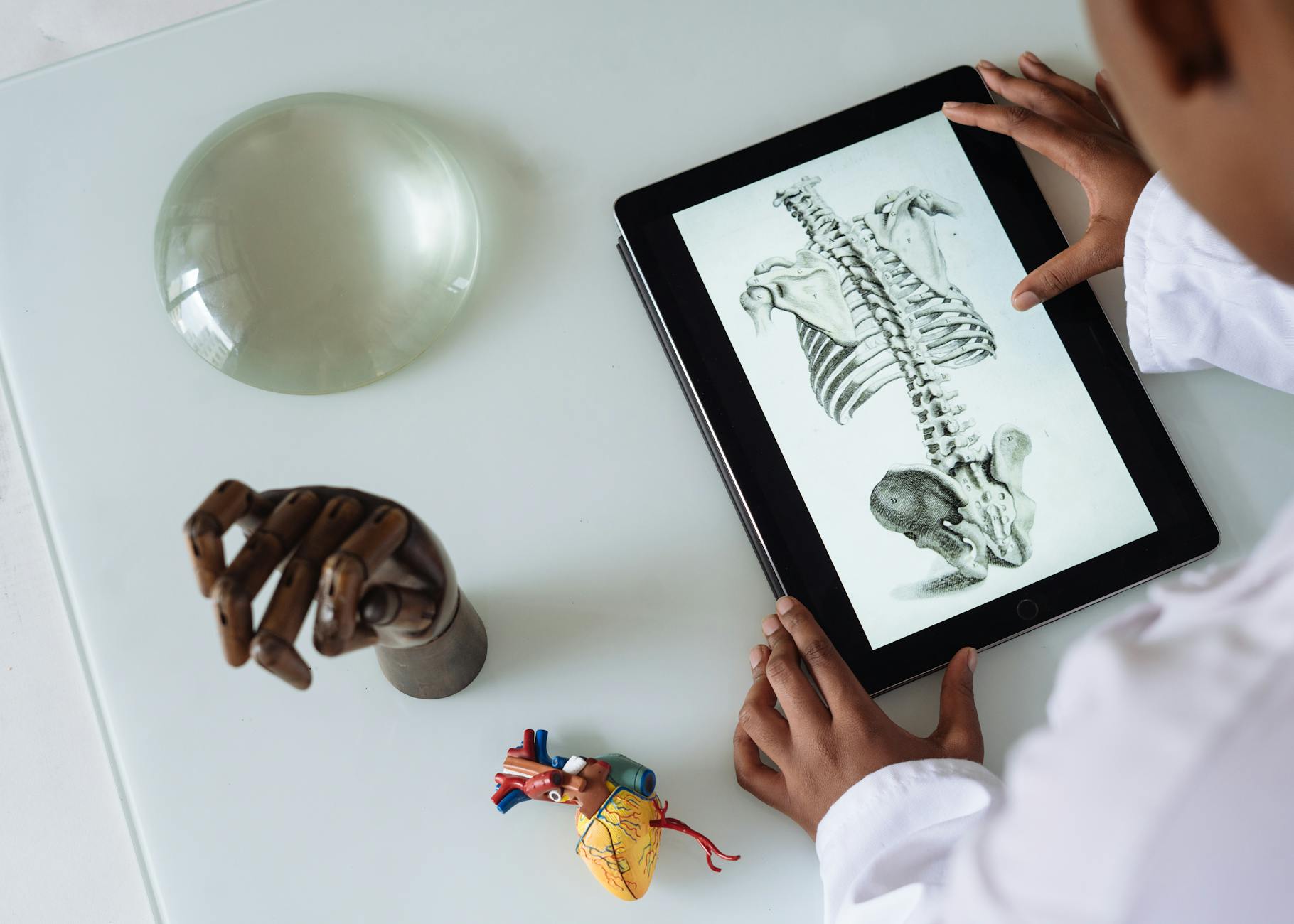
Dismissing early warning signs such as persistent aching, stiffness after sitting, or localized soreness in the spine as minor inconveniences allows underlying problems to progress without intervention. Pain is the body’s communication that structural or muscular imbalances have reached a threshold requiring attention. Many conditions that become serious and difficult to treat in later life begin as minor recurring symptoms that were consistently overlooked. Early professional assessment and targeted correction of identified postural faults can prevent the escalation of minor dysfunction into chronic degenerative disease. Treating spinal discomfort as meaningful information rather than an ordinary inconvenience is one of the most important shifts a person can make for long-term back health.
Anterior Pelvic Tilt
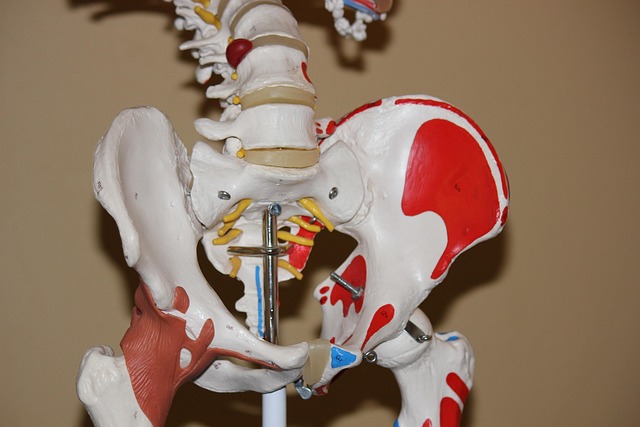
This occurs when the front of the pelvis drops and the back rises creating an exaggerated inward curve in the lower back. It is typically caused by a combination of tight hip flexors and weak gluteal muscles resulting from prolonged sitting. The exaggerated lumbar curve increases compressive forces on the posterior elements of the lower spine including the facet joints and the back portions of the discs. Over time this contributes to the development of lumbar stenosis and accelerates facet joint arthritis. Correcting pelvic tilt requires both stretching the shortened hip flexors and actively strengthening the glutes and deep core stabilizers.
Sedentary Lifestyle

A broadly inactive lifestyle is the foundational condition that makes every other postural mistake worse and harder to correct. Physical inactivity leads to progressive weakening of all the muscle groups that support spinal alignment including the core, glutes, and postural muscles of the back. It also accelerates the loss of bone density in the vertebral bodies making the spine more vulnerable to compression fractures with age. Cardiovascular exercise improves circulation to spinal tissues and supports the metabolic processes that maintain disc and bone health. Movement is not merely beneficial for the spine but is a fundamental biological requirement for its long-term structural integrity.
Which of these posture mistakes do you recognize in your own daily routine? Share your thoughts in the comments.




