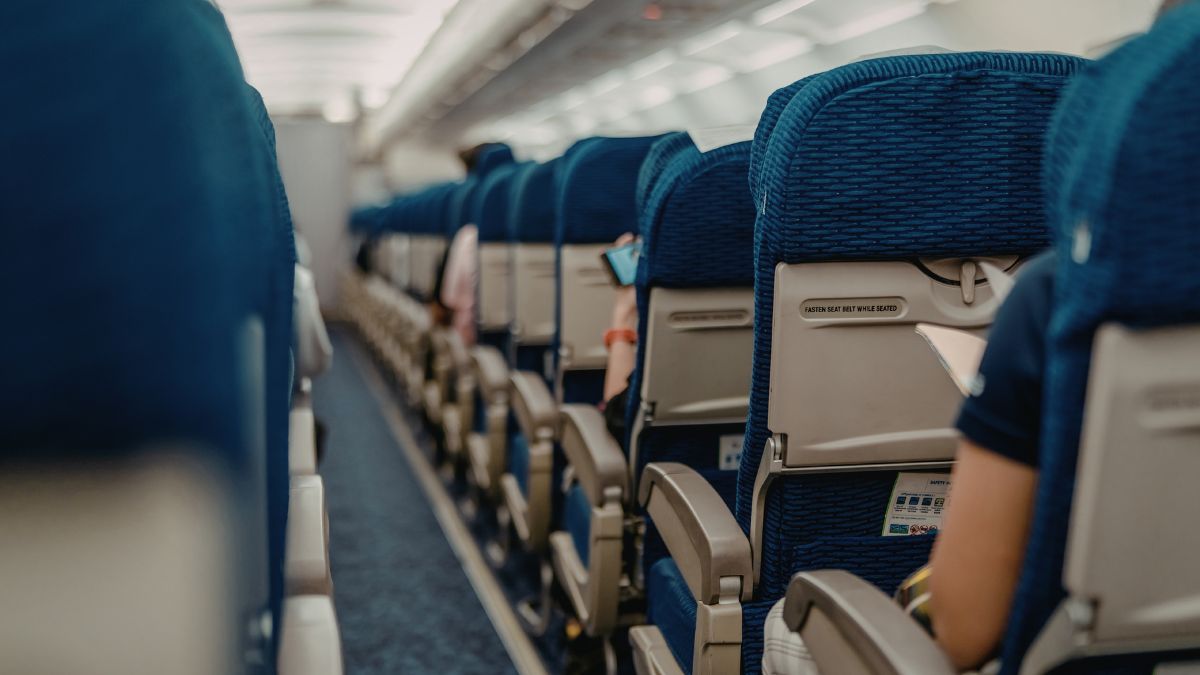
The power dynamic inside a commercial aircraft cabin is one of the most quietly asymmetrical relationships in modern civilian life. Flight attendants are professionally trained, uniformly polite, and operating within a service framework that makes direct conflict almost impossible for passengers to initiate or sustain. What this dynamic also creates is an environment in which small acts of passive resistance, strategic neglect, and procedural inconvenience can be deployed with complete deniability and perfect professional composure. Most flight attendants are genuinely dedicated service professionals but the ones who have decided a particular passenger deserves a more challenging journey have an extraordinary toolkit at their disposal and the entire flight ahead of them to use it.
Beverage Timing

The trolley service on a long-haul flight follows a rhythm that cabin crew control entirely and a passenger who has attracted negative attention may find that the cart consistently reaches their row at the precise moment they have fallen asleep, have their tray table occupied, or have just returned from the lavatory. The timing of beverage service is presented as operationally determined but the pace at which the cart moves through each row section involves discretionary judgment that allows for subtle acceleration past specific seats. A passenger who misses the trolley pass is entirely dependent on the call button for subsequent service which introduces a separate layer of response time discretion that cabin crew also control. The combination of missed trolley timing and extended call button response creates a hydration experience over a twelve-hour flight that differs meaningfully from the one enjoyed by the passengers on either side of the targeted seat.
Ice Quantity Control
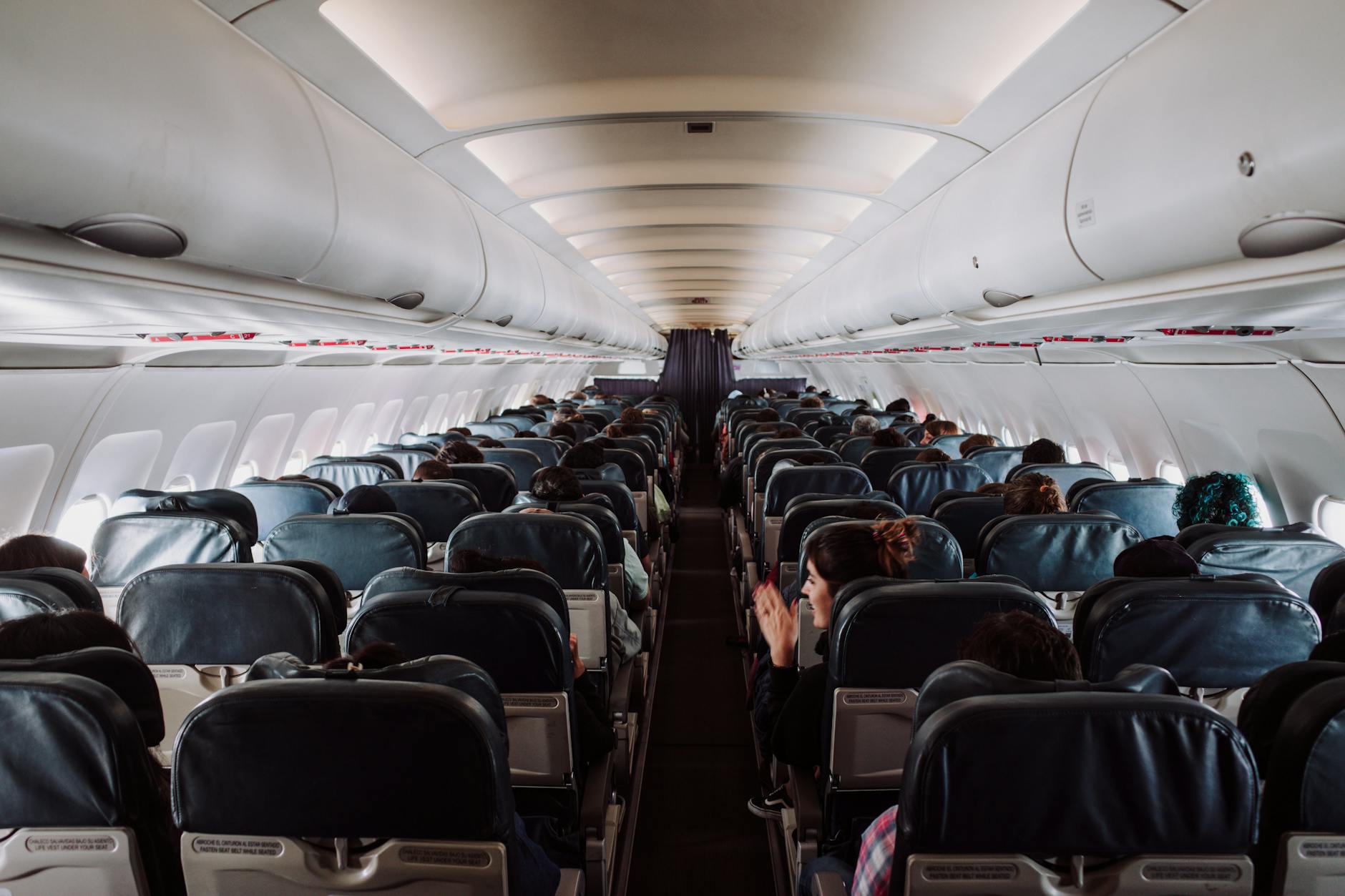
The amount of ice placed in a drink is determined entirely by the person holding the ice scoop and represents one of the most invisible discretionary decisions in the entire service sequence. A passenger who has been noted for rudeness, excessive demands, or call button overuse may find that their drinks arrive consistently warm because the ice allocation that accompanied their beverage was technically present but functionally inadequate for temperature maintenance. The complaint threshold for insufficient ice is essentially nonexistent because no passenger can reasonably articulate that they received too little ice as a formal service grievance with any expectation of being taken seriously. Over a flight of sufficient duration the cumulative effect of warm beverages on passenger comfort and sleep quality is not trivial and the delivery mechanism is entirely undetectable as intentional.
Snack Visibility
The selection of snack items available from the galley frequently exceeds what is formally presented during service and cabin crew have complete discretion over which items are offered verbally, which are displayed visibly on the trolley, and which remain in galley storage accessible only to those who know to ask for them specifically. A passenger who has created a negative impression may find that the premium snack options, the second biscuit offering, or the additional bread roll that other passengers in the same cabin receive are simply never mentioned during their service interaction. The passenger has no way of knowing what they did not receive because the existence of undisclosed options is invisible and the service interaction appears entirely normal in its format. Frequent flyers who have learned to ask specifically about galley availability rather than accepting the trolley presentation as comprehensive have independently discovered the gap between what is available and what is proactively offered to all passengers equally.
Blanket Quality

Aircraft blankets are not all identical and galleys stocked for long-haul flights typically contain a range of blanket conditions from freshly sealed to previously used and refolded with varying degrees of laundering investment between these states. The selection of which blanket goes to which passenger involves a handling discretion that is exercised at the moment of distribution and a passenger who has made a poor impression may find that their blanket allocation reflects the lower end of the available quality range without any visible indication that a choice was made. The sealed plastic packaging used for some blanket presentations creates an impression of uniform quality that may not accurately represent the condition of what is inside and the passenger typically discovers the actual quality only after settling in for a sleep attempt. On a fourteen-hour overnight flight the difference between an adequate blanket and an insufficient one in terms of sleep quality is a gap that compounds through the night into meaningful next-day impairment.
Pillow Placement
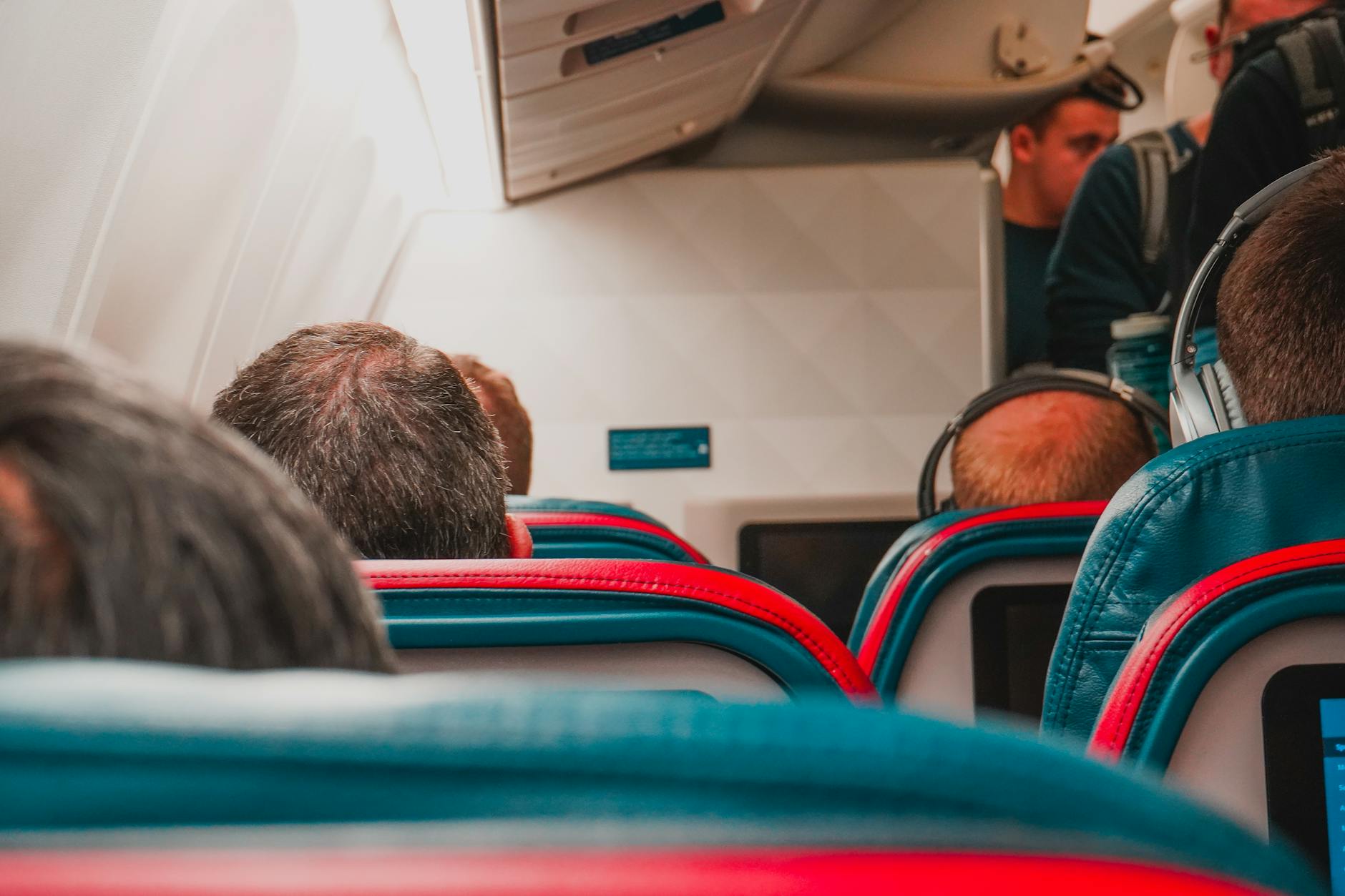
The distribution of cabin pillows follows a similar discretionary pattern to blanket allocation with the additional dimension that pillow volume and filling density vary between units in ways that are not externally visible at the moment of handover. A flat or inadequately filled pillow received by a passenger attempting to sleep upright in economy class for ten hours represents a comfort deficit that cannot be easily remediated mid-flight without creating a service interaction that the cabin crew member who made the original allocation will handle with complete professional composure. The request for a replacement pillow is entirely legitimate and will be fulfilled but the replacement offered may not represent a meaningful improvement if the selection discretion that produced the first allocation is applied consistently to the second. Passengers who travel frequently in long-haul economy and prioritize sleep quality have learned to bring their own cervical travel pillows specifically to remove this particular variable from their flight experience.
Headphone Distribution
On flights where headphones are distributed by cabin crew rather than pre-placed at seats the selection of which headphone units go to which passengers involves a quality discretion that is invisible at the point of distribution. Audio headphone units that have been used across multiple flights develop varying degrees of driver degradation, cushion compression, and cable integrity that affects the listening experience in ways that are only apparent when the passenger attempts to use them. A passenger who receives a degraded unit and requests a replacement introduces a service interaction that will be handled professionally but the replacement offered may be drawn from the same quality tier as the original allocation. Passengers who bring personal in-ear headphones on long-haul flights have removed this specific variable from their journey but those who rely on aircraft-provided units are entirely dependent on the distribution discretion of the person making the rounds.
Call Button Response
The call button response time is one of the most powerful tools in the passive inconvenience toolkit because it is entirely under cabin crew control, operates with complete deniability through reference to other service priorities, and creates compounding frustration through repeated use. A passenger who has established a negative reputation with the cabin crew within the first hour of a long-haul flight may find that their call button activations are consistently acknowledged at the slower end of the response time range while technically being answered within an interval that cannot be formally complained about. The psychological experience of pressing a call button and waiting without visible response acknowledgment for an extended period is specifically frustrating in the context of aircraft travel where the passenger cannot simply go elsewhere and where need states including thirst, discomfort, and nausea are time-sensitive. Passengers who maintain consistent courtesy in all cabin interactions protect their call button response time in a way that rude or demanding passengers inadvertently surrender.
Meal Sequence Positioning
The sequence in which meal choices are offered to passengers in a cabin row is not random and on flights where popular options run out before all passengers are served the position in the service sequence determines who receives their preferred choice and who receives whatever remains. Cabin crew who control the trolley direction and service sequence have the ability to position a specific passenger toward the end of the service run for their section which statistically reduces the probability that preferred meal options will still be available when the trolley reaches them. The passenger who is offered a choice between the remaining option and the remaining option has no practical recourse and the explanation that popular choices ran out is entirely plausible and entirely unverifiable. Menu preference outcomes on long-haul flights are not uniformly random and passengers who have made a negative impression early in the flight sometimes discover this at meal service.
Temperature Micromanagement

Aircraft cabin temperature is controlled from crew panels and the microclimate in different cabin sections can be adjusted within ranges that create meaningful comfort differences between passengers sitting in differently conditioned areas. A passenger who has been difficult may find that the temperature in their immediate seating zone is maintained at the cooler end of the acceptable range throughout a night flight when the cabin has been darkened and most passengers are attempting to sleep. The complaint threshold for cabin temperature is low because temperature perception is subjective and the professional response to a temperature complaint is a sympathetic acknowledgment accompanied by a suggestion to use the available blanket. Passengers who are simultaneously experiencing inadequate blanket allocation and cooler-than-preferred cabin temperature are dealing with a compound comfort deficit that each individual element of which is entirely addressable through normal service channels but whose combination creates a sleep environment that is comprehensively challenging.
Aisle Cart Parking
The positioning of the service trolley during meal preparation and between service runs involves discretionary choices about which aisle section the cart occupies and for how long it creates a physical barrier to lavatory access for passengers in adjacent rows. A passenger in a window or middle seat who needs lavatory access during a period when the cart is positioned to create maximum inconvenience for their specific row will either need to request crew assistance to move the cart or wait for the cart to be relocated through the normal service progression. The duration for which a cart remains in any given position is not formally specified and the crew members managing the trolley have complete discretion over how long any particular aisle section remains obstructed. Passengers who have established positive relationships with cabin crew tend to find that cart obstruction periods affecting their row resolve slightly faster than they might for passengers who have generated friction earlier in the flight.
Turbulence Announcement Timing
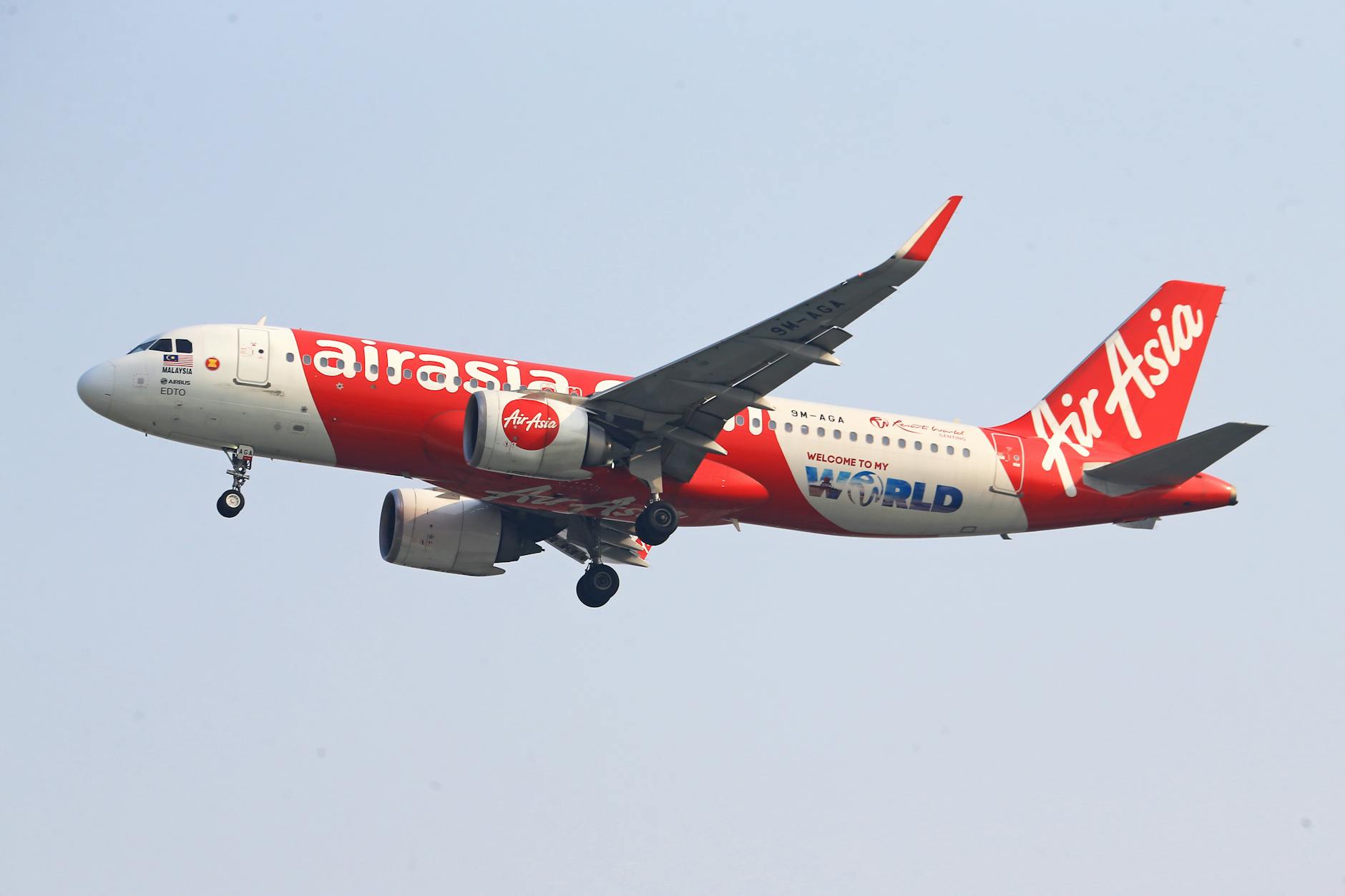
The decision to announce a return-to-seat requirement due to turbulence involves crew discretion about the threshold of motion that warrants a formal cabin announcement and the timing of these announcements relative to service activities can create specific inconveniences for passengers in various states of activity. An announcement that requires all passengers to return to their seats and fasten seatbelts at the precise moment a targeted passenger has stood to retrieve an item from the overhead bin or has begun walking toward the lavatory creates a specific compliance inconvenience that is entirely procedurally legitimate. The passenger must comply immediately and the crew member who made the announcement is exercising their safety authority in a manner that is completely beyond criticism. Whether the turbulence threshold that triggered the announcement was assessed with identical rigor to that applied during other service moments is not something the passenger can evaluate from their seat.
Lavatory Occupancy Information
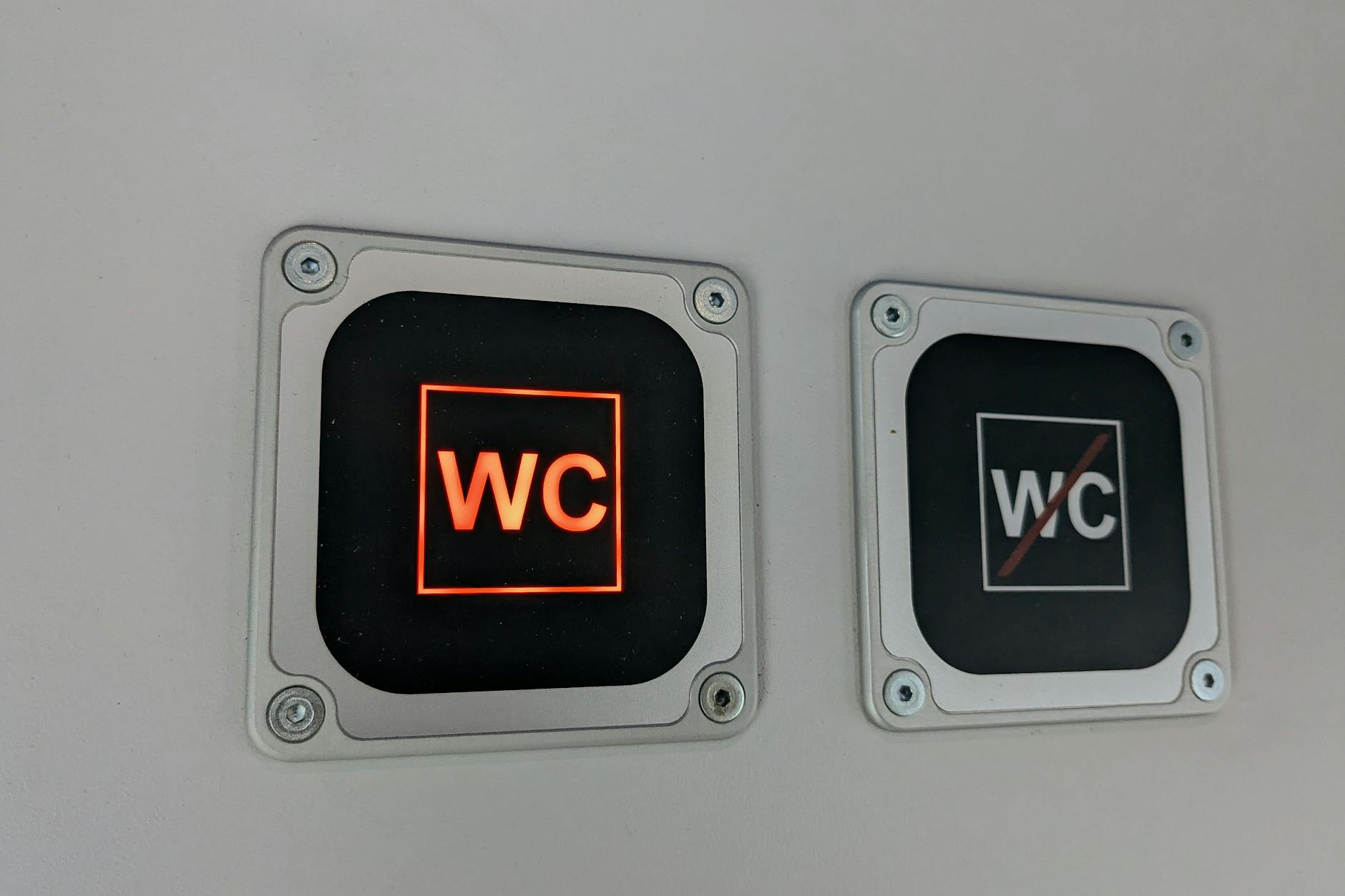
When a passenger asks a cabin crew member whether the lavatory is occupied the crew member’s knowledge of lavatory status may be more current and comprehensive than what they choose to share in response to the inquiry. A technically accurate response that the lavatory appears to be free when the crew member has reason to expect it will shortly be occupied sends the passenger on a walk that results in a wait rather than immediate access and returns them to their seat having achieved nothing. The passenger cannot determine whether this outcome resulted from incomplete crew knowledge, rapid occupancy timing, or a response calibrated to their standing in the cabin social hierarchy. The lavatory access experience over a long-haul flight is a meaningful component of overall journey comfort and the information quality that shapes access decisions is something cabin crew members control at the individual response level.
Entertainment System Assistance
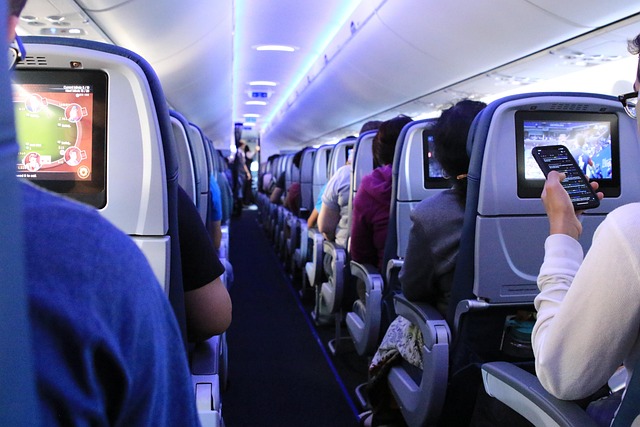
Aircraft entertainment systems develop various quirks and technical issues during operation and the speed and thoroughness with which cabin crew respond to reported malfunctions involves discretionary engagement with the technical troubleshooting process. A passenger who reports an entertainment system problem and receives a response that involves the minimum effective intervention rather than a comprehensive troubleshooting effort may find that the system continues to malfunction in ways that a more thorough initial response might have resolved. The crew member’s professional obligation is to attempt to address the reported problem and this obligation is discharged by making an attempt regardless of whether that attempt represents the full extent of available remediation options. On a flight of twelve or more hours the difference between a fully functional entertainment system and one that is intermittently problematic represents a significant component of the total journey experience.
Upgrade Information Withholding
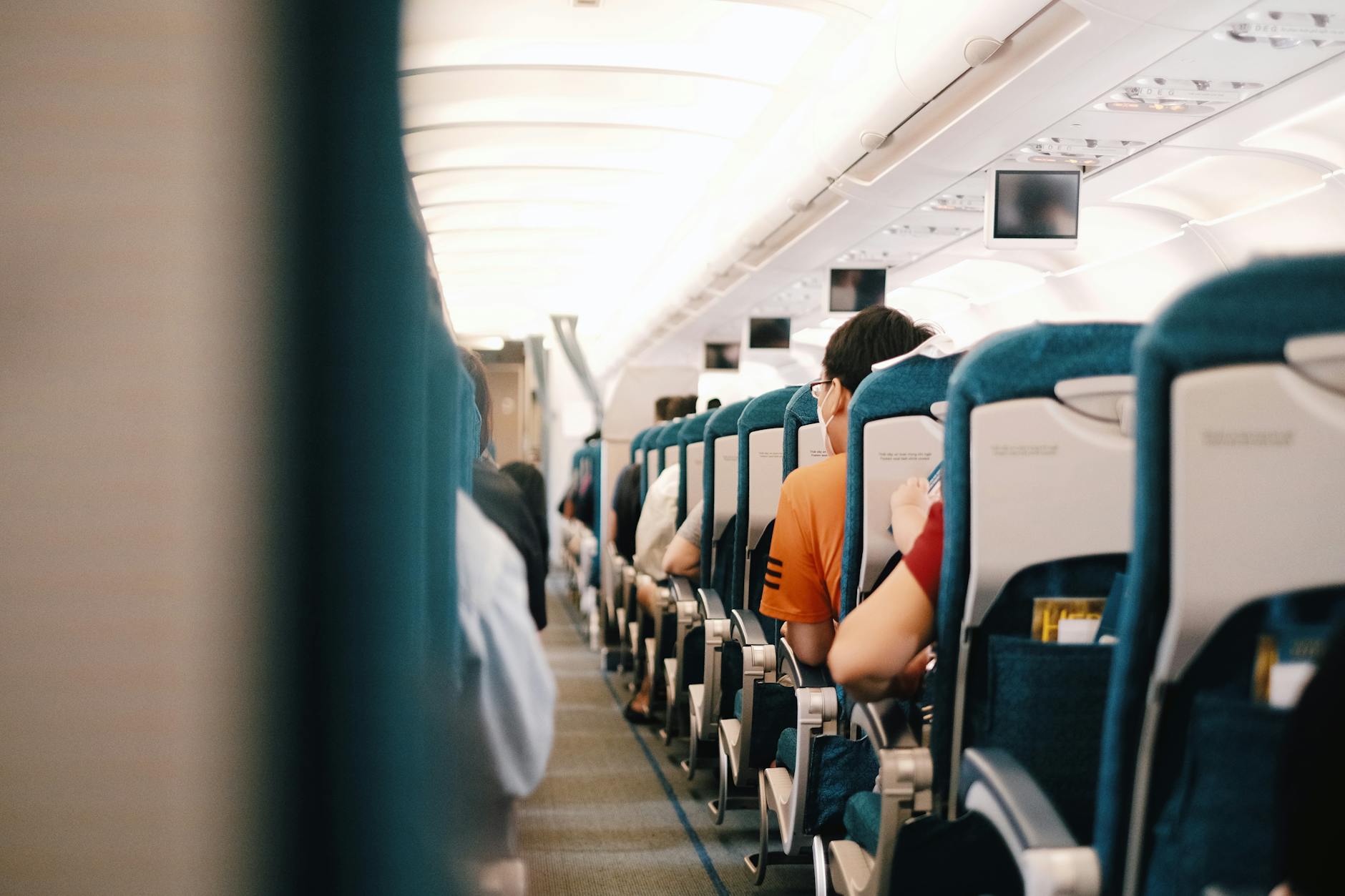
Cabin crew who are aware of available seating upgrades or superior seat assignments within the same cabin class have discretionary latitude over which passengers are proactively informed of these opportunities. Empty row information, exit row availability following passenger reseating, and better-positioned seats that become available after boarding are examples of the kind of seating intelligence that crew members possess and that they share selectively based on their own assessment of which passengers deserve the information. A passenger who has been courteous and pleasant from the boarding moment has a meaningfully higher probability of being quietly informed about an available upgrade opportunity than one who has generated friction during the boarding process. The passenger who ends a fourteen-hour flight having sat in a middle seat they could have vacated two hours after departure if they had known about an available aisle seat has experienced a real comfort deficit attributable to information that was not shared.
Customs Form Timing
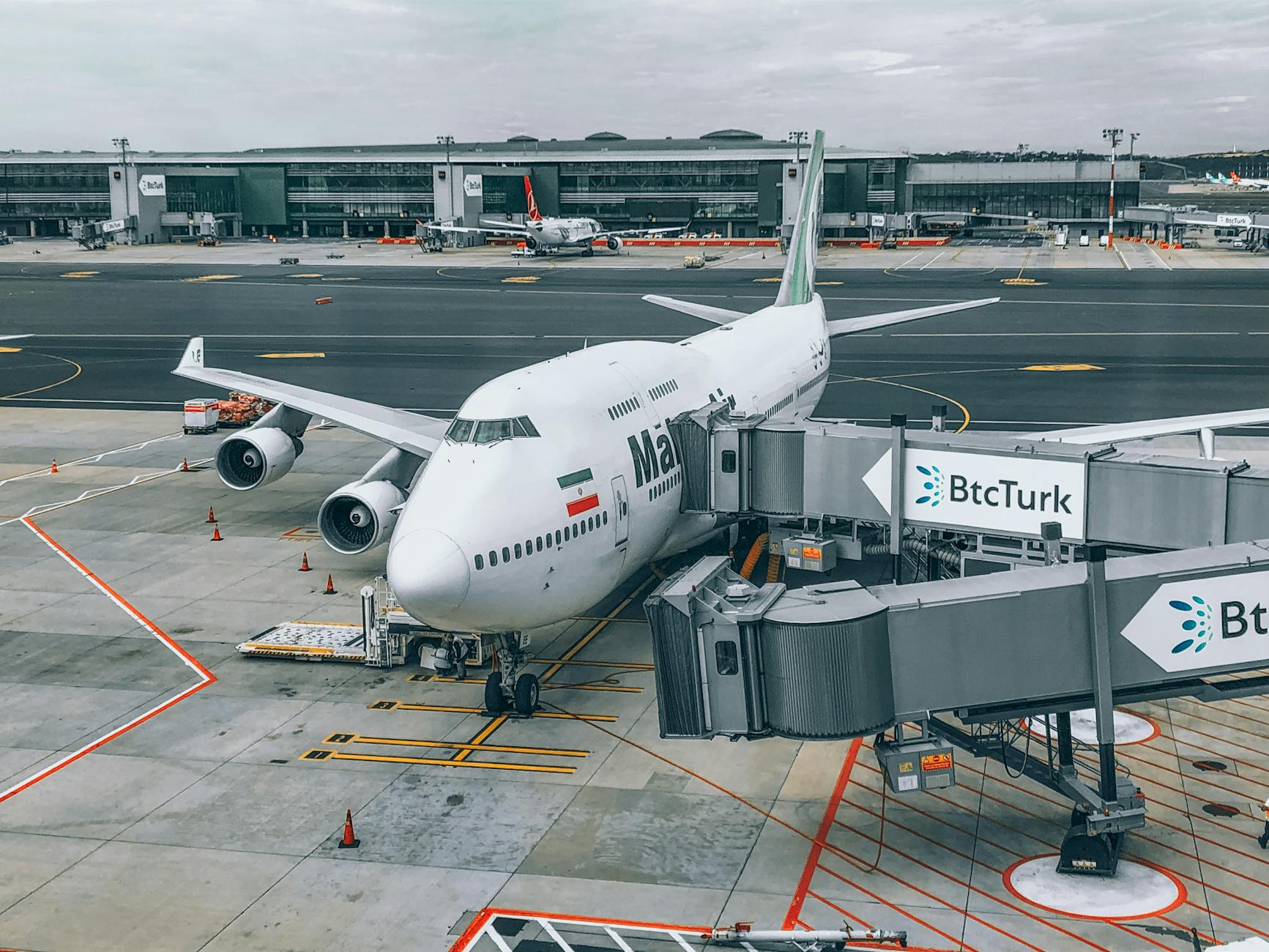
On international long-haul flights where disembarkation customs and immigration forms must be completed before arrival the timing of form distribution by cabin crew affects whether passengers can complete this task during a calm alert period or must do so while managing luggage retrieval and arrival preparations simultaneously. Forms distributed early allow passengers to complete the documentation comfortably during a quiet phase of the flight while forms distributed late create a compression of arrival tasks that is more stressful and time-consuming. Cabin crew control the distribution timing of these forms entirely and the window between early and late distribution on a very long flight can span several hours of meaningfully different passenger alertness and availability. The difference between completing customs documentation with full focus and completing it while trying to locate a pen in a carry-on bag during descent is a quality-of-arrival experience difference that is entirely within crew distribution timing discretion.
Overhead Bin Intelligence
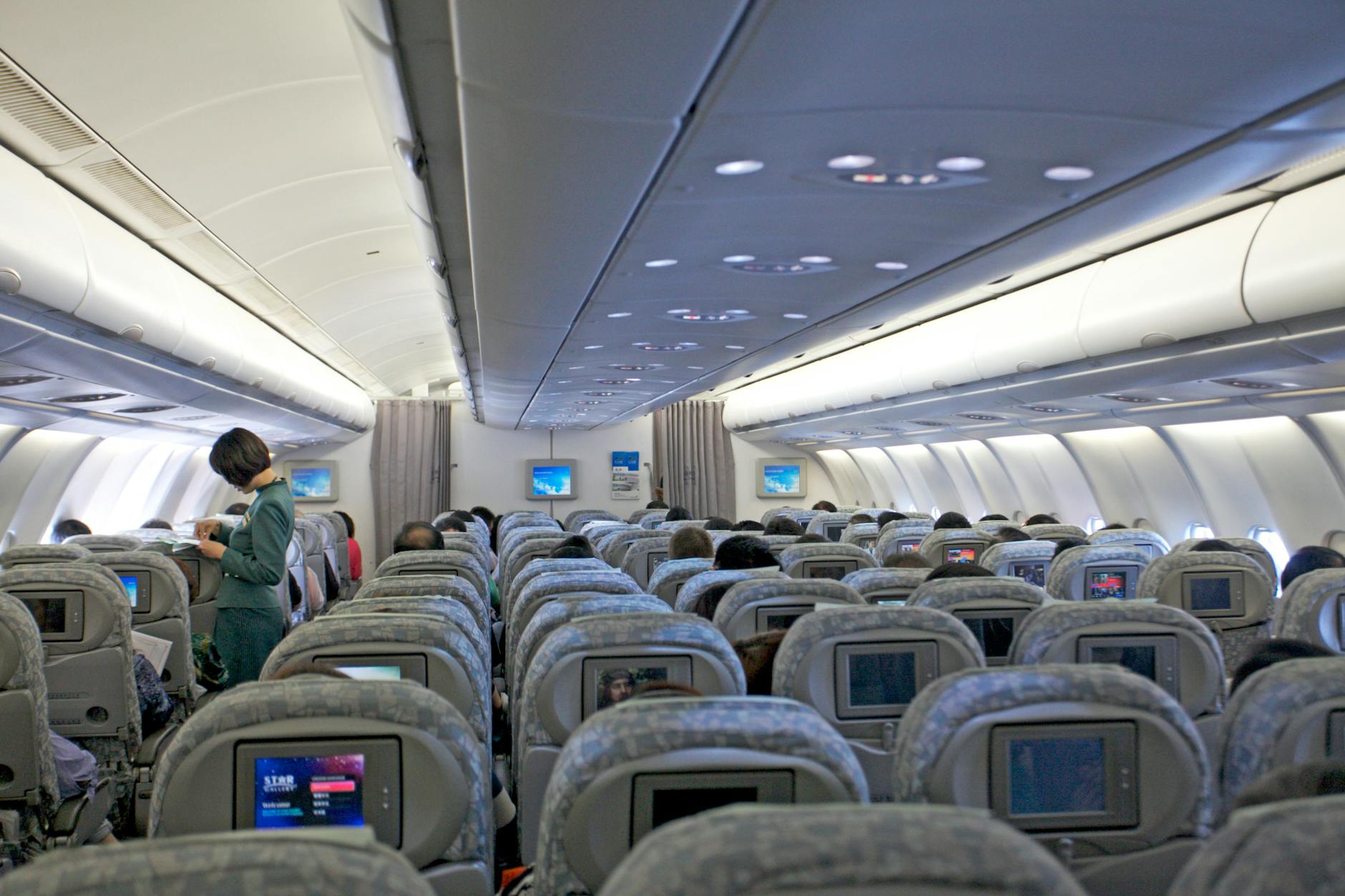
Cabin crew develop real-time knowledge of overhead bin availability throughout the cabin during and after boarding that no individual passenger possesses unless it is shared with them. A passenger who is struggling to find bin space near their seat and asks a crew member for guidance may receive information that is technically accurate but not optimally helpful if the crew member directs them toward the most distant available space rather than the nearest one that the crew member knows is actually accessible. The walk from a seat in row thirty-two to retrieve carry-on luggage from a bin above row fifteen at the end of a long-haul flight when the cabin is emptying is a specific inconvenience that accurate early bin guidance could have prevented. Passengers who board with courtesy and ask for bin assistance with a pleasant disposition consistently report receiving more specific and useful guidance than the directional gesture toward the rear of the aircraft.
Water Refill Frequency

The proactive refilling of water cups or bottles for passengers between formal service runs represents a discretionary service behavior that varies between passengers based on factors that include how much the crew member performing the galley rounds has noticed and been impressed by the passenger’s conduct. Adequate hydration on long-haul flights is genuinely important for passenger wellbeing and the difference between a cabin crew member who proactively stops to refill a passenger’s water and one who walks past without acknowledging the empty cup represents a real physiological service differential. The passenger can always activate the call button to request water but as previously noted the response time experience for this action is itself a discretionary variable. Passengers who treat galley crew members with visible appreciation during water refill interactions are making a social investment that returns dividends in the form of proactive refill attention for the remainder of the flight.
Newspaper Priority

On flights where physical newspapers and magazines are distributed from a limited supply the selection of which publications go to which passengers first involves a discretionary sequence that determines who receives a full selection and who receives whatever has not already been taken. Business and lifestyle publications that are available in limited quantities go to the passengers at the front of the distribution sequence and the passenger at the end of the sequence receives whatever remains which on a full long-haul flight may not include their preferred reading material. The distribution sequence is not formally specified and the crew member making rounds with the publication selection exercises personal discretion about which rows receive priority access. Passengers who have established pleasant early interactions with the crew member responsible for publication distribution have a meaningfully better probability of being included in the early distribution sequence.
Seat Recline Diplomacy

When passengers have a conflict about seat reclining the cabin crew member who is called to mediate the situation has significant discretion over how sympathetically they engage with each party’s position and which passenger’s comfort they effectively prioritize through their intervention framing. A crew member who has formed positive impressions of one passenger and negative ones of the other will apply their mediating authority in a way that produces an outcome aligned with those impressions while appearing to apply neutral service policy. The passenger who has been less pleasant will find that the crew member’s intervention resolves the conflict in a technically neutral manner that nonetheless fails to fully address their specific concern. Seat recline diplomacy is an area where the crew’s social assessment of each passenger translates directly into a physical comfort outcome that affects the remainder of the flight.
Arrival Announcement Positioning
The pre-arrival cabin preparation sequence involves lights being raised, window shades being opened, and audio announcements being made in a timing pattern that determines at what point sleeping passengers are effectively woken up for the descent and arrival process. Crew members who are managing this sequence have some discretion over how the environmental changes are sequenced and whether a sleeping passenger in a specific seat receives an additional prompt that ensures they are awake before other passengers in the surrounding area. A passenger who has been unpleasant may find that the general cabin preparation serves as sufficient notice of arrival while a pleasant passenger who the crew member does not wish to see arrive disoriented at the destination receives a personal quiet word that allows them to begin their arrival preparation with slightly more composure and time.
Duty Free Cart Speed
The duty free trolley service on long-haul flights moves through the cabin at a pace determined by how much time the crew allocates to each row’s browsing opportunity before moving the cart forward. A passenger who is visibly interested in making a purchase but who has generated negative impressions earlier in the flight may find that the trolley moves past their row before they have had adequate time to complete their selection decision, while passengers in adjacent rows with better standing in the cabin social hierarchy experience a more leisurely browsing opportunity. The duty free transaction is a commercial service and its facilitation is within the crew’s professional responsibilities but the pace at which the browsing opportunity is offered involves a timing discretion that is not formally regulated. The passenger who misses a specific duty free item they intended to purchase because the trolley moved past their row before they could decide has experienced a genuine commercial outcome from a discretionary service speed decision.
Disembarkation Row Release
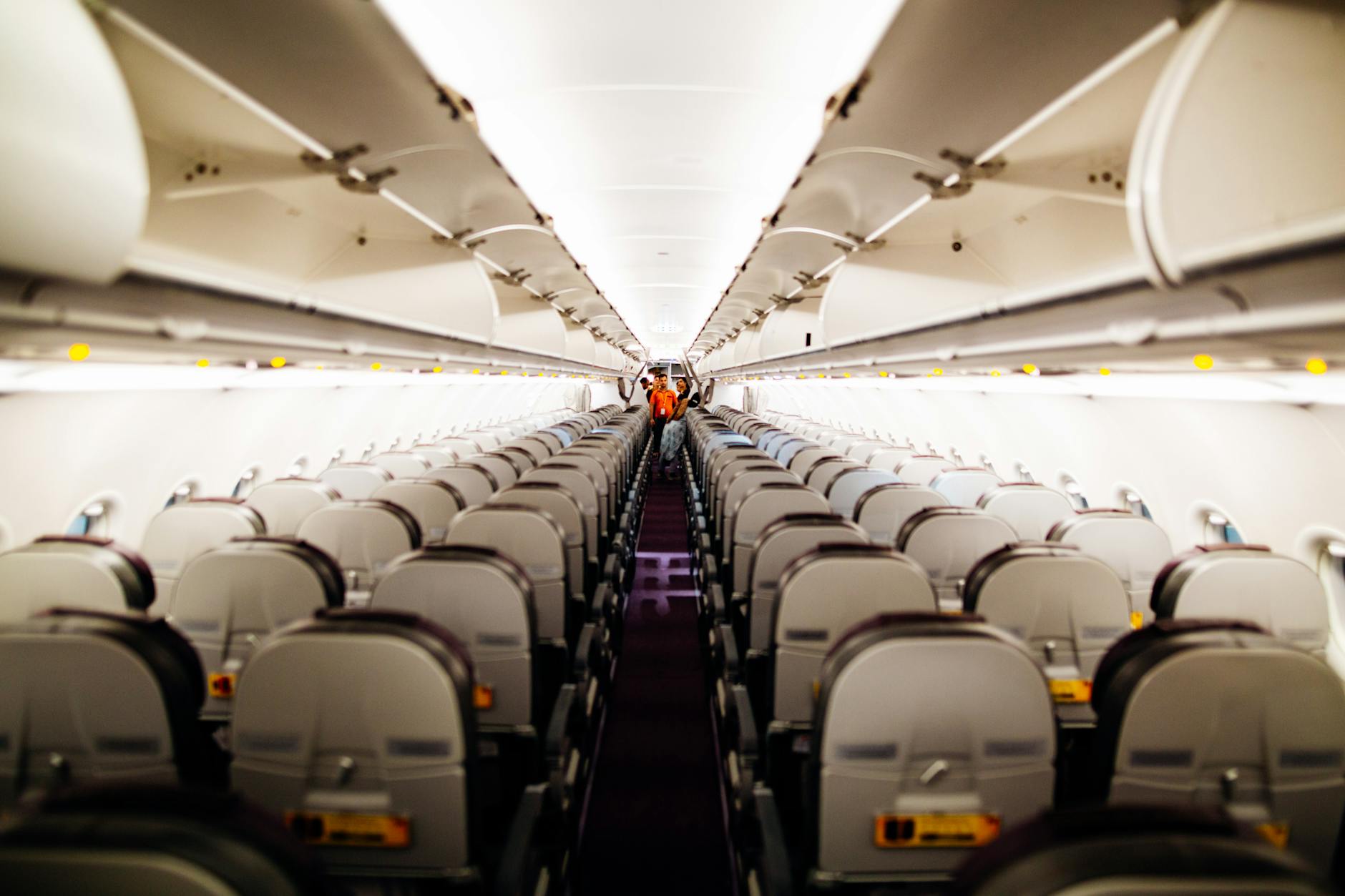
At the end of a long-haul flight the sequence in which rows are invited to stand and retrieve luggage for disembarkation involves some crew discretion in how rigidly the front-to-back sequence is enforced and whether specific passengers with genuine connection or time pressures are facilitated through earlier release. A passenger who has been pleasant and who mentions a tight connection during the flight may receive a proactive facilitation that allows them to be ready at the aisle before their row’s formal release. A passenger with an identical connection pressure who has been difficult throughout the flight will find that the formal row sequence is applied with precise procedural consistency to their situation. The few minutes gained or lost through disembarkation positioning can be genuinely consequential for passengers with connecting flights and the crew’s discretion in this moment represents a final opportunity to apply the social ledger that has been maintained throughout the journey.
Complaint Acknowledgment Quality

When a passenger raises a service complaint during a long-haul flight the quality of the acknowledgment they receive involves a significant performance component that is entirely within the responding crew member’s control. A complaint can be received with genuine empathy, active problem-solving language, and a commitment to follow-up that makes the passenger feel heard and attended to, or it can be received with a technically adequate acknowledgment that communicates professional compliance without any genuine engagement with the passenger’s experience. The passenger who receives the latter form of complaint acknowledgment has had their concern registered in the formal service record while receiving a response quality that does not actually improve their situation or their feeling of being valued as a passenger. The distinction between these two acknowledgment qualities is invisible to any objective observer because both responses satisfy the procedural requirement of acknowledging the complaint and neither can be formally criticized.
Final Beverage Omission

The final beverage service on a long-haul flight before the pre-landing cabin preparation begins represents the last hydration opportunity of the journey and on flights of ten hours or more this final service is a meaningful comfort provision for passengers facing several more hours before ground access to beverages. A passenger who has been noted for difficult behavior may find that the final beverage service pass moves through the cabin with a pace or timing that results in their row being informed that service has concluded before the trolley has fully completed its run through the section. The explanation that the service pass has been completed is entirely legitimate and entirely unverifiable from the passenger’s position and the thirst experience for the remainder of a long descent and ground taxi is a real discomfort that compounds the journey’s cumulative impression. The final beverage service represents a closing chapter in a flight-long social dynamic that cabin crew bring to a conclusion with the same professional composure they have maintained throughout.
Share your own long-haul flight experiences and the cabin crew behaviors that made the journey more challenging than it needed to be in the comments.




