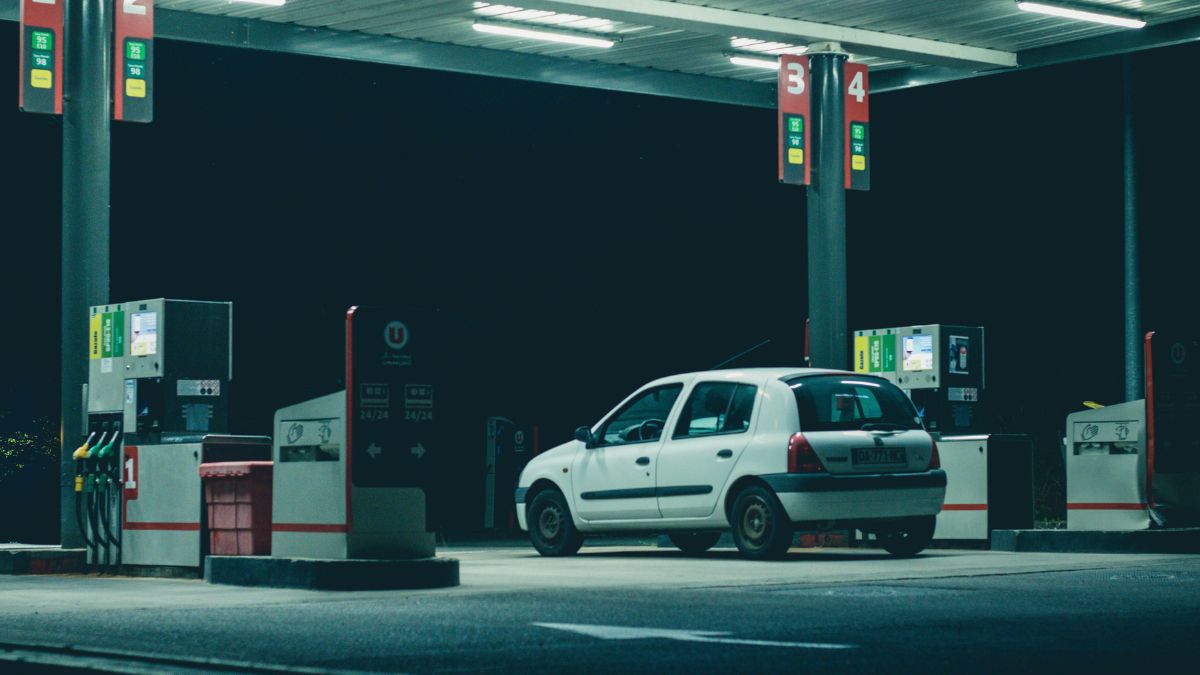
Gas station fraud has become one of the most common and costly forms of consumer theft in recent years. Criminals are constantly refining their methods to steal financial information from unsuspecting drivers in seconds. Many victims do not realize anything has gone wrong until unauthorized charges appear days later. Understanding how these scams work is the first step toward protecting yourself every time you fill up.
Card Skimmers
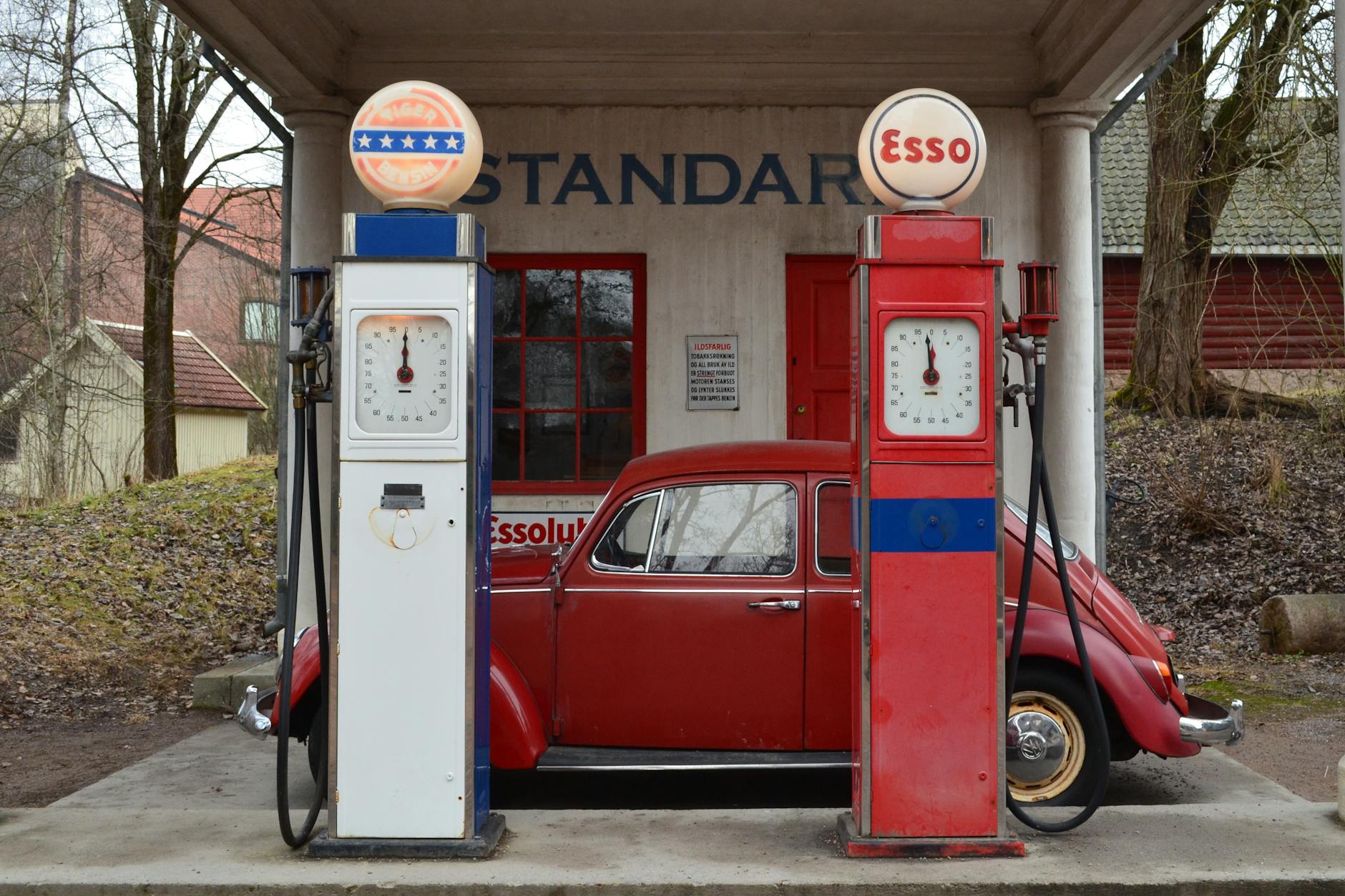
A skimming device is a small piece of hardware that criminals secretly attach over the card reader at a pump. These devices are designed to look identical to the original equipment and are nearly impossible to spot without a close inspection. The stolen card data is transmitted wirelessly to a nearby criminal or retrieved later. Newer versions can capture chip data and are becoming increasingly difficult for both consumers and station owners to detect.
Bluetooth Transmitters
Some skimmers are now equipped with Bluetooth technology that sends stolen card information instantly to a thief waiting in a nearby vehicle. This eliminates the need for a criminal to return to the pump and risk being caught retrieving a physical device. A thief can collect dozens of card numbers in a single afternoon without ever leaving their car. Security researchers have identified dozens of Bluetooth-enabled skimmer models circulating across fuel stations nationwide.
Fake Keypads
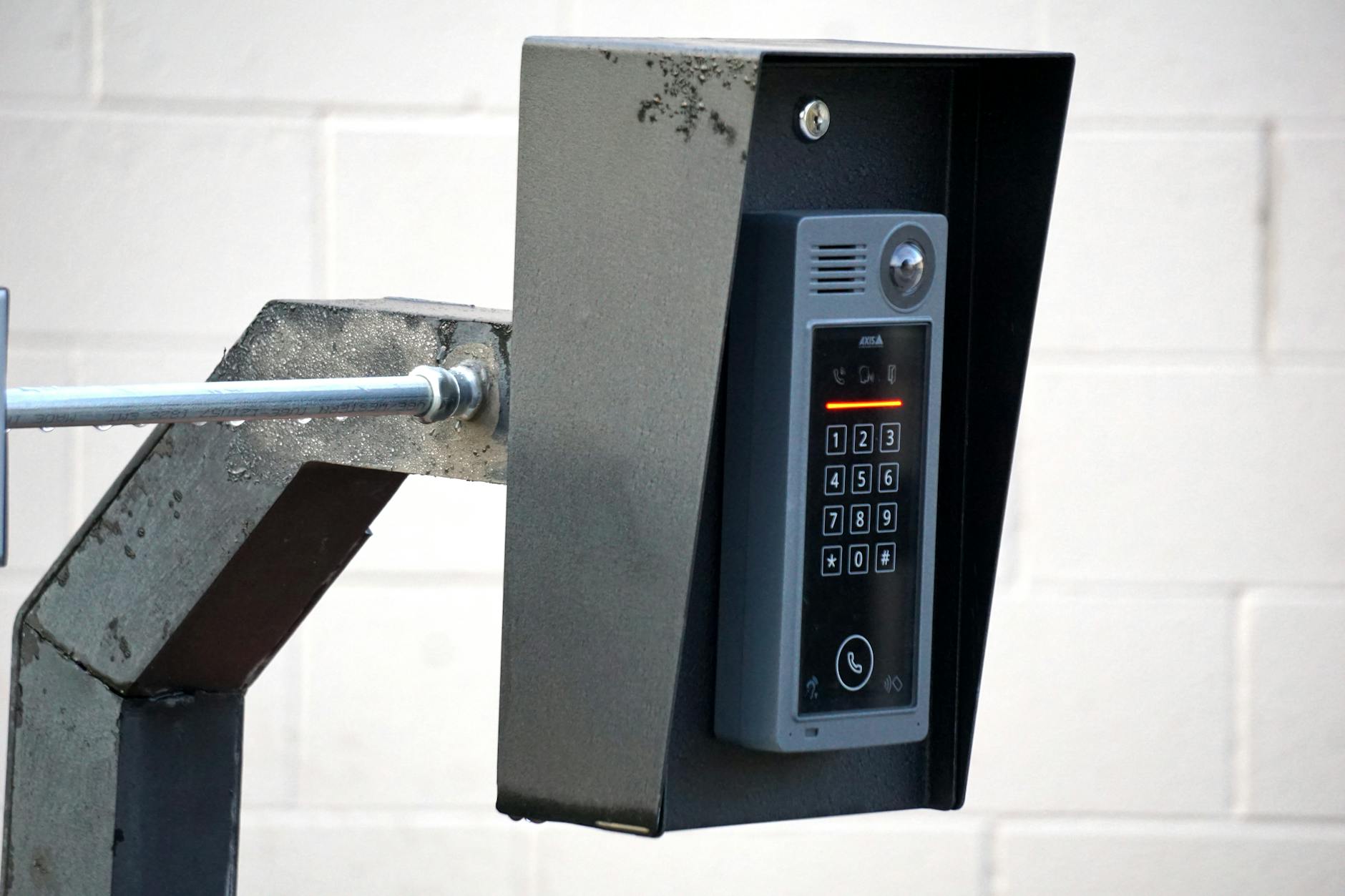
A false keypad overlay is placed directly on top of the legitimate keypad at the pump. Every PIN or ZIP code entered by a customer is recorded and stored within the overlay device. These overlays are manufactured to match the exact color and texture of common pump models. The combination of a card number and a billing ZIP code gives a criminal enough information to conduct fraudulent transactions online.
Pump Seal Tampering
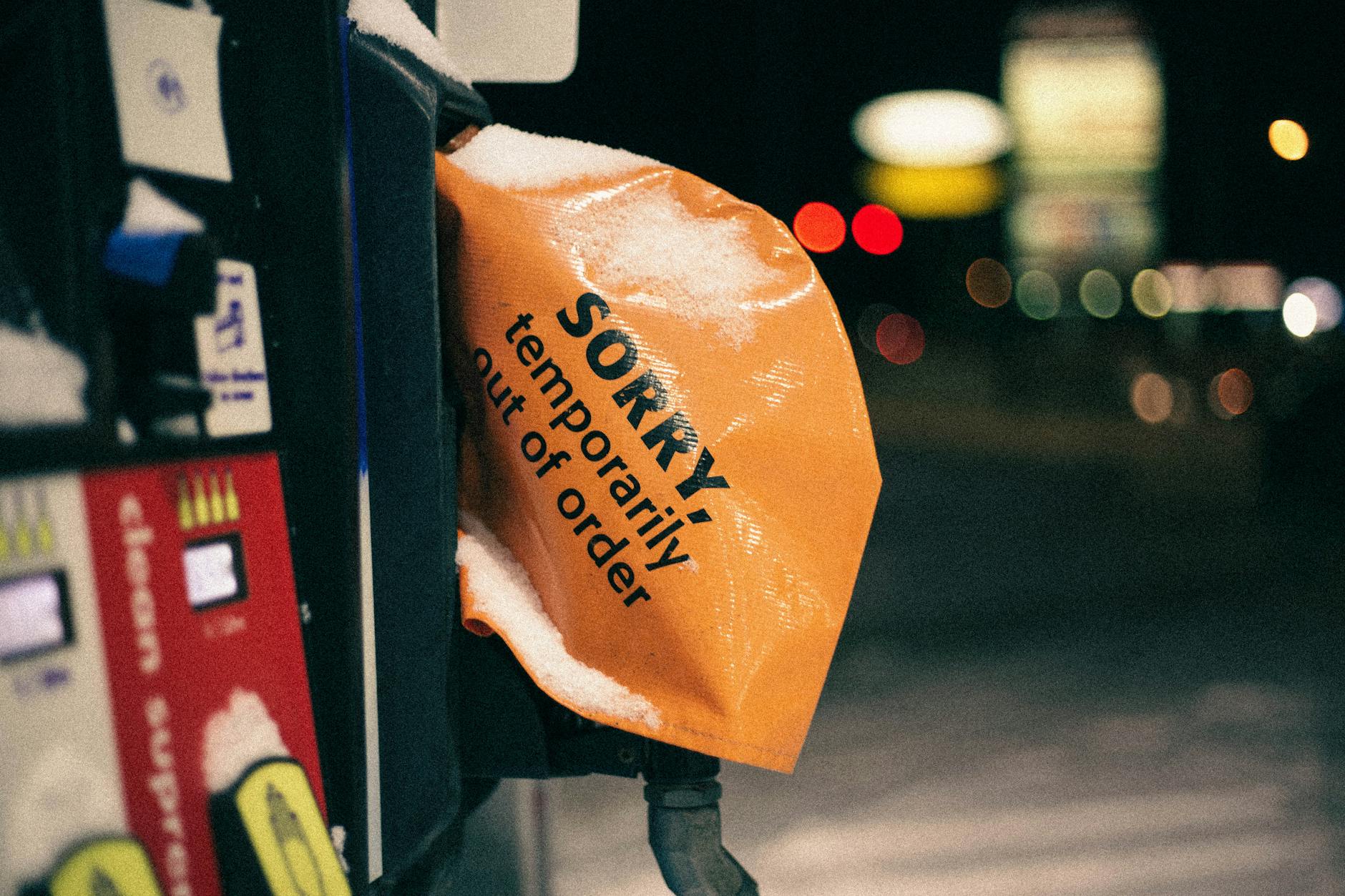
Most gas stations place a security seal or tamper-evident sticker across the cabinet door of each pump. Criminals break this seal to access the internal card reader and install a deep-insert skimmer inside the machine. Once the skimmer is placed internally it is completely invisible to the customer during a normal transaction. A broken or misaligned seal is one of the clearest warning signs that a pump has been compromised.
Camera Attachments
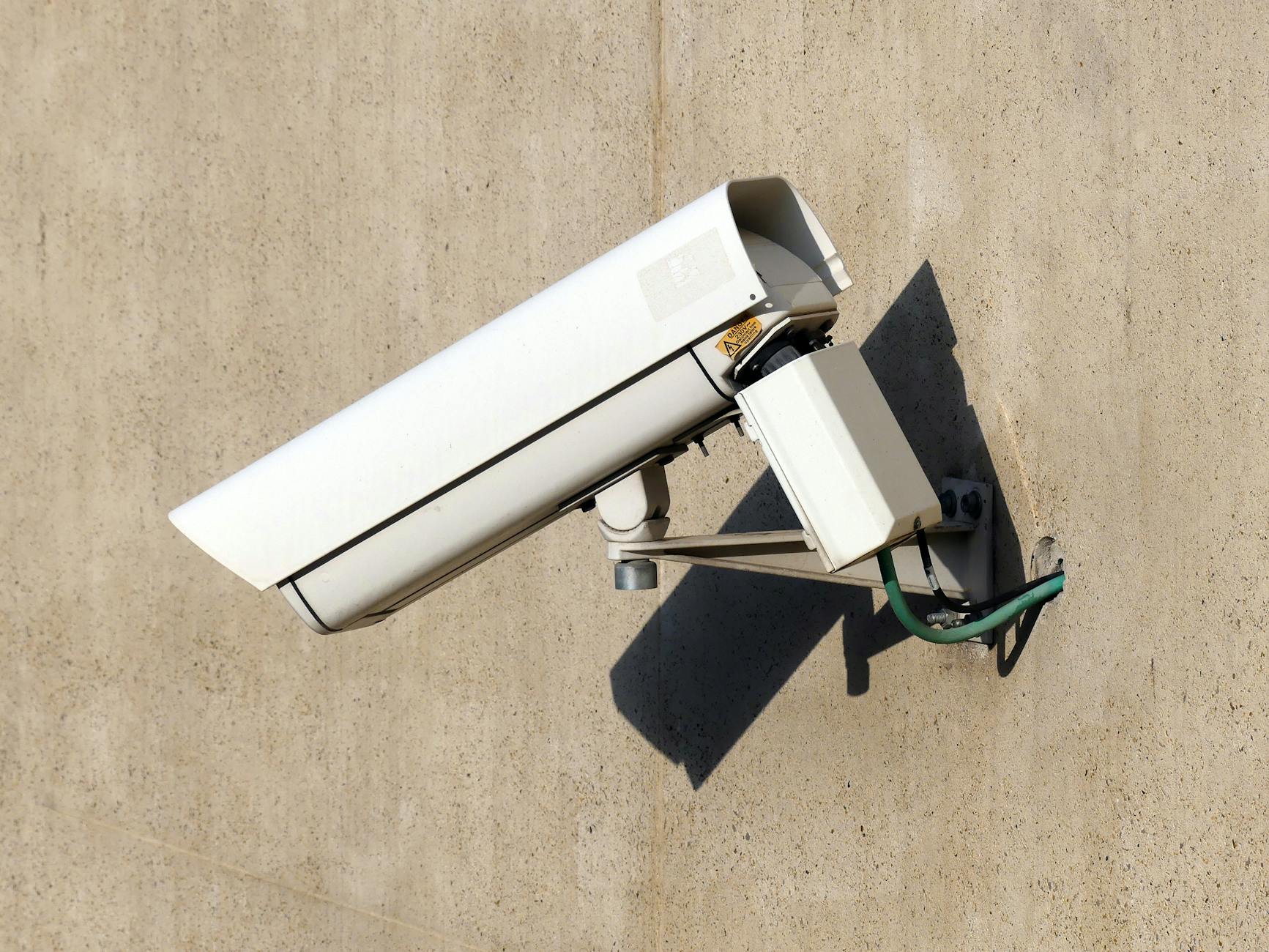
Tiny pinhole cameras are sometimes mounted near the keypad of a tampered pump. The camera records a customer’s hand movements as they enter a PIN or ZIP code and stores the footage for later retrieval. These cameras are often hidden inside a brochure holder or a strip of plastic that appears to be part of the original pump design. Pairing recorded footage with skimmed card data gives criminals full access to a victim’s payment details.
Wi-Fi Interceptors
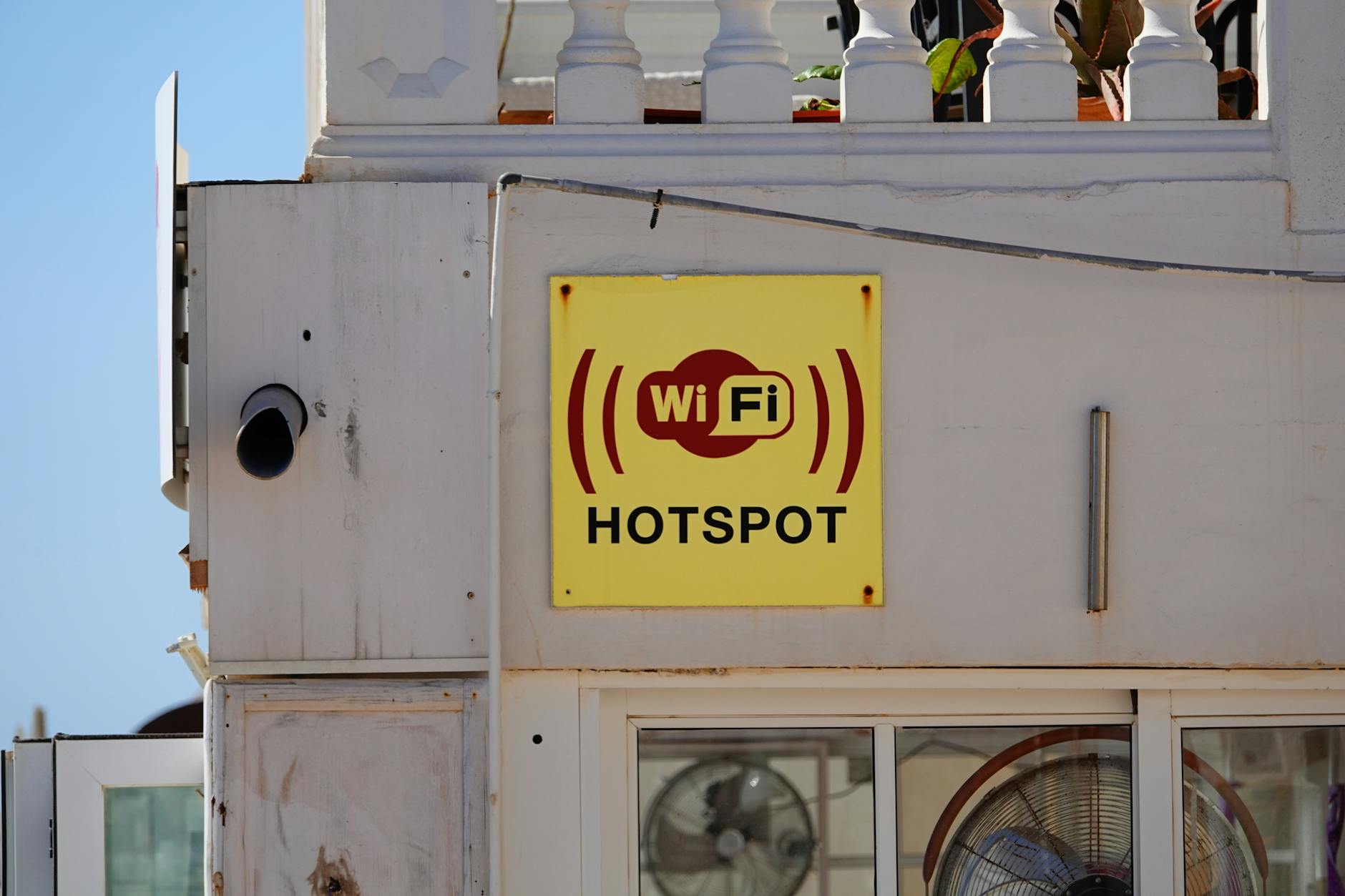
Some sophisticated fraud operations use Wi-Fi intercepting devices installed inside the pump cabinet. These tools capture payment data as it travels from the card reader to the station’s internal network. The stolen information is then packaged and transmitted offsite without any physical retrieval required. This method is particularly dangerous because it can compromise a large number of transactions before detection occurs.
Pump Hacking
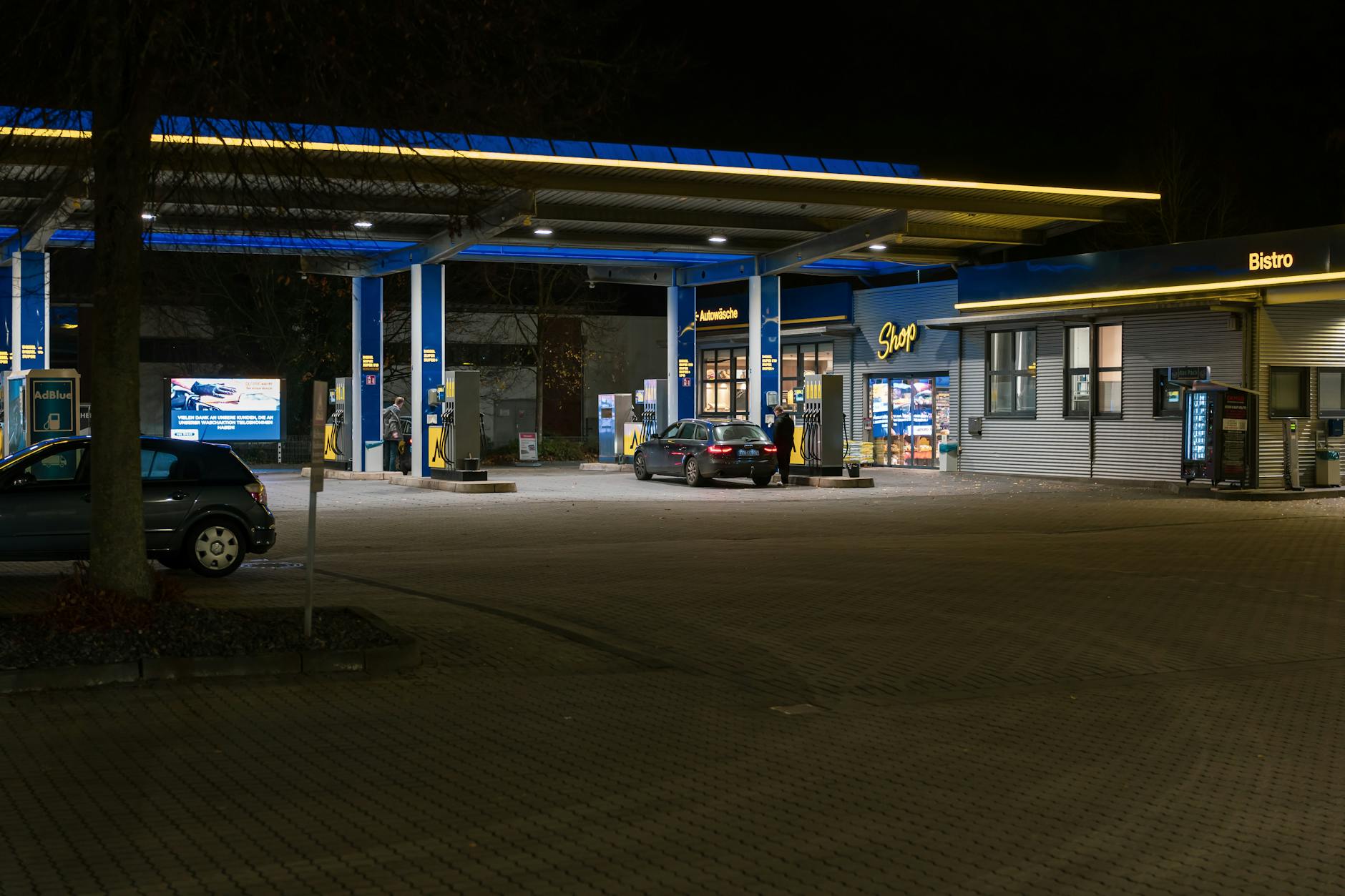
Certain pump models run on outdated software that contains known security vulnerabilities. Criminals with technical knowledge can exploit these weaknesses to access the payment processing system directly. This form of attack does not require any physical device to be installed on the pump itself. Stations that have not updated their software in several years present a significantly higher risk to customers using them.
Receipt Printer Fraud
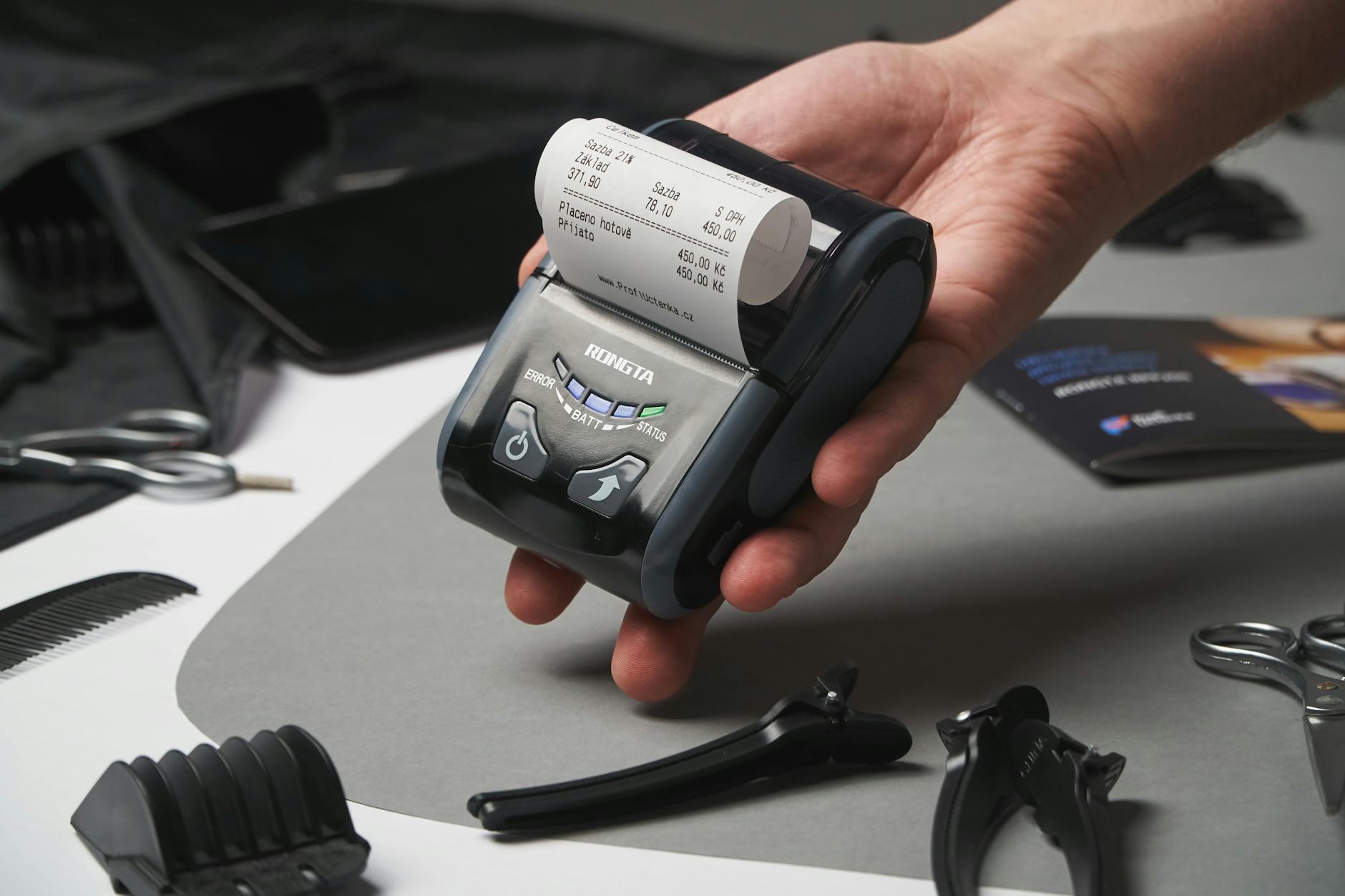
Some scammers modify the receipt printer slot to capture card data during a transaction. A thin reading device is inserted into the printer opening and positioned to intercept card information as the machine processes payment. This technique is less common but has been documented at stations with older pump models. Customers who pay inside and request a printed receipt from a separate terminal are generally less exposed to this method.
Distraction Theft
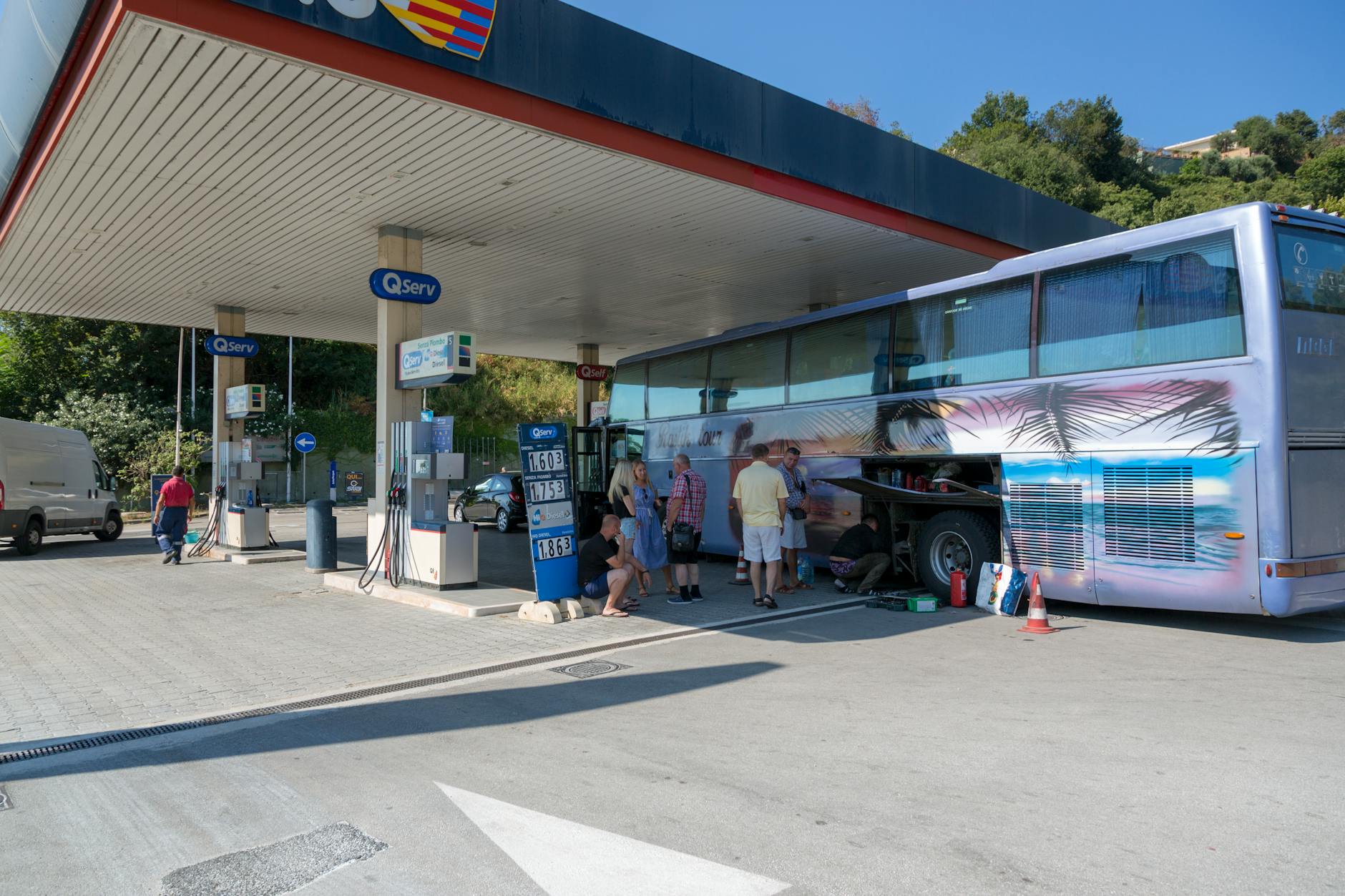
A team of two or more criminals will sometimes work together at a busy gas station. One person engages the driver in conversation or creates a minor distraction while another quickly copies card information or installs a device. This social engineering approach exploits trust and the natural tendency to be polite in public spaces. Drivers who are approached unexpectedly while pumping fuel should remain alert to what is happening around their vehicle.
Fake Attendants

Scammers occasionally pose as station employees or attendants offering to help pump gas. During the interaction they may handle the customer’s card directly or use a handheld skimmer to read the card’s magnetic stripe. Full-service fraud of this type has been reported in areas where full-service pumping is uncommon and therefore unexpected. A genuine station employee will never need to take a customer’s card out of direct sight.
QR Code Stickers
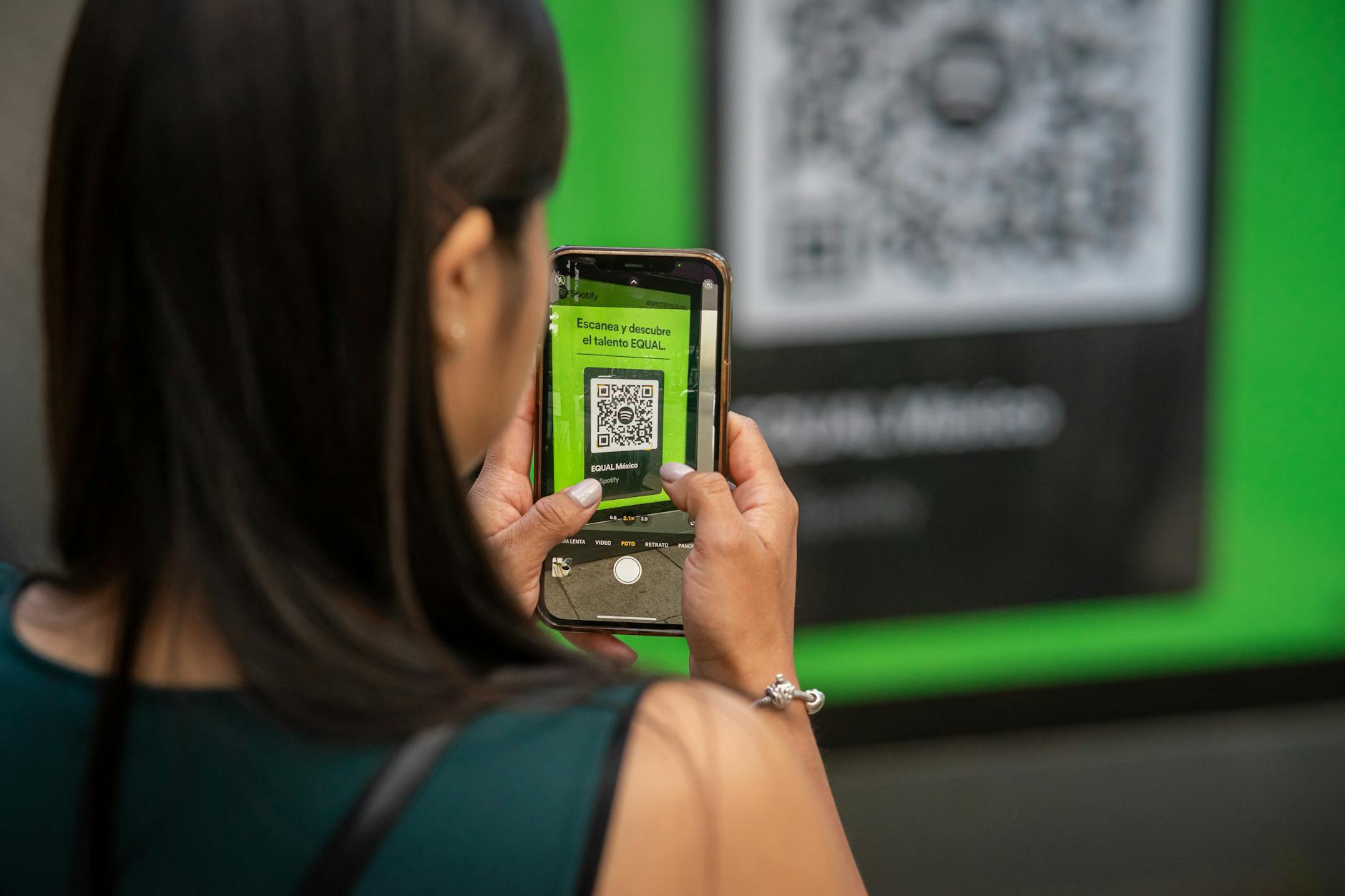
Fraudulent QR code stickers are being placed over legitimate payment instructions on gas pumps. A driver who scans the code intending to pay is redirected to a convincing fake payment portal designed to harvest card details. The stolen data is collected in real time as the victim completes what appears to be a normal transaction. This tactic has grown significantly as contactless and mobile payment options have become more widely adopted.
Text Message Scams

Some gas station fraud begins not at the pump but through a text message sent to a driver’s phone. The message claims the customer owes an outstanding balance or has won a fuel voucher and includes a link to a fraudulent website. Personal and financial details entered on these sites are captured immediately by the scammer. These phishing campaigns are often timed to follow visits to specific stations tracked through loyalty program data breaches.
Loyalty App Fraud
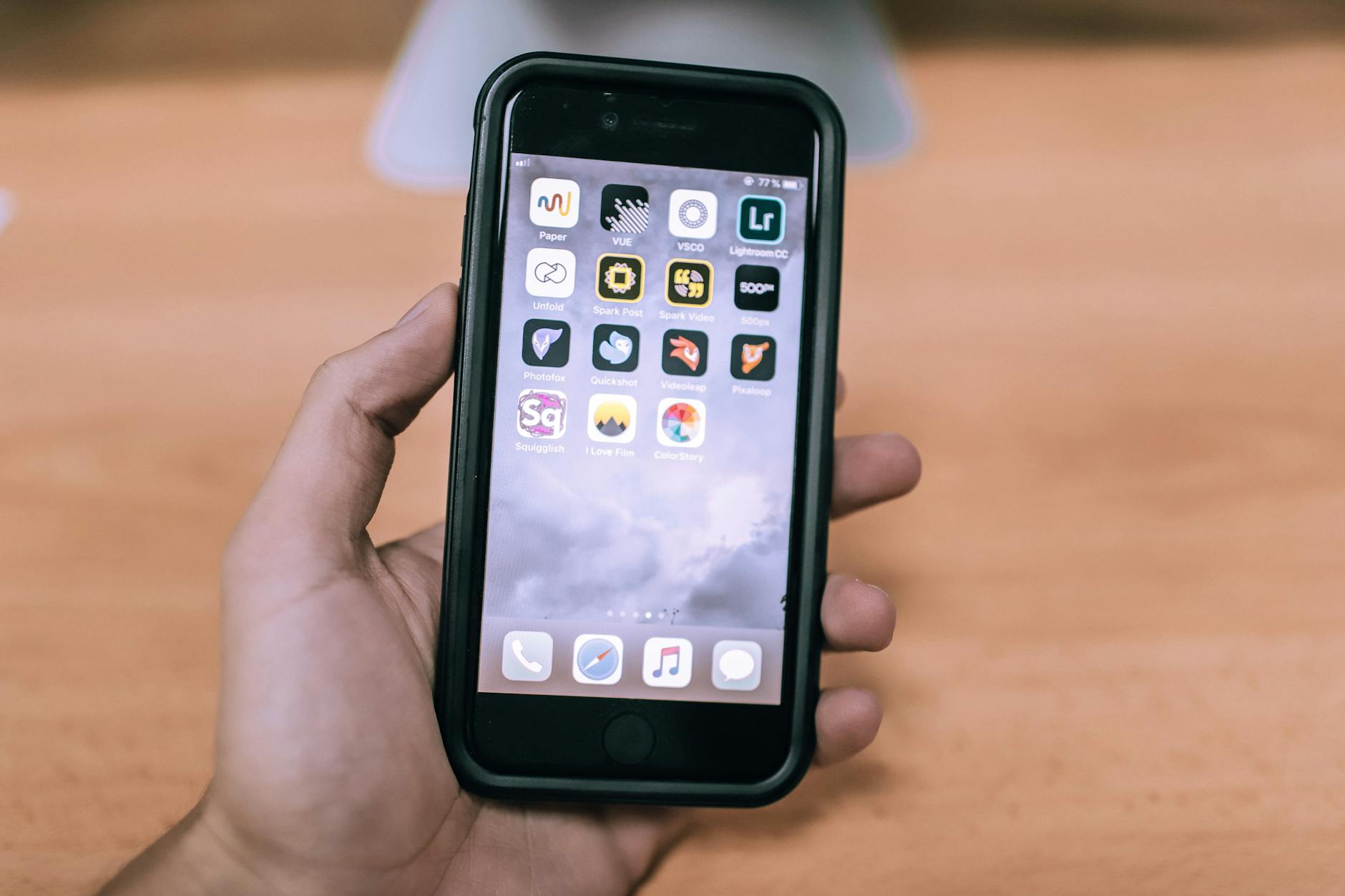
Gas station loyalty apps store payment information and personal data that is highly attractive to criminals. Fake apps mimicking popular fuel brands have appeared in third-party app stores and have deceived thousands of users. Once installed the fraudulent app requests card details under the guise of registering for rewards. Always download fuel brand apps exclusively from official sources and verify developer credentials before installation.
Inside Employee Theft
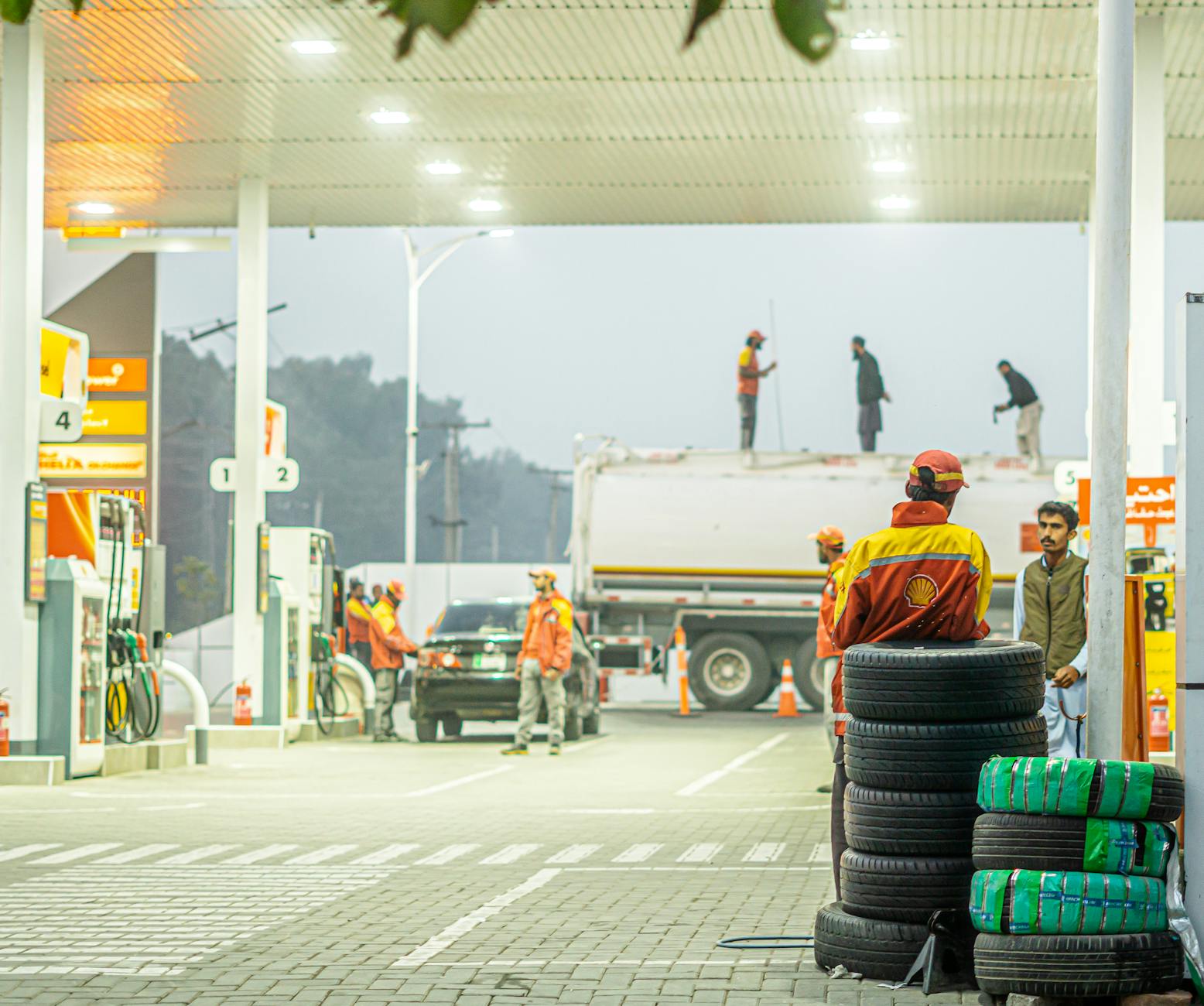
Not all gas station fraud originates from external criminals. A small number of cases involve dishonest employees who use handheld skimmers to copy card data during inside transactions. These employees process the payment normally so the customer notices nothing unusual at the time. Card-present fraud of this type often takes days to surface and can be difficult to trace back to a specific transaction.
Shoulder Surfing
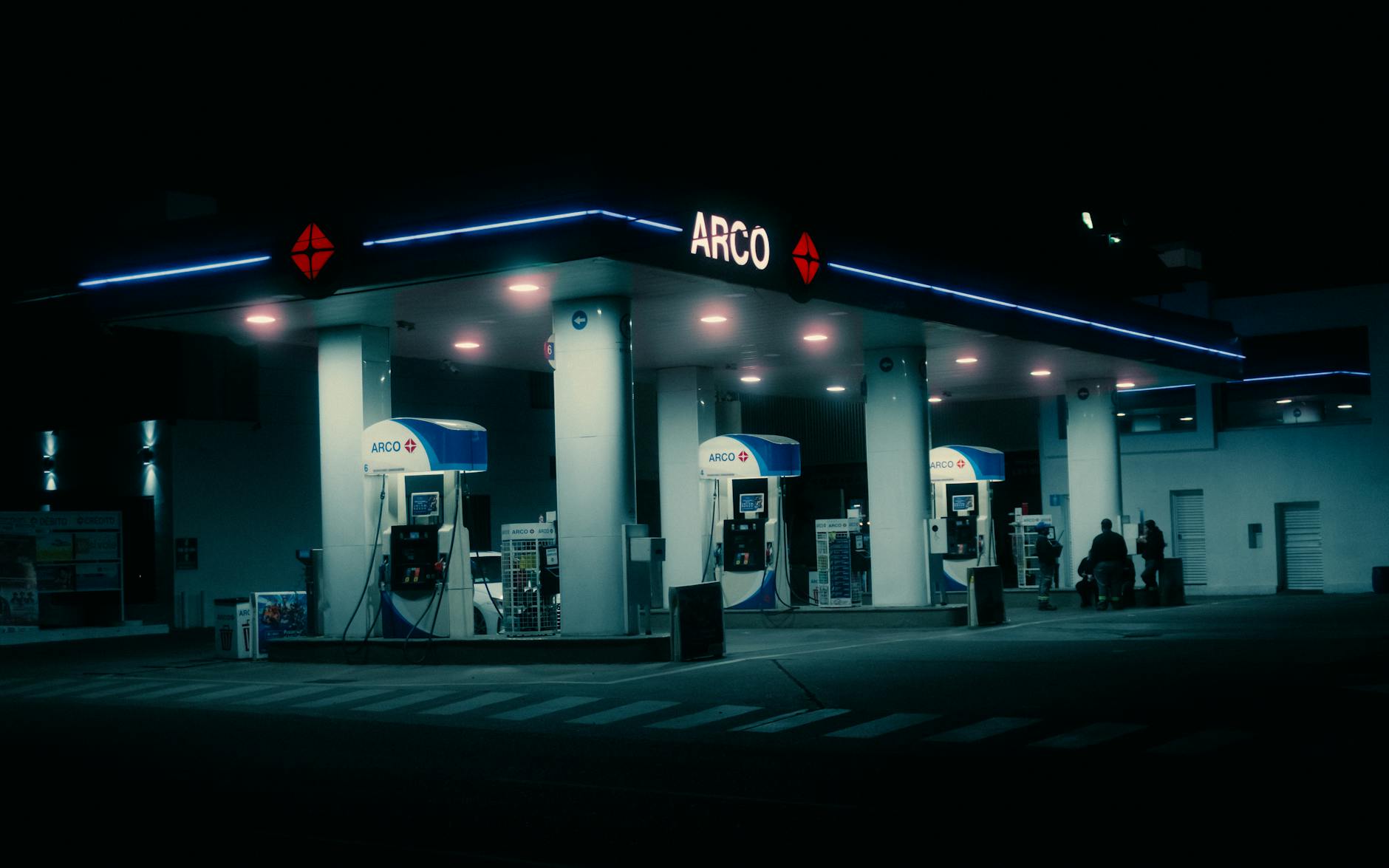
In this low-tech approach a criminal stands or sits close enough to observe a customer entering their PIN or billing information. Busy stations with pumps in close proximity to one another provide easy cover for this kind of surveillance. A thief who memorizes a PIN and later steals or copies the associated card has everything needed to drain a bank account. Shielding the keypad with one hand during entry is a simple and effective countermeasure.
Chip Shimming
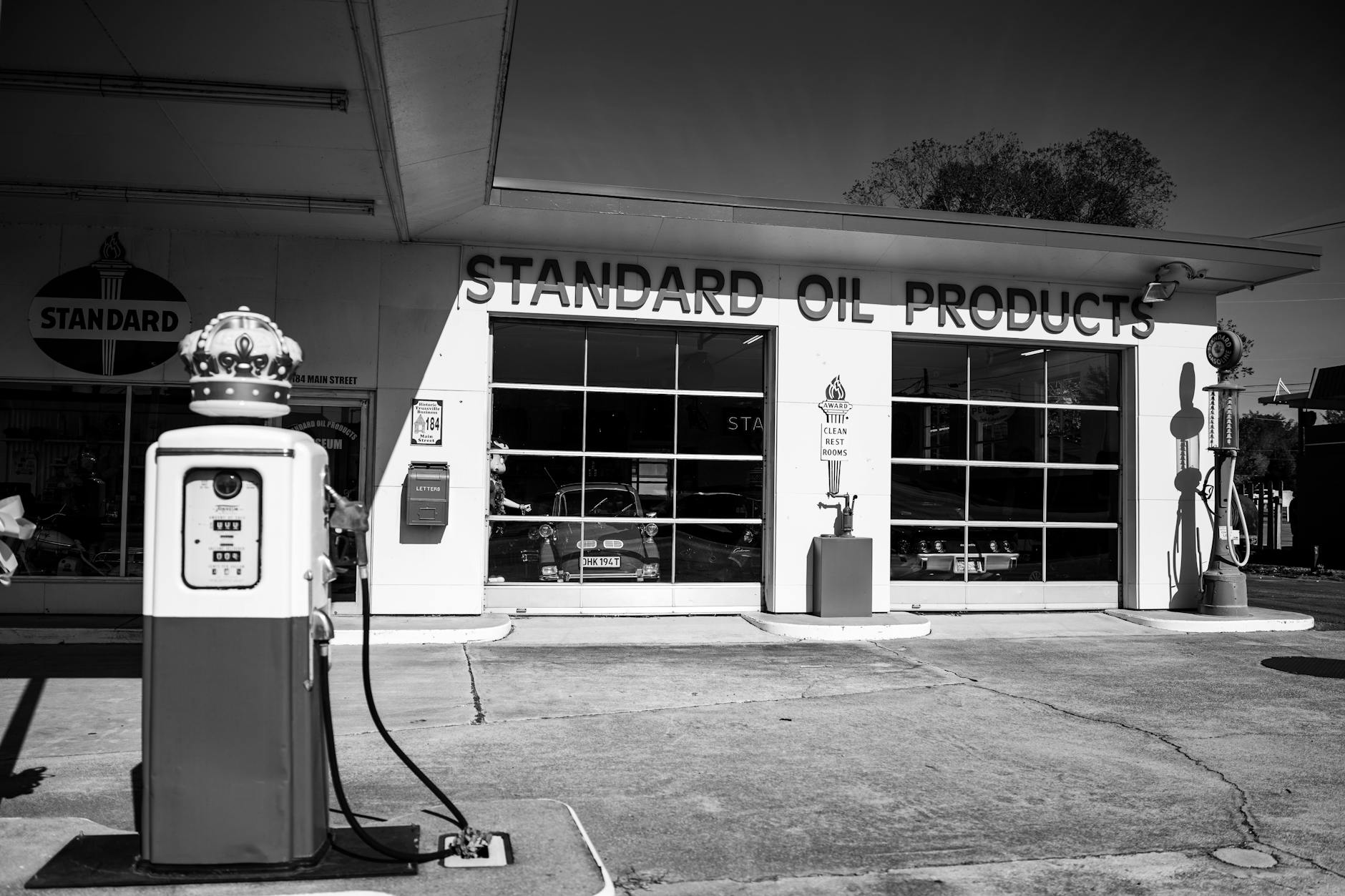
Shimmers are ultra-thin fraudulent devices inserted directly into the chip card slot of a pump’s card reader. Unlike traditional skimmers that target the magnetic stripe shimmers are designed to intercept data from chip-enabled cards. They are thinner than a human hair in some documented cases and completely undetectable during a standard visual check. The rise of shimming has undercut some of the security advantages that chip cards were originally designed to provide.
Fuel Pump Spoofing
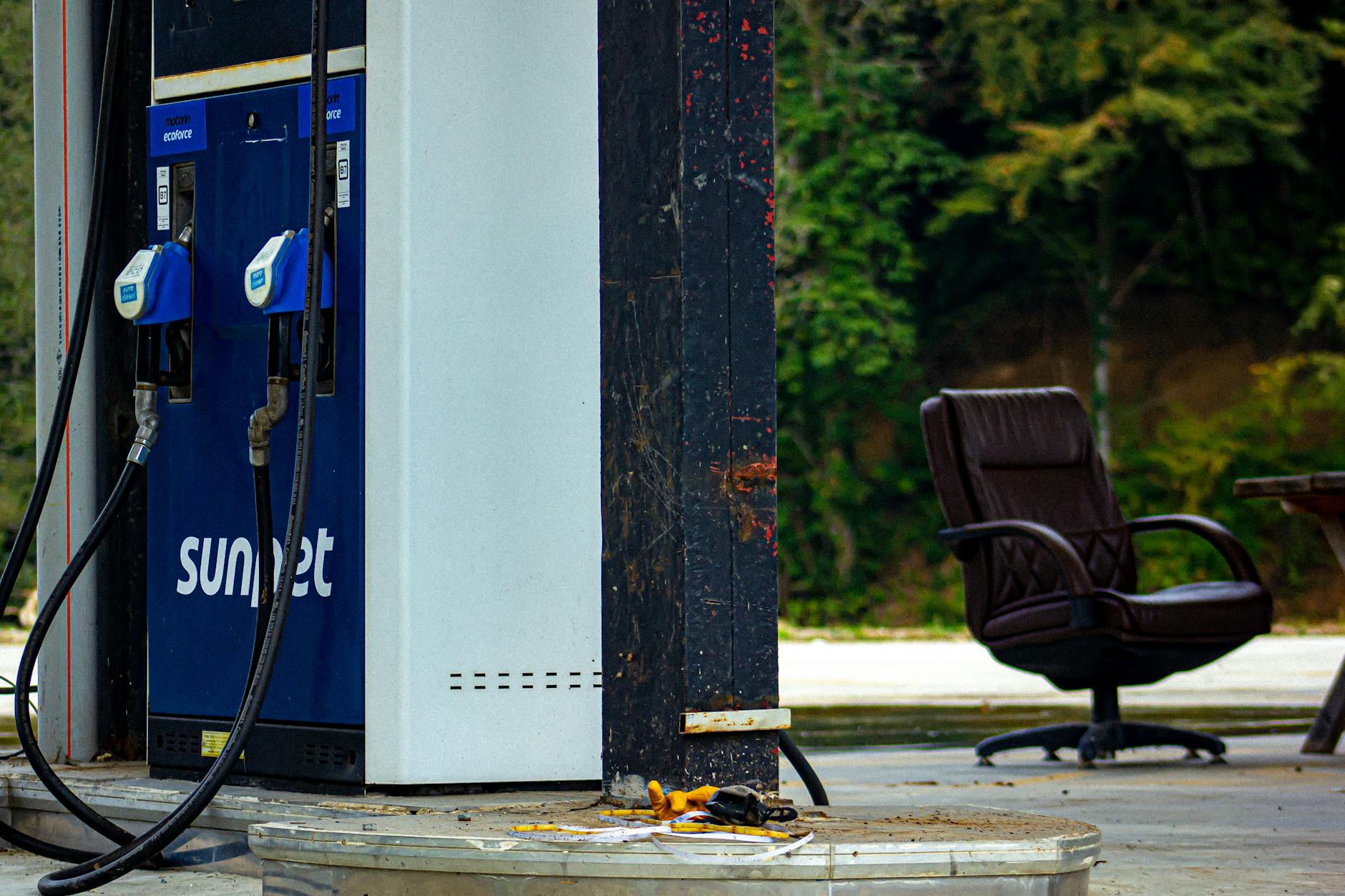
In areas where fleet or commercial accounts are used a criminal may use stolen account credentials to authorize large fuel purchases. The compromised account is charged while the thief drives away with a full tank or resells the fuel. Fleet account spoofing is particularly costly because individual transactions can involve hundreds of dollars. Companies managing vehicle fleets are advised to review fuel transaction logs frequently for irregularities.
Contactless Reader Fraud
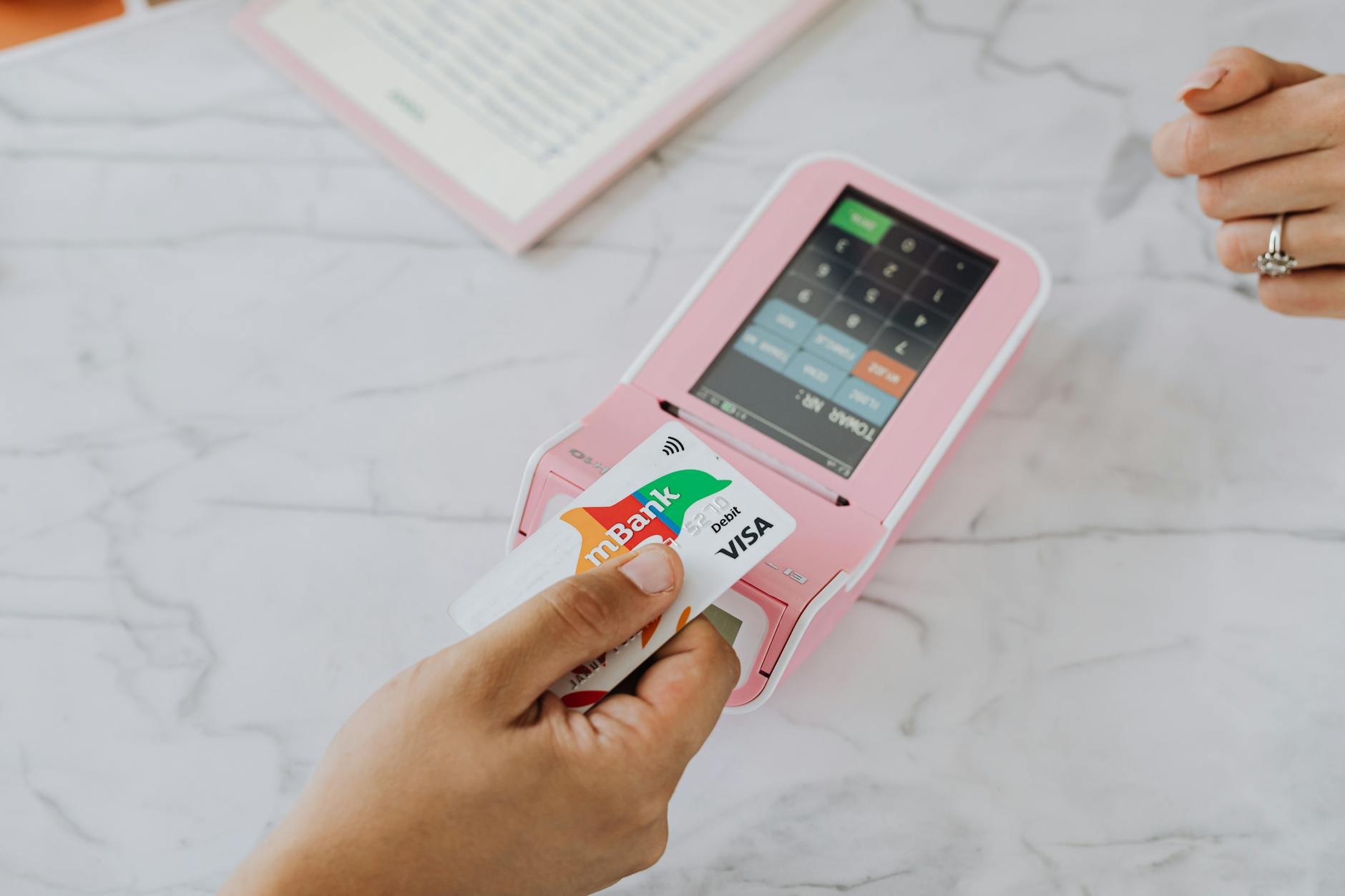
Criminals have been found carrying modified contactless readers capable of intercepting NFC payment signals. At a busy pump a fraudster can stand close enough to a customer to read their contactless card without physical contact. While modern cards include limits on contactless transactions the data captured can still be used to clone a card for magnetic stripe transactions. Keeping cards inside a signal-blocking wallet when not in active use provides meaningful protection.
Pump Number Switching
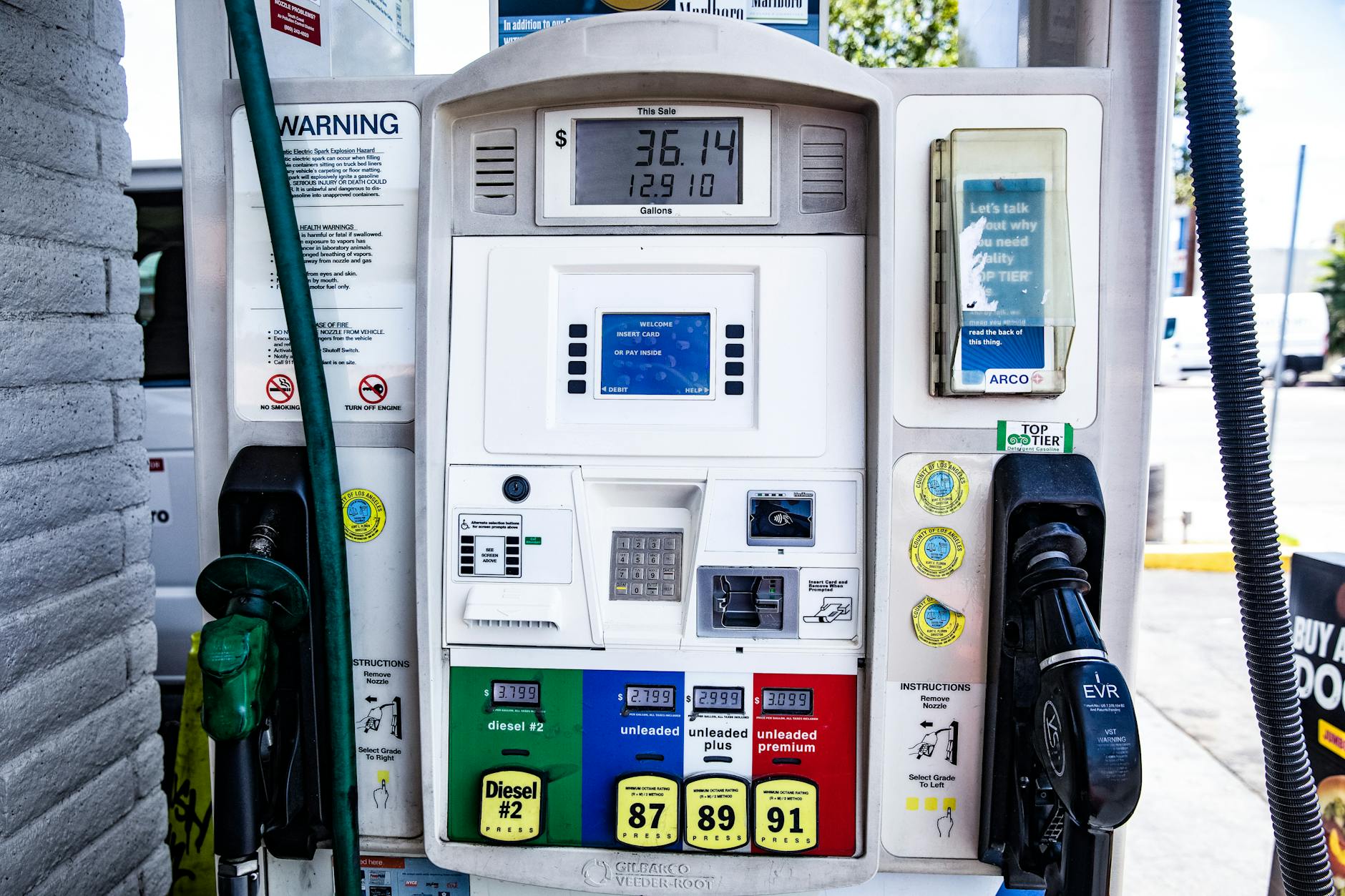
A subtle form of fraud involves altering the pump number display or signage to cause confusion at a busy station. A customer directed to the wrong pump may unknowingly use a compromised terminal while believing they are using a safe one. This tactic is used to steer drivers toward tampered equipment that a criminal has already set up. Paying inside and specifying a pump by its physical position rather than displayed number reduces exposure to this method.
Fake Out-of-Order Signs
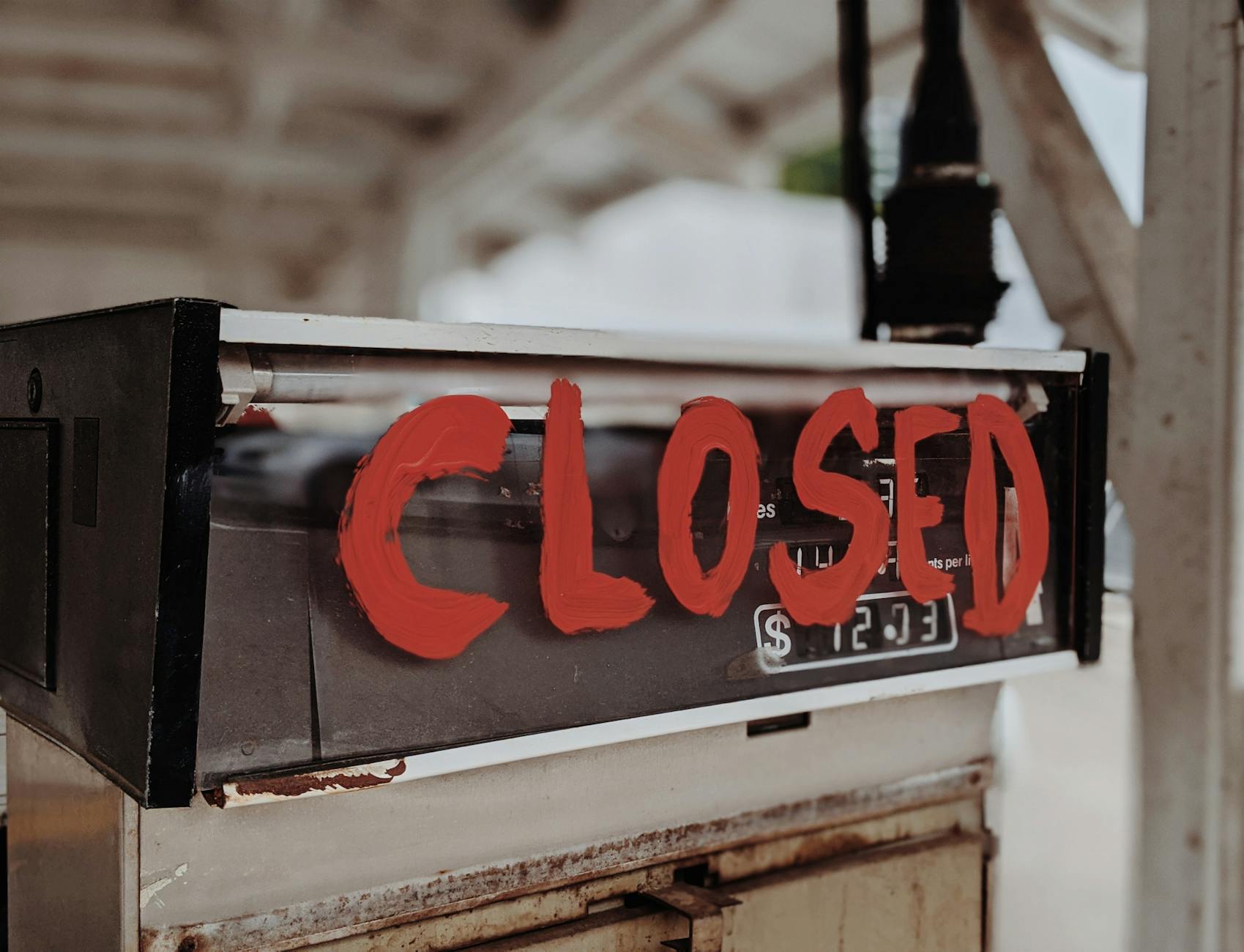
Criminals sometimes place handwritten or printed out-of-order signs on legitimate pumps to redirect customers to a compromised terminal nearby. The customer assumes they are simply following station instructions and proceeds without suspicion. This method is effective because it uses authority and trust to manipulate behavior in a very public setting. Always confirm with a station employee if a pump appears unusable before switching to an alternative one.
Tanker Truck Fraud
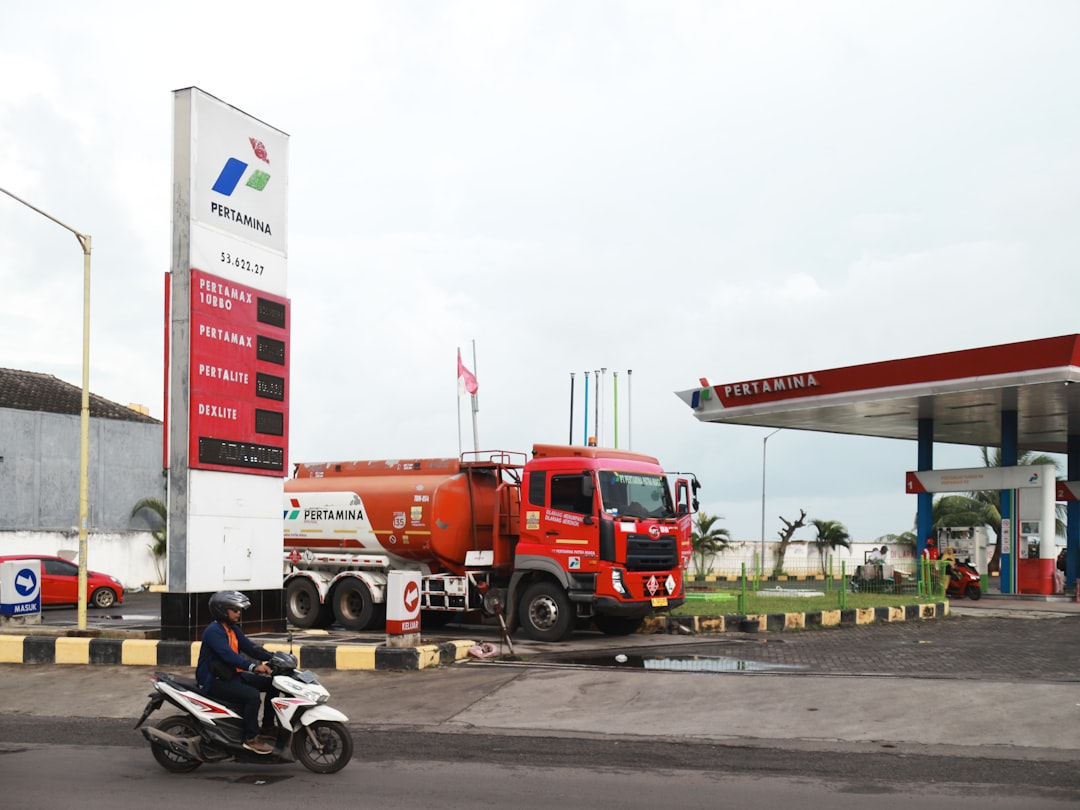
A less frequently discussed scheme involves individuals posing as fuel delivery drivers at smaller independent stations. Under the cover of a routine delivery visit a fraudster may access pump internals to install skimming hardware. Independent stations are targeted because they often have less rigorous security monitoring than major chain locations. This long-game approach allows criminals to collect data over an extended period before detection.
Late Night Tampering
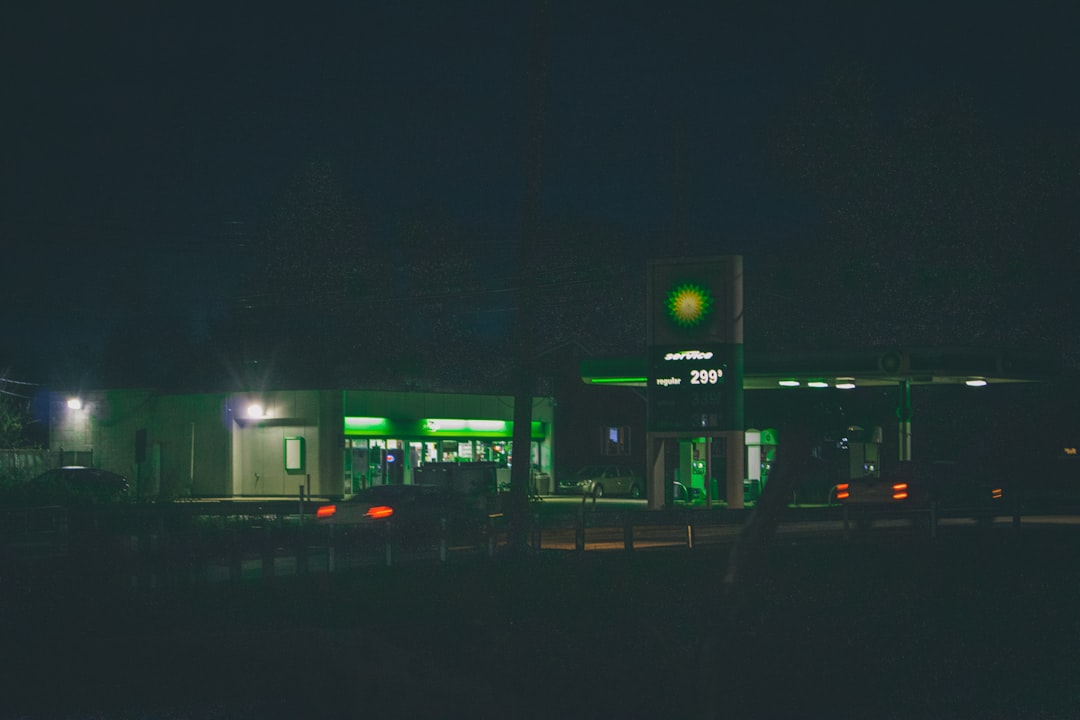
Pump tampering most commonly occurs during late night or early morning hours when station activity is minimal and surveillance is less consistent. Criminals working in this window have more time to install devices carefully without being observed. Research into skimmer recovery patterns shows that devices installed overnight tend to capture significantly more data before removal. Fueling at well-lit stations with active staff during higher-traffic hours meaningfully reduces personal risk.
Mobile Payment Interception
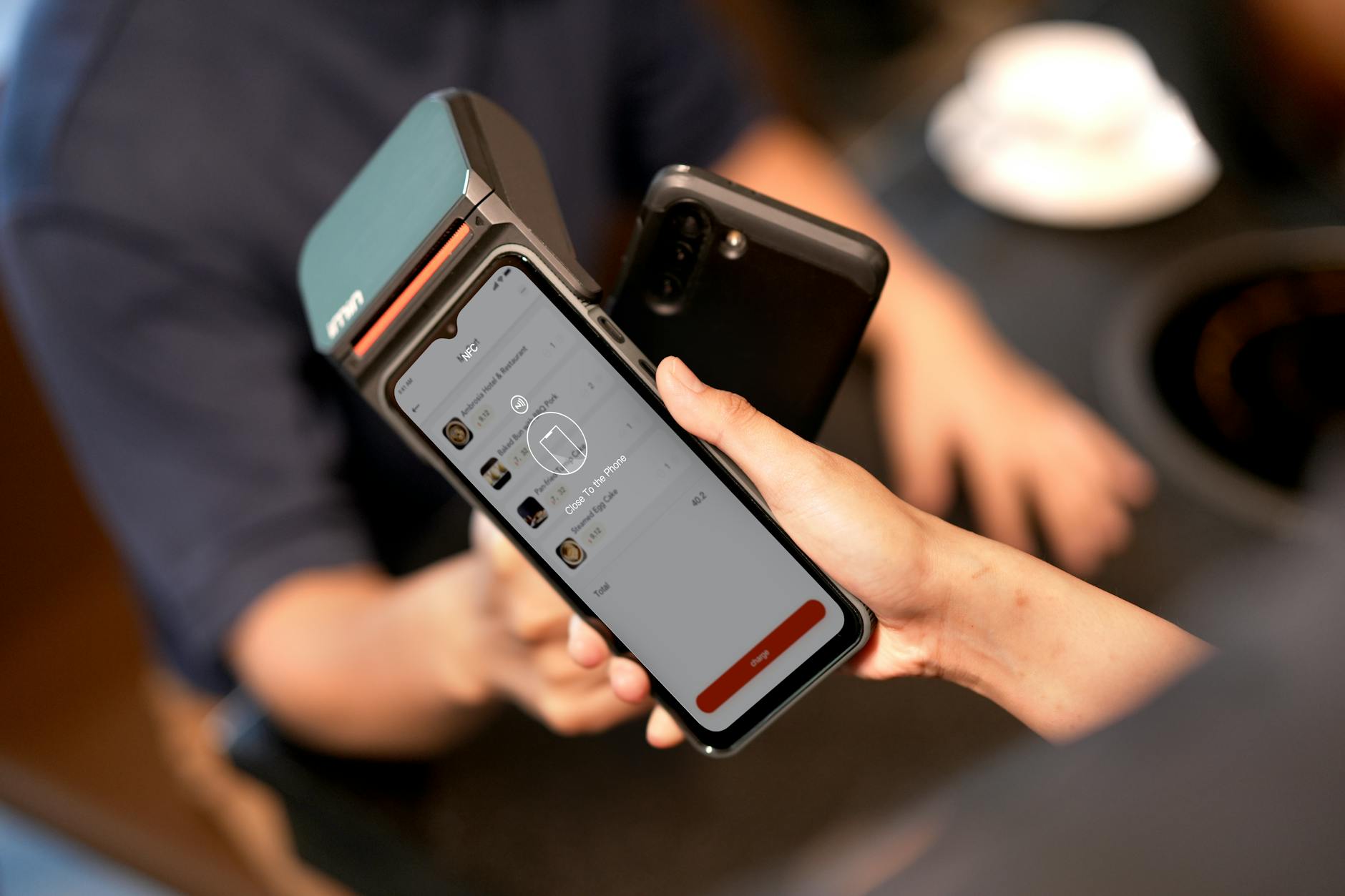
Some advanced fraud operations have targeted the communication layer between a pump’s payment terminal and its mobile network connection. By intercepting the data signal at this layer criminals can collect payment information without any physical interaction with the pump hardware. This highly technical form of attack is typically carried out by organized crime groups rather than individual opportunists. Using a credit card rather than a debit card at the pump provides stronger legal protection and faster fraud resolution in these cases.
If you have spotted suspicious activity at a gas pump or have experienced payment fraud firsthand share your story in the comments.




