
The kitchen is where countless small decisions are made each day, and while none of them feels particularly significant in the moment, their combined effect over weeks and months can be surprisingly impactful. Portion sizes, food placement, cooking habits, and even the dishes you use all play a role in how much you consume without realizing it. Understanding these subtle patterns is the first step toward making changes that support long-term health and a more balanced relationship with food.
Liquid Calories
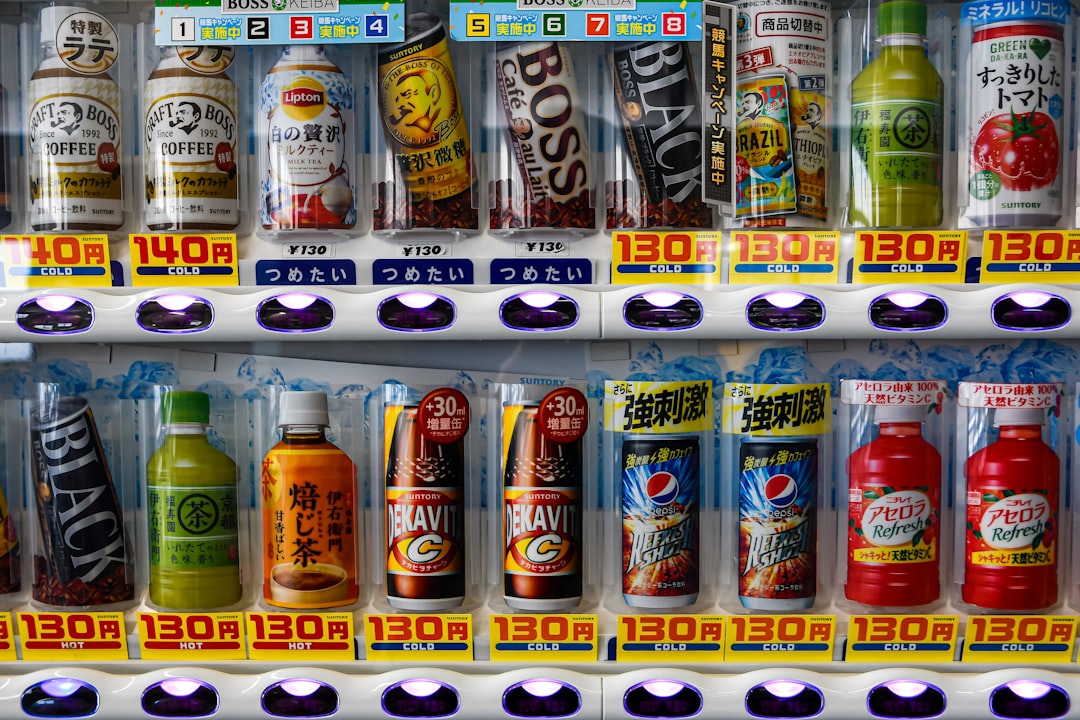
Fruit juices, flavored coffees, sports drinks, and sweetened teas are consumed so casually that most people never account for them in their daily intake. A single large blended coffee drink can contain as many calories as a full meal, yet it registers as little more than a beverage. These drinks bypass the satiety signals that solid food triggers, meaning the body does not compensate by eating less later. Over a month, daily liquid calories can add up to thousands of extra units of energy the body quietly stores.
Oversized Plates

Larger plates create a visual illusion that encourages people to fill the available space, resulting in portions that far exceed what the body actually needs. Research in behavioral nutrition consistently shows that plate size directly influences how much food is served and consumed at each meal. Switching to a smaller plate can reduce portion sizes by a significant margin without triggering any conscious sense of deprivation. The brain interprets a full smaller plate as a complete and satisfying meal just as readily as it does a larger one.
Eye-Level Snacks
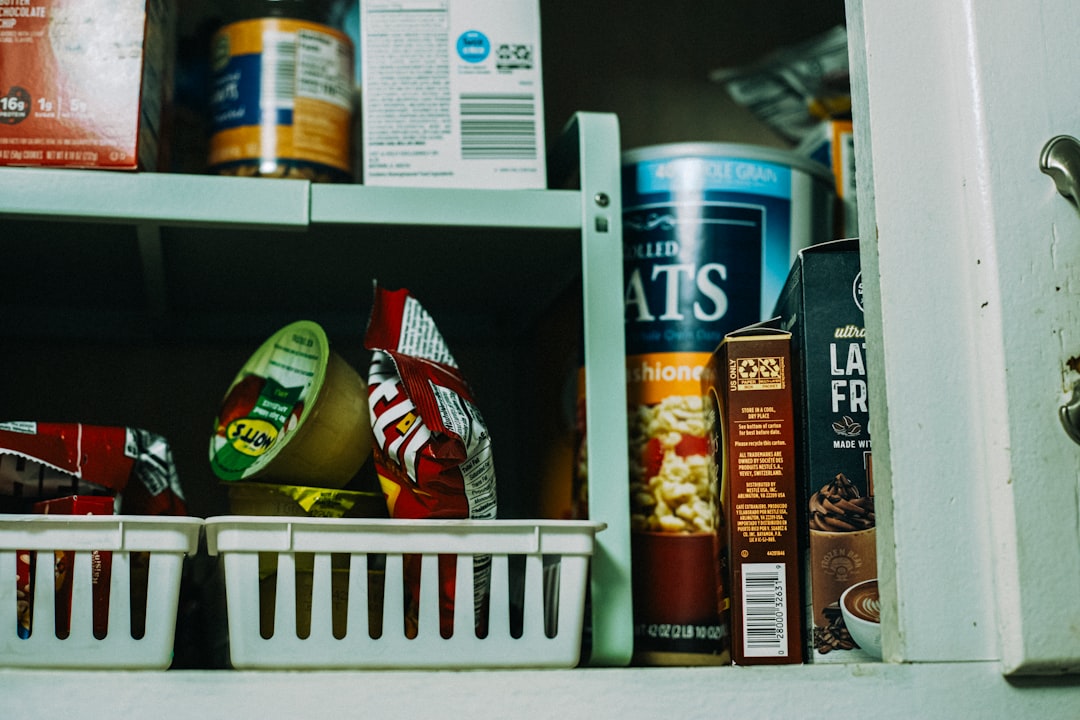
Food stored at eye level in the refrigerator or pantry is reached for far more frequently than food tucked away on lower or higher shelves. The simple act of seeing a snack triggers cravings that may not have existed moments before. Chips, cookies, crackers, and other calorie-dense items placed in prominent positions are consumed more often and in greater quantities than when stored out of immediate sight. Rearranging storage so that fruits, vegetables, and lower-calorie options occupy the most visible spots can meaningfully reduce impulsive snacking.
Cooking Oils

Oils are poured and drizzled with a generosity that most home cooks never stop to measure, yet a single tablespoon of any common cooking oil contains over a hundred calories. Dishes that appear light and vegetable-heavy can accumulate substantial caloric density simply through the quantity of oil used during preparation. Roasting, sautéing, and stir-frying all tend to involve far more oil than recipes formally suggest, particularly when cooking is done by feel rather than measurement. Tracking oil use even loosely for a week often reveals just how significantly it contributes to overall daily intake.
Mindless Tasting
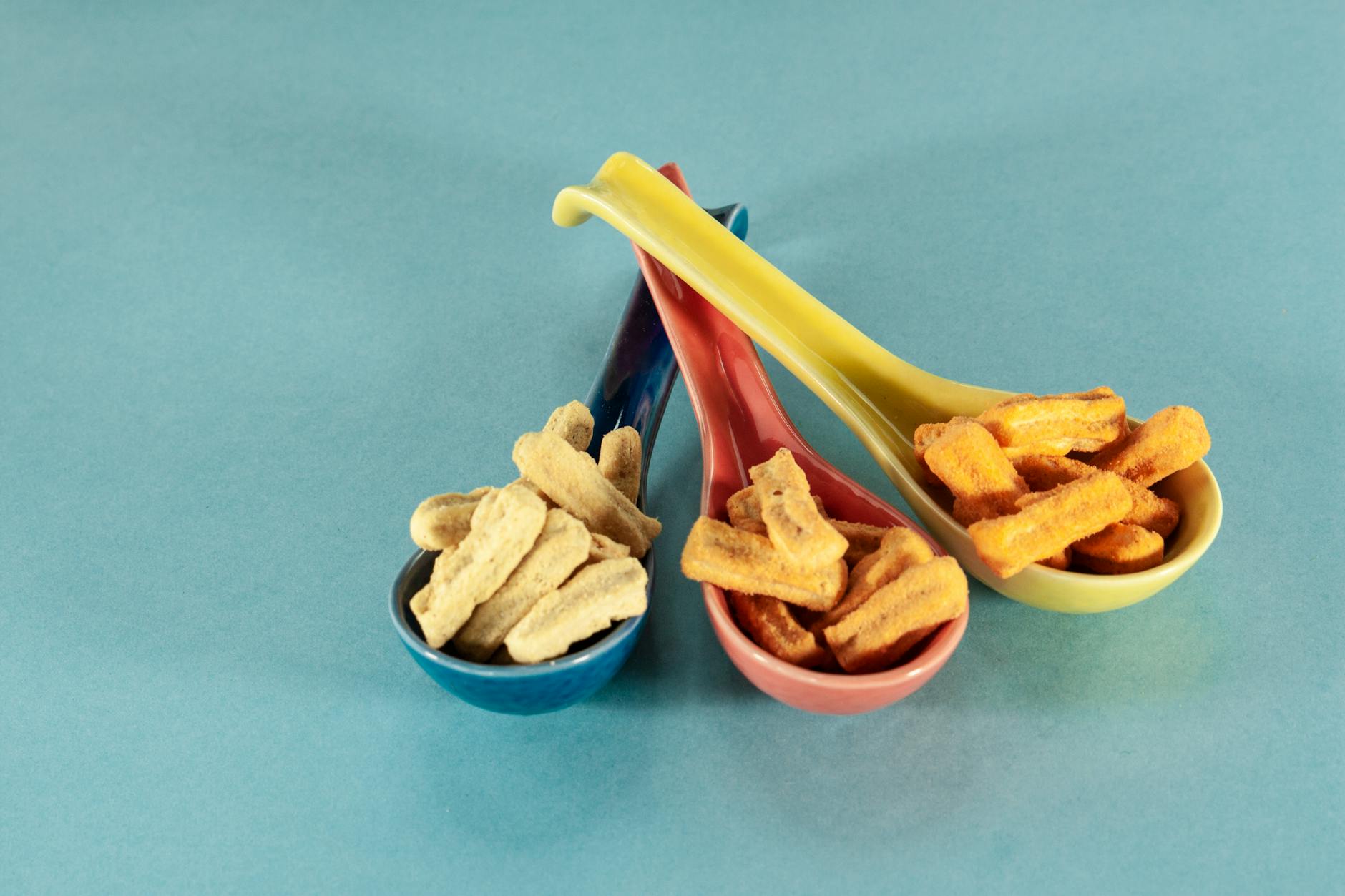
Tasting food during cooking is a normal and necessary part of meal preparation, but multiple spoonfuls across a cooking session can quietly add up to a meaningful number of calories before the meal is even served. A pinch of this and a bite of that feels inconsequential, but repeated throughout the week it represents a consistent source of untracked energy. Foods that are particularly palatable, such as sauces, cheese, and dough, tend to be tasted more frequently and in larger amounts. Keeping a small dish nearby and limiting tastes to one deliberate check rather than continuous sampling helps contain this habit.
Serving Bowls

Placing large serving bowls and platters directly on the dining table makes second and third helpings effortless and psychologically automatic. When food is within arm’s reach throughout a meal, the barrier to eating more is almost nonexistent. Studies have shown that people eat significantly more when serving dishes are kept on the table compared to when food is plated in the kitchen and the extras are left on the counter or stove. Creating even a small amount of physical distance between the diner and additional portions is enough to reduce overall consumption.
Packaged Granola
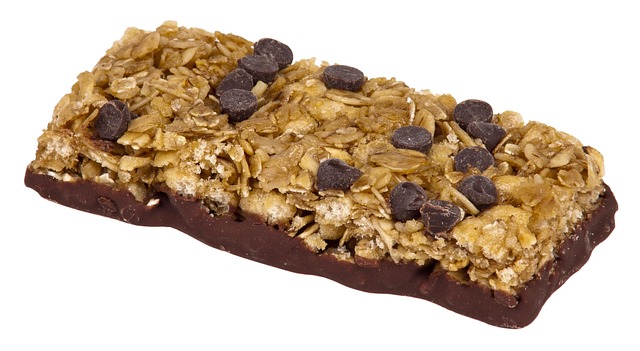
Granola is widely perceived as a health food, but most commercially produced varieties are dense with added sugars, refined oils, and calorie counts that rival dessert. A standard serving size listed on the package is typically far smaller than what most people pour into a bowl, meaning the actual intake is often two or three times the labeled amount. Paired with full-fat yogurt or milk and topped with fruit, a granola breakfast can easily exceed five hundred calories before the day has properly begun. Reading labels carefully and measuring portions rather than estimating transforms this from a hidden source of excess into a manageable one.
Butter Habits

Butter is added to so many stages of cooking, from greasing pans and finishing sauces to spreading on bread and enriching vegetables, that its total daily contribution rarely gets considered as a whole. Each individual addition seems small, but three or four separate uses across a day of cooking and eating represent a concentrated source of saturated fat and calories. Many people also apply butter more thickly than they realize, particularly when spreading it cold from the refrigerator onto warm bread or toast. Measuring rather than eyeballing, and considering where butter is truly essential versus simply habitual, can make a notable difference.
Condiment Use

Ketchup, mayonnaise, ranch dressing, barbecue sauce, and similar condiments are used so automatically that they rarely receive any nutritional consideration. A generous squeeze of ketchup or a large dollop of mayonnaise can add hundreds of calories to a meal that would otherwise be relatively light. These additions accumulate across sandwiches, wraps, dipping portions, and side salads throughout the week in a way that is rarely tracked or even consciously registered. Opting for mustard, salsa, or other lower-calorie alternatives where appropriate, and measuring rather than free-pouring, addresses this quietly persistent source of excess.
Late Night Snacking
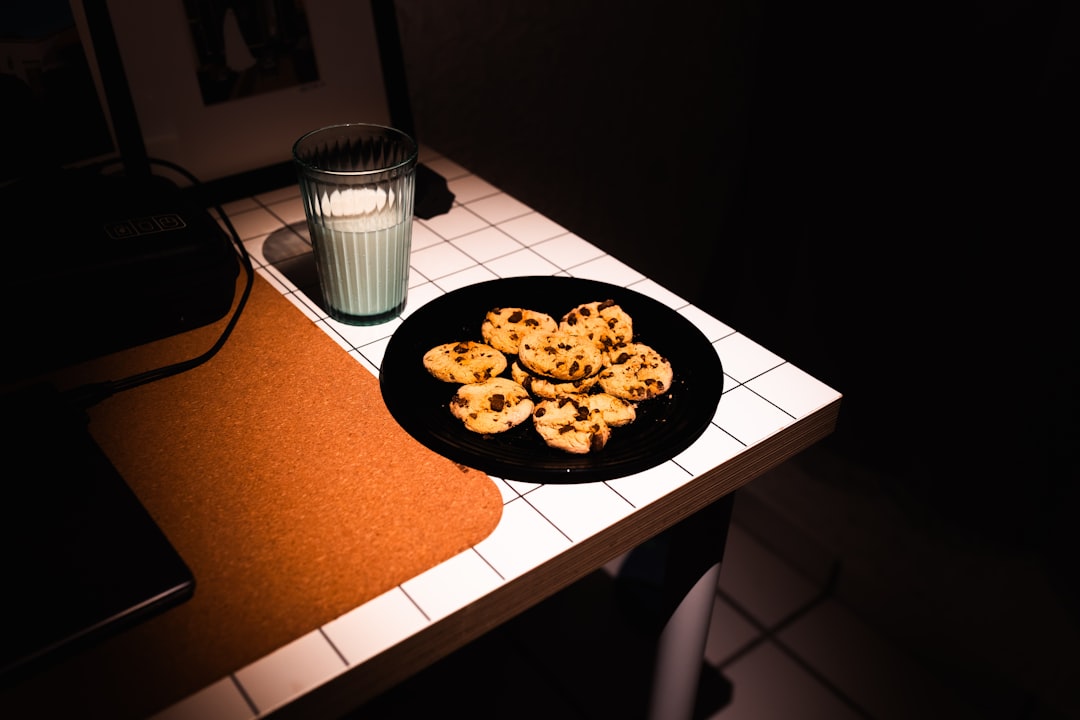
Eating in the hours immediately before sleep means the body has little opportunity to burn through the energy consumed before metabolic activity slows significantly during rest. Late-night hunger is frequently driven not by genuine caloric need but by habit, boredom, stress, or the visual cue of an open kitchen. The foods reached for after dinner tend to be highly palatable and calorie-dense rather than nutritious or filling. Establishing a firm kitchen closing time and replacing the habit with a non-food activity addresses both the behavioral and physiological dimensions of this pattern.
Bread Baskets
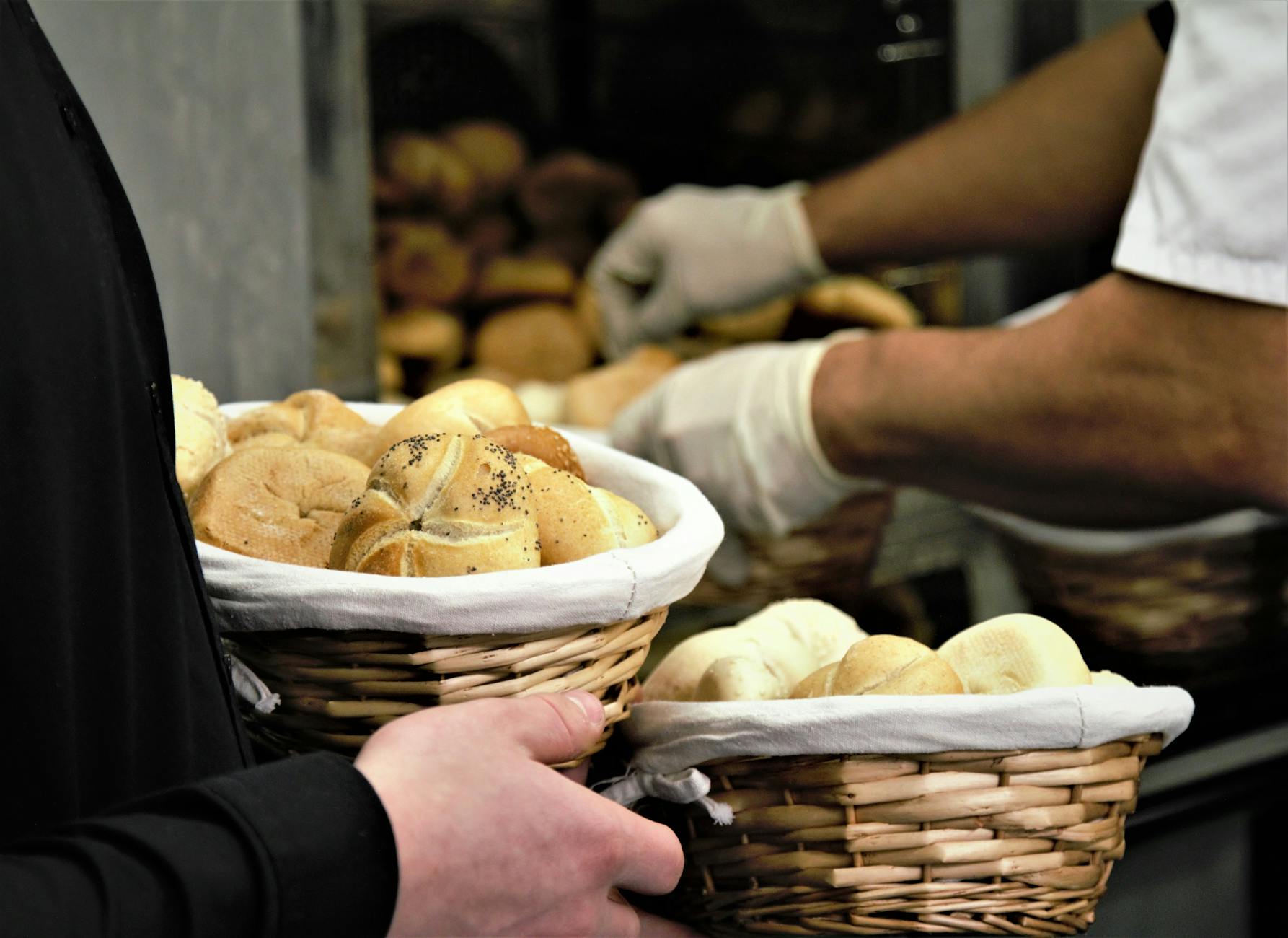
Restaurant bread baskets and homemade equivalents placed on the table before a meal are consumed almost on autopilot while waiting for food to arrive or while socializing. The refined carbohydrates in white bread spike blood sugar quickly without delivering lasting satiety, making it easy to eat several pieces without feeling full. When paired with butter or olive oil for dipping, the caloric total climbs rapidly. Because bread is perceived as a side element rather than part of the meal, it often goes entirely unaccounted for in any mental tally of the day’s intake.
Fruit Smoothies

Homemade smoothies carry a strong health reputation, but they frequently contain multiple servings of fruit, nut butters, protein powders, full-fat dairy, honey, and other additions that push the total calorie count well above what a standard meal would provide. Blending also removes the fiber structure of whole fruit, meaning the natural sugars are absorbed more quickly and the drink is less satiating than eating the same ingredients whole. A smoothie consumed as a snack on top of regular meals adds a significant caloric surplus over time. Treating a smoothie as a meal replacement rather than an addition, and moderating high-calorie additions, brings it into a more manageable range.
Cheese Portions
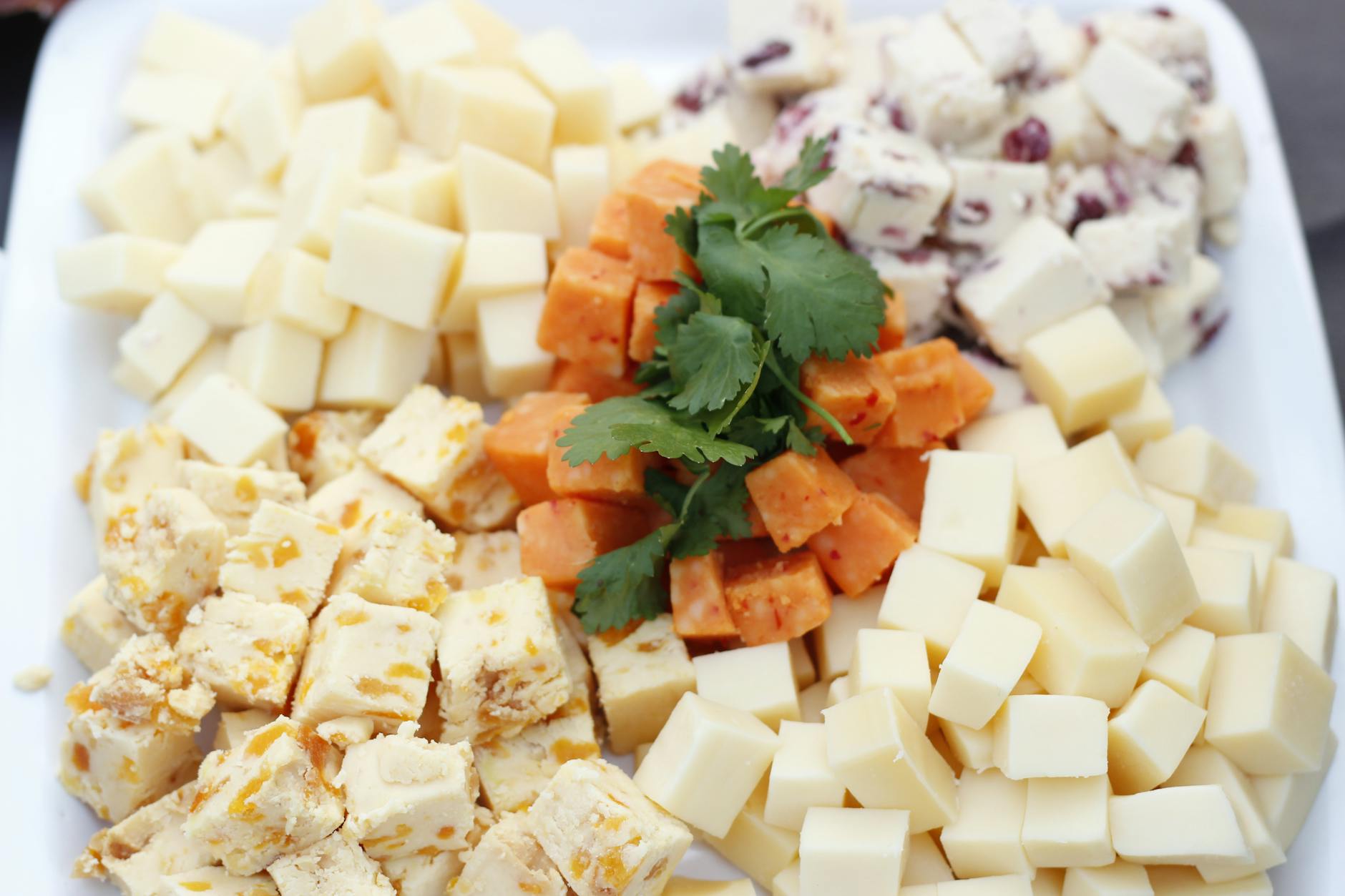
Cheese is calorically concentrated in a way that its small physical size does not intuitively suggest, with most varieties delivering between eighty and one hundred twenty calories per small one-ounce portion. It is added liberally to salads, pasta dishes, sandwiches, eggs, and soups, often in amounts that are several times the standard serving size. Because it melts, crumbles, or blends into dishes, the full quantity used is rarely visible or consciously registered during eating. Measuring cheese before adding it to dishes rather than grating or slicing directly onto food is one of the most effective ways to contain its contribution.
Skipping Breakfast

When breakfast is skipped, the body arrives at lunchtime in a heightened state of hunger that makes it significantly harder to make measured, deliberate food choices. Meals consumed in a state of strong hunger tend to be larger, eaten more quickly, and less likely to feature nutritious options. The skipped meal rarely translates into an equal caloric deficit because subsequent meals and snacking more than compensate for it. A balanced morning meal that includes protein and fiber helps regulate appetite hormones throughout the day in a way that skipping cannot replicate.
Distracted Eating
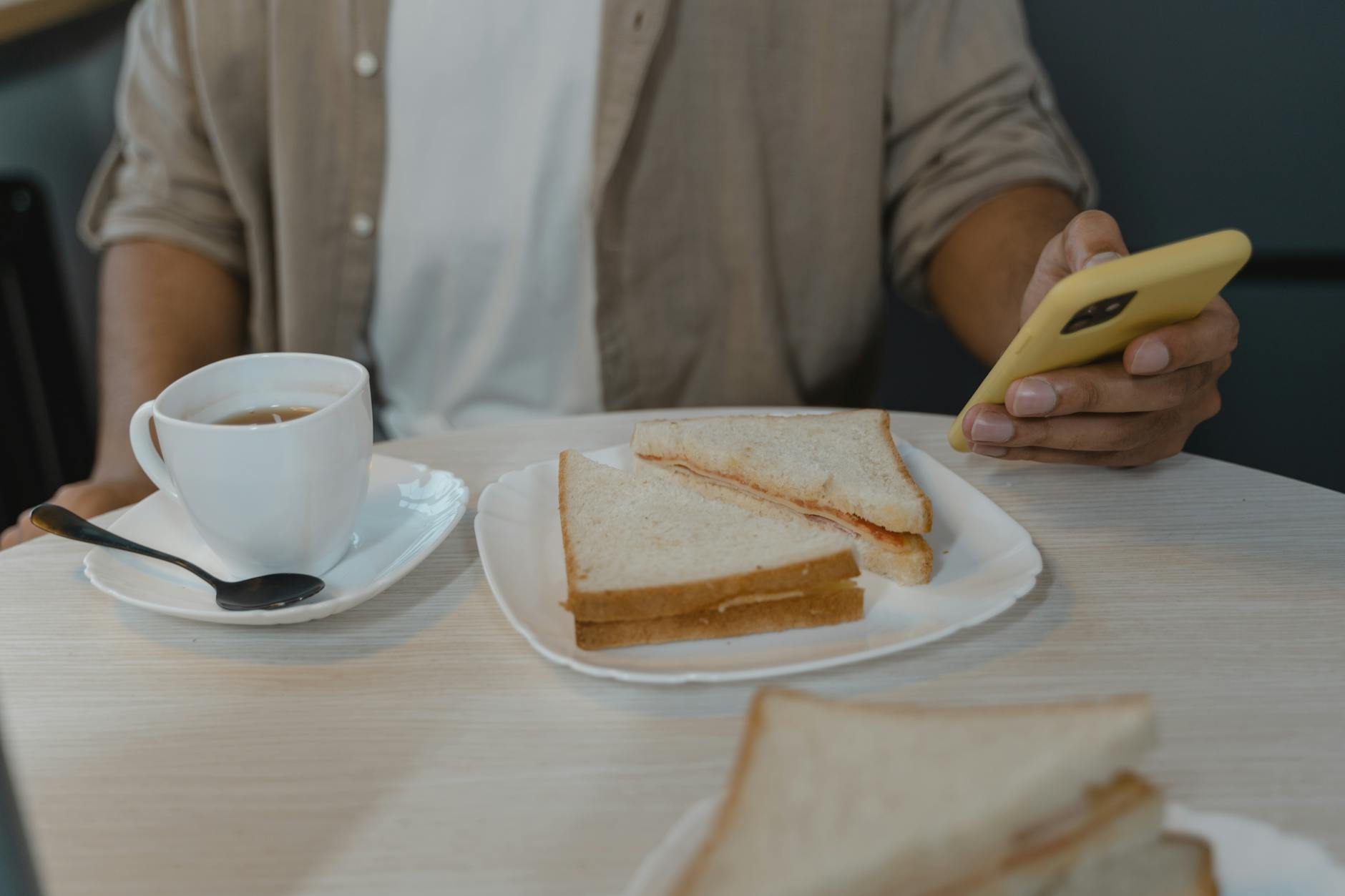
Eating in front of a screen, while scrolling through a phone, or during a work task disengages the brain from the physical experience of consuming food, which delays and diminishes the satiety response. People consistently eat more during distracted meals and report lower satisfaction afterward, often leading to additional snacking shortly after. The body’s fullness signals rely in part on attentive engagement with the act of eating, including visual, olfactory, and textural awareness. Sitting down at a table without screens and focusing on the meal, even for just fifteen minutes, measurably reduces overall consumption.
Nut Portions
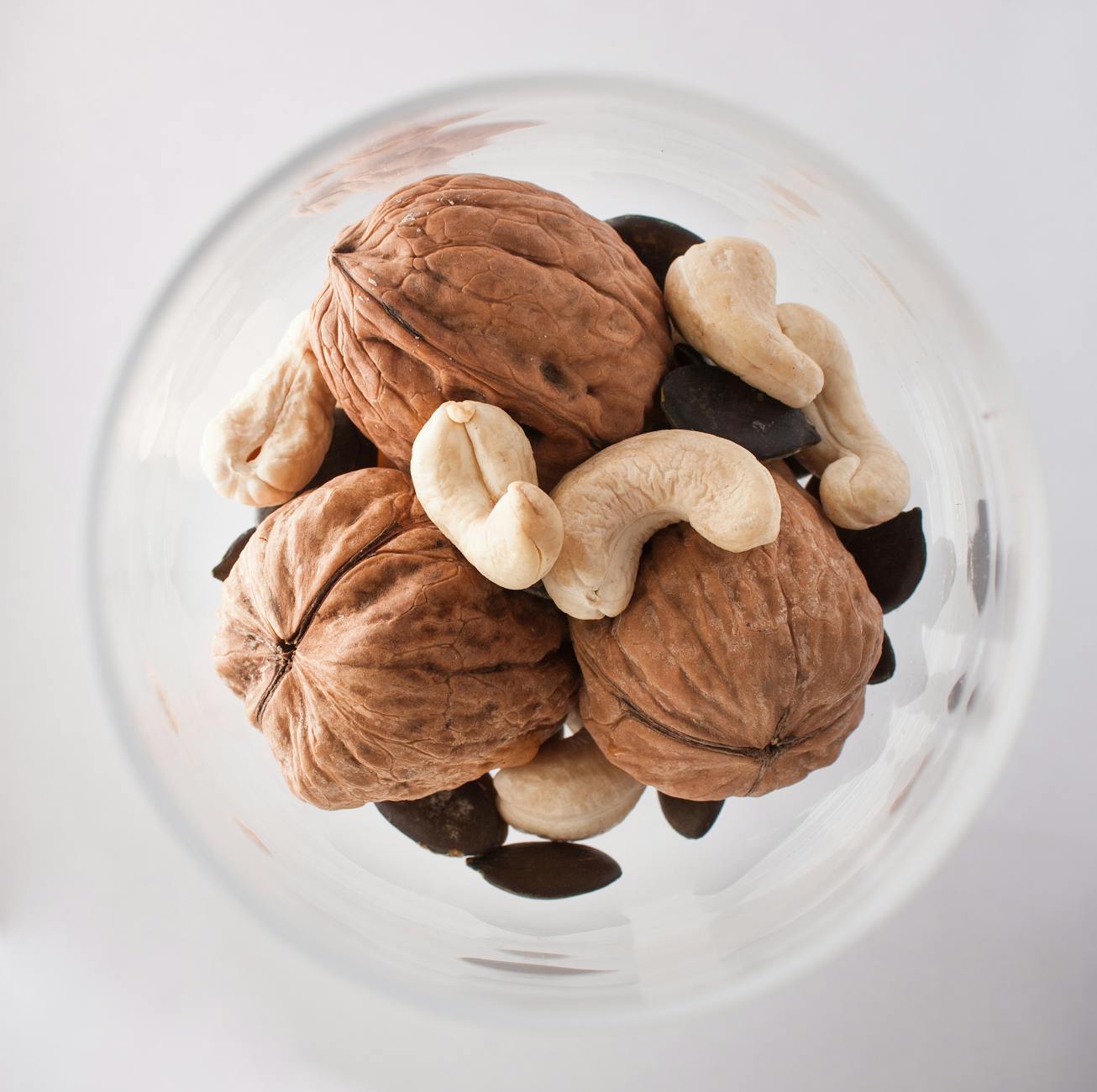
Nuts are celebrated for their nutritional profile, but they are among the most calorie-dense foods available, with a small handful delivering well over two hundred calories. They are also extraordinarily easy to eat continuously because their size, texture, and flavor make portion awareness nearly impossible without active measurement. Eating directly from a shared bowl or a large bag removes any visual reference point for how much has been consumed. Pre-portioning nuts into small individual servings before snacking provides the benefits of this nutritious food without allowing passive overconsumption to go unnoticed.
Coffee Additions

A plain cup of black coffee contains virtually no calories, but the additions that most people incorporate transform it into a meaningful caloric event. Flavored syrups, whipped cream, half-and-half, sweetened creamers, and multiple spoons of sugar can collectively add hundreds of calories to a beverage consumed two or three times a day. Over the course of a month, daily coffee additions can represent a surplus of thousands of calories that most drinkers never think to count. Auditing what goes into each cup and moderating the quantities, or transitioning gradually to less sweetened versions, addresses this overlooked pattern directly.
Food Storage
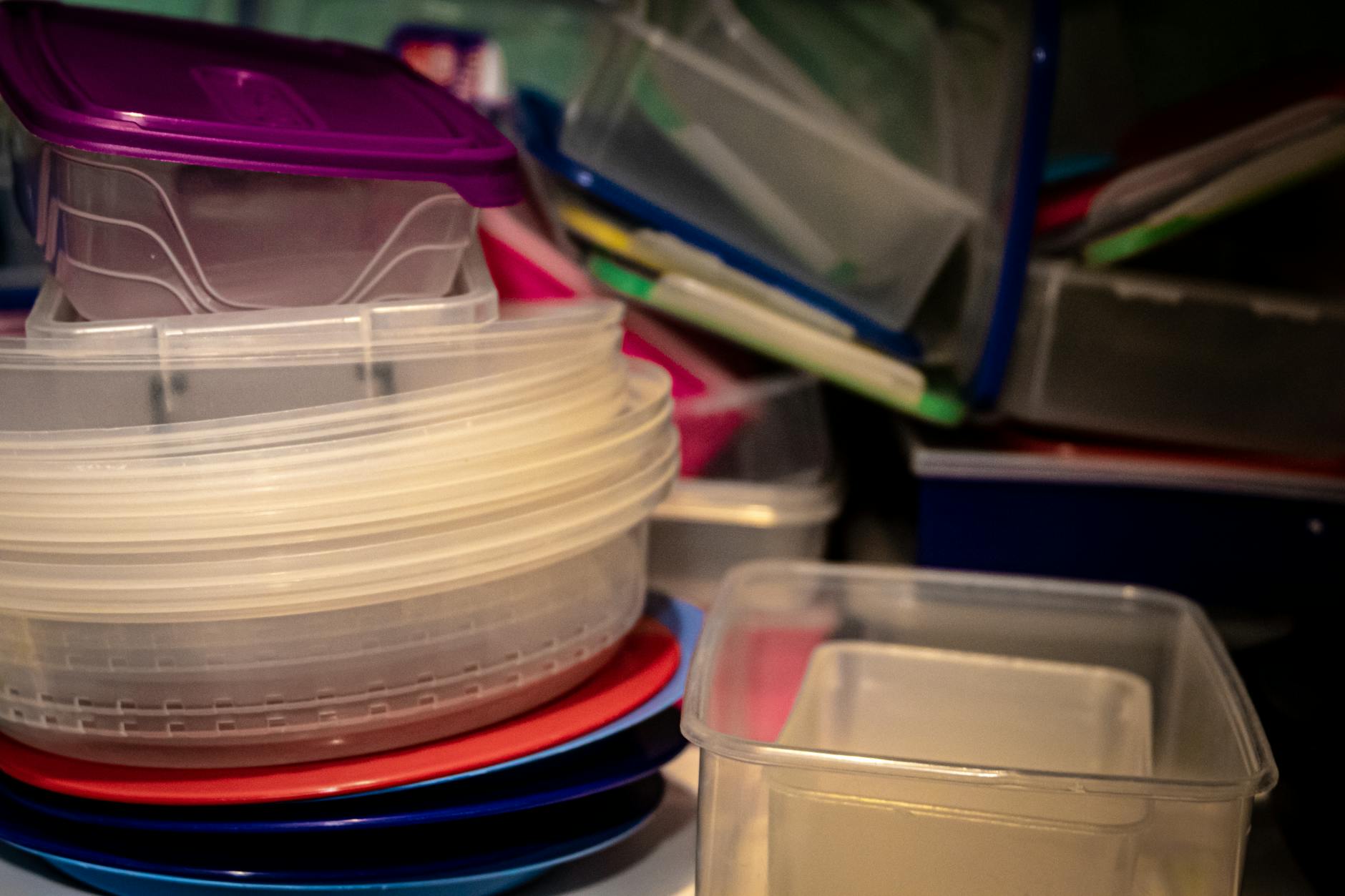
Storing calorie-dense foods in clear, easily accessible containers at the front of the pantry and refrigerator ensures they are the first option encountered whenever hunger or the impulse to snack arises. Conversely, healthier options stored in less convenient locations are chosen far less frequently simply because reaching them requires more effort. The architecture of food storage shapes eating behavior in ways that operate almost entirely below conscious awareness. Reorganizing the kitchen so that fruits, cut vegetables, and lower-calorie options are the most visible and accessible items requires no willpower and produces consistent behavioral change.
Portion Estimation
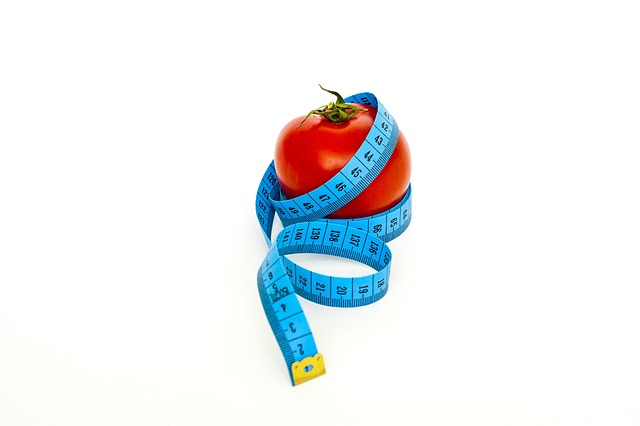
The human eye is a poor judge of portion size, consistently underestimating quantities of calorie-dense foods and overestimating the volume of lower-calorie options like vegetables. Studies in nutritional science have shown that even trained dietitians misjudge portions when estimating by sight rather than measurement. Pasta, rice, cereals, and nut butters are among the foods most commonly consumed in quantities that are double or triple the standard serving size simply because the difference is not visually apparent. Using a kitchen scale or measuring cups periodically recalibrates portion perception in a way that eyeballing cannot.
Alcohol Choices
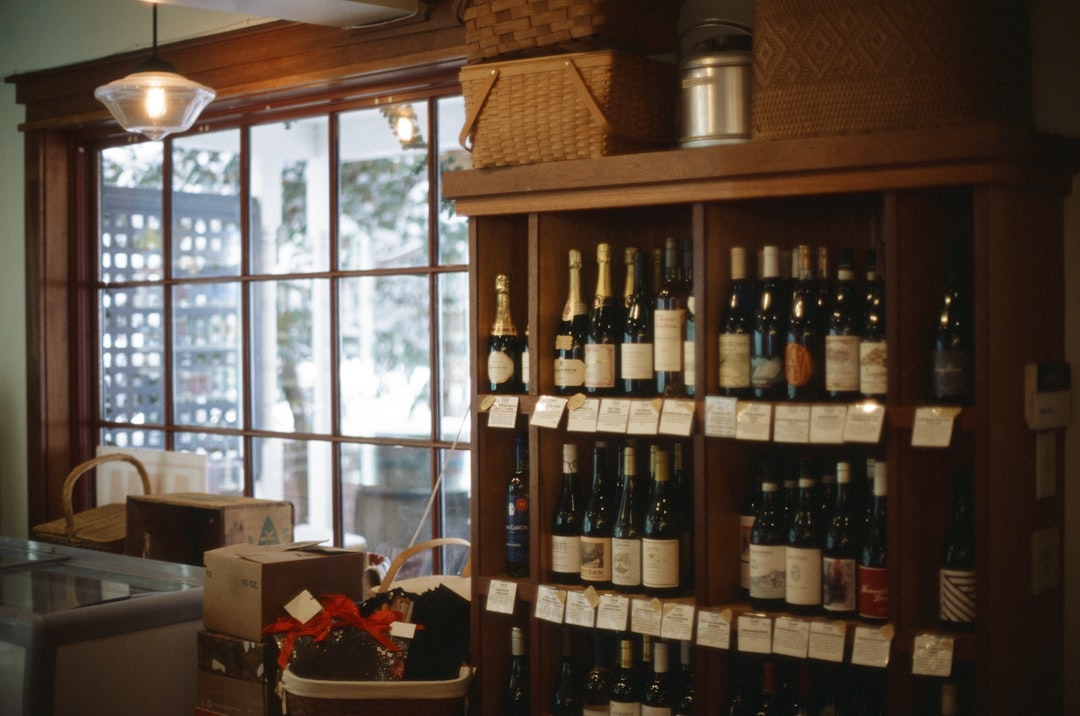
Alcoholic beverages contain significant calories that are processed differently from food-based energy and contribute to fat storage in ways that are disproportionate to their caloric content alone. Beyond their direct caloric contribution, alcoholic drinks lower inhibition and reduce the body’s ability to regulate hunger signals, making overeating during and after drinking considerably more likely. Wine, beer, and cocktails consumed regularly across a week represent a substantial cumulative energy surplus that most people never formally account for. Reducing frequency, choosing lower-calorie options, and eating a balanced meal before drinking rather than alongside it helps moderate the total impact.
Dressings
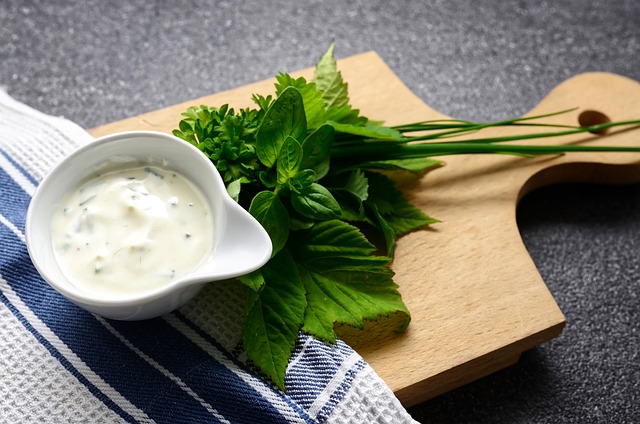
Salad dressings are one of the most effective ways to transform a low-calorie meal into a high-calorie one without altering the visible composition of the plate in any apparent way. A single serving of a creamy dressing such as Caesar or ranch can contain as many calories as a substantial snack, and the quantities poured onto salads at home typically exceed that serving size considerably. Oil-based dressings, while containing healthier fats, are equally concentrated in calories and are often applied just as generously. Measuring dressing before adding it, or serving it on the side for deliberate portion control, preserves the nutritional value of the meal without negating it.
Refined Carbohydrates

White bread, white rice, standard pasta, and commercially produced baked goods are refined to a degree that removes most of their fiber and nutrient content, leaving a product that digests rapidly and drives recurring hunger cycles. The spike in blood sugar that follows a refined carbohydrate-heavy meal is succeeded by a drop that generates cravings for more food, often within a short time after eating. These foods are also rarely as filling as their caloric content would suggest, making it easy to consume large quantities before satiety is reached. Substituting whole grain alternatives even partially introduces fiber that slows digestion and promotes longer-lasting fullness.
Emotional Eating
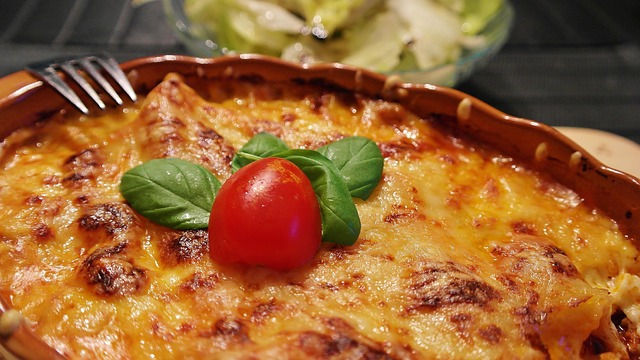
Food consumed in response to stress, boredom, loneliness, or anxiety is rarely chosen for its nutritional quality, and the quantities eaten in these states tend to exceed genuine caloric need significantly. The kitchen becomes a destination during emotional moments not because hunger is present but because eating provides a temporary and accessible form of comfort or distraction. Over a month of frequent emotional eating episodes, the surplus accumulates in a way that makes sustained weight management extremely difficult regardless of how balanced other meals may be. Identifying personal emotional triggers and establishing non-food coping alternatives interrupts the pattern at its source rather than at the symptom level.
Cereal Portions
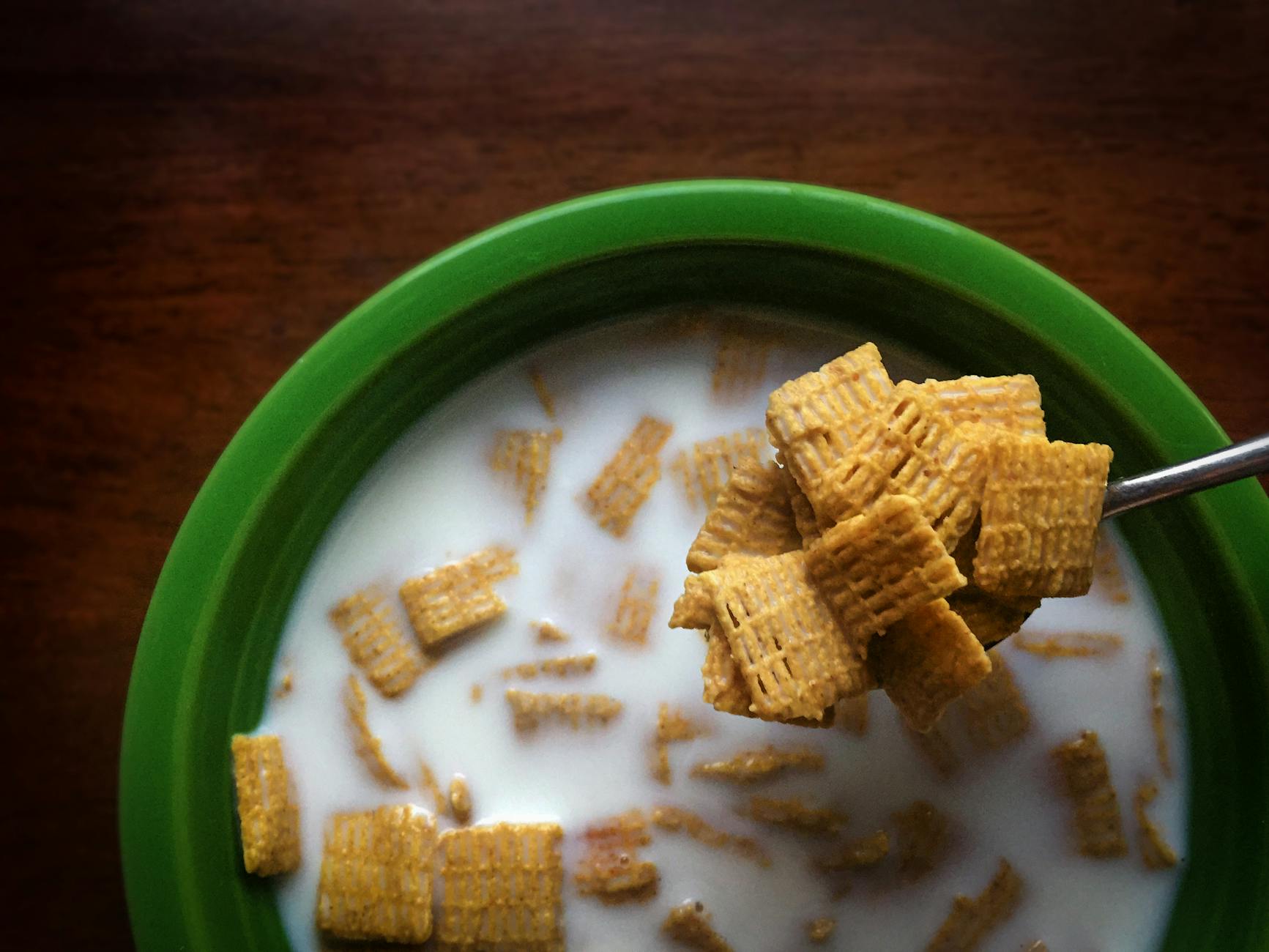
Breakfast cereals are marketed in ways that suggest lightness and health, but standard serving sizes are far smaller than what most people pour into a bowl, and many varieties contain surprising levels of sugar and refined grain. A bowl poured casually and without measurement often contains two or three times the listed serving, along with a comparable multiple of the stated sugar and calorie content. Adding full-fat milk or alternative milk beverages with added sugars compounds the total further. Reading the label, measuring the serving at least occasionally, and selecting cereals with higher fiber and lower sugar content makes this daily meal significantly more aligned with health goals.
Finishing Others’ Food
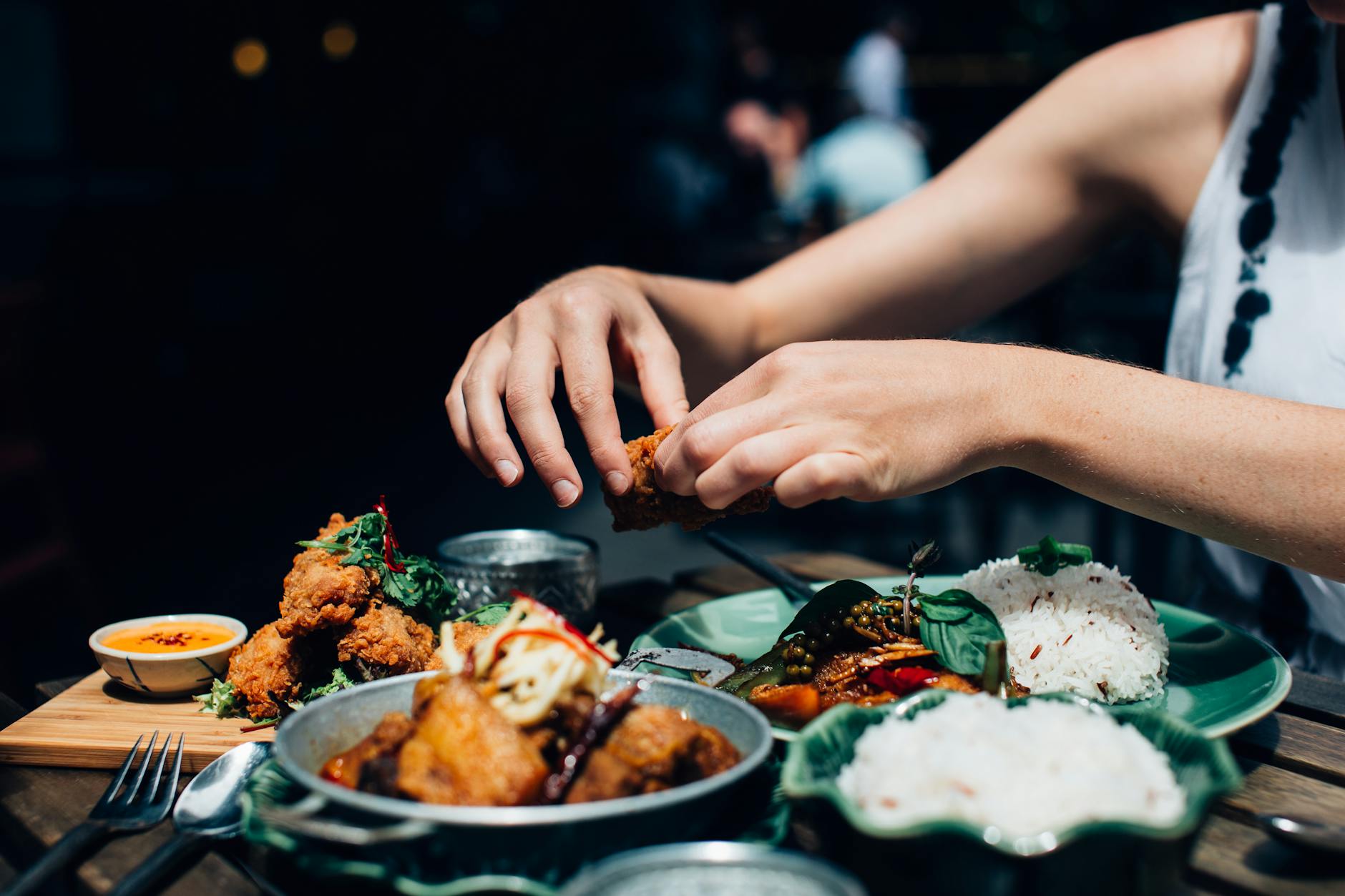
Eating food left on a partner’s or child’s plate at the end of a meal is so automatic and socially normalized in many households that it is rarely recognized as a source of additional caloric intake. A few bites of pasta here and the remainder of a portion of fries there may seem trivial individually, but repeated daily this habit introduces a consistent surplus that is never tracked or mentally registered. The food consumed this way is typically already in a caloric context where the person eating it has finished their own meal and is not genuinely hungry. Developing an awareness of this habit and establishing a clear boundary between finishing one’s own meal and eating others’ leftovers addresses it without requiring significant behavioral effort.
Ultra-Processed Foods
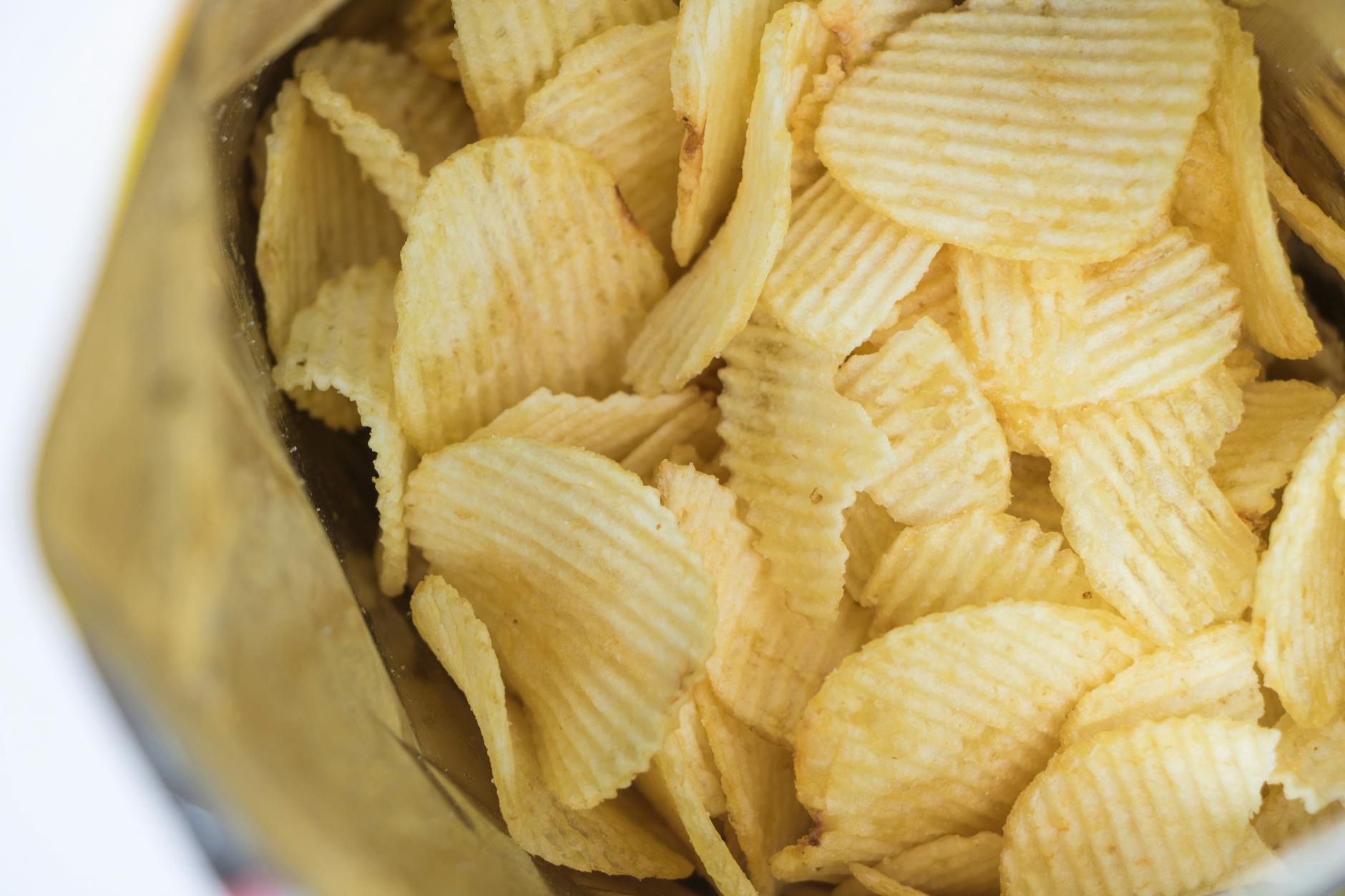
Ultra-processed foods are engineered to be consumed in quantities that exceed what natural hunger and satiety signals would ordinarily permit, using combinations of sugar, fat, salt, and texture that the brain finds difficult to stop responding to. Items in this category include packaged chips, cookies, instant noodles, processed meats, flavored crackers, and a wide range of convenience meals that constitute a substantial portion of many household food supplies. Their convenience, long shelf life, and palatability make them default choices in busy households, where they replace whole food options that require more preparation. Reducing their presence in the kitchen and replacing them with whole food alternatives that require minimal effort to prepare is among the most impactful dietary adjustments available.
Portion Creep
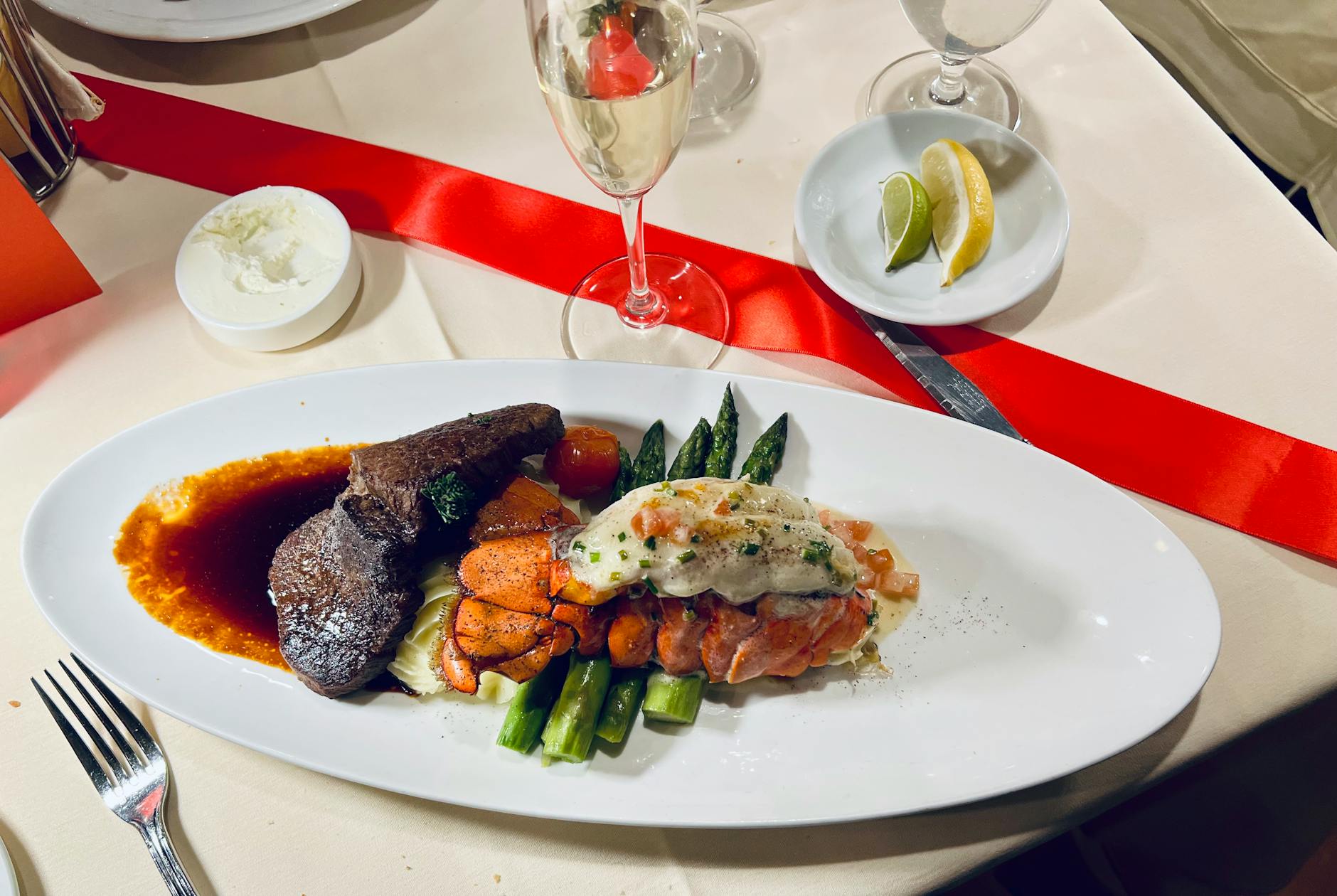
Portion creep describes the gradual, almost imperceptible increase in the size of meals served at home over time, driven by factors including larger packaging, bigger serving utensils, and a recalibrated sense of what a normal quantity looks like. What began as a reasonable dinner portion can grow by thirty or forty percent over a few years without any single change feeling dramatic enough to notice. Standard dinner plates have grown considerably in diameter over recent decades, and portion norms have grown with them. Periodically returning to standardized measurements for common meals provides an objective reality check against this slow drift.
Food Journaling Gaps

Failing to track food intake consistently means that snacks, bites, tastings, and incidental eating throughout the day go entirely unaccounted for, creating a significant gap between perceived and actual consumption. Most people who estimate their daily intake without a tracking tool underestimate it substantially, often by several hundred calories per day. The mere act of recording food before or immediately after eating it increases awareness and introduces a moment of deliberate consideration that reduces impulsive consumption. Even an imperfect or partial food journal provides substantially more insight into eating patterns than relying on memory and estimation alone.
Cooking for Crowds
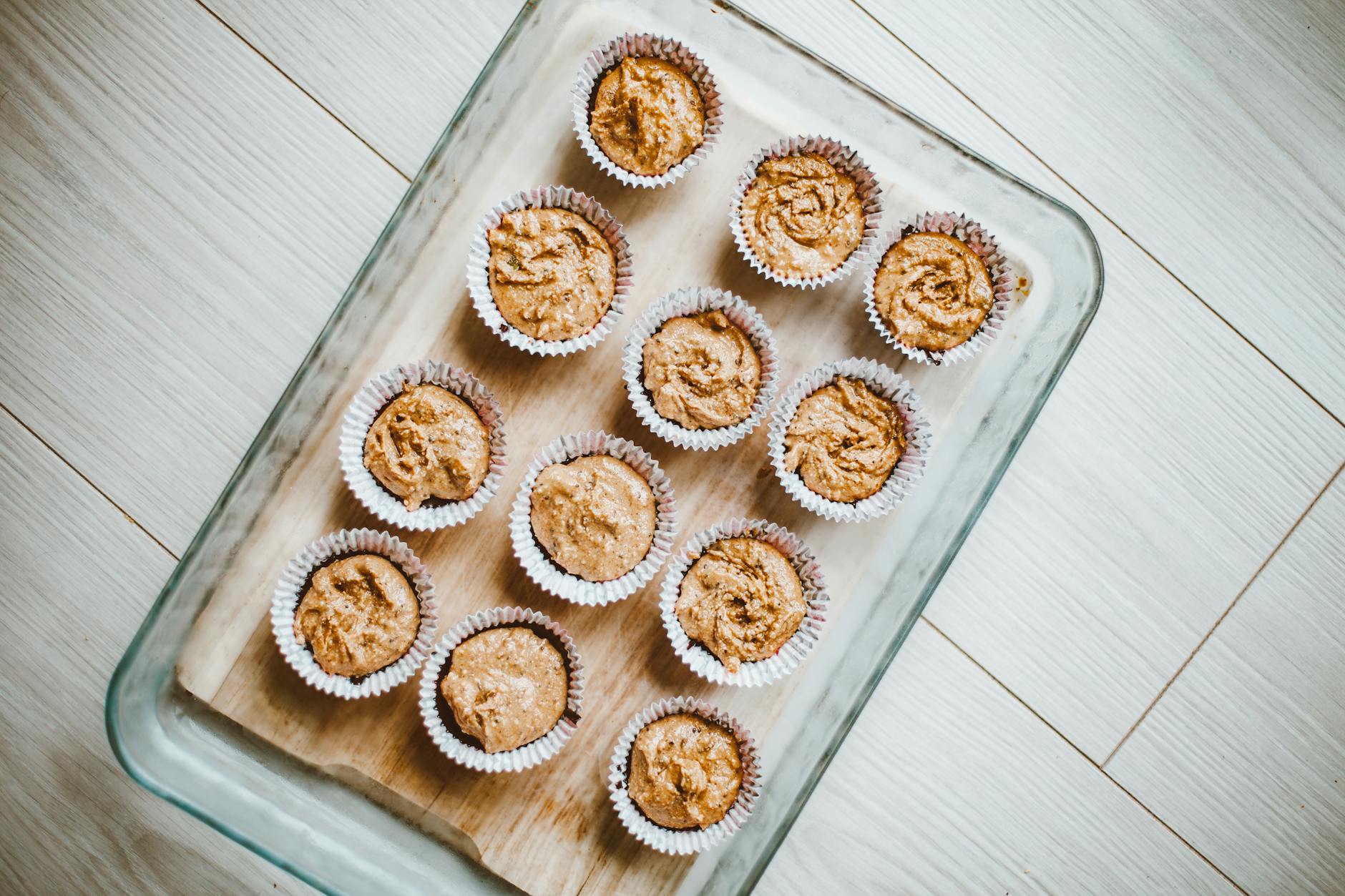
Preparing food in larger quantities than needed creates an immediate surplus that is frequently eaten not because of hunger but simply because it is present and available. The effort invested in cooking generates a psychological reluctance to discard the results, making finishing the pot or tray a default outcome rather than a deliberate choice. Meals prepared for an imagined larger gathering, or cooked in bulk without a structured plan for the remainder, often result in days of overeating driven by availability rather than appetite. Scaling recipes accurately to the number of people eating, or portioning and storing extras immediately before serving, prevents the surplus from becoming an automatic addition to the meal.
Kitchen Proximity

Living in close physical proximity to the kitchen throughout the day, particularly in home working environments, dramatically increases the frequency of casual visits that result in unplanned eating and snacking. Each trip to refill a water glass or make a cup of tea passes food that may prompt an impulsive decision to eat something. The kitchen as a room carries strong behavioral associations with eating that are triggered simply by being in or near it. Establishing structured eating times, keeping the kitchen closed outside of those windows, and finding a workspace that does not require constant passage through food preparation areas reduces exposure-driven eating significantly.
Which of these kitchen habits do you recognize in your own routine? Share your thoughts in the comments.




