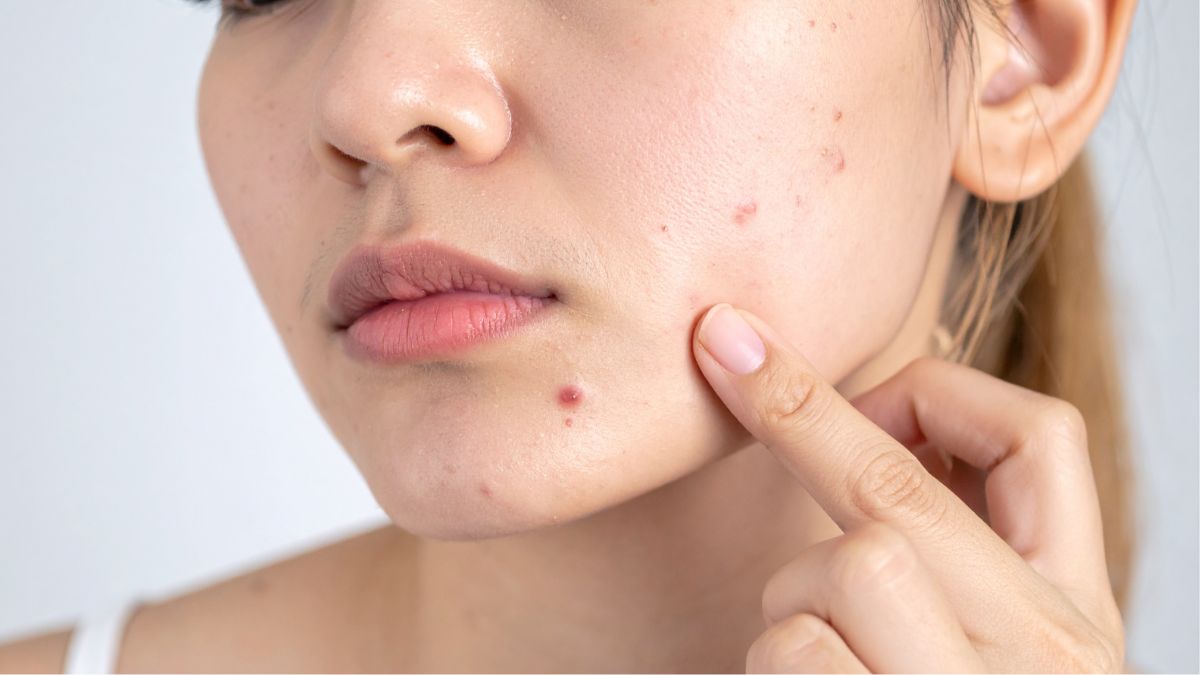
Even the most dedicated skincare routines can fall short when the root causes of breakouts remain hidden in plain sight. Many people invest heavily in cleansers, serums, and treatments only to find their skin stubbornly refuses to clear up. The truth is that acne and persistent blemishes are often driven by lifestyle habits, environmental triggers, and overlooked daily behaviors rather than a lack of products. Understanding these surprising culprits can completely shift the approach to achieving a clearer complexion.
Pillowcase Bacteria

Pillowcases accumulate oil, dead skin cells, sweat, and hair product residue with every single night of sleep. This buildup creates a breeding ground for bacteria that transfers directly onto the face for hours at a time. Dermatologists widely recommend changing pillowcases at least twice a week to minimize this contact. Silk pillowcases are often suggested as a gentler alternative since they absorb less oil than cotton and create less friction against the skin.
Hard Water
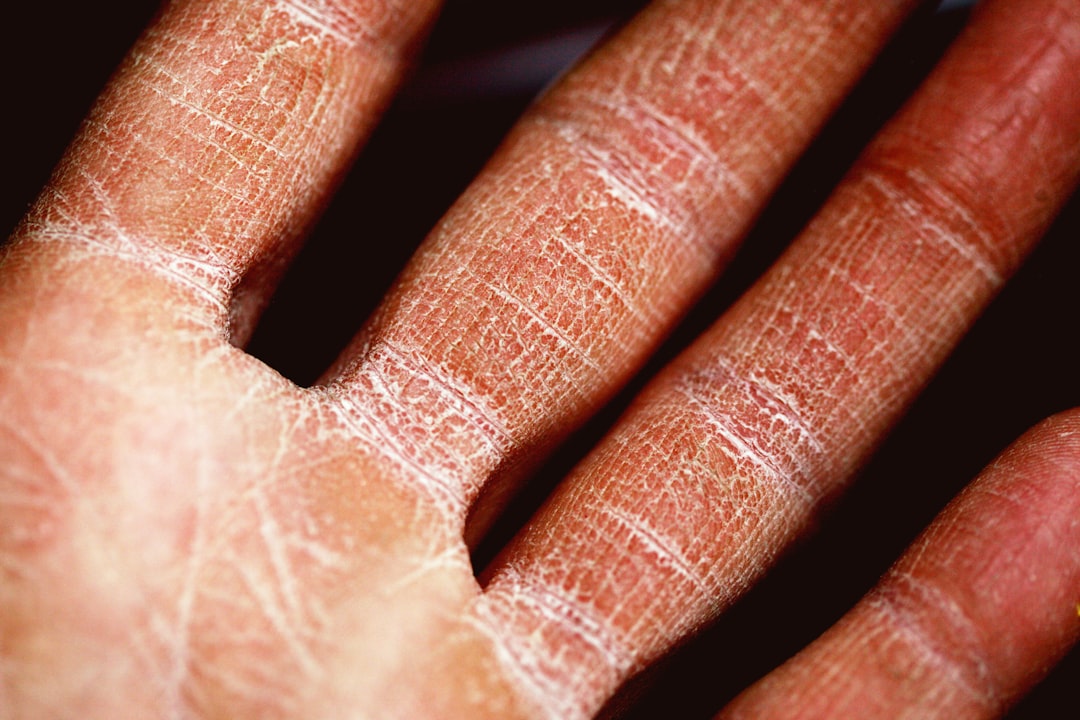
The mineral content found in hard water can leave a residue on the skin after washing that clogs pores and disrupts the natural barrier. Calcium and magnesium deposits interact poorly with many facial cleansers, reducing their effectiveness and leaving behind a film. This residue can trigger inflammation and lead to persistent breakouts that seem unrelated to any product in the routine. Installing a shower filter or switching to micellar water for cleansing is a common workaround recommended by skincare professionals.
Phone Screen

The surface of a smartphone screen harbors significantly more bacteria than most people realize, and pressing it against the cheek transfers that bacteria directly to the skin. Heat generated by the device during calls can also stimulate oil production in the surrounding area. Over time this repeated contact leads to a specific pattern of breakouts along the cheeks and jawline. Using speakerphone or earphones during calls and regularly disinfecting the screen can dramatically reduce this source of contamination.
Fabric Softener
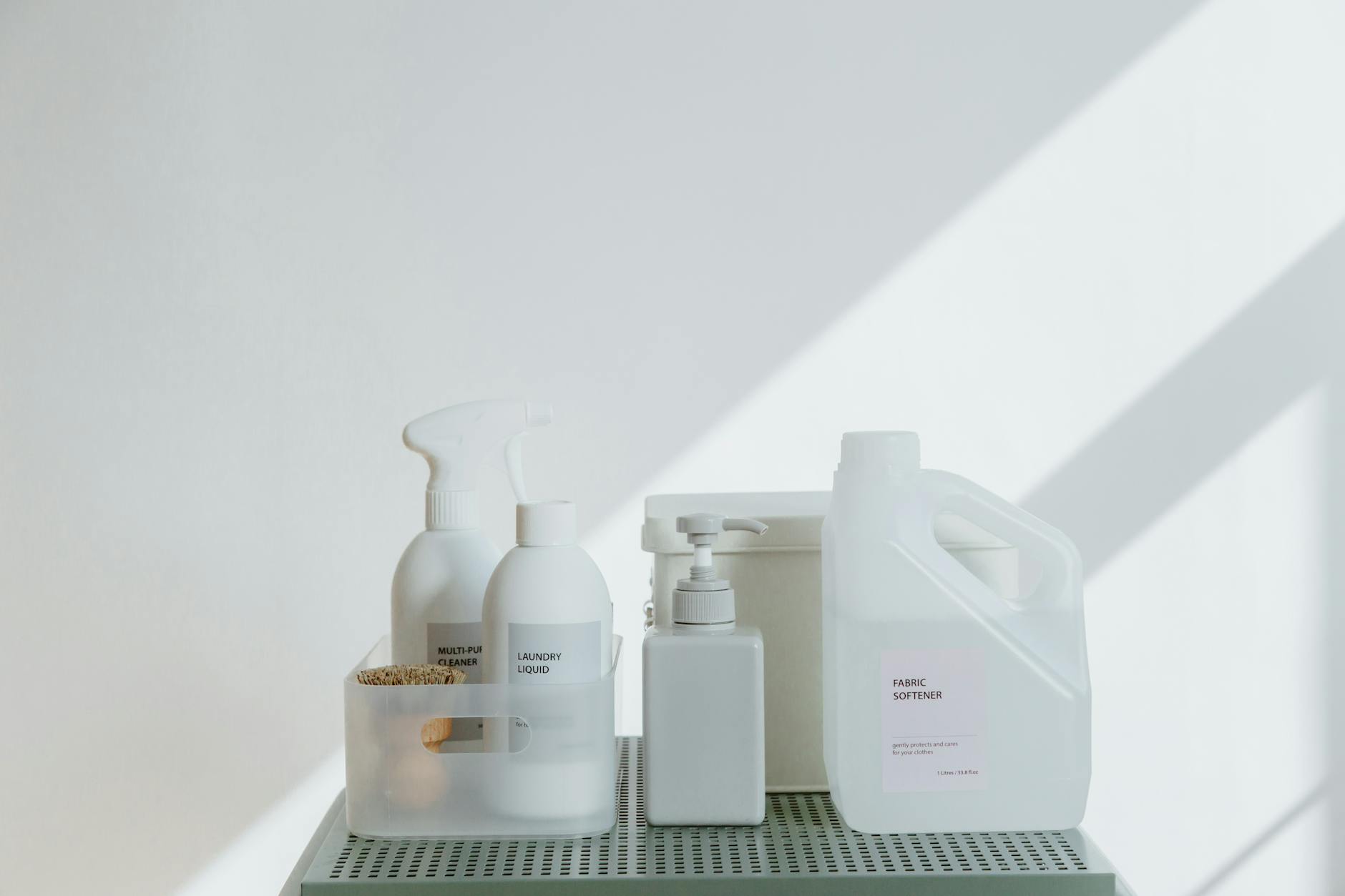
Fabric softeners and dryer sheets leave a chemical coating on towels and pillowcases that can irritate sensitive or acne-prone skin. The fragrances and conditioning agents in these products are a well-documented trigger for contact dermatitis and clogged pores. People who switch to fragrance-free detergents often notice a marked improvement in skin texture and clarity within a few weeks. Towels used to dry the face deserve particular attention since they come into direct and repeated contact with delicate facial skin.
Hormonal Fluctuation

Hormones play a significant and often underestimated role in skin behavior that no topical product can fully counteract on its own. Fluctuations related to the menstrual cycle, thyroid function, cortisol levels, and even sleep disruption can trigger excess sebum production. This type of hormonal acne typically appears along the lower face and jaw and follows a predictable monthly or situational pattern. A dermatologist or endocrinologist can assess whether hormonal factors are driving breakouts and whether targeted treatment is appropriate.
Gut Health

The relationship between the digestive system and the skin is increasingly recognized in dermatological research as a meaningful factor in acne. An imbalance in gut bacteria can contribute to systemic inflammation that manifests visibly on the surface of the skin. Diets high in processed foods and low in fiber disrupt the microbiome in ways that are directly linked to increased breakout frequency. Incorporating fermented foods and diverse plant-based ingredients into daily meals supports a healthier gut-skin connection.
Hair Products

Conditioners, styling creams, dry shampoos, and serums applied to the hair regularly migrate onto the forehead, temples, and back during sleep or physical activity. Many of these formulas contain occlusive ingredients such as silicones and heavy oils that are notorious for clogging pores. The resulting breakouts are often described as pomade acne and are frustratingly resistant to standard acne treatments. Rinsing the face thoroughly after conditioning in the shower and keeping hair away from the face during sleep helps minimize this transfer significantly.
Touching Your Face

The average person touches their face dozens of times throughout the day without realizing it, depositing whatever bacteria and oils have accumulated on the hands directly onto the skin. This habit is one of the most consistent and preventable contributors to breakouts yet remains one of the hardest to eliminate. Unconscious touching during work, reading, or screen time is particularly common and difficult to catch in the moment. Keeping hands clean and developing awareness of this pattern through mindfulness techniques can produce noticeable improvements over time.
Whey Protein

Whey protein supplements contain concentrated dairy compounds that stimulate insulin-like growth factor in the body and promote excess sebum production. Research consistently links high whey consumption to increased acne severity, particularly along the back, chest, and jawline. This connection is often overlooked because the association between food and breakouts is not always immediate. Switching to plant-based protein alternatives such as pea or hemp protein has helped many people see significant improvements in their skin without other changes.
Blood Sugar Spikes

Foods that cause rapid spikes in blood sugar trigger a hormonal cascade that increases oil production and inflammation throughout the body. Refined carbohydrates, sugary beverages, white bread, and processed snacks are among the primary dietary drivers of this response. The skin often reflects these metabolic fluctuations with increased breakout frequency in the days following high-glycemic meals. Choosing lower-glycemic foods and pairing carbohydrates with protein and fiber helps stabilize blood sugar and reduce this particular acne trigger.
Stress Cortisol

When the body experiences prolonged stress it releases elevated levels of cortisol, a hormone that directly stimulates the sebaceous glands to produce more oil. This explains why breakouts frequently appear during exam periods, work deadlines, or major life events regardless of how carefully the skincare routine is maintained. Cortisol also impairs the skin barrier and slows the healing process, meaning existing blemishes take longer to resolve. Stress management practices such as exercise, breathwork, and adequate sleep have a documented impact on skin health over time.
Expired Products
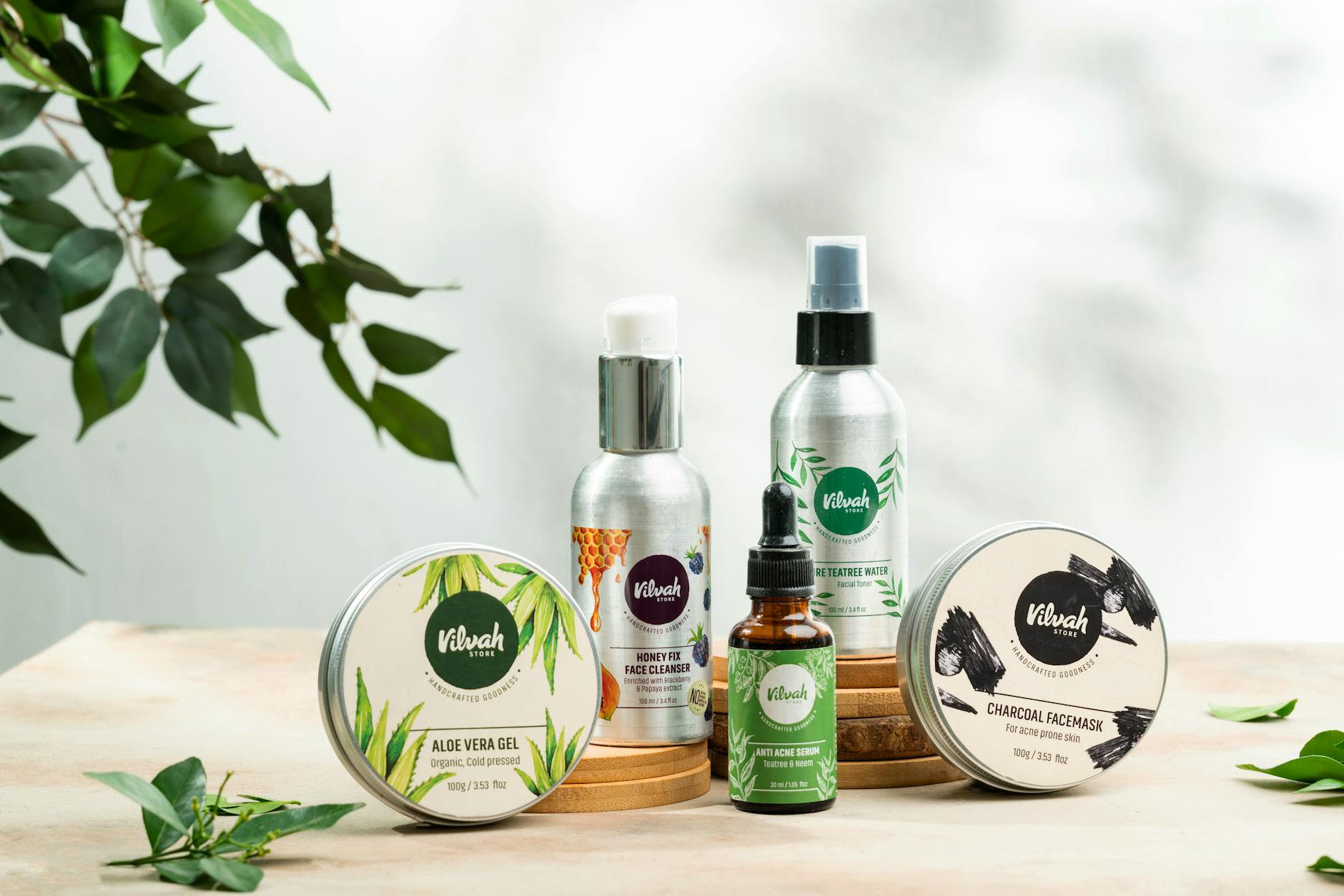
Skincare products that have passed their expiration date or period-after-opening window can harbor bacteria and degrade into formulas that actively irritate the skin. Preservatives break down over time, allowing microbial contamination to develop inside packaging that appears perfectly clean from the outside. Vitamin C serums, natural and organic products, and eye creams are particularly prone to rapid degradation once opened. Checking the small symbol printed on packaging that indicates how many months a product remains viable after opening is a simple habit that protects skin health.
Over-Cleansing
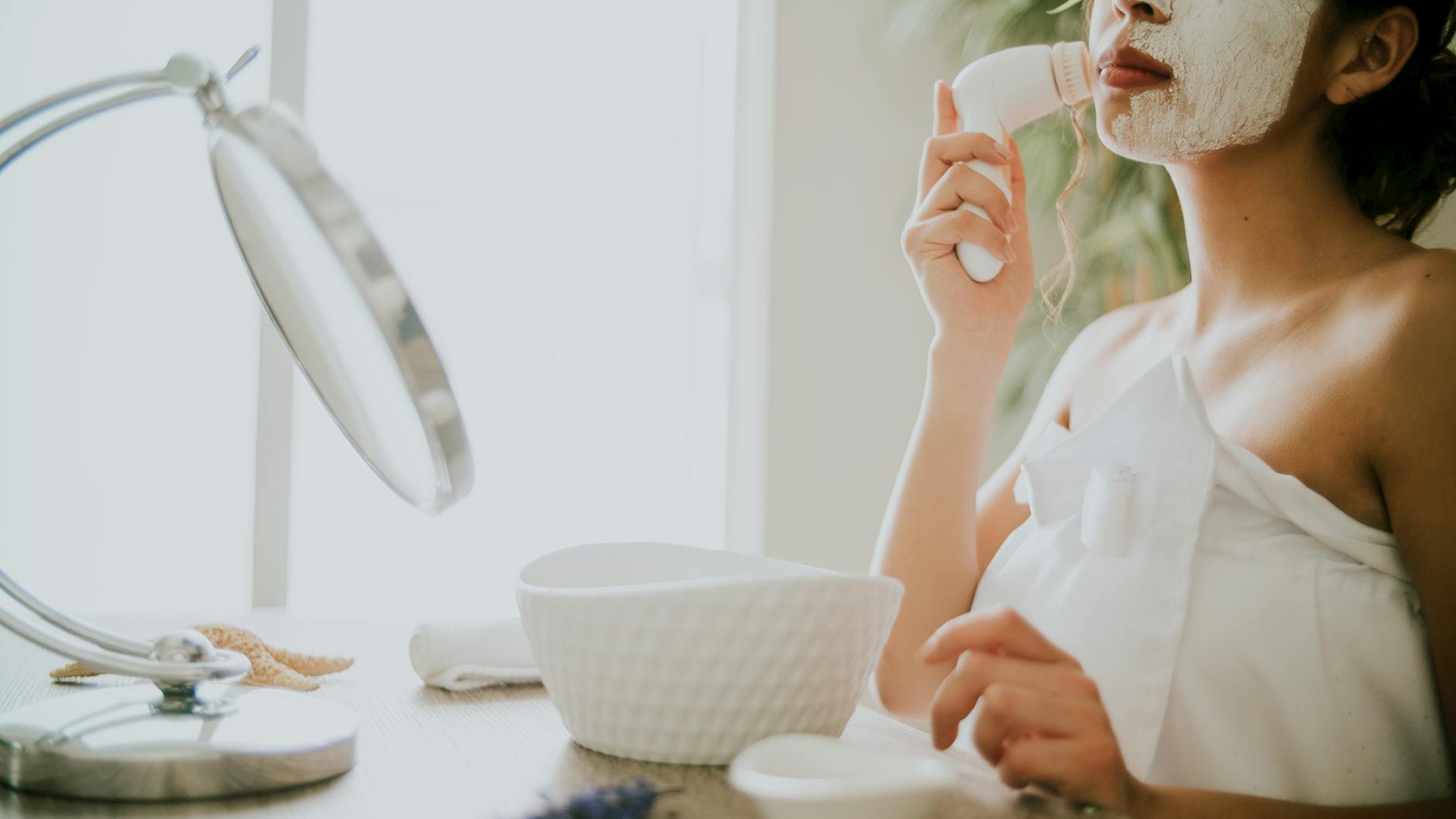
Washing the face more than twice daily strips the skin of its natural protective oils and triggers a compensatory surge in sebum production. This rebound oiliness leads many people to cleanse even more frequently, creating a cycle that worsens the very condition they are trying to treat. The skin barrier becomes compromised through repeated cleansing, leaving it more vulnerable to bacteria and environmental irritants. Using a gentle, non-foaming cleanser twice daily is generally sufficient for maintaining clean pores without disrupting the skin’s natural equilibrium.
Alcohol-Based Toners
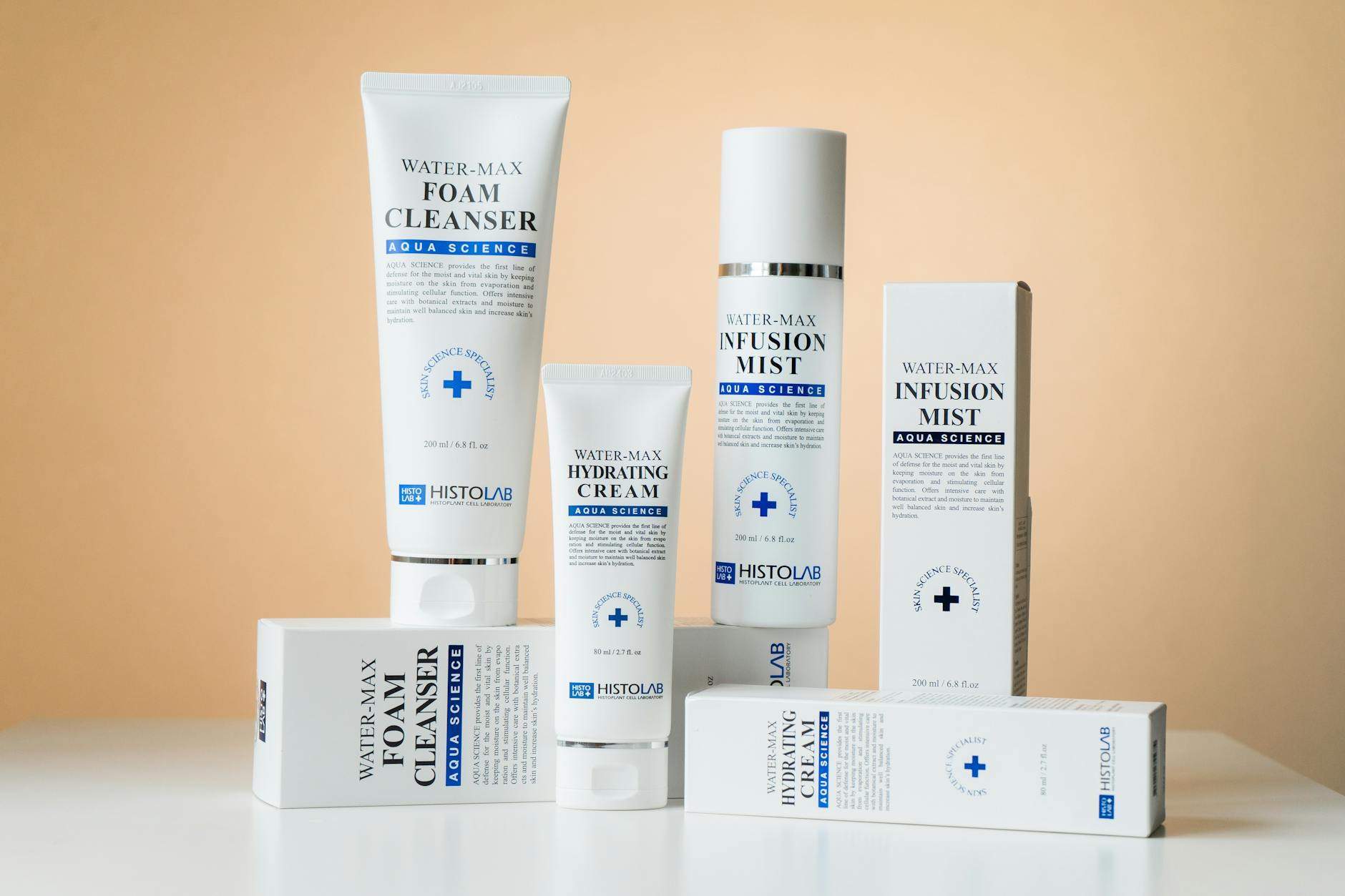
Toners and astringents formulated with high concentrations of alcohol create an initial sensation of clean tightness that many people interpret as a sign of effectiveness. In reality this sensation indicates that the skin barrier has been stripped and moisture has been rapidly evaporated from the surface. The skin responds to this disruption by overproducing oil, leading to increased congestion and breakouts. Switching to an alcohol-free hydrating toner with ingredients such as niacinamide or hyaluronic acid addresses the same goal without the damaging side effects.
Makeup Brushes

Makeup brushes and sponges collect bacteria, dead skin cells, and oxidized product residue with every single use. When these tools are used repeatedly without cleaning, they redeposit accumulated debris onto freshly washed skin during application. This is a particularly overlooked source of breakouts because the brushes themselves appear visually clean even when they are not. Washing brushes weekly with a gentle cleanser and replacing sponges every few weeks is a straightforward practice that many dermatologists recommend as part of an effective acne management strategy.
Dairy Consumption

Dairy products stimulate hormonal pathways that are strongly associated with increased acne activity, even in people who experience no other obvious digestive symptoms. The hormones naturally present in cow’s milk interact with sebaceous glands in a way that promotes excess oil production and inflammation. Skim milk in particular has been shown in research to be more acne-provocative than full-fat dairy, possibly due to differences in processing. Many people who eliminate or significantly reduce dairy consumption report noticeable improvements in skin clarity within four to six weeks.
Sleep Deprivation

Inadequate sleep elevates cortisol, impairs immune function, and slows the cellular renewal processes that allow the skin to heal overnight. The skin performs its most significant repair work during deep sleep stages, and consistently cutting this short leaves blemishes to linger far longer than they otherwise would. Poor sleep also increases inflammation throughout the body, which can aggravate existing acne and make the skin more reactive to everyday triggers. Prioritizing seven to nine hours of quality sleep each night is one of the most impactful and cost-free investments in skin health available.
Sunscreen Formulation

Not all sunscreens are formulated with acne-prone skin in mind, and many popular options contain heavy occlusive ingredients that sit on the surface and contribute to blocked pores. Chemical sunscreen filters in particular can cause reactions in sensitive or reactive skin, leading to breakouts that appear in sun-exposed areas only. This leads many people to mistakenly blame other products in their routine rather than the sunscreen itself. Mineral sunscreens featuring zinc oxide are widely regarded as better tolerated by acne-prone skin and also offer the added benefit of mild anti-inflammatory properties.
Indoor Air Quality

Poor indoor air quality introduces a layer of invisible particulate matter, pollutants, and volatile compounds onto the skin that accumulate throughout the day and evening. Studies have linked prolonged exposure to indoor air pollution from cooking fumes, cleaning products, candles, and inadequate ventilation to increased skin congestion and oxidative stress. These particles can penetrate pores and trigger inflammation in ways that topical skincare products are not designed to address. Using an air purifier in frequently occupied spaces and ensuring regular ventilation can meaningfully reduce this overlooked environmental burden on the skin.
Fragrance Sensitivity
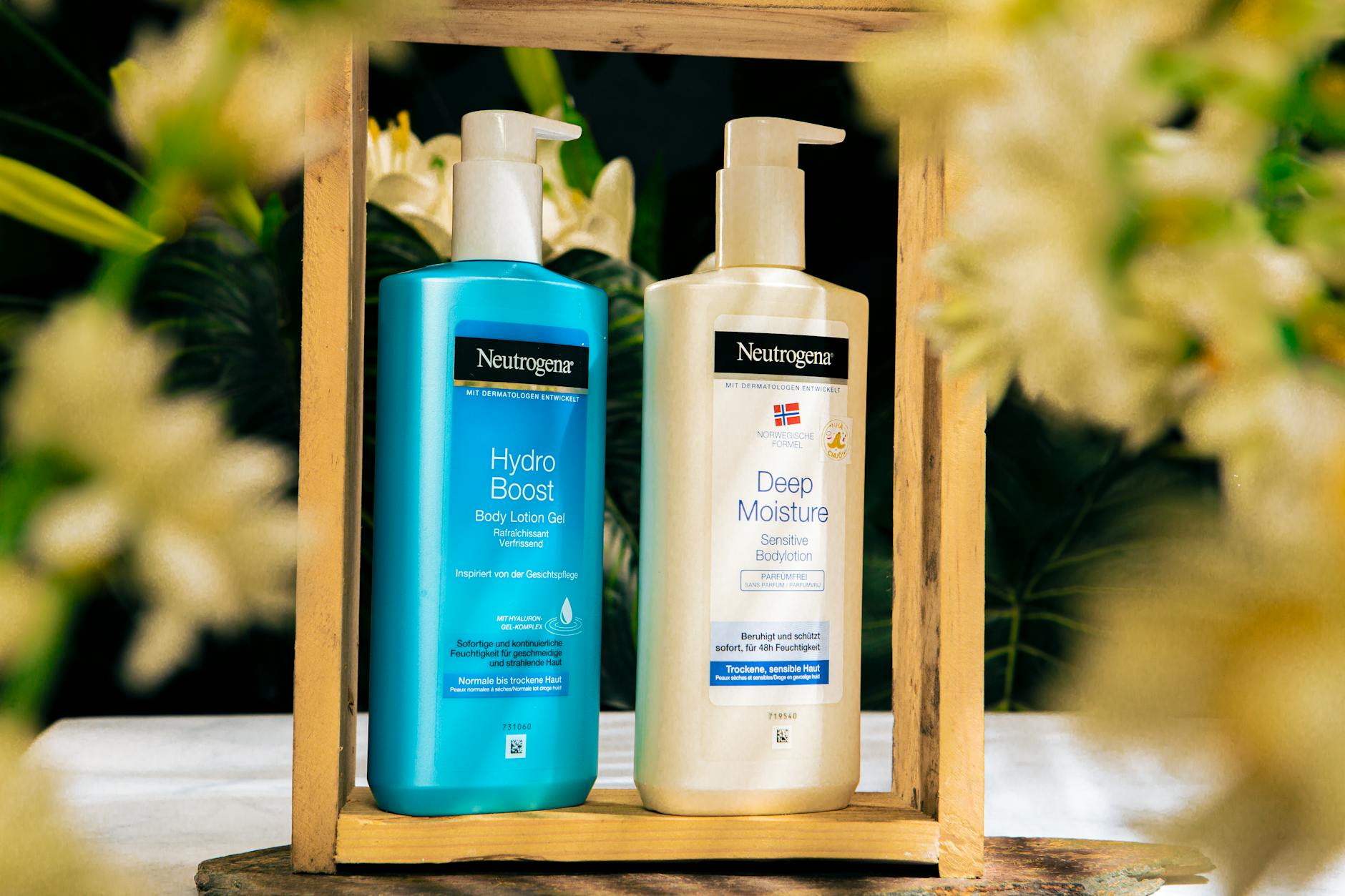
Fragrance is one of the most common causes of contact reactions in skincare, and many products marketed toward acne sufferers still contain it in significant amounts. Both synthetic fragrance compounds and natural essential oils can disrupt the skin barrier and provoke localized inflammation that resembles a standard breakout. The frustrating aspect of fragrance sensitivity is that reactions do not always appear immediately, sometimes taking several days to manifest. Reading ingredient labels carefully and systematically switching to fragrance-free formulations often reveals this as a major hidden contributor to persistent skin problems.
Gym Equipment

Shared gym equipment collects sweat, oil, and bacteria from multiple users throughout the day and comes into direct contact with the face during floor exercises, bench presses, and mat work. This bacterial exposure can introduce strains of bacteria onto the skin that trigger or worsen breakouts, particularly on the forehead and cheeks. Wearing clean workout clothing each session and wiping down equipment before use are widely recommended precautions. Cleansing the skin promptly after exercise to remove sweat and bacteria before they have time to settle into pores is equally important.
Hormonal Birth Control

Changes to hormonal contraceptive methods can trigger significant shifts in the skin’s oil production, sometimes causing breakouts to appear months after switching or stopping a particular method. Certain progestin-based pills have androgenic properties that stimulate sebum production in acne-prone individuals. Conversely, stopping a pill that had been suppressing breakouts can lead to a temporary surge in acne as the body readjusts its natural hormonal balance. Discussing these dermatological implications with a healthcare provider before making changes to contraception can help set realistic expectations and identify alternatives if needed.
Dehydration

When the body is chronically under-hydrated, the skin compensates by increasing oil production in an attempt to maintain surface moisture. This excess sebum mixes with dead skin cells and bacteria in the pores, creating ideal conditions for breakouts to develop. Many people experiencing this pattern assume their skin is simply oily rather than recognizing the underlying dehydration as the driver. Consistently drinking adequate water throughout the day, alongside using a non-comedogenic moisturizer, helps restore the skin’s moisture balance and reduces the compensatory oil response over time.
Laundry Detergent
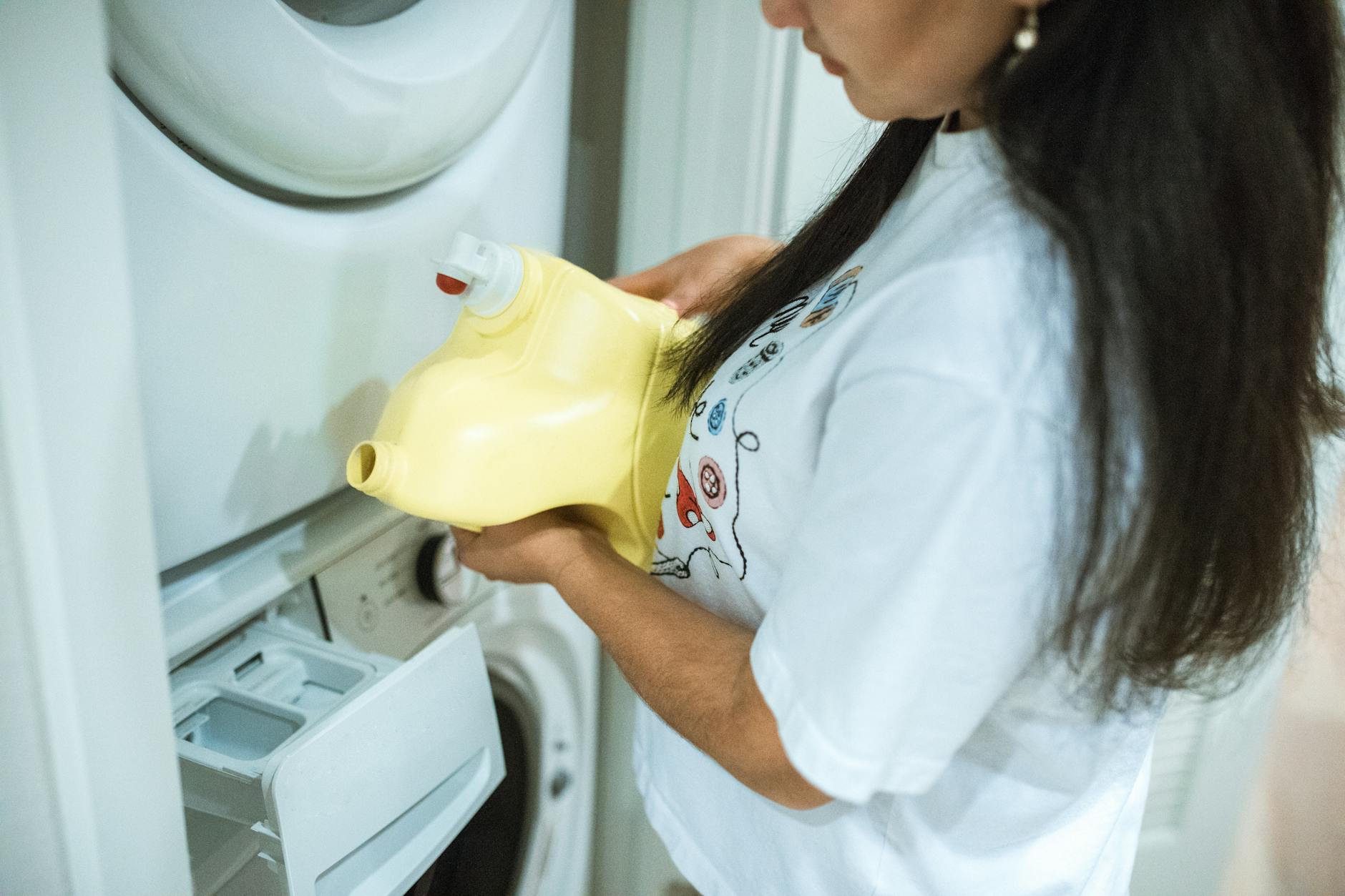
Residues from heavily fragranced or chemically complex laundry detergents remain in clothing and bedding even after rinsing and can irritate acne-prone skin through prolonged contact. This is especially relevant for back and body acne, where clothing sits against the skin for hours each day. Reactions to detergent residue are easily mistaken for other causes because the connection between laundry products and skin is rarely considered first. Switching to a fragrance-free and dye-free detergent formulated for sensitive skin is often one of the simplest changes a person can make with a meaningful impact on persistent body and facial breakouts.
Share your own surprising breakout triggers or skincare discoveries in the comments.