
What begins as an exciting vision of polished countertops and sunlit open-plan living can quietly unravel into something far more overwhelming than anyone anticipated. Home renovations have a way of expanding beyond their original scope, timelines, and budgets in ways that chip away at everyday wellbeing. The stress of living inside a construction zone while managing contractors, decisions, and unexpected setbacks takes a measurable toll on mental and emotional health. Recognizing the warning signs early can be the difference between a project that energizes and one that exhausts. These are the clearest signals that your renovation has crossed from exciting challenge into full-blown sanity drain.
Decision Fatigue

Every renovation reaches a point where the sheer number of choices becomes paralyzing rather than exciting. Tile grout color, cabinet hardware finish, outlet placement and lighting temperature are all decisions that carry weight when they accumulate over weeks and months. When even the smallest selections feel impossible to make, the brain has likely hit a threshold of cognitive overload. This mental exhaustion bleeds into everyday life, making routine tasks feel disproportionately difficult. The inability to decide what to eat for dinner is often the first sign that renovation decisions have taken over far too much mental bandwidth.
Budget Creep

A renovation budget is rarely what it appears to be on paper once the walls come down and the real picture emerges. Hidden plumbing issues, outdated wiring, and structural surprises have a way of appearing at the worst possible moments and demanding immediate financial attention. Many homeowners find themselves agreeing to expenses they never anticipated simply because stopping mid-project feels more costly than continuing. The financial anxiety that follows persistent budget overruns creates a low-level stress that lingers long after the workday ends. Constantly recalculating numbers and shuffling funds between accounts is one of the clearest signs that the project has outgrown its original vision.
Contractor Conflict

The relationship between a homeowner and their contractor is one of the most consequential dynamics in any renovation. When communication becomes strained, timelines are repeatedly missed, or work quality falls short of expectations, the resulting tension is deeply draining. Feeling the need to micromanage every task or show up unannounced to check on progress signals a breakdown in trust. Disputes over change orders, labor costs, or scope creep introduce a layer of conflict that can consume hours of emotional energy. Living in a state of low-grade confrontation with the people rebuilding your home is an unmistakable sign that the process has become harmful.
Sleep Disruption

Construction noise, dust, and the constant presence of workers in the home routinely interrupt the sleep patterns of those living through a renovation. Even on quiet nights, the mental preoccupation with unresolved project issues can make it difficult to fully switch off and rest. Many renovators find themselves lying awake mentally rehearsing conversations with contractors or reconfiguring floor plans that have already been finalized. Chronic sleep deprivation compounds every other stressor the renovation introduces, making problems feel larger and solutions harder to find. When the project follows you into the bedroom and keeps you from restorative rest, its impact has moved well beyond the physical space being renovated.
Relationship Strain

Renovations consistently rank among the top sources of conflict between partners, housemates, and family members sharing a living space. Disagreements over design choices, spending priorities, and timelines can surface underlying differences in values that extend far beyond the project itself. The shared stress of disrupted routines and cramped temporary living arrangements creates friction that well-functioning relationships can still struggle to absorb. Partners who once agreed on everything may find themselves at an impasse over seemingly minor decisions like paint sheens or kitchen layout. When the renovation becomes the dominant subject of every conversation and the primary source of household tension, the relationship cost has become significant.
Neglected Self-Care

Personal health habits are often the first casualty of a renovation in full swing. Gym routines, healthy meal preparation, social plans, and even basic hygiene rituals get pushed aside when the mental and logistical demands of the project take center stage. Homeowners frequently report eating poorly, skipping exercise, and withdrawing from friends during intensive renovation periods. The sense that everything non-renovation-related is secondary creates a slow erosion of the habits that normally support wellbeing. When the project has consumed the time and energy that once went toward looking after yourself, the renovation has taken something more valuable than square footage.
Scope Expansion
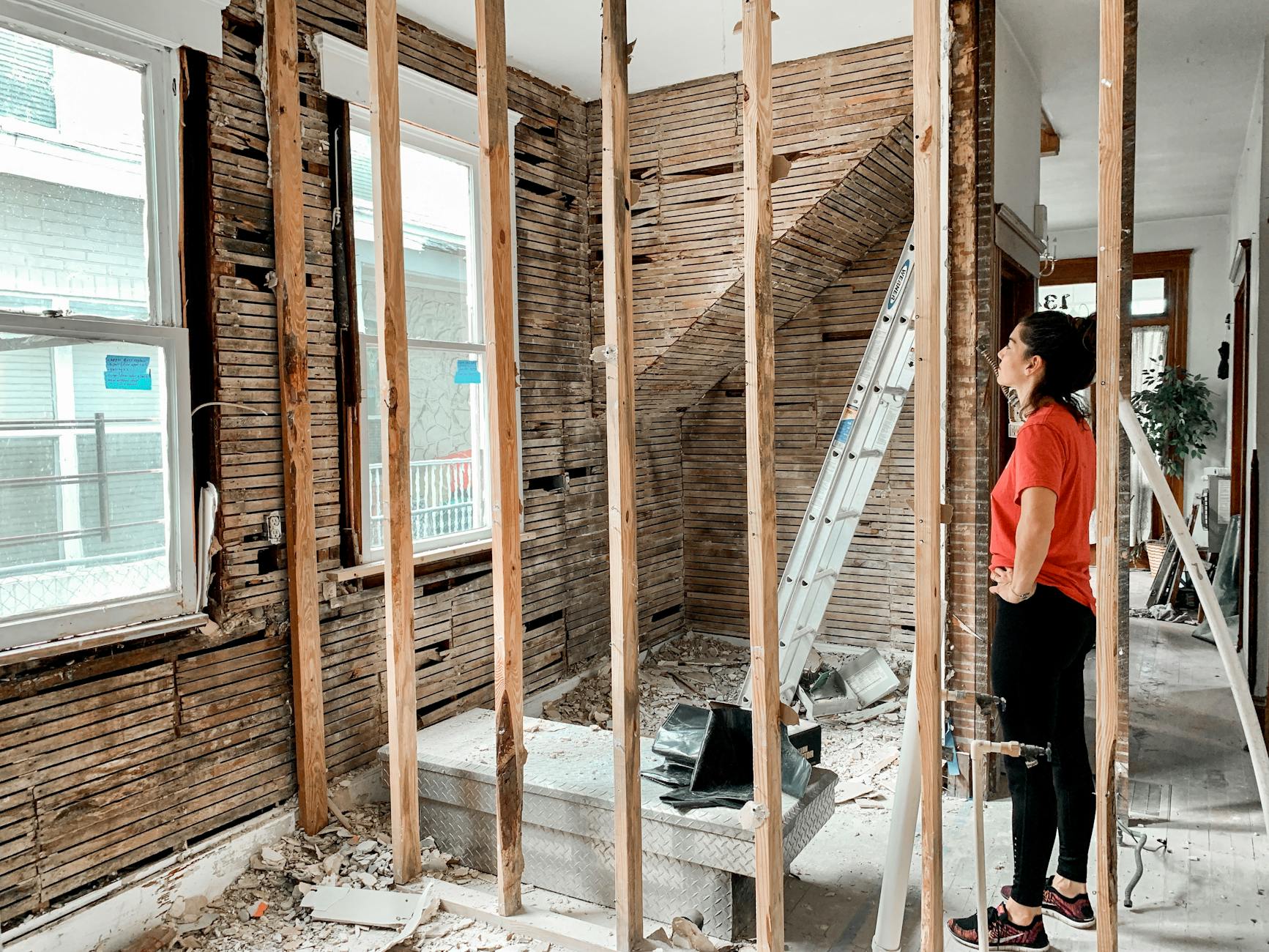
What began as a simple kitchen refresh has a well-documented tendency to evolve into a full gut renovation touching every adjacent room. Each new discovery or design inspiration opens a door to additional work that feels justified in the moment but adds compounding pressure to the overall project. Contractors and design professionals sometimes encourage expansion because it serves their interests, making it easy for homeowners to lose sight of the original vision. The psychological burden of managing an ever-growing scope is significantly heavier than that of a contained, well-defined project. Realizing that the renovation no longer resembles the plan you started with is a clear signal that the project has grown beyond what was originally healthy to take on.
Temporary Living

Displaced homeowners face a unique layer of stress that comes from navigating life in hotels, rental apartments, or the spare rooms of patient family members. The absence of a stable, comfortable home base disrupts the sense of grounding that most people take for granted in their daily lives. Cooking in unfamiliar kitchens, sleeping in unfamiliar beds, and living out of bags for weeks or months creates a subtle but persistent psychological toll. Children and pets are especially sensitive to the disruption of home displacement, which adds parental and caretaking stress to an already demanding situation. When the temporary arrangement extends past its original end date with no clear resolution in sight, the impact on daily functioning becomes impossible to ignore.
Permit Problems

Navigating the bureaucratic side of a renovation is a dimension of the process that many homeowners underestimate until they are deep inside it. Permit delays, failed inspections, and required design changes imposed by local authorities can halt a project at its most critical stage and add weeks to the timeline. The helplessness of being unable to move forward because of regulatory hold-ups generates a particularly frustrating form of stress. Unpermitted work discovered mid-project can force expensive demolition of completed sections, creating setbacks that feel both costly and senseless. When the project is stalled not by logistics but by paperwork, the psychological weight of waiting without control becomes its own form of exhaustion.
Design Regret

The finish line of a renovation does not always bring the satisfaction that was anticipated throughout the process. Some homeowners reach completion only to realize that choices made under pressure or exhaustion no longer reflect what they actually wanted. The disconnect between the imagined result and the lived reality of the finished space can generate a profound sense of disappointment that is difficult to discuss openly. Design regret is compounded by the knowledge that changing course again would require another round of the exact disruption that just concluded. When the finished home does not feel like the dream that motivated the entire undertaking, the emotional cost of the journey becomes even harder to justify.
Financial Overextension

A renovation that pushes a household into debt or drains an emergency fund leaves a financial vulnerability that extends far beyond the project itself. The anxiety of carrying renovation-related debt while managing regular living expenses creates a persistent background stress that colors everyday decisions. Some homeowners find themselves delaying other major life goals such as vacations, education savings, or retirement contributions because of funds absorbed by the project. The sense of financial exposure is particularly acute when unexpected costs continue to arrive even after the renovation is technically complete. When the completed home feels like a source of financial pressure rather than security, the renovation has undermined one of the core purposes of homeownership.
Contractor No-Shows
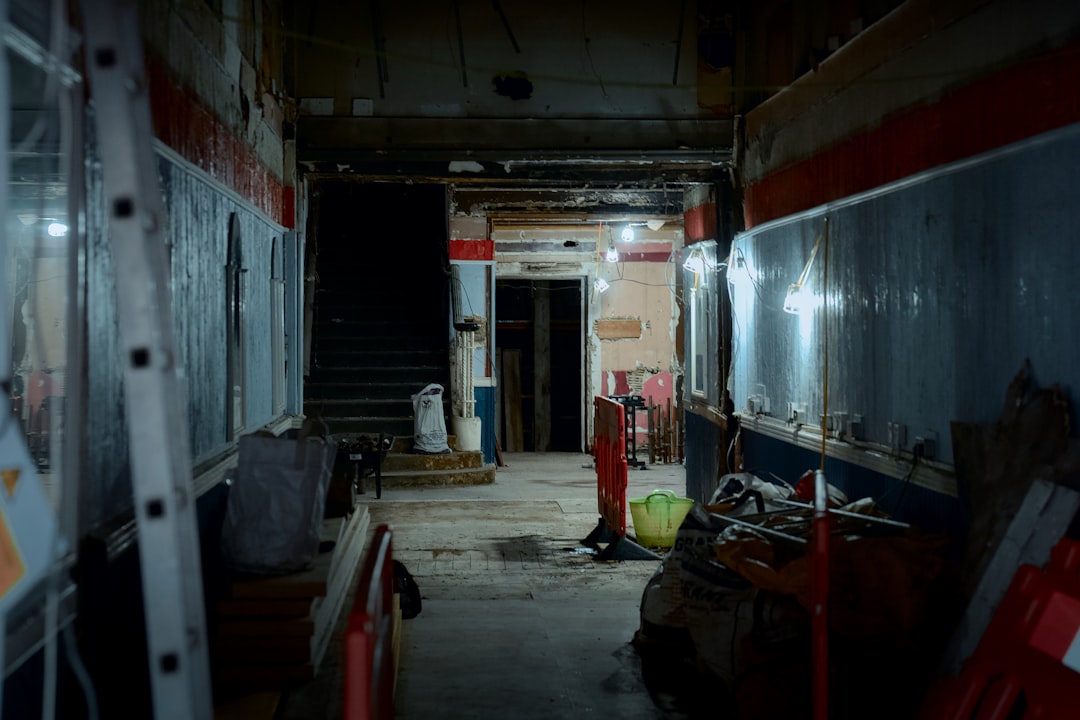
Few renovation experiences are more destabilizing than arriving home to find that no work has been done and no explanation has been provided. Repeated no-shows from contractors and tradespeople create a cycle of anticipation and disappointment that makes planning around the project nearly impossible. Every missed day compounds the timeline and increases the cost of temporary living or accommodation arrangements. The professional disrespect embedded in chronic no-shows erodes a homeowner’s sense of control over their own project and their own home. When showing up to check on progress begins to feel like an exercise in disappointment, the working relationship has reached a point that is genuinely harmful to wellbeing.
Dust and Disorder

The physical environment of a home mid-renovation is one that most people are fundamentally unequipped to live comfortably within. Construction dust penetrates sealed rooms, settles on food surfaces, and aggravates respiratory conditions in ways that accumulate over time. The visual chaos of exposed studs, missing fixtures, and covered furniture creates a living environment that actively works against relaxation and mental rest. Research consistently shows that cluttered and disordered environments elevate cortisol levels and reduce the brain’s ability to focus and decompress. When the home no longer functions as a place of refuge but rather as an ongoing source of visual and physical discomfort, the renovation has compromised something essential.
Social Withdrawal

Homeowners deep in a renovation frequently pull back from their social lives as the project consumes their time, energy, and financial capacity. The embarrassment of an unfinished or chaotic home discourages entertaining, while the mental preoccupation with project details makes social engagement feel effortful and hollow. Friends and colleagues who have not lived through a major renovation often struggle to fully appreciate the weight of the experience, which can deepen the sense of isolation. Missing milestones, canceling plans, and declining invitations over an extended period has a measurable impact on mood and on the strength of personal relationships. When the renovation has become a reason not to see the people who matter most, the cost to social wellbeing has become real and significant.
Intrusive Thoughts

A hallmark of renovation-related stress is the inability to mentally step away from the project even during designated downtime. Intrusive thoughts about timelines, budget figures, contractor reliability, and design decisions surface during meals, conversations, and leisure activities that should offer a break. The brain’s attempt to problem-solve continuously without resolution is a sign that the stress load has exceeded what normal cognitive coping can manage. When work colleagues notice distraction or when loved ones comment that you seem mentally absent, the renovation has moved from a physical project to a psychological occupation. The inability to be fully present in any moment that is not the renovation itself is one of the most telling signs that the project has taken over in an unhealthy way.
Unrealistic Timelines

A renovation timeline that was never realistic to begin with sets the entire project up for a cycle of missed deadlines and compounding disappointment. Contractors routinely underestimate how long each phase will take, and homeowners eager to see progress often accept projections that should have prompted more questions. Every delay triggers a downstream cascade that pushes back subsequent trades, deliveries, and inspections in ways that are difficult to recover from. The psychological toll of repeatedly revising an end date that never seems to arrive is significant and cumulative over the course of a long project. When the original completion date has been moved three or more times with no firm replacement in sight, the project has entered a state of open-ended uncertainty that is genuinely damaging to peace of mind.
Material Delays

Supply chain disruptions, backordered products, and shipping delays have become an increasingly common feature of the modern renovation landscape. A single delayed tile shipment or a backordered appliance can halt an entire phase of work and leave a crew idle while costs continue to accumulate. Homeowners often discover too late that the distinctive or imported materials they selected carry lead times that were never factored into the original schedule. The helplessness of waiting on a product that is out of your control while every other aspect of the project stalls is a particular kind of renovation frustration. When material delays begin to feel like the defining feature of the project rather than an occasional interruption, the timeline has lost the structure it needs to protect your wellbeing.
Compromise Fatigue

Every renovation requires compromise, but there is a point at which the accumulation of concessions begins to feel like the loss of the original vision entirely. Homeowners who have repeatedly adjusted expectations around layout, materials, finishes, and features to accommodate budget or structural limitations can arrive at a result that satisfies no one fully. The grief of letting go of design elements that were important to you is real, even when the reasons for doing so were entirely practical. When every remaining decision feels like another thing you are settling for rather than choosing, the motivational foundation of the project has eroded. Recognizing that you are no longer building the home you envisioned but simply finishing a construction project is a significant psychological turning point.
Neighbor Tensions

A renovation does not only affect the household undertaking it but also the neighbors who share walls, driveways, and quiet streets with the construction site. Persistent noise during early morning hours, tradespeople blocking shared access points, and construction debris encroaching on neighboring properties are reliable sources of community conflict. Some renovators find themselves managing neighbor complaints at the same time as contractor disputes, creating a social pressure that comes from every direction simultaneously. The discomfort of knowing that your project is disrupting people you need to maintain a long-term relationship with adds a relational anxiety to the physical and financial stresses already present. When you find yourself actively avoiding your neighbors to sidestep difficult conversations about your renovation, the project has affected more than your home.
Emotional Volatility

Renovation stress has a well-documented way of compressing emotional bandwidth and reducing a person’s tolerance for ordinary frustrations. Minor inconveniences that would normally pass without notice become significant irritants when the baseline stress load is already elevated. Homeowners in the thick of a difficult project frequently report mood swings, increased irritability, and moments of disproportionate emotional response to neutral events. The combination of disrupted sleep, financial anxiety, and constant decision-making creates conditions in which the emotional regulatory system is perpetually taxed. When people in your life begin to notice that you are not yourself and attribute it to the renovation, the project has begun to affect your personality in ways that extend beyond the worksite.
Health Neglect

Beyond disrupted self-care routines, a renovation that dominates daily life can lead to more serious neglect of physical health needs. Medical appointments get postponed, prescriptions go unfilled, and symptoms that would normally prompt a doctor’s visit get deprioritized beneath project concerns. The combination of construction dust, irregular sleep, poor nutrition, and elevated stress creates an environment that is genuinely unfavorable to physical health over an extended period. Some homeowners also ignore ergonomic strain from doing their own labor or from sleeping on inadequate temporary bedding for months. When the renovation has become the reason you have stopped attending to your body’s basic needs, the personal cost has exceeded what any finished room is worth.
Loss of Enjoyment

One of the most telling signs that a renovation has crossed a threshold is the disappearance of the excitement and optimism that launched the project. What once felt like a creative and energizing endeavor starts to feel like an obligation or a burden that must simply be survived. Homeowners lose their connection to the design choices they once loved and struggle to remember what they were hoping to achieve in the first place. The joy of browsing materials, visiting showrooms, and imagining the finished result gives way to a desire for the project to simply be over. When you can no longer recall what you were looking forward to at the start of this process, the renovation has taken your enjoyment of your own home along with everything else.
Identity Absorption

A prolonged renovation has the capacity to become the defining feature of a person’s identity for its duration in ways that crowd out everything else. Social conversations become dominated by project updates, personal goals get suspended indefinitely, and hobbies or passions that once defined daily life fall away entirely. Friends who once knew you for your humor, your career, or your interests begin to relate to you primarily through the lens of the renovation. The gradual narrowing of personal identity around a construction project is a subtle but meaningful form of psychological erosion. When you struggle to talk about yourself without talking about your house, the renovation has colonized your sense of self in a way that warrants serious attention.
The Sunk Cost Trap

The sunk cost fallacy is particularly powerful in renovations because the investments made are not just financial but deeply personal and emotional. Homeowners who have already spent far beyond their original budget, lived through months of disruption, and sacrificed significant wellbeing often feel compelled to continue rather than reassess. The logic of protecting past investment by continuing to spend and endure is a psychological trap that renovation stress makes extremely difficult to escape. Recognizing that stopping, scaling back, or fundamentally changing course is a legitimate choice requires cutting through the emotional weight of everything already sacrificed. When the primary reason you are continuing a project is everything you have already put into it rather than what you stand to gain, the sunk cost trap has taken hold.
No End in Sight

The most damaging renovation experience of all is one in which the finish line is genuinely invisible and the project appears to have no structural path to completion. Open-ended projects without clear milestones, firm contractor commitments, or realistic revised timelines place homeowners in a state of chronic uncertainty that is profoundly harmful to mental health. The inability to plan around a completion date disrupts not only the renovation itself but every other aspect of life that has been placed on hold waiting for it to end. At this stage the project is no longer something happening to your home but something happening to your life in its entirety. When the question of when it will be finished no longer has any honest answer, the renovation has moved from a challenge to be managed into a crisis that requires outside help.
What signs have you noticed in your own renovation journey? Share your experiences in the comments.




