Reducing sugar intake remains one of the most effective ways to improve overall health and energy levels. Many people hesitate to make this change because they fear their meals will become bland or unappetizing. The truth is that natural ingredients and smart substitutions can actually enhance the palate while eliminating empty calories. This comprehensive guide provides practical strategies to enjoy delicious food without relying on refined sugars.
Cinnamon
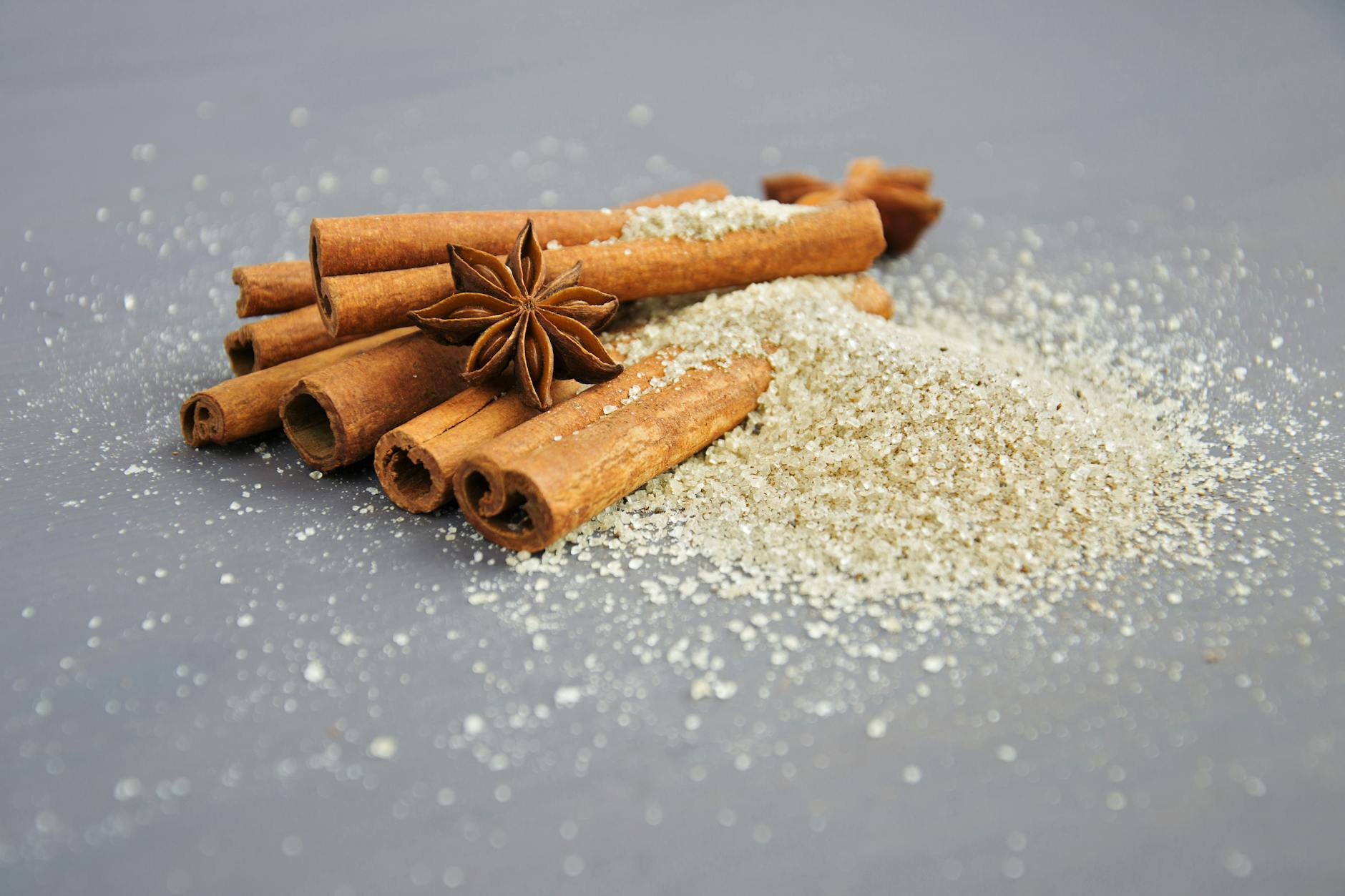
Sprinkling cinnamon over morning oats or coffee adds a perception of sweetness without any actual sugar. This warming spice helps regulate blood sugar levels while providing a comforting aroma. You can use it generously in baking recipes to reduce the amount of sweetener required by the original instructions. It pairs exceptionally well with apples and sweet potatoes for a naturally rich flavor profile.
Vanilla Extract

High-quality vanilla extract enhances the sensation of sweetness in smoothies and baked goods. The aromatic compounds in vanilla trick the brain into perceiving a sugary taste even when none is present. Adding a teaspoon to plain yogurt or unsweetened almond milk transforms the flavor immediately. It serves as an essential pantry staple for anyone looking to reduce their reliance on refined sweeteners.
Ripe Bananas

Bananas develop a higher concentration of natural sugars as they ripen and become spotted. Mashed ripe bananas act as an excellent binder and sweetener in pancakes or muffins. They provide essential potassium and fiber that refined sugar completely lacks. Freezing them creates a creamy base for “nice cream” which mimics the texture of soft-serve ice cream.
Medjool Dates
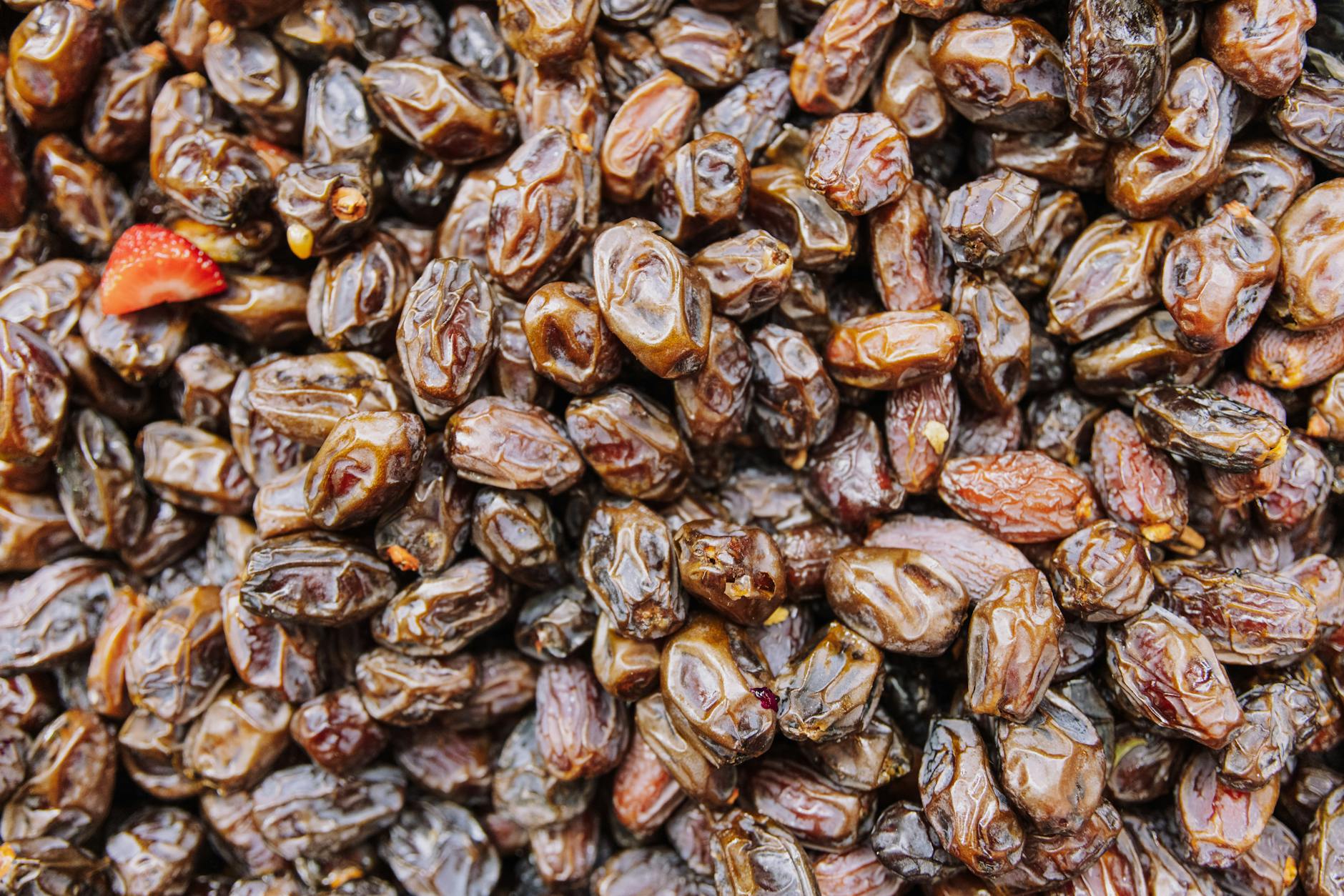
These nutrient-dense fruits offer an intense caramel-like sweetness that works perfectly in energy balls and raw desserts. You can blend dates into a paste to replace liquid sweeteners in various recipes. They contain significant amounts of fiber which slows down sugar absorption in the bloodstream. Stuffed with nut butter, they make for a satisfying dessert that curbs cravings instantly.
Unsweetened Applesauce

Baking with unsweetened applesauce keeps cakes and muffins moist while adding natural sweetness. This ingredient allows you to cut the amount of oil and sugar called for in traditional recipes. It works particularly well in dense baked goods like brownies or carrot cake. You get the added benefit of dietary fiber and vitamins with every bite.
Monk Fruit

Monk fruit extract is a natural zero-calorie sweetener derived from a small green melon. It contains antioxidants called mogrosides that create a sweet taste without raising blood glucose levels. Many brands blend it with erythritol to measure cup-for-cup like regular sugar in baking. This option leaves no bitter aftertaste compared to some other artificial alternatives.
Stevia

Stevia comes from the leaves of the Stevia rebaudiana plant and is hundreds of times sweeter than sugar. Liquid drops are highly concentrated and work well for sweetening beverages like tea or lemonade. You only need a tiny amount to achieve the desired level of sweetness. It is a popular choice for those monitoring their insulin response closely.
Erythritol

This sugar alcohol occurs naturally in some fruits and fermented foods. It contains very few calories and does not spike blood sugar or insulin. Erythritol has a clean taste and provides bulk in baking recipes similar to white sugar. It is easier on the digestive system than other sugar alcohols like xylitol.
Allulose

Allulose is a rare sugar found in figs and raisins that tastes almost exactly like sucrose. The body absorbs it but does not metabolize it so it has minimal caloric impact. It caramelizes and browns when baked which makes it superior for cookies and cakes. This sweetener is gaining popularity for its ability to mimic the texture of real sugar.
Fresh Berries

Strawberries and blueberries have a low glycemic index but provide a burst of tart sweetness. Adding them to cereals or yogurt creates a vibrant flavor profile without the need for added syrup. They are packed with antioxidants and vitamins that support immune health. Heating berries in a saucepan creates a natural compote that can top waffles or pancakes.
Sparkling Water

Replacing soda with sparkling water eliminates a massive source of liquid sugar from the diet. The carbonation provides the same satisfying mouthfeel as sugary soft drinks. You can add a splash of fruit juice or fresh herbs to create a custom flavor. This simple swap significantly reduces daily caloric intake without sacrificing the enjoyment of a fizzy drink.
Infused Water

Soaking cucumber slices or citrus fruits in a pitcher of cold water creates a refreshing beverage. The subtle flavors encourage hydration throughout the day without the need for sweeteners. You can experiment with combinations like strawberry basil or lemon ginger for variety. This habit replaces sugary sports drinks and vitamin waters that often hide processed sugars.
Herbal Tea

Fruit-forward herbal teas like hibiscus or berry blends offer a naturally sweet taste profile. Drinking them hot or iced provides a comforting ritual that replaces dessert. Licorice root tea specifically leaves a sweet aftertaste on the palate. These beverages are calorie-free and contribute to daily fluid intake goals.
Black Coffee

Switching to high-quality coffee beans often removes the need for cream and sugar. Freshly ground beans possess complex flavor notes of chocolate or fruit that sugar tends to mask. Cold brew coffee is naturally less acidic and smoother which makes it easier to drink black. This change allows you to appreciate the true craftsmanship of the coffee roaster.
Unsweetened Almond Milk

Many commercial plant milks contain substantial amounts of added cane sugar. Choosing the unsweetened variety saves calories and reduces sugar intake instantly. It has a nutty flavor that complements cereals and smoothies without overpowering them. You can use it in savory dishes like creamy soups where sweet milk would be inappropriate.
Cocoa Powder
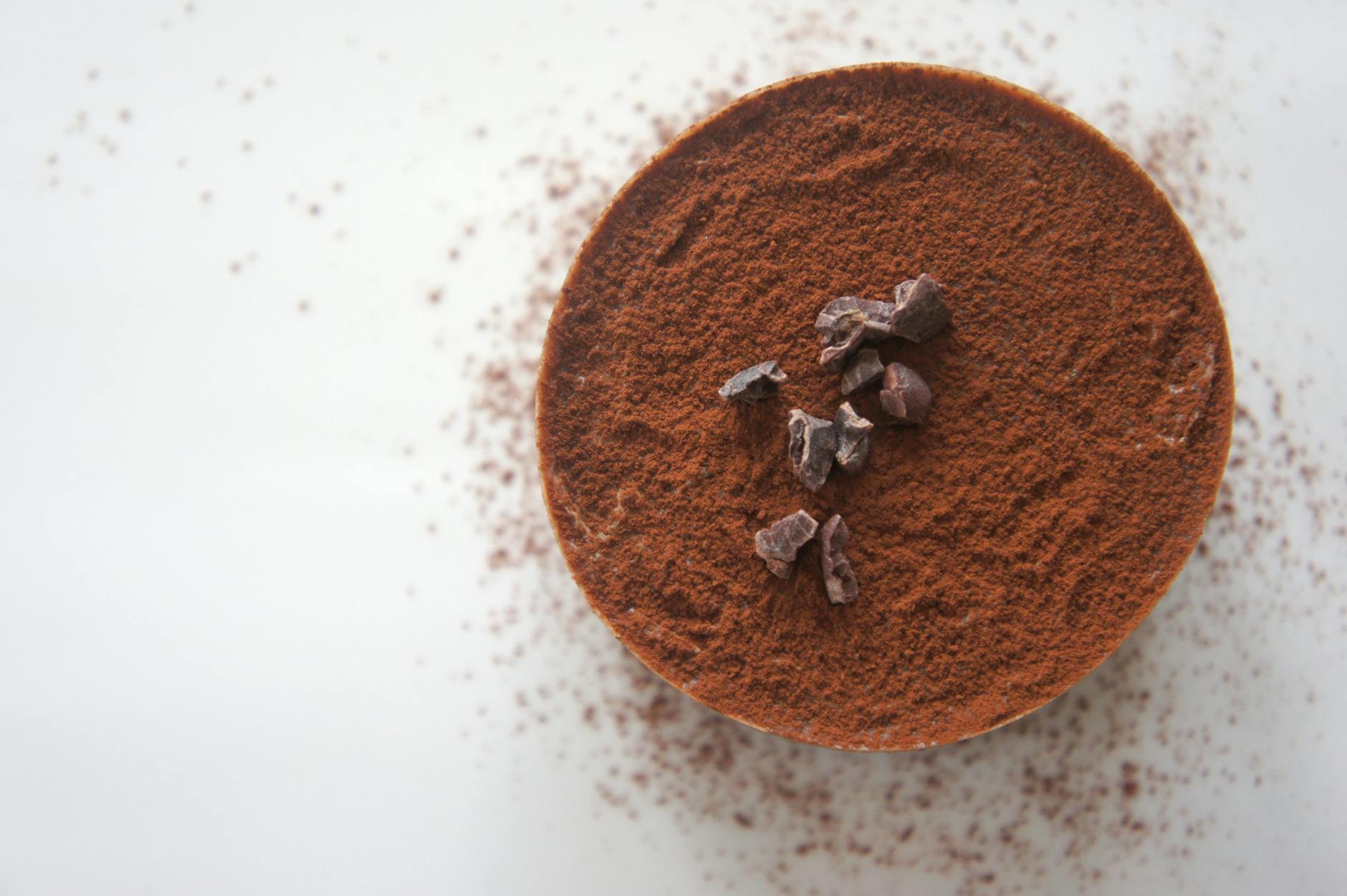
Unsweetened cocoa powder delivers a rich chocolate flavor without the accompanying sugar. It is packed with polyphenols that may improve heart health and mood. You can mix it into oatmeal or smoothies for a decadent taste. Dusting it over fruit or yogurt adds visual appeal and depth of flavor.
Dark Chocolate

Chocolate with a cocoa content of seventy percent or higher contains significantly less sugar than milk chocolate. The bitterness of the cacao satisfies cravings with a smaller portion size. High-quality dark chocolate often features complex notes of fruit or nuts. It serves as a sophisticated end to a meal that supports lower sugar consumption.
Cacao Nibs

These crushed cocoa beans offer a crunchy texture and intense chocolate flavor. They contain no added sugar and are rich in magnesium and antioxidants. Sprinkling them on smoothie bowls or yogurt adds a satisfying bite. They work as a great alternative to semi-sweet chocolate chips in baked goods.
Natural Nut Butter

Many commercial peanut butters contain added icing sugar and hydrogenated oils. Natural nut butters made solely from roasted nuts have a rich and creamy taste. The healthy fats and protein help satiate hunger and prevent sugar crashes. Reading the ingredient label ensures you are getting a pure product.
Unsweetened Coconut Flakes
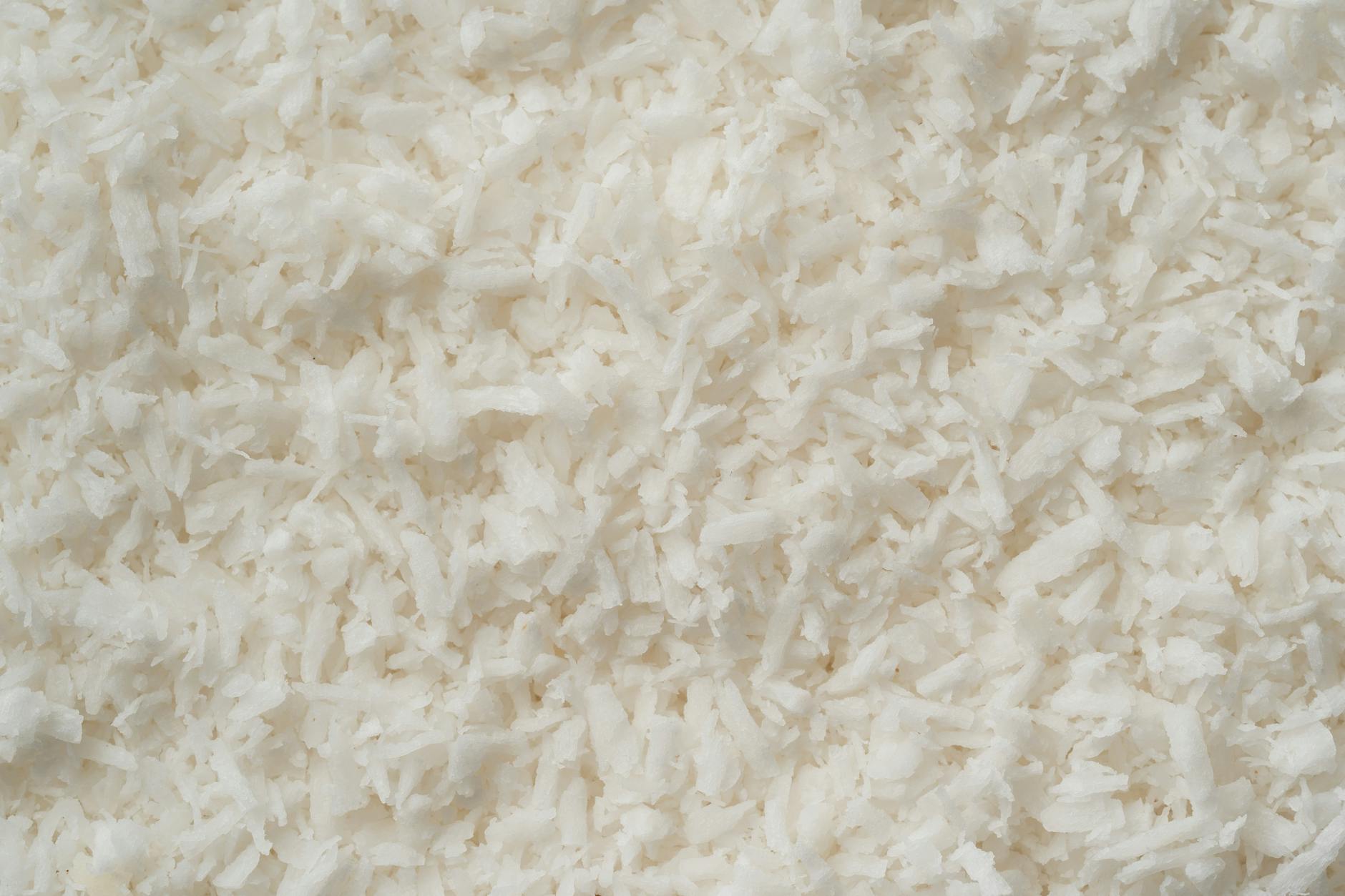
Dried coconut adds a natural sweetness and tropical flair to dishes. It provides a satisfying chewiness to granola and trail mixes. The high fat content helps you feel full longer than sugary snacks. Toasting the flakes lightly in a pan brings out an even nuttier and sweeter aroma.
Plain Greek Yogurt

Flavored yogurts are often responsible for a surprisingly high amount of daily sugar intake. Plain Greek yogurt offers a tart and creamy canvas that you can control. Adding fresh fruit or a sprinkle of cinnamon allows for customization. The high protein content makes it a filling breakfast or snack option.
Savory Breakfasts

Starting the day with eggs or avocado toast eliminates the sugar spike associated with pastries. Savory meals stabilize blood sugar levels and provide sustained energy. Vegetables and lean proteins keep you full until lunch without the mid-morning crash. This shift in routine retrains the palate to crave less sugar throughout the day.
Oatmeal Toppings

Instant oatmeal packets are frequently loaded with hidden sugars and artificial flavors. Cooking plain rolled oats allows you to add your own healthy toppings. Nuts and seeds add crunch while fresh fruit provides sweetness. This method puts you in complete control of the ingredients in your bowl.
Roasted Vegetables

Roasting root vegetables like carrots and parsnips brings out their natural sugars through caramelization. The high heat transforms starches into simple sugars that taste incredibly sweet. This cooking method makes vegetables appealing even to picky eaters. They serve as a perfect side dish that satisfies the desire for something sweet and savory.
Sweet Potatoes

These tubers are naturally sweet and versatile enough for both main courses and desserts. Baking a sweet potato releases sugars that make it taste like a treat. You can top them with cinnamon and walnuts for a dessert-like experience. They are rich in Vitamin A and fiber which supports overall health.
Caramelized Onions

Slow-cooking onions allows their natural sugars to break down and brown. The resulting flavor is deeply sweet and savory without any added ingredients. They add immense depth to burgers and savory tarts. This technique proves that patience in cooking can yield naturally sweet results.
Balsamic Vinegar

A high-quality aged balsamic vinegar has a thick consistency and a complex sweet flavor. Drizzling it over strawberries or grilled peaches creates an elegant dessert. It also works beautifully to glaze roasted vegetables or meats. The natural sweetness comes from the grape must rather than refined additives.
Citrus Zest

The outer skin of lemons and oranges contains essential oils that are incredibly fragrant. Adding zest to baked goods or oatmeal provides a bright flavor that mimics sweetness. It enhances the perception of other flavors in the dish. This zero-calorie addition brings freshness to both sweet and savory recipes.
Lemon Juice

Acid can often balance flavors in a way that reduces the need for sugar. Squeezing fresh lemon juice over fruit salad amplifies the natural sweetness of the fruit. It adds a refreshing zing to water and tea. This simple ingredient brightens heavy dishes and cleanses the palate.
Mint Leaves

Fresh mint tricks the taste buds with its cooling and refreshing sensation. Muddled mint in sparkling water creates a drink that feels special and sweet. It pairs perfectly with watermelon and berries for a refreshing salad. The herb adds complexity to dishes without adding any caloric load.
Cardamom
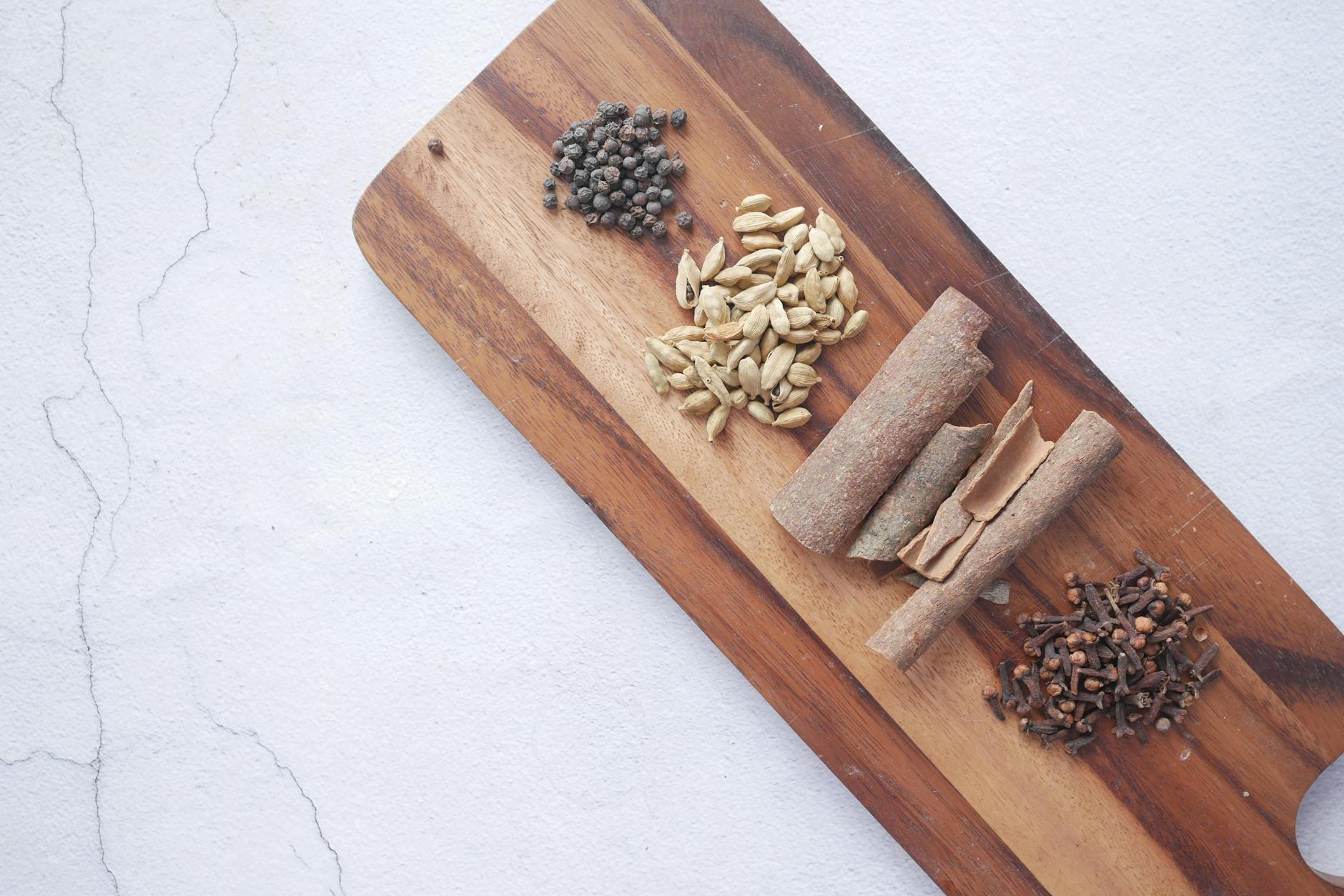
This aromatic spice is commonly used in Scandinavian baking and Indian desserts. It has a floral and sweet profile that reduces the need for sugar in recipes. You can add it to coffee grounds before brewing for a unique flavor twist. It works exceptionally well in creamy dishes and fruit compotes.
Nutmeg
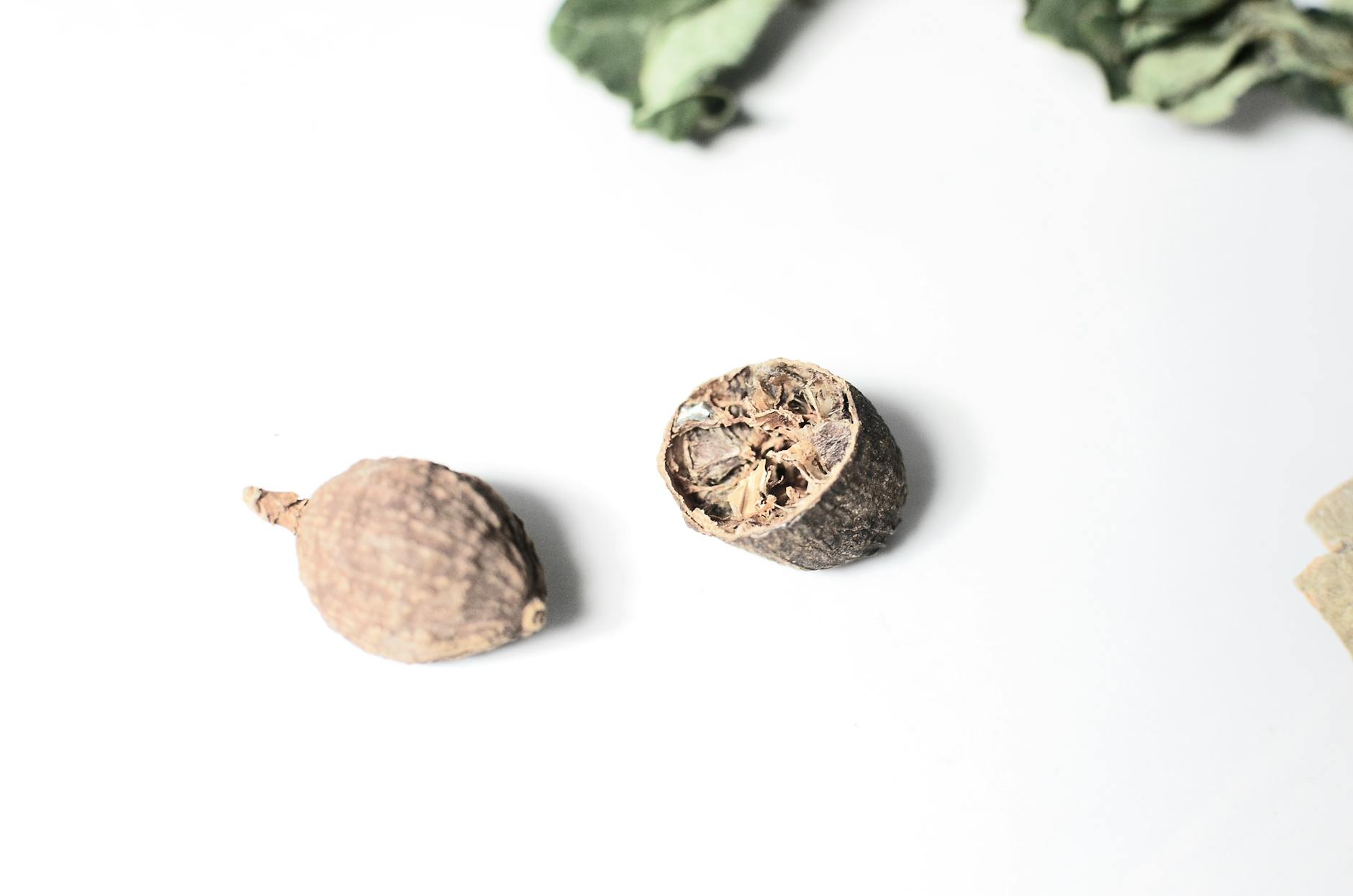
Freshly grated nutmeg adds a warm and nutty sweetness to dishes. It is a classic addition to custards and creamy sauces. The spice enhances the natural sweetness of vegetables like spinach and butternut squash. A little goes a long way in providing a comforting flavor profile.
Ginger
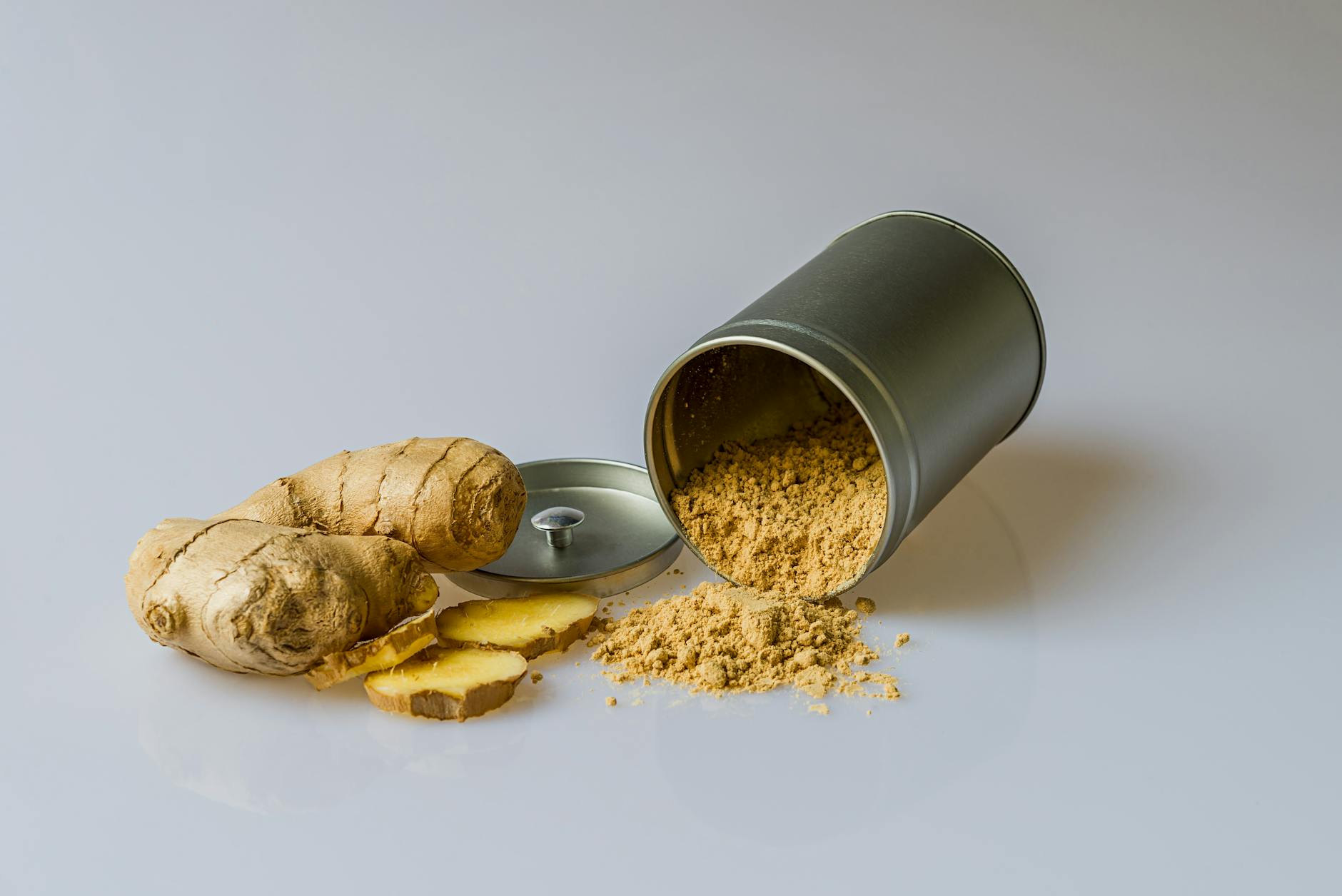
Ginger adds a spicy kick that distracts the palate from a lack of sugar. It enhances the natural sweetness of fruits like pears and peaches. You can grate fresh ginger into tea or smoothies for an invigorating boost. It also aids digestion which contributes to overall well-being.
Licorice Tea

Licorice root is naturally fifty times sweeter than sugar due to a compound called glycyrrhizin. Brewing it as a tea creates a beverage that tastes sugary without the calories. It has a distinct flavor that satisfies the need for a sweet treat after dinner. Consult a doctor before consuming large amounts if you have high blood pressure.
Frozen Grapes
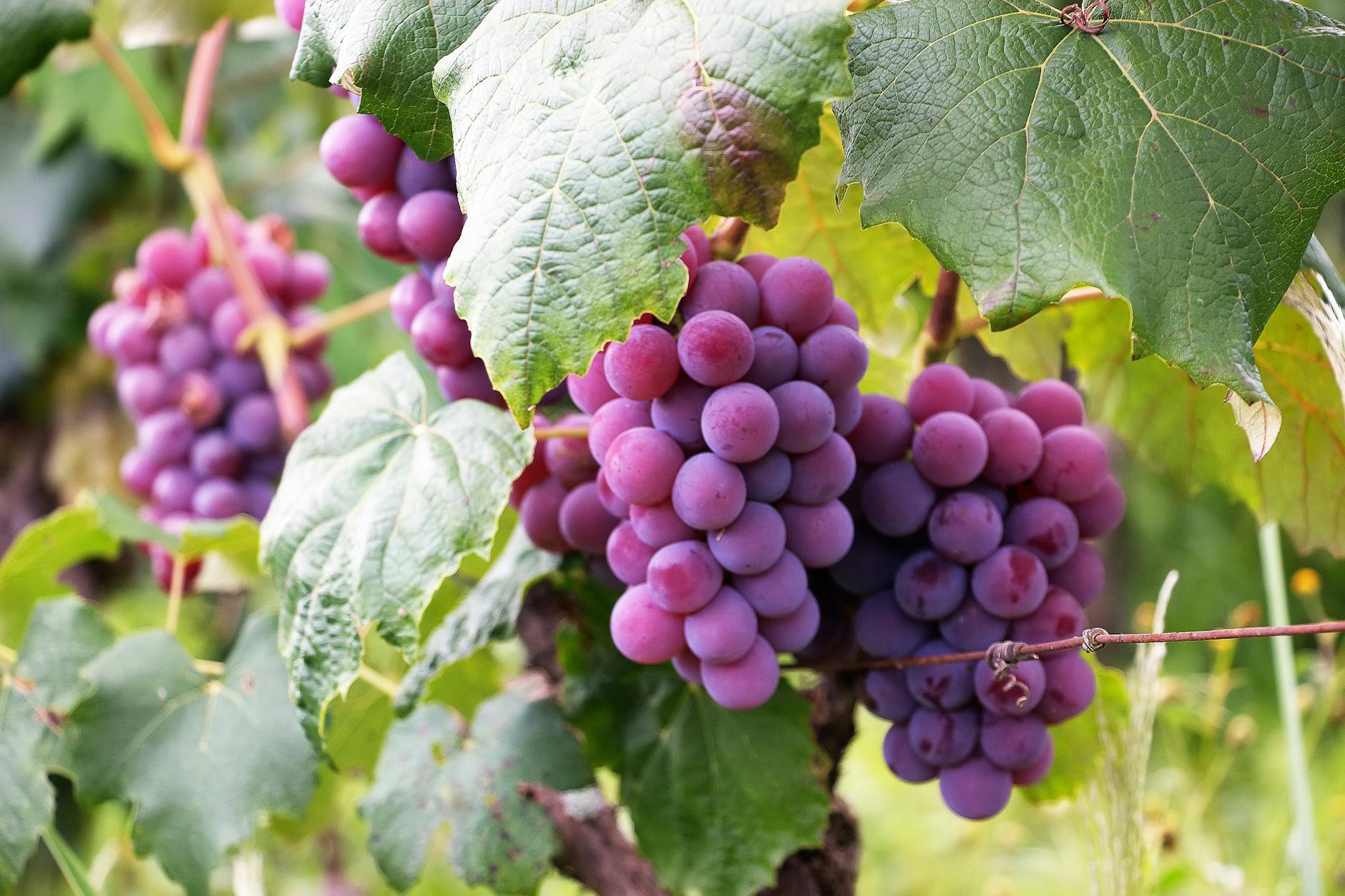
Freezing grapes transforms them into bite-sized sorbet balls. The texture becomes creamy and the sweetness is concentrated. They make for a perfect refreshing snack on a hot day. This simple preparation requires no added ingredients and is completely natural.
Homemade Marinara

Jarred pasta sauces are notorious for containing high amounts of added sugar to cut acidity. Making sauce at home with ripe tomatoes and fresh basil yields a superior flavor. Carrots can be simmered in the sauce to provide natural sweetness if needed. This switch dramatically improves the nutritional profile of spaghetti night.
Salad Dressings

Commercial salad dressings often use sugar as a primary ingredient to improve shelf stability and taste. Whisking olive oil with vinegar and herbs creates a fresh and sugar-free alternative. You can control the acidity and salt levels to your preference. This habit ensures your healthy salad remains actually healthy.
Mustard

Mustard is a flavorful condiment that typically contains no sugar unlike ketchup or barbecue sauce. It adds a tangy kick to sandwiches and marinades. There are many varieties from spicy brown to Dijon that offer different flavor profiles. It is a low-calorie way to add moisture and zest to meats.
Salsa
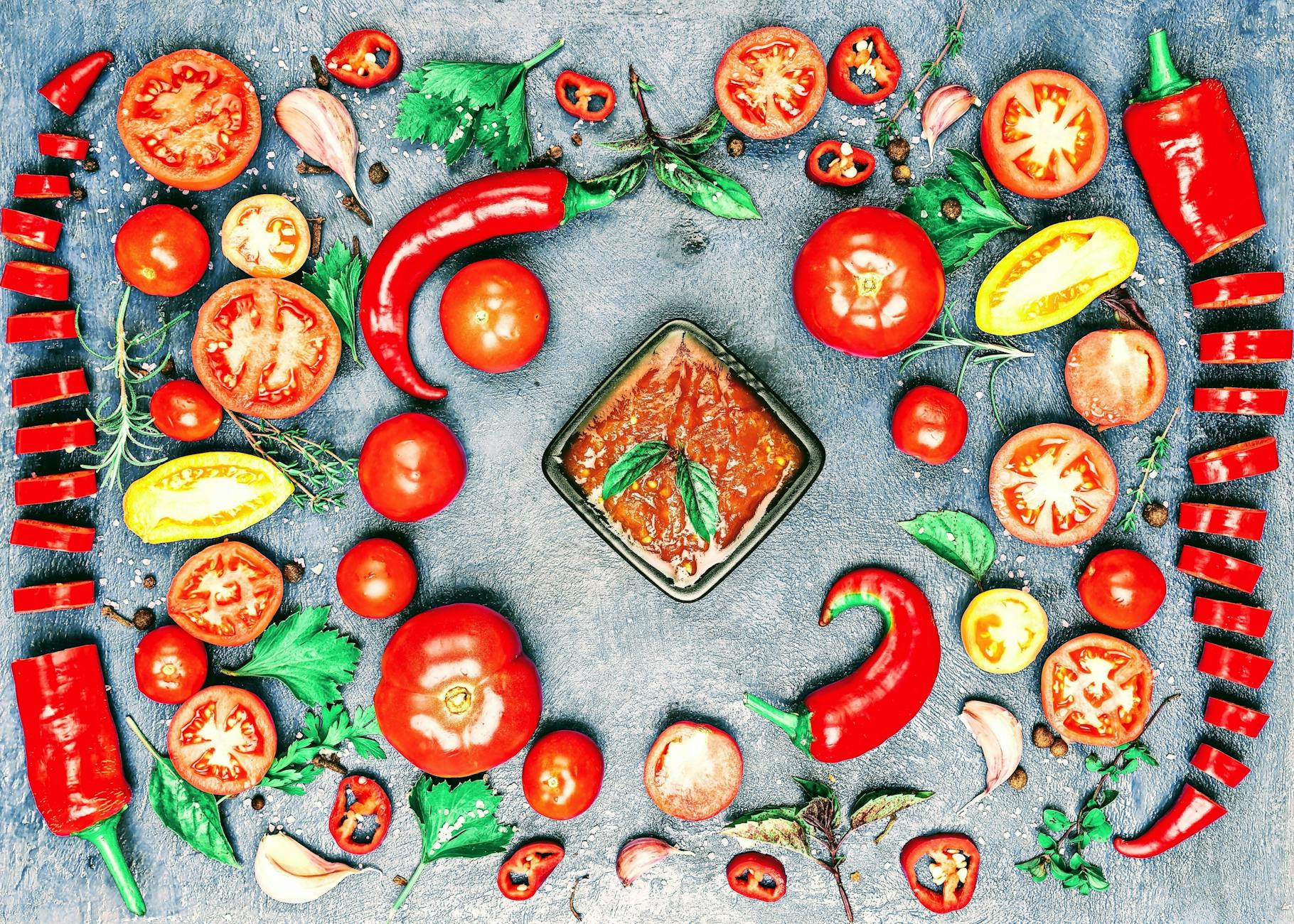
Fresh salsa made with tomatoes and peppers is a vibrant alternative to sugary dips. It adds moisture and flavor to eggs and tacos without the calories. The heat from chili peppers can boost metabolism and reduce appetite. It serves as a versatile condiment for many savory dishes.
Avocado

The creaminess of avocado can replace sugary glazes and sauces in some dishes. It provides healthy monounsaturated fats that keep you satiated. You can use it to make chocolate mousse that is rich and decadent. The texture adds a luxurious mouthfeel to smoothies and salads.
Nutritional Yeast

This deactivated yeast has a cheesy and nutty flavor that is completely dairy-free and sugar-free. Sprinkling it on popcorn eliminates the need for caramel or kettle corn seasoning. It is fortified with B vitamins which boosts energy levels naturally. It creates a savory depth in sauces and soups.
Pumpkin Puree

Canned pumpkin is not just for pie and is naturally low in sugar. Stirring it into oatmeal or yogurt adds volume and a mild sweetness. It is packed with fiber and beta-carotene. You can use it to keep pancakes and muffins moist without extra oil or sugar.
Berry Compote

Simmering frozen berries creates a thick sauce that acts as a natural syrup. The heat breaks down the fruit cells and releases their juices. This compote is perfect for topping waffles or mixing into chia pudding. It contains no preservatives or high fructose corn syrup.
Dried Figs

Dried figs have a chewy texture and a honey-like sweetness. They are excellent for curbing cravings when you need a quick energy boost. The seeds provide a pleasant crunch similar to berry jams. They pair elegantly with nuts and cheese for a sophisticated snack.
Prunes

Prunes are dried plums that offer a deep and rich sweetness. They can be pureed to replace fat and sugar in dense baked goods. They are well-known for supporting digestive health due to their fiber content. Snacking on one or two can effectively silence a sweet tooth.
Yacon Syrup

Extracted from the yacon plant, this syrup has a low glycemic index and fewer calories than sugar. It contains fructooligosaccharides which function as soluble fiber. The flavor is similar to molasses or caramelized sugar. It serves as a good liquid sweetener alternative for drizzling.
Label Reading

Mastering the art of reading nutrition labels is crucial for cutting hidden sugars. Ingredients ending in “ose” like dextrose and maltose are chemically sugars. Manufacturers often split sugar into multiple names to keep it lower on the ingredient list. Awareness is the first step toward making better purchasing decisions.
Gradual Reduction

Cutting sugar cold turkey can lead to intense cravings and withdrawal symptoms. Reducing the amount of sugar in your coffee or baking by small increments works better. Over time your taste buds adapt and require less sweetness to feel satisfied. This sustainable approach leads to long-term success.
Hydration Habits
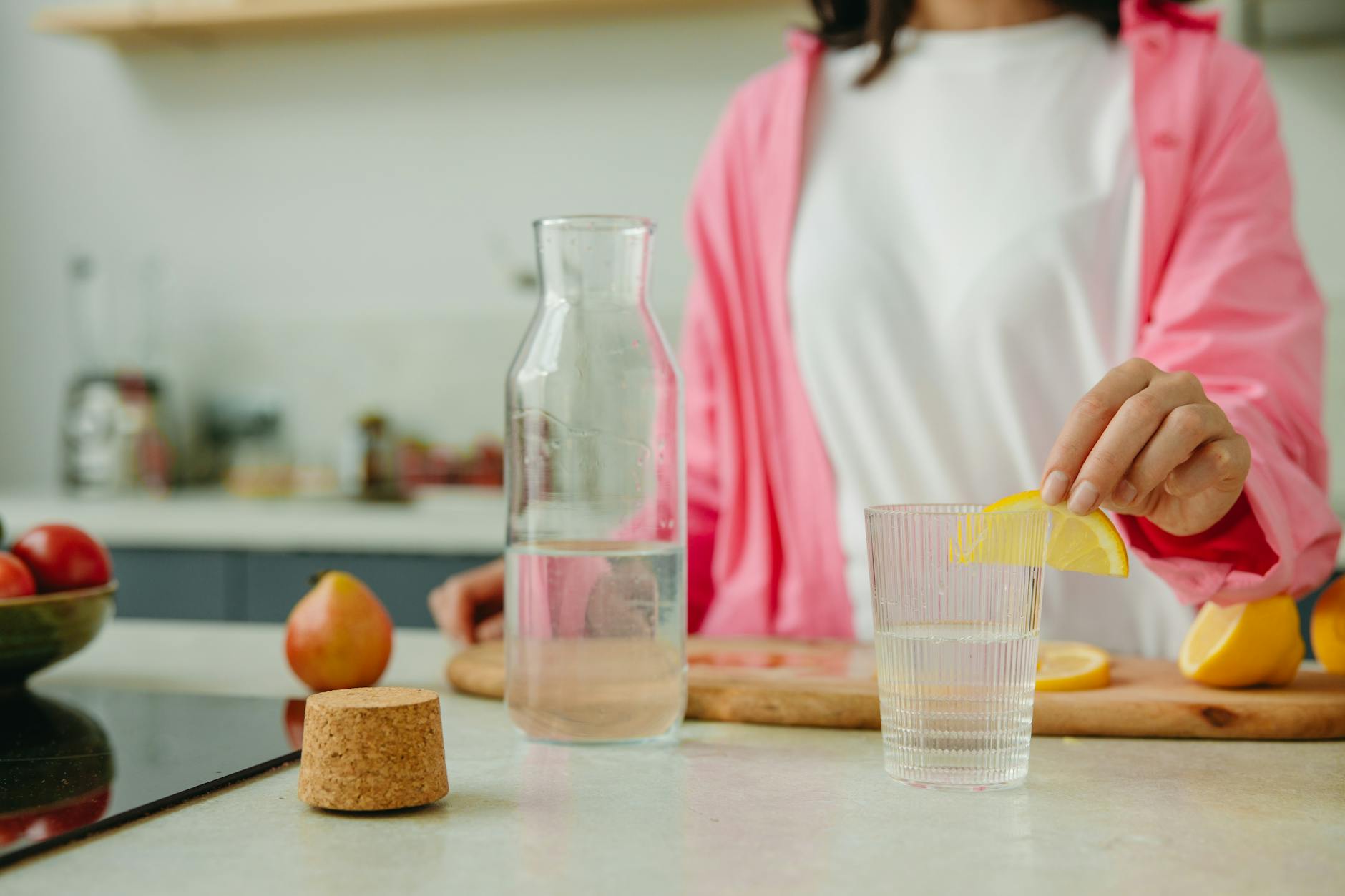
Thirst is often mistaken for hunger or food cravings by the brain. Drinking a glass of water when a sugar craving strikes can often make it disappear. Staying hydrated keeps energy levels stable and reduces the urge for a quick sugar fix. Proper hydration supports all metabolic functions in the body.
Protein Pairing
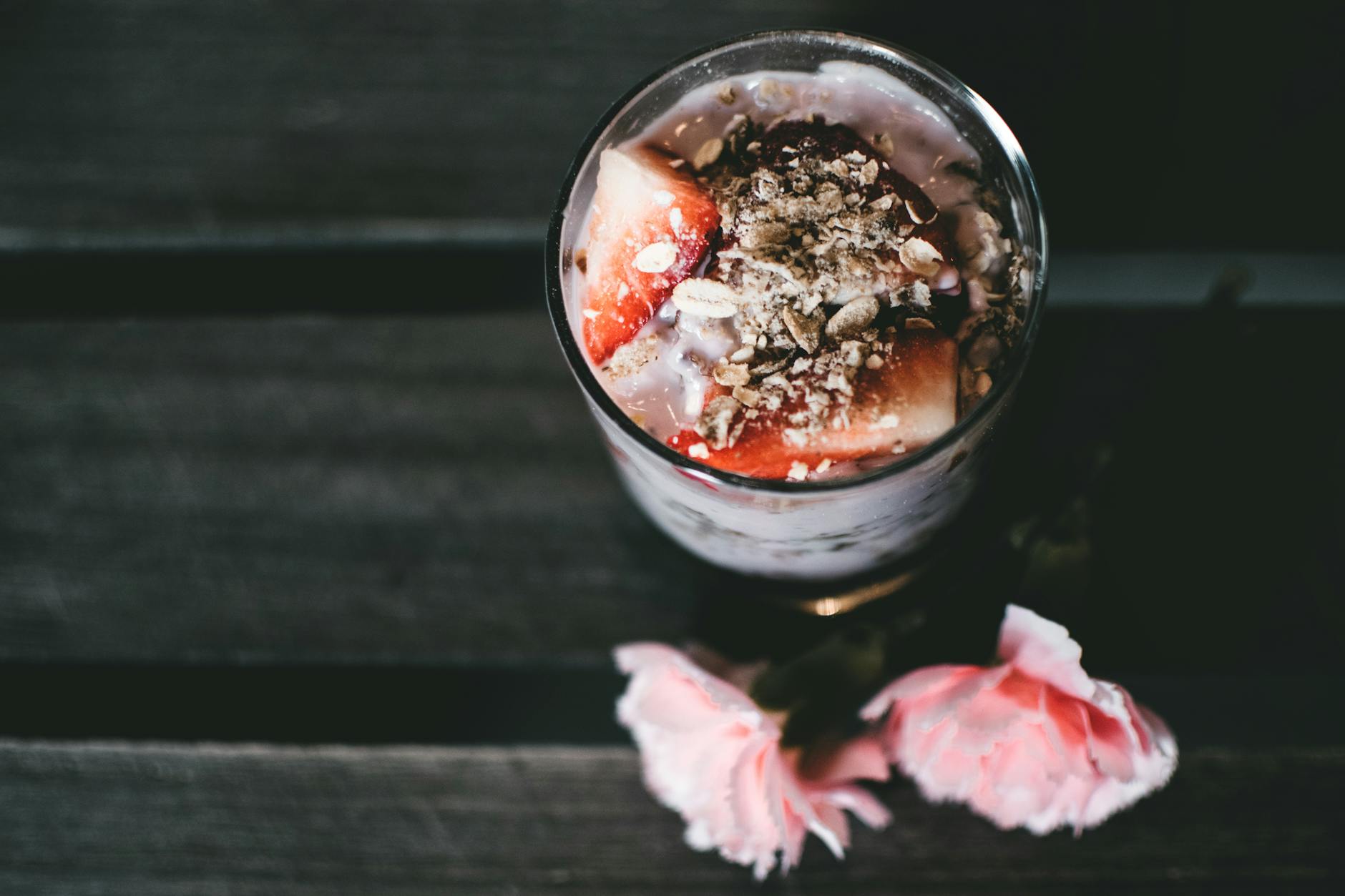
Eating protein alongside carbohydrates slows the absorption of sugar into the bloodstream. This combination prevents the rapid spikes and crashes that drive sugar cravings. Including nuts, seeds, or yogurt with fruit makes for a balanced snack. A protein-rich diet keeps you feeling full and in control of your food choices.
Please share your own favorite sugar-free hacks and recipes in the comments to help others on their journey.




