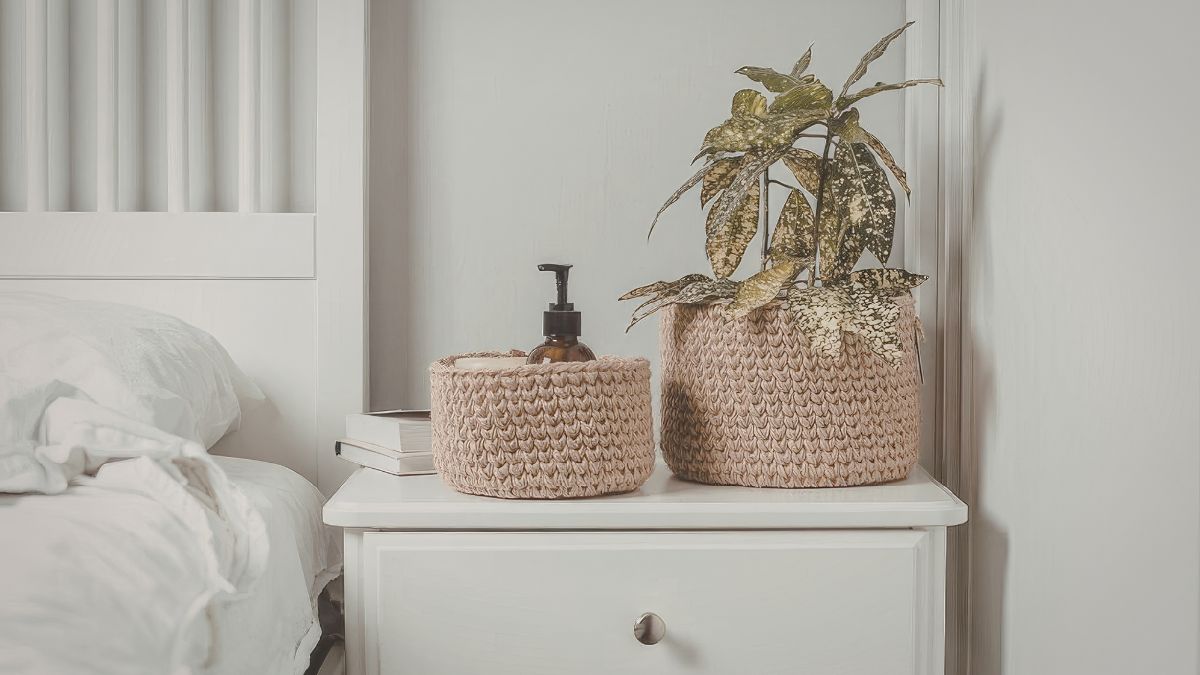
The nightstand is perhaps the most personal piece of furniture in any home, functioning as a private archive of habits, anxieties, and indulgences that most people would never voluntarily display to guests. Professional cleaners, however, have seen it all, and the contents of bedside drawers tell a remarkably consistent story about human nature regardless of how polished the rest of the home appears. What lives inside these small wooden cabinets reveals far more about daily life than any living room arrangement ever could. The following 25 items are among the most commonly discovered and quietly noted findings that cleaners encounter during their work in bedrooms around the world.
Expired Medication
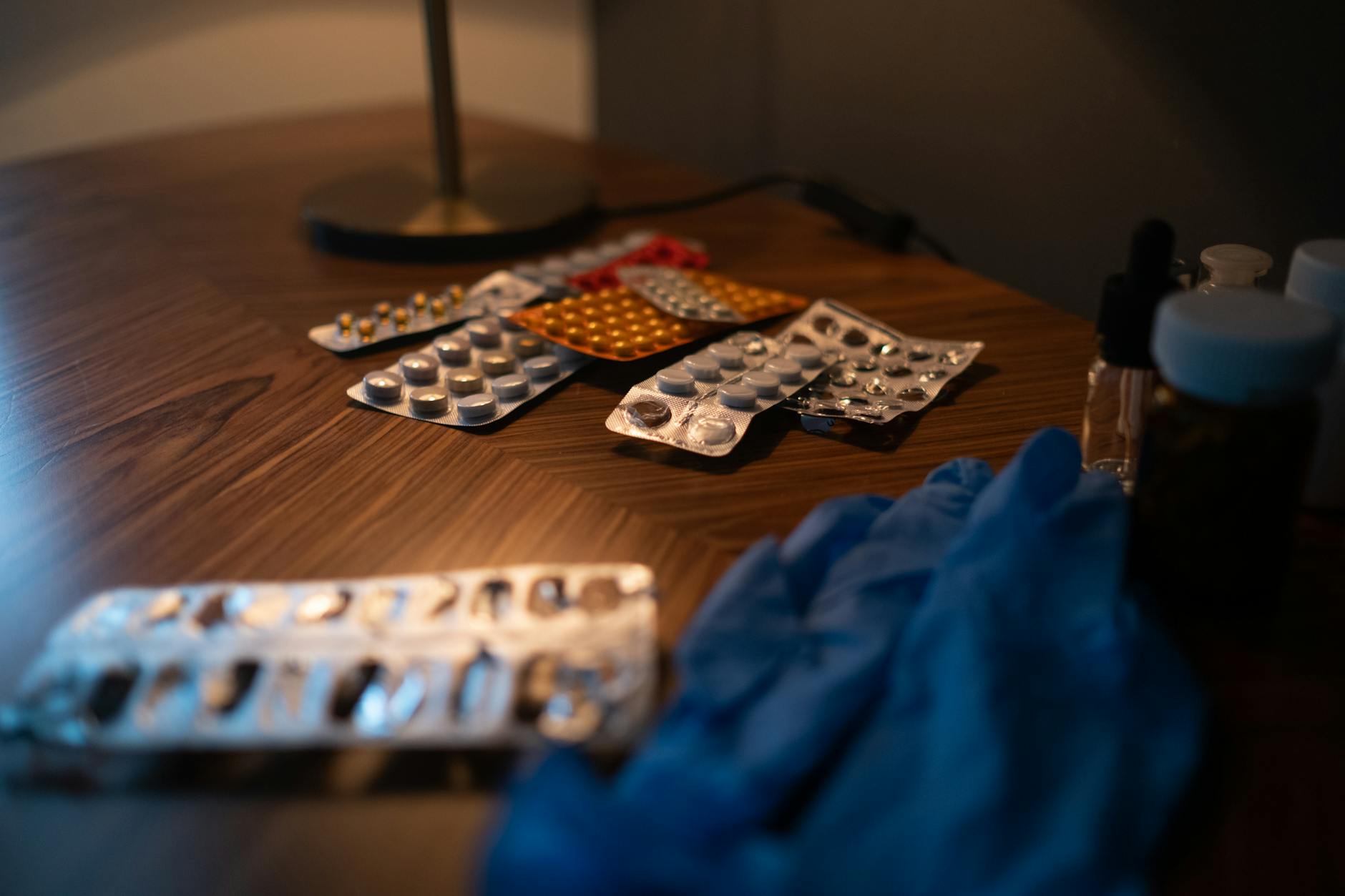
Nightstands frequently contain collections of prescription and over-the-counter medications that expired years before their discovery, tucked into corners and forgotten beneath other items. Many people keep old prescriptions from resolved health issues out of a vague sense that they might be needed again someday, creating an accidental pharmaceutical archive over time. Cleaners often find multiple identical medications at varying stages of expiration, suggesting the habit of opening a new packet before finishing the last one. The presence of expired sleep aids is particularly common, reflecting widespread struggles with insomnia that many people manage quietly and privately. Pharmacists recommend reviewing and properly disposing of medications every six months to prevent both safety risks and the slow accumulation that turns a nightstand into an unintended medicine cabinet.
Old Receipts
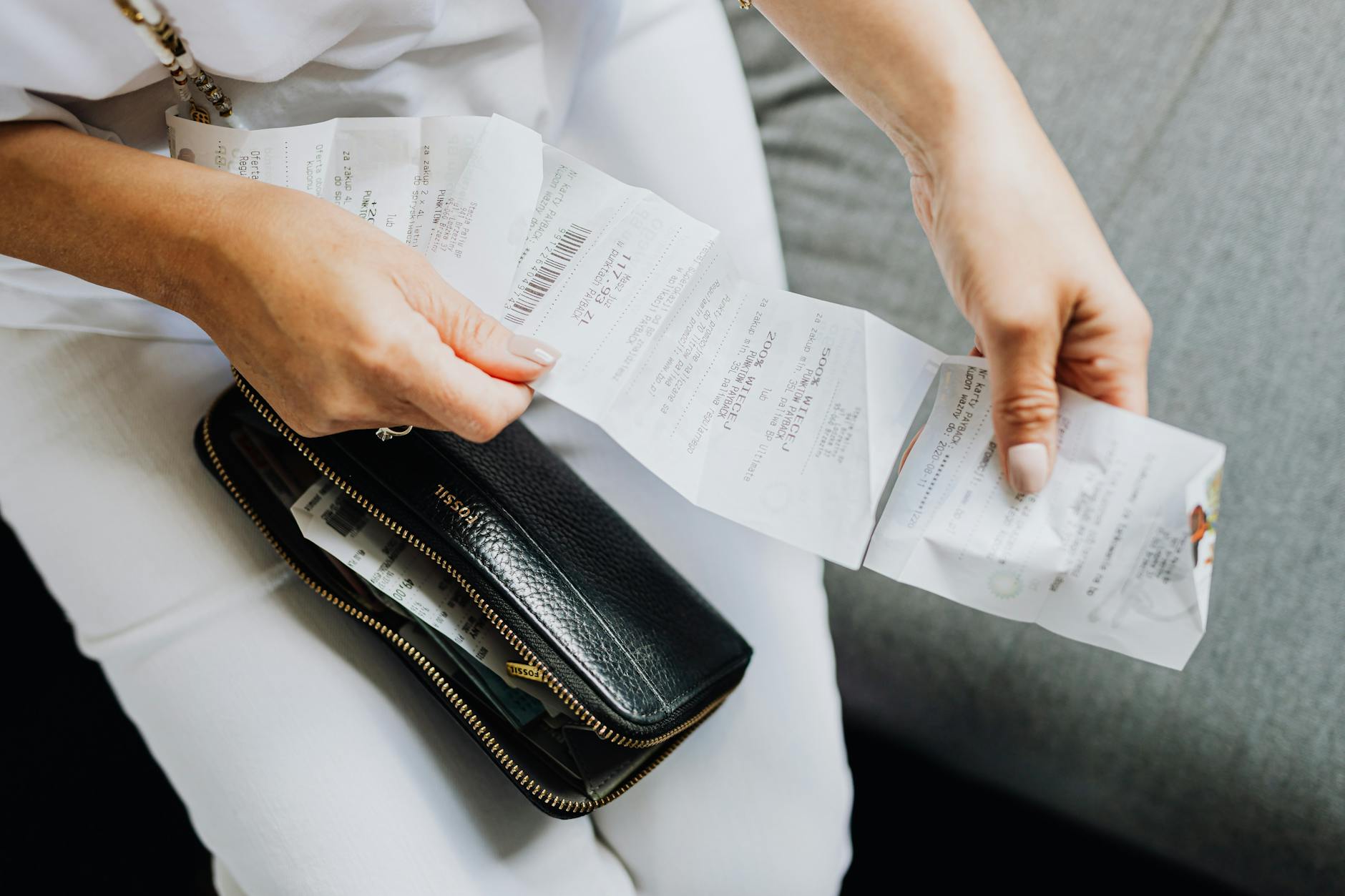
Crumpled and faded receipts are among the most universally discovered items in nightstand drawers, often dating back several years and belonging to no identifiable category of importance. The psychology behind keeping receipts in the bedroom rather than a filing system or recycling bin reflects a common habit of emptying pockets and bags onto the nearest surface at the end of the day. Cleaners frequently find receipts for purchases ranging from fast food to expensive jewelry, offering an unintentional window into the financial and lifestyle habits of the household. Many of these receipts are so old that the thermal printing has faded entirely, rendering them completely illegible yet somehow still retained. The nightstand receipt collection is one of the most relatable discoveries cleaners report, as it mirrors a procrastination habit shared across income levels and demographics.
Chocolate Wrappers

Empty and occasionally not-so-empty chocolate wrappers are a staple finding in nightstand drawers and underneath beside tables in homes across every demographic. Late-night snacking is a deeply private behavior that many people indulge without mentioning to others, and the nightstand becomes the convenient disposal point for the evidence. Cleaners note that certain wrappers appear in such quantities that they suggest a nightly ritual rather than an occasional treat, sometimes accompanied by crumbs embedded in the drawer lining. Luxury chocolate brands appear as frequently as supermarket varieties, suggesting that the late-night snacking habit is an equal-opportunity indulgence regardless of budget. Nutritionists note that eating chocolate in bed is an extremely common stress-relief behavior that tends to intensify during periods of high anxiety or seasonal change.
Unread Books
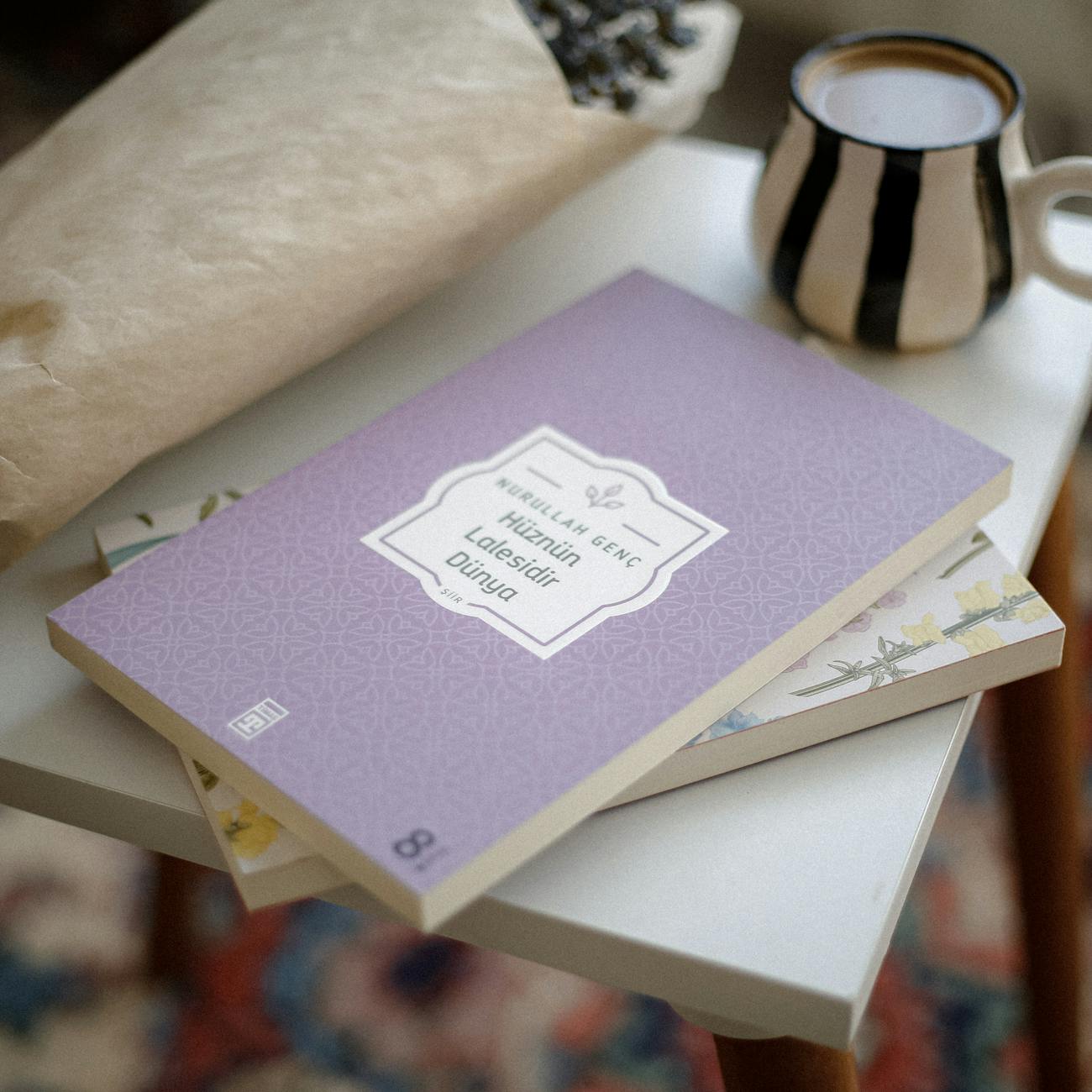
Nightstands almost universally hold at least one book with a bookmark placed optimistically somewhere in the first third, suggesting ambitions of nightly reading that rarely survive contact with genuine fatigue. Cleaners frequently report finding three or four books stacked simultaneously, each with a different bookmark inserted at similarly early chapters, indicating serial enthusiastic beginnings with little follow-through. Self-help titles appear with particular frequency alongside literary fiction and popular non-fiction, collectively painting a portrait of aspirational reading habits that the reality of modern exhaustion consistently interrupts. Some books discovered during cleaning contain handwritten notes or underlined passages in the early pages that stop abruptly, marking the exact point where the reader fell asleep mid-chapter. The book-beside-the-bed phenomenon is so universal that sleep researchers have incorporated it into discussions of screen-free bedtime routines, acknowledging that the intention is usually better than the execution.
Phone Chargers
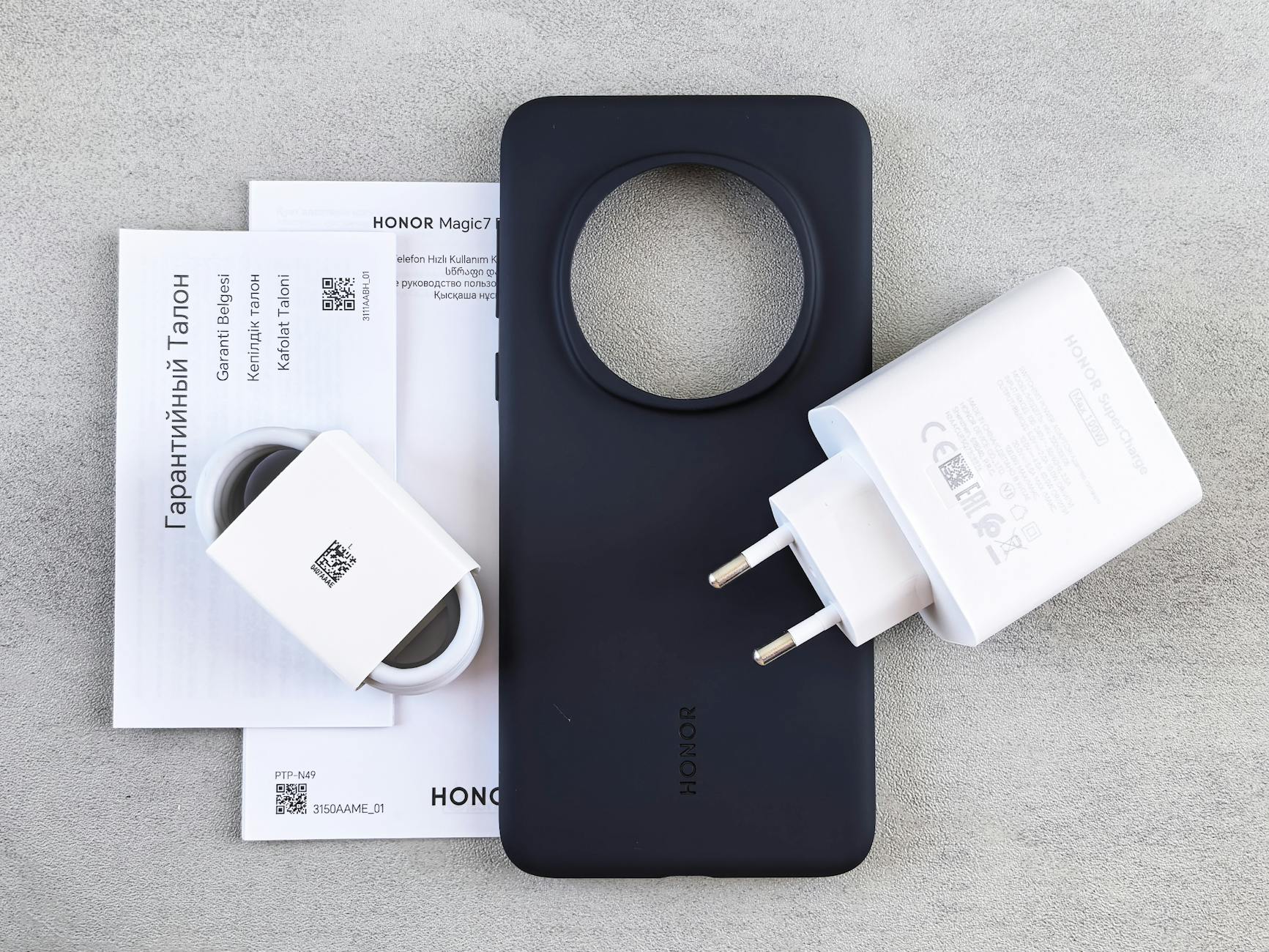
A tangle of phone chargers, often including obsolete cable types from previous devices, is one of the most reliably discovered items in nightstand drawers and draped across nightstand surfaces worldwide. Many people keep multiple charger types simultaneously without removing outdated ones, resulting in a growing collection that includes micro-USB, USB-C, and Lightning cables in various states of fraying. Cleaners note that the charger situation in many bedrooms reflects the broader cable management avoidance behavior that accumulates quietly over years of device upgrades. The presence of chargers at the bedside also points to the widespread habit of sleeping with devices within arm’s reach, a practice consistently associated with disrupted sleep quality by sleep medicine researchers. Organizing cables into a single managed solution is among the most frequently suggested improvements by professional organizers called in after initial cleaning appointments.
Hand Cream
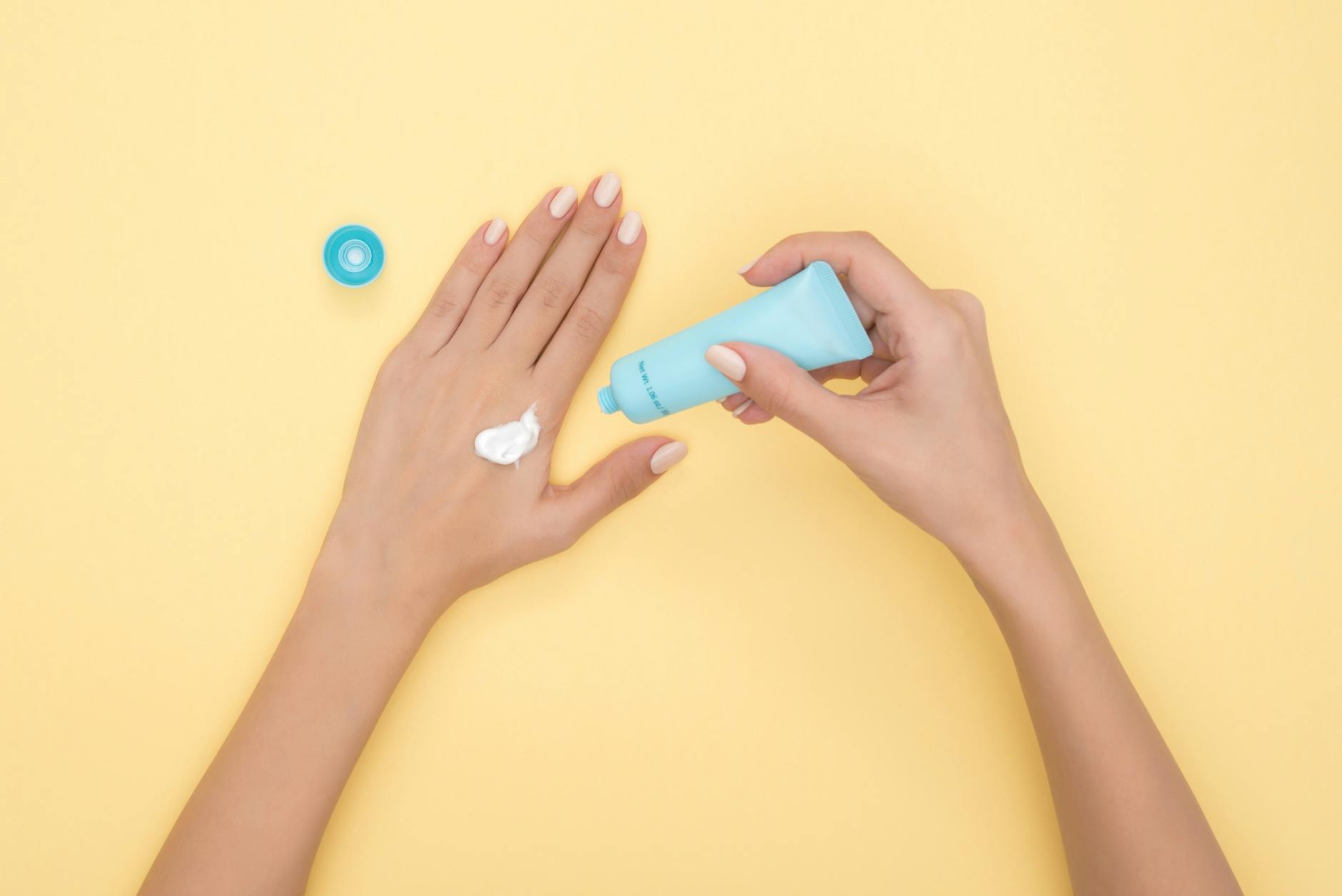
Multiple partially used tubes and pots of hand cream in varying states of completion are a staple of nightstand discoveries, often including products that have separated or developed an off smell from age and temperature fluctuation. The bedside hand cream habit reflects a good-intentioned skincare routine that many people begin before sleep, though the accumulation of multiple products suggests a pattern of abandonment and replacement rather than completion. Cleaners frequently find premium hand creams gifted as presents tucked behind workhorse drugstore versions, the luxury products often untouched while the practical ones see daily use. Some of the hand cream containers discovered date back to holiday gift seasons several years prior, having migrated from bathroom to nightstand and remained there through multiple cleaning cycles. Dermatologists consistently recommend nighttime hand moisturizing as an effective skincare practice, making the nightstand a logical home for these products even when the collection grows beyond practical necessity.
Earplugs

Loose foam earplugs in various colors, often compressed and slightly dusty, are a recurring find in nightstand drawers and tucked into corners of the bedside surface. Their presence typically indicates a snoring partner, a noisy neighborhood, or a general sensitivity to sound that the person has managed quietly and without discussion. Cleaners note that earplugs are frequently found alongside eye masks, suggesting a household where at least one person has made significant investments in blocking out both sensory inputs to achieve sleep. Bulk packs of earplugs with only a handful remaining are common, alongside single earplugs that have become separated from their pair through the nocturnal habit of removing them partially and leaving them on the nightstand. Audiologists recommend replacing foam earplugs regularly for hygiene reasons, a recommendation that the typical nightstand earplug collection suggests is not widely followed.
Journals

Personal journals in various states of completion are among the more intimate discoveries professional cleaners make in nightstands, ranging from elaborate leather-bound volumes to simple spiral notebooks. Cleaners universally report exercising strict discretion about these items, moving them carefully during dusting without examination, though their presence reflects the widespread private journaling habit that many people keep entirely separate from their public identity. Many journals discovered have entries clustered around periods of stress or change and then trail off into blank pages, reflecting the common pattern of turning to writing during difficult periods and gradually abandoning the practice as life stabilizes. Gratitude journals with pre-printed prompts are particularly common finds, often filled in for the first two weeks of January and then left untouched for the remainder of the year. Psychologists consistently affirm that even intermittent journaling produces measurable benefits for emotional regulation, suggesting that the abandoned journals in nightstands represent genuine attempts at wellbeing rather than mere trend-following.
Reading Glasses
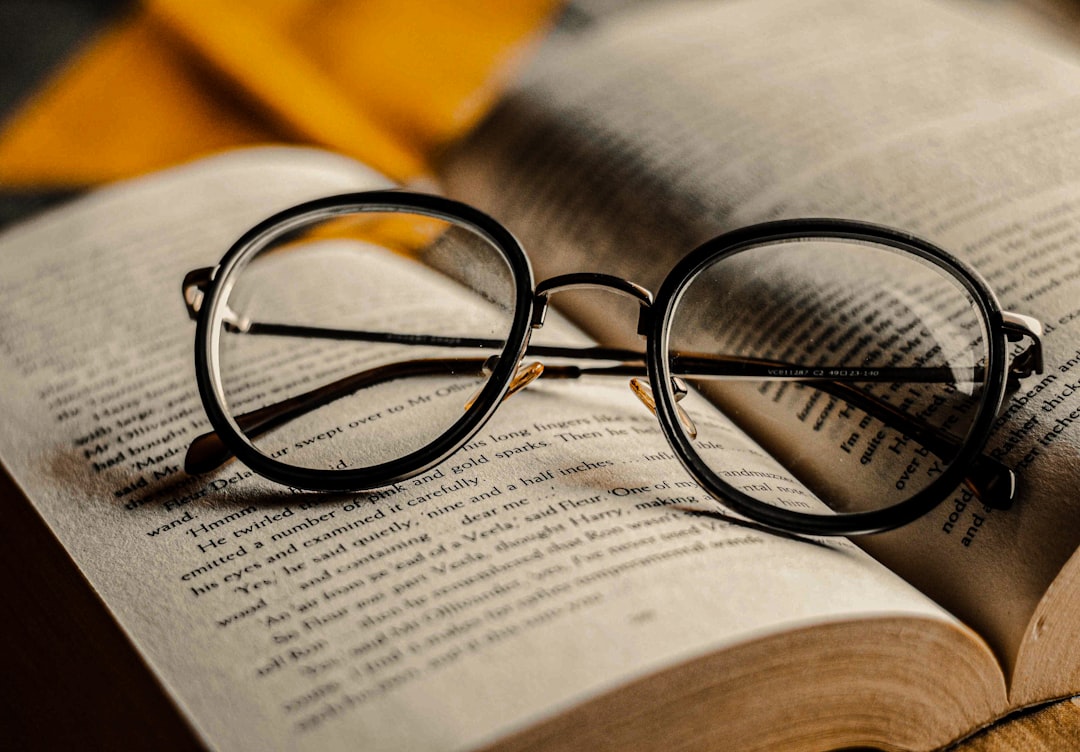
Multiple pairs of reading glasses, frequently in different strengths purchased at different points in life, accumulate in nightstands with remarkable consistency across age groups. Cleaners note that it is common to find glasses in cases alongside loose pairs with bent frames and scratched lenses, suggesting that the bedside glasses serve as the backup to the backup rather than the primary pair. The reading glasses nightstand collection often includes a pair from a pharmacy, one from an optician, and occasionally a pair belonging to a partner that has migrated permanently to the wrong side of the bed. Many people maintain a bedside pair specifically for the late-night reading ambitions represented by the unfinished books also found in the same drawer. Optometrists note that keeping a dedicated bedside pair is a practical habit that prevents the common morning scramble for glasses, making the nightstand a logical and recommended home for this particular item.
Throat Lozenges
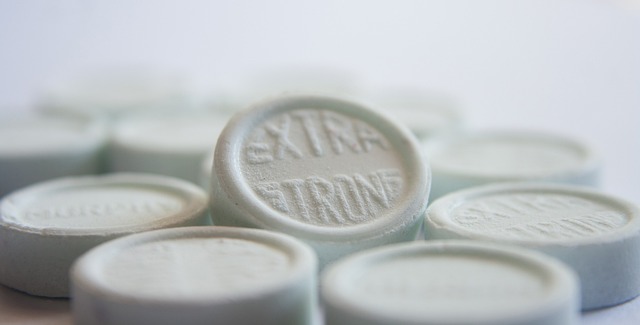
Packets of throat lozenges in flavors ranging from clinical menthol to honey and lemon are consistent nightstand finds, often accompanied by empty wrappers suggesting regular overnight use. Their presence typically reflects either a chronic cough or throat sensitivity that the person manages privately, or a period of illness that passed but left the lozenges behind as a permanent precautionary fixture. Cleaners occasionally find so many open packets of the same product that it suggests the person buys them in bulk and refreshes the bedside supply as a regular household task. The variety of lozenge brands discovered in single nightstands also reflects the trial-and-error approach many people take to finding a product that effectively soothes overnight throat discomfort. Ear, nose and throat specialists note that the need for overnight throat lozenges is often a symptom of mouth breathing during sleep, a condition with several effective treatments that renders the lozenge collection unnecessary once addressed.
Water Bottles

Nightstands almost universally hold at least one water bottle or glass of water, but cleaners frequently discover an archaeology of hydration vessels suggesting that removing them to the kitchen is a task that happens less often than filling them. Multiple water bottles in various states, some empty, some containing stale water of indeterminate age, and some still sealed from their original purchase, accumulate into a collection that reflects good hydration intentions without consistent follow-through. Reusable bottles with motivational markings, branded corporate giveaway bottles, and premium insulated vessels all coexist in the nightstand water bottle ecosystem with democratic impartiality. The prevalence of multiple bottles also suggests that returning a bottle to its rightful location requires a level of morning coordination that many people consistently fail to achieve before leaving the bedroom. Hydration researchers confirm that keeping water at the bedside is a genuinely beneficial habit that supports overnight and morning rehydration, making this particular clutter category one of the more defensible nightstand accumulations.
Sticky Notes
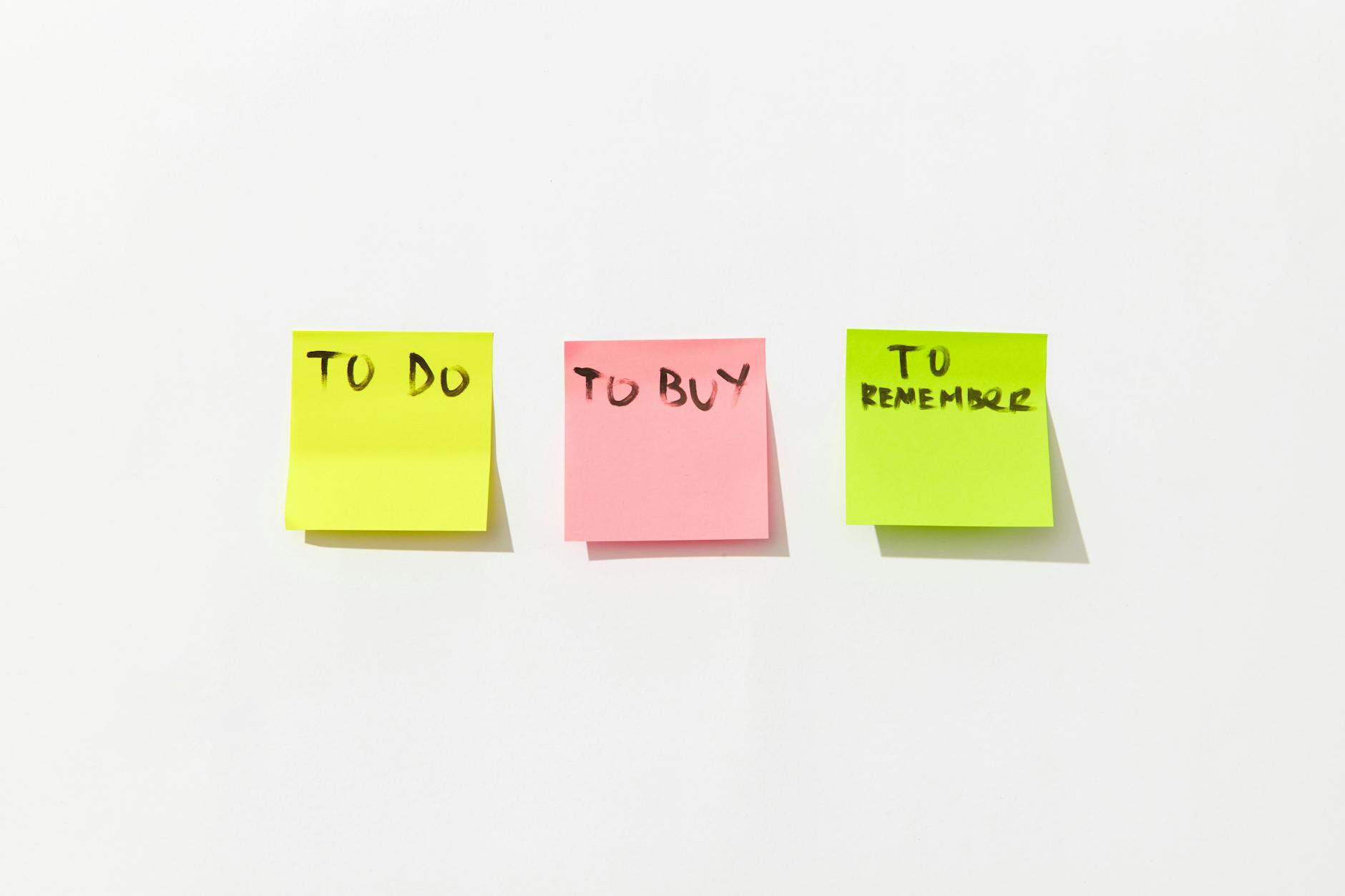
Clusters of handwritten sticky notes in varying states of relevance and urgency are discovered in nightstands with striking frequency, reflecting the human habit of experiencing important realizations or anxious thoughts at the precise moment of trying to fall asleep. Cleaners find notes containing grocery lists, phone numbers without names, partial to-do items, and cryptic single words that presumably made more sense at two in the morning when they were written. Many sticky note collections found in nightstands contain a mixture of actionable reminders that were apparently never acted upon alongside philosophical observations that suggest a pattern of late-night existential rumination. The handwriting on these notes frequently differs markedly from the person’s normal script, suggesting they were written in low light and in a semi-drowsy state that compromised both penmanship and clarity of thought. Productivity researchers note that capturing thoughts before sleep is a cognitively sound practice that prevents the mental loop of trying to remember something, though the nightstand sticky note collection suggests the retrieval and action stages of this system need more attention than the capture stage.
Heating Patches
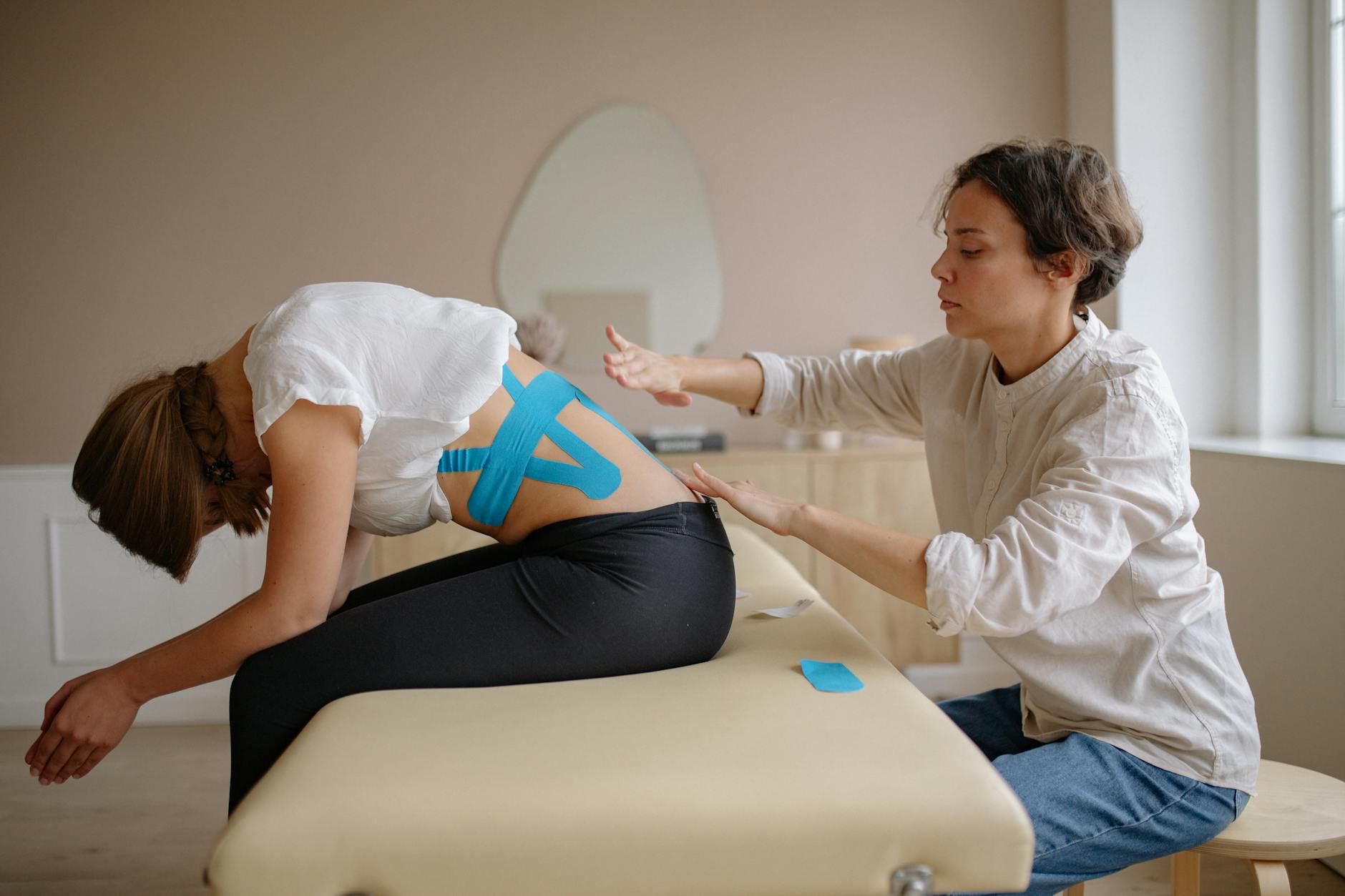
Self-adhesive heating patches and pain relief pads are a common nightstand discovery that cleaners note are rarely discussed openly despite their widespread use. Their presence reflects the significant portion of the population managing chronic or intermittent pain conditions privately, particularly neck tension, lower back pain, and joint discomfort that intensifies during periods of rest. Cleaners often find these products in both branded pharmaceutical versions and generic alternatives purchased in bulk, suggesting that the person has settled into a regular nightly pain management routine. The packaging around these items is frequently accompanied by other topical pain relief products including creams, roll-ons, and patches, collectively forming an unofficial home pain management kit housed in the nightstand drawer. Physiotherapists consistently note that the normalization of managing pain quietly at home without professional consultation means that many underlying conditions are treated symptomatically for years without addressing their root cause.
Breath Mints
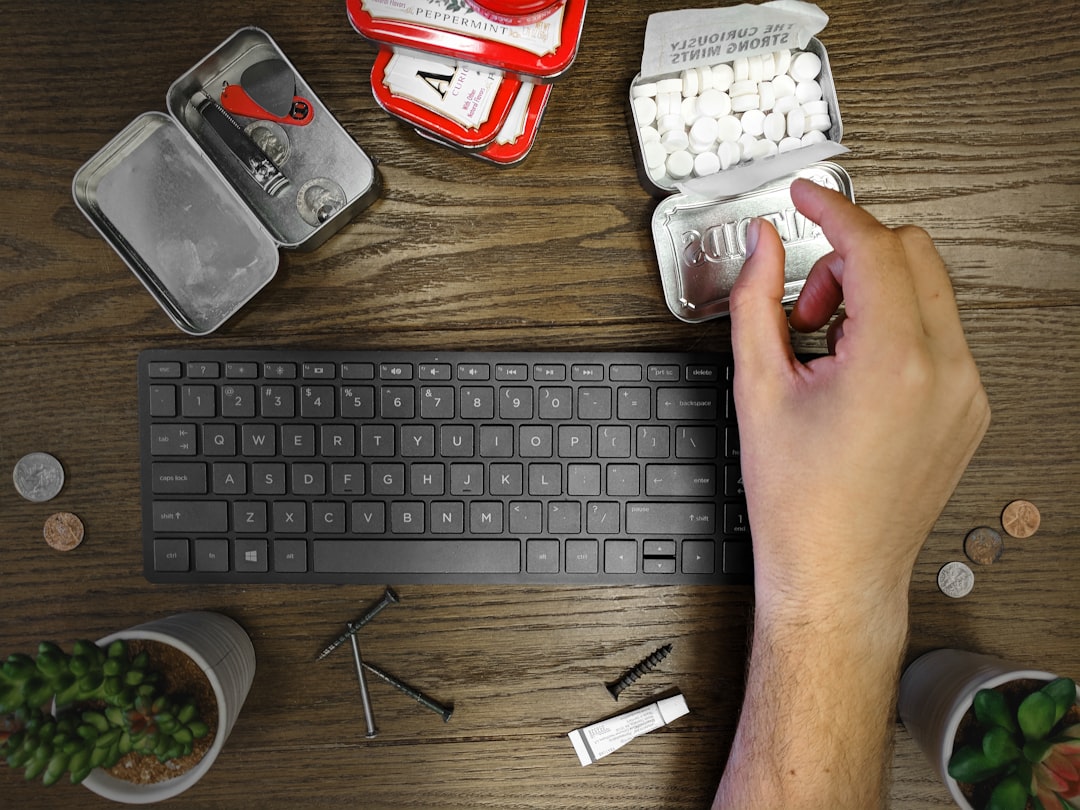
Packets and tins of breath mints in various states of depletion are among the more quietly telling discoveries in nightstands, particularly when found on both sides of a shared bed. Their presence reflects the social anxiety around morning breath that many couples navigate diplomatically and without direct acknowledgment, with the mints serving as a discreet pre-conversation solution. Cleaners note that the mints discovered are frequently of the extra-strong variety, suggesting a purposeful approach to the problem rather than casual snacking. Some nightstand mint collections include sugar-free versions alongside standard varieties, reflecting an awareness of dental health that coexists with the overall habit. Dentists note that while breath mints address the social symptom of morning halitosis, they do not address its common causes, which range from dry mouth and sleep apnea to dietary factors that can be effectively managed with professional guidance.
Old Batteries
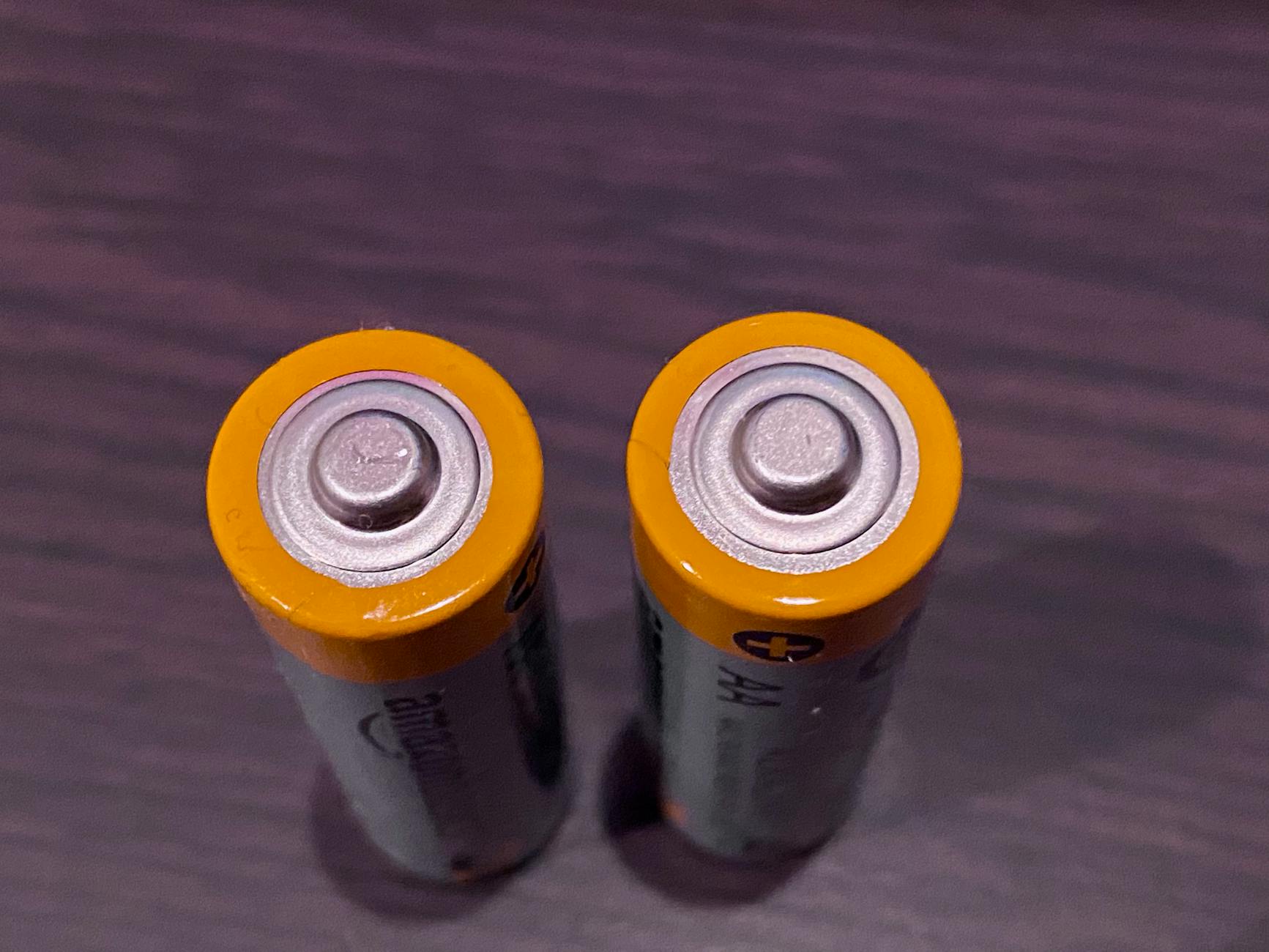
Loose batteries in various sizes, frequently depleted and removed from a remote control or other device during a moment of nighttime frustration, accumulate in nightstand drawers with impressive consistency. Cleaners encounter AA, AAA, and occasionally 9-volt batteries that have been placed in the nightstand temporarily and never found their way to either the recycling point or back into a device. The presence of both dead and functional batteries in the same drawer, visually indistinguishable from one another, represents a minor domestic inefficiency that many households share without acknowledgment. Some battery collections discovered include rechargeable versions alongside standard alkaline ones, suggesting a half-implemented attempt at a more sustainable battery management system that lost momentum. Electronics retailers note that battery testing devices are an inexpensive solution to the common problem of mixed functional and depleted batteries, a product category whose sales figures suggest it is far less widely adopted than the nightstand battery drawer would recommend.
Sleep Tracking Devices
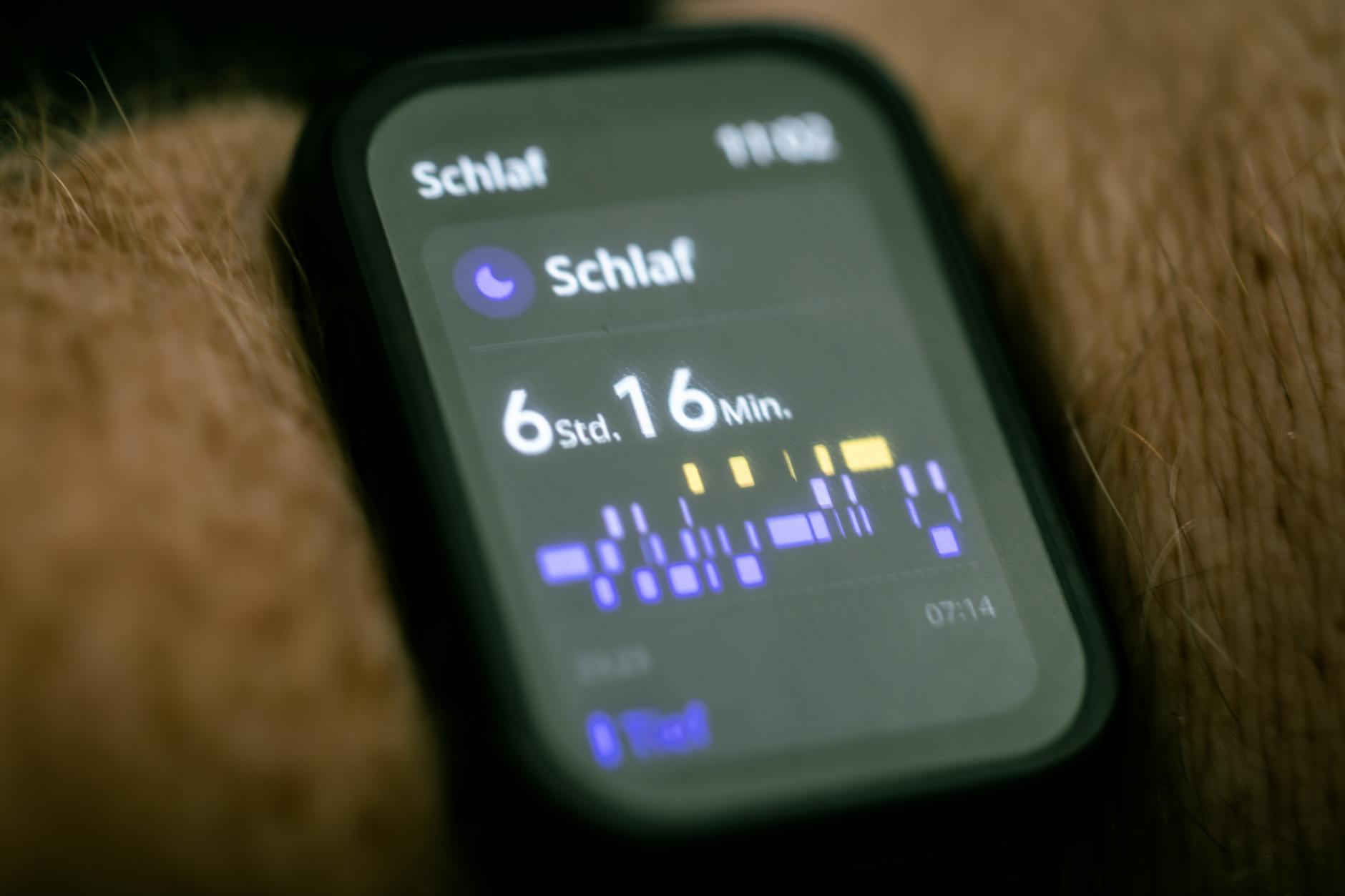
Wristbands, rings, and clip-on sleep trackers in various states of charge and activity are increasingly common nightstand discoveries that reflect the growing consumer interest in quantified self-monitoring. Cleaners note that these devices frequently appear to be in a state of semi-retirement, set aside after an initial enthusiastic monitoring period and replaced by a newer model or simply abandoned as the novelty of sleep data diminished. Multiple generations of sleep tracking technology sometimes coexist in the same drawer, offering an unintentional timeline of the occupant’s periodic reinvestments in optimizing their rest. The irony noted by sleep researchers is that the anxiety generated by reviewing negative sleep data on these devices can itself worsen sleep quality, potentially contributing to the very problem the device was purchased to solve. Consumer electronics analysts confirm that sleep trackers rank among the highest-return products in the personal wellness category, with return rates peaking around the three-month mark after purchase.
Tissues
Boxes of tissues are an entirely practical nightstand fixture, but the discovery of accumulated individual tissues in various states, tucked into corners, rolled under books, or wedged between the nightstand and the wall, is a reliably universal cleaning finding. The tissue situation in most bedrooms reflects the reality that nighttime use demands immediate disposal options that do not always align with the location of the nearest waste bin. Cleaners note that the area directly beside and behind nightstands frequently contains a concentration of used tissues that accumulated gradually and invisibly from the perspective of the room’s occupant. The discovery is not limited to cold and allergy season, suggesting that tissues serve multiple overnight purposes including makeup removal, contact lens management, and general late-night tidying that benefits from a disposable option within arm’s reach. Home organizers consistently recommend installing a small waste bin directly beside the nightstand as the single most effective intervention for the tissue accumulation phenomenon.
Headphones
Both wired and wireless headphones in various states of tangle and charge are a frequent nightstand discovery that reflects the widespread habit of using audio as a sleep aid or relaxation tool during the transition from wakefulness to sleep. Cleaners often find headphones alongside a phone or tablet, together forming a bedside entertainment setup that speaks to the difficulty many people experience when attempting to fall asleep in silence. Multiple pairs are sometimes found together, including over-ear and in-ear versions, suggesting that the person cycles between options depending on comfort levels or battery availability. The cable management situation around nightstand headphones is consistently described by cleaners as among the more time-consuming tidying tasks in the bedroom, as cords interweave with charger cables and other items over time. Sleep audiologists note that while audio can support sleep onset for many people, the physical discomfort of wearing in-ear headphones during sleep can disrupt deeper sleep stages in ways that may not be immediately apparent to the user.
Puzzle Books
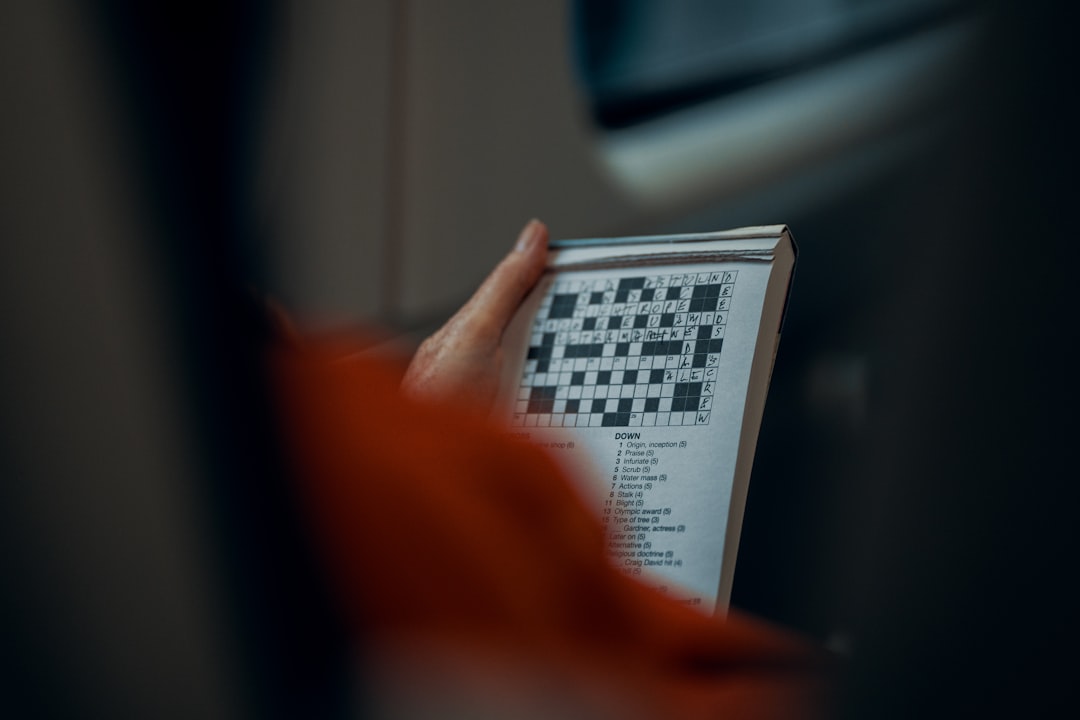
Crossword, sudoku, and word search books in various states of completion are a common nightstand find across age groups, reflecting the widespread use of low-stimulation cognitive activity as a transition between waking and sleeping. Cleaners frequently find these books with a pen or pencil tucked inside, the writing implement having migrated permanently from its original location to become a dedicated nightstand resident. Many puzzle books discovered contain completed puzzles only in the early pages, with the difficulty level of later puzzles apparently exceeding the cognitive availability of a tired mind at bedtime and causing quiet abandonment. Some households maintain an ongoing rotation of puzzle book types, with older completed volumes stacked beneath newer ones in a layered archive of bedtime intellectual effort. Neurologists note that the mental engagement provided by crosswords and similar puzzles before sleep may actually delay sleep onset for some individuals, suggesting that the relaxation effect associated with these activities varies significantly between people.
Antacids
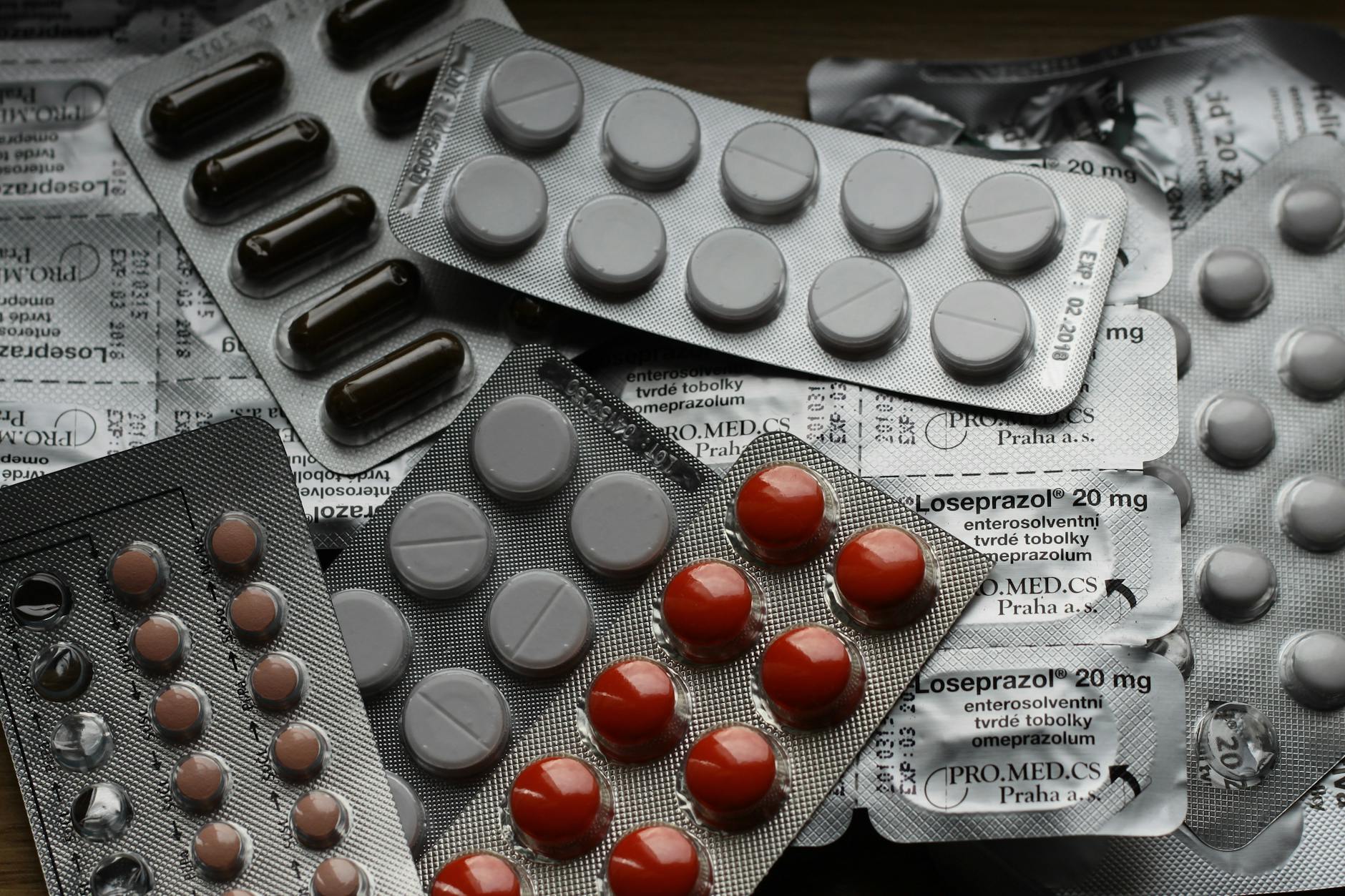
Rolls and packets of antacid tablets are a discreet but frequently discovered nightstand item that reflects the significant prevalence of nighttime acid reflux and indigestion in the general population. Cleaners note that these products are often tucked toward the back of the drawer in a way that suggests the person prefers not to have them prominently visible, despite their entirely medical purpose. The variety of antacid formats found, including chewable tablets, liquid sachets, and effervescent versions, indicates a trial-and-error approach to finding effective overnight relief. Many antacid collections discovered include both prescription and over-the-counter versions, suggesting a condition that has received at least some medical attention alongside self-management. Gastroenterologists note that persistent nighttime reflux requiring regular antacid use is a symptom worth discussing with a physician, as effective long-term treatment options exist that eliminate the need for the bedside antacid habit entirely.
Lip Balm

The sheer quantity of lip balm products discovered in nightstands is a finding that consistently surprises even experienced professional cleaners, with many drawers containing between four and eight individual products simultaneously. The accumulation reflects a combination of frequent purchase motivated by the fear of running out, the gravitational pull of lip balm toward all household surfaces, and the tendency for products applied before sleep to roll beneath books and become visually absent while physically present. Cleaners find luxury balms alongside pharmacy staples and novelty flavored varieties that suggest impulse purchases, all coexisting in the same drawer without any single product achieving clear regular use. The lip balm nightstand phenomenon is significant enough that it has attracted commentary from consumer psychologists who note it reflects the broader human tendency toward excess purchasing of small comfort items. Dermatologists point out that some heavily fragranced or flavored lip balms actually exacerbate dryness over time by creating a dependence cycle, making the large nightstand collection both symptom and potential contributor to the problem it is meant to solve.
Eyelid Masks
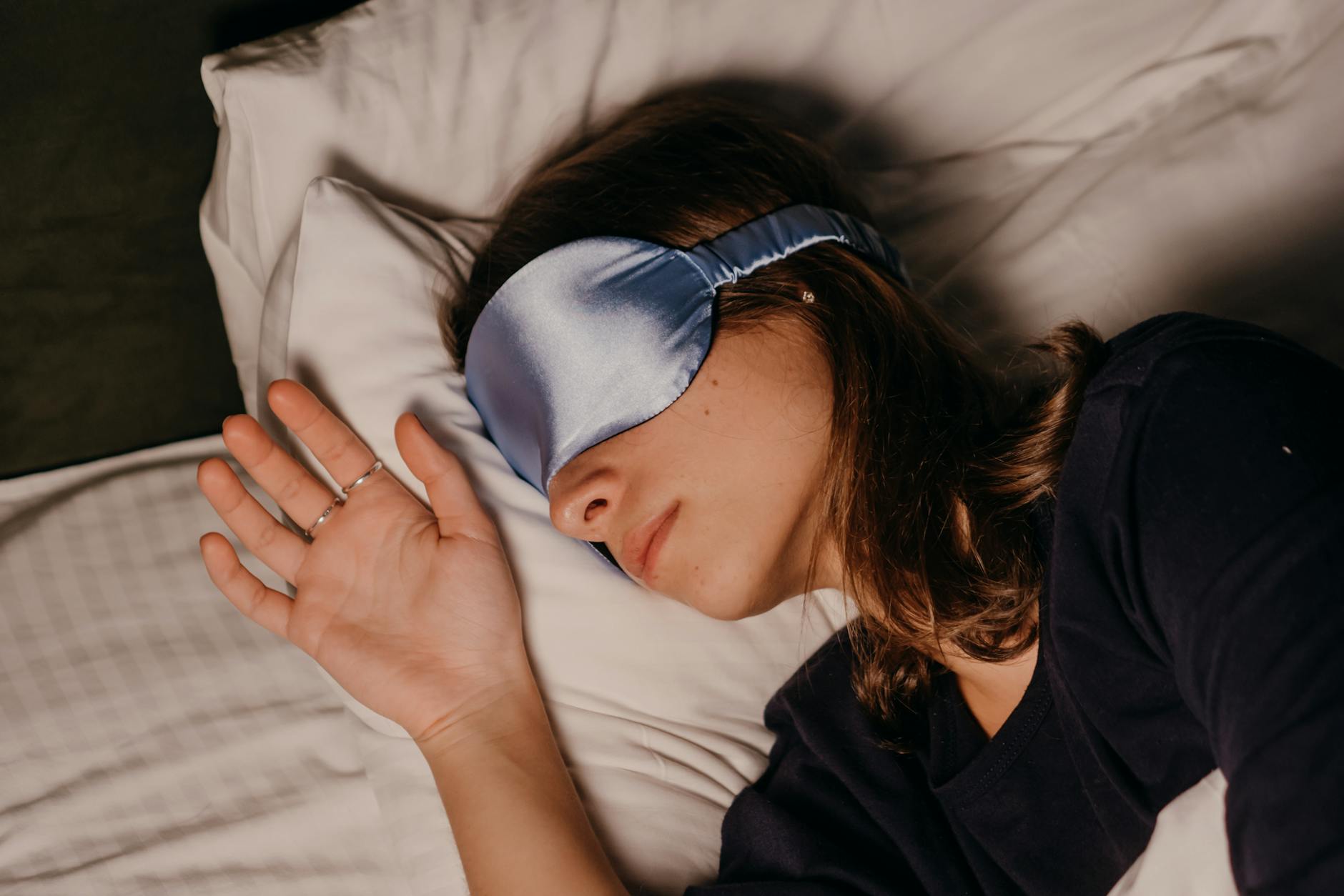
Heated and cooling eyelid masks in varying states of use are an increasingly common nightstand discovery that reflects growing consumer awareness of eye health and the relationship between eye tension and sleep quality. Cleaners note that these items are frequently found still in partial packaging, suggesting they were purchased during a period of particular eye fatigue and used inconsistently before being set aside in the nightstand as a semi-permanent fixture. Both reusable gel varieties and single-use heated masks appear in nightstand collections, with the disposable versions often found in partially opened boxes suggesting a habit that was enthusiastically begun and then gradually deprioritized. The presence of eye masks alongside blue light glasses in the same drawer reflects a broader pattern of reactive investment in eye comfort solutions that follows periods of excessive screen use. Ophthalmologists confirm that regular warm compress therapy for the eyelids has genuine clinical benefits for conditions like dry eye and meibomian gland dysfunction, making the nightstand eyelid mask a more medically sound indulgence than many people realize.
Herbal Supplements
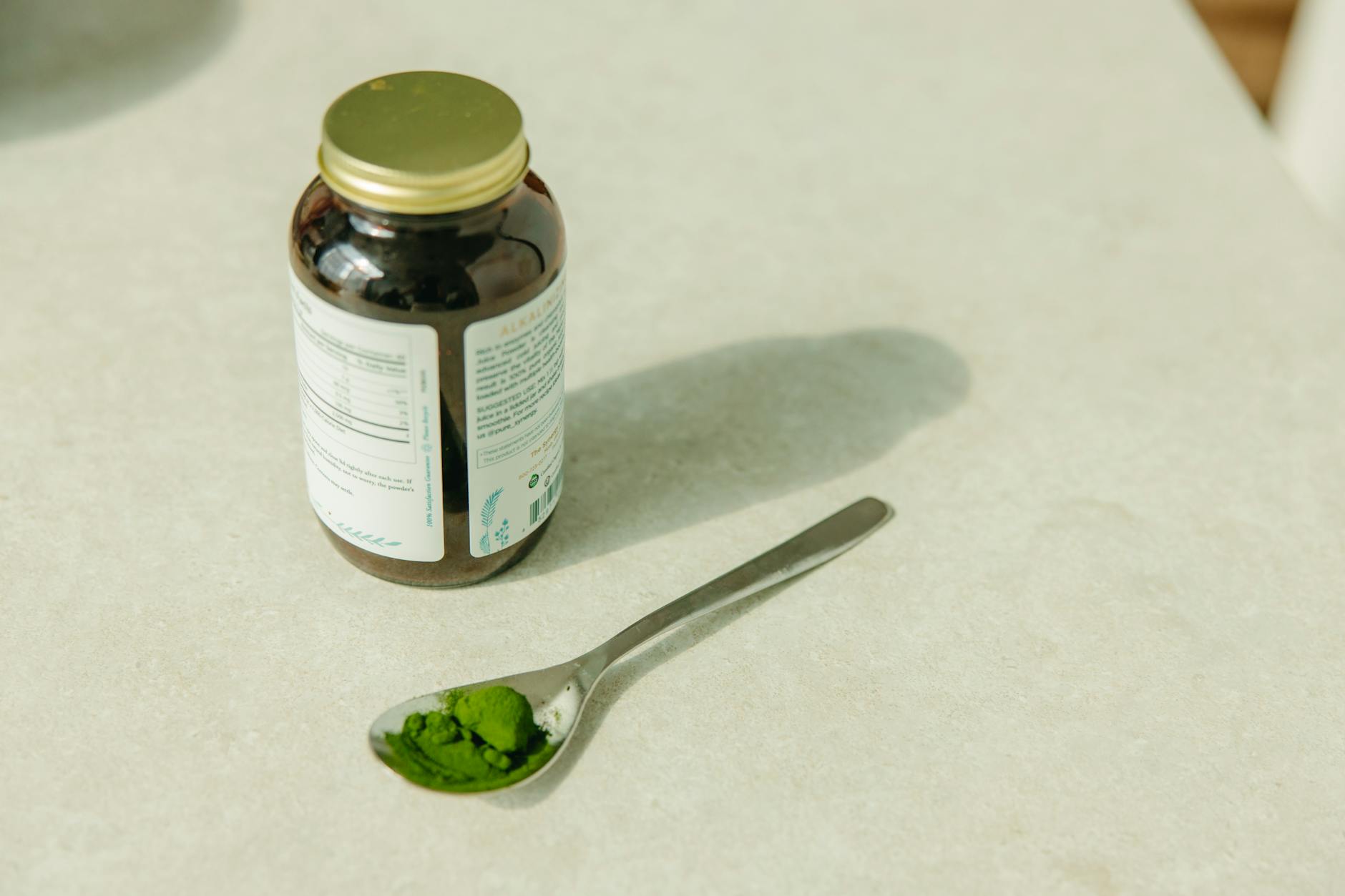
Bottles of melatonin, magnesium, valerian root, ashwagandha, and various other sleep and relaxation supplements are found in nightstands with remarkable consistency, often stacked alongside one another in a self-assembled sleep optimization protocol. Cleaners note that many supplement bottles discovered are at various stages of depletion, suggesting a pattern of simultaneous use rather than sequential trial, making it difficult for the user to identify which product is actually contributing to any perceived improvement. Expired supplements are a particularly common finding, with many bottles having outlasted the phase of use that motivated their purchase and simply remaining in the drawer as unexamined residents. The nightstand supplement collection often expands during periods of high stress or significant life change and contracts as circumstances stabilize, leaving a residue of bottles that represent previous anxiety peaks. Integrative medicine practitioners note that while several of these supplements have credible evidence bases, their effectiveness varies significantly between individuals and is best evaluated through structured use protocols rather than the simultaneous multi-supplement approach suggested by the typical nightstand collection.
Love Letters
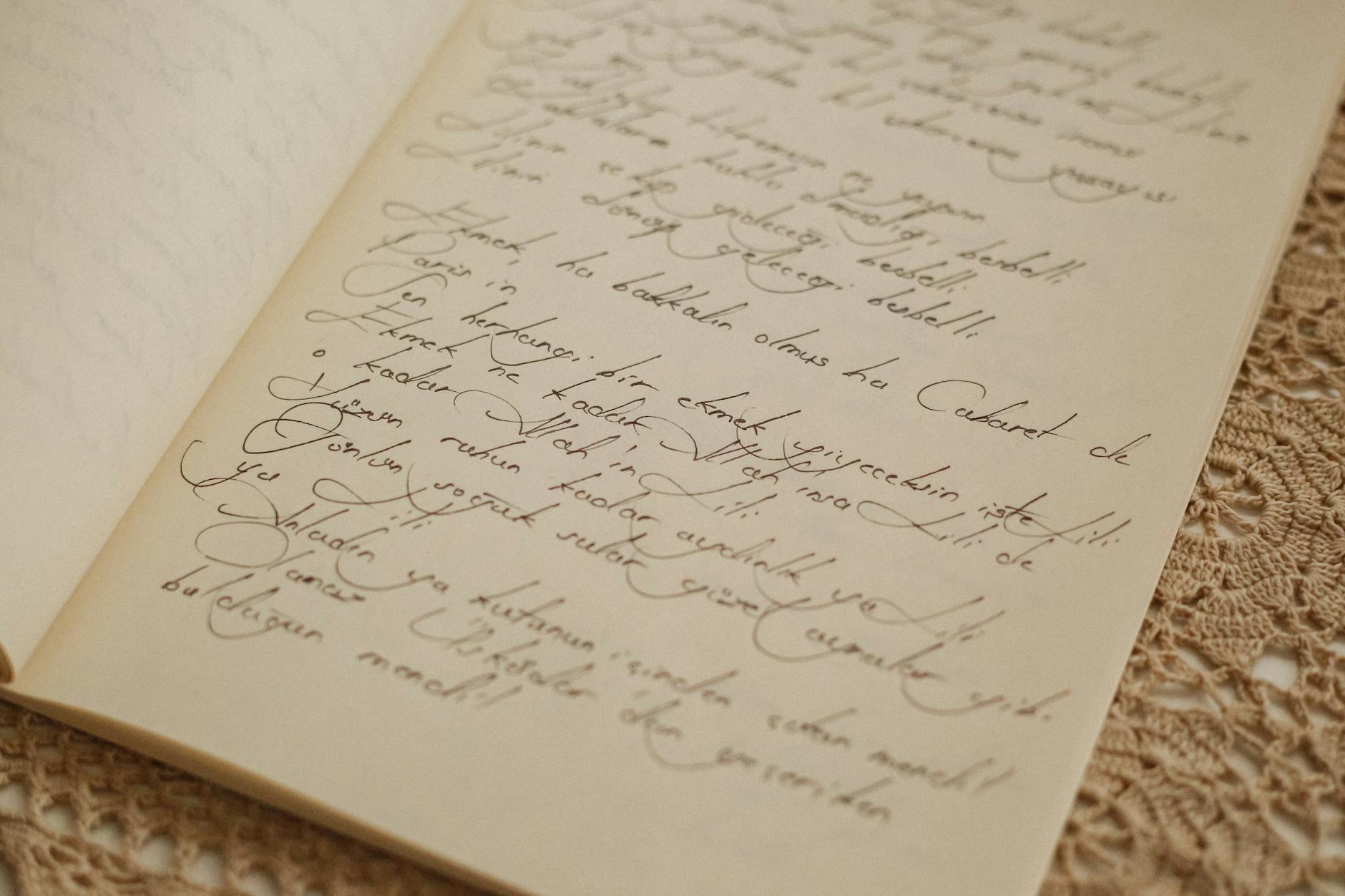
Handwritten notes, cards, and occasionally full letters preserved in nightstands are among the most intimate discoveries professional cleaners handle with particular care and deliberate inattention. These items range from anniversary cards to short notes left on pillows that were later relocated to the drawer for safekeeping, gradually forming an unintentional archive of a relationship’s most tender moments. Cleaners working in homes where a relationship has ended sometimes encounter collections of these letters that have not been removed, reflecting the emotional complexity of deciding what to do with physical records of a past connection. The presence of bundled letters tied with ribbons or rubber bands suggests that some people consciously curate and preserve this correspondence over many years, treating the nightstand as the appropriate guardian for their most personal documents. Psychologists who study attachment and grief note that the preservation of love letters and cards is a healthy and common behavior that reflects the human need to maintain tangible connections to significant emotional experiences.
Foreign Currency

Small collections of foreign coins and occasionally banknotes from international travels past are a consistent nightstand find that cleaners report across households of all demographics. These currency collections are rarely organized and typically represent the emptied pockets and wallets of travelers returning home, the coins having been deposited on the nightstand during unpacking and never moved again. Cleaners sometimes encounter currency from countries that no longer exist in their previous form or that have since undergone significant monetary changes, placing the coins firmly in an archaeological category beyond practical usefulness. The emotional attachment to foreign currency appears to be related to travel memories rather than monetary value, with many people reporting awareness that the coins are there but a reluctance to discard items associated with significant experiences. Travel economists note that the collective value of foreign currency sitting unused in homes across any given country runs into hundreds of millions of units annually, with dedicated currency exchange and donation programs existing specifically to capture and redirect this dormant value.
If you have ever reached into your nightstand and quietly acknowledged that a cleaner has absolutely seen all of it, share your most relatable nightstand confession in the comments.




