Art museums exist as some of the most carefully maintained cultural spaces in the world, where centuries of human creativity are preserved under precisely controlled conditions for the benefit of present and future generations. Security staff and museum professionals have witnessed an extraordinary range of visitor behaviors over the years, and the incidents that result in removal from the premises follow patterns that are remarkably consistent across institutions of every size and prestige. What separates a regrettable accident from a guaranteed ejection is usually a combination of deliberate disregard, social obliviousness, and a fundamental misunderstanding of what a museum actually is. The following 23 behaviors are among those most reliably guaranteed to end a museum visit prematurely, and the reasons behind each policy are more considered than they might initially appear.
Flash Photography
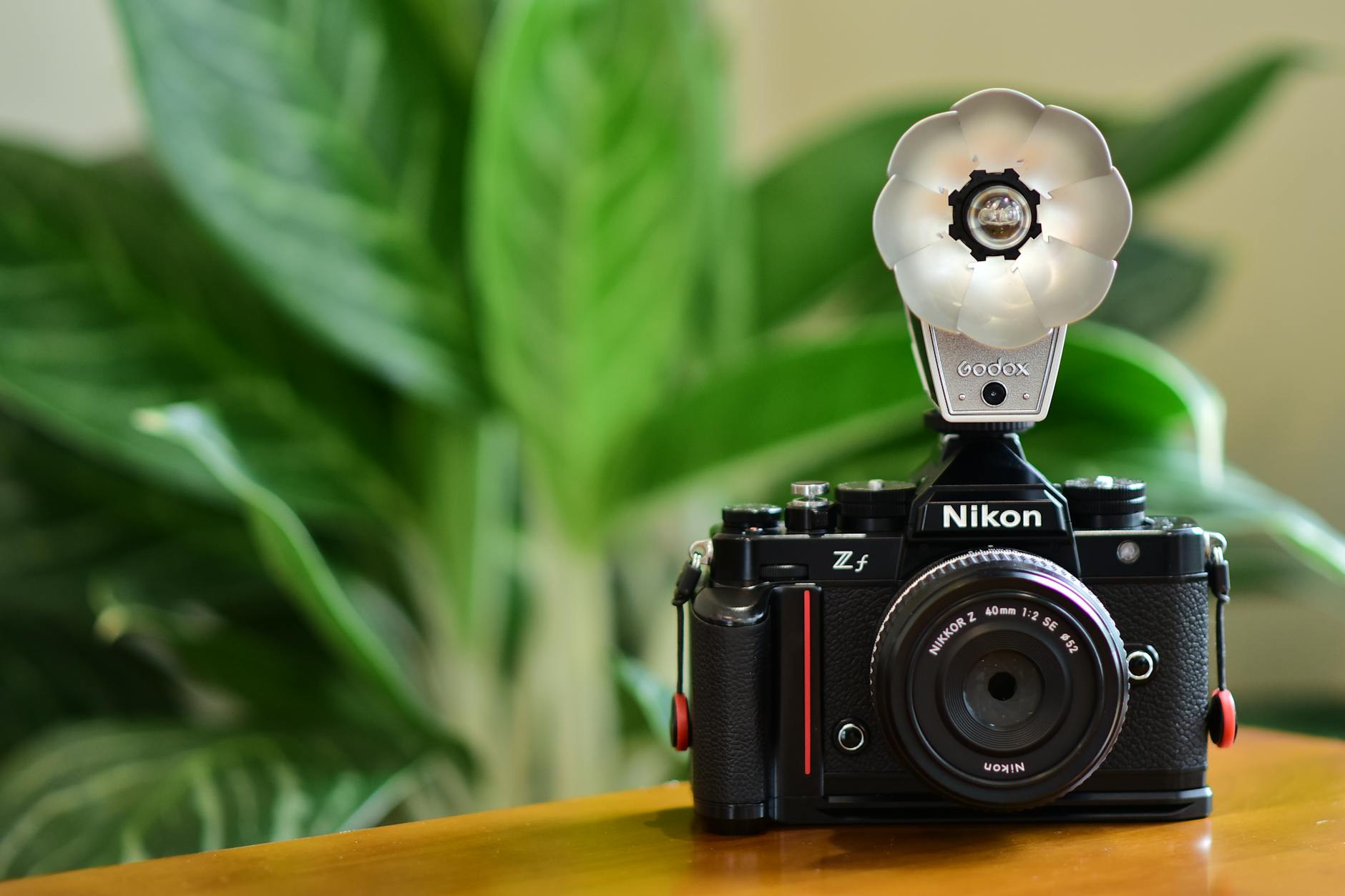
Using flash photography near original artworks is one of the most universally enforced prohibitions in museums worldwide, and continuing to use it after a warning is among the fastest routes to removal. The ultraviolet and infrared radiation emitted by camera flashes causes cumulative photochemical damage to organic pigments, particularly in works painted before the twentieth century when more light-sensitive materials were used. Many visitors assume the no-flash rule is an outdated formality or a revenue-protection measure designed to push people toward the museum shop, but conservation scientists have documented measurable color degradation in works exposed to repeated flash photography over decades. Major institutions including the Louvre and the National Gallery have invested significantly in lighting systems specifically designed to allow non-flash photography while protecting their collections. Security staff report that flash violations are among the top three reasons for visitor removal, particularly because modern smartphones often default to flash without the user noticing until the damage concern has already been raised.
Artwork Touching
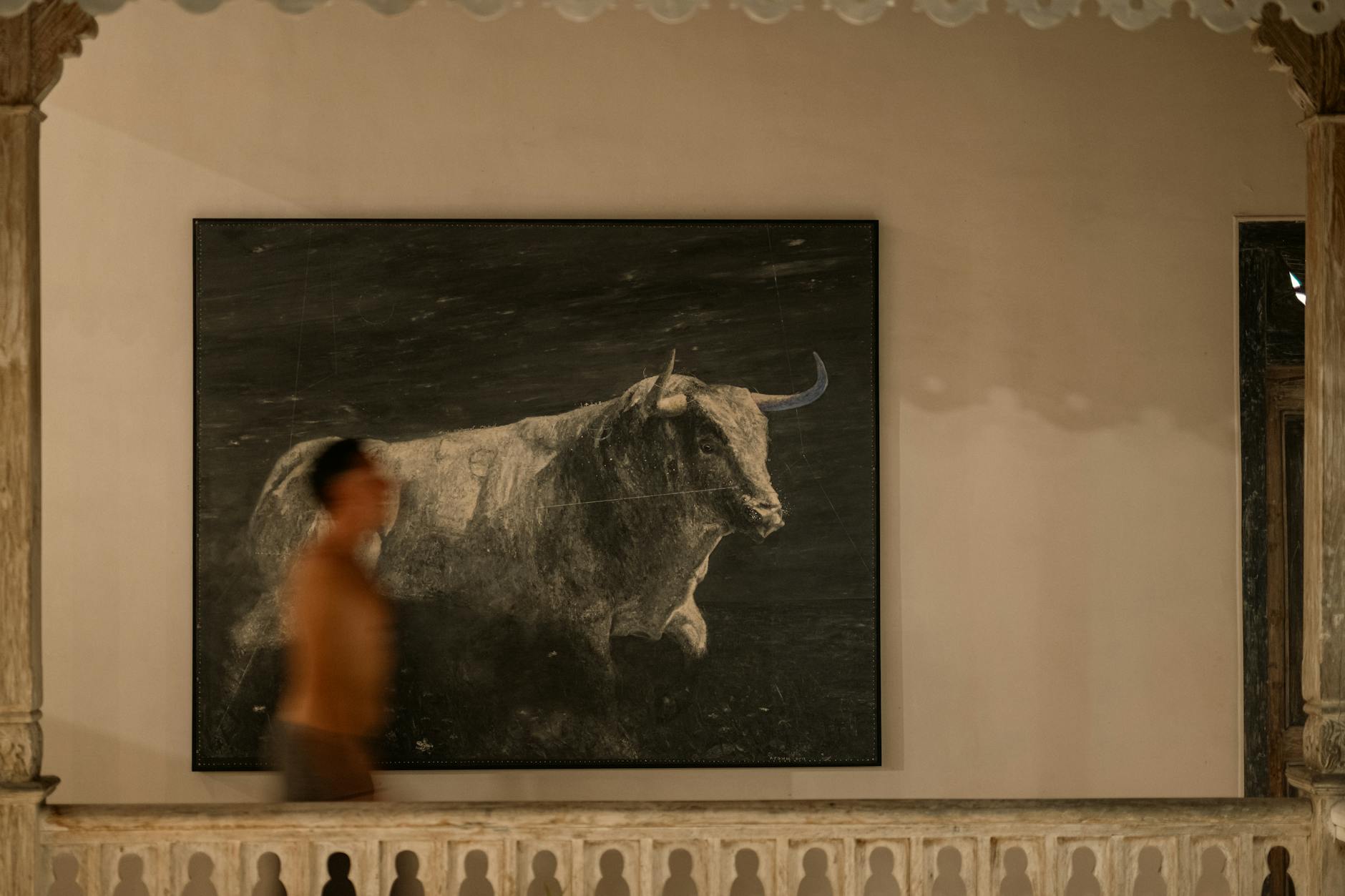
Reaching out and touching paintings, sculptures, or installations is the single most commonly cited reason for visitor removal across art museums globally, and the impulse behind it is more psychologically complex than simple disregard for rules. Human skin deposits oils, salts, and microscopic particles with every contact, and on porous surfaces like canvas or stone these transfers initiate chemical processes that degrade the material over time in ways that are extremely difficult to reverse. Sculptures that appear robust enough to withstand contact are often structurally compromised in ways invisible to the casual observer, with hairline fractures and previous restoration work making surfaces far more fragile than they look. Conservation reports from major institutions document cases where years of visitor touch contact have worn away original surface detail from bronze works that survived centuries of outdoor exposure. Museum staff are trained to intervene at the first sign of reaching behavior precisely because the damage from even a single contact can be disproportionate to the apparent gentleness of the gesture.
Selfie Sticks
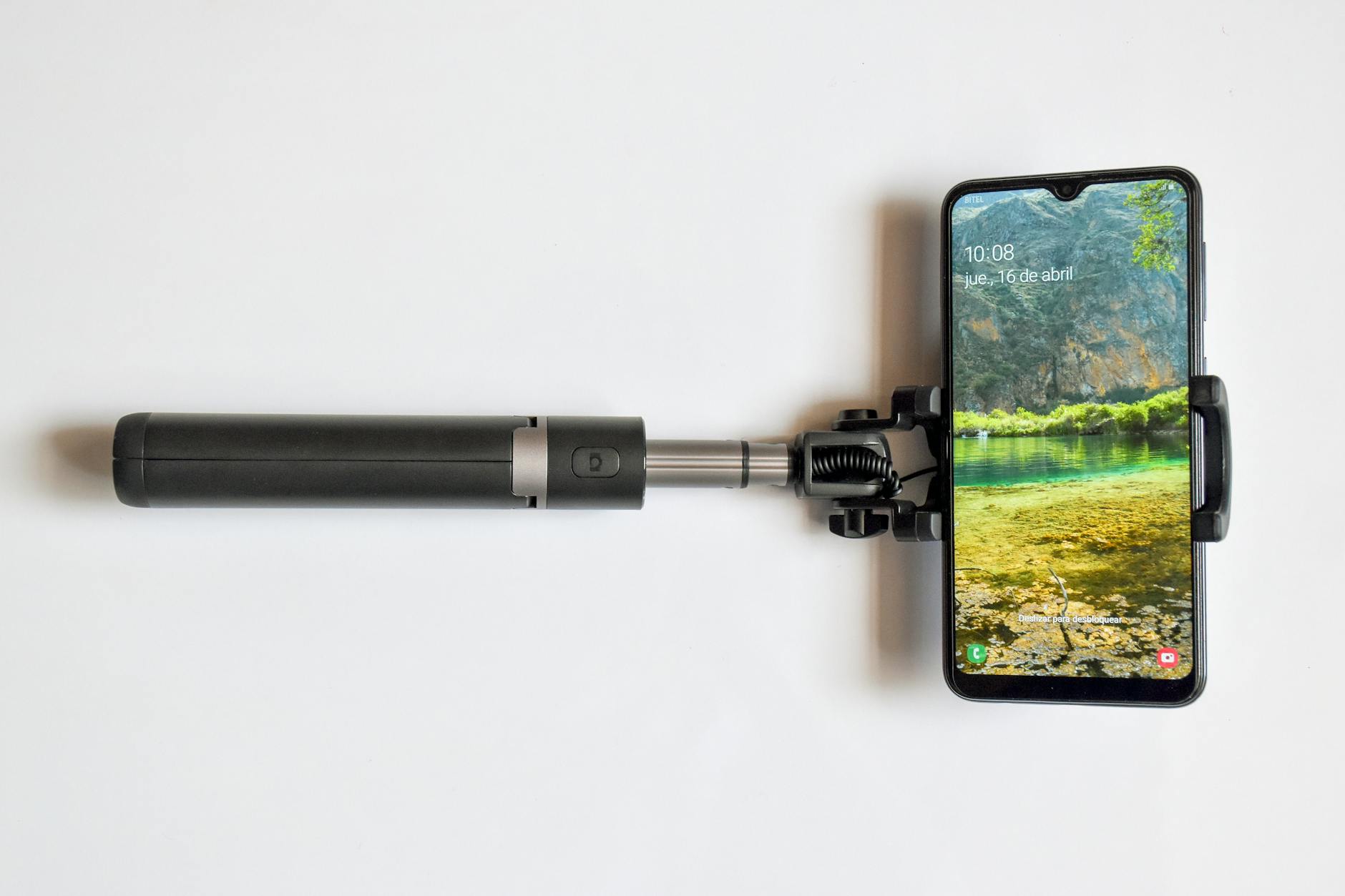
Extending a selfie stick inside a gallery space is prohibited in virtually every major museum and for reasons that extend well beyond mere aesthetics or crowd management preference. The extended reach of a selfie stick creates a collision radius that the user cannot fully monitor, particularly when rotating or repositioning for a better angle in a space shared with other visitors and irreplaceable objects. Several high-profile incidents at major European institutions involving selfie stick contact with artworks resulted in policy changes that are now standard across the industry. The behavior also signals to security staff a level of physical self-absorption in the gallery space that typically precedes other boundary violations, making it a behavioral flag beyond its immediate physical risk. Most museums offer designated photography zones and professional-quality lighting installations that allow compelling images without extending equipment into the protected space around the collection.
Food and Drink
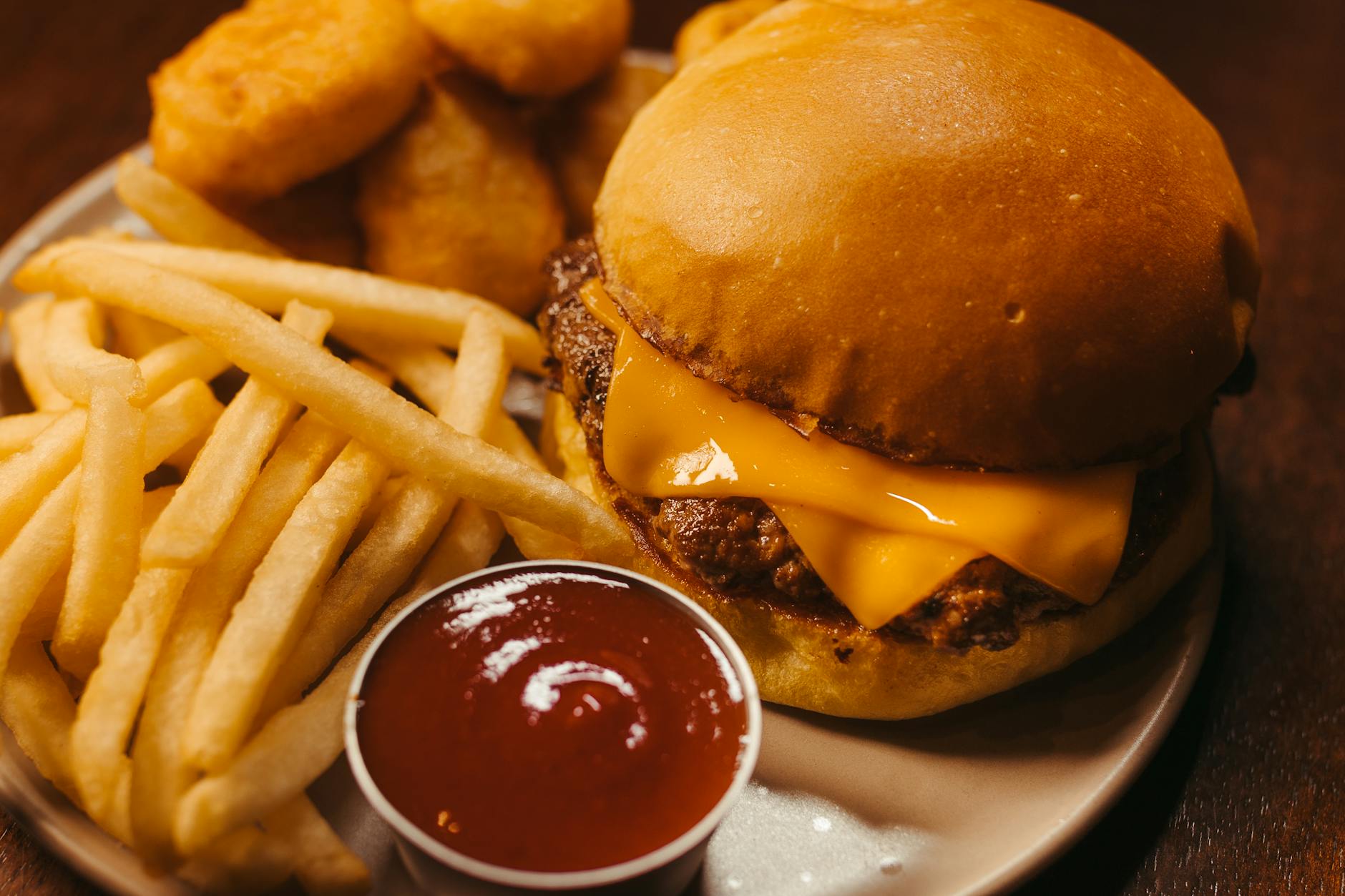
Consuming food or beverages anywhere outside designated café areas is a reliable path to removal, and the reasoning behind this rule encompasses chemistry, pest management, and conservation science simultaneously. Airborne food particles and vapors settle on nearby surfaces including canvas, paper, and textiles, where they introduce organic compounds that attract insects and microorganisms capable of causing irreversible damage. Liquid spills in gallery spaces create immediate conservation emergencies requiring specialist intervention that can cost institutions tens of thousands of dollars and temporarily remove works from display. Museums with significant paper and textile collections are particularly vigilant about this rule, as these materials absorb moisture and organic compounds at rates that make even small spills potentially catastrophic. Security staff universally report that food and drink violations are among the most brazenly committed infractions, with visitors often appearing genuinely surprised that a half-eaten sandwich is unwelcome in a room containing a fifteenth-century altarpiece.
Loud Phone Calls

Taking loud personal phone calls in gallery spaces is a behavior that results in warnings and eventual removal with surprising regularity, particularly in institutions that serve as active research and contemplative spaces alongside tourist destinations. Museums are acoustically complex environments where sound carries across gallery spaces in ways that visitors typically underestimate, meaning that a conversation conducted at a normal outdoor volume can be clearly audible across multiple rooms. The disruption extends beyond mere social rudeness to actively interfering with the experience of other visitors who have often traveled significant distances and paid considerable entry fees to access a particular space. Many institutions now include explicit noise conduct guidelines in their entry materials, and staff are empowered to issue formal warnings that are logged and lead to removal upon repetition. The phone call behavior is particularly poorly received when it occurs near works that draw contemplative visitors, such as memorial installations or rooms housing works with significant historical weight.
Climbing Sculptures
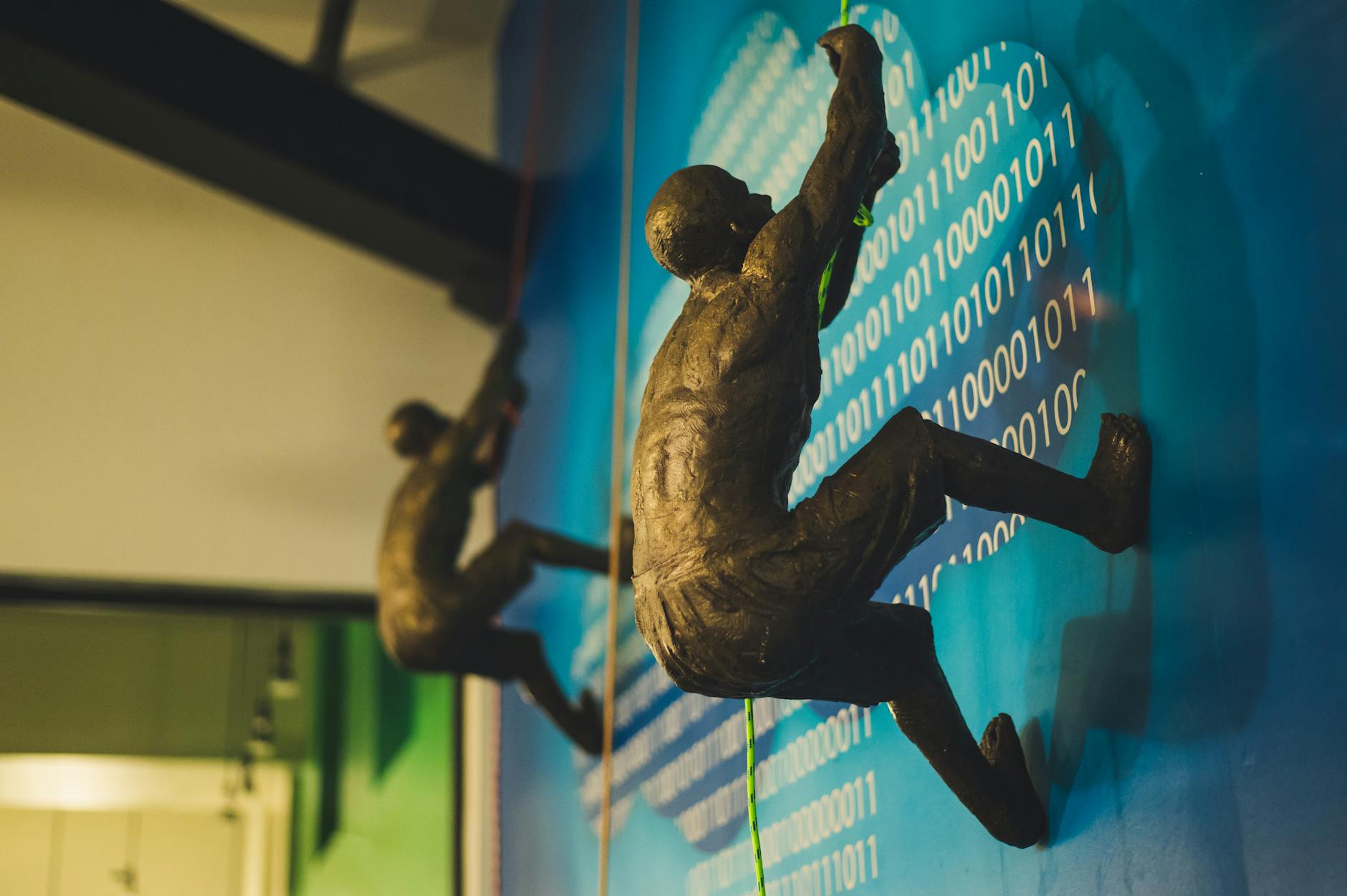
Attempting to climb, sit on, or physically interact with sculptures in ways beyond visual engagement is a recurring reason for removal that spans every age group and demographic despite appearing to be an obviously inadvisable behavior. Many large sculptures create an almost irresistible invitation to touch and scale through their physical presence and apparent robustness, a phenomenon that museum designers and curators actively grapple with when planning installation layouts. The structural integrity of sculptures is rarely what it appears from a distance, with many large bronze, marble, and mixed-media works containing internal armatures, repair points, and weight distribution considerations that make climbing genuinely dangerous to both the work and the visitor. Social media has significantly increased this behavior over the past decade, with documented incidents at institutions from New York to Milan involving visitors who attempted to recreate viral images by positioning themselves on or against significant works. Security staff in sculpture galleries are trained to monitor postural cues that precede climbing attempts, and intervention typically occurs before contact is made in well-staffed institutions.
Running

Running through gallery spaces is addressed in the conduct guidelines of virtually every museum and results in removal when warnings are ignored, with the risk profile being considerably more serious than the prohibition might suggest to a casual visitor. The combination of hard flooring, close-hanging works, freestanding sculptures, and other visitors creates a collision risk scenario that museum insurers and safety officers treat with significant seriousness. Several documented incidents in major institutions have involved running visitors colliding with freestanding works or other visitors in ways that caused injuries and conservation emergencies simultaneously. Children are the most frequent running violators, but the behavior among adults typically occurs during closing time rushes or in response to time pressure from tour schedules, both of which are circumstances that museums are accustomed to managing. Staff in galleries with significant freestanding works are authorized to request the removal of visitors who continue running after a single warning, a policy that reflects the asymmetry between the inconvenience of slowing down and the potential consequences of not doing so.
Aggressive Haggling
Approaching museum staff or gallery attendants to negotiate purchasing prices for works on display in non-commercial museum spaces is a behavior that results in removal when pursued aggressively, reflecting a fundamental misunderstanding of what a public museum collection represents. Most works in permanent museum collections are held in institutional trust and are legally prohibited from being sold under the terms of the museum’s charitable status and the conditions of acquisition gifts and bequests. Visitors who approach staff with serious purchase inquiries about permanent collection items create a situation that moves quickly from awkward to disruptive when the visitor refuses to accept that the work is genuinely not available regardless of the price offered. The behavior is most commonly reported in galleries containing decorative arts, furniture, and applied arts objects that superficially resemble items available in commercial contexts. Museum legal teams have noted that persistent purchase inquiries occasionally tip into behavior that qualifies as harassment of staff, at which point removal and in some cases trespass notices become appropriate responses.
Mocking Art
Loudly ridiculing artworks in ways that disrupt other visitors or demean the space is a conduct violation that results in removal when it escalates beyond the private muttered opinion that most visitors occasionally indulge. The distinction between personal aesthetic discomfort and disruptive public mockery is one that most museum conduct policies address explicitly, recognizing that opinions about art are entirely valid while their aggressive public performance is not. Security staff consistently report that mocking behavior tends to escalate when the initial performance receives an audience, making early intervention important before a small group dynamic develops into a larger disruption. Contemporary and conceptual art galleries experience this behavior at higher rates than classical collections, reflecting the broader cultural debate about the definition of art that these spaces often embody. Museum educators note that the mocking response frequently stems from genuine unfamiliarity with the conceptual frameworks surrounding contemporary work, and that brief interpretive text can significantly reduce the behavior in visitors who encounter it for the first time.
Costume Replicas
Arriving at a museum wearing a detailed costume or outfit that closely replicates a work in the permanent collection and staging comparison photographs is a behavior that has increased dramatically with social media and results in removal when it creates disruption or physical proximity to the original work. The behavior creates crowd management challenges as other visitors stop to observe and photograph the comparison, creating unmanaged congregation near fragile works that requires security intervention. Several viral social media trends specifically encourage visitors to recreate the poses and clothing of painted subjects, and while many institutions have embraced low-key versions of this practice, staging elaborate costume recreations with photography assistants and multiple camera angles crosses into event territory requiring advance institutional permission. The physical proximity to works required for effective comparison photographs is itself a violation of standard proximity guidelines maintained around most original pieces. Institutions that have experienced significant disruption from this behavior have responded with explicit policy updates, and some now maintain lists of specific viral trends for which they have issued advance prohibitions.
Sneaking Backstage
Attempting to access staff-only areas, conservation labs, storage facilities, or administrative corridors is a serious conduct violation that results in immediate removal and frequently involves contact with law enforcement beyond the museum’s internal security team. The backstage areas of major museums contain unsecured artworks in storage, active conservation work on fragile objects, and security infrastructure whose integrity depends entirely on access restriction. Visitor curiosity about what happens behind the scenes of major institutions is entirely understandable, and most museums now offer behind-the-scenes tours and open conservation days precisely to satisfy this interest through appropriate channels. The distinction between a visitor who wanders through an unmarked door by genuine accident and one who is actively seeking unauthorized access is usually apparent to security staff within moments of the incident, and the response is calibrated accordingly. Museums with significant collections of works whose security details are not publicly disclosed treat backstage intrusions with a seriousness that goes considerably beyond standard conduct enforcement.
Bringing Pets

Attempting to bring pets into museum spaces beyond certified assistance animals is a conduct violation that has increased alongside the broader trend of bringing animals into retail and hospitality spaces where they are not traditionally expected. Animals in gallery spaces create unpredictable movement near works, introduce biological material into controlled conservation environments, and represent a significant disturbance to other visitors regardless of the animal’s temperament. Several documented incidents in European museums have involved dogs knocking over freestanding sculptures or creating contact with low-hanging works during the kind of sudden lateral movement that even well-trained animals occasionally produce. Museum conservation environments are carefully managed for temperature, humidity, and biological contamination, and the introduction of animals compromises these conditions in ways that extend beyond the duration of the visit itself. Service animal policies at most major institutions are clearly communicated at entry points, and staff are trained to handle the distinction between legitimate assistance animals and emotional support animals with the nuance that current accessibility law requires.
Bringing Outside Artworks
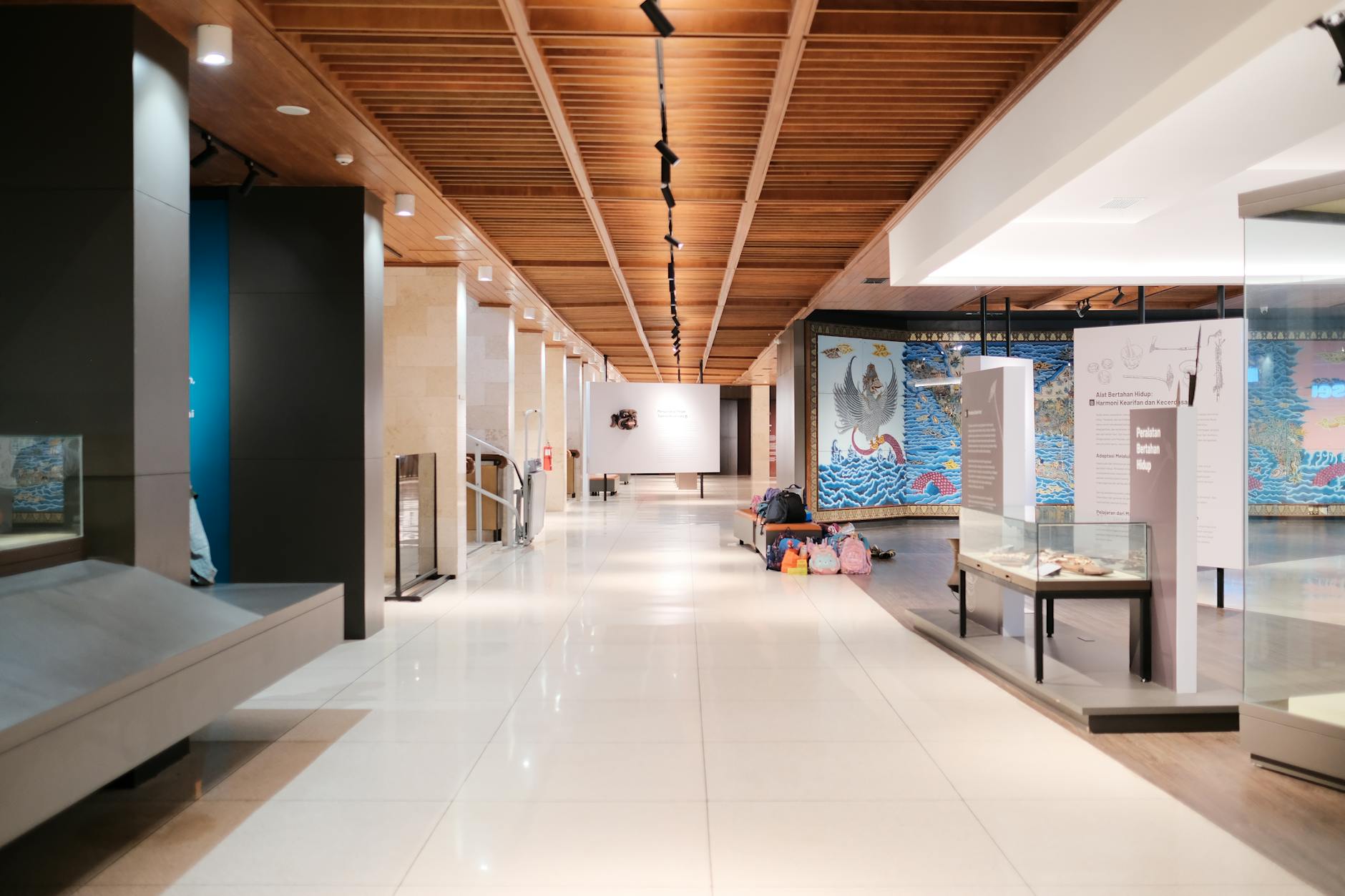
Arriving at a museum with the intention of hanging, installing, or otherwise introducing unauthorized artworks into the gallery space is a behavior that has generated significant media attention through high-profile acts of guerrilla art installation and results in immediate removal alongside potential legal consequences. The most celebrated practitioner of this behavior in recent decades created a cultural moment that inspired numerous imitators, most of whom lacked both the conceptual framing and the institutional tolerance that transformed the original incidents into cultural commentary. Museums now maintain explicit policies against unauthorized installation, and security staff are trained to identify behavioral patterns associated with the practice including extended solo visits to specific walls, unusual bag configurations, and repeated circling of particular spaces without engagement with the works themselves. Beyond the institutional policy concern, unauthorized installation raises genuine conservation questions when adhesive materials or proximity contact is involved. Several institutions have responded to the trend by creating designated spaces for visitor-submitted works, redirecting the creative impulse into a managed channel that satisfies the participatory desire without the conduct violation.
Ignoring Barriers
Stepping over rope barriers, stanchions, or marked floor boundaries to gain closer access to works is one of the most consistently enforced conduct violations in museum spaces and is treated with particular seriousness by security staff. The barriers around significant works exist not merely as symbolic proximity reminders but as the outer boundary of a carefully considered buffer zone calculated to prevent accidental contact during the natural forward lean that close visual examination produces in most viewers. Several of the most significant accidental damage incidents in museum history have involved visitors who stepped over barriers intending only to look more closely and whose subsequent loss of balance or distraction by a companion resulted in contact with the work. Security cameras in major galleries are positioned specifically to capture barrier violations, and staff response times to these incidents are among the fastest in standard museum security protocols. The barrier violation behavior is particularly poorly received when it occurs in rooms containing works of exceptional fragility or irreplaceable historical significance, where the asymmetry between the marginal viewing improvement and the potential damage risk is at its most extreme.
Reenacting Artworks
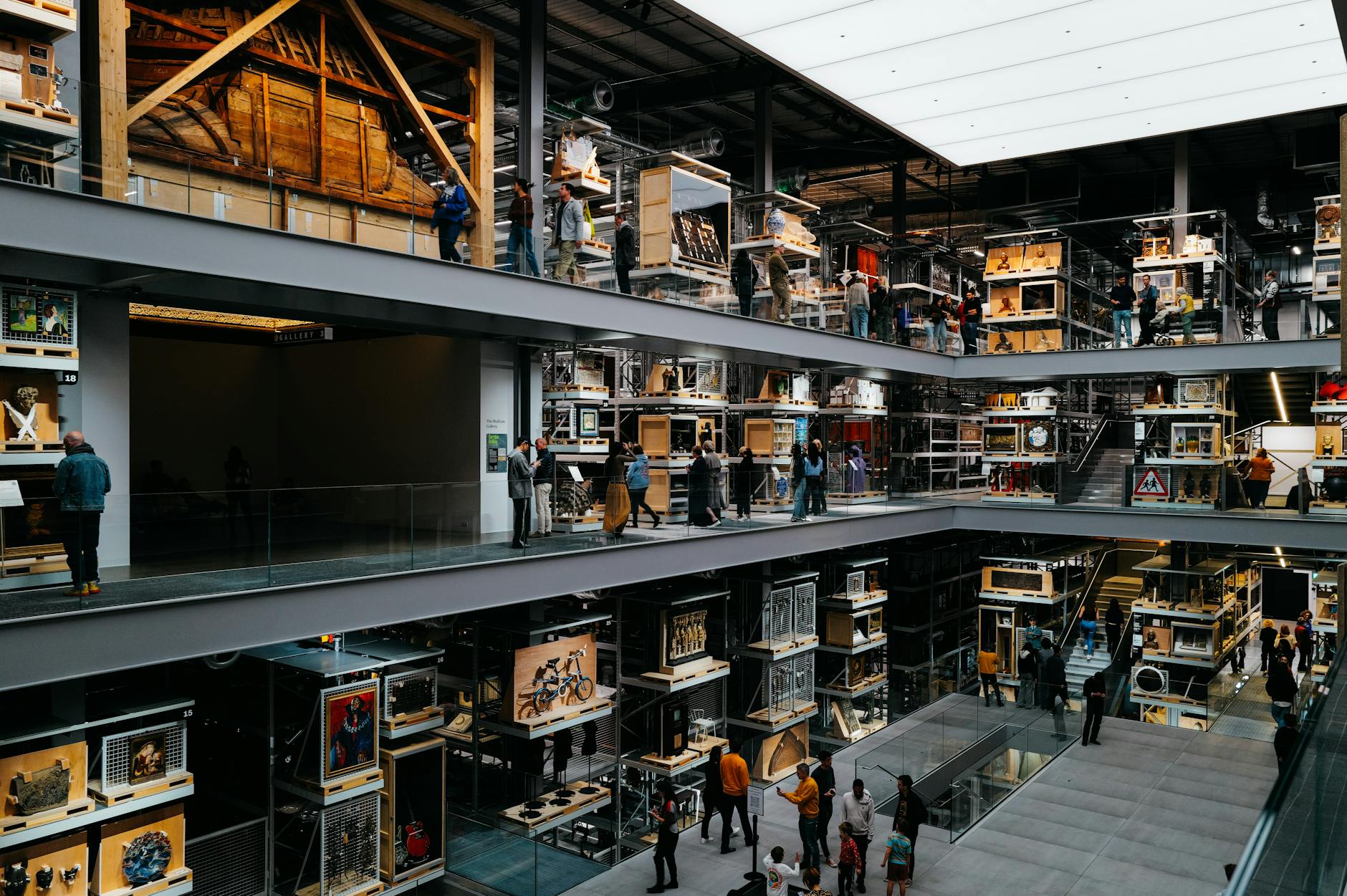
Staging elaborate physical reenactments of artworks that involve lying on floors, climbing furniture, or adopting poses that bring the body close to the work itself is a behavior that has grown with social media documentation culture and results in removal when it creates proximity risk or visitor disruption. The key distinction museum staff draw is between a visitor quietly mimicking a subject’s pose from a respectful distance and a visitor who requires physical proximity to the work, props, or extended floor space to execute their desired image. Floor poses in particular create trip hazards for other visitors and require surrounding space that effectively closes off gallery access for the duration of the photography session. Major institutions in Paris, Amsterdam, and New York have all updated their visitor conduct policies in direct response to specific reenactment incidents that went viral before security intervention was captured on a secondary camera. Museum educators note that creative engagement with artworks through physical interpretation is a genuinely valuable learning behavior that institutions want to support, making the disruption caused by its extreme forms particularly frustrating for staff who would otherwise encourage the impulse.
Aggressive Arguing
Entering into confrontational arguments with museum security or front-of-house staff about conduct policies in a way that becomes disruptive to surrounding visitors is a guaranteed path to removal that security personnel are specifically trained to manage through a structured escalation protocol. The arguments most commonly reported involve flash photography bans, barrier proximity, and tripod restrictions, all areas where visitors frequently arrive with the conviction that the policy does not apply to their specific situation or equipment. Staff training at major institutions consistently emphasizes de-escalation as the first response, but this approach has defined limits beyond which the preservation of the experience for surrounding visitors takes precedence over managing the aggrieved individual. Security staff report that the confrontational visitor frequently frames their argument around the entry fee paid, conflating consumer rights with conduct expectations in a way that museum legal and operations teams are thoroughly prepared to address. Institutions with significant international visitor populations invest in multilingual signage and translated conduct documentation precisely to remove the linguistic misunderstanding rationale from conduct disputes, leaving genuine disagreement with policy as the only remaining explanation.
Graffiti
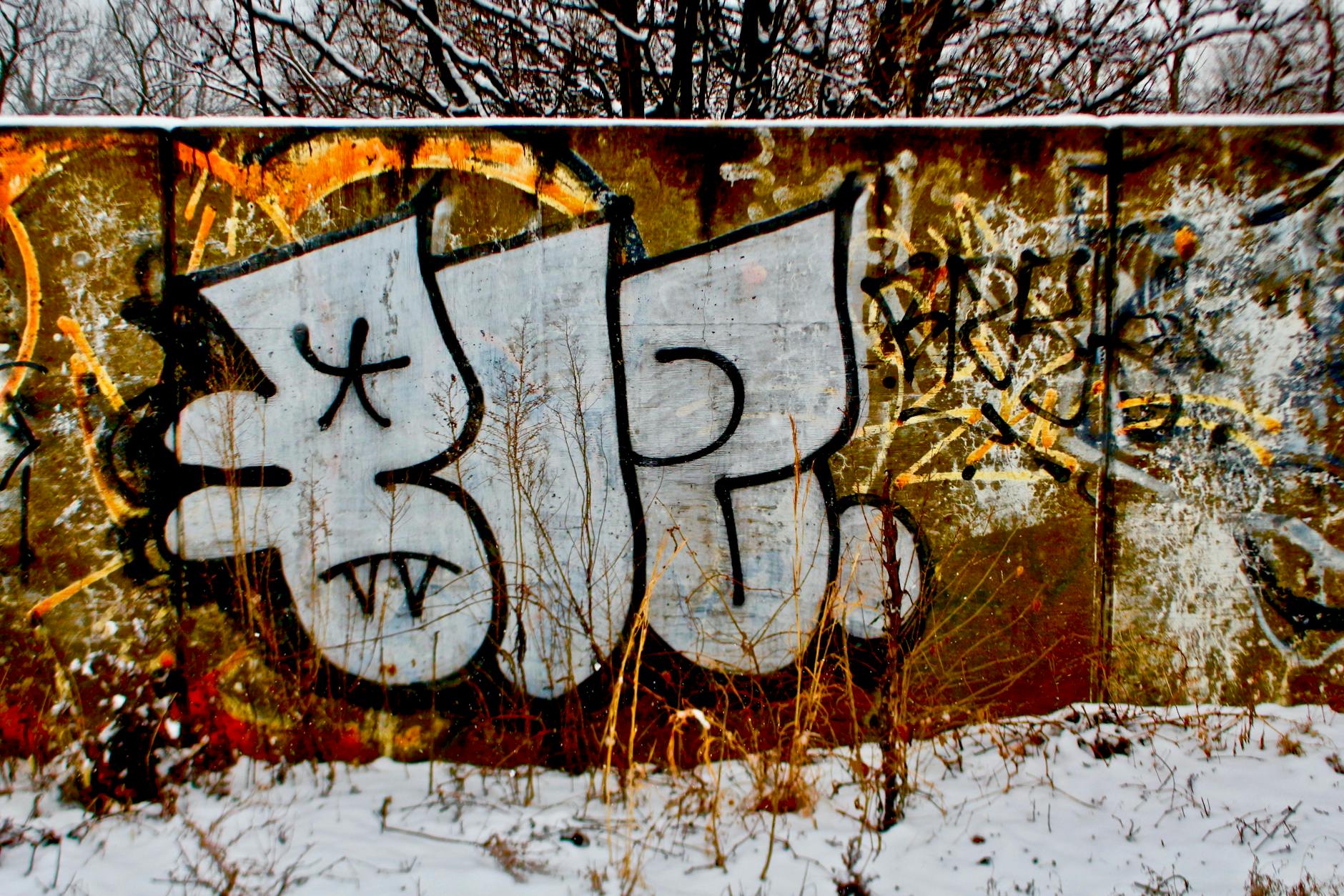
Marking, inscribing, or adding any material to museum walls, floors, works, or furniture is treated as a criminal matter rather than a conduct violation at every institution where it occurs, resulting in immediate removal alongside police notification in virtually every documented case. The compulsion to leave a personal mark in a significant cultural space has been documented throughout human history, but its expression in contemporary museum spaces creates both conservation emergencies and criminal liability that institutions prosecute with consistent seriousness. Several high-profile cases in recent years have involved visitors who added inscriptions to works with cultural or political motivations, framing their actions as artistic statements, and the legal and institutional response to these cases has been uniformly severe regardless of the motivation offered. Conservation treatment for graffiti on original artworks can take months, requires specialist expertise, and risks permanent alteration of the original surface in the process of removal. Museum legal teams treat these incidents as property damage cases, and the criminal records that result have followed perpetrators into employment and travel contexts that extended the consequences well beyond the immediate institutional response.
Bringing Tripods
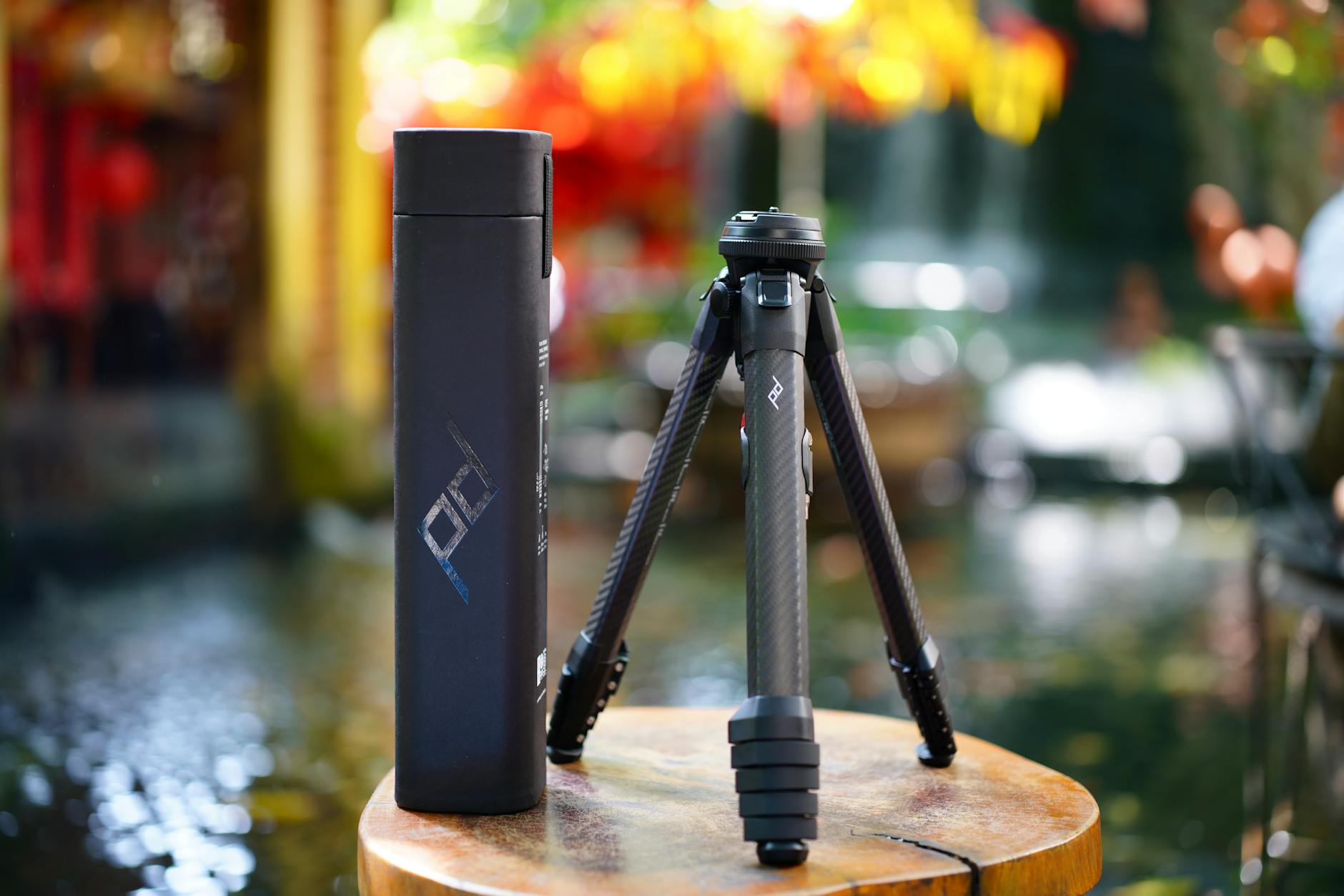
Attempting to use a full-size photography tripod in a standard gallery space is a conduct violation enforced at most major institutions and reflects considerations of visitor safety, crowd flow, and physical proximity to works that the tripod’s footprint creates. A standard tripod occupies floor space equivalent to a small piece of furniture, and its legs extend at angles that create trip hazards for surrounding visitors particularly in lower-light gallery environments. The use of a tripod also signals an intention to spend extended stationary time in front of a specific work, which disrupts the natural flow of visitor movement around popular pieces in ways that create crowd management challenges for staff. Several incidents at European institutions have involved tripod legs making contact with freestanding sculptures during setup or repositioning, with the resulting conservation concerns prompting explicit policy updates. Most institutions that wish to support serious photography offer designated photography sessions outside regular visiting hours where tripods and professional equipment are permitted within a supervised framework.
Recreating Heists
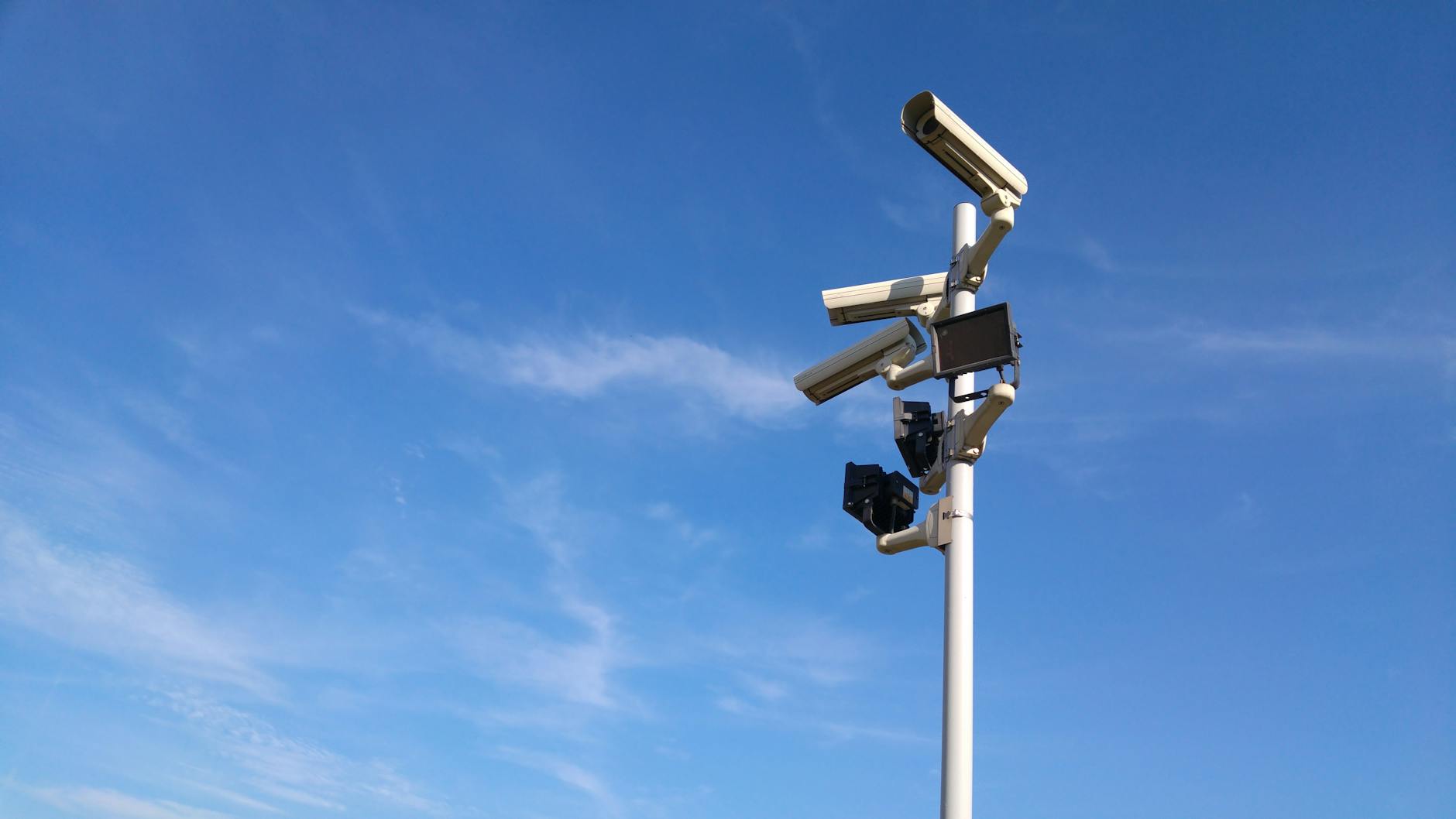
Conducting behavior that security staff reasonably interpret as reconnaissance for theft, including photographing security camera positions, testing alarm responses, measuring frames, or repeatedly visiting the same work while avoiding staff engagement, results in removal and typically a formal security incident report filed with relevant authorities. The behavior pattern associated with pre-theft reconnaissance is well documented in art security literature and is something that trained museum security personnel are specifically taught to recognize and respond to without alerting the subject before sufficient information has been gathered. Several significant museum thefts in recent decades were preceded by reconnaissance visits that were logged but not acted upon, a pattern that has led to significantly more proactive intervention protocols at institutions holding works of high market value. The threshold for what constitutes concerning versus ordinary visitor behavior is necessarily conservative in high-value collections, meaning that some entirely innocent behaviors can trigger security attention in contexts where the stakes are sufficiently high. Major institutions with particularly significant holdings operate security protocols that involve multiple agencies beyond the museum’s own staff, making the removal of suspicious visitors part of a broader intelligence-gathering framework rather than a simple conduct enforcement action.
Drunk Visiting
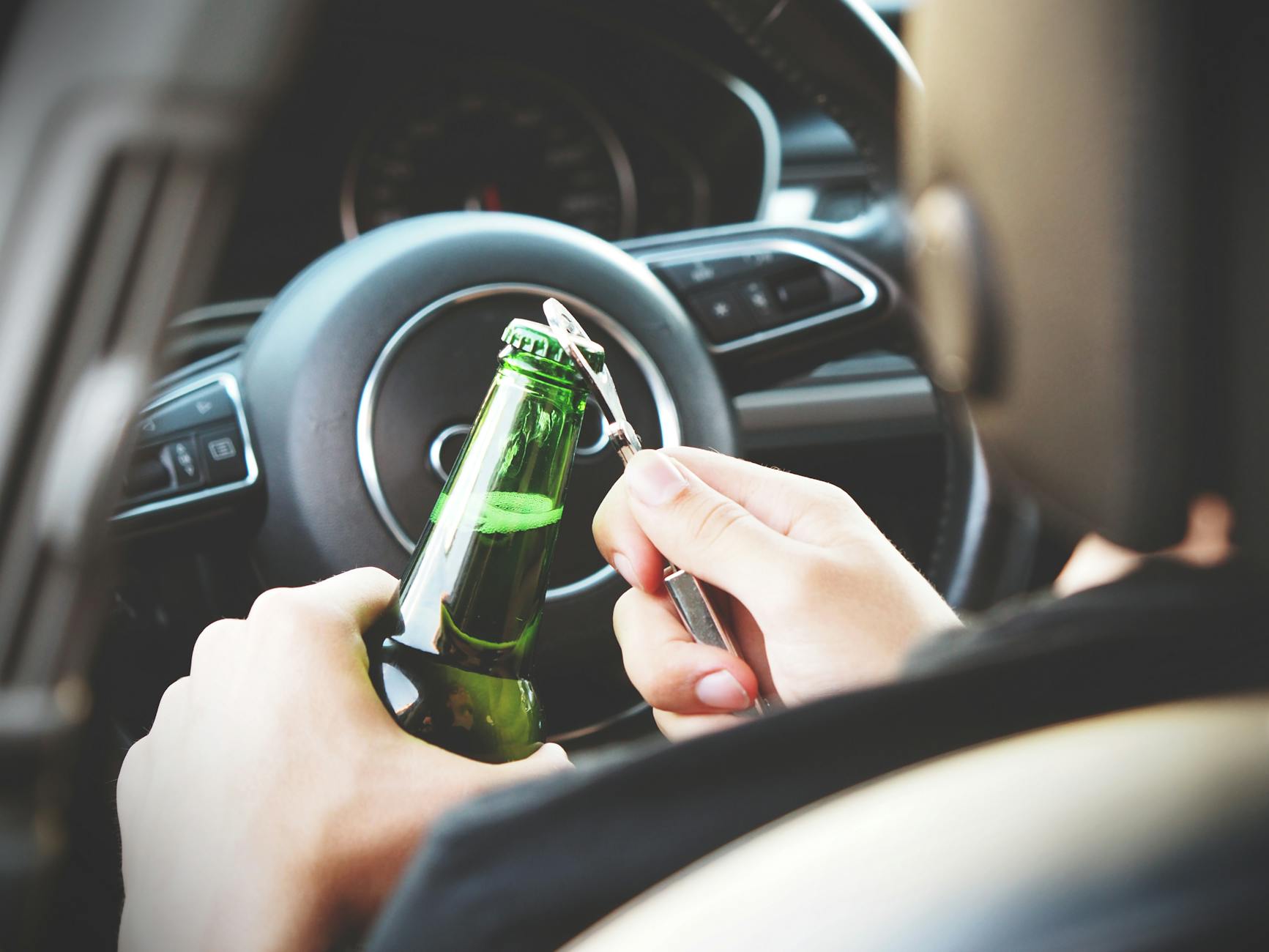
Arriving at a museum in a state of visible intoxication is addressed in the entry conditions of most major institutions and results in refusal of entry or removal when behavior associated with intoxication creates risk to the collection or other visitors. The combination of reduced spatial awareness, diminished impulse control, and increased likelihood of physical contact with works makes intoxicated visitors a significant conservation and safety concern that institutions treat as categorically different from other conduct violations. Museum staff responsible for making intoxication assessments at entry are typically given specific training in identifying relevant behavioral indicators rather than relying on subjective impression, as the institutional and legal stakes of incorrectly turning away a sober visitor are considerable. Several high-profile damage incidents at European museums have involved intoxicated visitors, and the resulting insurance and conservation costs have directly influenced the vigor with which entry assessment policies are now applied. The increasing prevalence of museum-hosted evening events featuring alcohol has led many institutions to implement specific conduct protocols for evening openings that differ from standard daytime visitor management approaches.
Disrespecting Staff
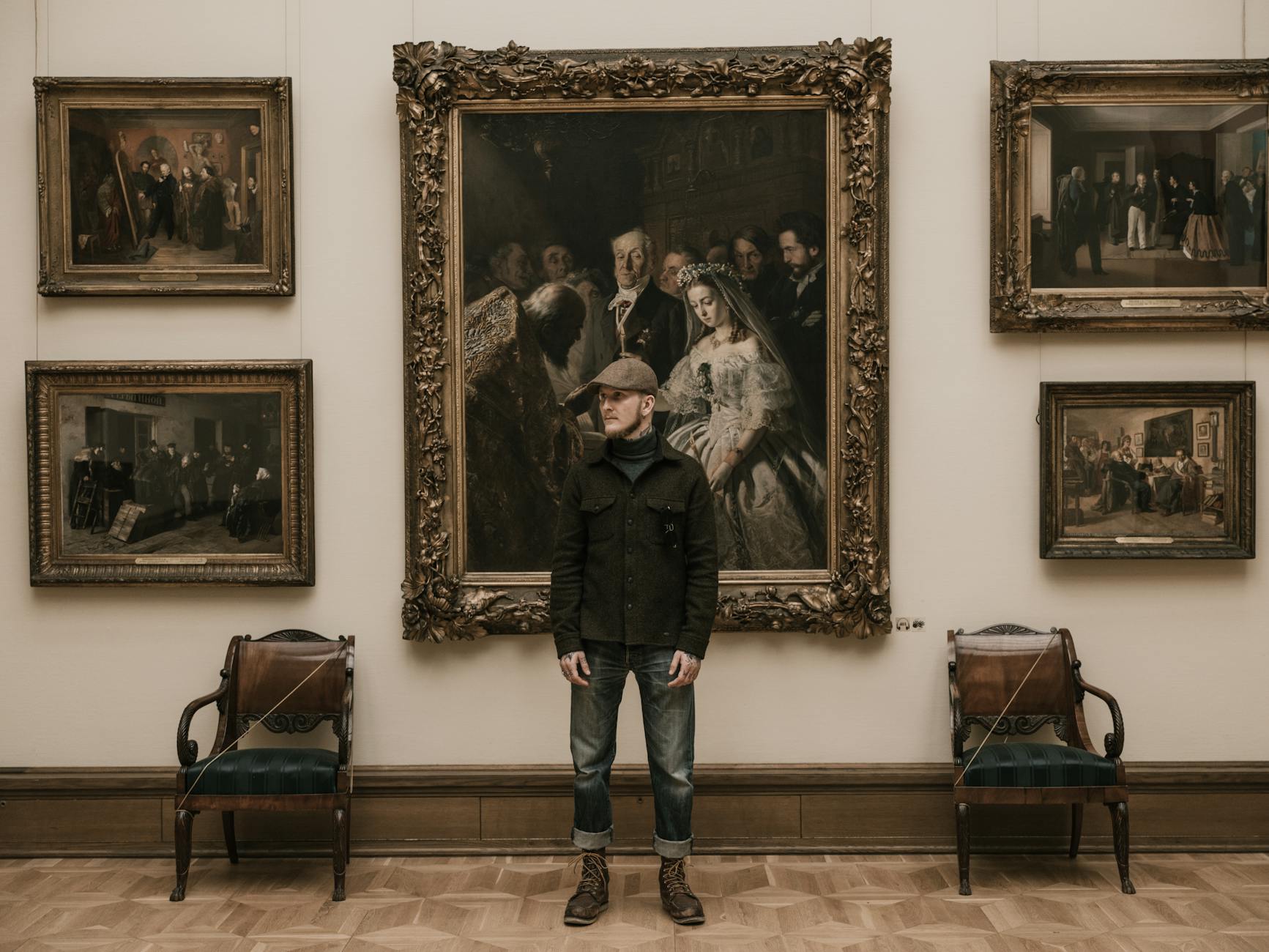
Directing verbally abusive, demeaning, or harassing behavior toward museum staff is addressed in the guest conduct frameworks of every major institution and results in removal with a reliability that cuts across all other conduct considerations. Museum front-of-house and security staff occupy a professional role that requires them to enforce conduct standards while maintaining a welcoming environment, a combination of responsibilities that creates significant interpersonal exposure over the course of a standard working day. Institutions have moved toward zero-tolerance frameworks for staff abuse following significant advocacy from hospitality and cultural sector unions whose research documented the psychological and professional costs of sustained verbal abuse for workers in visitor-facing roles. The removal of a visitor for staff abuse is handled differently from other conduct violations in most institutions, with a higher likelihood of a formal ban from future visits and written notification to the visitor rather than a simple escort to the exit. Museum directors at several major institutions have issued public statements in recent years affirming their commitment to staff protection, reflecting a cultural shift toward treating the worker experience in cultural spaces as a matter of institutional priority rather than an inevitable cost of public engagement.
Ignoring Emergency Exits
Propping open emergency exit doors, blocking fire exits with personal belongings, or attempting to use emergency exits as convenient shortcuts during a regular visit are behaviors that result in immediate removal as fire safety violations rather than conduct violations, carrying a different and more serious institutional weight. Emergency exit integrity is subject to regular inspection by fire safety authorities, and a visitor-caused compromise of these systems during an inspection can result in institutional consequences that extend well beyond the individual removal. The habit of propping open emergency doors for convenience is particularly common in museum loading dock and basement areas where visitors sometimes wander, creating security vulnerabilities alongside the fire safety concern. Security footage reviewed after incidents where visitors have interfered with emergency systems frequently shows that the behavior was not malicious but represented a complete failure to understand the function and importance of the infrastructure being manipulated. Fire safety trainers who work with cultural institutions note that the emergency exit interference behaviors seen in museums mirror those documented in commercial and retail spaces, suggesting a broad public education gap around fire safety infrastructure that extends well beyond the museum context.
Excessive Bargaining
Attempting to negotiate a reduced entry fee at the ticket desk through extended argument, aggressive comparison to competitor pricing, or repeated return visits to make the same case is a behavior that results in removal from the admissions area when it blocks access for other visitors and disrupts front-of-house operations. The pricing structures at major institutions reflect complex operational realities including conservation costs, staff wages, building maintenance, and subsidized access programs for specific demographics that are rarely visible in the headline ticket price. Ticket desk staff are not authorized to alter standard pricing in response to individual negotiation and have no mechanism to do so even when they might wish to accommodate a persistent visitor, making the extended argument a frustration exercise with no possible positive outcome for the visitor. Institutions that offer multiple pricing tiers, membership programs, and free access days provide legitimate channels for cost reduction that render the negotiation behavior both unnecessary and counterproductive. Museum operations managers note that extended admissions disputes create a queue dynamic that affects the experience of every visitor waiting behind the negotiating individual, making removal from the admissions area an operational necessity rather than a punitive response.
Kissing Artworks

Pressing lips against artworks or display cases in a gesture of affection or enthusiasm is a behavior that triggers immediate conservation concern and results in removal handled with particular urgency by security staff. Lip products including balms, glosses, and lipstick contain oils, waxes, and pigments that bond to porous surfaces with significant tenacity, and the biological material transferred through direct lip contact introduces organic compounds that attract microorganisms capable of causing ongoing degradation. Several documented incidents at major European museums have involved lip print transfers onto glazed ceramic surfaces and painted canvas that required specialist conservation intervention to address without damaging the original. The behavior typically occurs in front of works depicting subjects the visitor finds personally compelling, most commonly portrait works and figurative sculptures, and appears to be driven by genuine emotional response rather than disregard for the work’s preservation. Conservation staff who have managed these incidents note that the removal of lip products from historic surfaces is among the most technically delicate interventions in standard practice, requiring solvents calibrated to the specific binder chemistry of the underlying original paint layer.
The next time you visit a cultural institution, share this list in the comments and let us know which behavior surprised you most.