Navigating the storm of a child’s anger requires immense patience and careful selection of language. Parents often react instinctively to outbursts with phrases that may inadvertently escalate the situation or invalidate the child’s feelings. The words used during these vulnerable moments play a significant role in shaping how children learn to regulate their emotions and trust their caregivers. Understanding which statements to avoid helps in maintaining a connection while teaching healthy emotional processing. This list explores common phrases that can hinder emotional growth and offers context on why they are counterproductive.
Stop Crying Right Now

Demanding that a child cease crying ignores the biological function of tears as a necessary stress release mechanism. This command sends a message that negative emotions should be suppressed immediately rather than processed naturally. Children often lack the neurological maturity to simply switch off their emotional response on command during a moment of distress. It forces them to hide their true feelings to please the parent rather than working through the problem.
You Are Acting Like A Baby

Comparing a distressed child to a baby uses shame as a disciplinary tool and attacks their sense of self-worth. This phrase fails to address the underlying cause of the anger and simply criticizes the method of expression. It can cause regression in behavior as the child feels misunderstood or belittled by the adult they trust. Constructive guidance focuses on the specific behavior without attacking the child’s maturity level or character.
Because I Said So

This classic response shuts down communication and creates a power dynamic based solely on authority rather than logic. It misses a valuable opportunity to teach the child the reasoning behind a decision or rule. Children are more likely to comply and stay calm when they understand the context of the limitation being placed on them. Using this phrase often leads to increased frustration and power struggles in the future.
You Are Being So Difficult

Labeling a child as difficult internalizes a negative character trait that they may begin to accept as their identity. This statement shifts the focus from a temporary challenging behavior to a permanent flaw in the child’s personality. It creates a self-fulfilling prophecy where the child continues to act out because they believe they are inherently troublesome. Addressing the specific behavior is far more effective than applying a broad negative label.
It Is Not A Big Deal

Minimizing the source of a child’s anger teaches them to doubt their own perceptions and emotional responses. What seems trivial to an adult can feel catastrophic to a child with a limited worldview and experience. Dismissing their pain creates an emotional distance and discourages them from sharing their feelings in the future. Validation helps them move through the emotion faster than dismissal does.
I Will Give You Something To Cry About

Threatening physical punishment or manufactured distress instills fear rather than teaching emotional regulation. This aggressive stance escalates the child’s fight or flight response and completely erodes the sense of safety. It teaches the child that intimidation is an acceptable way to handle conflict and frustration. The focus shifts from the original issue to a fear of the parent.
Look At How Well Your Sibling Is Behaving

Comparing siblings breeds resentment and rivalry rather than inspiring better behavior. The angry child feels rejected and judged while the other sibling is placed on a pedestal. This tactic damages the relationship between the siblings and lowers the self-esteem of the child who is struggling. Each child develops at their own pace and requires individual attention to their specific emotional needs.
You Are Overreacting

Telling a child they are overreacting judges their emotional experience through an adult lens. High emotional sensitivity is common in developing brains that have not yet mastered regulation. This phrase suggests that their feelings are wrong or excessive and leads to confusion about how to express themselves properly. Acknowledging the intensity of their feelings helps them feel seen and eventually calm down.
Go To Your Room Until You Are Happy

Isolating a child during an emotional crisis teaches them that their love and acceptance are conditional on positive behavior. It reinforces the idea that they must deal with difficult emotions alone without parental support. This can lead to a fear of abandonment or a tendency to withdraw when they are struggling later in life. Connection and co-regulation are usually required before a child can successfully reset their mood.
Just Get Over It

Expecting a child to instantly move past a strong emotion is unrealistic and disregards the time needed for hormonal regulation. This dismissal ignores the process of recovery that follows an angry outburst. It teaches the child that their problems are burdens to others and should be ignored. Emotional resilience is built through processing feelings rather than bypassing them.
I Am Leaving Without You

Threatening abandonment triggers a primal fear in children and induces panic rather than obedience. This tactic forces compliance through trauma rather than understanding or respect. It undermines the secure attachment that serves as the foundation for a child’s independence and confidence. The child learns to obey out of terror of being left alone rather than understanding the rules.
You Are Embarrassing Me

Making the situation about the parent’s feelings shifts the responsibility for the adult’s emotional state onto the child. This creates a burden of guilt and teaches the child to prioritize appearances over their own emotional truth. It ignores the child’s distress in favor of social perception. The focus during a tantrum should remain on guiding the child rather than managing public opinion.
Big Boys Do Not Cry
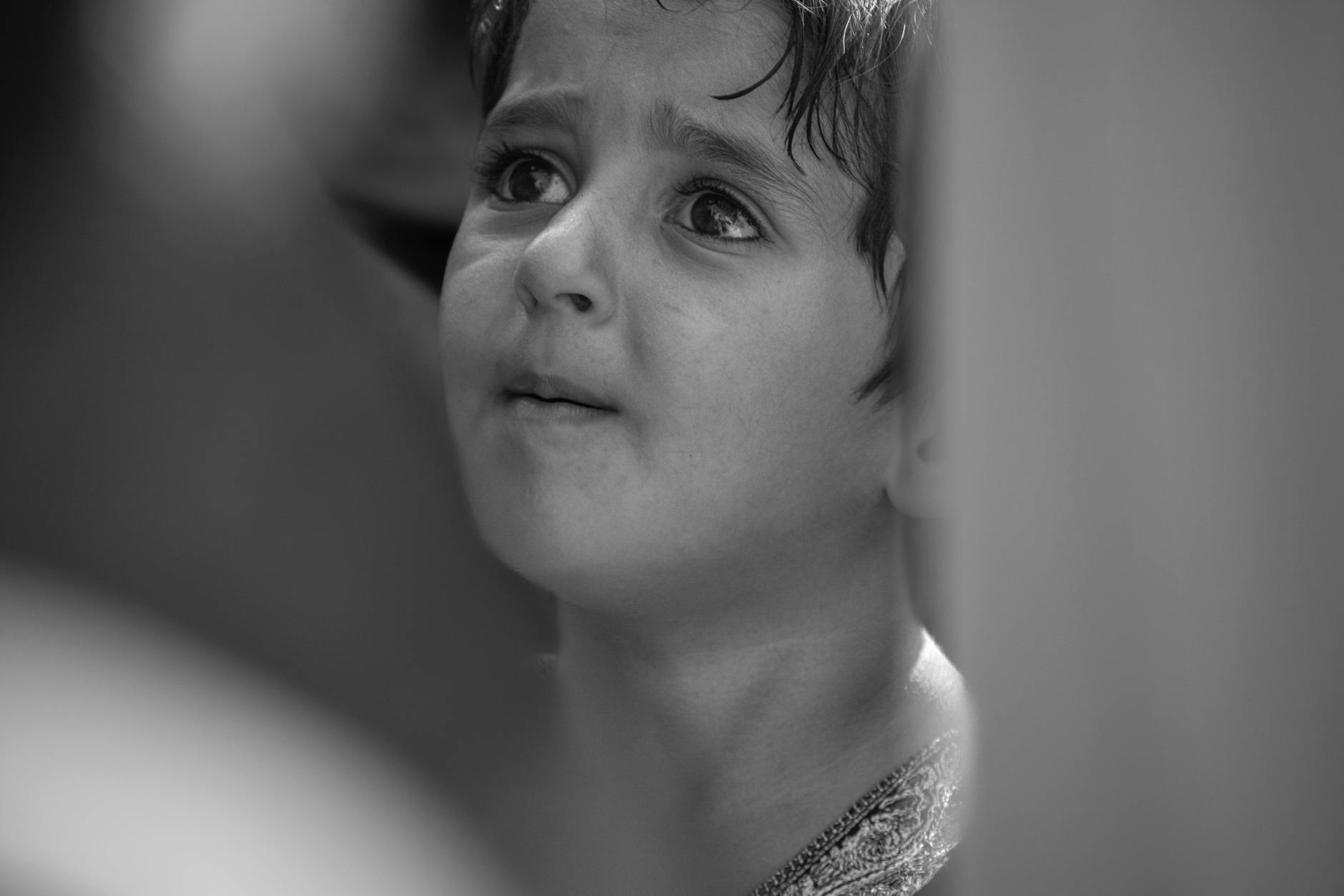
Gendered shaming restricts a male child’s emotional range and teaches him to suppress vulnerability. This toxic message suggests that sadness or frustration are signs of weakness rather than human experiences. It contributes to long-term difficulties in emotional expression and relationship building. All children need permission to express a full spectrum of emotions without fear of judgment.
I Am Done With You

Expressing total withdrawal or resignation signals a breakdown in the caregiver relationship. This phrase can feel like a complete rejection of the child’s existence and creates deep insecurity. It implies that the parent’s love has a limit and that the child has crossed it. Consistency and unconditional support are vital even during the most challenging behavioral moments.
You Are Making Me Sad

Blaming the child for the parent’s emotions reverses the caregiver role and places undue weight on small shoulders. Children are not responsible for regulating the emotions of the adults around them. This manipulation uses guilt as a control mechanism and can lead to codependent tendencies. Parents must model emotional stability regardless of the child’s behavior.
Stop Being So Dramatic

labeling emotional expression as drama invalidates the intensity of what the child is feeling. It mocks their attempt to communicate the depth of their frustration or disappointment. This dismissal often leads to louder and more intense outbursts as the child tries harder to be heard. Respecting their perspective helps deescalate the situation more effectively.
No One Else Is Upset About This

Isolating the child by pointing out they are the only one angry creates feelings of shame and alienation. It suggests that their reaction is abnormal or “crazy” compared to the group. This social pressure rarely calms a child and instead increases their defensiveness. Validation of their unique experience is necessary before they can align with the group.
You Are Being Bad

Labeling the child as “bad” conflates their identity with their temporary behavior. This attacks their self-esteem and can lead them to believe they are incapable of being “good.” It is crucial to distinguish between a mistaken action and the child’s inherent worth. Correction should always focus on the specific choice made rather than the child as a person.
I Will Buy You A Toy If You Stop

Bribery teaches children that bad behavior is a transactional tool to get rewards. It fails to address the underlying emotion or teach any coping skills for the future. The child learns to manufacture or prolong tantrums to extract value from the parent. True regulation comes from internal calming mechanisms rather than external material rewards.
You Are Just Tired

While fatigue is often a contributing factor to anger, stating it dismissively invalidates the immediate trigger. It tells the child that their current grievance is not real or worthy of consideration. Even if they are tired, the emotion they feel is real to them in that moment. Addressing the feeling first is necessary before addressing the physical need for rest.
Don’t You Dare Speak To Me Like That

Focusing strictly on the tone or volume during a meltdown prioritizes compliance over connection. While respect is important, a child in the throes of anger often lacks the cortical control to modulate their voice. This power struggle distracts from the root cause of the conflict. De-escalation usually results in a more respectful tone naturally once the child is calm.
Wait Until Your Father Gets Home

Deferring discipline to another parent undermines the authority of the parent present and creates unnecessary anxiety. It leaves the child in a state of suspended dread which prevents them from moving on or correcting the behavior. It also sets up the other parent as the “bad guy” before they even walk through the door. Immediate and calm guidance is far more effective than delayed punishment.
I Don’t Care What You Want

Dismissing a child’s desires completely tells them that their needs and preferences are irrelevant. This autocratic approach breeds resentment and feelings of powerlessness. While parents cannot always grant wishes, acknowledging the want shows respect for the child’s autonomy. Understanding validates the child even when the answer is still no.
You Ruin Everything

Using catastrophic language creates deep shame and suggests the child is a destructive force in the family. This is one of the most damaging things a parent can say as it attacks the child’s core goodness. It places the blame for general family stress entirely on the child. Such heavy accusations can have lasting impacts on self-image and mental health.
Why Can’t You Be Normal

Asking a child to be “normal” implies that they are inherently flawed or defective. It sets up an undefined standard of perfection that the child feels they can never reach. This phrase highlights the parent’s disappointment rather than offering support. Acceptance of the child’s unique temperament is essential for building trust.
Stop Acting Crazy

Using ableist slurs or calling a child crazy gaslights them into doubting their mental stability. It frames their strong emotions as a sign of pathology rather than a developmental stage. This label creates a stigma around expressing intense feelings. Children need to know that big feelings are safe and manageable.
It Is All Your Fault

Placing total blame on a child for a conflict often ignores the complex dynamics of the situation. It forces the child to carry the full weight of the problem and absolves the parent of their role in the escalation. This prevents the child from learning about shared responsibility and conflict resolution. A more collaborative approach teaches problem-solving skills.
You Are Impossible

Declaring a child impossible suggests that there is no solution to their behavior and that they are a lost cause. This fixed mindset discourages effort from both the parent and the child to improve things. It signals a giving up of hope which the child can sense and internalize. Growth mindset language focuses on the potential for change and learning.
You Look Funny When You Are Mad

Mocking a child’s physical appearance during a moment of anger is humiliating and cruel. It minimizes their distress and turns their pain into a source of entertainment for the adult. This betrayal of trust causes the child to close off and hide their feelings. Anger should be met with empathy rather than ridicule.
Shut Up

This aggressive command silences the child without teaching them how to communicate effectively. It models rude and disrespectful behavior that the child is likely to mimic. It creates an environment where force is used to end conversations rather than dialogue. Listening to the child is the first step in helping them regulate.
There Is Nothing To Be Afraid Of

Denying a child’s fear when it manifests as anger prevents them from processing the threat they perceive. Anger is often a secondary emotion covering up underlying anxiety or insecurity. Dismissing the fear leaves the child alone with the scary feeling. Acknowledging the fear helps the anger dissipate naturally.
You Always Do This

Using absolute terms like “always” or “never” creates a negative narrative that the child feels trapped in. It ignores the times when the child has behaved well or made progress. This generalization makes the child feel that their efforts to improve go unnoticed. Specific feedback is more actionable and encouraging than broad generalizations.
I Will Throw Your Toys Away

Threatening to destroy a child’s possessions creates a sense of insecurity and violates their property rights. It is a retaliation tactic that has no logical connection to most behaviors. This teaches the child that power allows you to destroy things belonging to others. Logical consequences should be related to the behavior and respectful.
Act Your Age

Telling a child to act their age is often a demand for them to act older than they are capable of in that moment. Regression is a normal response to stress and anger even for adults. It sets an unrealistic expectation that ignores the child’s developmental reality. Patience requires meeting the child where they are emotionally.
I Will Never Forgive You

Stating that forgiveness is withheld destroys the unconditional bond between parent and child. It uses the relationship as a weapon and creates deep emotional scars. Children need to know that mistakes are part of learning and that the relationship can be repaired. Reassurance of love is vital even after a conflict has occurred.
Please share your own experiences with mindful parenting language in the comments.




