
Savvy travelers know that the most useful advice rarely makes it into glossy guidebooks or curated travel blogs. The tips that actually save money and unlock authentic experiences are the ones passed between locals at kitchen tables and neighborhood bars. These unconventional strategies challenge the conventional wisdom sold to tourists and replace it with practical knowledge that residents rely on every day. Some of these approaches may feel uncomfortable at first but they consistently deliver results for those willing to step outside their comfort zone. Whether traveling solo or with a group these insider methods can dramatically reduce costs while improving the overall quality of the experience.
Shoulder Season Timing

Traveling in the weeks just before or after peak season offers a powerful combination of good weather and dramatically reduced prices. Hotels that charge premium rates in July and August often drop their prices by thirty to fifty percent in late September or early May. Crowds thin out considerably during shoulder season making popular attractions far more enjoyable and accessible. Locals tend to prefer these quieter months themselves and often find the experience more representative of everyday life in the destination. Flight prices during these windows can also fall significantly compared to the rates tourists typically pay when booking in peak periods.
Street Market Shopping
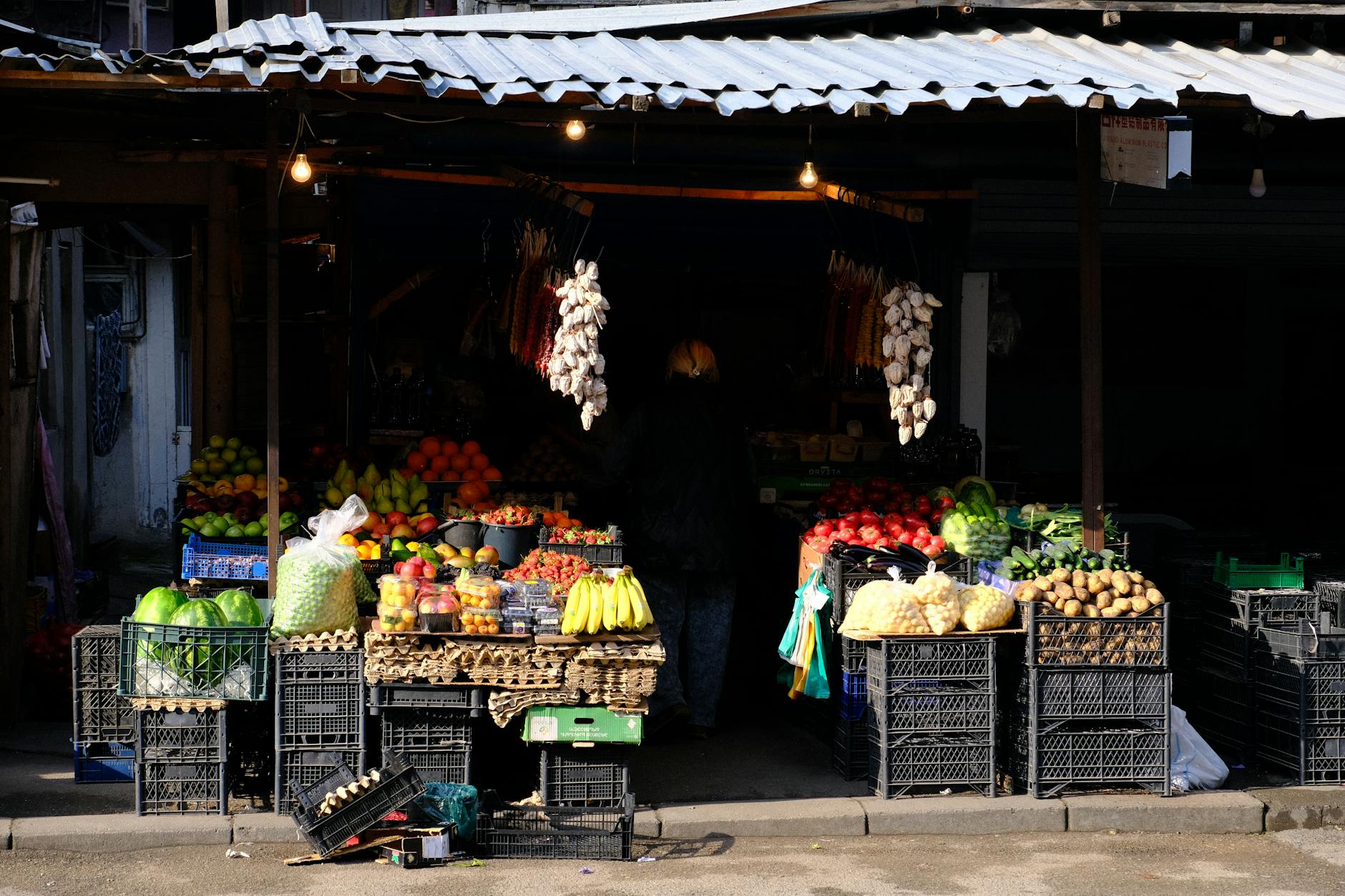
Local street markets are where residents do the majority of their everyday grocery and household shopping and prices reflect that reality. Tourists who wander into these spaces rather than visiting polished market halls designed for visitors will find dramatically lower prices on fresh produce and prepared food. Vendors at neighborhood markets are less accustomed to inflating prices for outsiders and genuine haggling opportunities present themselves more naturally. Eating a full meal assembled from street market stalls can cost a fraction of what a sit-down restaurant charges for a comparable spread. Visiting early in the morning ensures the best selection while visiting near closing time often yields deep discounts as vendors clear remaining stock.
Supermarket Dining
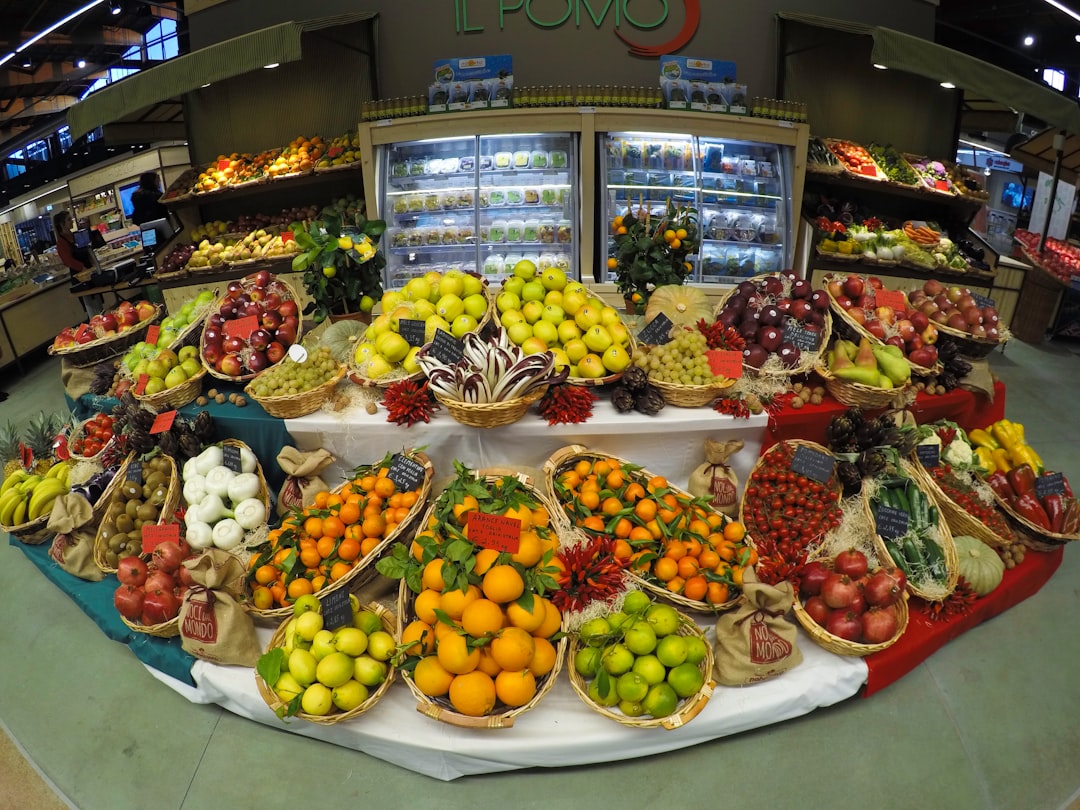
Locals in expensive cities have long relied on supermarket prepared food sections as a practical and affordable alternative to restaurants. High-quality deli counters and hot food bars in European supermarkets in particular offer freshly made dishes at a fraction of restaurant prices. Many supermarkets in tourist-heavy cities reduce prepared food prices significantly in the final hours before closing to avoid waste. Eating a supermarket dinner while saving restaurant visits for one or two special meals is a habit that local workers and students rely on consistently. The quality of supermarket food has improved substantially in recent years making this a genuinely satisfying rather than merely economical choice.
Local SIM Cards

Purchasing a local SIM card upon arrival is a practice that residents take for granted but that tourists frequently overlook in favor of expensive international roaming plans. A local prepaid SIM typically provides generous data allowances at a fraction of what home carriers charge for international packages. With a working local number and data connection navigating public transit systems and finding neighborhood restaurants becomes significantly easier. Many local SIM cards can be purchased at airport convenience stores or nearby phone shops within minutes of landing. Skipping roaming charges for even a ten-day trip can save enough money to cover several additional meals or a day excursion.
City Bike Rentals
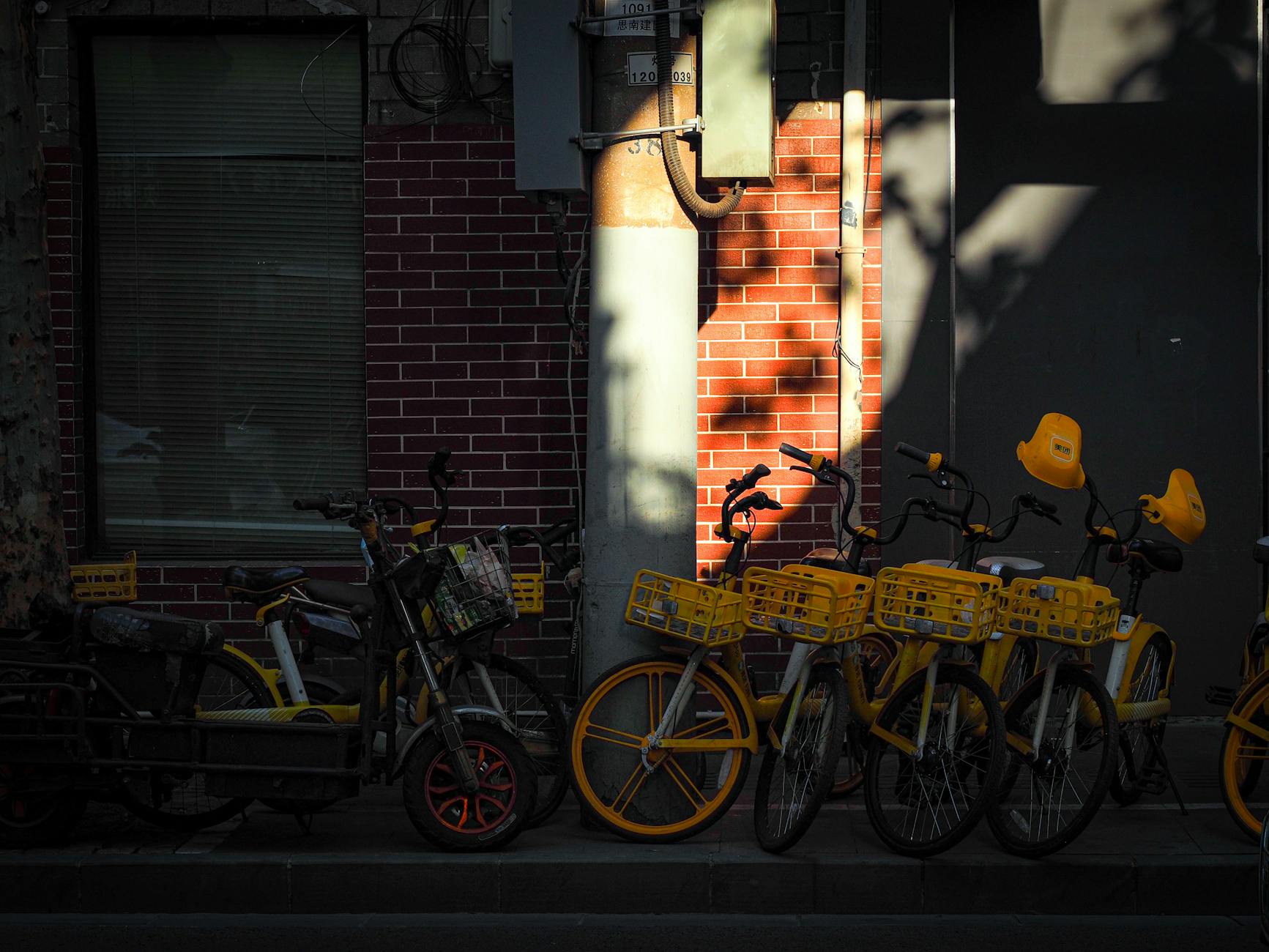
Residents of most major cities rely on bike-sharing schemes and municipal cycling infrastructure as a practical daily transportation option. Short-term passes for these systems cost a fraction of taxi fares and allow travelers to cover significant distances efficiently. Cycling through neighborhoods rather than riding transit gives a far more textured and authentic view of how a city actually functions. Locals often use cycling as their default option for trips of under five kilometers making it a genuinely practical rather than merely scenic choice. Many cities have invested heavily in dedicated cycling lanes and infrastructure making this a safe and fast alternative even for unfamiliar visitors.
Free Museum Days

Most major museums and cultural institutions offer free admission on at least one day or evening per week and locals plan their visits accordingly. These free access periods are rarely advertised prominently in tourist literature because they reduce revenue from visitor admissions. Residents of cities with major museum collections often time their visits specifically around these windows as a matter of habit. Some institutions offer free admission to all visitors during certain hours while others limit the offer to local residents or students. Researching the free admission schedules for a destination before departure can eliminate what would otherwise be a significant line item in a travel budget.
Neighborhood Lunch Spots

Restaurants located within walking distance of office districts and residential neighborhoods rather than tourist centers operate under entirely different pricing models. These establishments depend on repeat business from local workers and residents rather than one-time visitors and they price accordingly. A lunch special at a neighborhood restaurant can cost sixty to seventy percent less than an equivalent meal at a tourist-facing establishment a few streets away. The food at these spots is frequently more representative of everyday local cuisine than the adapted versions served in tourist-oriented restaurants. Following groups of office workers at lunchtime is a reliable and time-tested method for finding these genuinely affordable options.
Overnight Trains

Booking overnight train journeys between destinations is a strategy that budget-conscious European and Asian travelers have relied on for generations. The cost of a sleeper berth is often comparable to or lower than a daytime seat on a high-speed rail service covering the same route. Travelers effectively combine transportation and accommodation costs into a single expense while arriving at their next destination rested and ready. Locals who travel regularly between cities often default to overnight services specifically because of the economic efficiency they offer. Booking these services several weeks in advance through national rail websites rather than third-party aggregators typically yields the lowest available fares.
Hostel Common Rooms

The common rooms and shared kitchens of well-run hostels serve as informal information exchanges where budget travelers and locals share up-to-date practical advice. Tips shared in these spaces are often more current and specific than anything found in published travel guides or online review platforms. Hostel staff members are frequently locals who are happy to recommend genuinely affordable neighborhood options that do not appear in tourist literature. The networks formed in hostel common rooms have connected travelers with free accommodation offers home-cooked meals and guided neighborhood walks arranged informally between guests. Even travelers who do not stay in hostels can sometimes access these spaces by purchasing a meal or a drink at the affiliated cafe.
Tap Water Testing

Locals in most developed and many developing countries drink tap water without hesitation and travelers who follow suit eliminate a recurring daily expense. A reusable water bottle combined with confirmed knowledge that tap water is safe to drink can save a meaningful amount over a two-week trip. Many cafes and restaurants in cities with safe tap water will refill bottles without charge when asked directly. The environmental benefit of avoiding single-use plastic bottles aligns with the increasingly mainstream values of local residents in many destinations. Researching tap water safety before departure takes minutes and can inform a habit that pays consistent dividends throughout the trip.
Housing Swaps

Home exchange platforms allow homeowners to swap their residence with verified members in other cities for free accommodation during the period of the exchange. This practice is well established among professionals and retirees in Europe and North America who travel regularly without incurring accommodation costs. Participating in a home exchange provides access to full kitchen facilities a washing machine and neighborhood amenities that hotel stays cannot replicate. The vetting process used by established exchange platforms creates sufficient trust between participants to make this arrangement practical and widely used. For travelers who own property this approach effectively reduces the cost of international travel to little more than flights and daily expenses.
Cash Payments

Many small restaurants cafes and family-run businesses in tourist destinations operate more efficiently on cash and will offer informal discounts to customers who pay without creating a card transaction. This practice reflects the real operating costs that merchants face from payment processing fees rather than any attempt to avoid oversight. Locals who frequent neighborhood establishments often maintain this payment habit as a matter of course and benefit from the flexibility it creates. Carrying a modest amount of local currency converted at airport bank counters or local ATMs rather than through hotel exchange desks minimizes unnecessary fees. The discount offered for cash payment is rarely advertised but asking politely and directly is generally met with a straightforward response.
Apartment Rentals
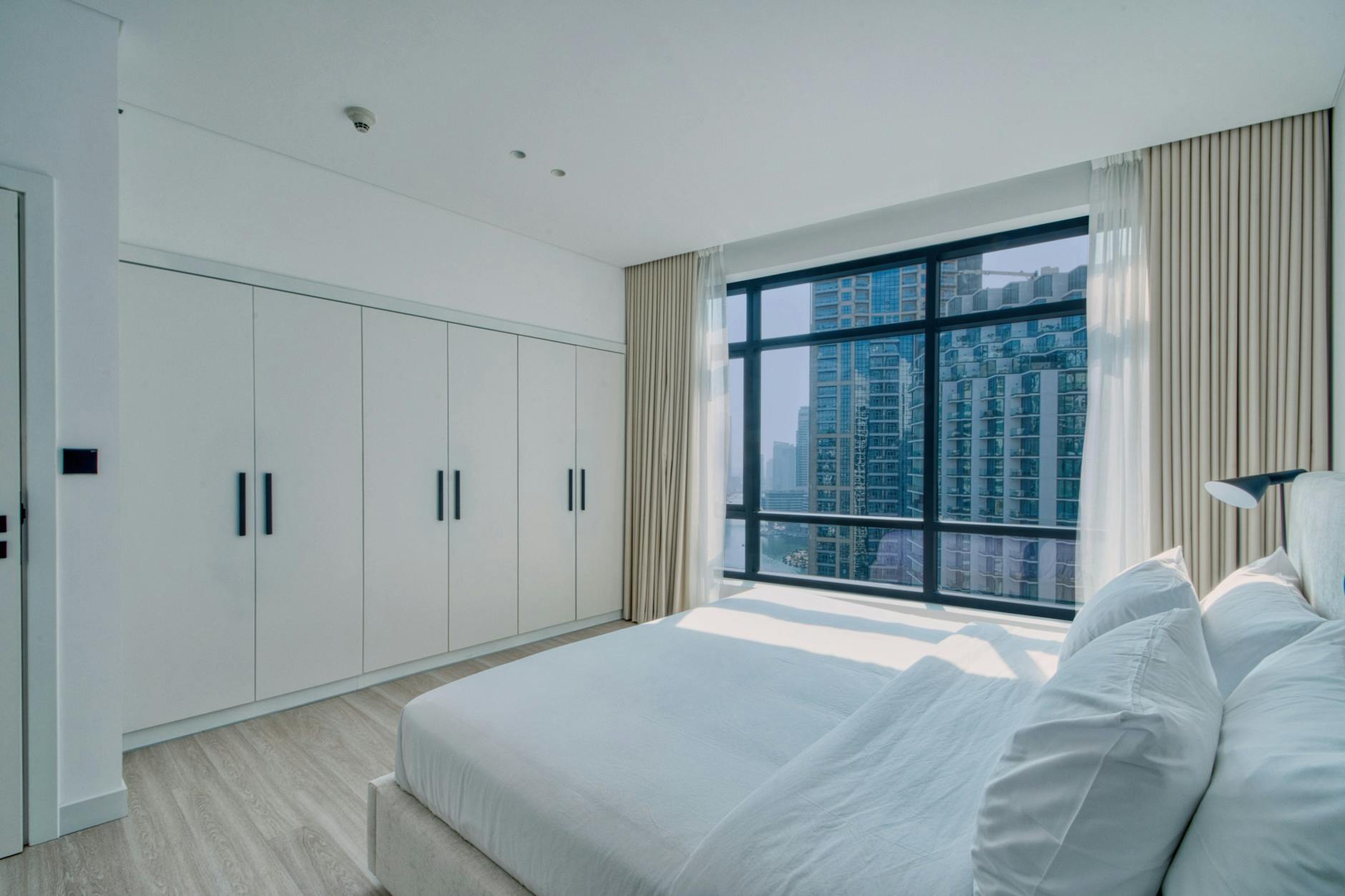
Renting a private apartment for stays of a week or longer through peer-to-peer platforms consistently costs less per night than equivalent hotel accommodation in most major cities. Local residents are the primary users of these platforms when hosting and the properties reflect genuine neighborhood living rather than sanitized hotel aesthetics. Access to a kitchen allows travelers to prepare their own breakfasts and occasional dinners which eliminates several daily meal expenses. Apartment rentals in residential neighborhoods rather than tourist centers place travelers within walking distance of local supermarkets cafes and transit options. Longer stays often qualify for significant weekly discounts that reduce the nightly rate further below hotel market prices.
Early Airport Arrivals
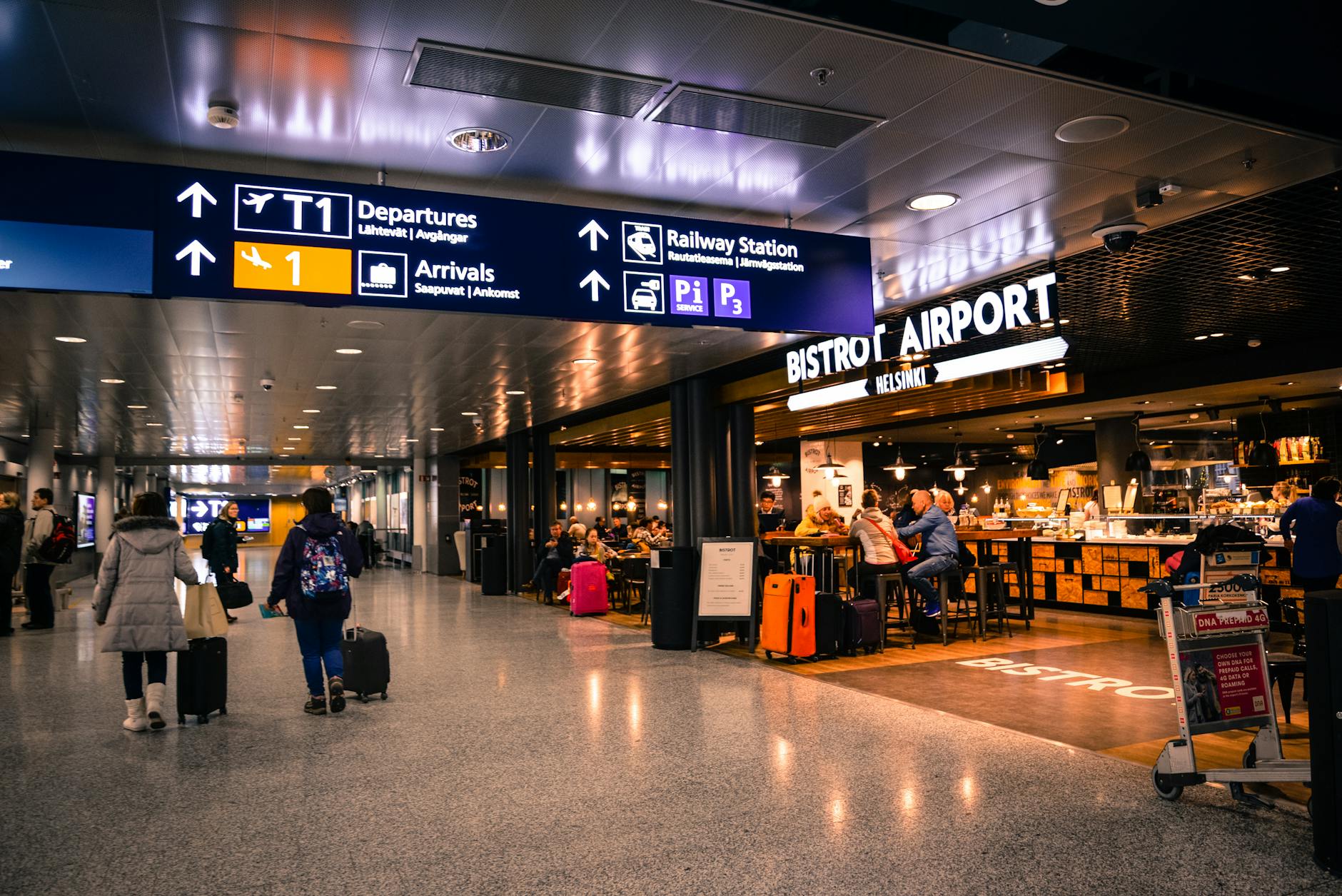
Arriving at airports several hours before departure on the day of travel is a habit among frequent local travelers who know how to access discounted last-minute airport dining deals. Many airport food vendors reduce prices substantially in the final hour before closing or during quiet morning hours to manage inventory. Business lounges at certain airports can be accessed through day passes purchased directly or through credit card travel benefits that many holders are unaware of. Locals who travel through their home airports frequently know the specific vendors and time windows when pricing drops and plan accordingly. This same principle applies to railway station food vendors where timing purchases strategically can yield meaningful savings.
Student Discounts

Student pricing is available at an enormous range of museums galleries transit systems and cultural events in cities around the world and the verification process is often minimal. Young travelers carrying a valid student card from any recognized institution routinely receive these reductions without difficulty regardless of the country issuing the card. Some cities offer youth cards or culture passes to any visitor under a certain age that unlock bundled discounts across dozens of participating venues. Locals who are students use these benefits as a matter of routine and view paying full price as an unnecessary expense. Even travelers who are not currently enrolled sometimes benefit from youth-based pricing tiers that extend to ages well above typical student years.
Local Facebook Groups

Community Facebook groups and neighborhood forums for specific cities and districts contain information that no travel guide captures because it is continuously updated by actual residents. Expat groups and local community boards in popular travel destinations frequently feature threads discussing current deals seasonal events and temporary closures. Travelers who join these groups before departing and ask specific questions typically receive detailed and genuinely helpful responses within hours. Information about free outdoor concerts temporary pop-up food markets and neighborhood festivals circulates through these channels weeks before any tourist platform becomes aware. Accessing this real-time community knowledge requires only a few minutes of research and group join requests before departure.
Happy Hour Timing

Local residents who frequent bars and restaurants in tourist-heavy cities are acutely aware of the happy hour windows that establishments use to attract neighborhood traffic during slower afternoon periods. These promotions are often not listed on tourist-facing websites and are most reliably discovered by asking staff directly or observing chalkboard specials at the entrance. Drinks during happy hour in major European and American cities can cost forty to sixty percent less than standard evening prices at the same establishment. Food promotions accompanying drinks specials during these hours often include high-quality bar snacks or reduced-price appetizers that constitute a satisfying early dinner. Timing the main social activity of the evening around these windows rather than after them is a habit that local regulars maintain without giving it a second thought.
Tourist Tax Awareness
Many cities and countries have introduced or increased tourist accommodation taxes in recent years as a way of managing visitor numbers and generating municipal revenue. Locals who work in hospitality are often aware that certain property types booking windows and accommodation categories are exempt from or subject to lower rates of this tax. Booking directly with independent hotels or family-run guesthouses rather than through major aggregator platforms sometimes avoids additional platform service fees that compound the total cost. Some cities apply tourist taxes only to bookings made through certain channels and direct bookings circumvent this entirely. Understanding the specific tax structure of a destination before confirming accommodation allows travelers to make more cost-effective booking decisions.
Public Beach Access

Paid beach clubs and sun lounger rental services are heavily marketed to tourists in Mediterranean and tropical destinations but locals typically know which stretches of public beach offer free access and equivalent conditions. In most European countries beach access below the high-water mark is legally mandated to remain public regardless of what private operators establish above it. Residents of coastal cities carry their own towels and equipment as a matter of habit and select the free public sections of well-known beaches without difficulty. The quality of the swimming water and the scenery at these public sections is identical to what paid facilities offer for premium prices. Identifying the free-access sections of popular beaches requires only a brief look at local municipal websites or a direct question to any resident of the nearest neighborhood.
Have a controversial budget travel tip that locals swear by? Share it in the comments!




