Microwave ovens offer incredible convenience for modern households but they are not suitable for every type of food. Certain items undergo chemical changes that can affect flavor or nutritional value when exposed to microwave radiation. Texture often suffers significantly and results in rubbery or soggy leftovers that are unappetizing. There are also genuine safety risks regarding bacterial growth and superheating liquids. Understanding which foods to avoid can protect your health and save your appliances from messy accidents.
Hard-Boiled Eggs

Steam builds up inside the shell or even the peeled white of a cooked egg. The structural integrity fails rapidly under internal pressure during the reheating process. This often results in a dangerous explosion either inside the oven or right when you bite into it. It is safer to slice the egg first or warm it gently in hot water.
Breast Milk

Microwaves heat unevenly and create dangerous hot spots that can burn a baby’s mouth. The intense heat also destroys valuable immune-boosting proteins and vitamins essential for infant health. FDA guidelines specifically advise against this method for warming bottles due to these risks. A warm water bath remains the gold standard for preserving nutrients and ensuring safety.
Processed Meats

Preservatives found in bacon and sausages undergo chemical changes when exposed to microwave radiation. Research suggests this process may contribute to the formation of cholesterol oxidation products. These compounds have been linked to coronary heart disease development and other inflammatory issues. It is advisable to heat these items on a stovetop or in an oven instead.
Rice

Raw rice can contain spores of Bacillus cereus that survive the initial cooking process. If rice sits at room temperature too long before reheating these spores can grow into bacteria. Microwaving does not always kill these toxins effectively enough to prevent food poisoning. Eating cold rice or strictly managing storage temperatures is crucial for safety.
Leafy Greens

Spinach and kale contain high concentrations of naturally occurring nitrates. High heat from the microwave can convert these nitrates into nitrosamines. Some studies identify nitrosamines as carcinogenic compounds that should be avoided. Steaming or sautéing these vegetables preserves their integrity better than zapping them.
Chicken

Reheating chicken often leads to uneven cooking that leaves cold spots where bacteria survive. The protein density changes rapidly and results in a tough or rubbery texture. Salmonella is a specific concern if the meat was not cooked thoroughly the first time. Lower heat methods help maintain moisture and ensure safety throughout the cut.
Mushrooms

Proteins in mushrooms deteriorate rapidly once cooked and stored improperly. Reheating them can cause stomach upset or digestive issues due to complex protein breakdown. They are best eaten immediately after preparation to avoid these complications. If necessary gentle warming on the stove is preferred over the intense blast of a microwave.
Hot Peppers
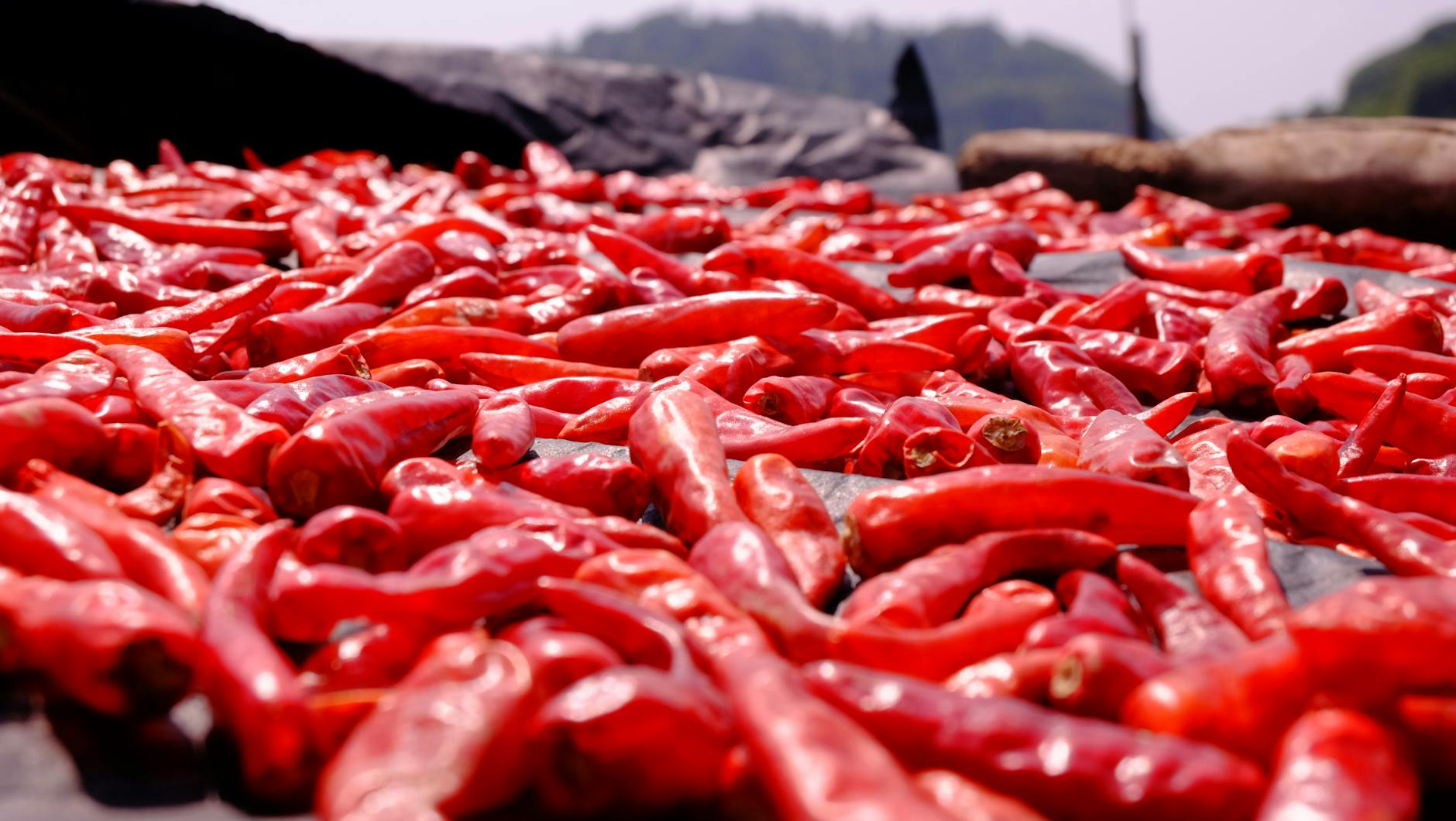
The capsaicin responsible for the heat in peppers vaporizes when microwaved. Opening the door releases these fumes which can burn your eyes and throat similarly to pepper spray. This airborne chemical reaction turns your kitchen into a hazardous environment. Roasting peppers in an oven avoids this painful respiratory irritation.
Potatoes

Botulism bacteria can thrive in foil-wrapped potatoes left at room temperature. Microwaving often fails to reach temperatures high enough to kill this specific bacteria. The texture also tends to become dry or leathery rather than fluffy. Baking or sautéing leftovers ensures both safety and a palatable consistency.
Grapes
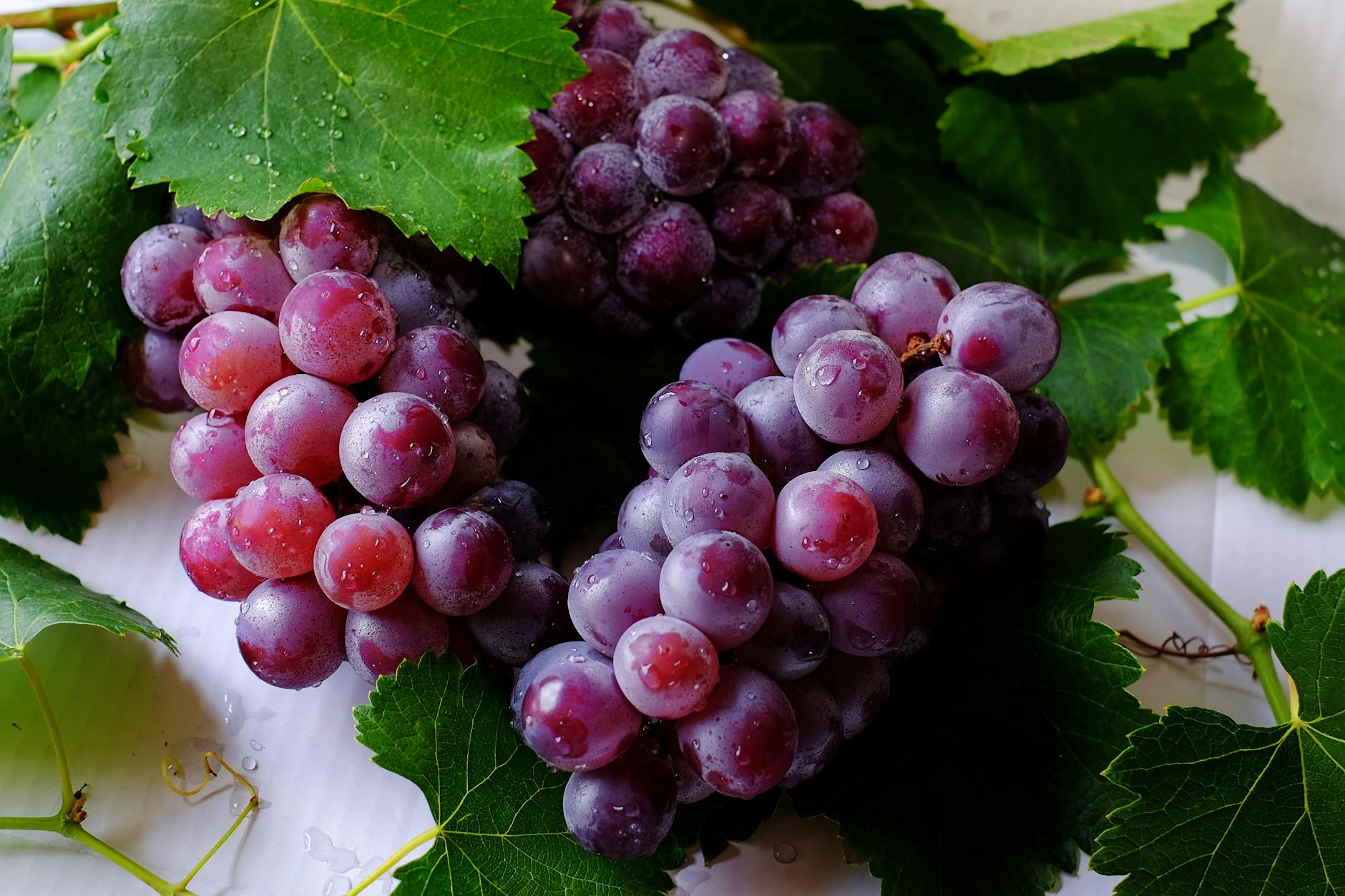
The spherical shape and skin properties of grapes act as an antenna for microwave energy. This focuses the waves and creates plasma arcs that can ruin your appliance. Watching fruit ignite is dangerous and creates a significant fire hazard in the kitchen. Fresh fruit should generally be kept away from this appliance entirely.
Bread

Gluten and starch molecules recrystallize rapidly during the cooling and reheating process. Microwaving drives out moisture and turns soft rolls into rock-hard pucks. Within seconds of leaving the oven the bread becomes chewy and unappetizing. A conventional oven or toaster is the only way to restore a crusty texture.
Tomato Sauce

Thick sauces trap steam bubbles underneath the surface until they burst forcefully. This inevitably coats the interior of your microwave in difficult red splatters. The explosion occurs because the thick liquid prevents heat from escaping efficiently. Using a saucepan with a lid on the stove provides much cleaner results.
Water

Water can become superheated beyond its boiling point without actually bubbling. Agitating the liquid by adding a tea bag or spoon can cause an instant eruption of boiling water. This phenomenon frequently leads to severe burns on the hands and face. An electric kettle or stove is a far safer method for boiling water.
Beets

Similar to leafy greens beets are rich in nitrates that react poorly to microwave radiation. The conversion to nitrosamines presents potential health risks when consumed regularly. The texture also suffers and often becomes rubbery or unevenly heated. Consuming beets cold in a salad is a healthy and safe alternative.
Frozen Meat

Thawing meat in the microwave creates an environment where bacteria multiply on the warm exterior while the center remains frozen. This uneven temperature distribution compromises food safety before cooking even begins. Textural quality degrades as the edges cook while the middle is still ice. Overnight refrigerator thawing is the safest recommendation from food safety experts.
Seafood

Fish and shellfish become incredibly tough and rubbery when exposed to microwave radiation. The smell of reheating seafood also tends to permeate the entire room or office space. Delicate proteins in the flesh coagulate too tightly under intense heat. Gentle steaming or low oven heat preserves the tender flake of the fish.
Pizza

The crust instantly loses its crispness and becomes a soggy and chewy mess. Cheese and sauce often overheat and separate into oily pools. A skillet on the stovetop restores the crunch much better than a microwave ever could. Most pizza connoisseurs agree that cold pizza is superior to microwaved slices.
Coffee

Reheating coffee breaks down the chemical compounds that give it a distinct aroma and flavor. The result is often a bitter and acidic beverage that tastes stale. Temperature fluctuations ruin the delicate balance of a good roast. It is better to brew a fresh cup or use an insulated thermos to keep it warm.
French Fries

The moisture inside the potato evaporates and makes the fry limp and soggy. Trying to crisp them up usually results in a burnt and unappetizing crunch. The oil content heats rapidly and can alter the flavor profile significantly. An air fryer or conventional oven is necessary to revive the original texture.
Steak

A high-quality cut of beef loses its juice and tenderness almost immediately. The microwave destroys the careful sear and turns the meat grey and dry. It is nearly impossible to maintain a medium-rare temperature using this method. Thin slicing and a quick sear in a pan is the preferred reheating technique.
Broccoli

This vegetable loses a significant percentage of its antioxidants when cooked or reheated in the microwave. The high water content causes it to turn mushy and lose its vibrant green color. Nutrients leach out into the cooking water which is usually discarded. Steaming is a superior method for retaining nutritional value.
Fried Chicken
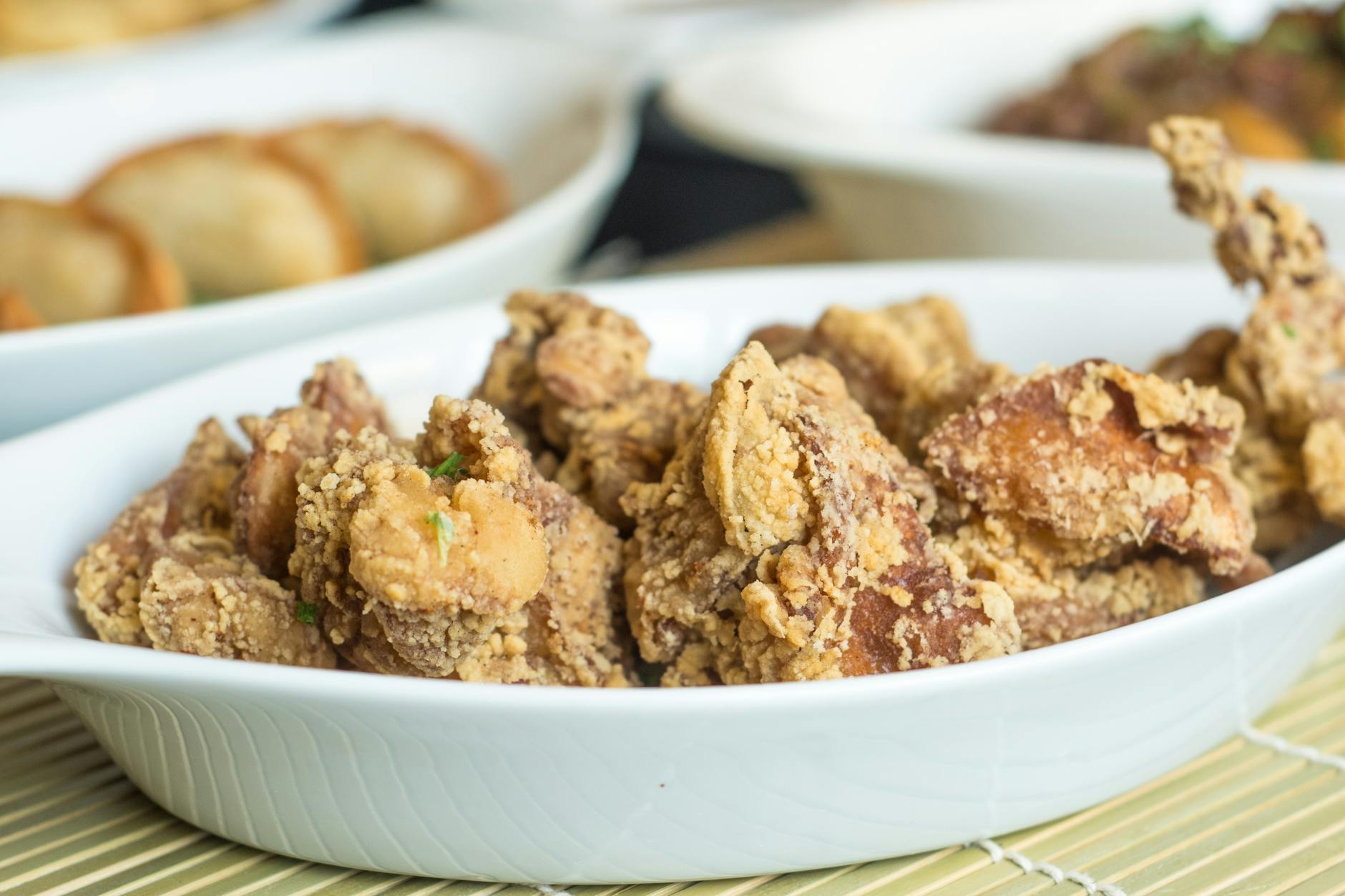
The crispy coating that defines this dish absorbs moisture and becomes unpleasantly soft. The meat underneath dries out while the skin loses all structural integrity. You lose the contrast between crunchy breading and juicy meat. An oven rack allows air to circulate and restore the crunch.
Casseroles

Dishes containing dairy often separate and curdle when reheated aggressively. The oil separates from the cheese and creates a greasy layer on top. Pasta components within the casserole can also become dry or mushy depending on sauce levels. Covering with foil in a conventional oven yields a much better result.
Unpeeled Fruit

Steam pressure builds up beneath the skin of whole fruits like apples or peaches. This pressure causes the fruit to burst and create a sticky mess. The texture of the fruit flesh becomes stewed and unappealingly soft. Cutting the fruit into pieces allows steam to escape safely.
Oils
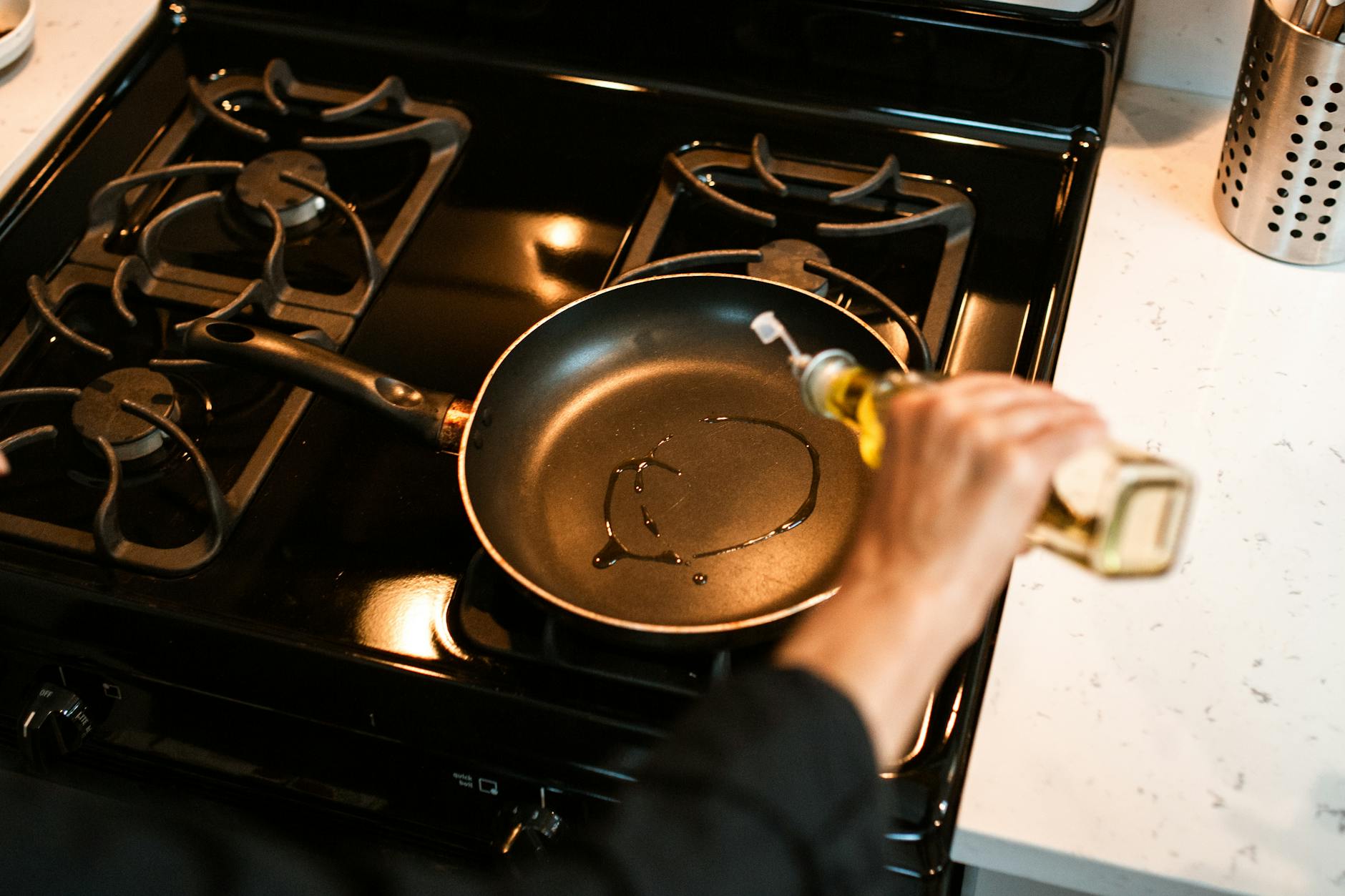
Cooking oils lack the water content necessary for microwaves to heat them effectively. This can lead to dangerously high temperatures well above the smoke point. Burning the oil ruins the flavor and can release harmful free radicals. Gentle heating on a stove allows for much better temperature control.
Please share your own experiences with reheating disasters in the comments.




