
Scented candles have become a staple of modern home environments, prized for their ability to create ambiance and promote relaxation. What many people do not realize is that the fragrance compounds and materials used in everyday candles can interact with the body in ways that go well beyond simple aromatherapy. Researchers and endocrinologists have begun paying closer attention to the relationship between synthetic and natural scents and the delicate hormonal systems that regulate mood, sleep, metabolism, and reproductive health. Understanding these connections can help consumers make more informed choices about the products they burn in their homes every day.
Phthalates

Many scented candles contain phthalates, a class of chemical compounds commonly used to help fragrance oils bind and last longer when dispersed through heat. When these candles are burned, phthalates are released into the air as part of the fragrance vapor and can be inhaled or absorbed through the skin. These compounds are considered endocrine disruptors, meaning they can interfere with the body’s ability to produce and regulate hormones such as estrogen and testosterone. Regular exposure in poorly ventilated spaces has been associated with hormonal imbalances that may affect reproductive health over time. Choosing phthalate-free candles or those made with certified fragrance oils is one way to reduce this type of exposure.
Paraffin Wax
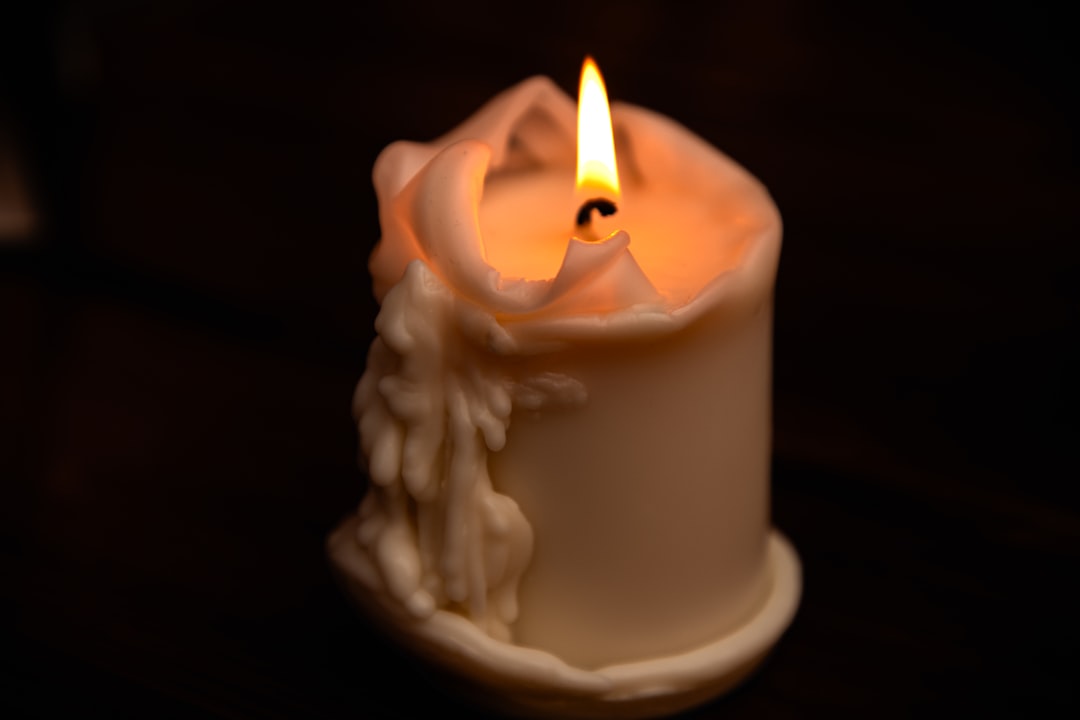
Paraffin is the most widely used candle wax on the market and is derived from petroleum byproducts during the oil refining process. When burned, paraffin releases a range of volatile organic compounds including benzene and toluene, both of which have been studied for their potential to disrupt hormonal signaling pathways in the body. The thyroid gland is particularly sensitive to environmental chemical exposure, and some researchers have flagged paraffin-related compounds as a concern for thyroid hormone regulation. Individuals who burn paraffin candles frequently in enclosed rooms may be unknowingly adding to their daily chemical load. Switching to soy or beeswax alternatives is widely recommended by wellness experts as a cleaner option.
Synthetic Musks

Synthetic musk fragrances are among the most commonly used scent compounds in both candles and personal care products, valued for their warm and long-lasting base notes. Certain synthetic musks, particularly nitromusks and polycyclic musks, have been identified as potential endocrine disruptors in laboratory and environmental research settings. These compounds have a tendency to accumulate in fatty tissue and have been detected in human blood and breast milk samples in multiple studies. Their persistence in the body raises concerns about their cumulative effect on hormone receptor activity over time. Consumers seeking lower-risk options are increasingly drawn to candles scented with certified natural essential oils rather than synthetic fragrance blends.
Lavender
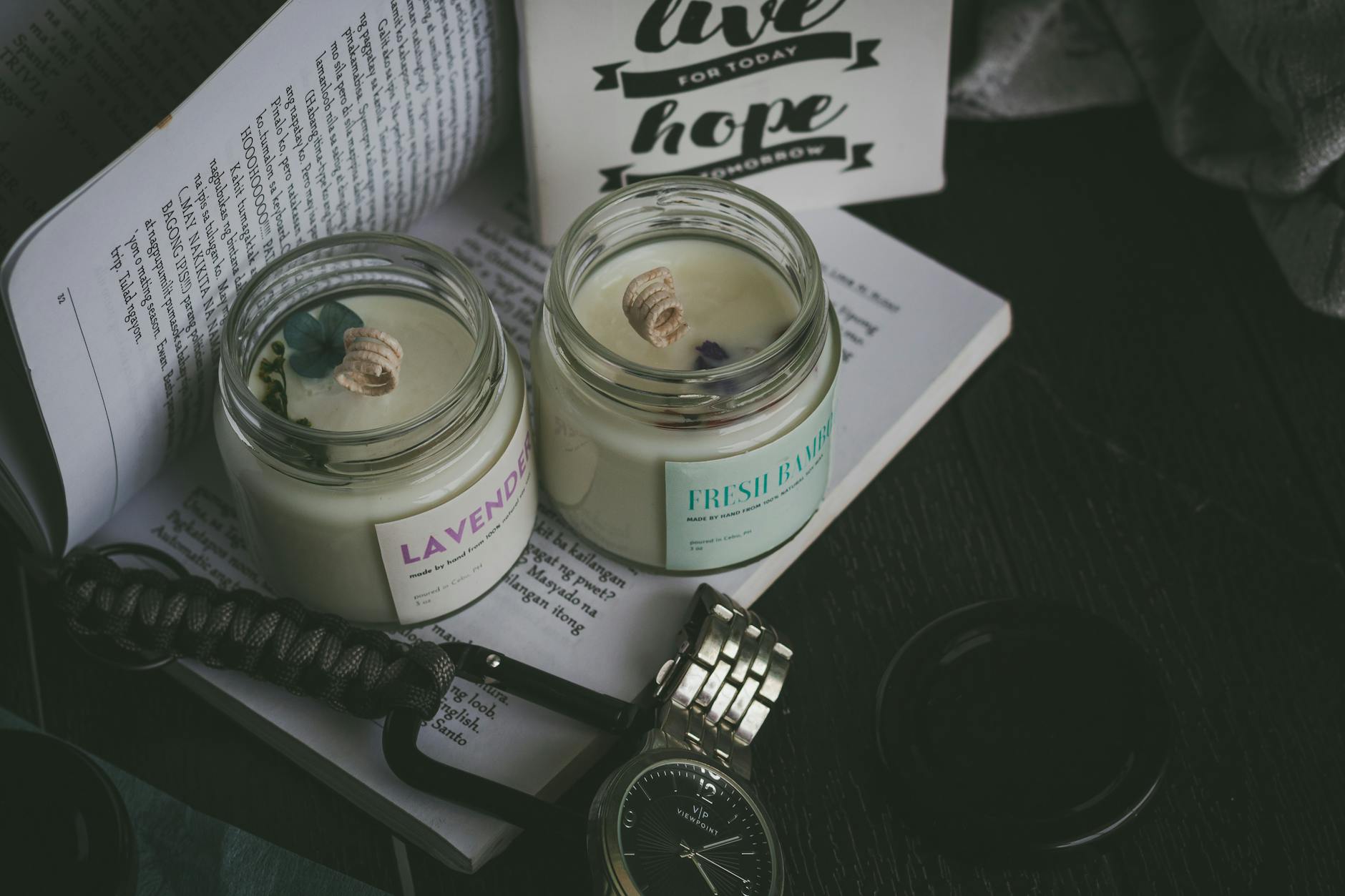
Lavender is one of the most popular candle scents in the world, celebrated for its calming properties and wide availability across wellness and home goods categories. However, research has indicated that lavender oil contains compounds called linalool and linalyl acetate that may exhibit weak estrogenic activity when absorbed in sufficient quantities. Several case studies published in medical literature have linked excessive topical lavender exposure to prepubertal gynecomastia in young boys, raising questions about hormonal effects from concentrated or prolonged use. For most adults burning lavender candles occasionally in well-ventilated spaces the risk remains considered low by health authorities. The findings have nonetheless prompted scientists to call for more research into the hormonal properties of widely used botanical fragrances.
Benzyl Acetate

Benzyl acetate is a fragrant ester naturally found in flowers such as jasmine and is frequently used in candles marketed as floral or romantic in scent profile. It is classified as a volatile organic compound and when released through candle combustion it can contribute to indoor air pollution in concentrations that affect sensitive biological systems. Animal studies have shown that prolonged exposure to benzyl acetate may influence liver enzyme activity, which plays a role in how the body metabolizes and clears hormones including estrogen. The compound is also listed as a possible respiratory irritant, which can trigger stress hormone responses such as elevated cortisol in some individuals. Ventilation remains the most practical safeguard for those who enjoy jasmine-scented candles regularly.
Cortisol Response

The act of burning a strongly scented candle in a small or sealed room can trigger the body’s stress response systems even when the scent itself is intended to be relaxing. Overpowering fragrances can stimulate the trigeminal nerve and send signals to the hypothalamus that prompt a mild cortisol release as part of the body’s alerting mechanism. Elevated cortisol over time affects sleep quality, immune regulation, and the delicate balance between stress hormones and sex hormones such as progesterone and DHEA. Interestingly, the same candle that feels soothing at low diffusion levels can become a physiological stressor at higher concentrations. Limiting burn time and choosing candles with lighter scent throws can help keep cortisol activity in a more favorable range.
Melatonin Disruption
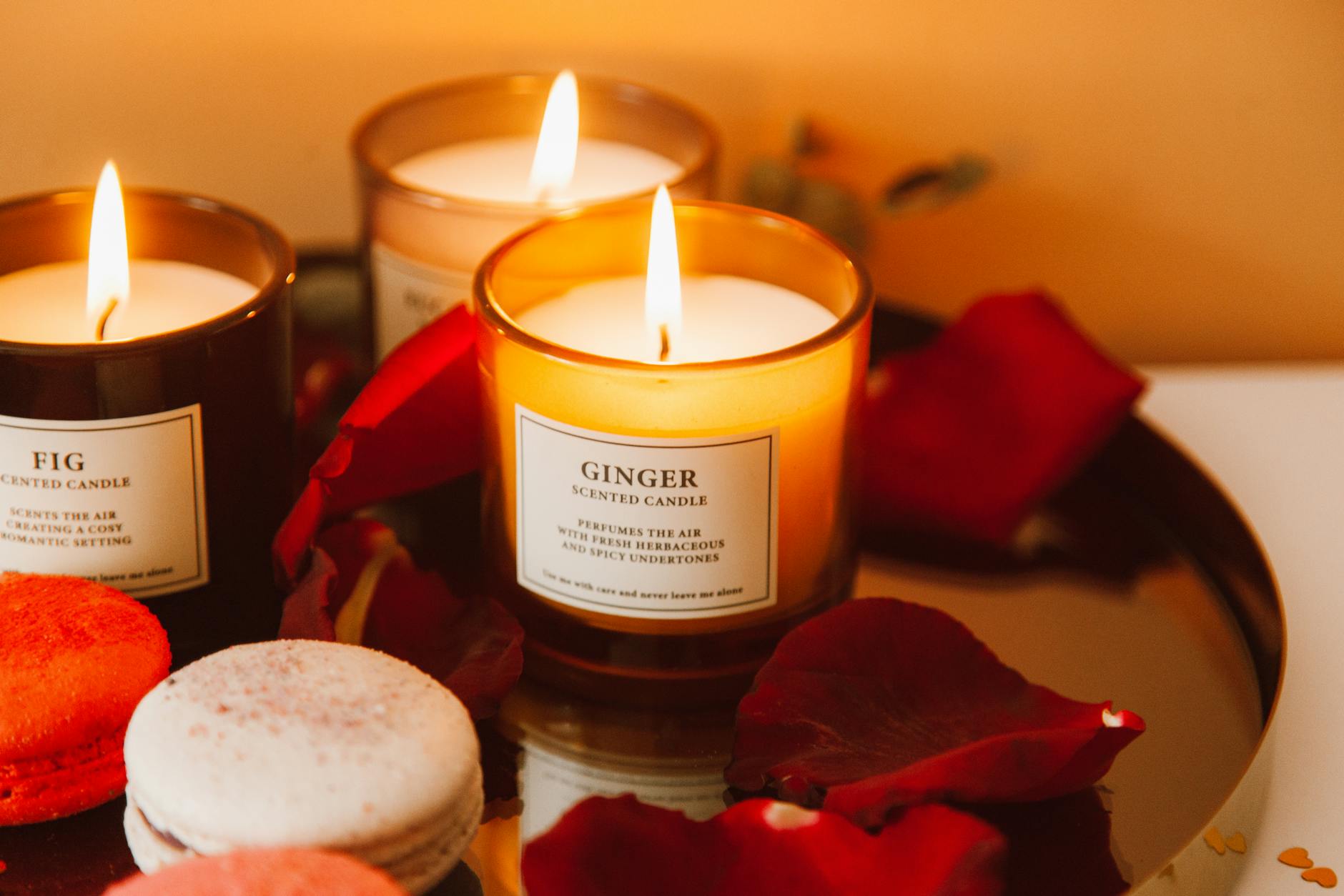
The warm glow of candlelight is often associated with winding down before sleep, but the fragrance chemicals released alongside that light can work against the body’s natural melatonin production. Certain aromatic compounds including camphor and some citrus-derived terpenes have stimulating effects on the nervous system that counteract the sleep-promoting signals the pineal gland sends as evening progresses. Melatonin is not only a sleep hormone but also a powerful antioxidant and regulator of immune and reproductive hormone cycles, making its suppression a matter of broader health significance. Burning heavily scented candles within two hours of bedtime may therefore undermine both sleep onset and hormonal recovery that occurs during deep sleep. Opting for unscented candles or diffusing light botanical oils at very low concentrations is a gentler approach for the evening hours.
Serotonin Pathway

Certain fragrance molecules found in scented candles interact directly with olfactory receptors that are linked to the serotonin system, the neurotransmitter network governing mood, appetite, and gut hormone activity. Scents such as vanilla and warm amber have been shown in sensory research to influence serotonin receptor sensitivity and may temporarily shift mood chemistry in measurable ways. While modest and pleasant shifts in serotonin tone are generally considered benign, frequent manipulation of this system through external chemical exposure raises questions among researchers studying the gut-brain hormonal axis. The olfactory-serotonin connection also means that fragrance choices can indirectly affect appetite-regulating hormones like leptin and ghrelin. This emerging area of research underscores how deeply the sense of smell is integrated into the body’s broader hormonal communication network.
Beeswax

Beeswax candles are widely regarded as the most hormonally neutral option among commonly available candle types and have been used by humans for thousands of years without significant health concerns. Unlike paraffin or heavily processed soy blends, pure beeswax burns cleanly and emits negative ions that may actually help neutralize airborne pollutants rather than adding to them. Beeswax contains no synthetic fragrance carriers and is not treated with the endocrine-disrupting chemical finishes found in some commercially processed alternatives. When scented, high-quality beeswax candles typically use only pure essential oils applied in smaller concentrations relative to the wax base. For consumers concerned about hormonal health, beeswax represents the most studied and consistently recommended alternative to conventional paraffin or synthetic wax products.
Xenoestrogens

Xenoestrogens are synthetic chemical compounds that mimic the structure of estrogen in the body and can bind to estrogen receptors in ways that alter normal hormonal signaling. Several fragrance chemicals commonly used in scented candles fall into this category, including certain synthetic musks, parabens used as preservative agents in blended fragrance oils, and some petrochemical-derived aromatic compounds. Exposure to xenoestrogens through multiple daily sources including candles, personal care products, and plastics can contribute to a cumulative effect known as the total body burden of estrogen-like compounds. In women, elevated xenoestrogen exposure has been associated with symptoms including irregular cycles, mood fluctuations, and challenges related to hormone-sensitive conditions. Reducing exposure by auditing fragrance sources throughout the home is a growing recommendation from functional medicine practitioners and environmental health researchers.
Have you noticed any unexpected reactions to the candles you burn at home? Share your experiences in the comments.




