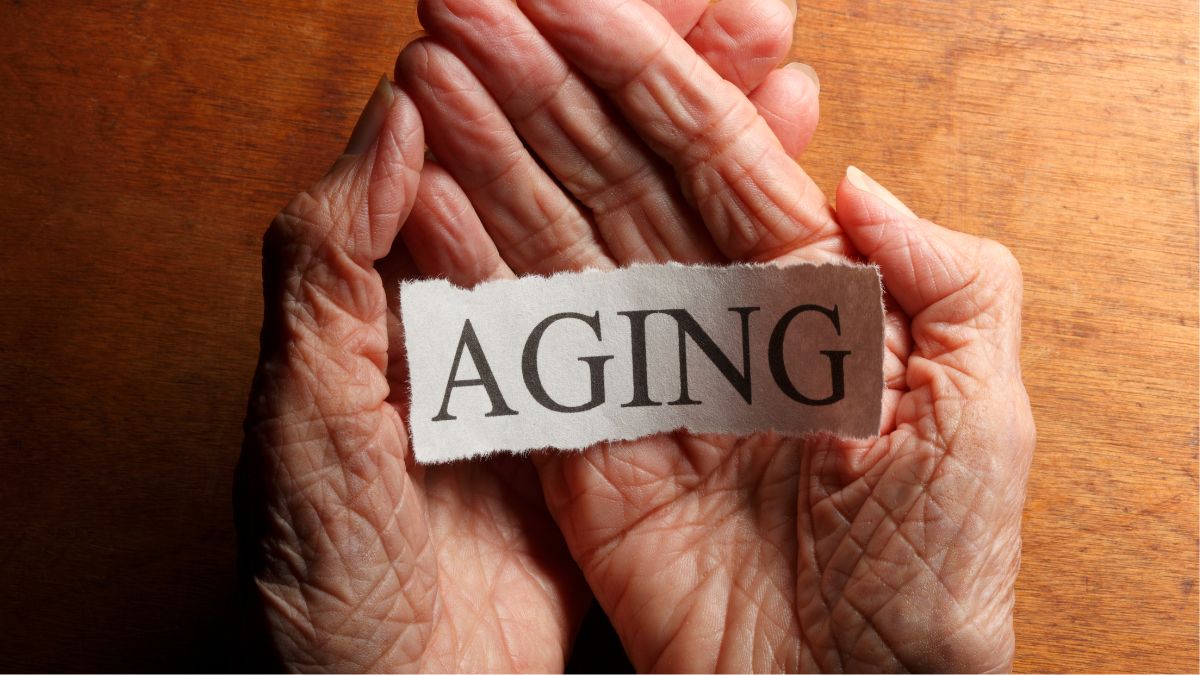
Aging gracefully is less about what people spend and more about the quiet, consistent choices they make each day. Researchers and longevity experts have long observed that the individuals who seem to defy the clock share a set of surprisingly accessible habits rooted in nutrition, movement, mindset, and rest. These are not dramatic interventions or luxury regimens but rather small, deliberate practices woven into the fabric of ordinary life. The following habits have been identified across cultures and scientific studies as key contributors to a slower, healthier aging process.
SPF Application
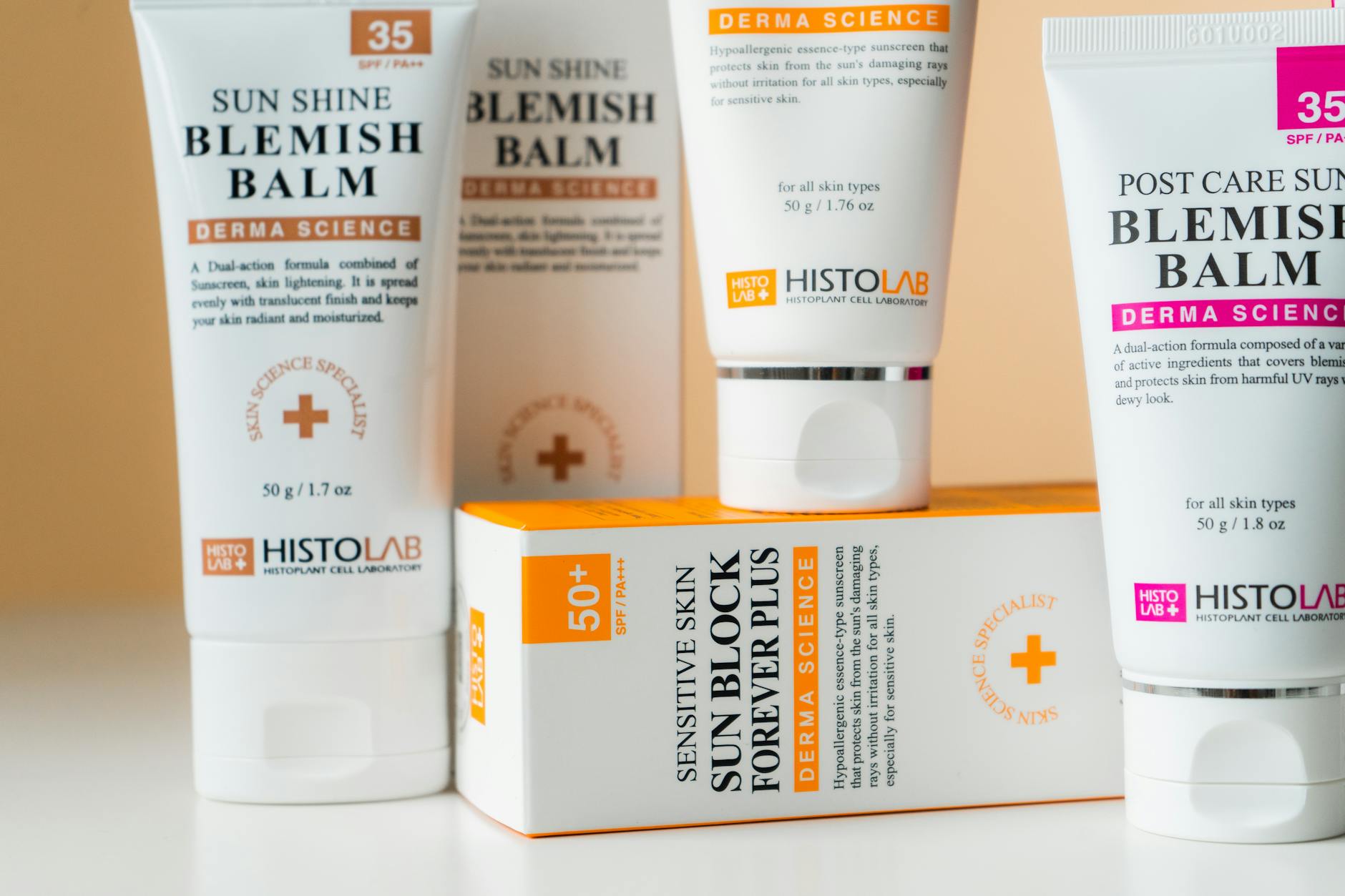
Dermatologists consistently rank daily sun protection as the single most effective non-invasive habit for preserving youthful skin. Ultraviolet radiation is responsible for the majority of visible aging signs including fine lines, uneven pigmentation, and loss of skin elasticity. People who age slowly tend to apply broad-spectrum SPF every morning regardless of the season or weather conditions. This habit requires no special equipment or significant expense and takes under a minute to complete. The cumulative protective effect over years makes it one of the most powerful anti-aging tools available.
Quality Sleep

Restorative sleep is the body’s primary opportunity to repair cellular damage accumulated throughout the day. During deep sleep stages the body releases growth hormone which supports tissue regeneration and skin cell renewal. People who consistently maintain seven to nine hours of quality sleep show measurably slower biological aging markers compared to those who are chronically sleep-deprived. A consistent bedtime and a cool dark room are among the simplest ways to improve sleep quality without cost. Over time this nightly investment pays visible dividends in skin texture energy levels and overall vitality.
Hydration

The habit of drinking adequate water throughout the day supports nearly every system involved in the aging process. Proper hydration maintains skin plumpness reduces the appearance of fine lines and supports kidney function in eliminating toxins. People who age slowly are often observed carrying water with them and drinking consistently rather than waiting until thirst sets in. Hydration also supports joint lubrication cognitive function and cardiovascular efficiency all of which decline more rapidly with chronic underhydration. The habit costs nothing and yet its long-term effects on appearance and health are substantial.
Daily Walking
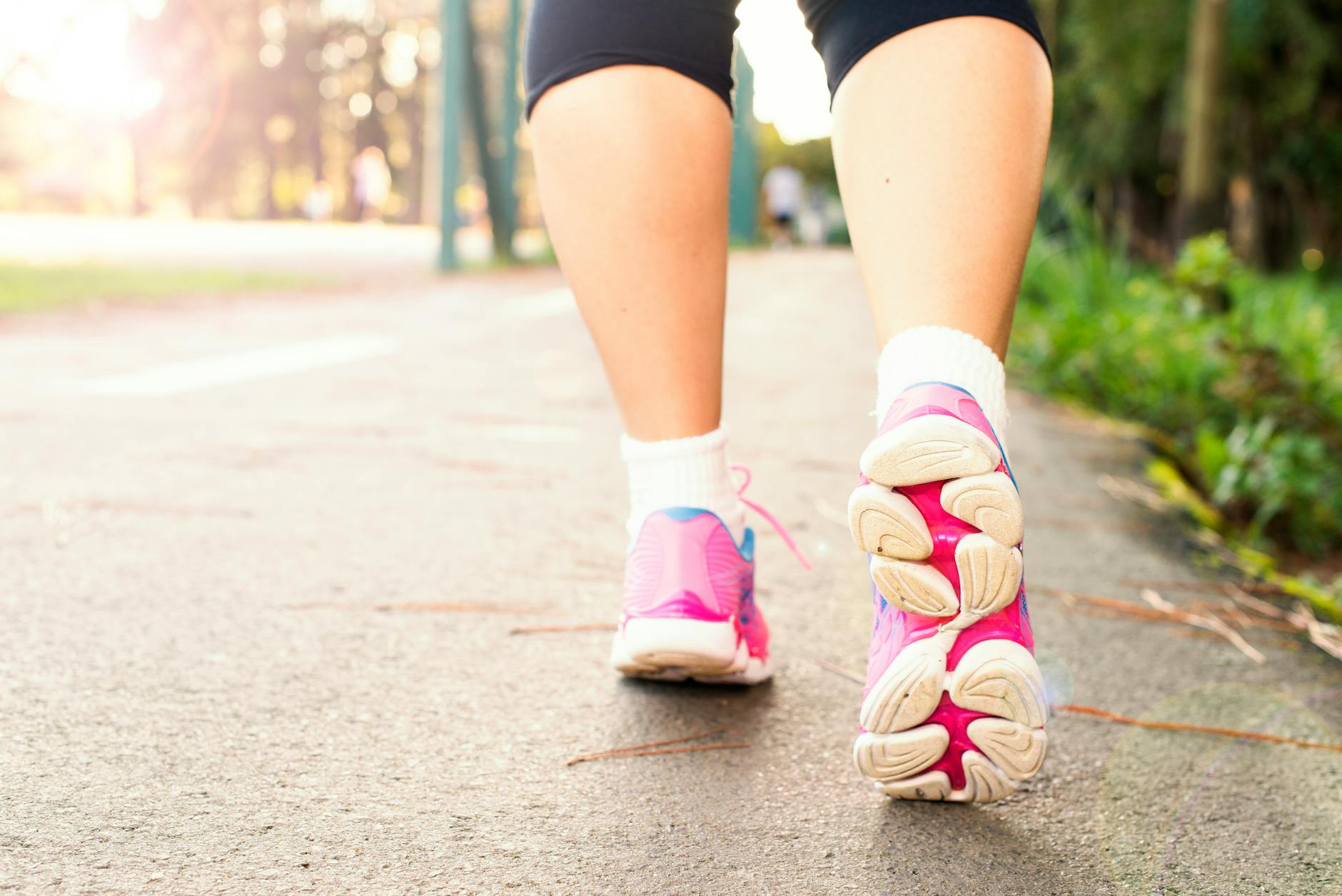
Walking is among the most widely studied physical activities linked to longevity and slower biological aging. Regular walkers demonstrate lower levels of systemic inflammation which is one of the primary drivers of age-related disease and physical decline. A daily walk of even thirty minutes has been shown to improve cardiovascular health maintain muscle tone and support mental clarity. Unlike intense exercise walking is gentle on joints and sustainable across all stages of adult life. People who build walking into their daily routine rather than treating it as optional tend to maintain mobility and independence well into later decades.
Mediterranean Eating

Dietary patterns modeled on Mediterranean traditions are among the most researched in the field of longevity science. This way of eating emphasizes whole grains legumes vegetables olive oil fish and moderate amounts of red wine while limiting processed foods and refined sugars. Populations that follow this dietary style consistently demonstrate lower rates of cardiovascular disease cognitive decline and inflammatory conditions. The emphasis on antioxidant-rich plant foods directly supports cellular health and helps neutralize the oxidative stress that accelerates aging. Adopting even partial elements of this pattern without overhauling the entire diet yields measurable health benefits over time.
Stress Management
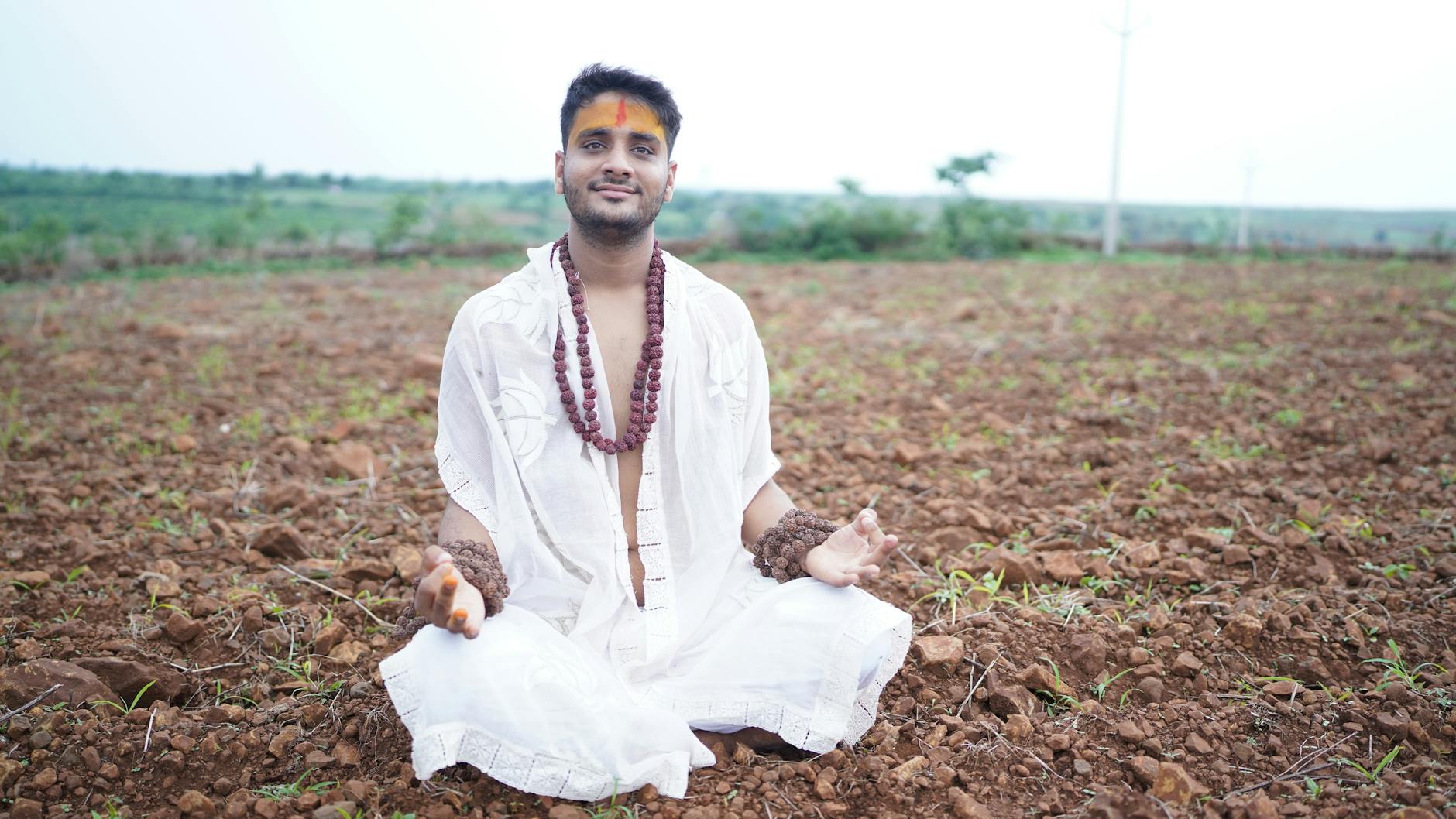
Chronic stress accelerates biological aging at the cellular level by shortening telomeres which are the protective caps on DNA strands associated with longevity. People who age slowly tend to have developed consistent practices for managing stress whether through meditation breathwork time in nature or creative outlets. The ability to return to a calm baseline after stressful events is a skill that can be cultivated over time rather than a fixed personality trait. Lowered cortisol levels benefit skin health immune function sleep quality and cardiovascular resilience simultaneously. Managing stress is not about eliminating difficulty but about limiting the duration and intensity of the physiological stress response.
Strength Training
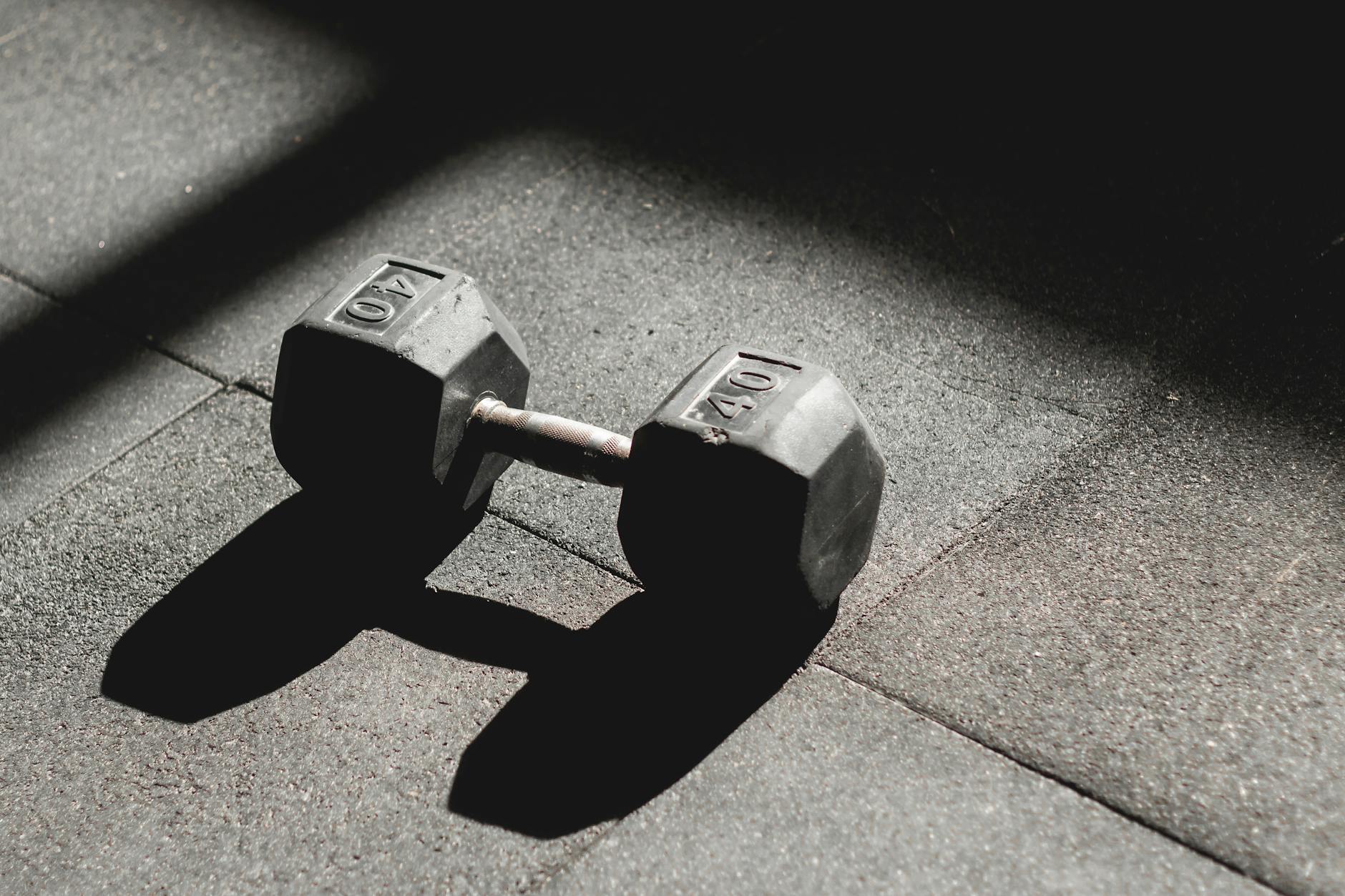
Maintaining muscle mass is one of the most critical factors in healthy aging and strength training is the most effective way to achieve it. After the age of thirty adults begin to lose muscle mass gradually through a process called sarcopenia which accelerates without resistance exercise. People who incorporate bodyweight exercises resistance bands or light weights into their weekly routines maintain stronger bones better posture and higher resting metabolic rates. Muscle tissue also plays a role in regulating blood sugar levels reducing the risk of metabolic conditions associated with aging. Even two sessions per week have been shown to produce meaningful results in preserving functional strength and physical independence.
Intermittent Fasting

Giving the digestive system regular periods of rest is a practice observed among many populations known for exceptional longevity. Intermittent fasting allows the body to engage in cellular cleanup processes including autophagy where damaged cells are broken down and recycled. People who follow eating windows rather than grazing throughout the day often report improved energy levels clearer skin and more stable blood sugar. Research suggests that these metabolic benefits may directly slow certain aging mechanisms at the cellular level. The practice requires no special food purchases and can be adapted to suit a wide range of lifestyles and schedules.
Green Tea
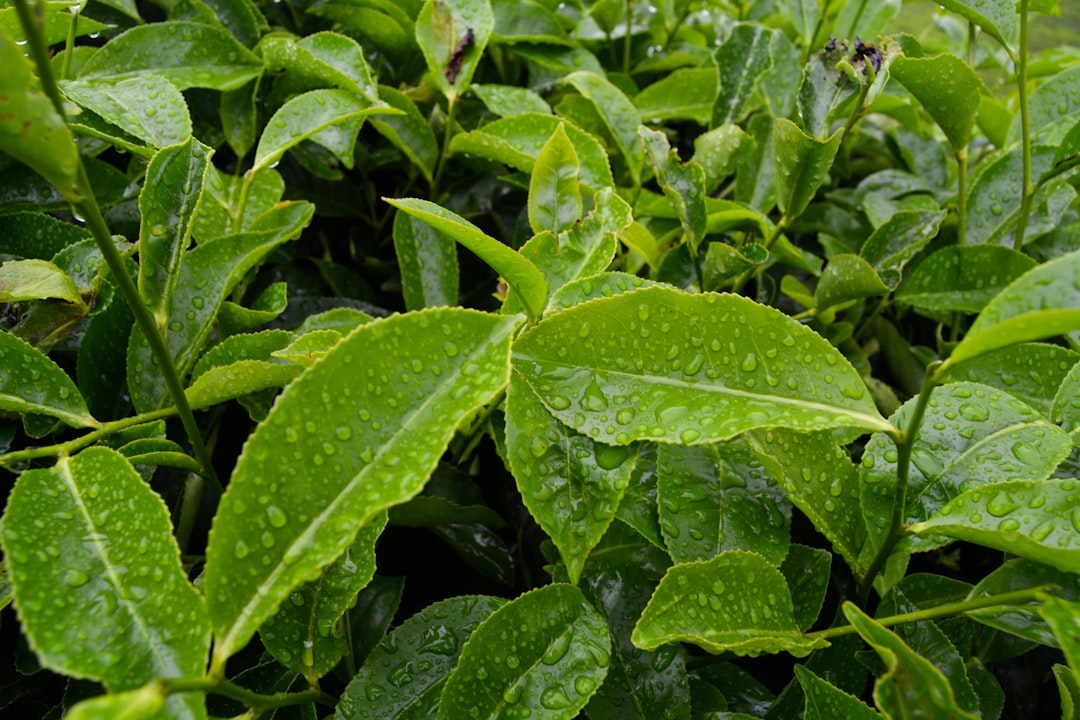
Green tea contains a high concentration of polyphenols and catechins which are antioxidant compounds with well-documented anti-inflammatory and anti-aging properties. Regular consumption has been associated with improved cardiovascular markers enhanced brain function and a reduced risk of certain age-related diseases. In cultures where green tea is consumed daily as a social and personal ritual populations frequently exhibit longer average lifespans and lower rates of chronic illness. The habit of replacing sugary or caffeinated beverages with green tea also reduces overall sugar intake which is directly linked to a process called glycation that stiffens skin tissue. A cup or two per day provides meaningful antioxidant support at virtually no cost.
Cold Showers
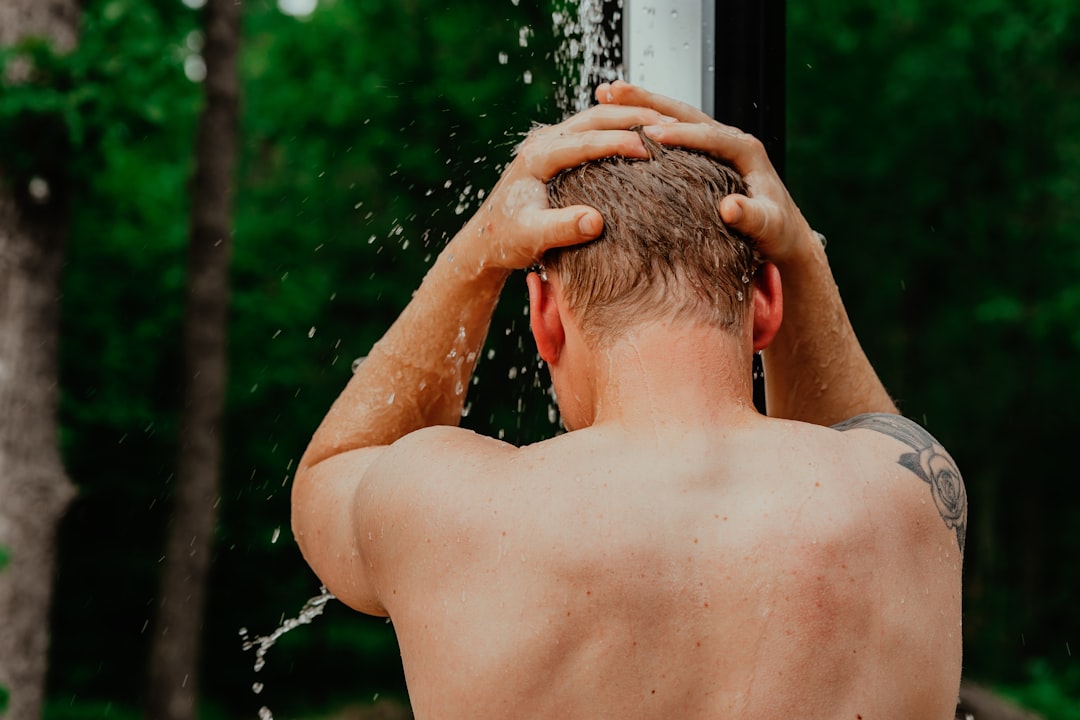
Exposure to cold water has gained significant attention in longevity research for its effects on circulation immune function and metabolic health. A brief cold shower stimulates the production of norepinephrine a hormone associated with improved mood alertness and reduced inflammation. People who practice cold exposure regularly tend to report higher energy levels faster post-exercise recovery and improved skin tone due to better vascular circulation. The practice also builds mental resilience through the habit of voluntary discomfort which has broader psychological benefits. Starting with a short cold rinse at the end of a warm shower is an accessible entry point for those new to the habit.
Mindful Breathing

Conscious breathwork is one of the oldest and most consistently validated tools for managing the physiological effects of stress and promoting longevity. Slow diaphragmatic breathing activates the parasympathetic nervous system which counteracts the inflammatory effects of chronic stress on the body. People who practice intentional breathing exercises for even five to ten minutes per day demonstrate measurably lower resting heart rates and cortisol levels. Techniques such as box breathing and extended exhale patterns have been adopted by medical professionals athletes and wellness practitioners worldwide. The practice requires no equipment no subscription and no dedicated space making it among the most accessible habits on this list.
Retinol Use
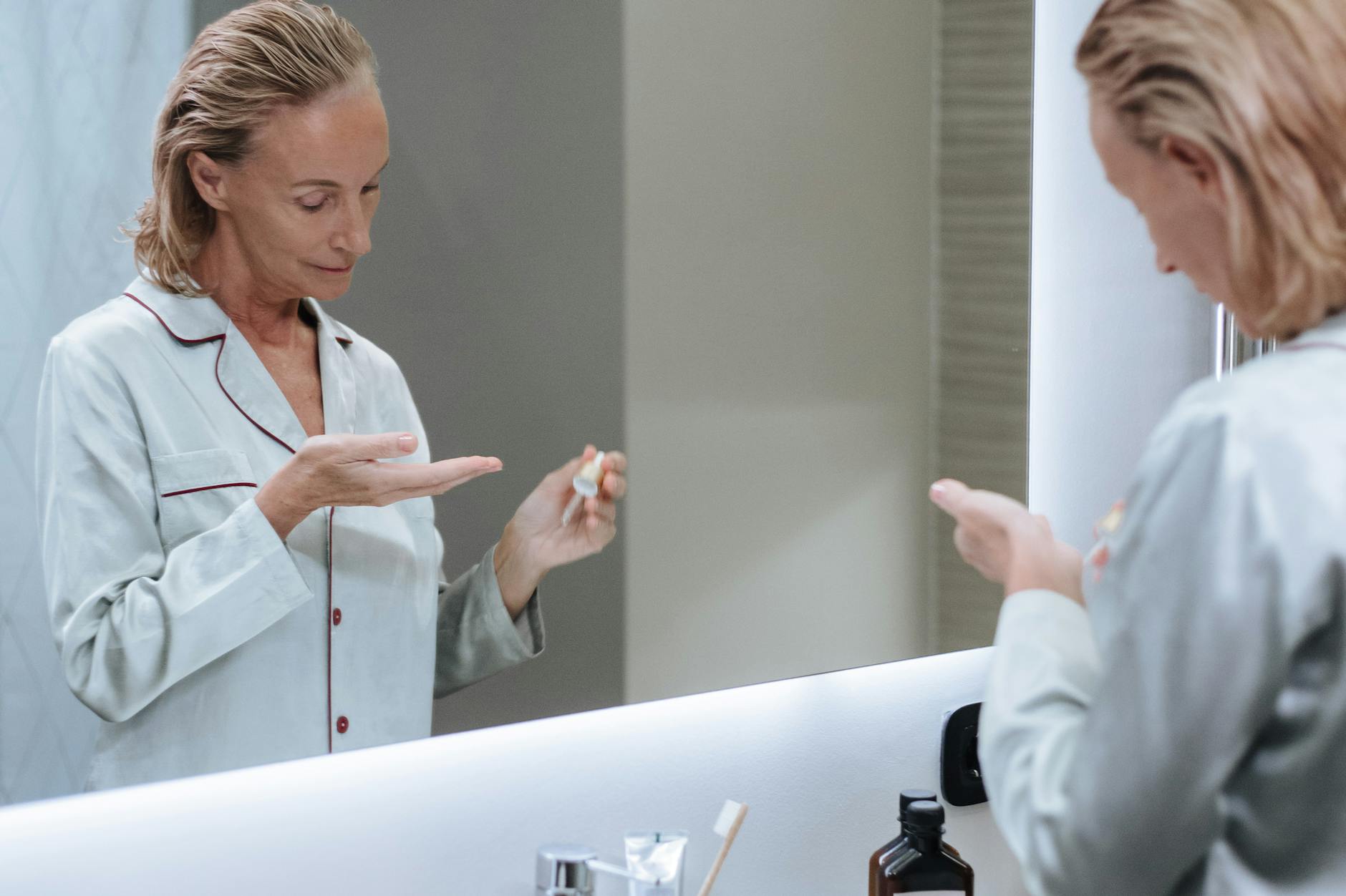
Retinoids derived from vitamin A are among the most extensively studied topical compounds in dermatological science and their effectiveness in slowing visible skin aging is well established. Regular application stimulates collagen production accelerates cell turnover and reduces the appearance of fine lines and uneven pigmentation over time. People who incorporate an over-the-counter retinol product into their evening skincare routine from their thirties onward often show notably fewer signs of aging in later decades. The ingredient works gradually and consistently with results becoming more visible after several months of regular use. Starting with a low concentration and building tolerance is the standard approach recommended by dermatologists worldwide.
Social Connection

Strong social bonds are one of the most consistent predictors of longevity found across global studies of aging populations. Loneliness and social isolation are associated with higher rates of inflammation cardiovascular disease cognitive decline and overall mortality. People who maintain active friendships family relationships or community involvement tend to exhibit lower stress markers and stronger immune function. The Blue Zones research which identified the world’s longest-lived populations found deep social integration to be a defining characteristic in each community. Prioritizing regular meaningful connection even in small doses has a protective effect on both mental and physical health throughout the aging process.
Plant-Based Meals
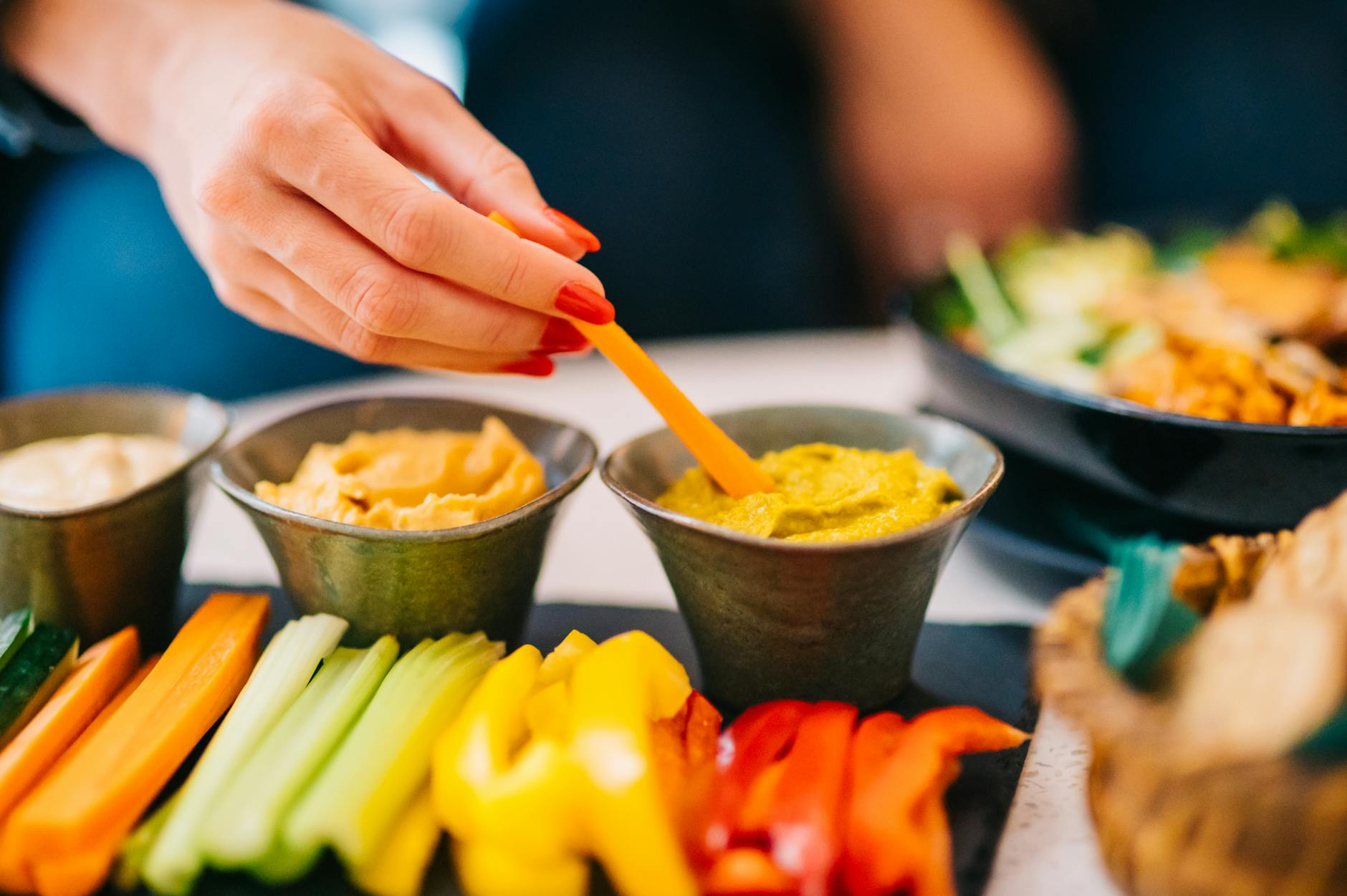
Incorporating more plant-based meals into the weekly routine is a dietary shift consistently linked to reduced inflammation improved gut health and slower biological aging. Plants provide an abundance of fiber antioxidants vitamins and phytonutrients that work synergistically to protect cells from oxidative damage. People who age slowly often do not follow strictly vegan diets but tend to make vegetables legumes and whole grains the foundation of most meals. This shift naturally reduces intake of processed meats and refined foods which are associated with elevated inflammatory markers. The practice supports not only longevity but also daily energy digestion and skin health.
Posture Awareness

Maintaining good posture throughout the day has a compounding effect on physical health that becomes more significant with age. Chronic slouching compresses the spine strains the muscles of the neck and back and can accelerate the development of structural imbalances that limit mobility over time. People who age with strong upright posture often appear younger than their chronological age and report fewer musculoskeletal complaints. Posture awareness can be cultivated through regular movement breaks ergonomic adjustments and simple strengthening exercises targeting the core and upper back. The habit costs nothing and protects against a wide range of age-related physical limitations.
Journaling

The practice of regular writing has been linked to measurable improvements in stress regulation emotional processing and immune function. People who journal consistently tend to have stronger clarity around personal values and goals which supports the psychological resilience associated with healthy aging. Research into expressive writing suggests it can reduce the physiological burden of unresolved stress by helping individuals process and contextualize difficult experiences. The habit also supports memory and cognitive engagement both of which benefit from regular reflective practice. Even five to ten minutes of freewriting each day provides cumulative benefits that support mental acuity and emotional wellbeing over time.
Alcohol Reduction
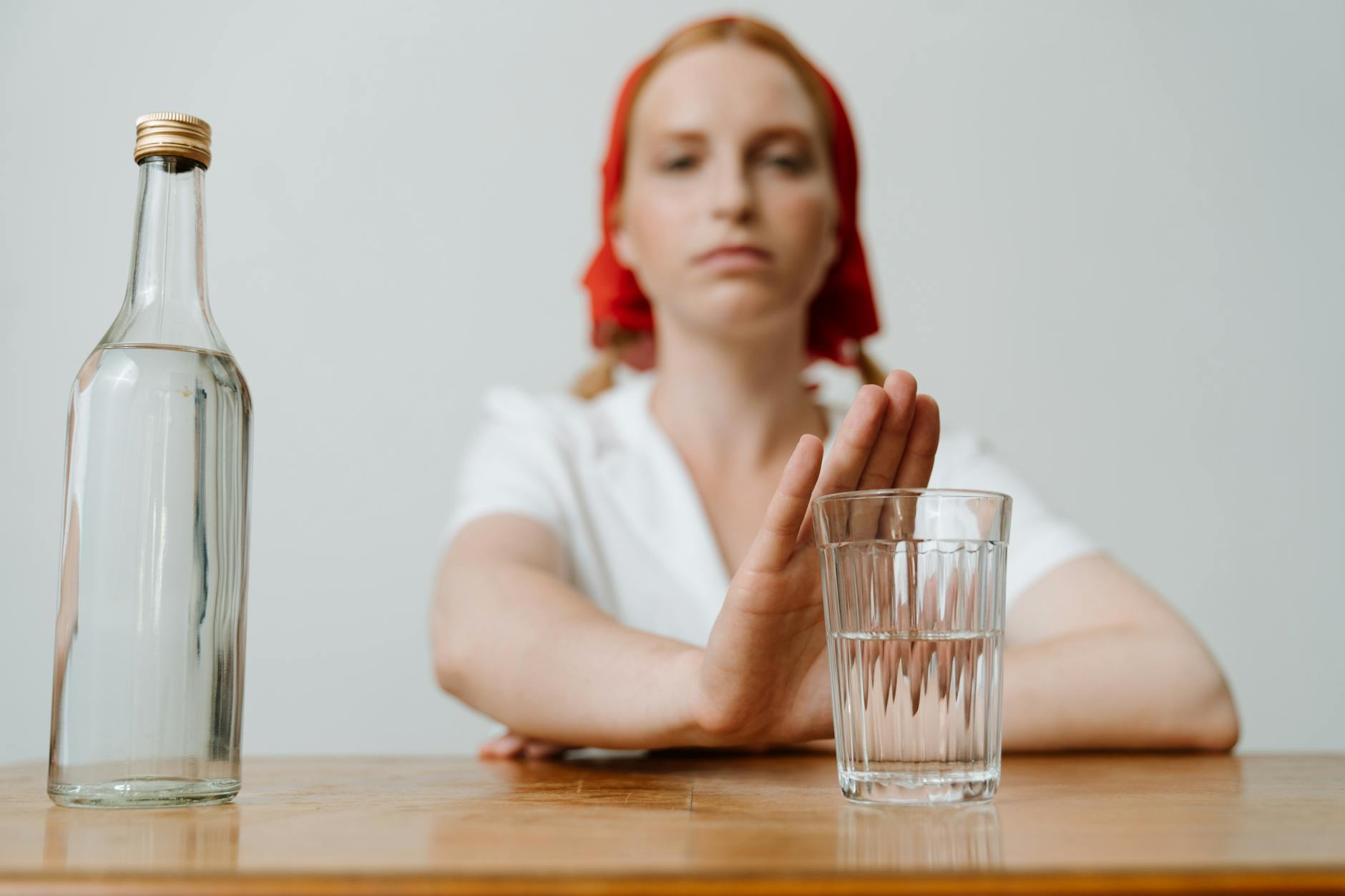
Limiting alcohol consumption is one of the most direct dietary changes that supports slower visible and biological aging. Alcohol dehydrates the body depletes key nutrients disrupts sleep architecture and generates oxidative stress that damages skin cells and internal organs over time. People who age slowly tend to drink minimally or not at all and those who do drink typically limit themselves to occasional moderate consumption with meals. The skin benefits of reducing alcohol are often visible within weeks including improved texture tone and reduced puffiness. The long-term systemic benefits extend to liver function cardiovascular health and cognitive sharpness.
Omega-3 Intake
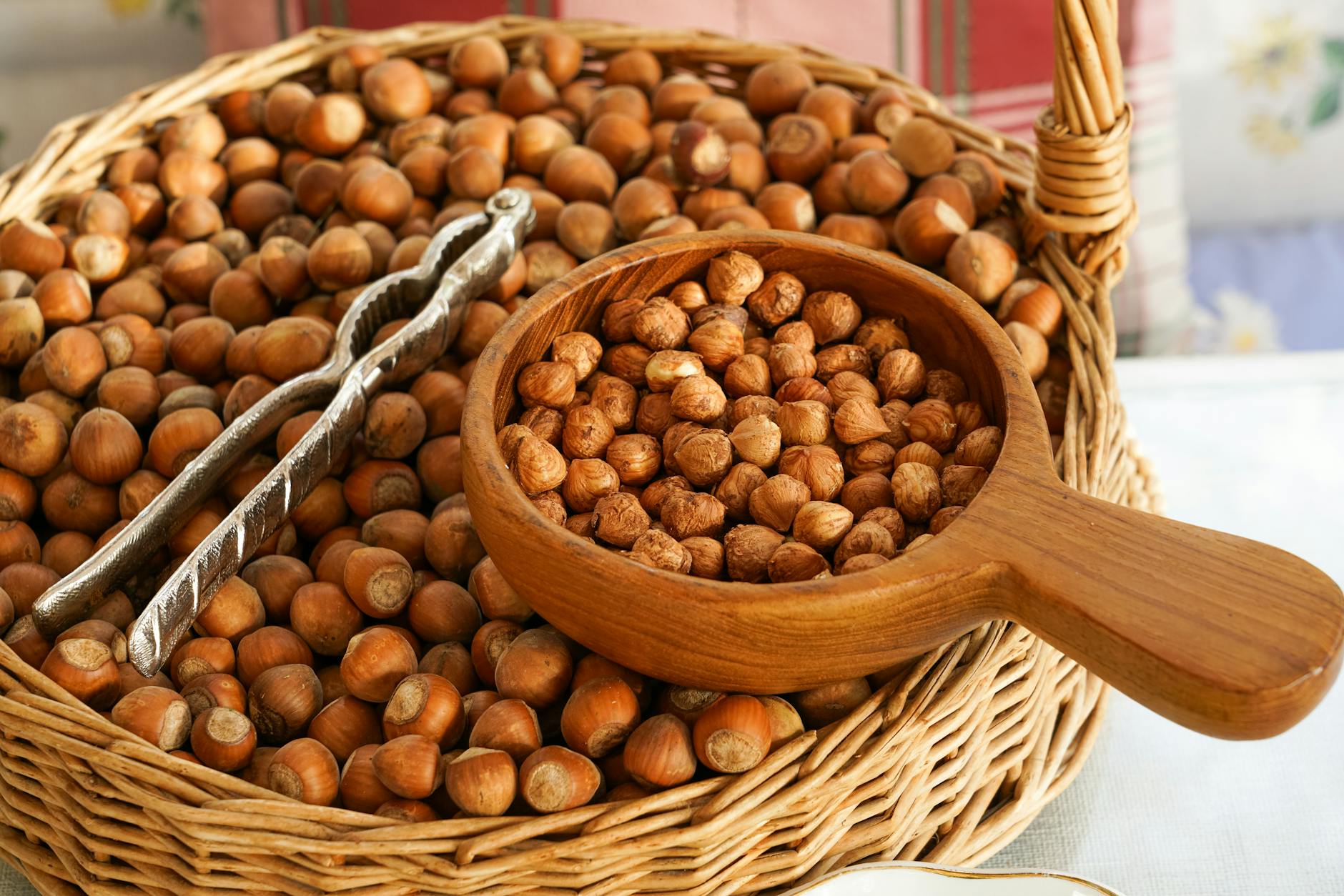
Regular consumption of omega-3 fatty acids is associated with reduced systemic inflammation which is widely recognized as a root driver of accelerated aging. These essential fats are found in fatty fish such as salmon and sardines as well as walnuts flaxseed and chia seeds. People who prioritize omega-3 rich foods demonstrate better cardiovascular health stronger cognitive function and more resilient skin structure compared to those with low intake. Omega-3s support the integrity of cell membranes throughout the body which directly affects how cells function and age over time. Incorporating these foods several times per week is a straightforward habit with wide-ranging anti-aging effects.
Nature Time

Spending regular time in natural environments has been shown to reduce cortisol levels lower blood pressure and support immune function through exposure to beneficial microbial diversity. Japanese researchers have studied a practice called shinrin-yoku or forest bathing extensively documenting its measurable physiological benefits after even short periods in wooded areas. People who build nature time into their weekly routines tend to report lower perceived stress and greater emotional equilibrium both of which support healthier aging. Natural light exposure during outdoor time also helps regulate circadian rhythms which govern sleep quality hormonal balance and cellular repair cycles. The habit is accessible to most people regardless of location and requires no financial investment.
Stretching
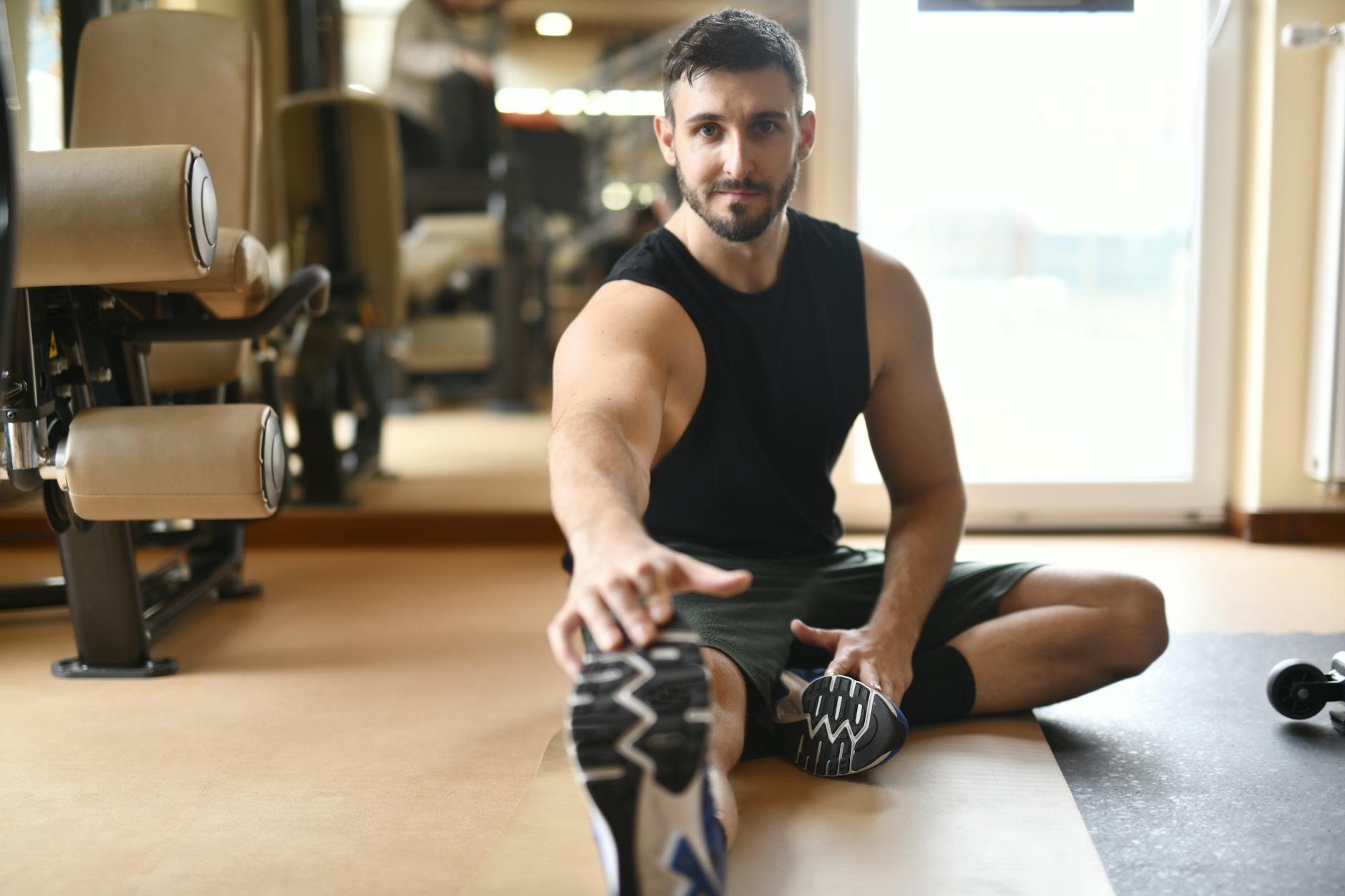
Maintaining flexibility through regular stretching supports joint health circulation and postural alignment all of which decline with age in sedentary individuals. People who stretch consistently tend to experience fewer injuries move with greater ease and maintain a wider range of motion into later decades. A daily stretching routine of ten to fifteen minutes targeting the major muscle groups and joints addresses one of the most common physical complaints associated with aging. Flexibility also supports balance and coordination which are critical factors in preventing falls and maintaining physical independence over time. The practice requires no equipment and can be performed in any space making it one of the most accessible longevity habits available.
Sugar Limitation

Reducing dietary sugar intake directly counters a biological process called glycation in which sugar molecules bond to proteins and damage collagen and elastin fibers in the skin. This process accelerates visible aging by contributing to sagging skin loss of firmness and the formation of fine lines. Beyond appearance high sugar consumption is associated with insulin resistance inflammation and elevated risk of metabolic diseases that compound over time. People who limit added sugars tend to maintain more stable energy levels throughout the day which supports consistent engagement in other health-promoting habits. Reading ingredient labels and choosing whole food alternatives to processed snacks is the most common approach observed among those who age well.
Consistent Routine

Having a structured daily routine reduces the cognitive and physiological burden of constant decision-making which depletes mental energy and elevates cortisol over time. People who follow consistent schedules for sleep meals exercise and rest expose their bodies to predictable rhythms that support hormonal balance and cellular repair. This regularity aligns with the body’s circadian biology which governs nearly every major physiological process from metabolism to immune response. Longevity researchers consistently find that routine is a distinguishing characteristic among the world’s oldest and healthiest populations. The habit costs nothing and its benefits compound across every other area of physical and mental health.
Positive Relationships

The quality of a person’s closest relationships has a documented effect on stress hormone levels immune function and even gene expression associated with inflammation and aging. People who feel genuinely supported by the individuals around them tend to recover more quickly from illness manage stress more effectively and maintain stronger cognitive health with age. Toxic or chronically conflictual relationships on the other hand have measurable negative effects on cardiovascular and inflammatory health over time. Investing in the depth of a few meaningful relationships rather than the breadth of many superficial ones is a pattern commonly observed among people who age with grace and vitality. The practice of maintaining and nurturing those bonds is itself a form of preventive health care.
Gut Health Focus

The gut microbiome plays a central role in immune function nutrient absorption inflammation regulation and even mood through the gut-brain axis all of which are directly relevant to the aging process. People who prioritize gut health through fermented foods such as yogurt kefir kimchi and sauerkraut tend to maintain stronger immune defenses and lower inflammatory markers. A diet rich in diverse plant fiber further supports microbial diversity which research increasingly associates with healthier and slower aging. Limiting antibiotic use to when medically necessary and reducing highly processed food intake are additional practices that protect the gut ecosystem over time. The gut microbiome is now considered one of the most important frontiers in longevity science and supporting it costs little beyond dietary intentionality.
Cognitive Engagement

Keeping the brain actively engaged through learning problem-solving and intellectual challenge is one of the most effective ways to slow cognitive aging. People who consistently pursue new skills read widely engage in strategic games or take on mentally demanding work demonstrate slower rates of memory decline and greater neural plasticity over time. The concept of cognitive reserve describes the brain’s capacity to withstand aging-related damage and it is built through a lifetime of sustained mental activity. Curiosity and a willingness to learn new things are behavioral traits consistently found among individuals who maintain sharp mental function into very late life. The habit requires no financial investment but does require the deliberate prioritization of mental engagement over passive consumption.
Vitamin D

Adequate vitamin D levels are associated with strong immune function reduced inflammation better mood regulation and lower risk of several age-related conditions including osteoporosis and cardiovascular disease. Many people in northern climates or those with predominantly indoor lifestyles are deficient in this nutrient without being aware of it. People who age slowly often make a habit of brief daily sun exposure particularly in the morning hours or supplement with vitamin D during winter months. Research suggests that maintaining optimal vitamin D levels supports telomere length which is a direct biological marker of cellular aging. A simple blood test can determine individual needs making targeted supplementation straightforward and inexpensive.
Mindset Cultivation
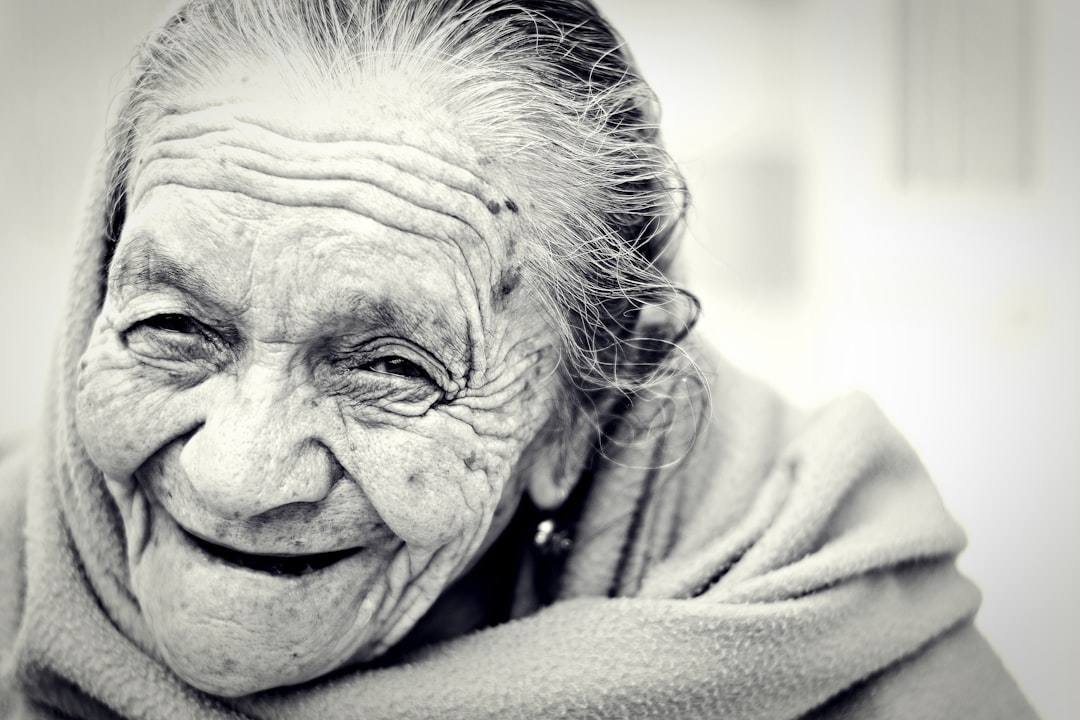
A person’s psychological orientation toward aging itself has been shown to influence how quickly they age biologically. Studies by researcher Becca Levy found that individuals with positive attitudes about aging live on average several years longer than those who view aging negatively. People who age slowly tend to perceive later life as a period of continued growth experience and contribution rather than decline and irrelevance. This mindset reduces stress-related inflammation supports engagement in health-promoting behaviors and buffers the psychological impact of life challenges. Cultivating a positive aging mindset is a habit that requires ongoing awareness and intention but costs nothing and yields compounding returns over time.
Nasal Breathing
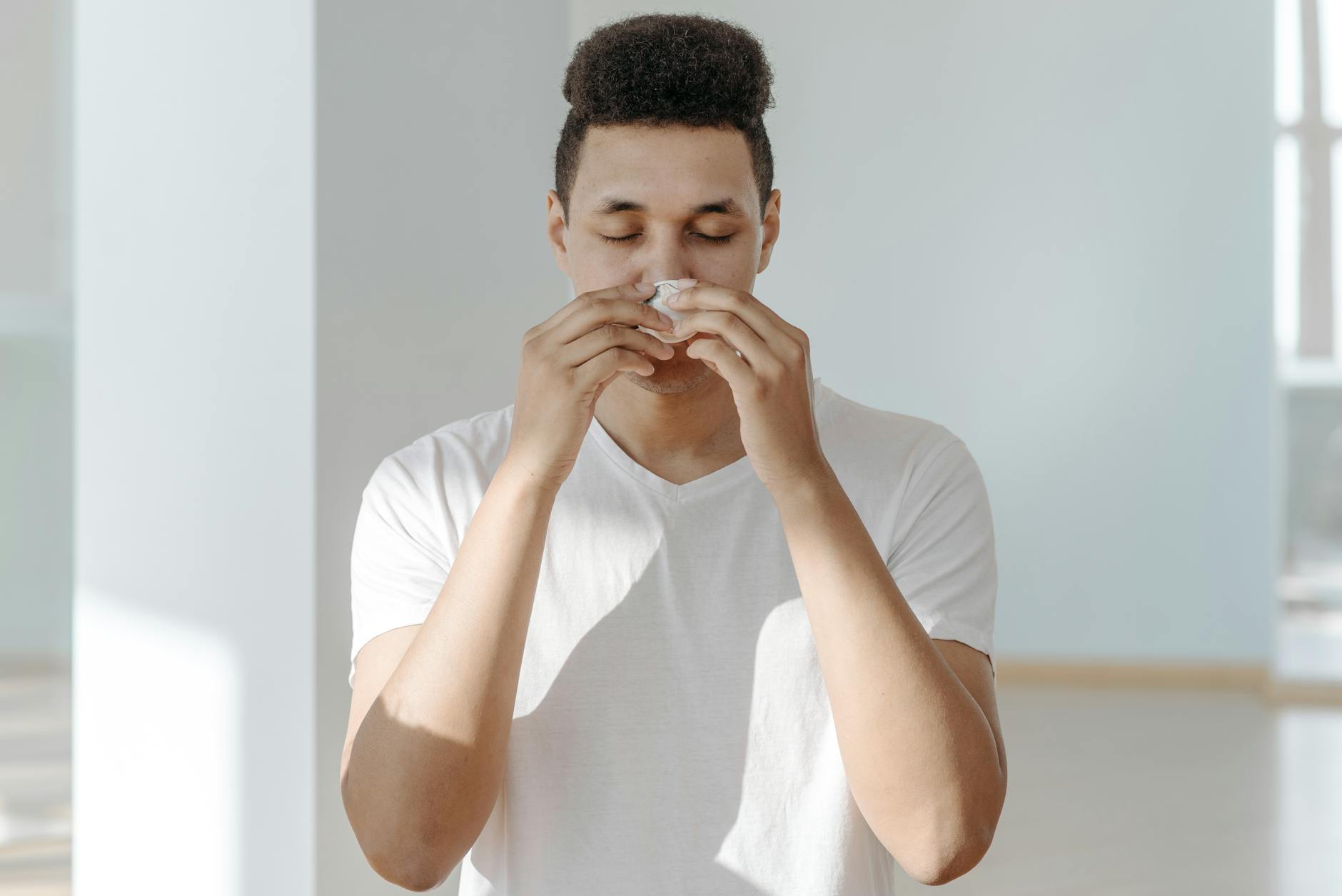
Breathing through the nose rather than the mouth has a significant effect on sleep quality oxygen efficiency and systemic health all of which influence the pace of aging. Nasal breathing filters humidifies and slows incoming air producing nitric oxide which improves oxygen delivery to cells and supports cardiovascular function. People who develop the habit of nasal breathing during both rest and low-intensity exercise tend to sleep more deeply experience less daytime fatigue and maintain better respiratory health. Mouth breathing by contrast is associated with poorer sleep quality increased susceptibility to illness and greater physiological stress. Simple awareness and practice during waking hours along with positional adjustments during sleep are enough to begin shifting this habit.
Gratitude Practice

Regularly acknowledging what is going well in one’s life has a documented effect on stress hormone levels sleep quality and immune function all of which influence biological aging. Gratitude practices activate neural pathways associated with positive emotion and social connection counteracting the physiological effects of chronic negativity and rumination. People who maintain a daily gratitude habit whether through journaling verbal acknowledgment or quiet reflection tend to report higher life satisfaction and lower rates of depression and anxiety. These psychological benefits translate into measurable physical health advantages including lower blood pressure and reduced inflammatory markers. The practice takes minutes and requires no cost making it one of the highest-return habits on the spectrum of anti-aging behaviors.
Early Eating
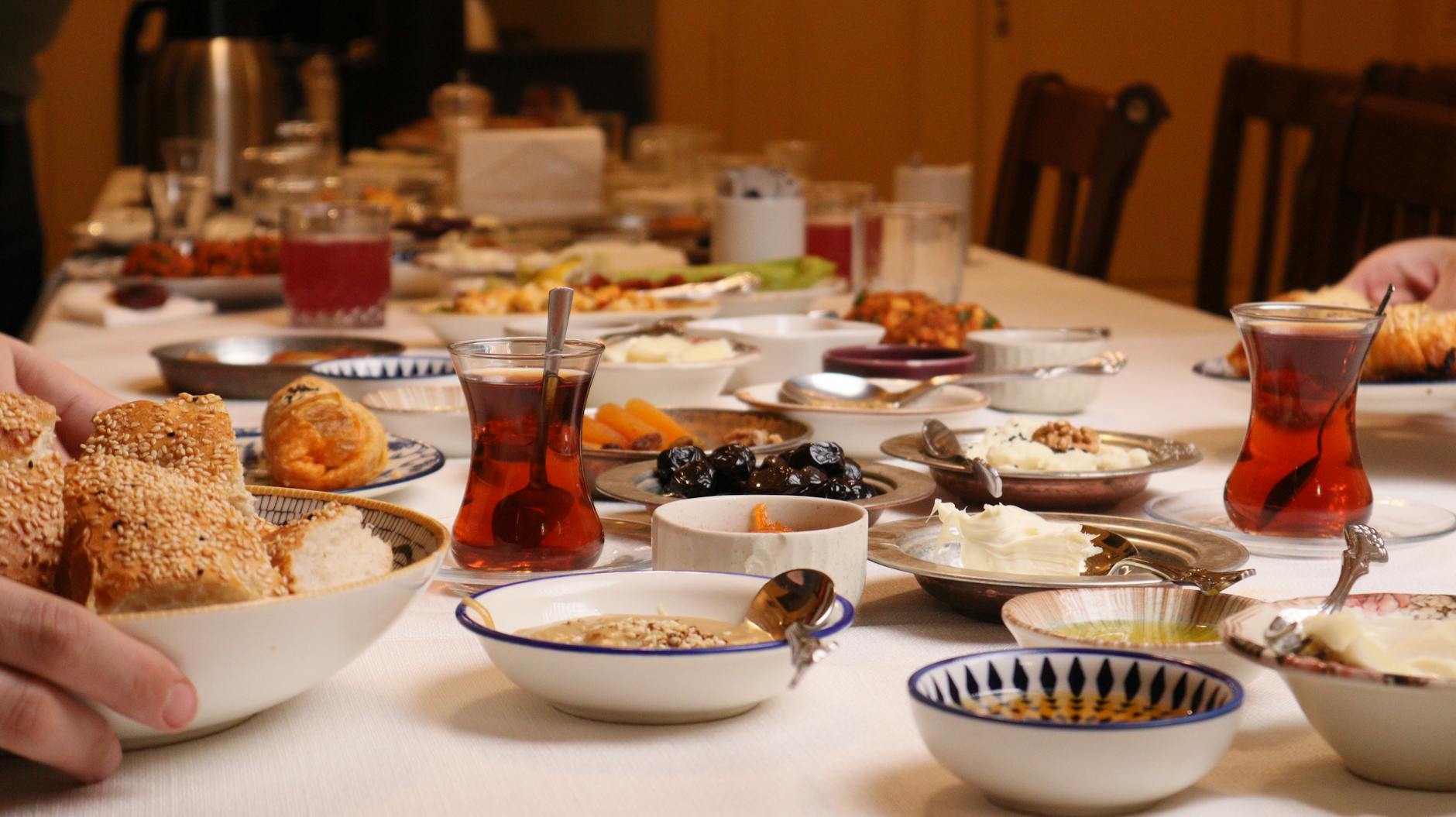
The timing of meals has a significant effect on metabolic health insulin sensitivity and the quality of overnight cellular repair processes. People who consume their largest meal earlier in the day and finish eating several hours before bedtime give the body more time to complete digestion before redirecting resources toward nightly repair and restoration. Research into chrononutrition the study of how meal timing affects biology suggests that eating in alignment with daylight hours supports hormonal balance and reduces metabolic strain. Late-night eating is associated with disrupted sleep poorer blood sugar regulation and increased inflammatory activity all of which accelerate aging over time. Shifting the eating window earlier is a structural habit change that yields measurable benefits with no change to what is consumed.
Eye Protection

Protecting the delicate skin around the eyes from sun damage is a habit that pays long-term dividends in preserving one of the first areas where aging becomes visually apparent. Wearing quality sunglasses that block ultraviolet radiation prevents both eye health deterioration and the fine lines caused by repeated squinting in bright conditions. People who develop the habit of wearing sunglasses and applying SPF to the eye area consistently tend to show significantly less periorbital aging over time. Eye creams containing retinol peptides and antioxidants applied nightly support skin cell turnover in an area where the skin is thinner and more vulnerable to damage. Combining protective and restorative habits around this area is a low-cost approach with highly visible long-term results.
Purposeful Living
Having a clear sense of purpose and meaning in daily life is consistently identified in longevity research as one of the most powerful predictors of healthy aging. The Japanese concept of ikigai which translates roughly to a reason for being has been studied extensively in relation to Okinawa’s exceptional rates of healthy longevity. People who feel that their daily actions contribute to something larger than themselves demonstrate lower cortisol levels stronger immune function and greater motivation to maintain health-promoting behaviors. Purpose does not require grand achievement but can be found in relationships creative work community involvement or any activity that generates a sense of meaning and engagement. Cultivating and revisiting one’s sense of purpose is an ongoing reflective practice that costs nothing and supports health at every level of biology and psychology.
Alcohol-Free Mornings

Beginning the day without alcohol or the residual physiological effects of the night before allows the body’s natural cortisol awakening response to function as intended. This hormonal pattern which peaks in the first hour after waking supports alertness immune readiness and metabolic activation for the day ahead. People who protect their mornings with consistent hydrating nourishing and movement-based rituals set a physiological tone that cascades through energy mood and food choices for the rest of the day. The absence of alcohol-related disruption to sleep architecture means deeper more restorative overnight rest which directly supports cellular repair and hormonal balance. This habit reinforces and amplifies the benefits of many other practices on this list creating a compounding effect on overall aging.
Skin Barrier Care
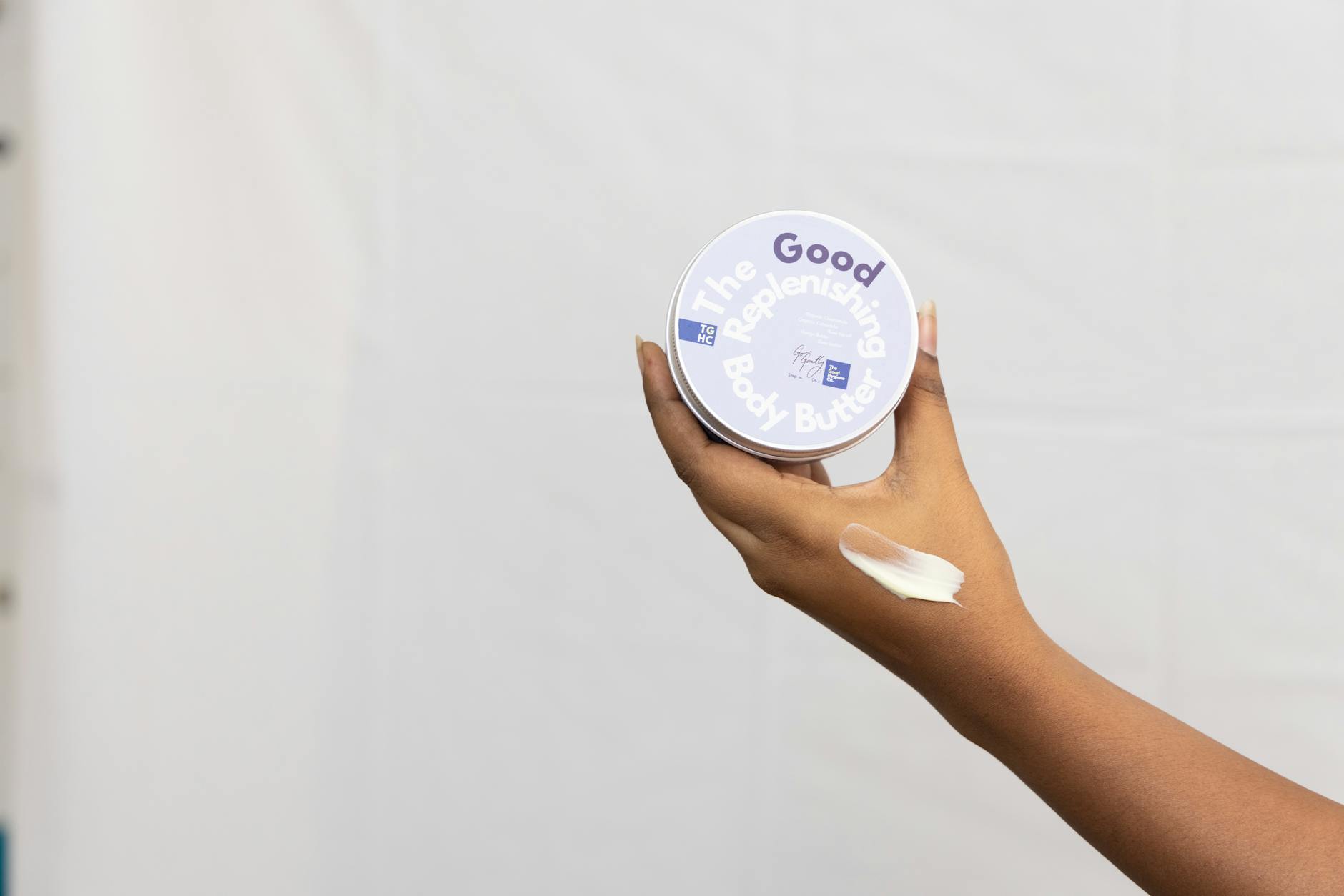
Maintaining the integrity of the skin barrier through consistent moisturizing is one of the simplest and most effective habits for preserving skin health and a youthful appearance over time. A compromised skin barrier leads to accelerated transepidermal water loss increased sensitivity inflammation and faster visible aging particularly in dry or cold climates. People who apply a basic moisturizer morning and night as a non-negotiable habit tend to maintain more supple even-toned skin well into later decades. Ingredients such as ceramides hyaluronic acid and glycerin are widely available at accessible price points and are among the most effective barrier-supporting compounds studied in dermatology. The habit takes under a minute and its cumulative effect on skin resilience and appearance compounds significantly over years of consistent practice.
What habits do you rely on to stay feeling and looking your best as the years go by? Share your thoughts in the comments.




