Many homeowners fall into the trap of cleaning certain household items far more frequently than necessary. This habit drains valuable time and energy while offering diminishing returns on hygiene or aesthetics. Experts suggest that a revised schedule can actually preserve the lifespan of fabrics and surfaces. Adjusting your routine allows you to focus on high-traffic areas that actually require daily attention. The following list identifies common items you can safely clean less often without compromising cleanliness.
Denim Jeans

Denim is a durable fabric designed to withstand heavy use without requiring a wash after every wear. Frequent laundering breaks down the sturdy fibers and causes the indigo dye to fade prematurely. Most manufacturers recommend washing jeans only after every ten wears or when visible stains appear. Spot cleaning is often sufficient for minor spills to maintain the structural integrity of the pants. Simply airing them out between wears can effectively neutralize odors without the stress of a washing machine.
Winter Coats

Heavy outerwear like wool coats and down jackets does not need to be cleaned as often as your daily clothing. These items are typically worn over other layers which protects them from direct contact with body oils and sweat. Washing them once or twice per season is usually sufficient to keep them fresh and functional. Overwashing can damage the water-resistant coatings or cause down feathers to clump together. Professional dry cleaning at the end of the season ensures they are ready for storage.
Bath Towels
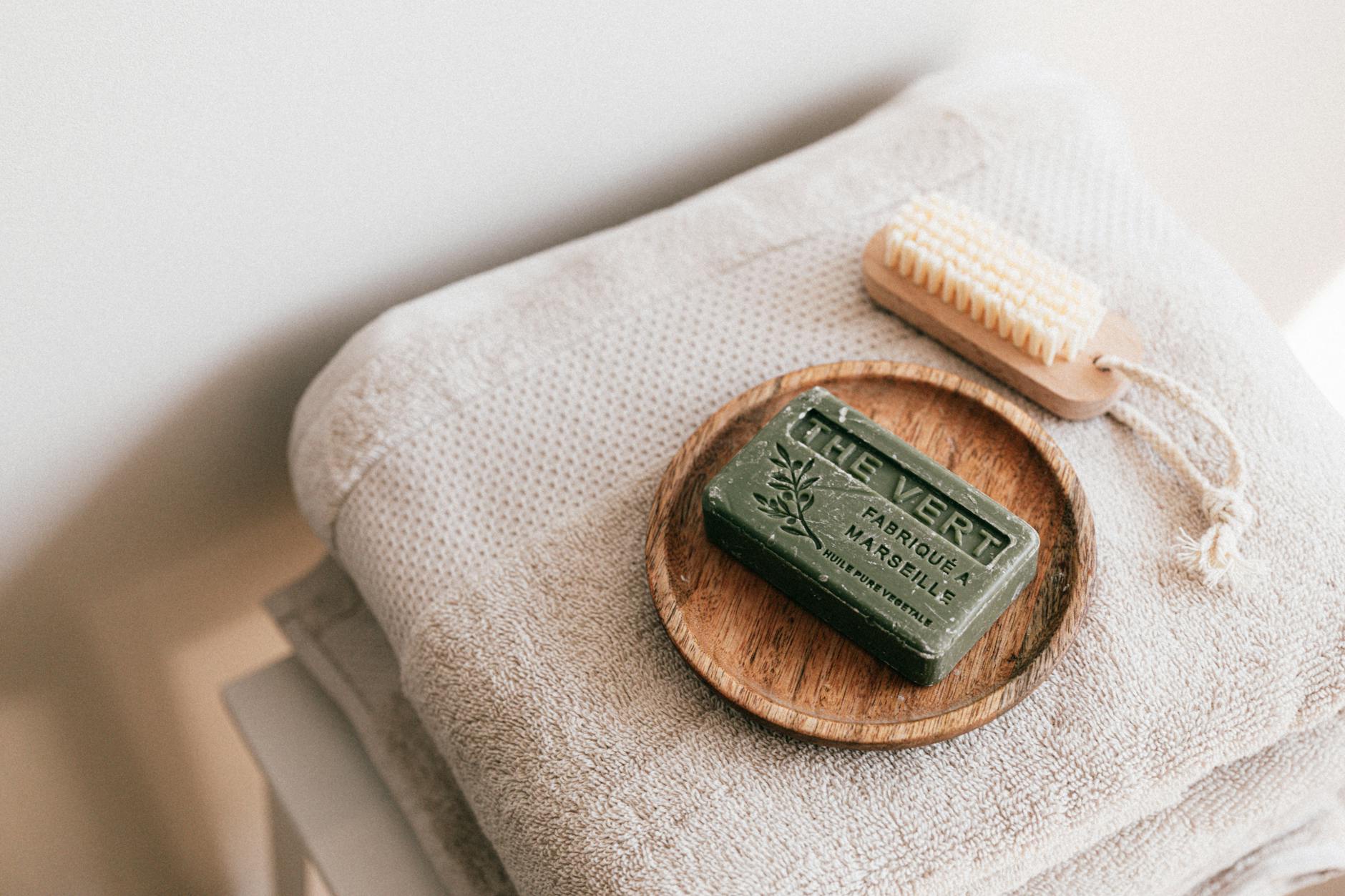
Many people instinctively toss their bath towel in the hamper after a single use. However, a towel used to dry a clean body can be used three or four times before it requires washing. The key is to hang the towel up immediately so it dries completely between uses to prevent bacterial growth. Constant washing breaks down the terry cloth fibers and reduces the absorbency of the material over time. Reducing this frequency significantly cuts down on laundry volume and water consumption.
Bed Sheets
While fresh bedding feels luxurious, washing sheets more than once a week is often unnecessary for the average person. Weekly washing is the gold standard for hygiene but doing it every few days creates excessive laundry work. Unless you have pets that sleep in the bed or you suffer from severe allergies, the weekly schedule is perfectly adequate. Frequent hot water cycles can cause elastic bands in fitted sheets to lose their snap much faster. Rotating between two sets of sheets can also extend the life of the fabric.
Curtains and Drapes
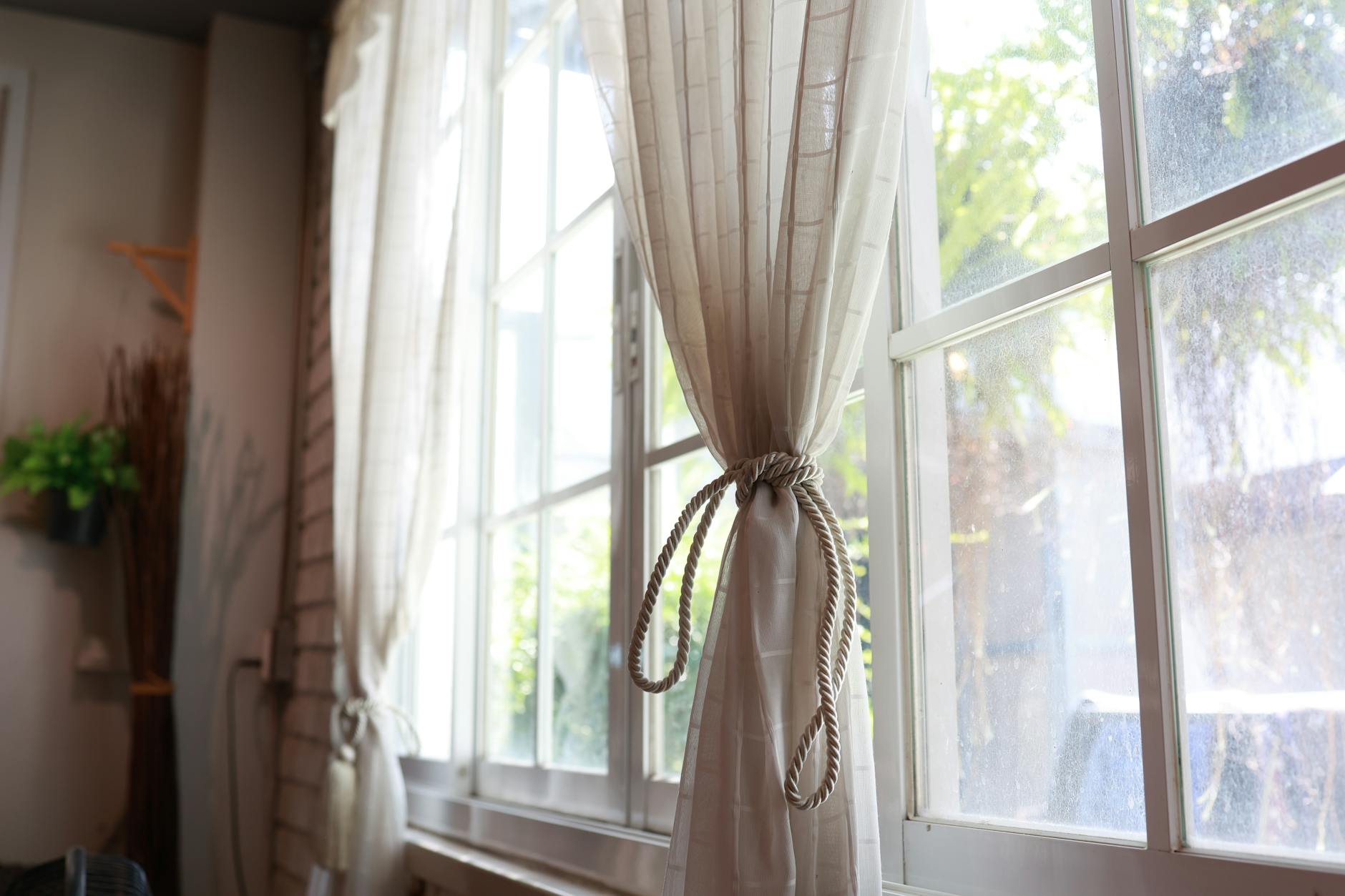
Window treatments collect dust much slower than horizontal surfaces like tables or floors. Taking down heavy drapes to wash or dry clean them is a labor-intensive task that only needs to happen annually. You can maintain them in the interim by using the upholstery attachment on your vacuum cleaner to remove surface dust. Washing them too often can lead to shrinkage or fabric distortion that ruins the way they hang. A yearly deep clean is typically enough to remove any lingering allergens.
Carpets

Deep cleaning carpets with a steam cleaner or shampooer is a major undertaking that can actually harm the fibers if done too frequently. Professional carpet cleaners generally recommend a deep clean only once every twelve to eighteen months. Doing this monthly leaves behind detergent residue that actually attracts more dirt and makes the carpet look dingy faster. Regular vacuuming is the most effective way to maintain carpet health on a weekly basis. Overwetting the backing can also lead to mold growth or separation of the carpet layers.
Wooden Furniture

Polishing wood furniture every week creates a sticky buildup over time that dulls the natural finish. Wax and polish products are meant to be applied sparingly to protect the wood rather than as a daily cleaner. A simple dusting with a dry microfiber cloth is all that is needed for regular maintenance. You should only apply a new coat of polish when the surface begins to look dry or lackluster. This usually means polishing is required only a few times a year.
The Oven

The self-cleaning cycle on modern ovens uses extremely high temperatures that can stress the appliance components. Running this feature too often can damage the internal fuse or the electronic control board. Wiping up spills immediately after the oven cools is a much safer and energy-efficient maintenance strategy. Deep cleaning implies removing baked-on grease and usually only needs to occur two or three times a year depending on usage. Relying on spot cleaning prevents the need for harsh chemicals or extreme heat cycles.
Bras

Washing bras after every single wear can ruin the elasticity and damage the delicate underwire structure. Unless it was a particularly hot day or a heavy workout session, you can wear a bra three to four times before washing. Rotating between different bras gives the elastic time to recover its shape between wears. Hand washing or using a gentle cycle prevents the hooks from snagging other clothes. Reducing wash frequency directly extends the expensive lifespan of high-quality lingerie.
Suits and Blazers

Dry cleaning utilizes harsh chemicals that can degrade the fine wool fibers of suits and blazers. These structured garments should only be professionally cleaned when there is a visible stain or a persistent odor. brushing the fabric with a suit brush after wear removes dust and food particles effectively. Hanging the suit in a well-ventilated area allows the fabric to breathe and release trapped smells. Most experts suggest dry cleaning only once or twice a year for suits in regular rotation.
Wool Sweaters

Wool has natural antimicrobial properties that make it resistant to odors and bacteria. Washing wool sweaters too often increases the risk of felting and shrinking the garment permanently. It is often enough to wear a cotton undershirt to protect the wool from body oils. Spot cleaning addresses small stains without subjecting the entire sweater to water and agitation. A gentle wash at the end of the winter season is usually all that is required.
Bed Pillows
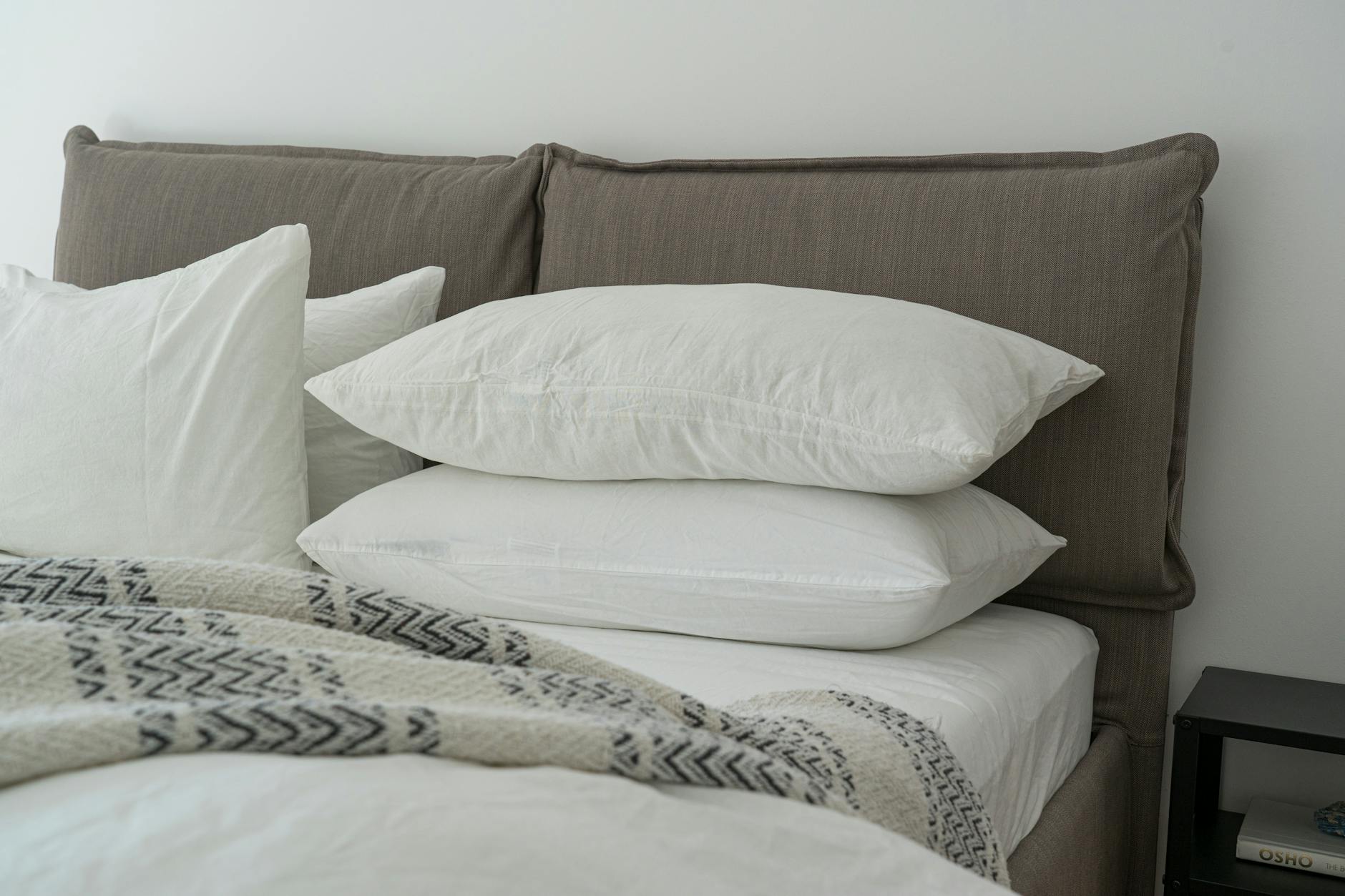
While pillowcases need weekly washing, the actual pillows themselves do not need to be laundered as frequently. Putting synthetic or down pillows through the wash every month can cause the filling to become lumpy and misshapen. Washing two to three times a year is sufficient to remove dust mites and sweat accumulation. Using a zippered pillow protector underneath the pillowcase provides an effective barrier against dirt. Always ensure pillows are completely dry to prevent mildew from forming inside the filling.
Comforters and Duvets

Bulky bedding items like comforters are difficult to wash and dry properly in standard residential machines. Unless there is a spill or a pet accident, washing these items once or twice a year is standard practice. A duvet cover protects the insert and is much easier to remove and wash regularly. Frequent washing of the insert compresses the filling and reduces its insulating warmth. Airing the comforter outside on a sunny day can refresh it without a full wash cycle.
Ceiling Fans

Dust accumulates on ceiling fan blades but it does not usually pose a health hazard unless disturbed. Climbing up to dust them every week is a hassle that yields minimal visible results. A monthly dusting is generally enough to keep the accumulation from becoming unsightly or falling off. Using a long-handled duster traps the dust effectively so it does not scatter around the room. Focusing on lower surfaces is a better use of limited cleaning time.
Baseboards

Baseboards are low-traffic vertical surfaces that do not collect dirt as quickly as floors. Scrubbing them on your hands and knees every week is back-breaking work that is largely unnecessary. Running a vacuum attachment along them once a month keeps the dust levels under control. Deep cleaning with soap and water is rarely needed unless there are visible scuffs or spills. Saving this task for a seasonal deep clean frees up significant time in your weekly routine.
Windows

Crystal clear windows are beautiful but striving for perfection every week is a losing battle against weather. Rain and wind will leave marks on exterior glass almost immediately after cleaning. Cleaning windows twice a year during spring and fall is the standard recommendation for most homes. Interior windows stay clean longer and only need attention when fingerprints or smudges are visible. Focusing on the screens and sills during the biannual clean yields better long-term results.
Kitchen Cabinets

The tops and interiors of kitchen cabinets do not need to be scrubbed down weekly. Cabinet doors may need spot cleaning for fingerprints but the structures themselves stay relatively clean. Wiping down the shelves every few months is sufficient to manage dust and crumbs. Deep cleaning the tops of cabinets where grease settles is an annual task rather than a monthly one. Lining the shelves makes the occasional cleanup much faster and easier.
Pantry Shelves

Organizing and wiping down every pantry shelf is a time-consuming project that does not need frequent repetition. Unless a package has leaked or spilled, the shelves generally remain clean and dry. A seasonal review of expiration dates is a good time to do a quick wipe of the surfaces. Constant reorganizing can actually lead to purchasing duplicate items or losing track of inventory. Spot cleaning spills as they happen is the most efficient maintenance method.
The Refrigerator Coils

Cleaning the condenser coils on the back or bottom of your fridge improves energy efficiency. However, this is a maintenance task that only needs to be performed once every six to twelve months. Obsessively checking them for dust every month yields negligible energy savings. Use a vacuum with a brush attachment to gently remove built-up dust during your annual spring clean. This frequency is enough to keep the appliance running smoothly without overheating.
Tile Grout
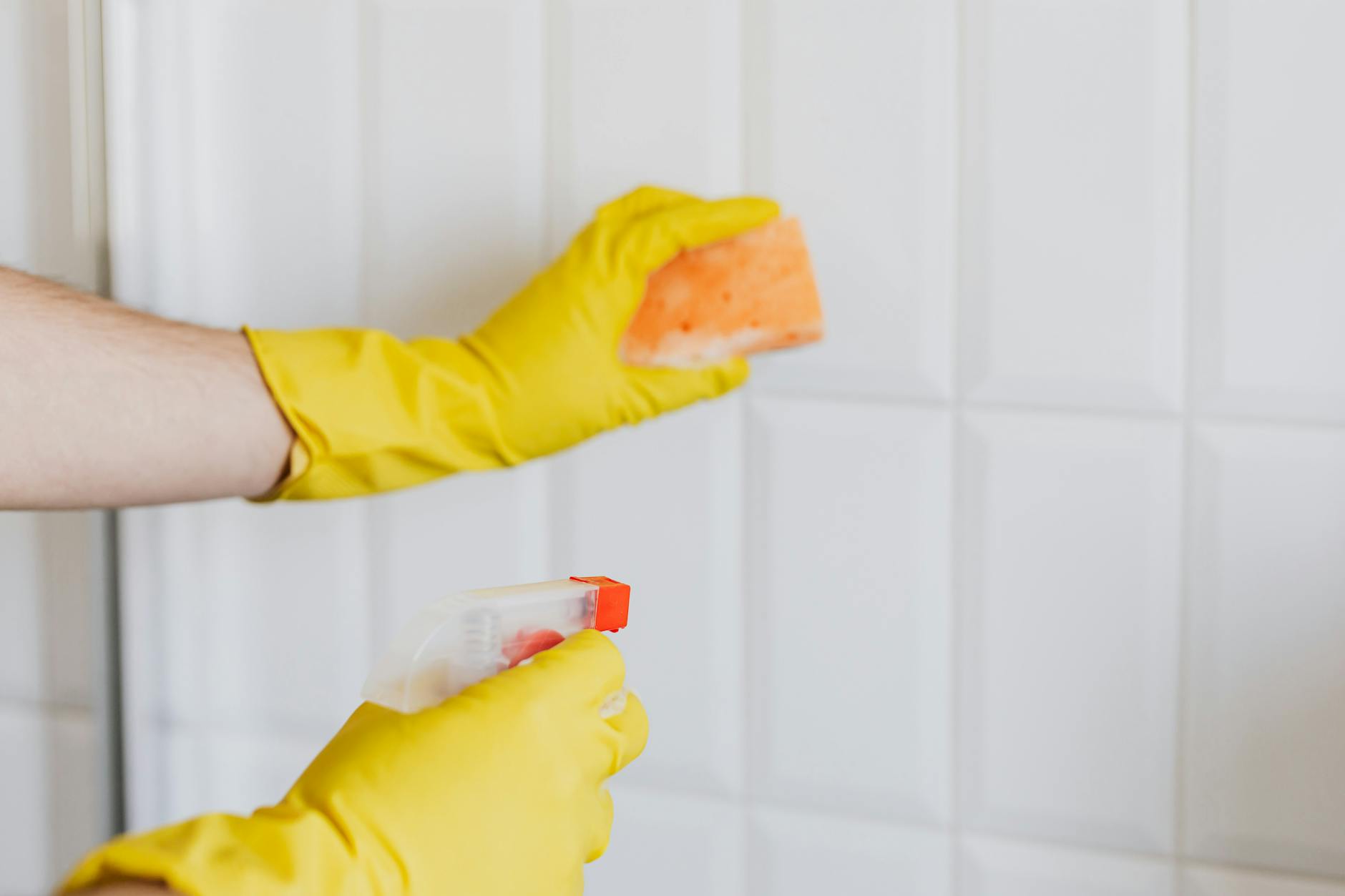
Scrubbing grout lines with a toothbrush is an intense chore that can actually degrade the grout if done too aggressively. Harsh chemicals and abrasive scrubbing wear away the sealant that protects the grout from moisture. Sealing the grout once a year is more effective than weekly heavy scrubbing. Regular mopping with a neutral cleaner keeps the grout looking good for everyday use. Deep cleaning should be reserved for when the discoloration becomes noticeably uneven.
Shower Curtains

Plastic shower curtain liners are inexpensive and often treated to be mold-resistant. You do not need to take them down and scrub them every single week. Spraying the liner with a daily shower cleaner can prevent soap scum buildup for weeks at a time. Washing the liner in the machine once a month is sufficient to keep it fresh. When the liner eventually becomes stained, replacing it is often more hygienic than repeated scrubbing.
Lampshades

Lampshades are delicate and often made of materials that can stain or tear easily. vacuuming them every week risks damaging the fabric or the decorative trim. A monthly dusting with a soft paintbrush or a lint roller is gentle and effective. Wet cleaning should be avoided as it can leave water rings or cause the frame to rust. Handling them less frequently preserves their shape and appearance.
Upholstered Furniture

Deep cleaning sofas and armchairs with water extraction machines should not be a regular monthly habit. Excess moisture can get trapped in the foam cushions and lead to musty odors or mold. Vacuuming the crevices to remove crumbs and pet hair is sufficient for weekly maintenance. Professional cleaning is recommended only every year or two to remove embedded soil. Spot treating stains immediately prevents the need for overall washing.
Mattresses

Vacuuming and rotating a mattress is important but doing it monthly is excessive for most modern mattresses. Many newer mattresses are designed to be no-flip and require less physical maintenance. Vacuuming the surface twice a year to reduce allergens is a reasonable schedule. Using a high-quality mattress protector keeps the mattress clean and negates the need for deep cleaning. This barrier prevents sweat and dead skin cells from ever reaching the mattress surface.
Area Rugs

Like wall-to-wall carpet, area rugs can be damaged by excessive scrubbing or washing. Sending large rugs out for professional cleaning is costly and only necessary every few years. Beating small rugs outside to remove dust is an effective old-fashioned method that saves water. Vacuuming is the primary way to keep rugs clean without causing wear on the fibers. Rotating the rug annually ensures even wear patterns and fades from sunlight.
Light Fixtures

Taking down glass globes and chandeliers to wash them is a dangerous and delicate task. Dust does not accumulate on these fixtures fast enough to warrant monthly cleaning. A quick dusting with an extendable duster keeps them bright without the risk of breakage. Deep cleaning with soap and water is an annual task best suited for spring cleaning. Constant handling increases the risk of loosening the fixtures or breaking the glass.
Outdoor Furniture

Patio furniture is designed to withstand the elements and does not need to be pristine at all times. scrubbing it down every week is futile as pollen and dirt will settle on it immediately. A quick hose down before a gathering is usually all that is required. Deep cleaning with specialized cleaners should happen at the start and end of the season. Covering the furniture when not in use is the best way to reduce cleaning time.
The Garage Floor

Sweeping and hosing out the garage is satisfying but rarely needs to be a weekly priority. Ideally, a garage floor is a functional space that will inevitably get dirty from car tires. A seasonal sweep to remove leaves and debris is practical for most homeowners. Oil stains should be treated when they happen, but general dust is acceptable in this utility space. Obsessing over a spotless garage floor takes time away from maintaining living areas.
Silverware
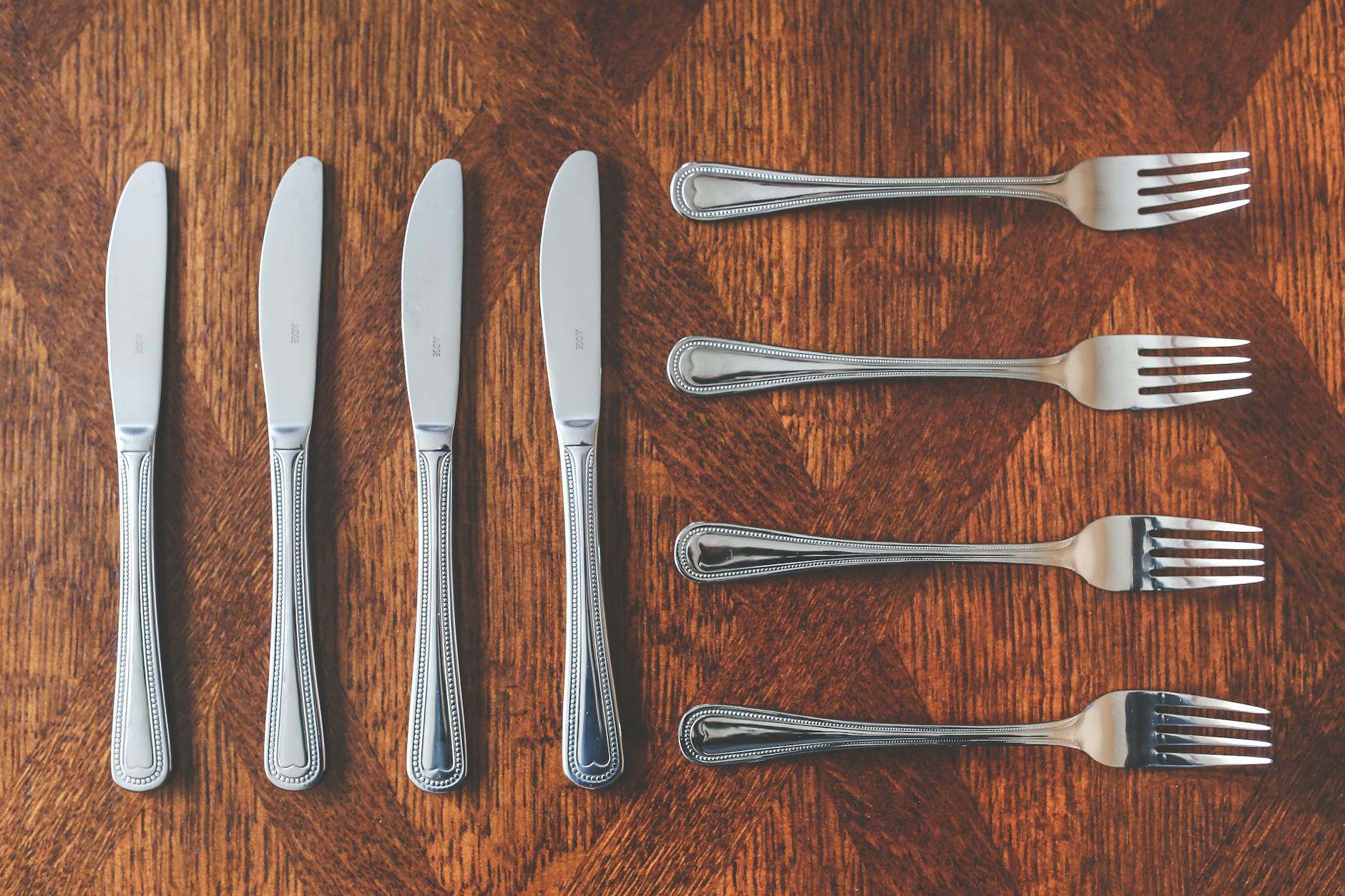
Polishing silver is a tedious tradition that has largely fallen out of favor for good reason. Constant polishing removes a tiny layer of the metal each time and wears down the details. Storing silver in tarnish-preventing cloths or chests significantly reduces the need for polishing. using the silver regularly actually helps keep the tarnish at bay better than storing it. Polish only for special occasions or when the discoloration becomes severe.
Cast Iron Skillets

Cast iron enthusiasts often worry excessively about the seasoning layer on their pans. You do not need to perform a full salt scrub and re-seasoning process after every single meal. Rinsing with hot water and drying thoroughly is usually enough for daily maintenance. Using a chainmail scrubber is only necessary for stubborn stuck-on food. The seasoning improves with use, so overly aggressive cleaning can actually be counterproductive.
Leather Jackets

Leather needs natural oils to stay supple and prevent cracking. Cleaning leather jackets too often with saddle soap or harsh chemicals strips these oils away. Wiping the surface with a damp cloth is enough to remove city dust or minor spills. Professional conditioning is only needed once a year or when the leather feels stiff. Over-cleaning can change the color and texture of the leather permanently.
Sneaker Soles

Scrubbing the rubber soles of sneakers to keep them bright white is a purely aesthetic preference. The soles touch the ground constantly and will get dirty the moment you step outside again. Wiping them down with a magic eraser is effective but doing it daily is a waste of time. Focus on keeping the upper fabric clean as that affects the longevity of the shoe. limit sole scrubbing to when you are preparing the shoes for storage or a specific event.
Car Exterior

Washing your car every weekend is a significant water and time commitment. Modern clear coats are durable and do not require constant washing to protect the paint. Washing a car every two weeks or even monthly is sufficient to remove corrosive bird droppings or salt. Automatic car washes can leave swirl marks if used too frequently. A good coat of wax applied seasonally offers better protection than frequent washing.
Throw Blankets

Decorative throws draped over the couch are not subjected to the same wear as bed sheets. Unless you use them every night or have pets, they do not need weekly laundering. Washing them too often creates pilling and ruins the softness of the fabric. A monthly wash or simply shaking them out is usually adequate. This preserves the texture and color of the blanket for years.
Mirrors

While smudges on mirrors are annoying, they do not require a daily spray of glass cleaner. Overusing cleaner can cause the silver backing of the mirror to de-laminate at the edges. Spot cleaning specific smudges with a microfiber cloth is safer and faster. Reserve the full spray and wipe down for when the entire surface is visibly dusty. This approach saves on paper towels and cleaning products.
We would love to hear which of these cleaning habits you plan to drop from your routine, so please tell us in the comments.




