
The idea that a sale automatically represents a good deal is one of the most persistent and costly myths in modern consumer culture. Retailers invest enormous resources into creating the psychological conditions under which shoppers override their better judgment and purchase things they would never have considered at full price. The word discount triggers an emotional response that temporarily overrides rational financial thinking in ways that are well understood by marketing professionals and behavioral economists alike. Learning to recognize which categories of purchase consistently fail to deliver real savings during promotional periods is one of the most valuable financial habits a person can develop.
Electronics
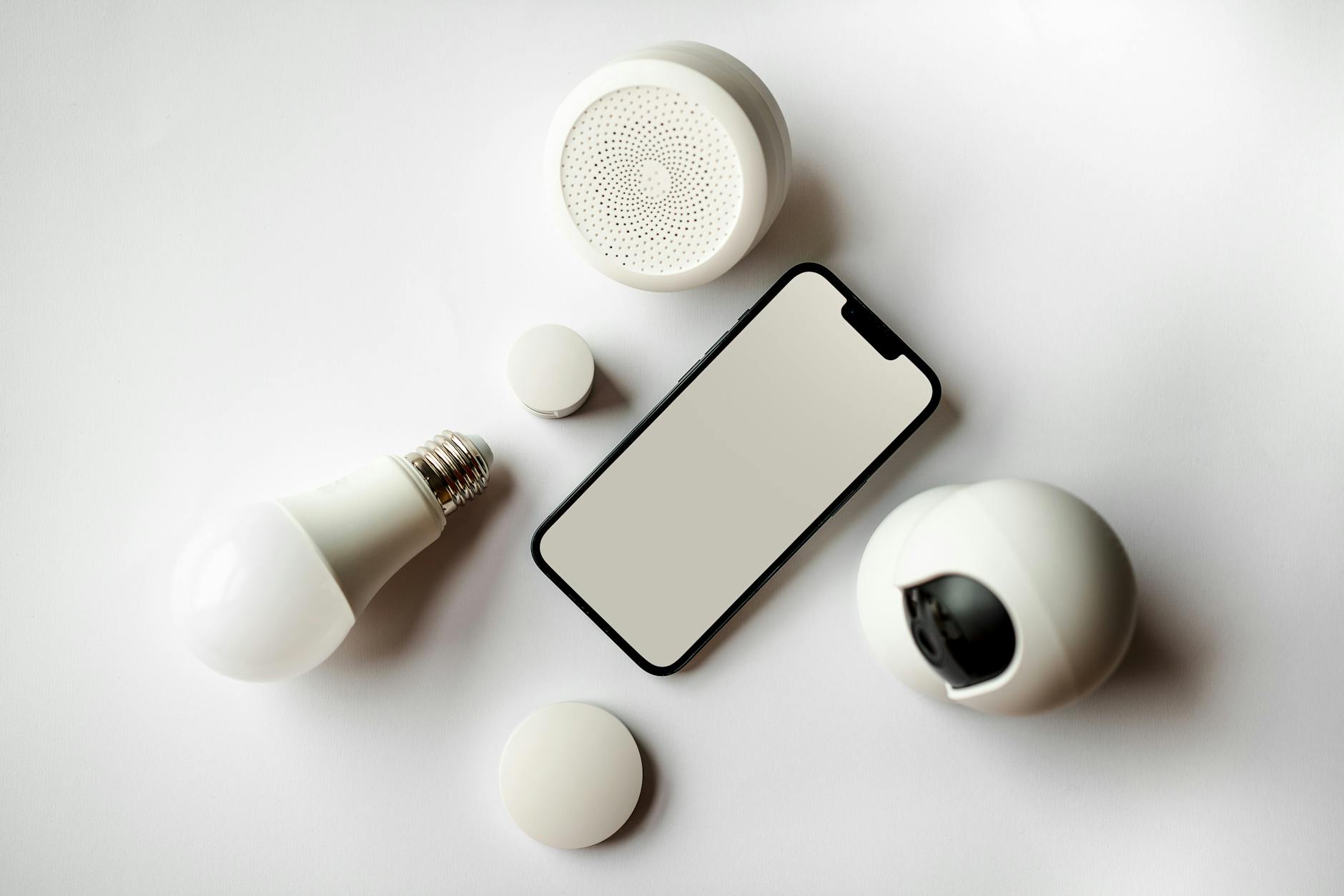
Consumer electronics are among the most heavily marketed sale items across every major retail calendar event worldwide. Manufacturers and retailers coordinate product release cycles so that the models promoted during sale periods are frequently outgoing inventory being cleared to make way for newer generations. The discount applied to an older model often reflects depreciation and obsolescence rather than genuine generosity from the retailer. Buyers who purchase electronics during sales frequently find that superior successor models become available at comparable or lower prices within weeks of their transaction. The perception of scarcity and time pressure around electronics deals is an engineered response rather than a reflection of genuine market conditions.
Gym Memberships
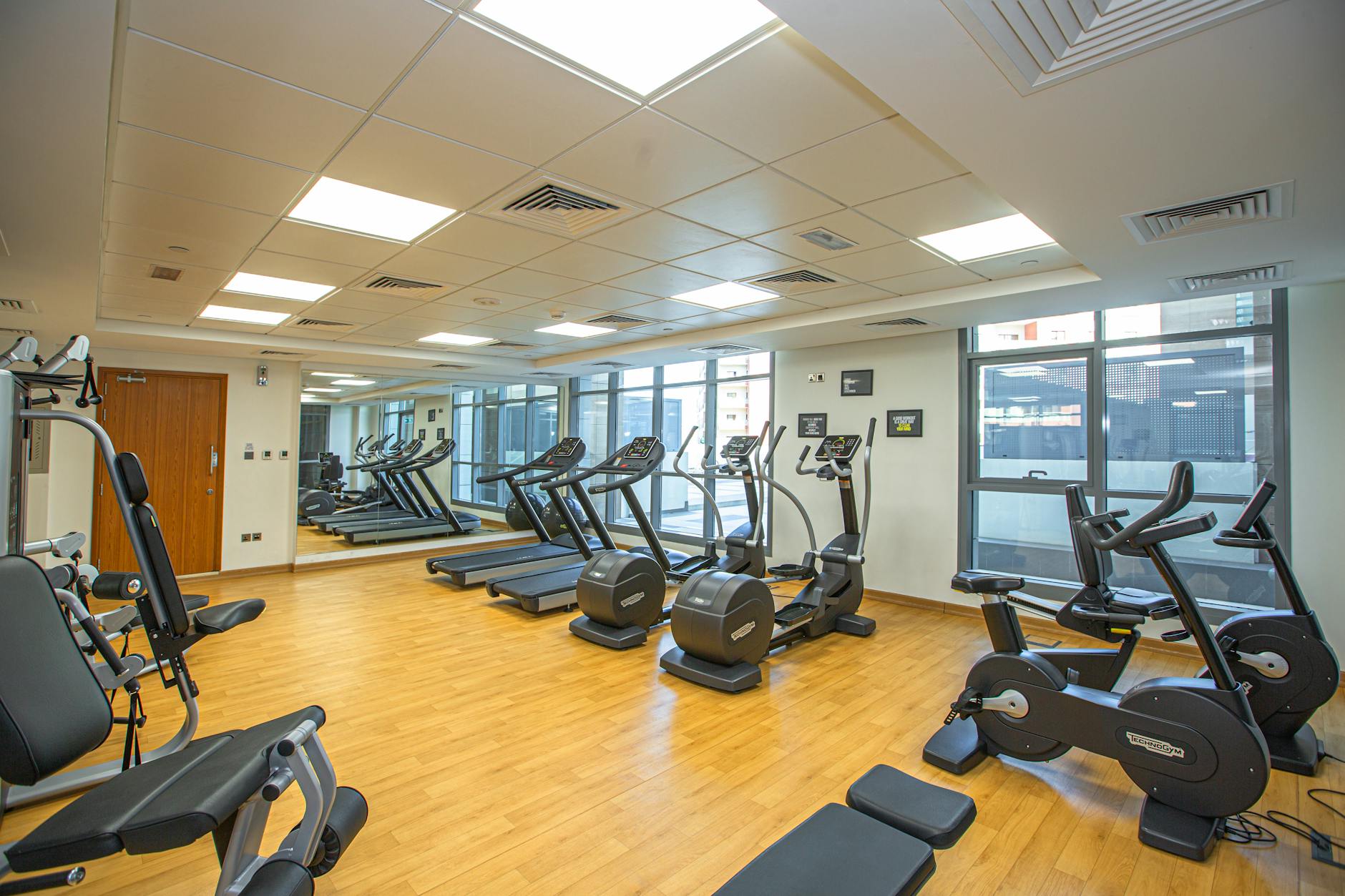
January sales on gym memberships are one of the most reliably poor value purchases in the entire consumer calendar. Gyms sell memberships at discounted rates during this period with full statistical knowledge that the vast majority of new sign-ups will stop attending within six to eight weeks. The business model depends on selling far more memberships than the physical facility could ever accommodate simultaneously. Contracts signed during promotional periods frequently include long minimum terms cancellation fees and automatic renewal clauses buried in documentation that customers rarely read carefully. The discounted entry price is almost never the true cost of the membership when assessed over the full contractual period.
Fast Fashion

Sale periods at fast fashion retailers create conditions where the volume and speed of purchasing decisions override any consideration of whether individual items will actually be worn. Research on wardrobe utilization consistently shows that sale purchases have significantly lower wear rates than full price considered purchases. The price point during a sale can make a garment feel almost free which removes the mental threshold that would normally filter out impulse choices. Items bought in bulk during fast fashion sales frequently contribute to wardrobe clutter and are discarded within a single season without having justified even their discounted cost. The environmental and financial cost of unused clothing is substantially higher than the savings suggested by a percentage-off tag.
Mattresses

The mattress industry operates one of the most continuous and misleading sale structures in retail with a significant proportion of stores running promotional pricing for the majority of the calendar year. Inflated original prices are set with the explicit intention of being discounted rather than reflecting any genuine market value for the product. Consumers who wait for a mattress sale to make their purchase are frequently paying a price that was always intended to be the actual selling price from the outset. The complexity of mattress specifications makes direct price comparison between retailers extremely difficult which gives sellers significant latitude to present any price as a deal. Independent research into actual cost prices for mattress components reveals margins that make even sale prices highly profitable for retailers.
Extended Warranties

Extended warranty products are pushed most aggressively during sale periods when consumers are already in a financially permissive mindset and less likely to scrutinize add-on costs carefully. The statistical probability of a product requiring repair within the extended warranty period is consistently lower than the cost of the warranty itself across most product categories. Insurance industry data shows that extended warranties are among the highest margin products sold in retail environments generating returns that would be impossible if claims rates matched what consumers assume. Manufacturers already provide statutory warranty protections in most markets that cover the period during which faults are most likely to emerge in a new product. The sale environment is simply the most effective context in which to sell a product that rational analysis would almost always reject.
Perfume and Fragrance

Fragrance products sold during promotional periods present particular challenges around authenticity storage history and product integrity that are rarely communicated to buyers. Perfume degrades when exposed to heat light and temperature fluctuation and sale stock that has been warehoused for extended periods may have already experienced quality changes before purchase. Discounted fragrances are also one of the most commonly counterfeited product categories in retail with sophisticated imitations entering legitimate supply chains through grey market channels. The emotional and impulsive nature of fragrance purchasing is well understood by marketers who use sale pricing to accelerate decisions that benefit from more considered evaluation. A fragrance purchased at full price from a trusted specialist retailer with proper storage conditions almost always represents better long-term value.
Kitchenware Sets

Bundled kitchenware sets promoted during sale events include a high proportion of items that the average household will use rarely or never. The value calculation presented by a large discounted set is almost always based on the combined individual retail prices of all included items regardless of their practical utility to the buyer. A smaller number of high quality individual pieces purchased at full price from a reputable specialist consistently outperforms a large sale bundle in both longevity and actual usage frequency. Set packaging obscures the individual quality of component pieces making it difficult to assess whether any single item in the bundle meets the standard a buyer would apply to a standalone purchase. The appeal of the bundle price is a retail construction rather than a reflection of genuine household need.
Exercise Equipment

Home exercise equipment purchased during sales suffers from one of the highest abandonment rates of any consumer product category. The motivational state that drives the purchase is almost never sustained long enough to justify the cost of the equipment regardless of the discount applied. Large items like stationary bikes treadmills and rowing machines require dedicated space and ongoing maintenance that buyers underestimate at the point of purchase. Secondary markets for home exercise equipment are consistently oversupplied which means the resale value of abandoned equipment is extremely low relative to purchase price. Fitness goals are far more reliably achieved through behavioral and habit-based interventions than through the acquisition of discounted equipment.
Luxury Goods
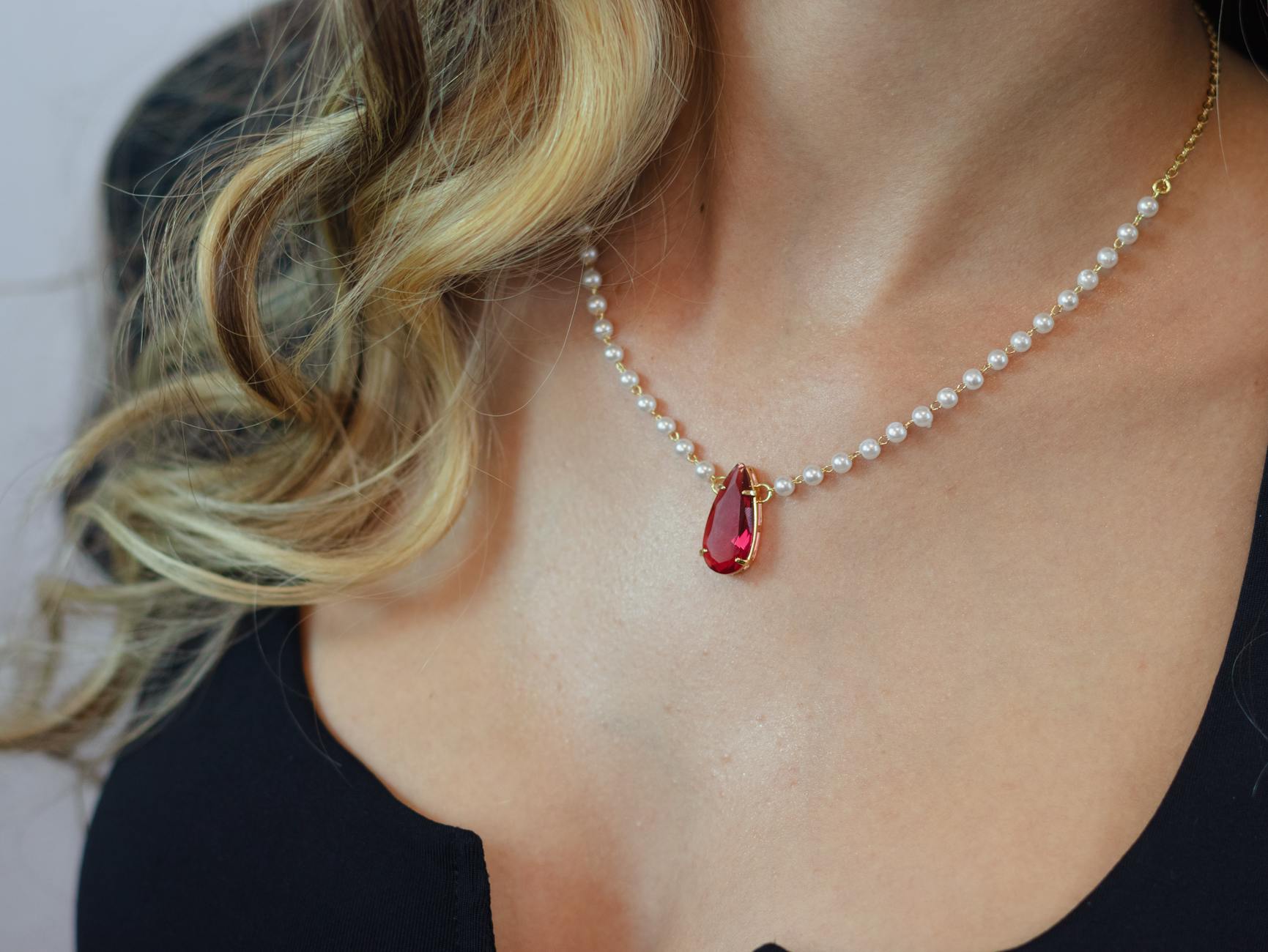
Authentic luxury goods are almost never genuinely discounted during sale periods and the appearance of a sale price on a luxury item should prompt careful scrutiny rather than accelerated purchasing. True luxury brands carefully manage their pricing architecture to protect brand equity and the integrity of their positioning in the market. Items presented as discounted luxury are frequently from older collections with specific characteristics that limit their desirability or represent overstock from ranges that did not perform as expected. Outlet and sale environments for luxury goods attract a disproportionate volume of counterfeit and grey market product compared to mainline retail channels. The premium associated with a luxury purchase is most reliably protected when the transaction occurs through an authorized full-price retailer.
Alcohol in Bulk

Bulk alcohol purchases made during promotional periods represent a category where the apparent financial saving is frequently offset by consumption increases driven purely by availability. Behavioral research on household alcohol consumption consistently shows that volume purchased is a stronger predictor of volume consumed than personal intention or stated preference. A sale price that encourages buying three times the usual quantity rarely results in three times the enjoyment but frequently results in three times the consumption. Storage requirements for bulk alcohol purchases are also underestimated with many products requiring specific conditions that average household environments cannot reliably provide. The financial case for bulk alcohol purchasing during sales is weaker than it appears when total consumption cost is calculated honestly.
Toys and Children’s Items

Toy purchases made speculatively during sales in advance of birthdays or holidays carry a high rate of misalignment between the item purchased and the child’s actual interests at the time of gifting. Children’s preferences evolve rapidly and a toy bought months in advance at a discounted price is frequently superseded by new interests by the time the occasion arrives. The storage burden of advance toy purchases is also a practical consideration that buyers in a sale environment consistently underweight. Safety standards and recall notices for children’s products are updated regularly and items purchased and stored for extended periods may be subject to advisories issued after purchase. Buying children’s items closer to the point of need at full price typically delivers better alignment with actual requirements.
Skincare Products

Skincare products purchased in large quantities during sales present genuine risks around expiry dates usage rates and the likelihood of formulation changes before existing stock is exhausted. Most active skincare ingredients have specific shelf lives after opening that make bulk purchasing financially counterproductive even when the unit price appears attractive. The sale environment encourages purchasing across a broader range of skincare products than a considered routine would include leading to product accumulation that rarely translates to actual use. Skincare formulations are updated and reformulated regularly meaning a product purchased in quantity during a sale may differ from the version a buyer was originally loyal to. Professional advice on skincare is also most valuable when given in relation to products actually being used rather than aspirationally purchased.
Furniture During January Sales
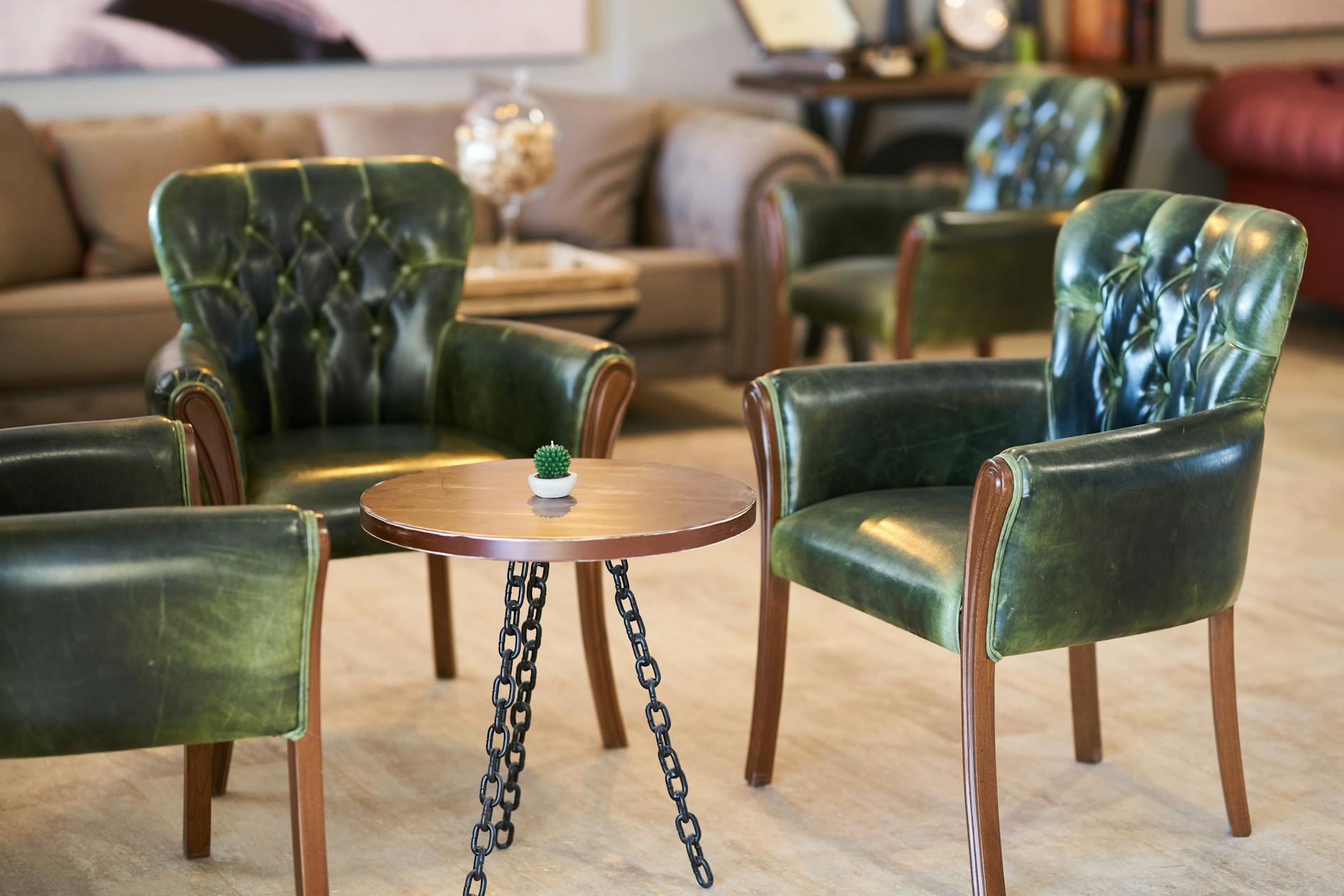
January furniture sales are one of the most aggressively marketed retail events of the year but the pricing structures behind them are among the least transparent in consumer goods. Showroom prices from which discounts are calculated are frequently set at levels that have never represented a genuine transaction price for the item in question. The emotional state of the post-holiday period combined with a desire for domestic renewal creates conditions highly favorable to furniture retailers seeking to move inventory. Quality assessment of furniture during a high-traffic sale environment is significantly more difficult than during a quiet full-price visit when staff are available to discuss construction materials and longevity. Furniture purchased under time pressure and promotional excitement has a statistically higher rate of buyer regret than considered full-price purchases.
Travel Insurance During Booking Sales

Travel insurance products bundled with discounted holiday bookings during promotional periods are among the most consistently inadequate coverage products in the financial services sector. The competitive pressure of a travel sale environment encourages buyers to accept insurance add-ons without reading policy exclusions which are frequently extensive. Policies sold as part of a promotional bundle are often underwritten to a standard that allows the headline premium to remain low while providing meaningful protection only in the most straightforward claim scenarios. Independent travel insurance purchased through a specialist broker after careful policy comparison consistently outperforms bundled sale products in actual claim outcomes. The small premium saving achieved by accepting a bundled policy is disproportionate to the coverage gap it frequently creates.
Cookbooks

Cookbooks purchased during sales belong to a category with one of the lowest actual usage rates of any printed product in the average household. The visual appeal of food photography and the aspirational nature of cooking content make cookbooks highly susceptible to impulse purchasing in a sale environment where the lowered price removes the final hesitation. Studies of household cookbook collections consistently show that the majority of volumes are consulted fewer than five times after purchase with a significant proportion never used at all. Digital recipe resources now provide equivalent or superior content to most printed cookbooks without the storage requirement or the upfront cost. A single well-chosen cookbook purchased at full price and genuinely used represents better value than a shelf of discounted volumes that serve primarily a decorative function.
Pet Supplies in Bulk

Bulk pet supply purchases made during sales are a category where apparent savings are frequently undermined by product refusal expiry and changes in animal dietary requirements over time. Animals develop preferences aversions and intolerances that cannot be reliably predicted at the point of a bulk purchase decision. Veterinary guidance on animal nutrition evolves and a food or supplement purchased in large quantities during a sale may be superseded by professional advice before the stock is exhausted. Storage conditions for pet food and health products are more specific than most buyers assume with temperature humidity and light exposure all affecting product integrity over time. The financial case for bulk pet supply purchasing is strongest when an animal has a long and documented history with a specific product and when storage conditions are genuinely adequate.
Bedding and Linens

Bedding and linen purchases made during sale events suffer from a quality assessment problem that is difficult to resolve in a retail environment. Thread counts fiber compositions and weave qualities that determine the actual comfort and longevity of bedding cannot be meaningfully evaluated through packaging descriptions or brief physical handling in a store. Sale bedding is disproportionately represented by lower quality stock that is being cleared precisely because it underperforms against the standard a retailer needs to maintain at full price. The difference in longevity between high quality full-price bedding and sale-priced alternatives is often sufficient to make the cost per use calculation favor the more expensive option significantly. Bedding is a daily use product where quality has a direct and ongoing impact on sleep and wellbeing making it one of the categories least suited to price-led purchasing decisions.
Fitness Trackers

Fitness trackers and wearable health devices purchased during sales represent a category with an exceptionally high abandonment rate that undermines the financial case for the purchase regardless of the discount level. Research on wearable technology adoption shows that active usage drops sharply after the initial weeks of ownership for the majority of buyers. The motivational effect of a new device is temporary and does not address the behavioral patterns that determine whether health goals are actually achieved. Models promoted during sale periods are frequently from outgoing product generations that will shortly lose software support and compatibility with updated platform ecosystems. The full long-term cost of a fitness tracker purchase includes subscription services replacement bands and eventual device replacement that rarely feature in the sale price calculation.
Wine by the Case

Case purchase discounts on wine offered during promotional periods appeal strongly to buyers who overestimate both their own consumption preferences and the storage conditions available to them at home. Wine purchased by the case based on a single tasting or recommendation carries a high risk of palate fatigue as the novelty of a wine diminishes with repeated consumption. Domestic storage environments subject wine to temperature fluctuations that degrade quality at a rate that can negate the financial benefit of even a substantial case discount. The social dynamics of having a large quantity of a single wine also create pressure to serve it across occasions where it may not be the most appropriate choice. Purchasing wine in smaller quantities more frequently and more deliberately almost always delivers greater satisfaction per bottle than bulk case buying during a sale.
Luggage

Luggage purchased during sales is a category where brand reputation construction quality and after-sales warranty support are consistently compromised in the models most prominently discounted. The wheeling and handling characteristics of luggage cannot be meaningfully assessed in a retail environment and design flaws in cheaper discounted models typically only emerge under the stress of actual travel use. Warranty and repair support for luggage brands sold primarily through sale channels is frequently inadequate making damage replacement a full additional cost rather than a covered service. Premium luggage purchased at full price from a brand with a documented repair and replacement program delivers a cost-per-use outcome that typically surpasses even heavily discounted alternatives over a five to ten year horizon. Luggage is a category where the relationship between price and actual performance is more direct and consistent than in almost any other consumer goods segment.
Coffee Machines
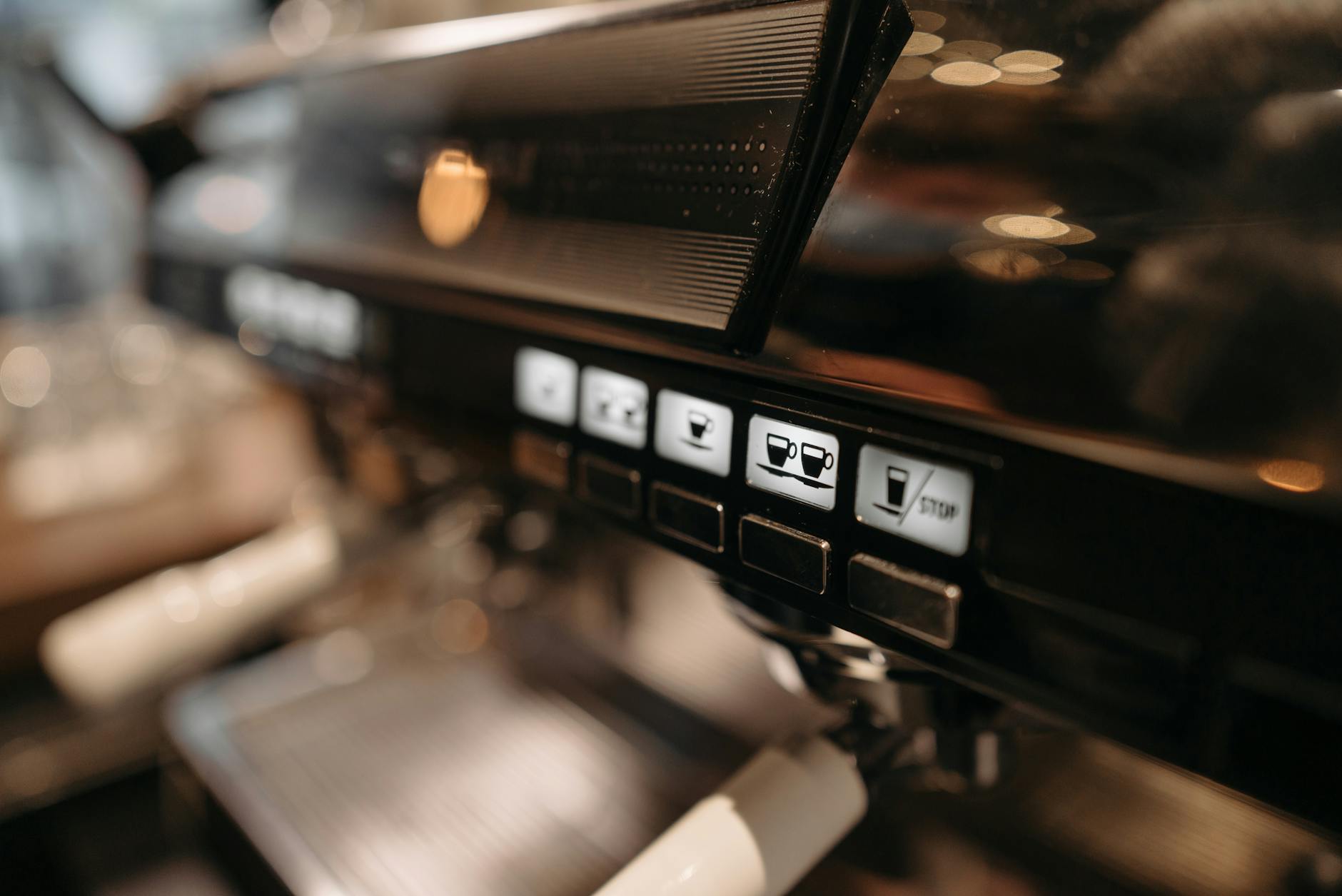
Domestic coffee machines promoted during sale events occupy a product category where ongoing consumable costs dwarf the significance of any upfront purchase discount. The capsule pod or proprietary bean system required by many domestic machine models creates a long-term spending commitment that is locked in at the point of machine purchase regardless of how favorably the machine itself was priced. Machines featured most prominently in sale promotions are frequently those with the highest associated consumable margins making the discounted hardware effectively a subsidized entry point into an expensive ongoing system. Build quality and repairability in sale-priced coffee machines are also consistently lower than in machines purchased through specialist retailers at full price. The total five-year cost of ownership for a discounted machine with expensive proprietary consumables almost always exceeds that of a more expensive machine with an open and competitive consumable ecosystem.
Musical Instruments
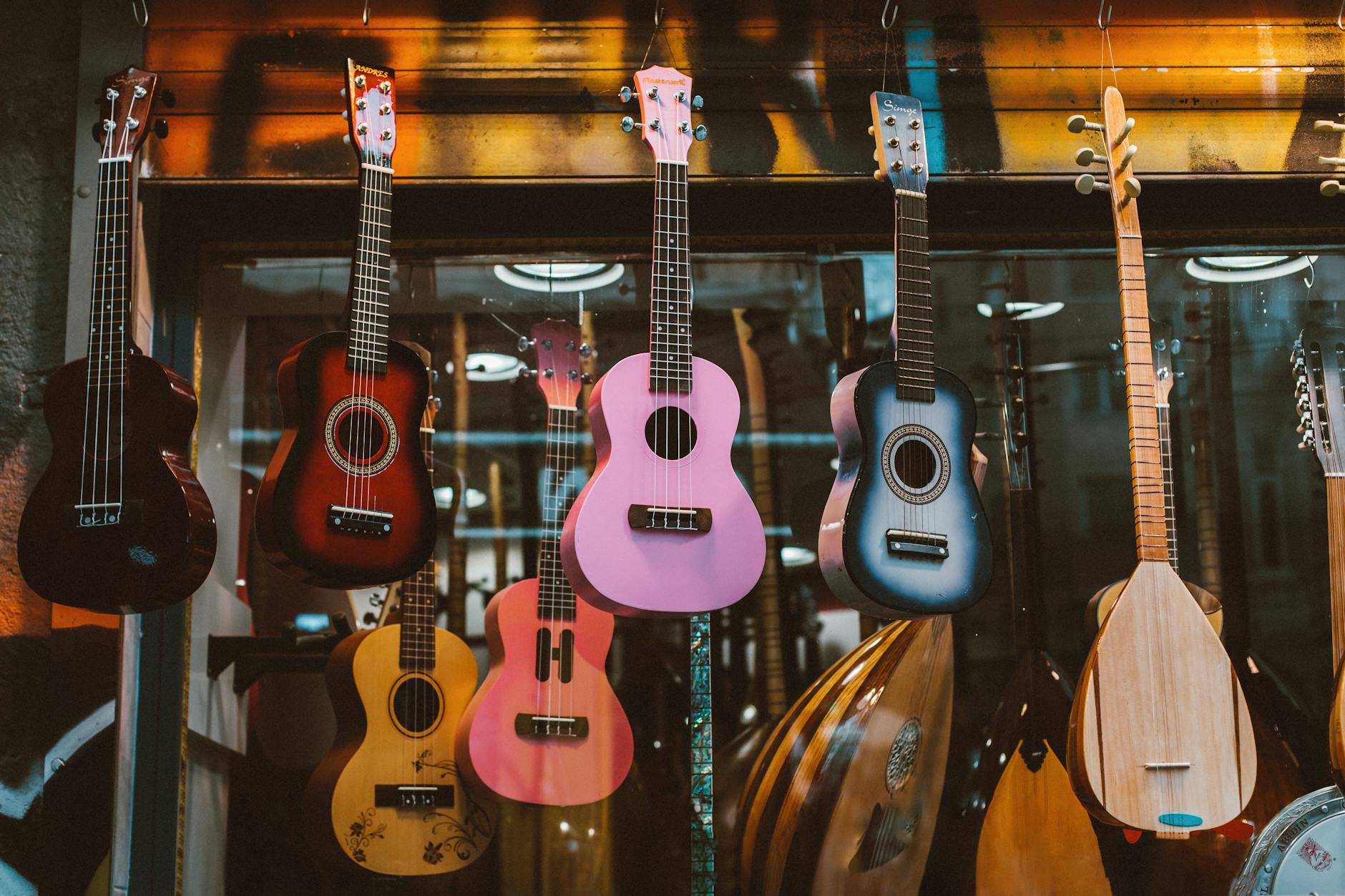
Musical instruments purchased during sales for beginners or aspirational players carry one of the highest abandonment rates of any skill-based consumer purchase. The discounted price lowers the psychological threshold of commitment in a way that actually reduces rather than increases the likelihood of sustained practice and genuine skill development. Entry-level instruments sold at sale prices are frequently produced to a standard that makes the learning experience more difficult and less rewarding than it would be on a properly set-up mid-range instrument. Teachers and music education specialists consistently recommend renting a quality instrument during the early stages of learning rather than purchasing a discounted one that may be abandoned within months. The relationship between instrument quality and learning persistence is well documented making the apparent economy of a sale instrument frequently counterproductive.
Supplements and Vitamins
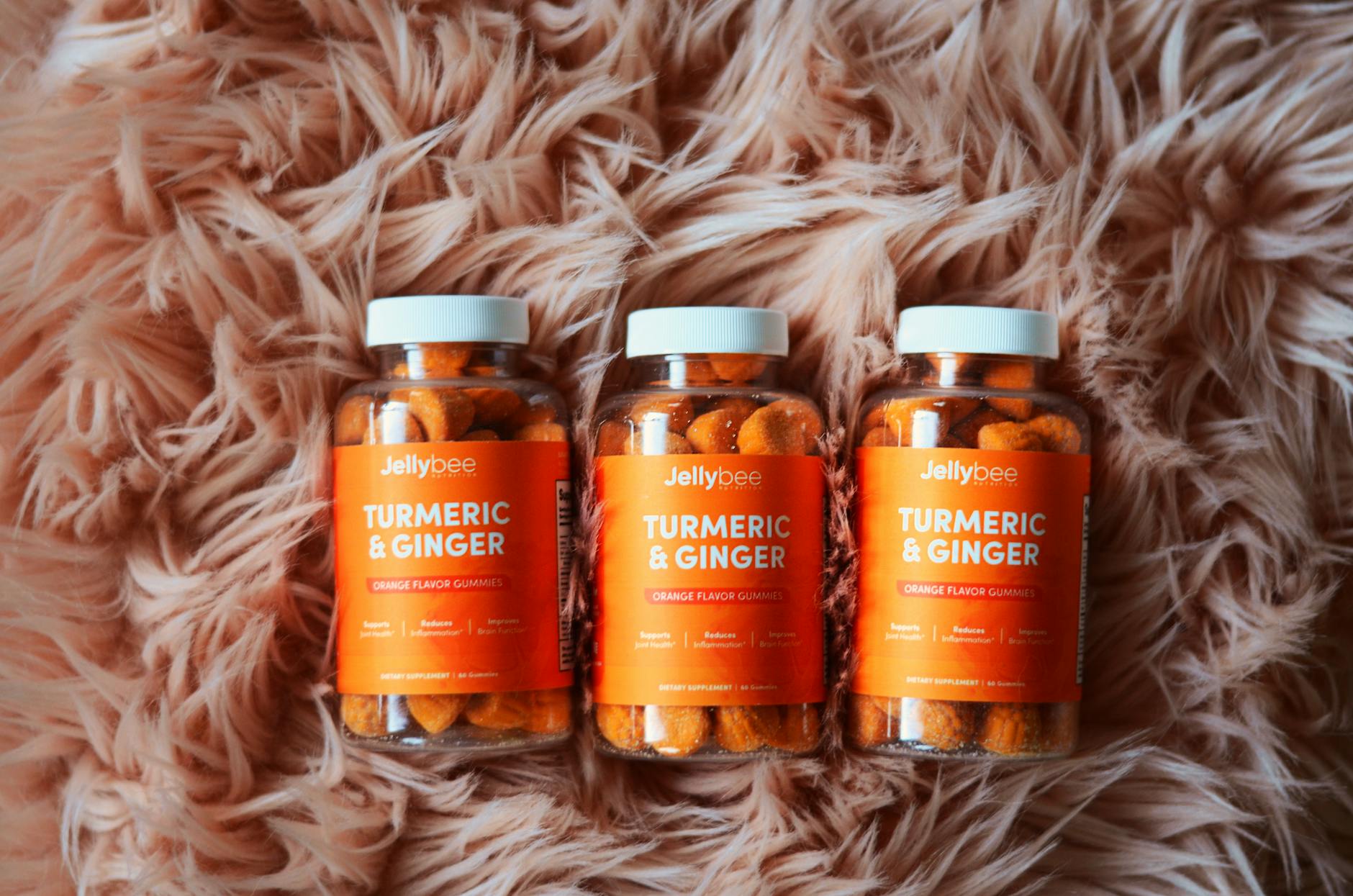
Supplement and vitamin purchases made in bulk during sales are a category where the intersection of marketing claims and actual clinical evidence creates conditions particularly unfavorable to genuinely informed buying. Sale environments accelerate purchasing decisions in a product category that benefits more than almost any other from careful research and where professional medical guidance is often the appropriate first step. Bulk quantities of supplements create consumption pressure that leads buyers to continue taking products beyond the point at which their personal health rationale for doing so remains valid. Formulations in the supplement industry change frequently and quality standards vary widely making a product purchased in quantity during one period potentially different in composition or efficacy from the version a buyer originally evaluated. The savings on unit price achieved through bulk sale purchasing are rarely sufficient to justify the practical and health-related risks of the category.
Luggage Locks and Travel Accessories
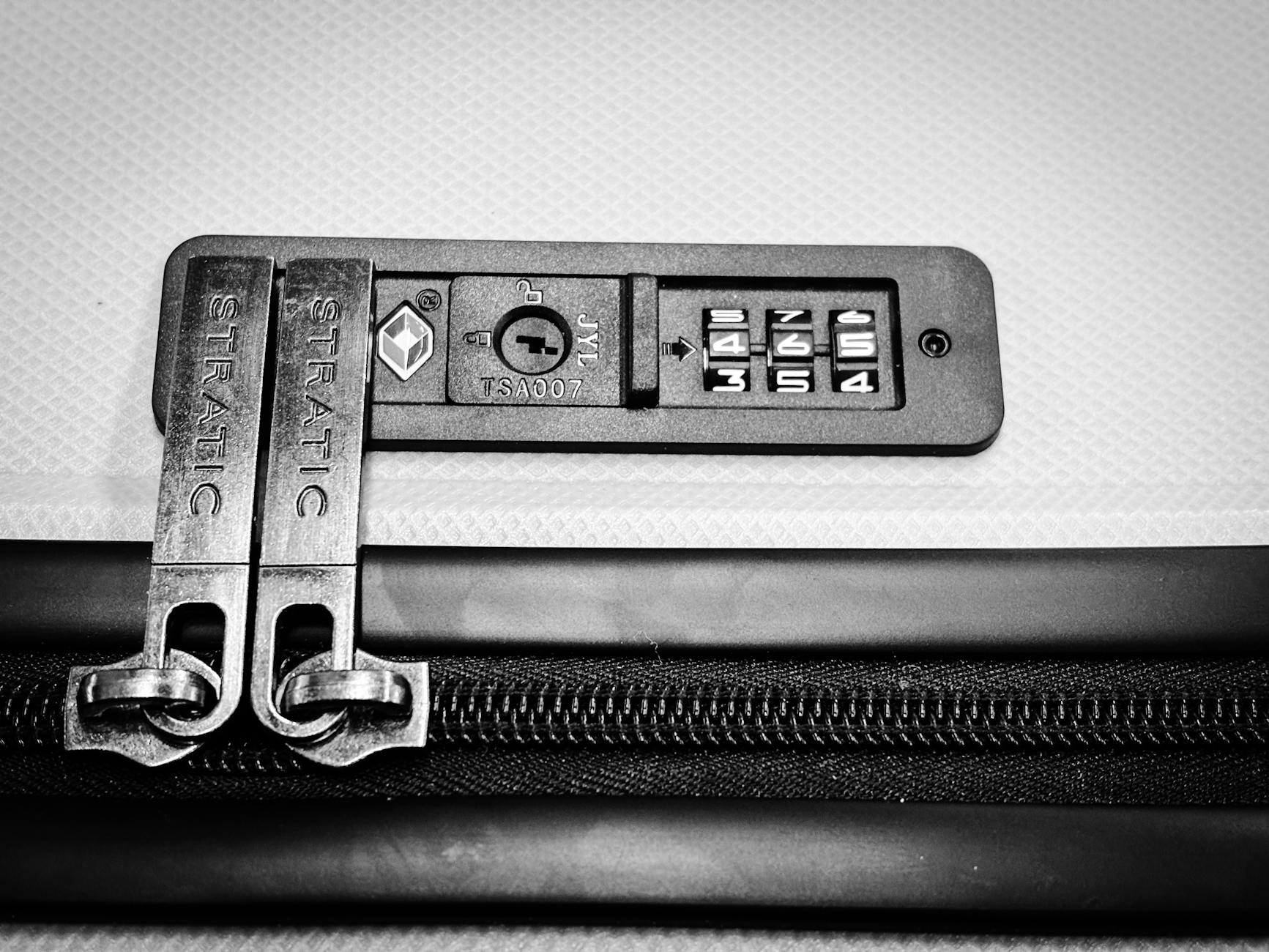
Small travel accessories bundled and discounted during sale events represent a category where low individual price points create conditions for chronic accumulation of redundant and unused items. The appeal of a discounted multipack of luggage locks travel adaptors or packing cubes rarely reflects genuine household need and more often reflects the triggering of an acquisitive response to apparent value. Travel accessory drawers in most households contain a disproportionate number of items purchased during sales that have never been used or that duplicate existing possessions. The organizational burden of managing accumulated travel accessories is a real if underappreciated cost that sale purchasing in this category consistently generates. Buying travel accessories individually at the point of a specific and identified need at full price almost always results in better selection and higher usage rates than speculative sale purchasing.
If any of these categories have changed the way you approach your next sale season share your own hard-won shopping lessons in the comments.




